- Chinese
- French
- German
- Portuguese
- Spanish
- Russian
- Japanese
- Korean
- Arabic
- Irish
- Greek
- Turkish
- Italian
- Danish
- Romanian
- Indonesian
- Czech
- Afrikaans
- Swedish
- Polish
- Basque
- Catalan
- Esperanto
- Hindi
- Lao
- Albanian
- Amharic
- Armenian
- Azerbaijani
- Belarusian
- Bengali
- Bosnian
- Bulgarian
- Cebuano
- Chichewa
- Corsican
- Croatian
- Dutch
- Estonian
- Filipino
- Finnish
- Frisian
- Galician
- Georgian
- Gujarati
- Haitian
- Hausa
- Hawaiian
- Hebrew
- Hmong
- Hungarian
- Icelandic
- Igbo
- Javanese
- Kannada
- Kazakh
- Khmer
- Kurdish
- Kyrgyz
- Latin
- Latvian
- Lithuanian
- Luxembou..
- Macedonian
- Malagasy
- Malay
- Malayalam
- Maltese
- Maori
- Marathi
- Mongolian
- Burmese
- Nepali
- Norwegian
- Pashto
- Persian
- Punjabi
- Serbian
- Sesotho
- Sinhala
- Slovak
- Slovenian
- Somali
- Samoan
- Scots Gaelic
- Shona
- Sindhi
- Sundanese
- Swahili
- Tajik
- Tamil
- Telugu
- Thai
- Ukrainian
- Urdu
- Uzbek
- Vietnamese
- Welsh
- Xhosa
- Yiddish
- Yoruba
- Zulu
- Kinyarwanda
- Tatar
- Oriya
- Turkmen
- Uyghur

Rotating fastener
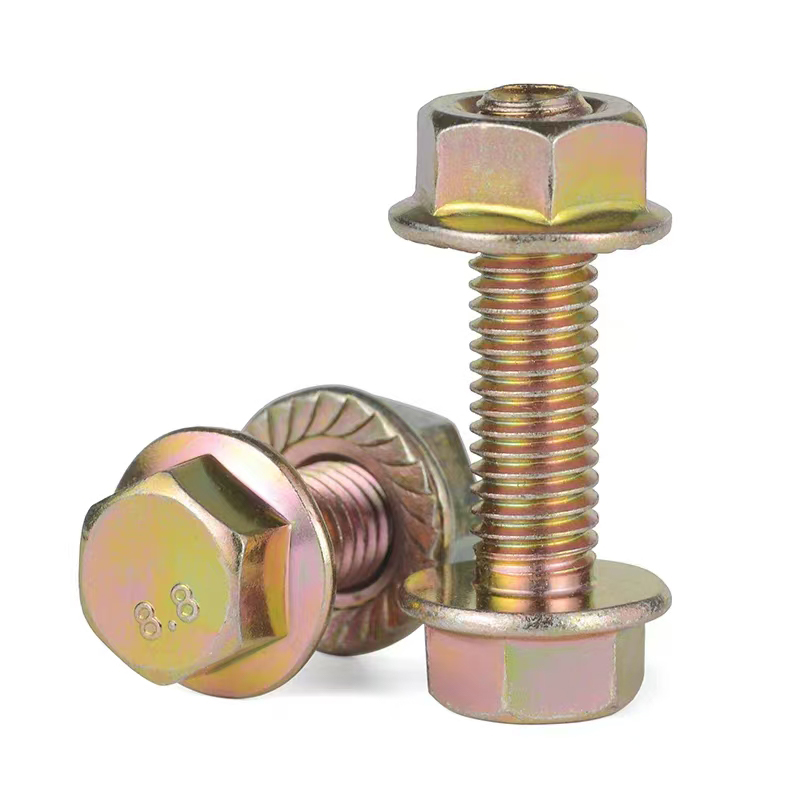
When you hear 'rotating fastener,' the mind might jump to a simple bolt being turned. That's the common pitfall. In practice, it's a functional category, not just an action. It refers to assemblies where the rotation is integral to the fastening mechanism itself—think swivel hooks, pivot pins, or certain types of rotating fastener used in conveyor systems where one part must spin freely against another while remaining securely attached. The nuance is in the designed rotational movement post-installation, not just the installation torque. Many sourcing specs get this wrong, leading to premature wear or joint failure because they specified a standard bolt for a dynamic rotation point.
The Core Mechanism and Misapplications
True rotating fasteners often involve a bearing surface—a bushing, a washer with low-friction coating, or a captured ball bearing race. I've seen designs where a standard shoulder bolt was used in a linkage, with the assumption the steel-on-steel rotation would be 'fine.' It wasn't. Within a few thousand cycles, galling set in, seizing the joint. The fix wasn't a harder bolt, but specifying a rotating fastener with a sintered bronze bushing pressed into the shoulder. The cost jump was marginal, the lifecycle multiplied. This is where the real engineering sits.
Material pairing is everything here. Using a zinc-plated steel pin against an aluminum bracket? You're asking for galvanic corrosion and friction welding under load. In one agricultural machinery project, we had exactly that failure. The pivot point for a steering linkage froze solid after exposure to fertilizer and moisture. The solution migrated to using a stainless steel pin with a phosphate-coated sleeve—different materials to prevent adhesion, with the coating acting as a sacrificial layer and solid lubricant.
Lubrication is another can of worms. Permanent lubrication sealed in at the factory is ideal but not always feasible. I recall a client from the material handling sector who insisted on greasing a sealed rotating latch assembly during routine maintenance, thinking 'more is better.' The grease attracted abrasive dust, creating a grinding paste that destroyed the nylon bushing in weeks. Sometimes, the design's intended dry or pre-lubricated state is the best practice. You have to understand the service environment intimately.
Precision in Production and Tolerances
This is where manufacturing capability separates the functional from the failed. A rotating fastener isn't forgiving of sloppy tolerances. The clearance between the pin and the bushing, the concentricity of the bearing surface—if these are off by a few tenths of a millimeter, you get wobble, uneven wear, and eventually, catastrophic play. I've visited factories where the quote was attractive, but their CNC turning centers couldn't hold the consistent ±0.01mm tolerance we needed for a high-cycle automotive seat pivot.
Handan Zitai Fastener Manufacturing Co., Ltd., based in Yongnian—China's fastener hub—has the infrastructure for this precision at scale. Being in that production base means they're surrounded by the entire supply chain, from wire rod to heat treatment. For a complex rotating fastener requiring secondary operations like groove milling for retaining rings or drilling cross-holes for lubrication, that localized ecosystem matters. Their location near major transport routes like the Beijing-Shenzhen Expressway isn't just a sales point; it translates to logistical reliability for just-in-sequence delivery to assembly lines, which is non-negotiable for auto or appliance OEMs.
I learned the hard way about heat treatment consistency. Ordered a batch of pivot pins for industrial fans. They passed initial pull tests, but in the field, under constant centrifugal load and vibration, a percentage developed micro-cracks at the thread root. The failure analysis pointed to inconsistent tempering after quenching, leaving some parts too brittle. The supplier hadn't automated their oven process. Now, I always ask for batch certification and often request to audit the heat treat line. It's a step many skip, focusing only on final dimensions.
Real-World Integration and Failure Analysis
Let's talk about a specific integration: adjustable monitor arms. The core is a rotating fastener that allows tilt and pan. It must hold a static position under the monitor's weight without sagging (meaning high static friction) yet be smooth to adjust by hand (requiring controlled dynamic friction). This is achieved through a specialized conical washer stack and a pre-load adjustment nut. Too tight, and the user can't move it; too loose, and it droops. The 'feel' is engineered into the fastener system.
Another case from heavy equipment. A rotating clevis pin used to connect hydraulic cylinder rods. The failure mode wasn't breakage but elongation. The pin, designed to rotate slightly in the clevis with each cylinder stroke, was wearing oval-shaped. The root cause? The hardness of the pin was higher than the clevis, so it wore its housing away. The lesson: the rotating component shouldn't always be the hardest part. Sometimes, you design a sacrificial, replaceable bushing to protect the more expensive structural components. It's a system thinking.
On their website, https://www.zitaifasteners.com, you can see they categorize products. For a manufacturer like Zitai, the ability to produce not just the rotating pin but also the matching washers, bushings, and retaining rings is key. It ensures compatibility and simplifies sourcing. It's a detail that matters when you're managing a BOM for 10,000 units. Sourcing the pin from one vendor and the bushing from another invites tolerance stack-up issues.
Future Considerations and Material Evolution
The push for lightweighting is hitting this space. Aluminum rotating fasteners are tricky because of their poor wear characteristics. We're seeing more composites and engineered polymers like PEEK or high-grade nylon used for the rotating element in low-load applications, paired with a steel shaft. They run dry, are corrosion-proof, and reduce weight. But their creep behavior under constant load is a new variable to calculate—they'll relax over time, potentially loosening preload.
Another trend is the integration of sensors. It sounds fancy, but imagine a critical rotating pivot on a wind turbine blade. Embedding a tiny strain gauge or wear sensor within a hollow rotating fastener for predictive maintenance is moving from R&D to field trials. The challenge is power and data transmission from a spinning part. It pushes the fastener from a simple mechanical component to a mechatronic node.
For manufacturers, this evolution means investing in different machining and testing capabilities. It's not just about stamping and threading anymore. It's about precision boring for composites, understanding tribology pairings, and maybe even cleanroom assembly for sensor-integrated units. The shops that adapt, those in clusters like Yongnian with the resources to share tech and talent, will likely lead this niche.
Concluding Thoughts from the Bench
So, it's never just about something that spins. It's about understanding the forces—axial, radial, moment loads—during that rotation. It's about the environment: wet, dry, abrasive, corrosive. It's about lifecycle expectations: 100 cycles or 10 million? Specifying the right rotating fastener is a series of trade-offs.
The allure of a cheap, standard part is always there. But the cost of a field failure—downtime, warranty labor, brand damage—dwarfs the upfront saving on a properly engineered component. It's why partnering with a manufacturer that gets this, one embedded in a full supply chain like Handan Zitai, is more than a procurement decision; it's a risk mitigation strategy.
In the end, the best rotating fastener is the one you never have to think about after installation. It just works, silently, for the life of the product. Achieving that is the unspoken goal, and it comes from layers of small, correct decisions in material, design, tolerance, and treatment. That's the real takeaway from the shop floor.
Related products
Related products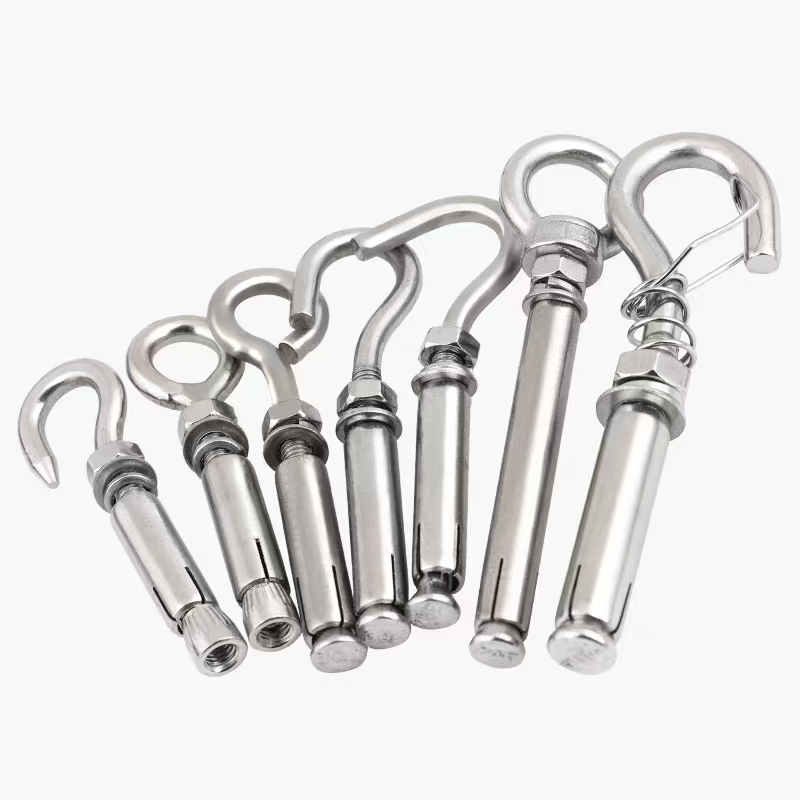
Best selling products
Best selling products-
 Electro-galvanized expansion hook
 -
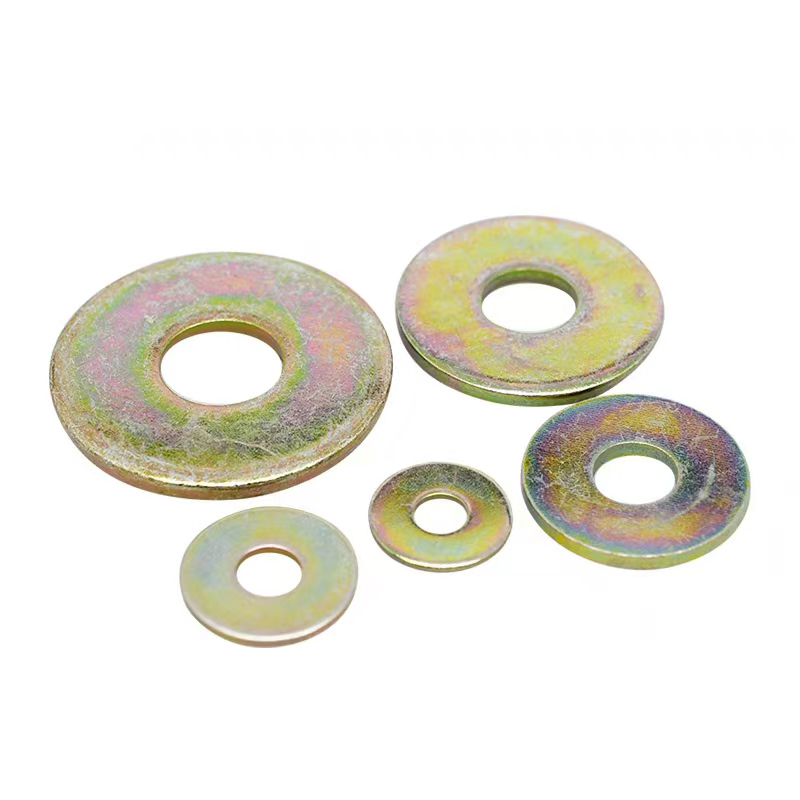
Colored zinc-plated gaskets
-
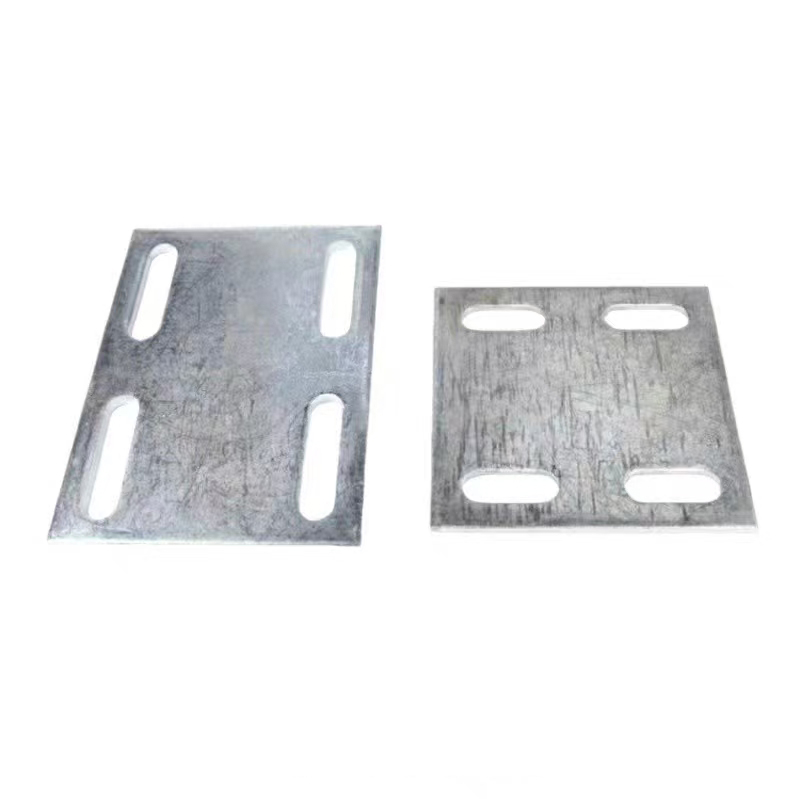
Electrogalvanized embedded plate
-
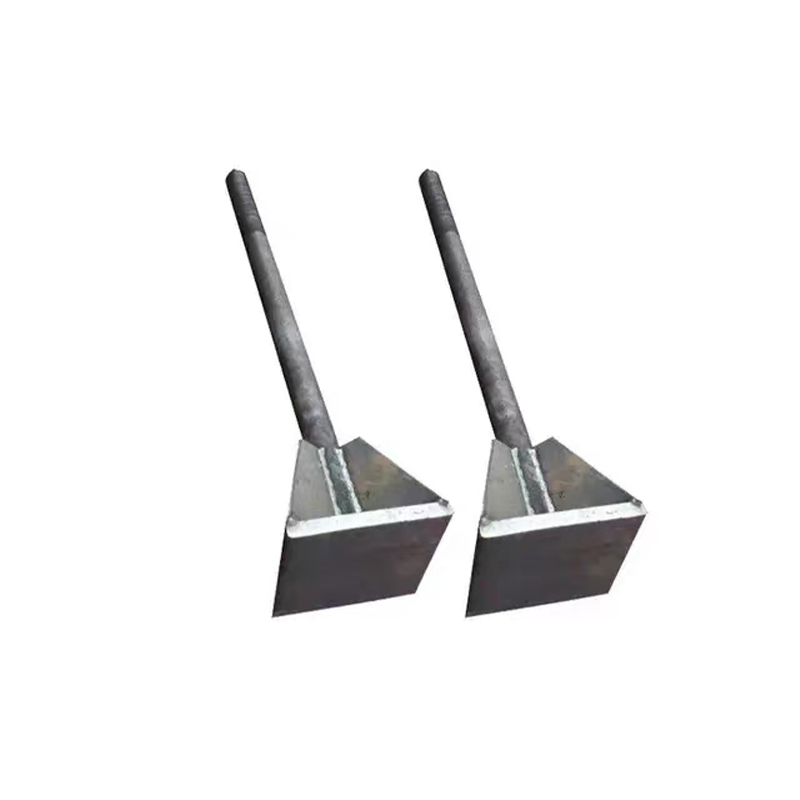
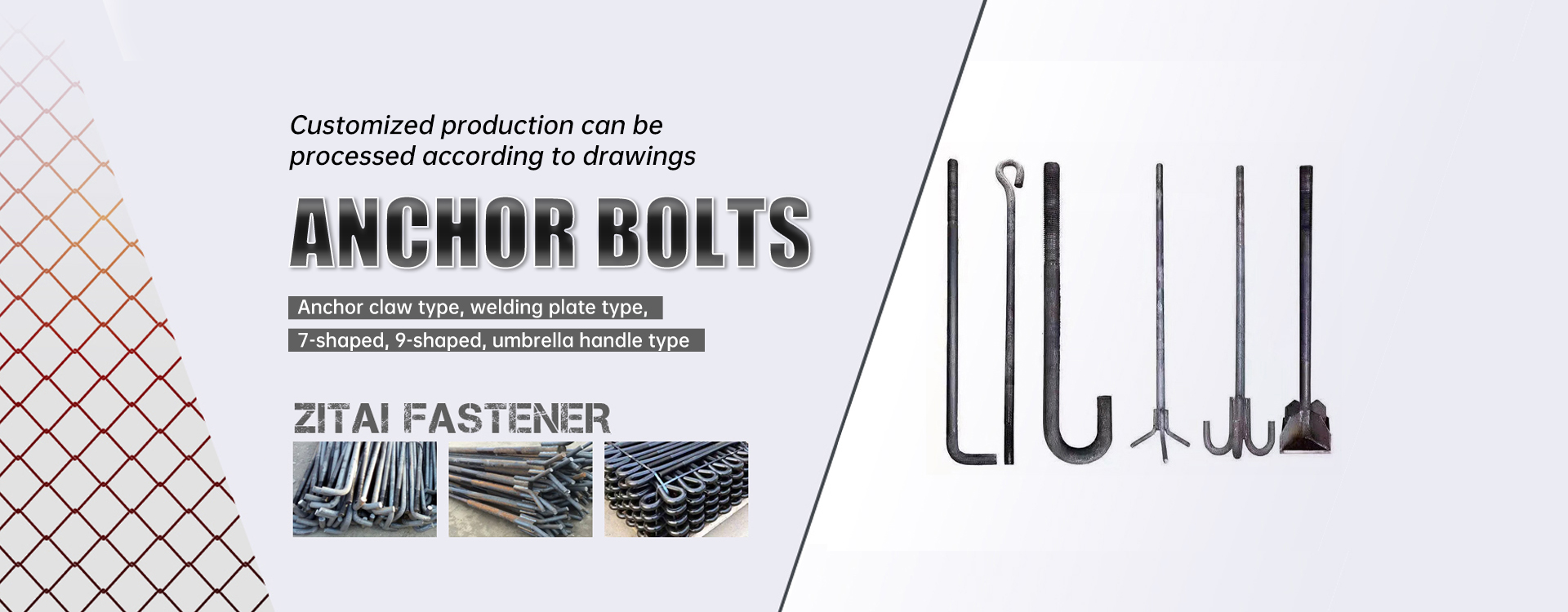
Welded plate anchor (welded plate anchor bolt)
-
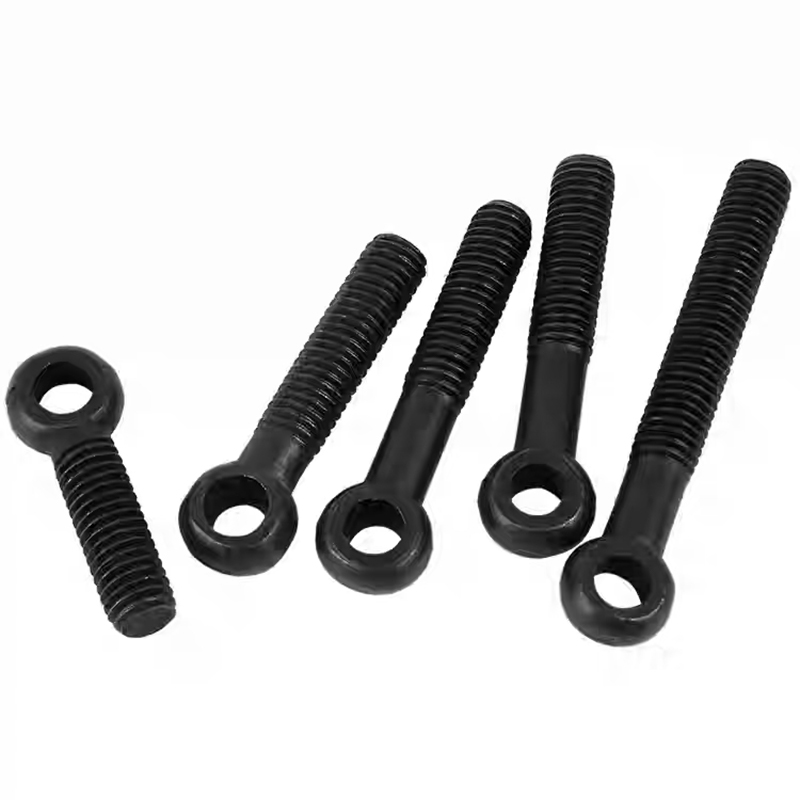
Black zinc plated hinge bolts
-
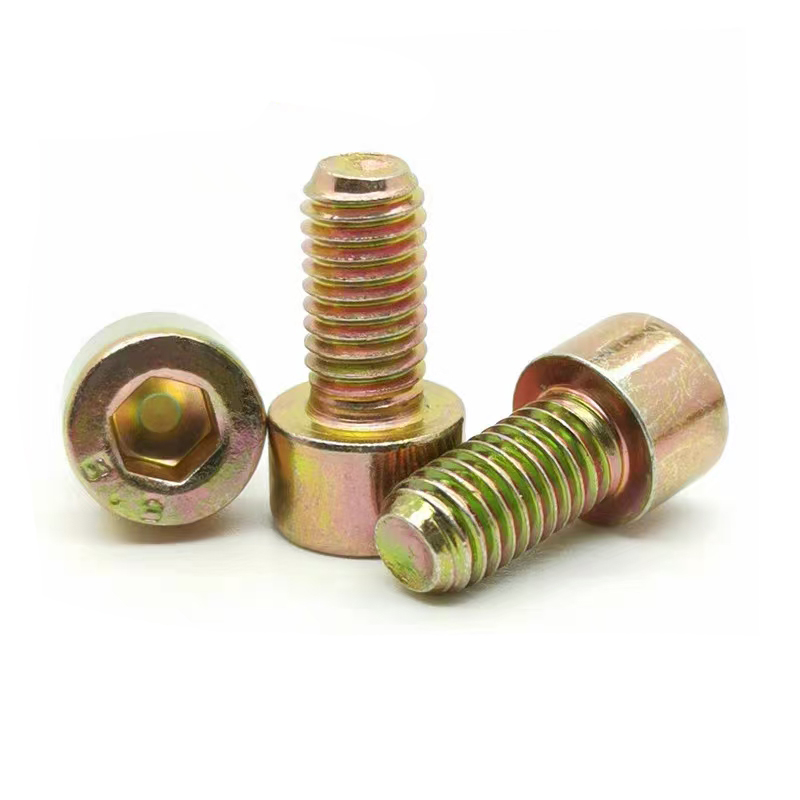
Hexagon socket colored zinc-plated bolts
-
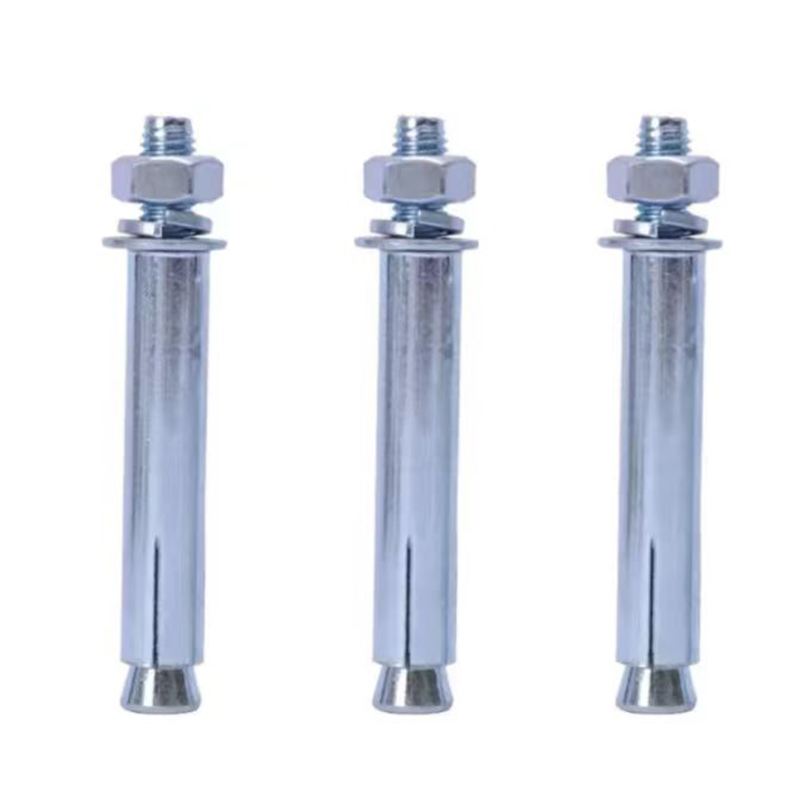
Electrogalvanized expansion bolts
-
Electro-galvanized hexagonal drill thread
-
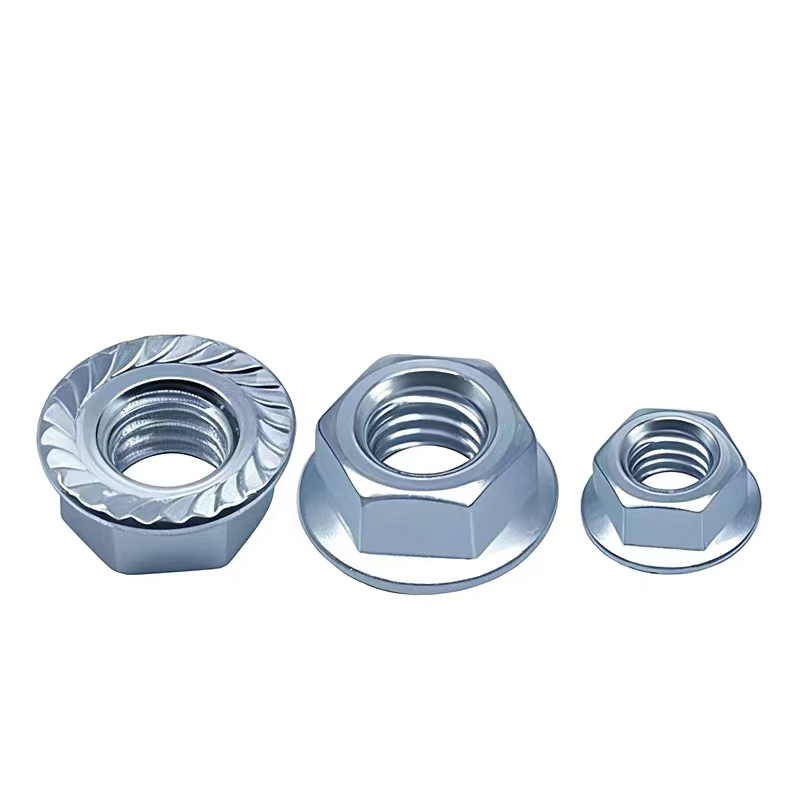
Electroplated galvanized flange nut (flange face nut)
-
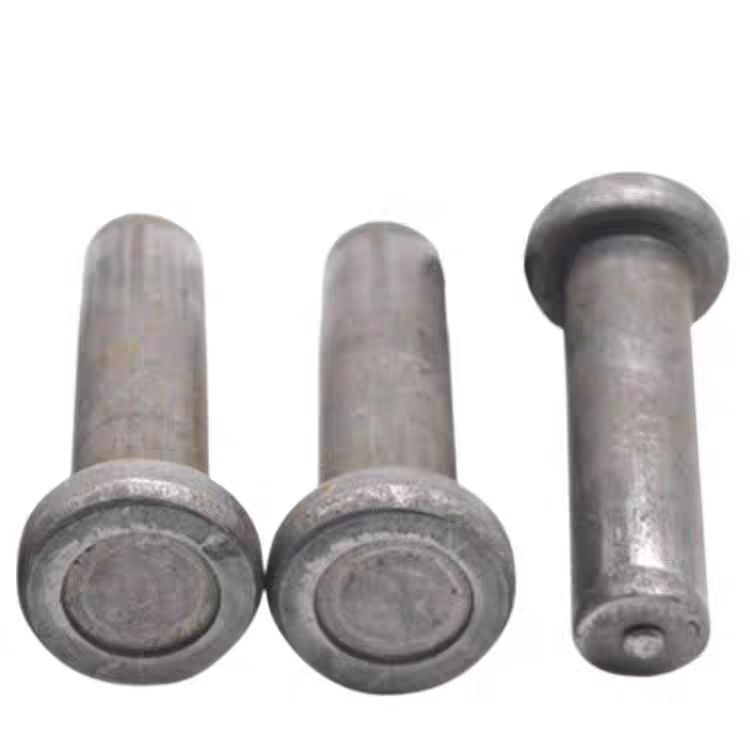
Steel structure welding studs
-
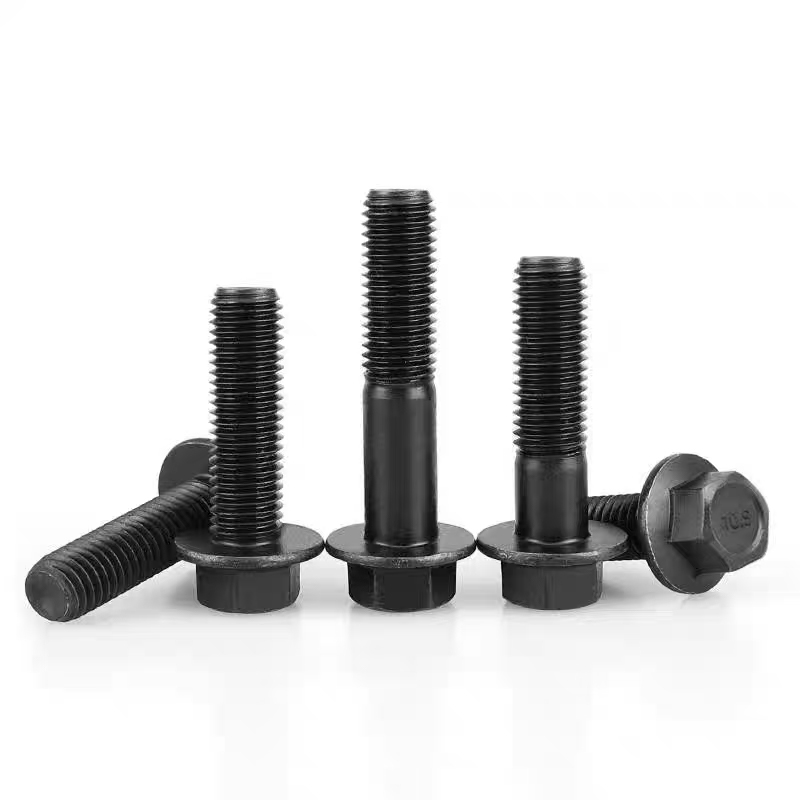
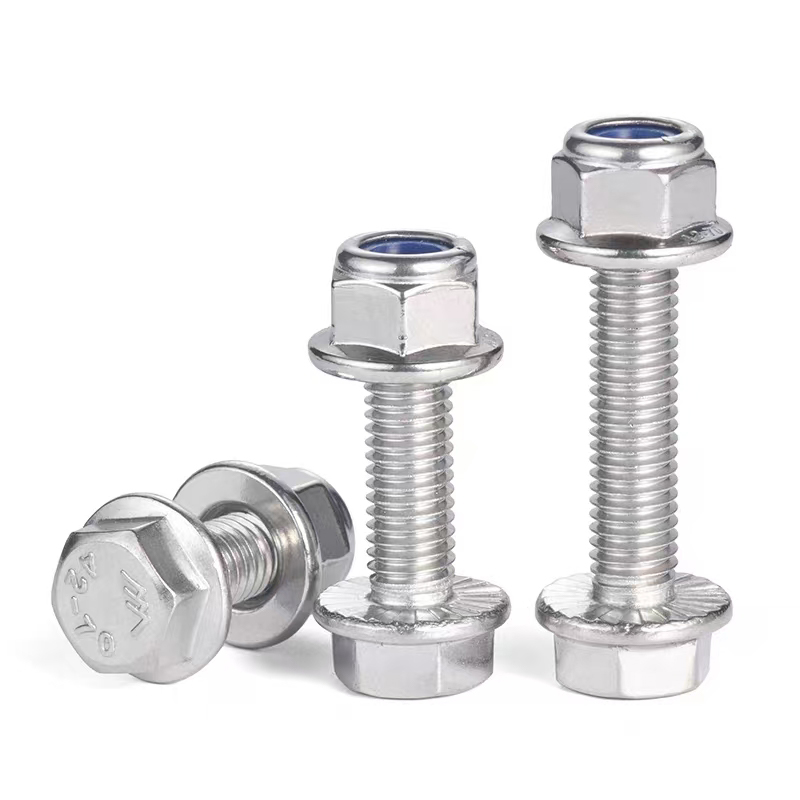
Black zinc flange bolts
-
Colored zinc flange bolts