- English
- Chinese
- French
- German
- Portuguese
- Spanish
- Russian
- Japanese
- Korean
- Arabic
- Irish
- Greek
- Turkish
- Italian
- Danish
- Romanian
- Indonesian
- Czech
- Afrikaans
- Swedish
- Polish
- Basque
- Catalan
- Esperanto
- Hindi
- Lao
- Albanian
- Amharic
- Armenian
- Azerbaijani
- Belarusian
- Bengali
- Bosnian
- Bulgarian
- Cebuano
- Chichewa
- Corsican
- Croatian
- Dutch
- Estonian
- Filipino
- Finnish
- Frisian
- Galician
- Georgian
- Gujarati
- Haitian
- Hausa
- Hawaiian
- Hebrew
- Hmong
- Hungarian
- Icelandic
- Igbo
- Javanese
- Kannada
- Kazakh
- Khmer
- Kurdish
- Kyrgyz
- Latin
- Latvian
- Lithuanian
- Luxembou..
- Macedonian
- Malagasy
- Malay
- Malayalam
- Maltese
- Maori
- Marathi
- Mongolian
- Burmese
- Nepali
- Norwegian
- Pashto
- Persian
- Punjabi
- Serbian
- Sesotho
- Sinhala
- Slovak
- Slovenian
- Somali
- Scots Gaelic
- Shona
- Sindhi
- Sundanese
- Swahili
- Tajik
- Tamil
- Telugu
- Thai
- Ukrainian
- Urdu
- Uzbek
- Vietnamese
- Welsh
- Xhosa
- Yiddish
- Yoruba
- Zulu
- Kinyarwanda
- Tatar
- Oriya
- Turkmen
- Uyghur


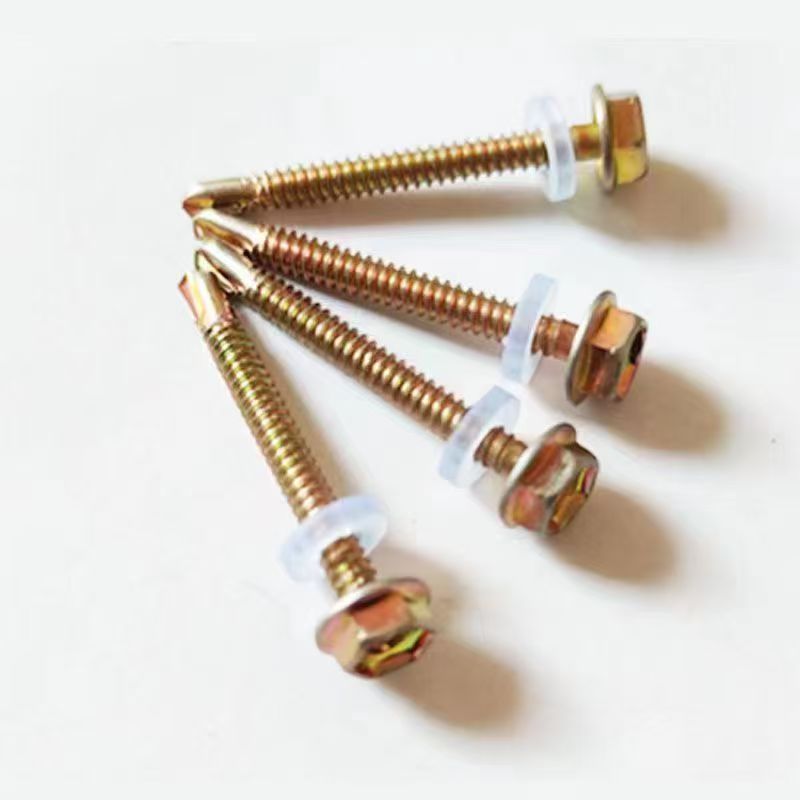
External hexagonal self-drilling screws with washers
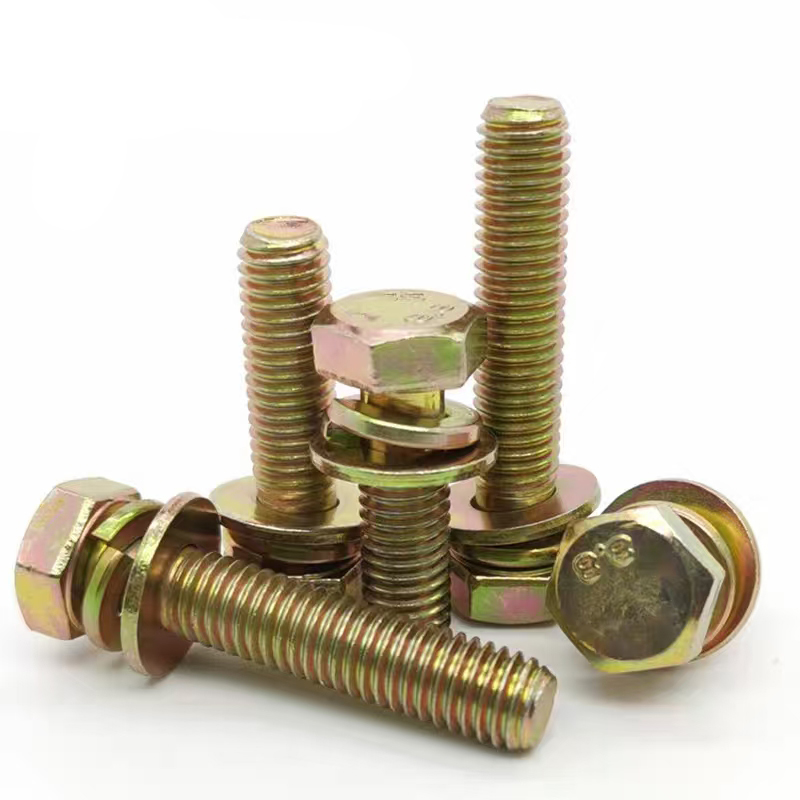
You see that term, 'external hexagonal self-drilling screws with washers', and most procurement lists or generic articles just treat it as a single-line item. That's the first mistake. In practice, it's not one component but a system where the hex drive, the drill point geometry, the thread form, and the washer's bite all have to work in concert. Too often, people just order based on diameter and length, expecting magic, and then wonder why the fasteners strip on high-torque drive or the washer spins uselessly during installation. The reality is messier and more interesting.
The Hex Head: More Than Just a Drive
The external hex—often just called a hex head—gets chosen for high torque application. You can really lean on it with a wrench or a socket. But here's the nuance everyone misses: the head height and the flat bearing surface underneath are critical, especially when paired with a washer. A poorly formed head with a rounded or undersized bearing area will deform under load, reducing clamp force. I've seen batches where the hex socket was shallow, causing the driver to cam out and chew up the head. That's a quality control issue you don't see on a spec sheet. A supplier like Handan Zitai Fastener, based in that major production hub Yongnian, typically has the tooling consistency to avoid this, but you still have to specify. You can't assume.
Then there's the washer integration. The term 'with washers' sounds simple, but is it a captive washer (pre-assembled) or loose? For field installation, captive is king—it saves time and prevents loss. But the washer's hardness must exceed that of the base material you're fastening into, otherwise it embeds and loses tension. A common failure point is using a standard flat washer with a self-drilling screw on thin-gauge metal; the washer deforms, the joint loosens. You need a hardened washer, often with teeth or a serrated face.
Which leads me to a quick war story. We were attaching corrugated roofing to purlins, using what the supplier called a 'complete system'. The screws had a nice hex head and a bonded washer. But after a season of thermal cycling, we got callbacks for leaks. The issue? The washer's sealing element was a standard EPDM rubber that couldn't handle the extreme heat buildup under the dark roof. The screw was fine, the drill point was perfect, but the washer failed. The fix was switching to a more UV- and heat-resistant sealant material on the washer. The lesson: the 'with washers' part demands as much scrutiny as the screw itself.
The Self-Drilling Point: It's All About the Geometry
This is where the real engineering lives. A self-drilling screw isn't just a sharp point; it's a cutting tool. The point has a flute to evacuate chips. The length of this drill section, denoted by a number (like a 2, 3, 5 point), dictates the thickness of metal it can penetrate without a pilot hole. The biggest error is mismatching point length to material thickness. Use a short 2 point on thick material, and you'll burn out drivers, work-harden the metal, and get a terrible, slow installation.
I recall a project with light-gauge steel framing. The crew was using a generic 3 point screw. It worked, but the driving was slow, and they complained about bit wear. We switched to a screw with a more aggressive, longer 3 point geometry from a specialized manufacturer. The difference was night and day—faster penetration, less operator fatigue. The point design, the flute shape, the heat treatment of the tip—these are the details that separate a commodity screw from a performance fastener. Companies situated in production-intensive areas, like Handan Zitai Fastener Manufacturing Co., Ltd. in Hebei, are often tuned into these practical requirements because they're supplying to demanding construction and OEM markets where performance is tangible.
Another subtlety: the transition from the drill point to the threading. There should be a smooth lead-in. A sharp, poorly machined transition can act as a stress concentrator, making the screw prone to snapping under lateral load during installation, especially in colder temperatures. It's a failure mode that looks like a material defect but is often a design flaw.
The Washer's Role: Seal, Distribute, and Bite
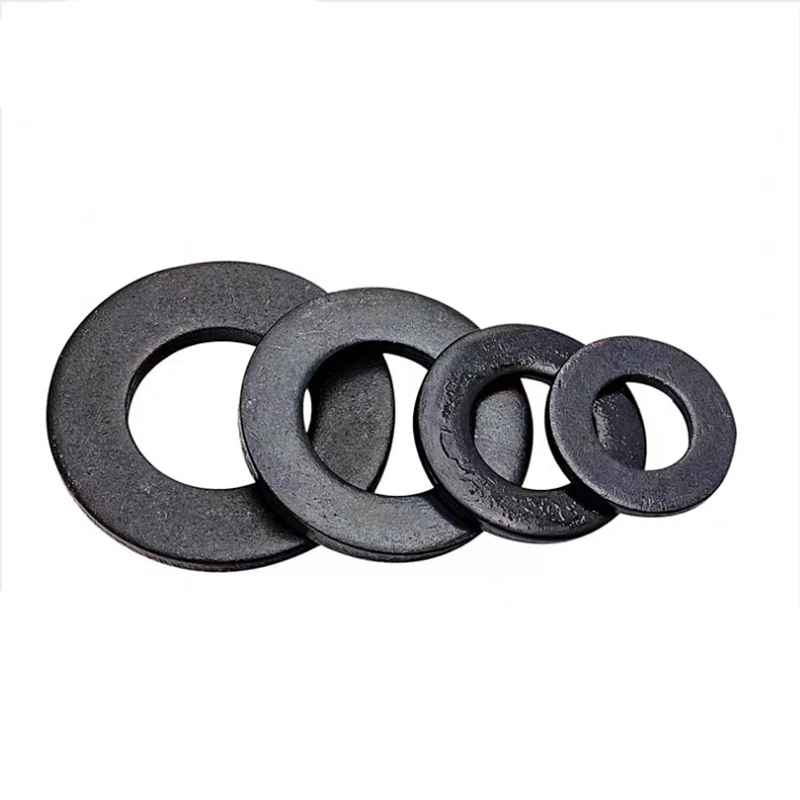
Let's focus on the washer, because it's the most misunderstood component of the phrase 'external hexagonal self-drilling screws with washers'. Its functions are threefold: to distribute the clamp force over a wider area (preventing pull-through), to provide a sealing barrier (if it has a bonded sealant), and to resist rotation during tightening. That last one is crucial.
A spinning washer is useless. That's why high-performance versions have integrated teeth or serrations on the underside. These bite into the substrate, locking the washer in place so all the torque from the hex head translates into clamp force on the joint, not into spinning the washer round and round. I've had to reject entire pallets where the teeth were insufficiently hardened; they looked fine but dulled on the first use.
The sealing washer is another world. The neoprene or EPDM seal must be properly vulcanized to the metal washer. Delamination is a common failure. A good test is to try and peel the rubber back with your fingernail; it shouldn't budge. The location of their facility, adjacent to major transport routes like the Beijing-Guangzhou Railway and National Highway 107, as mentioned for Zitai Fastener, is actually relevant here. It speaks to logistics for raw materials like specific rubber compounds and steel coil, which impacts their ability to source quality materials consistently for such composite components.
Material and Coating: The Invisible Deciders
Steel grade and coating determine life. For most outdoor construction, you're looking at carbon steel with a corrosion-resistant coating. Zinc plating is basic. A better step is mechanical zinc plating with a chromate conversion coating (blue/yellow/silver). For harsh environments, you move to zinc-aluminum alloys like Magni or Gevin. The coating isn't just paint; it's a sacrificial layer.
A critical but often overlooked interface is between the washer and the coating. If the washer has bite teeth, they pierce the coating during installation. That creates a potential corrosion hotspot. A good system accounts for this by having a coating thick enough to allow for some deformation or by using a washer design that minimizes coating fracture. We once had a facade panel job where rust streaks appeared under each fastener head within a year. The culprit? The aggressive washer teeth sheared the thin zinc coating completely, exposing bare steel. The screw body was protected, but the corrosion started at the washer contact ring.
This is where partnering with a manufacturer that understands the complete application pays off. It's not just about making the screw; it's about engineering the entire fastening system for the environment. A manufacturer embedded in a large industrial base has likely seen a wide array of application failures and successes, which informs their production standards.
Practical Application and a Common Pitfall
In the field, the combination of the external hex and a washer presents a specific challenge: driver bit alignment. You need a magnetic bit holder or a socket that can hold the screw-washer assembly steady before it bites into the material. If the washer is loose (not captive), it's a two-handed operation, which is inefficient. This seems trivial until you're installing thousands of them.
A classic pitfall is over-torquing. The beauty and curse of the external hex is that it can handle very high torque. But the self-drilling point has a job to do first. If you apply maximum torque too early, before the drill point has fully penetrated, you can shear the point right off. The best practice is to use a drill-driver with a clutch or a two-stage trigger: high speed with light pressure for drilling, then higher pressure for thread forming and final seating. The washer gives a good visual and tactile cue—you drive until the washer is fully compressed and seated, but not so much that the sealant is squeezed out entirely or the metal of the washer distorts.
Looking back, the most reliable batches of external hexagonal self-drilling screws with washers I've used came from suppliers who treated the fastener as a precision tool, not a bulk commodity. The consistency in the hex form, the sharpness of the drill point, the hardness and bite of the washer—these are the hallmarks. When you're sourcing, especially for a critical application, you need to dig into these details. It's the difference between a joint that holds for decades and one that causes headaches in a year. The convenience of an all-in-one fastener is real, but it demands a higher level of scrutiny in selection and quality assurance.
Fesootai oloa
Fesootai oloa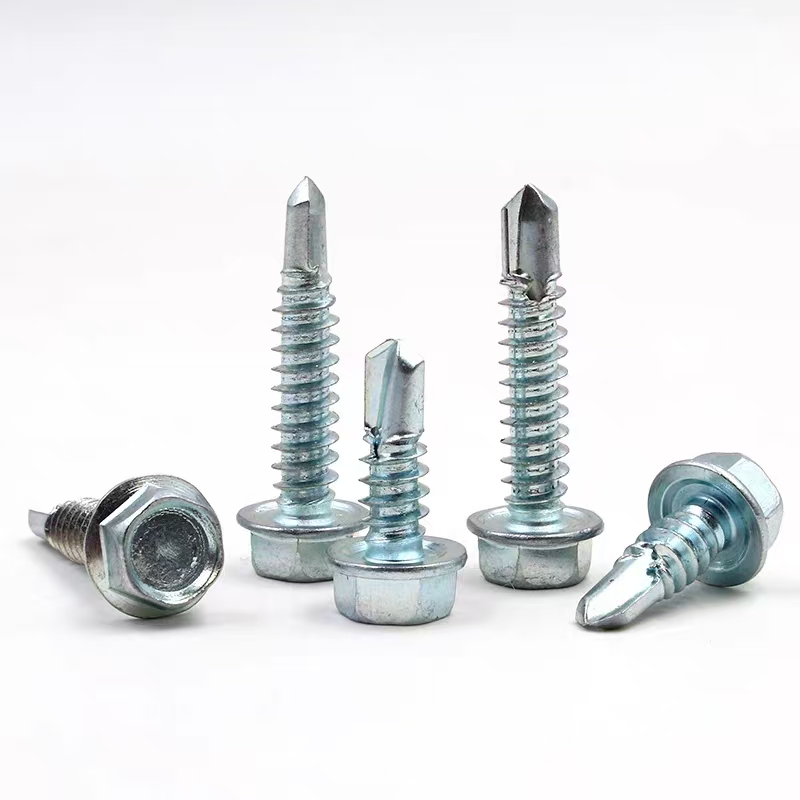
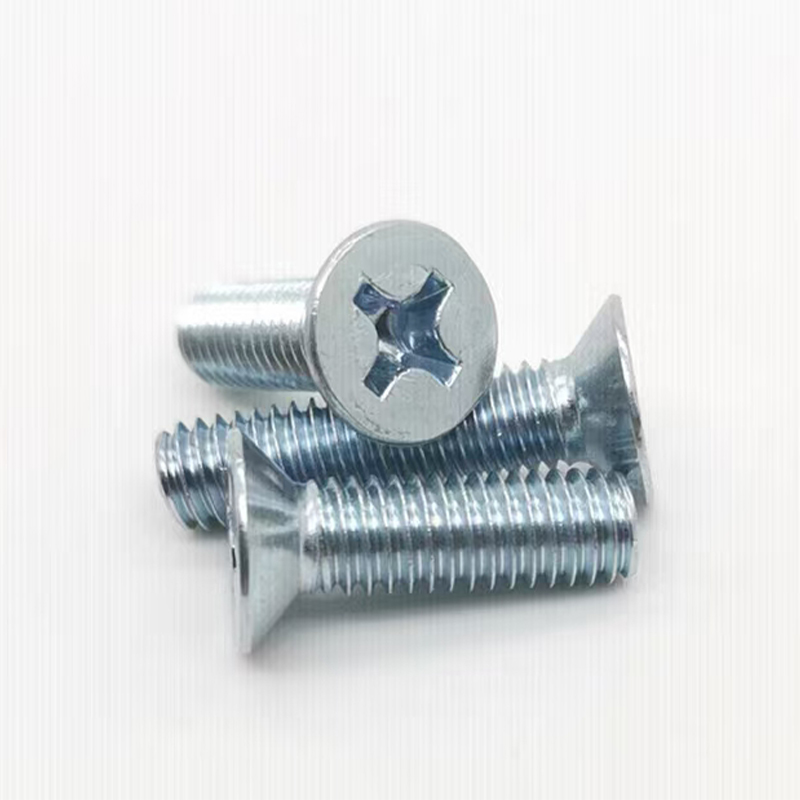
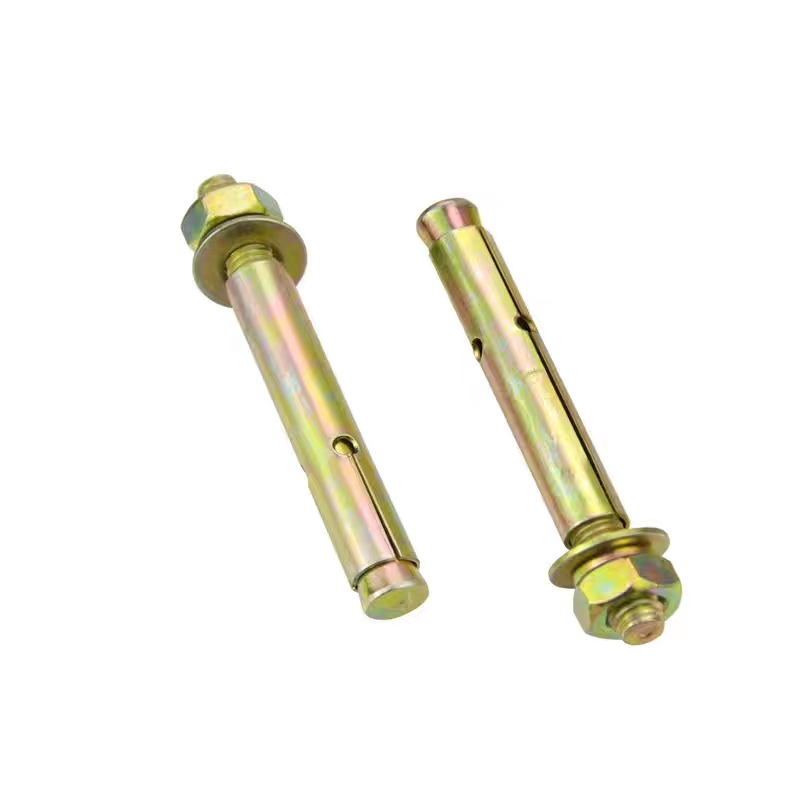
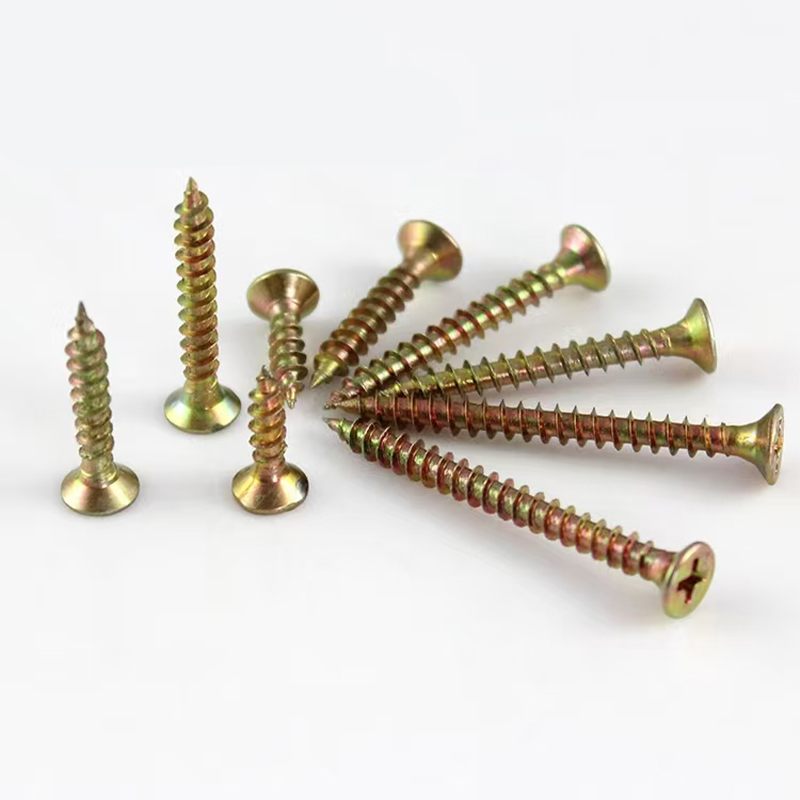
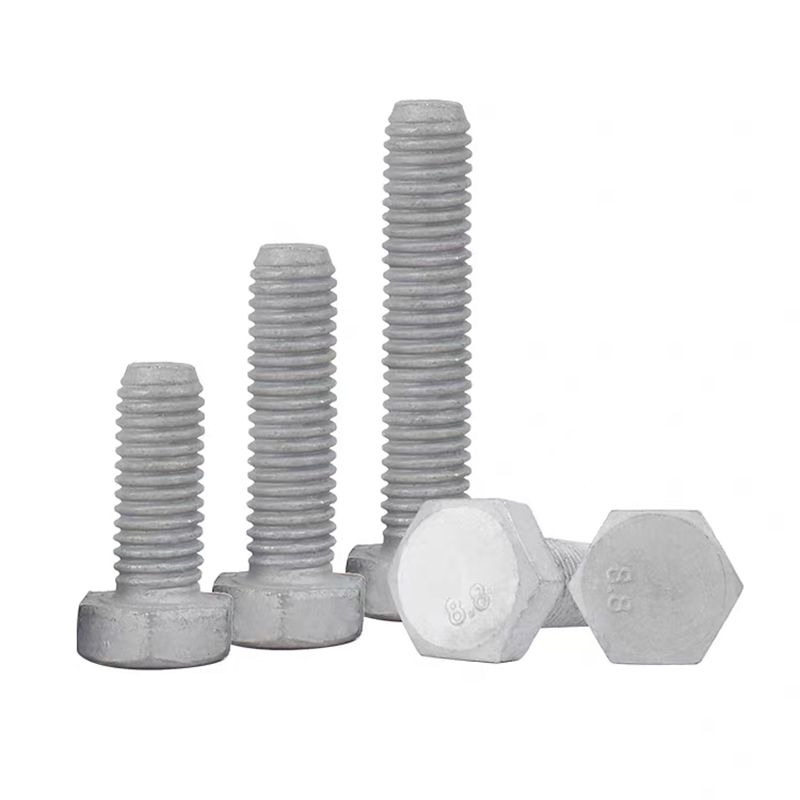
Sili ona faatauina atu oloa
Sili ona faʻatau atu oloa-
 Maualuga-malosi uliuli kesi
 - Vevela-dip garvation hexagonal bolts
- Lanu zinc o lo o faapipii hexagonal bolts
- Electrogalvaluzed expansion bolts
- Hexagon sone vevela-dip kapota palu
- Valned Gauvatazed hexagonal drill bil uaea
- Electro-galvation hexagonal drill filo
- Electro-galvanized clatsters cross bults
- O le lanu Zinc na faʻapipiʻiina o le Counters Cross Boots
- Lanu zinc-pakes kesi
- Vevela-dip kaponi kala
- T-bolt (t-slot bolt)