- English
- Chinese
- French
- German
- Portuguese
- Spanish
- Russian
- Japanese
- Korean
- Arabic
- Irish
- Greek
- Turkish
- Italian
- Danish
- Romanian
- Indonesian
- Czech
- Afrikaans
- Swedish
- Polish
- Basque
- Catalan
- Esperanto
- Hindi
- Lao
- Albanian
- Amharic
- Armenian
- Azerbaijani
- Belarusian
- Bengali
- Bosnian
- Bulgarian
- Cebuano
- Chichewa
- Corsican
- Croatian
- Dutch
- Estonian
- Filipino
- Finnish
- Frisian
- Galician
- Georgian
- Gujarati
- Haitian
- Hausa
- Hawaiian
- Hebrew
- Hmong
- Hungarian
- Icelandic
- Igbo
- Javanese
- Kannada
- Kazakh
- Khmer
- Kurdish
- Kyrgyz
- Latin
- Latvian
- Lithuanian
- Luxembou..
- Macedonian
- Malagasy
- Malay
- Malayalam
- Maltese
- Maori
- Marathi
- Mongolian
- Burmese
- Nepali
- Norwegian
- Pashto
- Persian
- Punjabi
- Serbian
- Sesotho
- Sinhala
- Slovak
- Slovenian
- Somali
- Scots Gaelic
- Shona
- Sindhi
- Sundanese
- Swahili
- Tajik
- Tamil
- Telugu
- Thai
- Ukrainian
- Urdu
- Uzbek
- Vietnamese
- Welsh
- Xhosa
- Yiddish
- Yoruba
- Zulu
- Kinyarwanda
- Tatar
- Oriya
- Turkmen
- Uyghur


Fixing fastener
Let's talk about 'fixing fastener'—a term that sounds straightforward but trips up a lot of people, even some in the trade. It's not just about tightening a bolt; it's the whole process of selecting, installing, and ensuring a threaded or non-threaded component actually holds things together permanently or as intended. The biggest mistake? Assuming all fasteners are created equal and that torque is the only variable that matters. I've seen too many projects where that assumption led to a call back, or worse, a failure.
The Core Misunderstanding: It's a System, Not a Part
When we say fixing fastener, we're really talking about a system. The bolt, the nut, the washer, the tapped hole, the material being joined, the environmental conditions—they all interact. Picking a grade 8.8 bolt for a critical structural application might seem right, but if the mating surface is soft aluminum and you don't account for embedment relaxation, that joint will loosen. It's not the fastener's fault; it's a system mismatch.
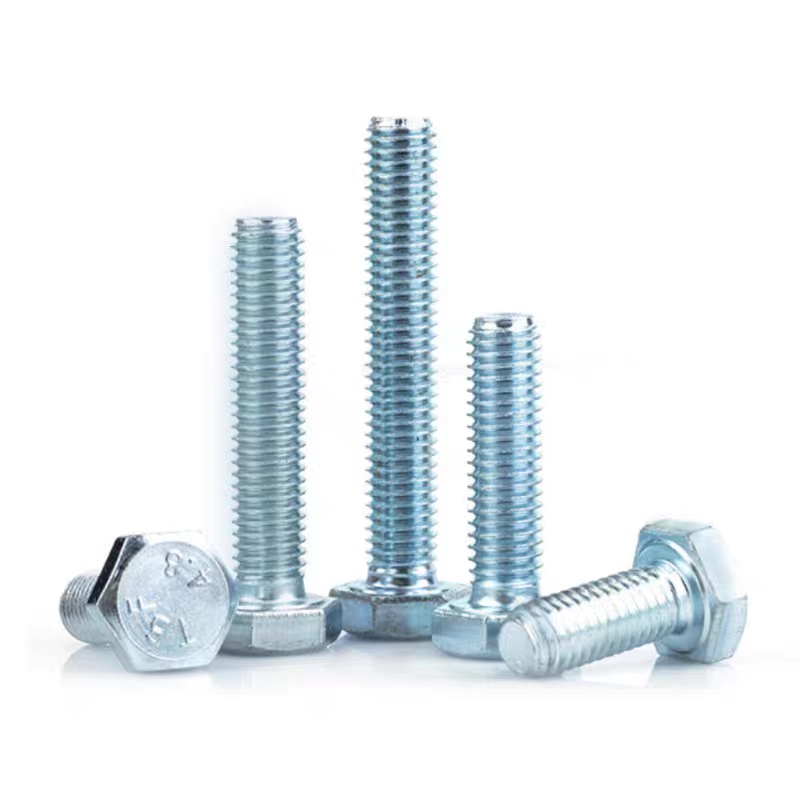
I remember a retrofit job on some outdoor machinery. The spec called for standard zinc-plated carbon steel hex bolts. They looked fine going in. Six months later, half were seized or had rust-jacked, causing stress fractures in the mounting plates. The 'fix' wasn't just replacing bolts; it was re-evaluating the entire fixing fastener protocol for that environment. We switched to a stainless-steel A2-70 series with a different lubrication on the threads and a wider washer to distribute load. Problem solved, but it cost double the time of the initial install.
The lesson? The fixing starts long before the wrench turns. It starts with reading the environment—moisture, chemicals, thermal cycles, vibration—and choosing the entire assembly accordingly. Sometimes the right answer is a locking patch, sometimes a serrated flange nut, sometimes a different thread pitch. There's no universal fix.
Torque vs. Tension: The Eternal Battle
Here's a classic shop floor debate that never dies. You're told to torque a set of M12 bolts to 90 Nm. So you calibrate your wrench, hit the click, and move on. Job's done, right? Probably not. Torque is just a proxy for what you really want: bolt tension, the actual clamping force holding the joint together.
Friction is the wild card here. Up to 90% of your applied torque can be lost just overcoming friction under the bolt head and in the threads. If the fastener is dry, or has debris, or the plating is inconsistent, you can hit 90 Nm with the bolt barely stretched. The joint is under-clamped. Conversely, with perfect lubrication, you might over-stretch the bolt before the wrench clicks. I've seen both happen. For critical joints, we now often use a combination: torque to a preliminary value, then angle tighten. It's more steps, but it gets you closer to consistent tension.
This is where having a reliable supplier matters. If the fastener's coating or dimensional tolerances are all over the place, your torque-tension relationship is a guess. Consistency in the component is the foundation of a reliable fixing fastener process.
On-Site Realities and Good Enough Fixes
Not every job has the luxury of perfect conditions and calibrated equipment. You're in the field, it's raining, the spec sheet is smudged, and you need to get things secured. This is where experience—and sometimes compromise—kicks in.
The good enough temporary fix is a necessary evil, but you have to know its limits. Using a mild steel bolt where a high-strength one is needed, but adding an extra lock washer and marking it for mandatory re-torque in 24 hours, might be an acceptable risk for a short-term operational need. The key is documentation and a clear follow-up plan. The sin is doing it and forgetting, letting a temporary fix become a permanent point of failure.
I once had to secure a heavy vibration screen with some mismatched bolts from a local hardware store because the correct shipment was delayed. We doubled the number of fasteners, used thread-locking compound, and put a huge, red REPLACE BY [DATE] tag on it. It held for the week it needed to. That's fixing with your brain, not just the parts bin.
The Supply Chain and Geographic Reality
Where your fasteners come from isn't just a line on an invoice; it impacts availability, consistency, and sometimes the very approach to a job. China's Yongnian District in Hebei, for instance, is a colossal hub for standard parts. A company like Boitin Zitai Fatene Fale gaosi co., LTD., situated there with its access to major rail and road networks, exemplifies the scale and logistics capability of the region. For bulk, standard-grade fasteners, this is often the source, directly or indirectly.
Working with such suppliers, you learn to be very specific in your orders. M10 x 50 hex bolt isn't enough. You need the grade, the coating, the thread pitch, the standard (ISO, DIN, GB). The convenience of massive supply is balanced by the necessity of precise specification. Getting a pallet of the wrong zinc plating can set a project back weeks.
Their location near the Beijing-Guangzhou Railway and expressways isn't a trivial detail in their company profile; it translates to lead times and cost. For a big infrastructure project ordering container loads of foundation bolts, that logistical efficiency is a major factor in the overall fixing fastener strategy and timeline.
When the Fix Fails: Post-Mortems
The most educational moments come from failures. A sheared bolt, a stripped thread, a corroded assembly—they're all stories waiting to be read.
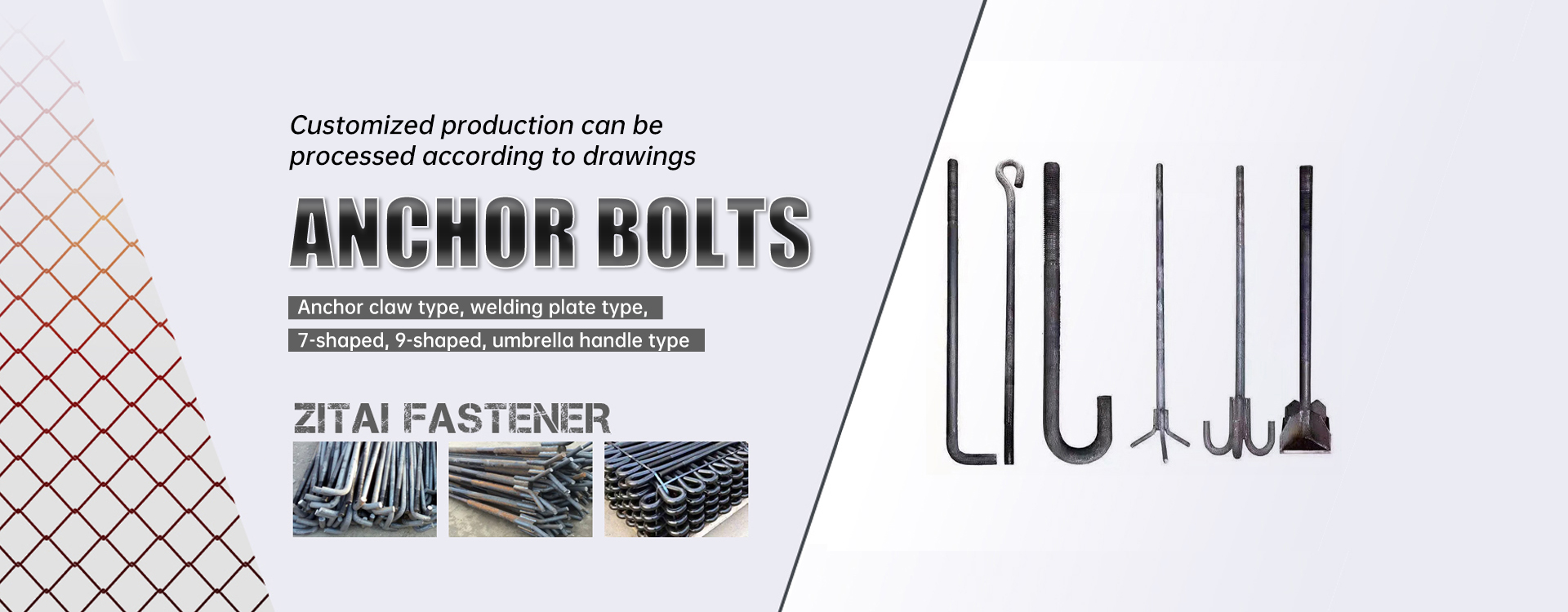
We had a batch of anchor bolts fail in a concrete pour. The immediate suspicion was low-grade steel. The metallurgy report, however, showed the material was fine. The failure was hydrogen embrittlement. The electroplating process used by the vendor (a common, cost-effective finish) didn't include a proper baking step to drive out hydrogen, which made the bolts brittle. The 'fix' was correct on paper, but the manufacturing nuance caused the failure. Now, for any critical plated fastener, we ask for and verify the baking certificate.
Another time, persistent loosening on a pipe flange was traced not to the bolts, but to the gasket. It was creeping over time, reducing the clamping force. Re-torquing the bolts was treating the symptom. The real fixing fastener solution was to specify a different, non-creeping gasket material. The fasteners were just one part of the equation that had to change.
These are the cases that stick with you. They move you from following a spec to understanding why the spec exists. It turns a rote task into a problem-solving exercise. That's the heart of fixing fasteners properly—it's applied physics and materials science, with a bit of dirt under your fingernails.
Fesootai oloa
Fesootai oloa
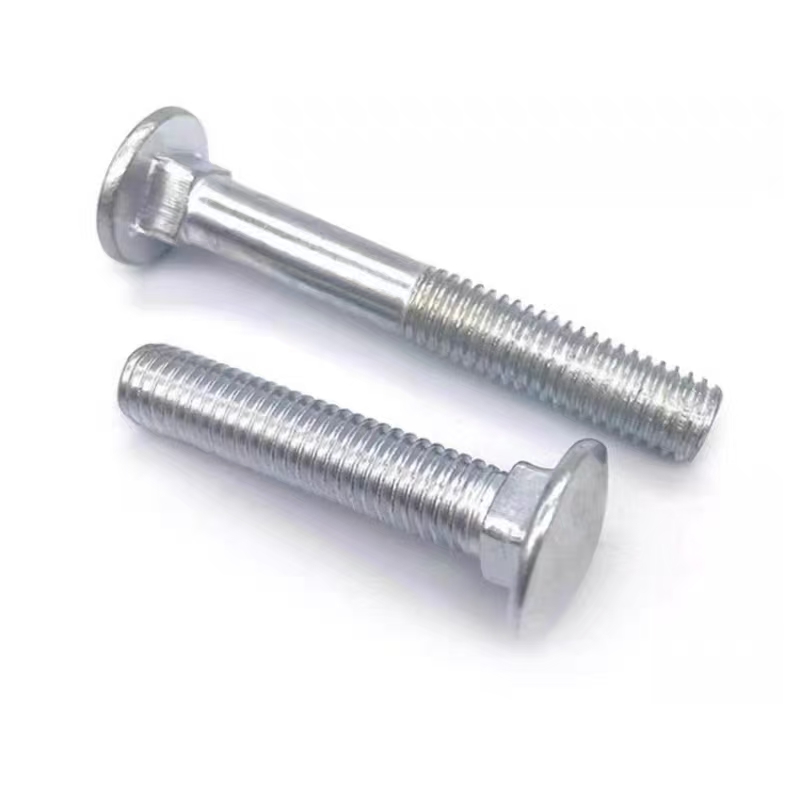
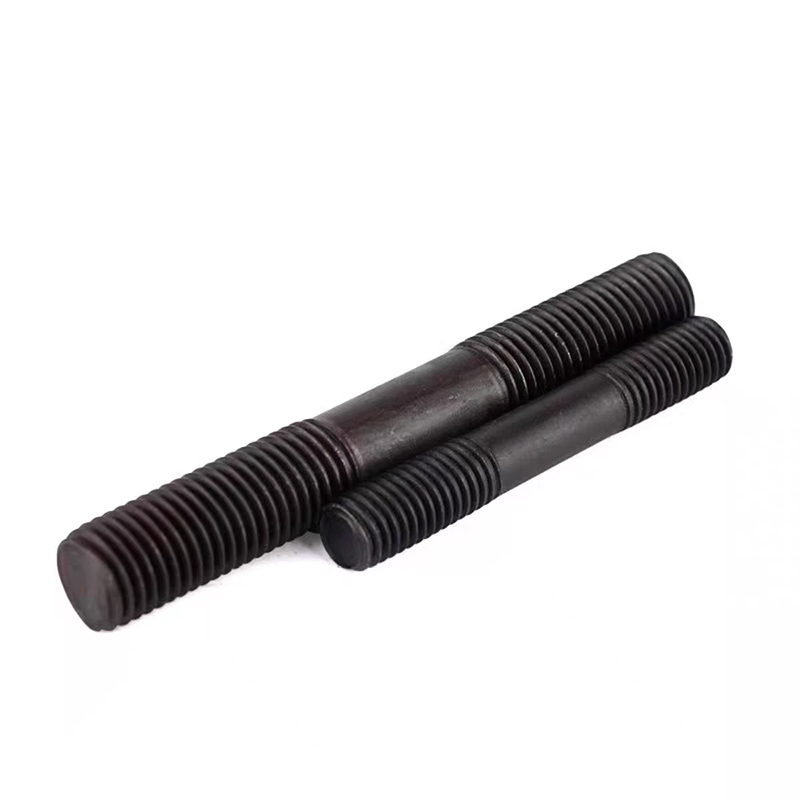
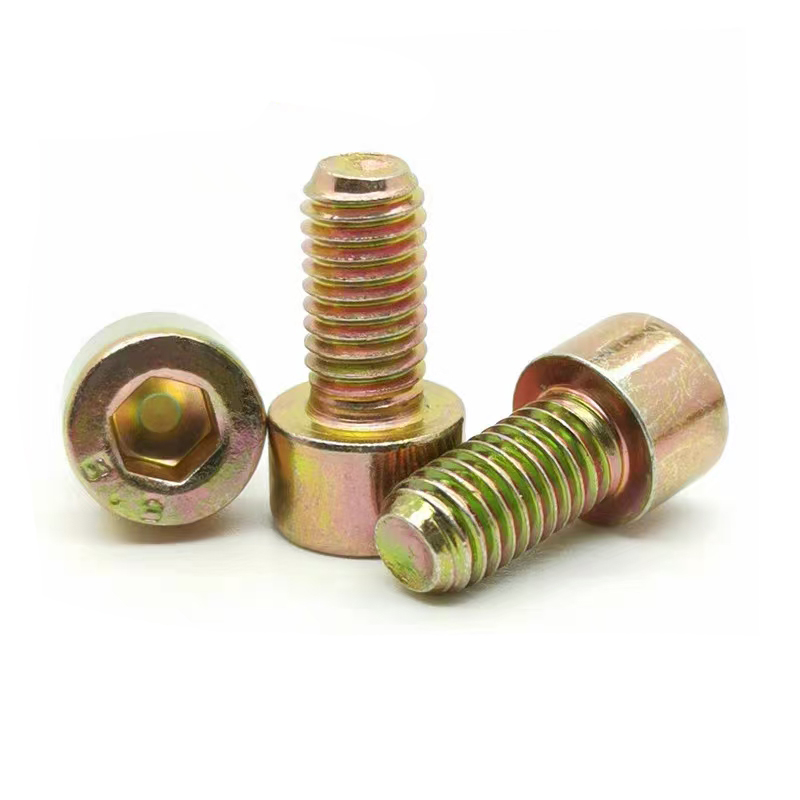
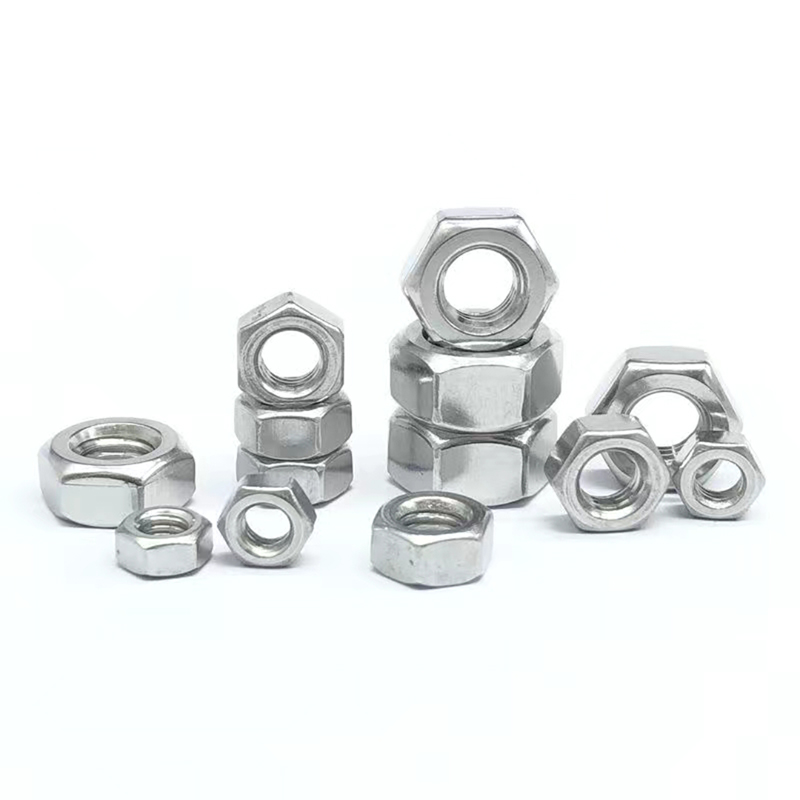
Sili ona faatauina atu oloa
Sili ona faʻatau atu oloa-
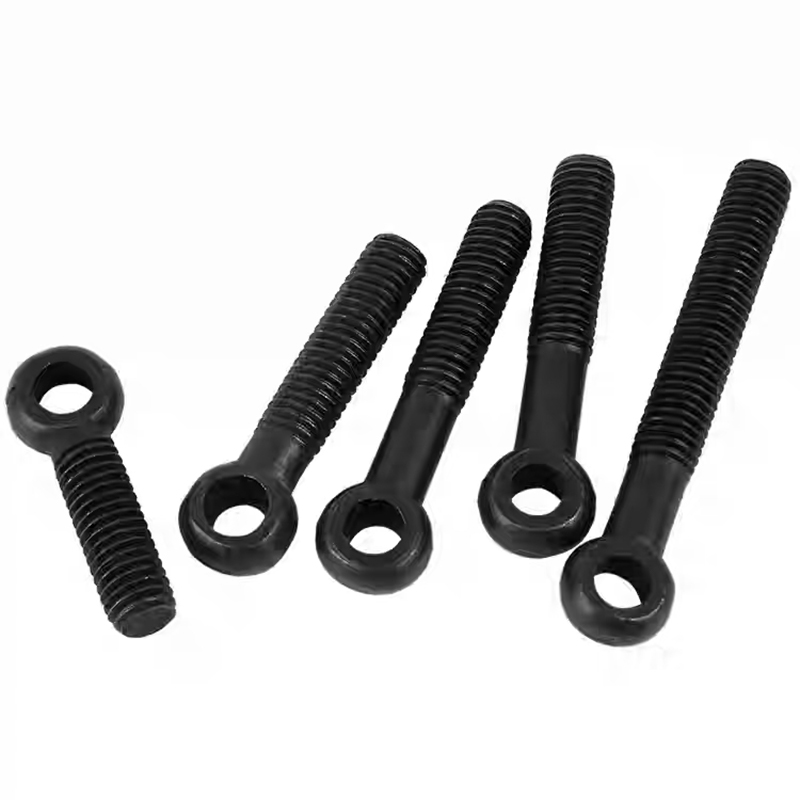
 Black Zinc Faʻapipiʻi Hinge Bolts
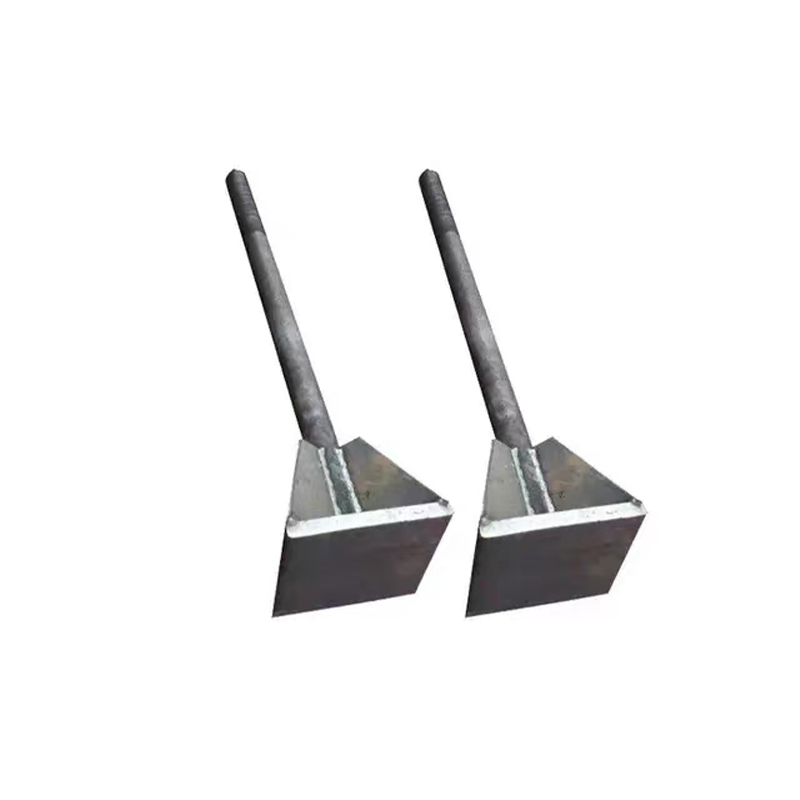
 - Na totoina le faatafafa faatagata (ulded plate bletor bol)
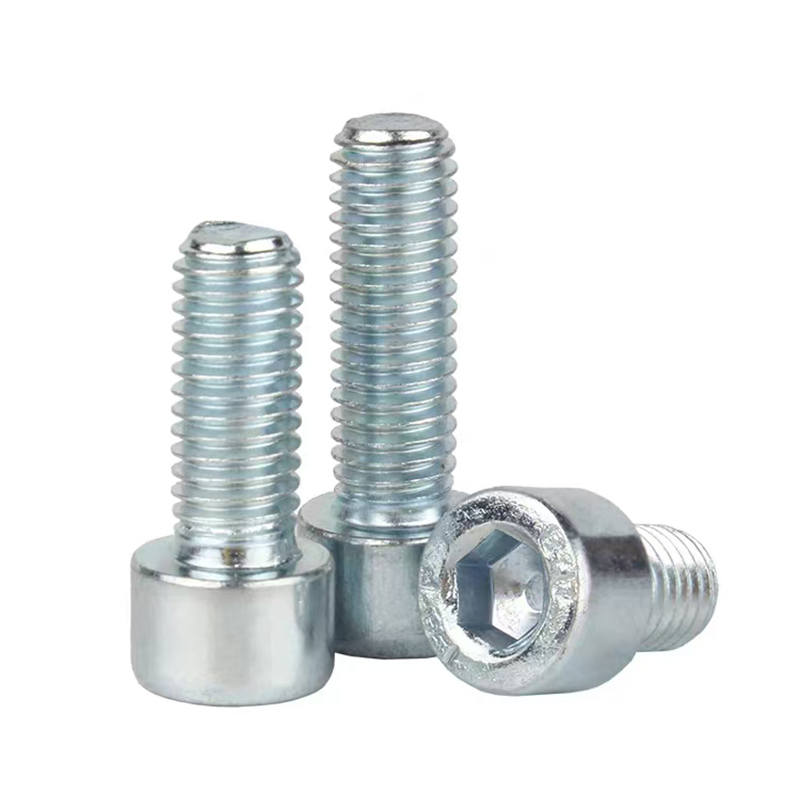
- Hexagon socket lanu zinc-faʻapipiʻi bolts
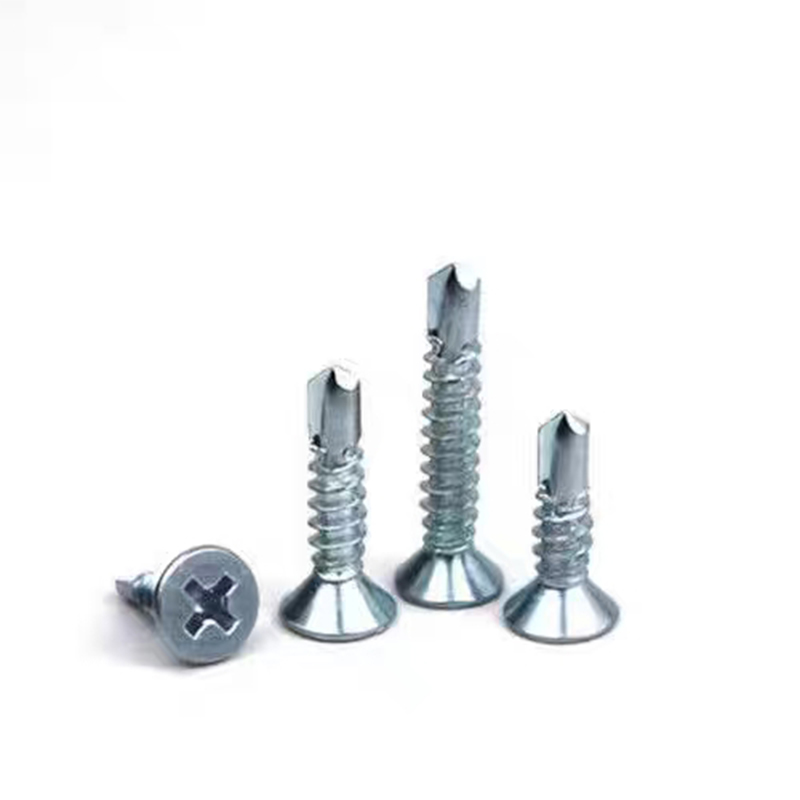
- Electrogalvalvan cross countersters drill filo
- Hexagon socket electrogalvalvazed
- Valivali le lanu zinc-fasi kolosi cropters
- Uliuli zinc-plated hexagonal drill bill uaea
- Umbrela fetu taula (J-ituaiga taula taupulepue bol / umbze
- Lanu zinc o lo o faapipii hexagonal bolts
- O le tele o le nati (welding nut)
- Electro-galvanized clatsters cross bults
- Black Zinc Foot Footts