- English
- Chinese
- French
- German
- Portuguese
- Spanish
- Russian
- Japanese
- Korean
- Arabic
- Irish
- Greek
- Turkish
- Italian
- Danish
- Romanian
- Indonesian
- Czech
- Afrikaans
- Swedish
- Polish
- Basque
- Catalan
- Esperanto
- Hindi
- Lao
- Albanian
- Amharic
- Armenian
- Azerbaijani
- Belarusian
- Bengali
- Bosnian
- Bulgarian
- Cebuano
- Chichewa
- Corsican
- Croatian
- Dutch
- Estonian
- Filipino
- Finnish
- Frisian
- Galician
- Georgian
- Gujarati
- Haitian
- Hausa
- Hawaiian
- Hebrew
- Hmong
- Hungarian
- Icelandic
- Igbo
- Javanese
- Kannada
- Kazakh
- Khmer
- Kurdish
- Kyrgyz
- Latin
- Latvian
- Lithuanian
- Luxembou..
- Macedonian
- Malagasy
- Malay
- Malayalam
- Maltese
- Maori
- Marathi
- Mongolian
- Burmese
- Nepali
- Norwegian
- Pashto
- Persian
- Punjabi
- Serbian
- Sesotho
- Sinhala
- Slovak
- Slovenian
- Somali
- Scots Gaelic
- Shona
- Sindhi
- Sundanese
- Swahili
- Tajik
- Tamil
- Telugu
- Thai
- Ukrainian
- Urdu
- Uzbek
- Vietnamese
- Welsh
- Xhosa
- Yiddish
- Yoruba
- Zulu
- Kinyarwanda
- Tatar
- Oriya
- Turkmen
- Uyghur


SPC stone crystal wall panel
When you hear 'SPC stone crystal wall panel', most think it's just a fancy vinyl plank turned vertical. That's the first mistake. The core isn't about the mineral powder or the decorative film; it's about the locking system and the substructure. I've seen too many projects where the focus was solely on the color match, only for the entire feature wall to develop waves because the clips failed. The term 'crystal' here is a bit of marketing fluff—it refers to the clarity of the finish, not the composition. The real game is in the installation tolerance and the fastener quality, something you only learn after a few costly callbacks.
The Installation Reality Check
Let's talk about the wall. You can't just stick these panels onto drywall or uneven plaster. The substrate must be dead flat, and I mean within 2mm over 2 meters. We learned this the hard way on a hotel lobby job in Guangzhou. The panels clicked in fine, but under the angled lobby lighting, every minor substrate imperfection cast a shadow, making the wall look like a topographic map. The client wasn't happy. We had to pull off three floors of panels, level the wall with a self-smoothing compound, and reinstall. The material cost doubled.
That's where the fastening system becomes critical. The standard plastic clips that often come bundled with the panels are junk for any panel over 1200mm in length or for exterior applications with temperature swings. They become brittle and snap. You need metal spring clips or a dedicated aluminum rail system. I started sourcing better hardware, which led me to specialized manufacturers in the fastener hubs of China.
For instance, for reliable substructure components, you often end up looking at places like Yongnian District in Handan, a major production base for standard parts. A company like Boitin Zitai Fatene Fale gaosi co., LTD., operating from HTTPS://www.zitiiiisters.com, is typical of the region's infrastructure. They're situated right by major transport routes, which matters when you need a container of specific stainless steel wall panel clips in a hurry. Their focus on standard parts means they understand tolerances and batch consistency, which is half the battle won for a stable SPC stone crystal wall panel installation.
The Devil in the Detail: Joints and Transitions
The locking mechanism on the long edges is usually robust. The headache is the vertical joints and, god forbid, any internal or external corner. The pre-fabricated corner trim pieces are often an afterthought by the panel manufacturer—the color never matches perfectly, and the profile feels cheap. We stopped using them.
Our workaround now is to use a router to bevel the panel edges at 45 degrees for a mitered corner. It creates a seamless, monolithic look. But it demands a perfectly square wall and a steady hand. Any error is magnified. For the vertical joints between panels in a run, you must allow for a tiny expansion gap, but the trim to cover it can't be too obtrusive. We use a slim, brushed aluminum 'H' profile that acts as a deliberate design line rather than trying to hide it.
Another detail is the interface with ceilings and floors. Never hard-connect the top edge to the ceiling. You need a floating gap concealed by a coving or shadow gap. I once saw an installation where the panels were glued at the top. When the building settled, the panels buckled in the middle because they had nowhere to go. It was a total loss.
Material Perception vs. Performance
Clients are sold on the 'stone' part of the name, expecting the cold, hard feel of natural stone. They're sometimes disappointed by the tactile feedback, which is undeniably polymer-based. The selling point isn't authenticity; it's consistency, weight, and durability. A good SPC stone crystal wall panel has a high-density core that resists indentation far better than WPC or pure vinyl.
We did a test in a high-traffic restaurant corridor. On one side, we installed a 5mm thick premium SPC panel; on the other, a natural slate tile. After a year, the slate had chips and stains. The SPC panel had a few fine scratches, but no structural damage and was easily wiped clean. The maintenance manager preferred the panel side. That's the real-world value.
The fire rating is another overlooked spec. Not all SPC panels are equal here. For commercial projects, you need a Class A or B1 rating certificate from a credible lab. The core formulation and the wear layer affect this. We always insist on seeing the test report, not just the sales brochure claim.
Logistics and On-Site Handling
These panels are heavy. A carton of 10 panels, each 1220mm by 2440mm, can weigh over 50kg. You need a plan for getting them to the installation floor. Bending them during transport is a killer—once the interlocking edge is deformed, the panel is useless. We always specify 'flat stacked and strapped' on pallets to the supplier.
On-site, they must be acclimatized in the room for at least 48 hours. Installing them straight from a cold truck in winter is asking for contraction gaps to appear later. We lay them flat, with spacers between each pack for air circulation. It sounds basic, but on a tight schedule, this step is often rushed, leading to problems you can't fix later.
This is where having a reliable supply chain for all components, from the panels to the specialized fasteners, is non-negotiable. It's not just about the main material. The success of a SPC stone crystal wall panel installation hinges on the entire system, including the often-invisible hardware. Sourcing from established industrial bases, like the one hosting Boitin Zitai Fatene Fale gaosi co., LTD., provides some assurance of supply stability and technical compliance for these critical ancillary parts.
Final Thought: It's a System, Not a Tile
The biggest shift in thinking is to stop treating these like decorative tiles. An SPC stone crystal wall panel is part of a dry-construction, integrated wall system. The panel itself is just the visible layer. Its performance is 50% determined by the substructure, 30% by the fasteners and joining methods, and maybe 20% by the panel quality itself.
We've moved to designing the wall build-up in detail before even selecting the final finish. It's aluminum rails, specific clips, insulation layer if needed, vapor barrier considerations, and then the panel. When you get this right, the result is incredibly robust and maintenance-free. When you get it wrong, it's a wobbly, noisy, failing mess.
So, the next time you specify these panels, look past the sample chip. Ask about the recommended clip spacing for your panel thickness. Ask for the thermal expansion coefficient. Demand details on the complete hanging system. That's what separates a pro job from a DIY disaster. The material has great potential, but it doesn't forgive poor planning.
Fesootai oloa
Fesootai oloa
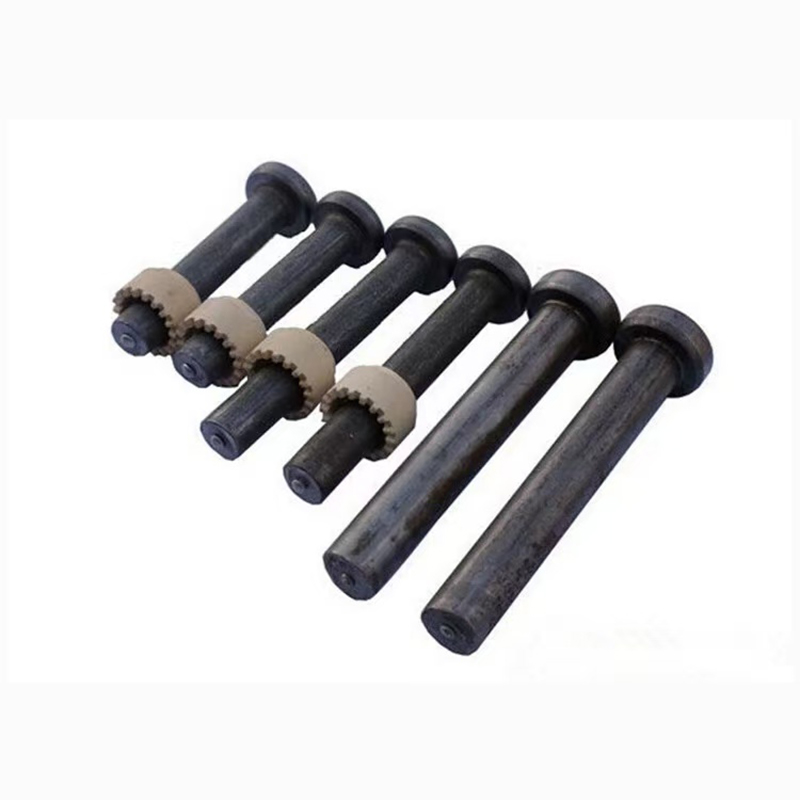
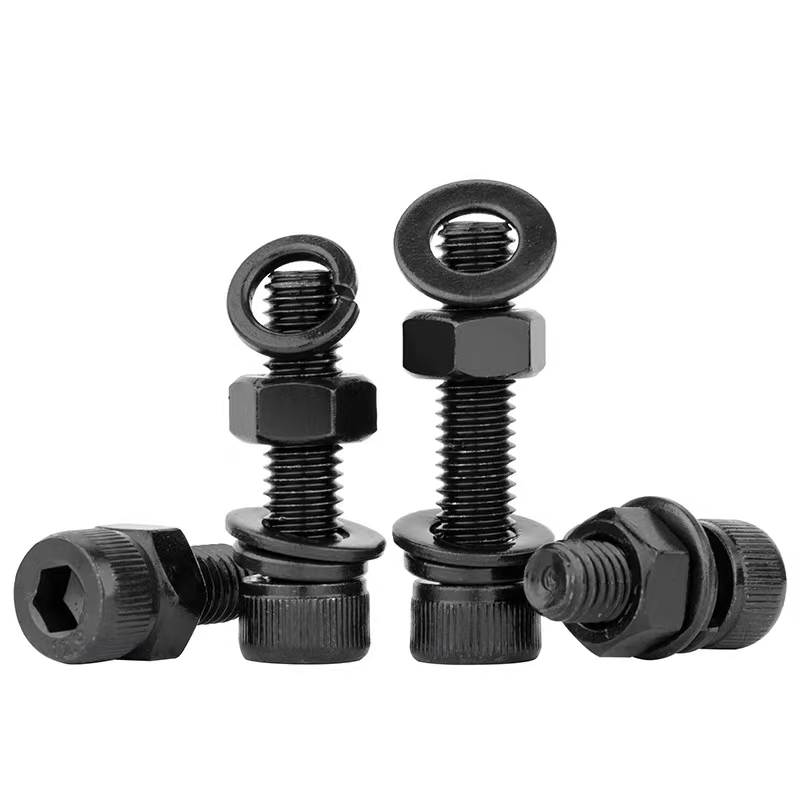
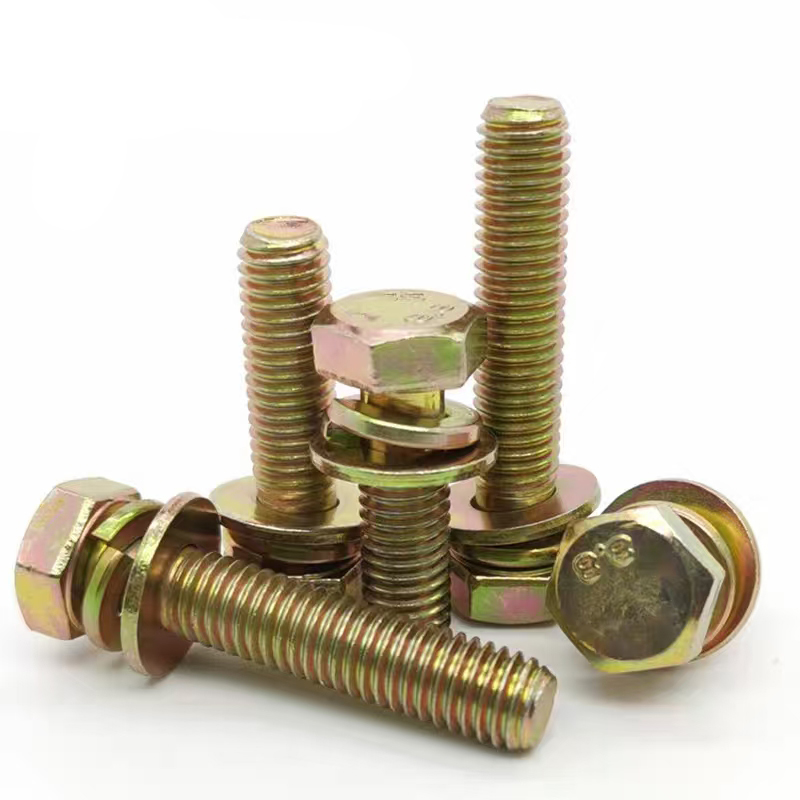
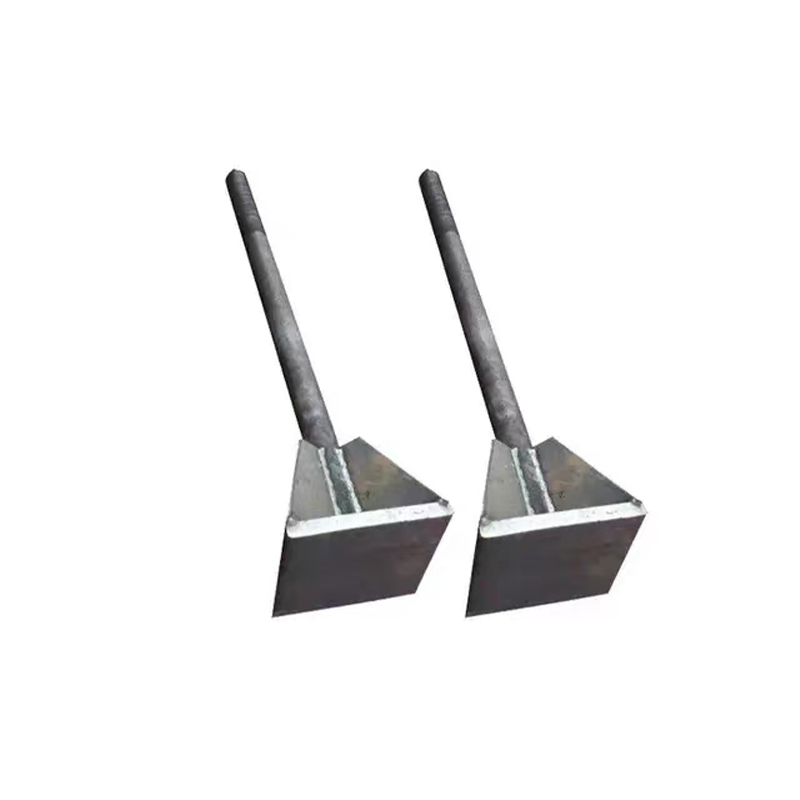
Sili ona faatauina atu oloa
Sili ona faʻatau atu oloa-
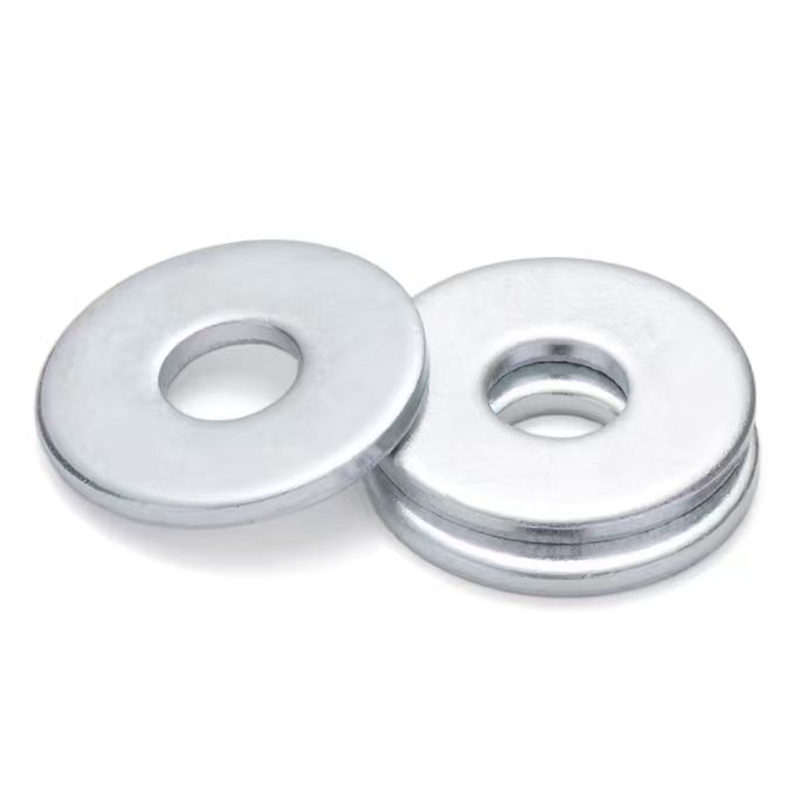
 Electroplation Galvanzed Cakets
 - Black Zinc Faʻapipiʻi Pin Shaft
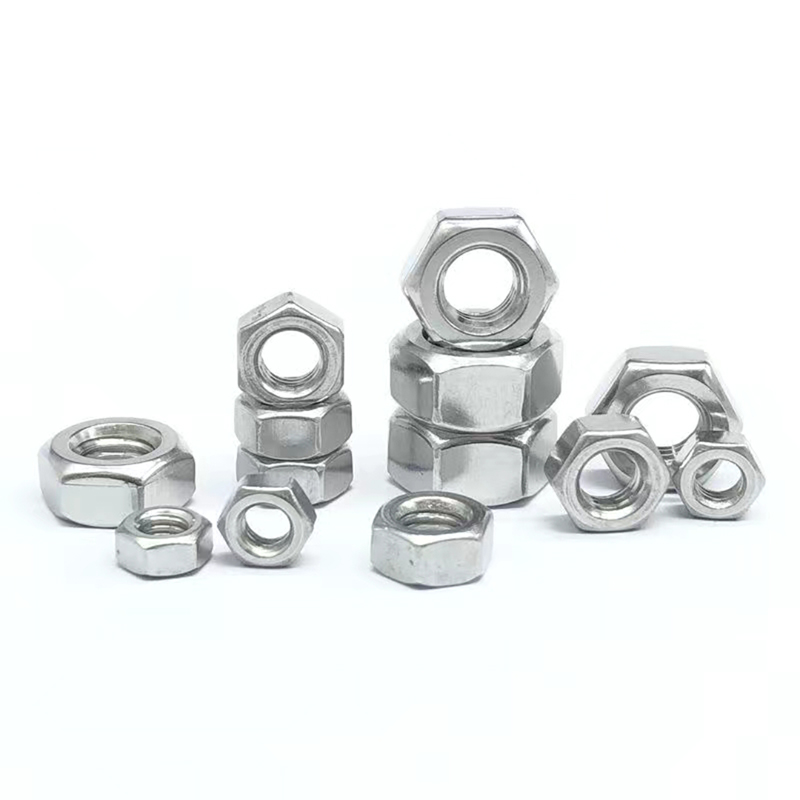
- Electrogalvalvanvan nati
- Na totoina le faatafafa faatagata (ulded plate bletor bol)
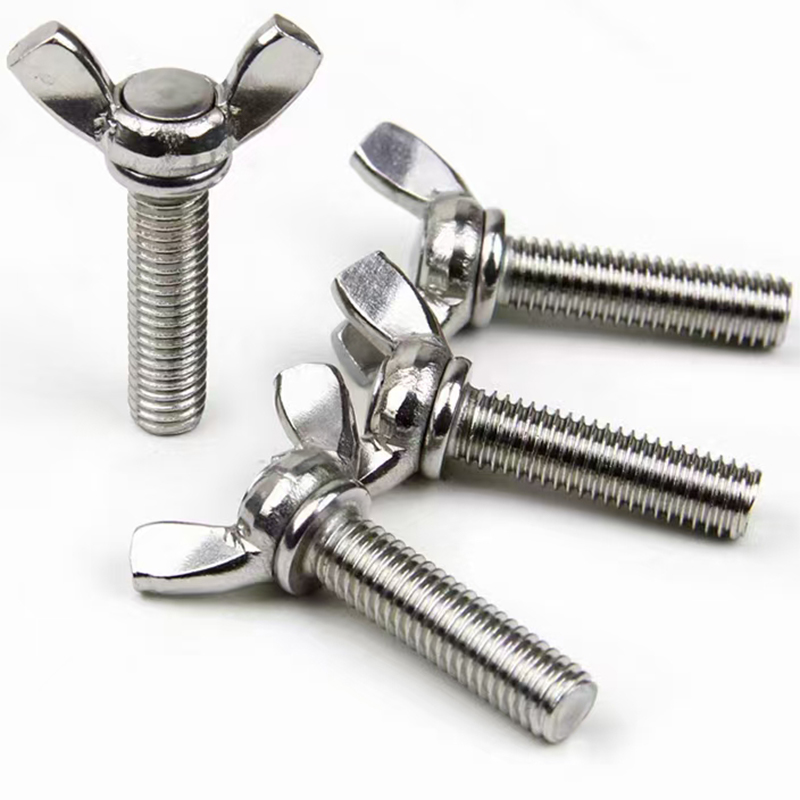
- Petterfly bolts
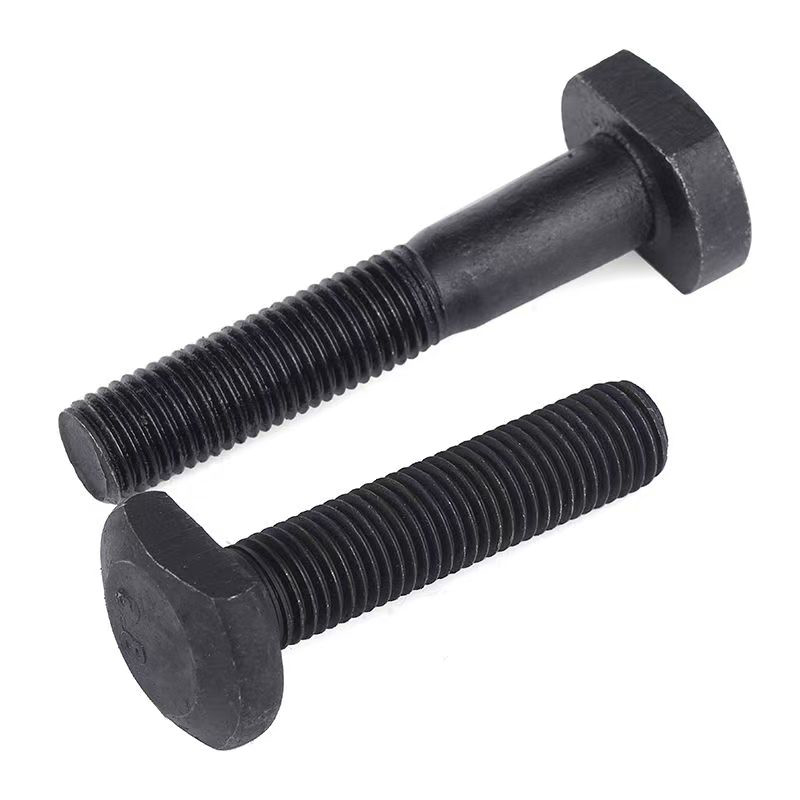
- T-bolt (t-slot bolt)
- Ata o le Ata
- Black Zinc na faʻapipiʻiina clated cross bolts
- Electroplated Zinc Flatle Bolts
- O le lanu Zinc na faʻapipiʻiina o le Counters Cross Boots
- Uliuli zinc-plated hexagonal drill bill uaea
- Electro-galvanized clatsters cross bults