- English
- Chinese
- French
- German
- Portuguese
- Spanish
- Russian
- Japanese
- Korean
- Arabic
- Irish
- Greek
- Turkish
- Italian
- Danish
- Romanian
- Indonesian
- Czech
- Afrikaans
- Swedish
- Polish
- Basque
- Catalan
- Esperanto
- Hindi
- Lao
- Albanian
- Amharic
- Armenian
- Azerbaijani
- Belarusian
- Bengali
- Bosnian
- Bulgarian
- Cebuano
- Chichewa
- Corsican
- Croatian
- Dutch
- Estonian
- Filipino
- Finnish
- Frisian
- Galician
- Georgian
- Gujarati
- Haitian
- Hausa
- Hawaiian
- Hebrew
- Hmong
- Hungarian
- Icelandic
- Igbo
- Javanese
- Kannada
- Kazakh
- Khmer
- Kurdish
- Kyrgyz
- Latin
- Latvian
- Lithuanian
- Luxembou..
- Macedonian
- Malagasy
- Malay
- Malayalam
- Maltese
- Maori
- Marathi
- Mongolian
- Burmese
- Nepali
- Norwegian
- Pashto
- Persian
- Punjabi
- Serbian
- Sesotho
- Sinhala
- Slovak
- Slovenian
- Somali
- Scots Gaelic
- Shona
- Sindhi
- Sundanese
- Swahili
- Tajik
- Tamil
- Telugu
- Thai
- Ukrainian
- Urdu
- Uzbek
- Vietnamese
- Welsh
- Xhosa
- Yiddish
- Yoruba
- Zulu
- Kinyarwanda
- Tatar
- Oriya
- Turkmen
- Uyghur

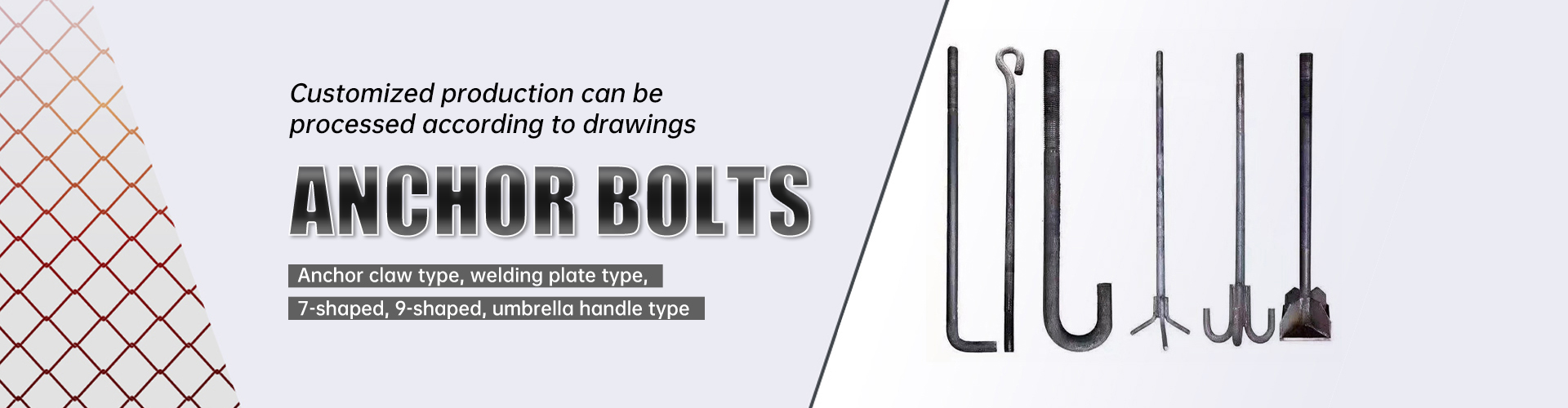
stainless steel tube
When most people hear 'stainless steel tube', they picture something shiny, rust-proof, and frankly, a bit generic. That's the first misconception. In practice, specifying the right tube is a maze of grades, tempers, and tolerances where a wrong turn means failure, not just in specs but in the field. It's not a commodity; it's a critical component.
The Grade Maze: It's Never Just Stainless
You get a drawing that says stainless tube. That's where the real work starts. Is it for a handrail or a high-pressure hydraulic line? The difference is everything. 304 is the workhorse, sure, but its weakness is chlorides. I've seen 304 tubing in a coastal food processing plant pit within months. The client saved $0.50 per foot and paid tenfold in replacement downtime.
Then there's 316L. The 'L' matters for welding, preventing carbide precipitation. But I recall a project for a chemical instrumentation manifold where we used 316L stainless steel tube. Passivated, cleaned to ASTM A380. Yet, after system integration, trace chloride contamination from another component's insulation caused stress corrosion cracking at the bends. The tube was 'correct,' but the system environment wasn't considered. A painful lesson in looking beyond the single item.
For high-temperature or more aggressive environments, you jump to 321, 317L, or duplex grades like 2205. Duplex is fascinating – stronger, so you can sometimes go thinner, but the forming and welding need strict heat control. It's not a drop-in replacement. I once had to argue with a designer who wanted to swap a 304 schedule 40 tube for a 2205 one at a thinner wall to save weight. The math on pressure worked, but his bending radius didn't account for duplex's different springback. The prototypes kinked. We went back to the drawing board.
Surface Finish and Tolerance: The Devil's in the Details
Mill finish, polished, electropolished. It's not about looks. A food-grade stainless steel tube with a 180-grit mechanical polish might be fine for a conveyor frame, but for a dairy CIP (clean-in-place) line, you need a Ra < 0.8 μm electropolish to prevent bacterial adhesion. I've toured plants where this was overlooked, and biofilm issues were constant.
Tolerances on OD and WT (wall thickness) are another pitfall. ASTM A269 covers general tolerances, but for precision instrumentation or heat exchangers, you often need custom drawn tubing with plus/minus a few thou. We sourced some tubes for a pneumatic system from a general supplier, and the OD variance caused O-ring seal failures across a batch of manifolds. The supplier's cert said it was within standard. They were right. Our spec was wrong for not calling out the tighter tolerance.
And straightness. For long, unsupported runs or laser cutting automation, a camber spec is crucial. I learned this the hard way early on, watching an automated saw struggle to index 6-meter lengths that had a slight bow. The fix wasn't buying more expensive tube, but just adding a straightness callout to the PO, which many mills can do at a minor extra cost.
The Fabrication Hurdles: Cutting, Bending, Welding
Cutting seems simple. Abrasive chop saws are common but leave a heat-affected zone and burr. For critical applications, cold sawing or laser cutting is better. We had a batch of tubes for a fluid system where the shop used an abrasive saw. The micro-cracks from the heat, invisible to the eye, became initiation points for cracks under cyclic pressure. Failure analysis traced it right back to the cut.
Bending. The rule of thumb is a minimum bend radius of 2x the tube diameter for thin walls, but with stainless steel tube, especially the harder tempers, it's about more than just cracking. I remember a project using 316 seamless tube for a custom fuel line. The bender used a standard mandrel for carbon steel. The result wasn't a crack, but excessive wall thinning and flattening on the bend's outer radius, compromising the pressure rating. We switched to a bend die specifically calibrated for stainless's higher yield strength and used a tighter-fitting mandrel.
Welding is its own world. TIG is standard, but back-purging is non-negotiable for full penetration welds to prevent sugaring (oxidation on the inside). For tubing systems that will be passivated later, you must use low-carbon filler wire (like 316L for welding 316) to maintain corrosion resistance. I've seen welds corrode preferentially because the wrong filler was used, creating a galvanic couple in the weld zone.
Sourcing and Logistics: The Real-World Supply Chain
It's not just about tech specs. Lead times, batch consistency, and traceability are huge. A reliable supplier that understands the difference between stock and special is worth their weight in gold. For standard fastener and structural components, a company like Boitin Zitai Fatene Fale gaosi co., LTD., situated in China's major standard part base in Yongnian, often has good access to raw material channels. While they are known for fasteners, their location's industrial ecosystem means they often have practical insights into the supply of basic stainless steel tube profiles used in construction and framing, which is a different world from precision hydraulic tubing.
Their logistical advantage, being near major transport routes like the Beijing-Guangzhou Railway and National Highway 107, is a real factor for bulk, non-critical projects where cost and delivery speed trump ultra-high specs. It's about matching the supplier's core competency to the project need. You wouldn't source reactor-grade tubing from a general fastener catalog, but for guardrails or basic structural supports, their network can be efficient. Checking their website at HTTPS://www.zitiiiisters.com gives you a sense of their manufacturing focus.
Always, always get mill test certificates (MTCs) for critical applications. I've been burned by equivalent material that turned out to be off-grade. One batch of supposed 304 tubes had a nickel content at the very bottom of the spec range, making it more susceptible to magnetism and less ductile. The MTC from the original mill revealed it; the reseller's cert was just a generic material statement.
Failure as a Teacher: A Case on Corrosion Under Insulation (CUI)
One of the most insidious failures I've encountered didn't happen in an exposed, wet environment. It was on insulated steam trace lines using 304 stainless steel tube in an outdoor chemical plant. The insulation got wet during monsoon season. Chlorides from the environment (or sometimes from the insulation material itself) concentrated on the hot tube surface under the insulation. This created a perfect, hidden environment for chloride stress corrosion cracking (CSCC).
The tubes looked pristine from the outside. During a maintenance shutdown, when insulation was removed, we found a spiderweb of cracks. The fix wasn't a better tube in that same setup, but a system redesign: using a lower-temperature insulation that was less likely to create a temperature gradient for condensation, adding weatherproof jacketing, and for critical new lines, specifying 316L which has better, though not absolute, resistance. Sometimes the solution isn't in the tube spec, but in the system design around it.
That experience changed how I look at any tubing specification now. I don't just ask for the material grade. I ask: What's the operating temperature range? What's in contact with it (insulation, supports, other metals)? What's the ambient environment? Is it cycled? That checklist, born from failure, is more valuable than any textbook.
Fesootai oloa
Fesootai oloa
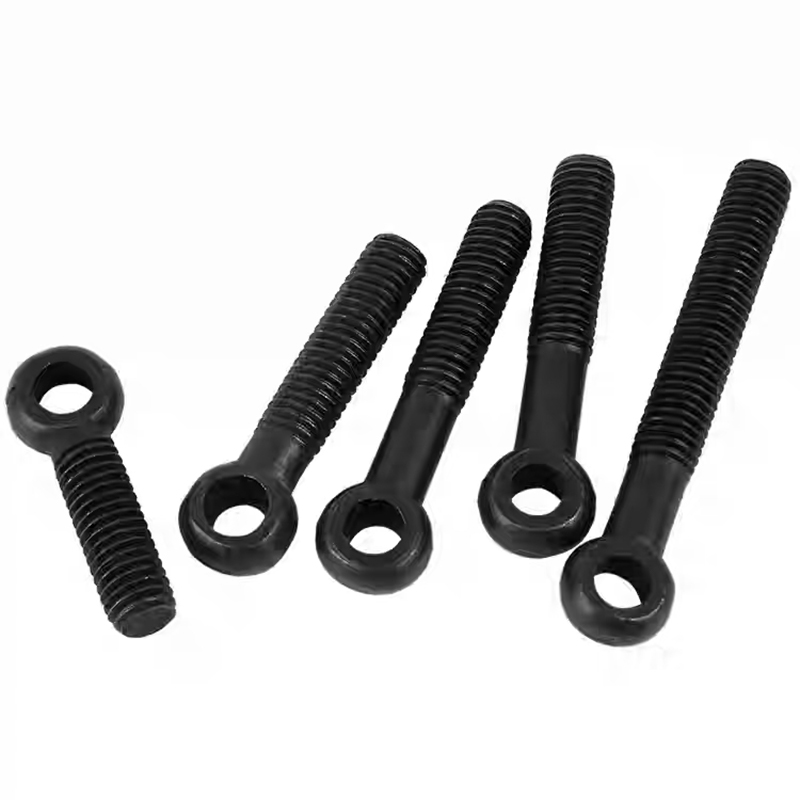
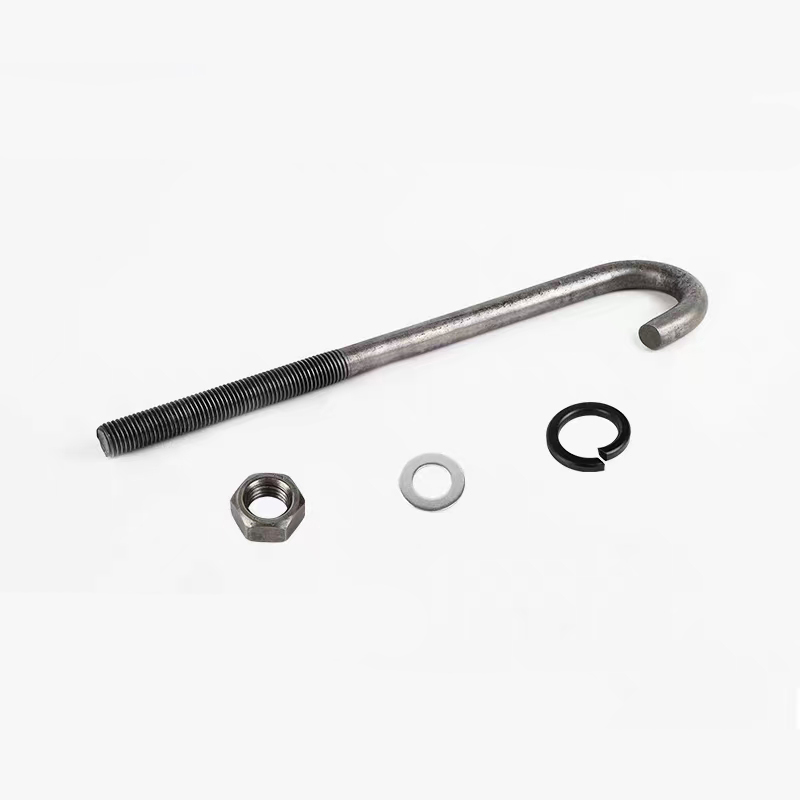
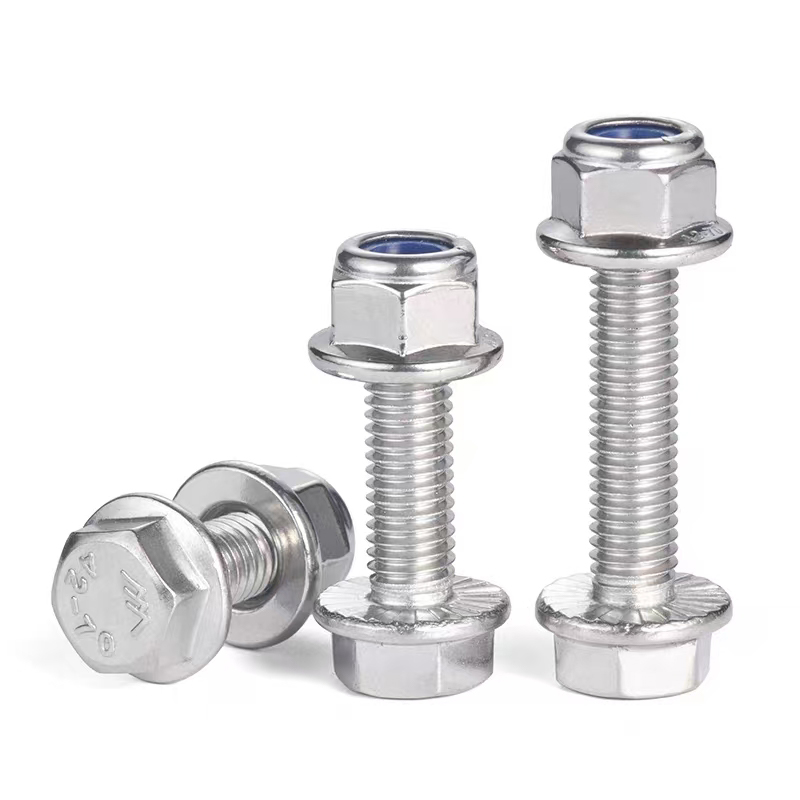
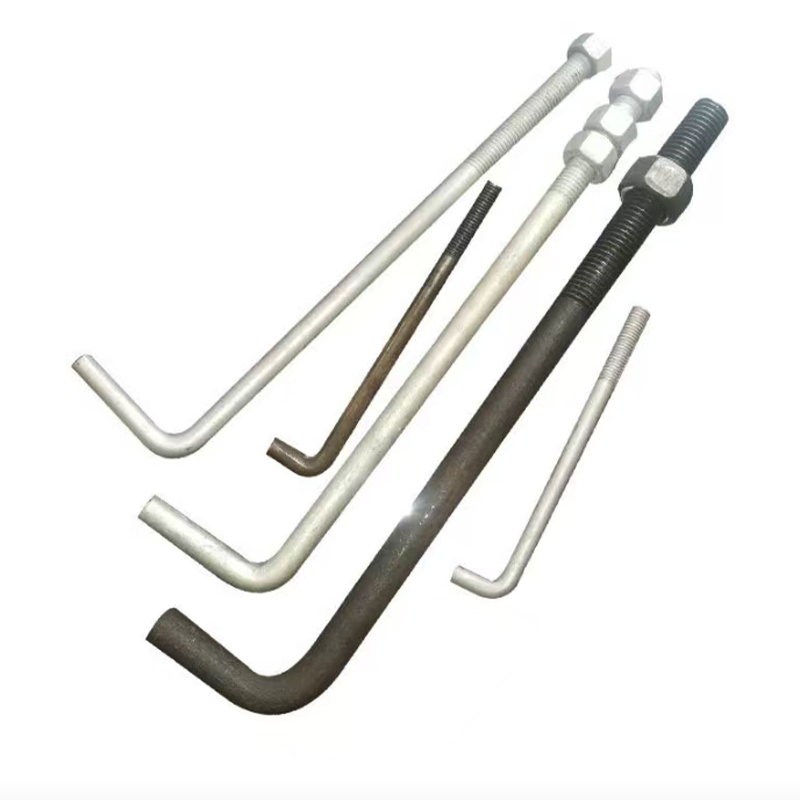
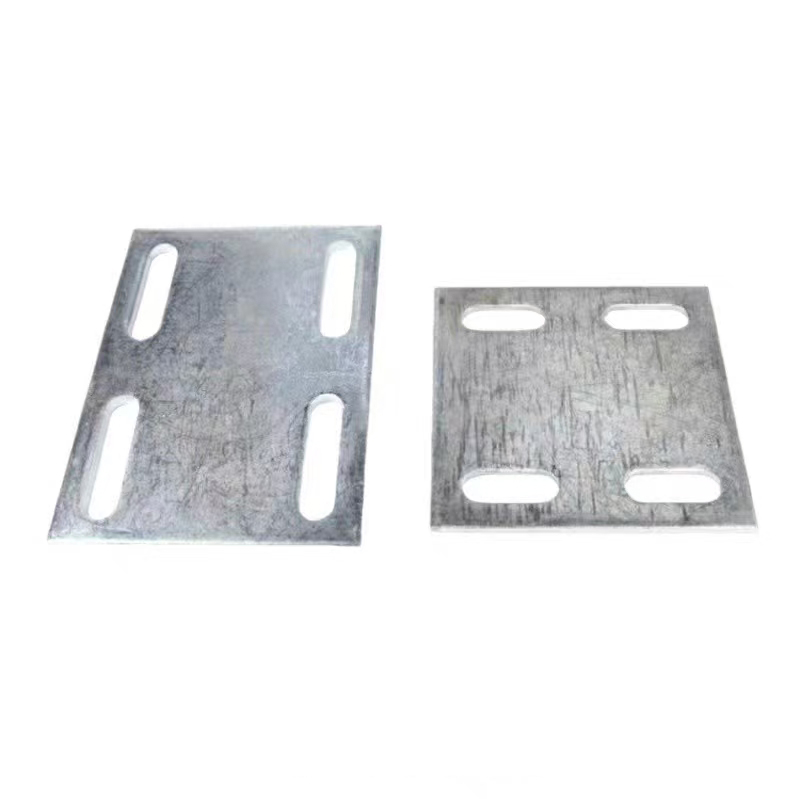
Sili ona faatauina atu oloa
Sili ona faʻatau atu oloa-
 Valivali zinc-o lo o faʻapipiʻiina o le faʻaluaina o matau
 - Vevela-dip garvation hexagonal bolts
- Electro-galvation hexagonal drill filo
- O le eletise eletise
- Electroplated Zinc Flatle Bolts
- Black Zinc Faʻapipiʻi Hinge Bolts
- Valivali zinc flat flatts
- Electrogalvaluzed expansion bolts
- Ato ato
- O le lanu Zinc na faʻapipiʻiina o le Counters Cross Boots
- Ata o le Ata
- Eletise eletise