- English
- Chinese
- French
- German
- Portuguese
- Spanish
- Russian
- Japanese
- Korean
- Arabic
- Irish
- Greek
- Turkish
- Italian
- Danish
- Romanian
- Indonesian
- Czech
- Afrikaans
- Swedish
- Polish
- Basque
- Catalan
- Esperanto
- Hindi
- Lao
- Albanian
- Amharic
- Armenian
- Azerbaijani
- Belarusian
- Bengali
- Bosnian
- Bulgarian
- Cebuano
- Chichewa
- Corsican
- Croatian
- Dutch
- Estonian
- Filipino
- Finnish
- Frisian
- Galician
- Georgian
- Gujarati
- Haitian
- Hausa
- Hawaiian
- Hebrew
- Hmong
- Hungarian
- Icelandic
- Igbo
- Javanese
- Kannada
- Kazakh
- Khmer
- Kurdish
- Kyrgyz
- Latin
- Latvian
- Lithuanian
- Luxembou..
- Macedonian
- Malagasy
- Malay
- Malayalam
- Maltese
- Maori
- Marathi
- Mongolian
- Burmese
- Nepali
- Norwegian
- Pashto
- Persian
- Punjabi
- Serbian
- Sesotho
- Sinhala
- Slovak
- Slovenian
- Somali
- Scots Gaelic
- Shona
- Sindhi
- Sundanese
- Swahili
- Tajik
- Tamil
- Telugu
- Thai
- Ukrainian
- Urdu
- Uzbek
- Vietnamese
- Welsh
- Xhosa
- Yiddish
- Yoruba
- Zulu
- Kinyarwanda
- Tatar
- Oriya
- Turkmen
- Uyghur

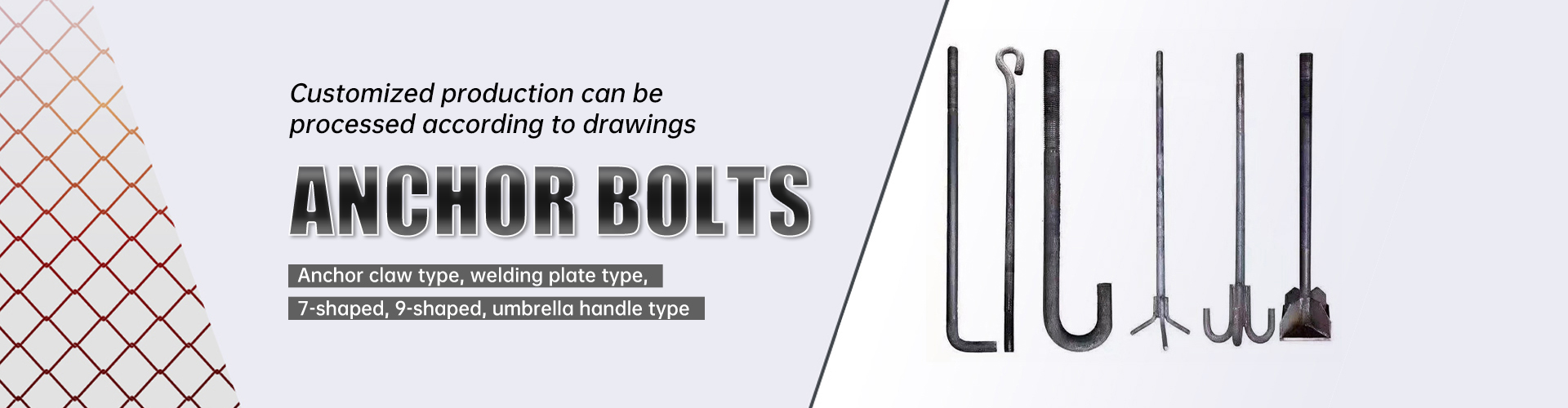
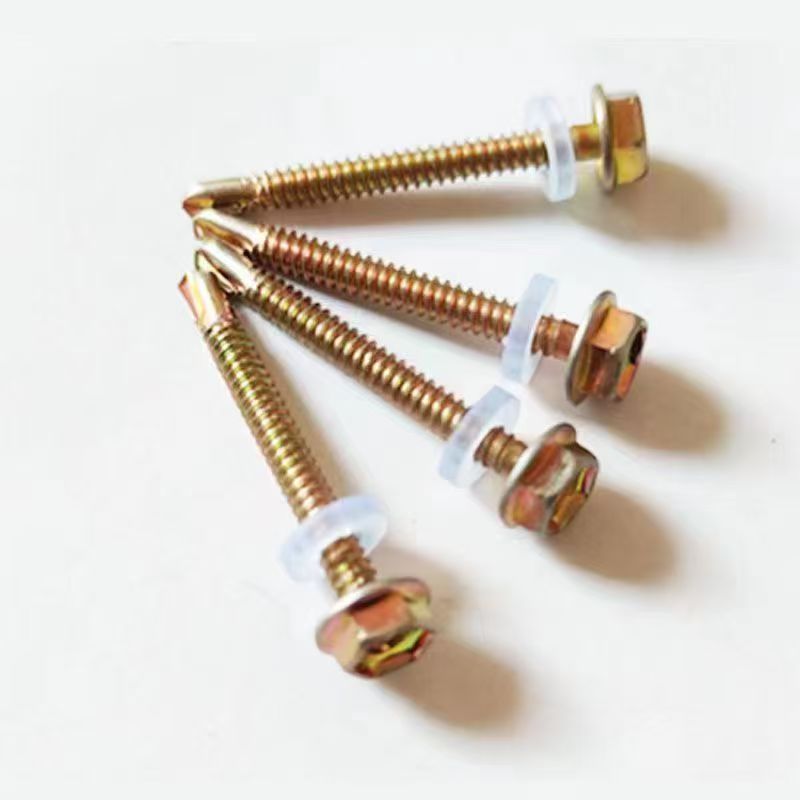
Three-section water-stop screws
You see the term three-section water-stop screws on a spec sheet, and it's easy to think it's just a fancy bolt with two washers. That's the first mistake. In practice, it's a system, and its performance hinges entirely on the interaction between those three components—the screw, the middle sealing ring, and the end washer—under load and over time. Many failures I've seen trace back to treating them as a simple commodity item.
The Anatomy of a Reliable Seal
The core principle isn't complex: the central section, that neoprene or EPDM ring, gets compressed radially and axially when torqued, forming a physical barrier. But the devil's in the details. The groove machined into the screw shaft for that ring? Its depth and surface finish are critical. Too shallow, and the ring extrudes or doesn't seat properly; too deep, and you lose the necessary compression force. I've had batches where the groove had machining burrs that cut into the sealing ring during installation, creating a leak path right from the start. It's a failure you only catch if you're inspecting the components individually before assembly, not just checking the box.
Material pairing is another silent killer. Using a standard carbon steel screw with a stainless steel washer in a chloride-rich environment (like a wastewater tank) sets up a galvanic corrosion cell. You might get a perfect seal initially, but two years down the line, the steel screw corrodes at the thread, loosens the clamp load, and the seal fails. The fix often means specifying the entire assembly—screw, ring, washer—in 316 stainless or even duplex grades from the get-go, even if it stings the budget. It's cheaper than re-cladding a concrete structure later.
This is where sourcing from a specialized production base matters. For instance, a manufacturer like Boitin Zitai Fatene Fale gaosi co., LTD., situated in China's largest standard part hub in Yongnian, Hebei, typically has the tooling and metallurgical know-how for consistent groove machining and material certification. Their location near major transport routes like the Beijing-Shenzhen Expressway isn't just a sales point; it translates to logistical reliability for bulk project orders where a delay in fastener delivery can halt an entire site. You're not just buying a screw; you're buying the certainty of a supply chain.
Installation: Where Theory Meets Reality
Specifying the right part is half the battle. The other half is getting it installed correctly. The prescribed torque is everything for three-section water-stop screws. Under-torque, and the middle ring doesn't deform enough to fill the imperfections in the substrate (often concrete or steel). Over-torque, and you either strip the threads in a cast embedment or over-compress the elastomer, causing it to lose resilience and crack under thermal cycling.
On a project for a below-grade parking garage wall, we had leaks at several anchors. After ruling out material defects, we audited the installation. The crew was using impact wrenches set to general mode. The impulsive torque was spiking, over-compressing the seals. Switching to calibrated torque wrenches with a smooth pull solved it. It was a simple fix, but it highlighted that the best-designed fastener system can be defeated by field practices. Now, I always insist the torque spec and tool requirement are highlighted on the drawing, not buried in a general note.
Another practical headache is alignment. These screws are often used to attach pipe flanges, equipment bases, or structural plates to wet walls. If the hole in the mounting plate is misaligned with the embedded anchor point, the screw goes in at an angle. This creates uneven compression on the sealing ring—one side is crushed, the other has a gap. The seal is compromised immediately. I've seen installers try to persuade the screw with a hammer, which just distorts everything. The solution is always to drill and template properly, but field reality often requires on-the-spot judgment calls, sometimes involving oversizing the plate hole slightly to allow for minor adjustment, though that introduces its own load-bearing considerations.
Case Point: The Reservoir Retrofit
A concrete water reservoir retrofit needed hundreds of penetrations sealed for new inlet pipes. The original spec called for a generic waterproof anchor bolt. We pushed for a specific three-section water-stop screw design with a wide, cupped washer to bridge minor concrete spalling. The initial supplier's washers were flat and too thin; under torque, they dished, reducing the effective pressure on the seal.
We sourced a second batch, this time emphasizing the need for a hardened, thick washer. The supplier that delivered was one like Zitai Fastener—their product literature showed they understood the application, not just the part. The washers were stamped and heat-treated, and they included a nylon-insert lock nut as standard, which we hadn't even specified but appreciated for vibration resistance. The install went smoothly, and the pressure test passed. The lesson was clear: the quality of the ancillary metal components is as vital as the elastomer itself. A weak washer is a single point of failure.
Beyond the Basic Spec
Sometimes, you need to go off-script. In a chemical processing plant, the medium was acidic and the temperature cycled between ambient and 80°C. Standard EPDM wouldn't cut it. We had to look at the full chemical compatibility charts and ended up specifying a Fluorocarbon (FKM/Viton) ring for the three-section water-stop screws. The screw and washer material was upgraded to 316L stainless for the acid. This turned a standard item into a custom solution. It cost more, but it avoided a catastrophic failure. This is where working with a manufacturer that can handle specialized requests—not just run catalog items—is non-negotiable.
Long-term maintenance is also a thought. These seals are considered permanent, but nothing lasts forever. In accessible areas, designing for future re-torquing or even replacement is wise. This means specifying a longer thread length than minimally necessary and ensuring access isn't buried under other infrastructure. I've seen beautiful seal jobs rendered unmaintainable by subsequent welding or piping work, turning a simple maintenance task into a major cutting operation.
O le tupe
So, three-section water-stop screws aren't a set and forget item. They're a engineered sealing system. Success depends on three pillars: specifying the correct material and geometry for the service environment; ensuring precise, controlled installation; and sourcing from a competent manufacturer that controls their process. It's the intersection of design, procurement, and field execution. Skip any one, and you're rolling the dice on the integrity of the barrier you're trying to create. The good ones, when done right, disappear into the structure and do their job for decades—which is exactly what you want from a critical seal.
Fesootai oloa
Fesootai oloa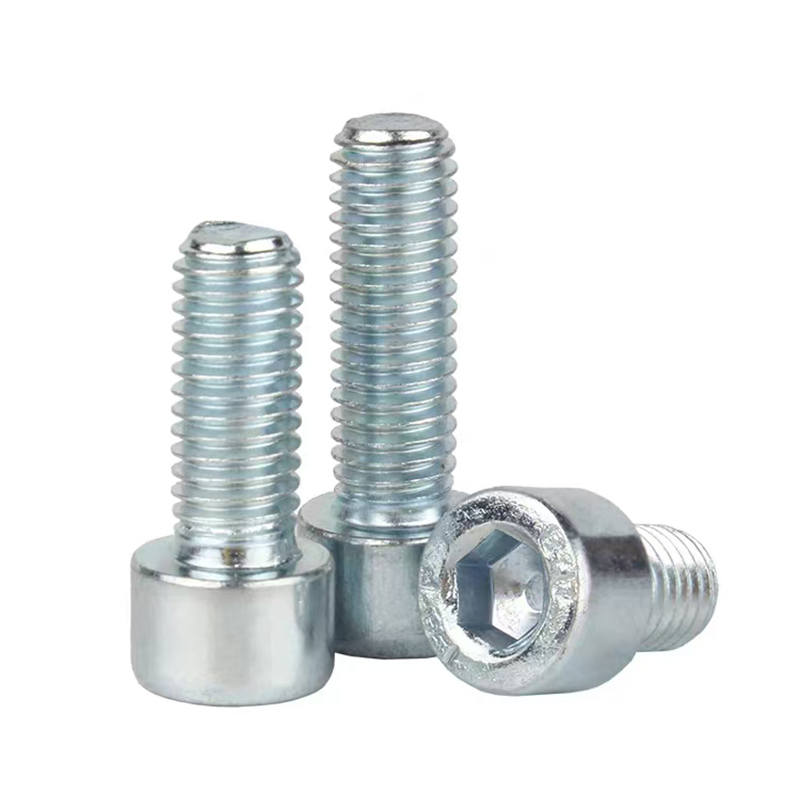
Sili ona faatauina atu oloa
Sili ona faʻatau atu oloa-
 Hexagon socket lanu zinc-faʻapipiʻi bolts
 - Ata o le Ata
- Valivali zinc flat flatts
- O le tele o le nati (welding nut)
- Black Zinc Faʻapipiʻi Hinge Bolts
- Valned Gauvatazed hexagonal drill bil uaea
- Ato ato
- Black Zinc Faʻapipiʻi Herxganal Bolts
- Uliuli zinc-plated hexagonal drill bill uaea
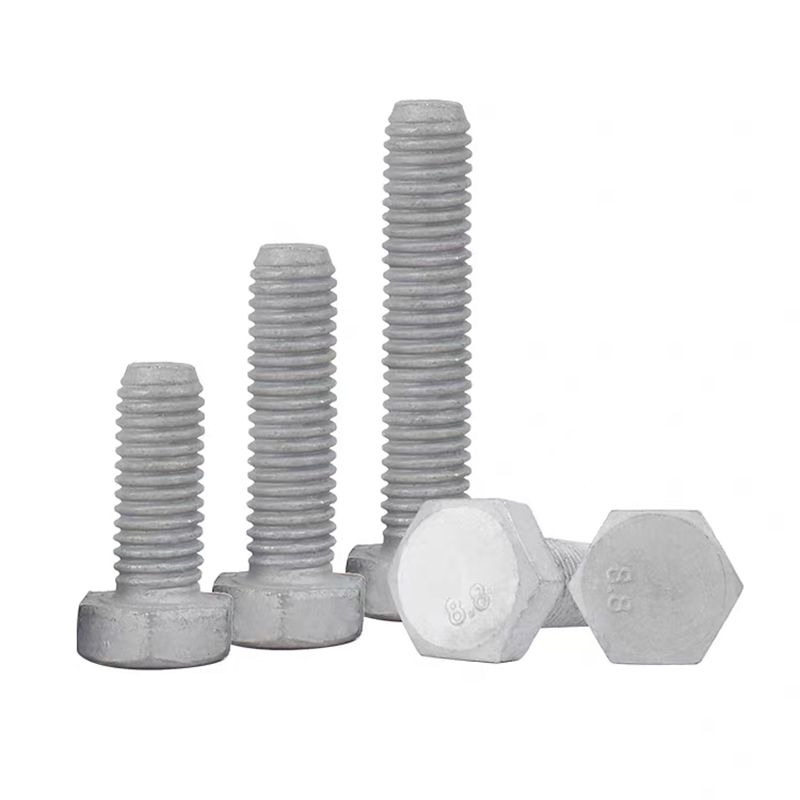
- 10.9 o le tele o hexagon bults
- Electrogalvalvanvan nati
- O le eletise eletise