- English
- Chinese
- French
- German
- Portuguese
- Spanish
- Russian
- Japanese
- Korean
- Arabic
- Irish
- Greek
- Turkish
- Italian
- Danish
- Romanian
- Indonesian
- Czech
- Afrikaans
- Swedish
- Polish
- Basque
- Catalan
- Esperanto
- Hindi
- Lao
- Albanian
- Amharic
- Armenian
- Azerbaijani
- Belarusian
- Bengali
- Bosnian
- Bulgarian
- Cebuano
- Chichewa
- Corsican
- Croatian
- Dutch
- Estonian
- Filipino
- Finnish
- Frisian
- Galician
- Georgian
- Gujarati
- Haitian
- Hausa
- Hawaiian
- Hebrew
- Hmong
- Hungarian
- Icelandic
- Igbo
- Javanese
- Kannada
- Kazakh
- Khmer
- Kurdish
- Kyrgyz
- Latin
- Latvian
- Lithuanian
- Luxembou..
- Macedonian
- Malagasy
- Malay
- Malayalam
- Maltese
- Maori
- Marathi
- Mongolian
- Burmese
- Nepali
- Norwegian
- Pashto
- Persian
- Punjabi
- Serbian
- Sesotho
- Sinhala
- Slovak
- Slovenian
- Somali
- Scots Gaelic
- Shona
- Sindhi
- Sundanese
- Swahili
- Tajik
- Tamil
- Telugu
- Thai
- Ukrainian
- Urdu
- Uzbek
- Vietnamese
- Welsh
- Xhosa
- Yiddish
- Yoruba
- Zulu
- Kinyarwanda
- Tatar
- Oriya
- Turkmen
- Uyghur


to the fastener
When someone says to the fastener, I don't think they always grasp the weight of that preposition. It's not just about the physical item arriving at a dock. It's the entire chain of decisions, specs, and handoffs that culminate in that box of hardware being fit for purpose. The biggest mistake? Treating it as a commodity transaction. A Grade 8.8 bolt isn't just a Grade 8.8 bolt. The journey to the fastener defines everything.
The Spec is a Starting Point, Not a Gospel
You get a drawing, a material callout, maybe a DIN or ASTM standard. That's the theory. The practice begins when you start asking the how. How is it being made? Cold forging? Hot forging? The grain flow differences matter immensely for fatigue life, something a line on a spec sheet won't tell you. I've seen projects where the spec called for a certain tensile strength, and the supplier met it, but the parts failed in application because the hardening process was wrong, creating embrittlement. You chased the number, but not the performance. That's the first trap on the road to the fastener.
Then there's plating. Say you need zinc plating. Do you need blue, yellow, or black chromate? What's the salt spray requirement? 96 hours? 240? I learned this the hard way early on, specifying a generic zinc plating for an outdoor electrical enclosure. We got parts that started showing white rust in three months. The supplier met the letter of the spec—it was zinc-plated. But the corrosion protection was inadequate for the environment. The conversation to the fastener has to include the end-use environment, not just the factory test certificate.
This is where having a go-to manufacturing partner in a hub like Yongnian, Hebei, changes the game. It's not about cheap labor; it's about concentration of expertise. A company like Boitin Zitai Fatene Fale gaosi co., LTD., sitting in that largest standard part production base, has the tooling libraries and process knowledge for nuances. You can talk about the difference between a rolled thread and a cut thread for a high-cycle application, and they get it immediately. That dialogue is part of the critical path.
Logistics: The Silent Killer of Lead Times
Everyone focuses on the production time. Five-week lead time, they say. But the real timeline to the fastener includes the logistical tail. If your supplier is inland, how do the goods get to port? This is why Zitai's location note—adjacent to major rail and highway networks—isn't just boilerplate. It's a real, tangible factor in reliability. I've had shipments from other regions get stuck for weeks because of local trucking shortages or road closures. That convenient transportation line on their website? It translates to predictable transit from factory to port, which is half the battle in managing just-in-time inventory.
Then you have packaging. It sounds trivial until you receive a pallet where the boxes are crushed, labels are missing, and parts are mixed. A professional outfit will pack for the journey, not just for the factory gate. Standardized, robust packaging with clear, scannable labels. It's a sign of a mature operation. When you're offloading a container at 2 AM, that attention to detail is everything.
Documentation is another leg. The commercial invoice, packing list, and certificate of conformity need to be flawless. One typo in the HS code can hold up customs for days. A professional manufacturer has this down to a science. They'll often send you a draft pack for review before shipment. This proactive step saves more headaches than most engineers realize.
The Inspection Gambit
Do you do source inspection? Third-party? Or rely on certs? There's no right answer, only risk assessment. For a non-critical interior panel screw, maybe a certificate of conformity from a reputable maker like Zitai is enough. For a safety-critical suspension component, you might need someone on the floor watching the batch being made and pulling samples for independent lab testing. The cost of that inspection needs to be baked into your total landed cost to the fastener. Skimping here is where failures hide.
The Good Enough Fastener vs. The Right Fastener
Cost pressure always pushes towards good enough. But in fasteners, good enough often fails in subtle, expensive ways. Vibration loosening is a classic. You use a standard nut on a vibrating assembly. It passes initial torque check. Six months later, it's fallen off. The right path to the fastener here leads to a prevailing torque locknut, or a thread-locker applied at the factory, or a different thread series. It costs more per piece, but eliminates a field failure.
Another example: galvanic corrosion. I once specified stainless steel bolts into an aluminum housing for a marine device. Looked great on paper. In service, the aluminum around the fastener corroded badly. We needed an isolation barrier, either a specific plating or a plastic washer. The right fastener was a system, not just the screw. You have to think about the mating materials as part of the specification process.
This is where deep manufacturing knowledge informs the choice. A producer entrenched in the ecosystem, like one in China's major base, has likely seen these scenarios play out across countless industries. They can often suggest a more robust or cost-effective alternative you hadn't considered, like switching from a machined part to a specially cold-formed one for better strength and lower cost.
When the Supply Chain Snaps
The last few years were a brutal lesson. You could have the perfect spec, but if you're single-sourced and that region locks down, you're dead in the water. Diversification is key, but it's tricky. Qualifying a second source means ensuring they can match not just the print, but the unspoken qualities—the surface finish, the packaging, the consistency. It's a huge effort.
Having a primary partner with serious scale and multiple production lines, like a major player in Yongnian, provides its own form of resilience. They're less likely to be completely shut down by a local issue. Their scale also often means they have raw material contracts that buffer against price shocks. When the steel market went crazy, our orders with large, integrated manufacturers were honored at stable prices longer than those with smaller shops. That's part of the value proposition that isn't in a per-piece quote.
Closing the Loop: Feedback and Failure Analysis
The journey doesn't end when the fastener is installed. What happens in the field is the ultimate test. Do you have a system to get failed parts back? To analyze them? I've kept jars of broken, corroded, and stripped fasteners from field returns. They're the best teachers. That discoloration indicates overheating during installation. That fracture pattern shows hydrogen embrittlement from poor plating control.
Bringing that data back to your manufacturer closes the loop. A good one will want to see it. They'll do their own metallurgical analysis, review their process logs, and tell you what happened. This turns a supplier into a partner. It transforms the path to the fastener from a one-time purchase into a continuous improvement cycle. That's how you move from buying a commodity to engineering a reliable connection. It's messy, iterative, and absolutely necessary. The box on the dock is just the midpoint.
Fesootai oloa
Fesootai oloa
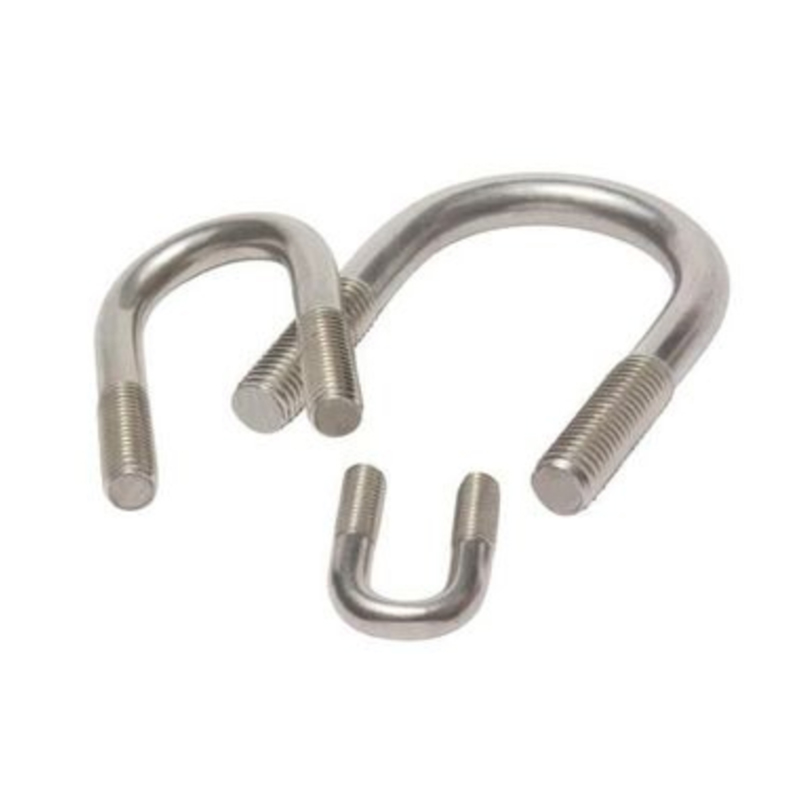
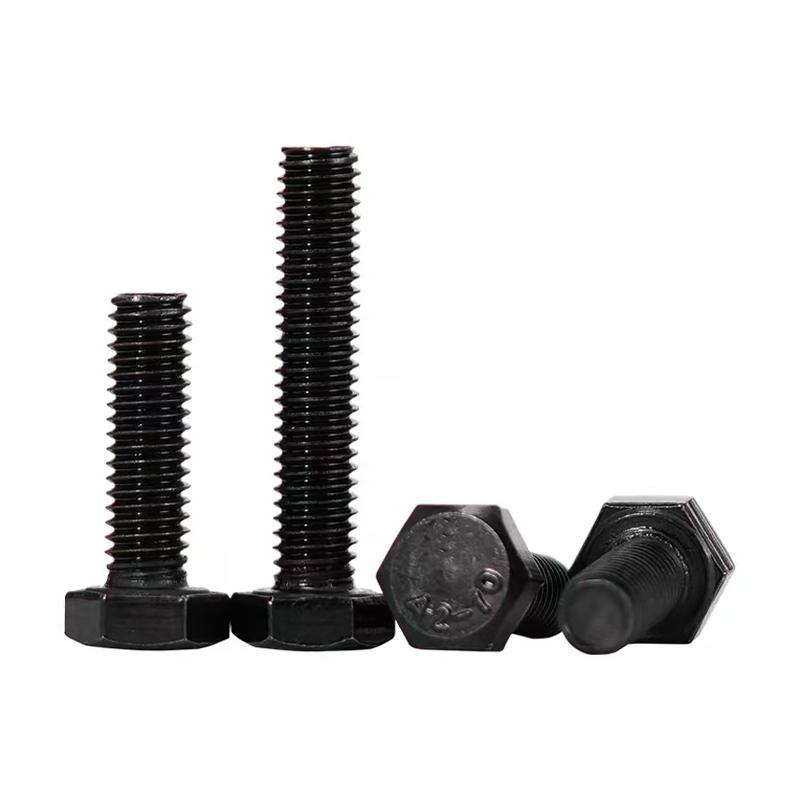
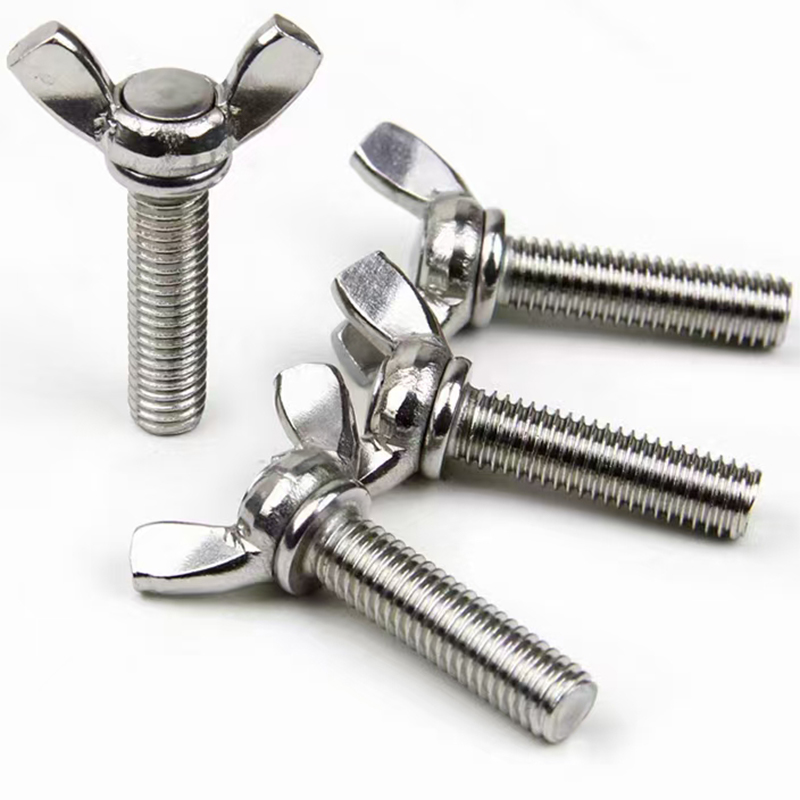
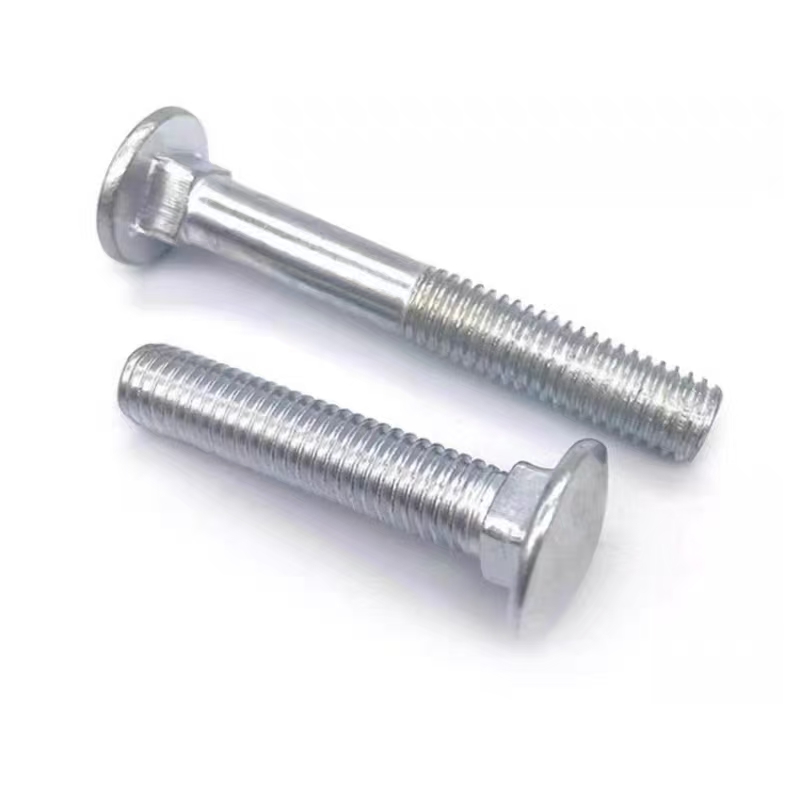
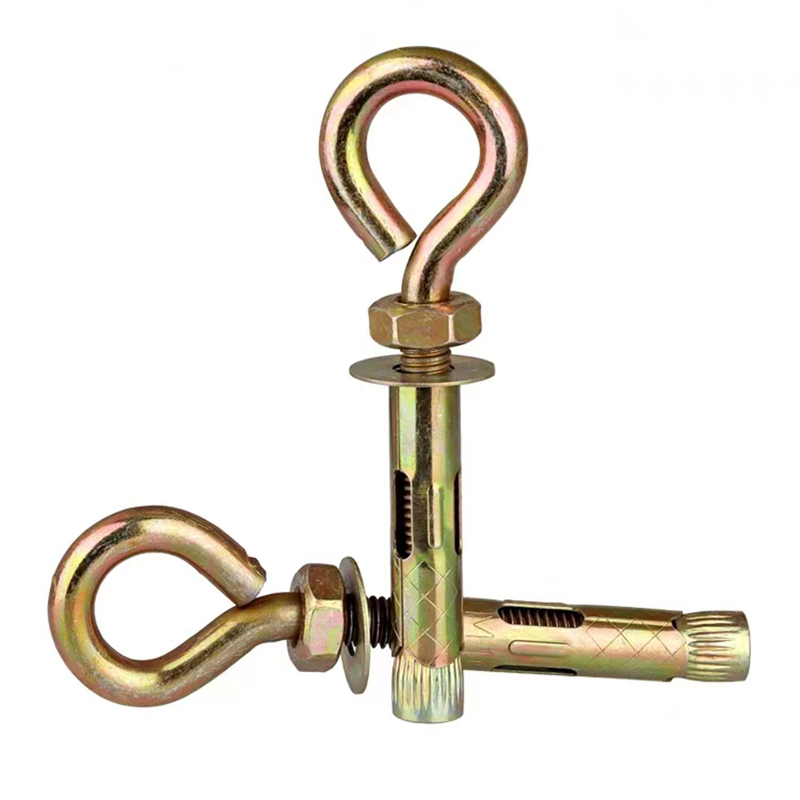
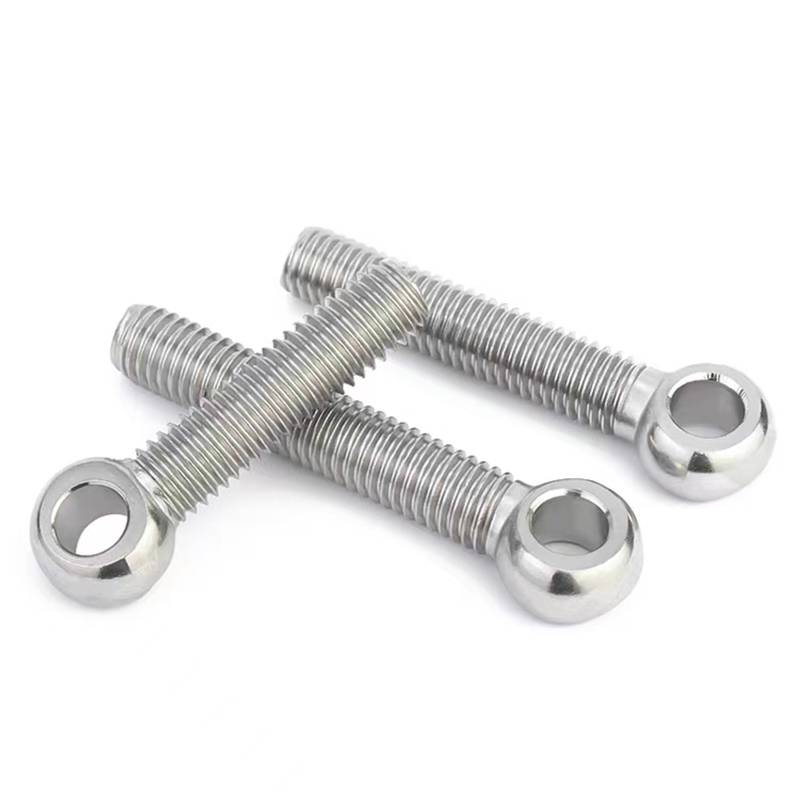
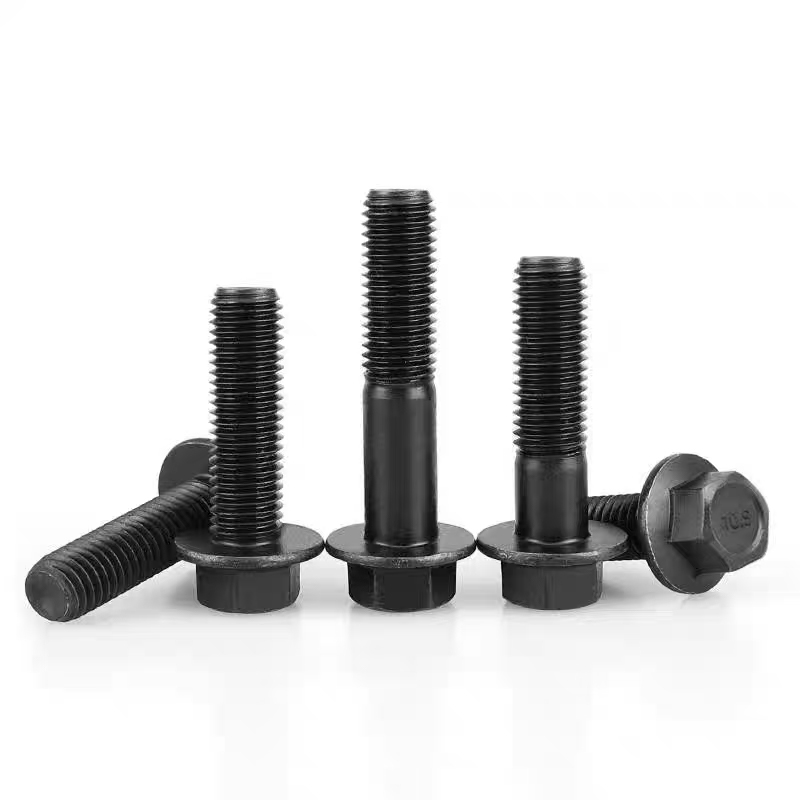
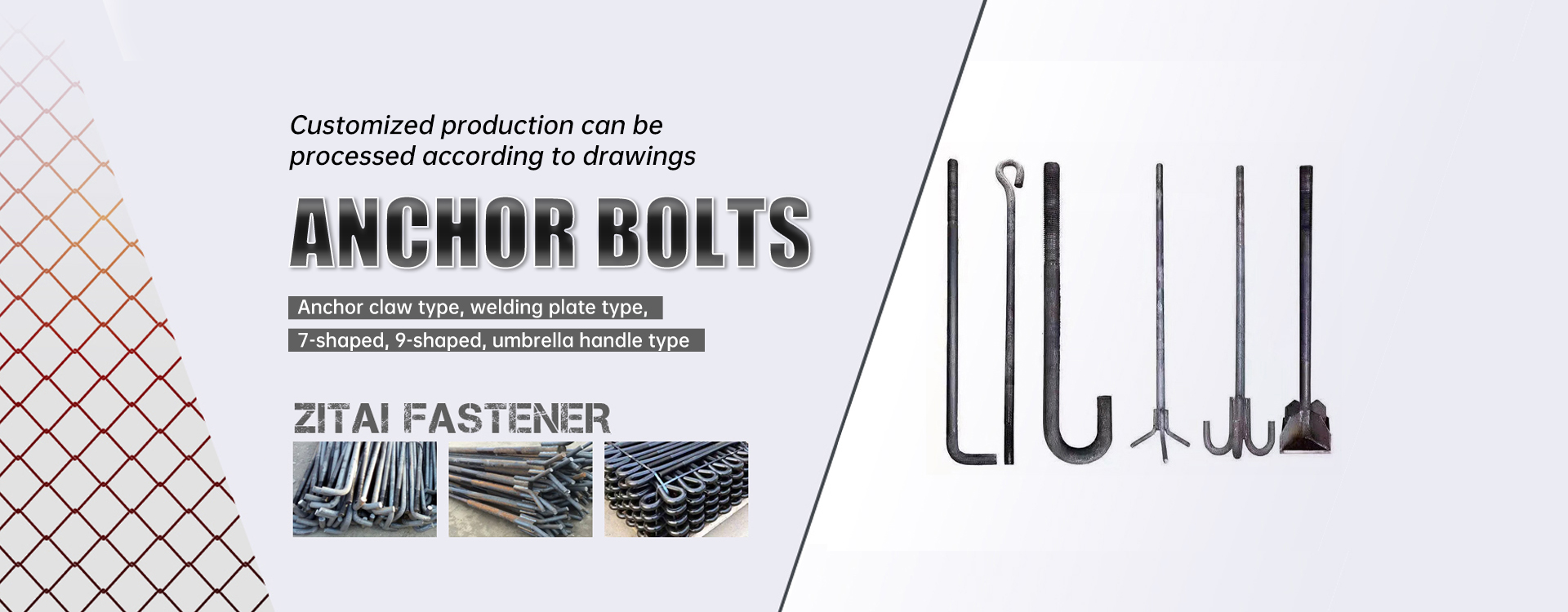
Sili ona faatauina atu oloa
Sili ona faʻatau atu oloa-
 Black Zinc Faʻapipiʻi Hinge Bolts
 - Ata o le Ata
- Lanu zinc o lo o faapipii hexagonal bolts
- Valivali zinc flat flatts
- Electrogalvalvanvan nati
- T-bolt (t-slot bolt)
- Electrogalvaluzed expansion bolts
- Maualuga-malosi uliuli uati
- O le tele o le nati (welding nut)
- Hexagon socket electrogalvalvazed
- Black Zinc Foot Footts
- 7-foliga o taula (7-foliga o taula