- English
- Chinese
- French
- German
- Portuguese
- Spanish
- Russian
- Japanese
- Korean
- Arabic
- Irish
- Greek
- Turkish
- Italian
- Danish
- Romanian
- Indonesian
- Czech
- Afrikaans
- Swedish
- Polish
- Basque
- Catalan
- Esperanto
- Hindi
- Lao
- Albanian
- Amharic
- Armenian
- Azerbaijani
- Belarusian
- Bengali
- Bosnian
- Bulgarian
- Cebuano
- Chichewa
- Corsican
- Croatian
- Dutch
- Estonian
- Filipino
- Finnish
- Frisian
- Galician
- Georgian
- Gujarati
- Haitian
- Hausa
- Hawaiian
- Hebrew
- Hmong
- Hungarian
- Icelandic
- Igbo
- Javanese
- Kannada
- Kazakh
- Khmer
- Kurdish
- Kyrgyz
- Latin
- Latvian
- Lithuanian
- Luxembou..
- Macedonian
- Malagasy
- Malay
- Malayalam
- Maltese
- Maori
- Marathi
- Mongolian
- Burmese
- Nepali
- Norwegian
- Pashto
- Persian
- Punjabi
- Serbian
- Sesotho
- Sinhala
- Slovak
- Slovenian
- Somali
- Scots Gaelic
- Shona
- Sindhi
- Sundanese
- Swahili
- Tajik
- Tamil
- Telugu
- Thai
- Ukrainian
- Urdu
- Uzbek
- Vietnamese
- Welsh
- Xhosa
- Yiddish
- Yoruba
- Zulu
- Kinyarwanda
- Tatar
- Oriya
- Turkmen
- Uyghur

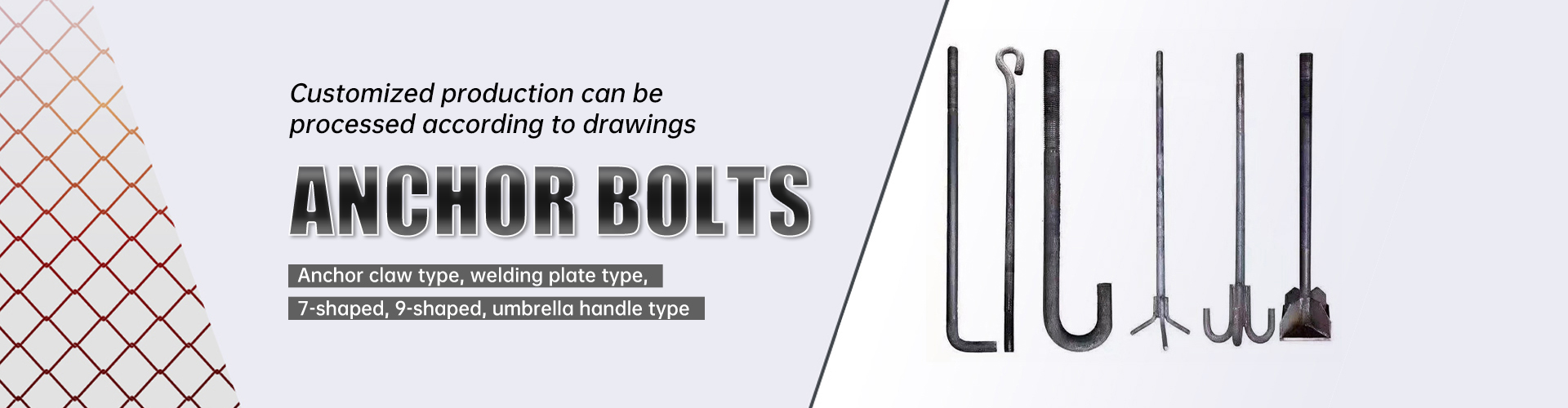
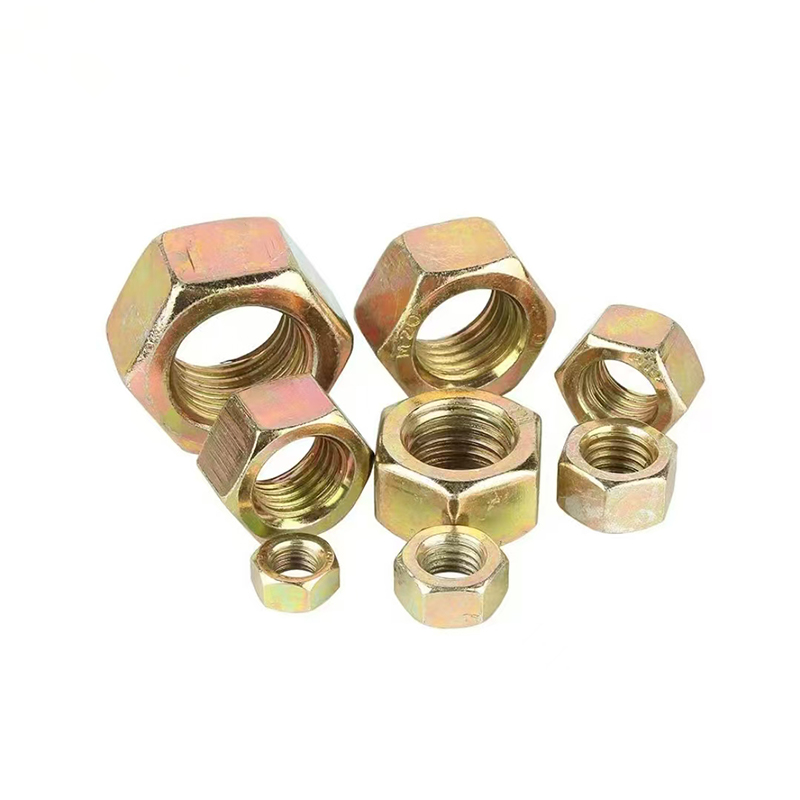
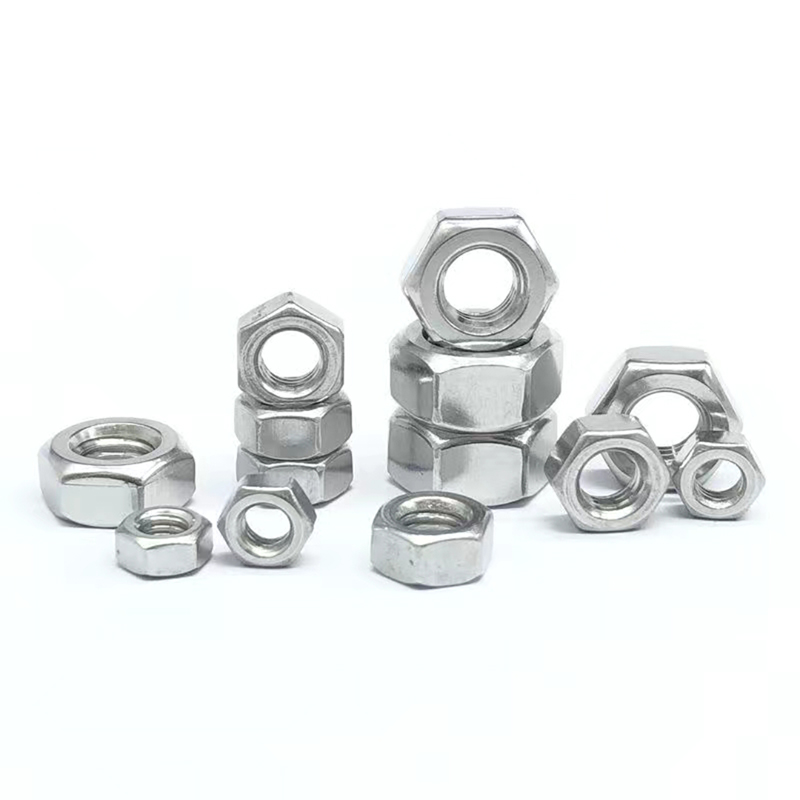
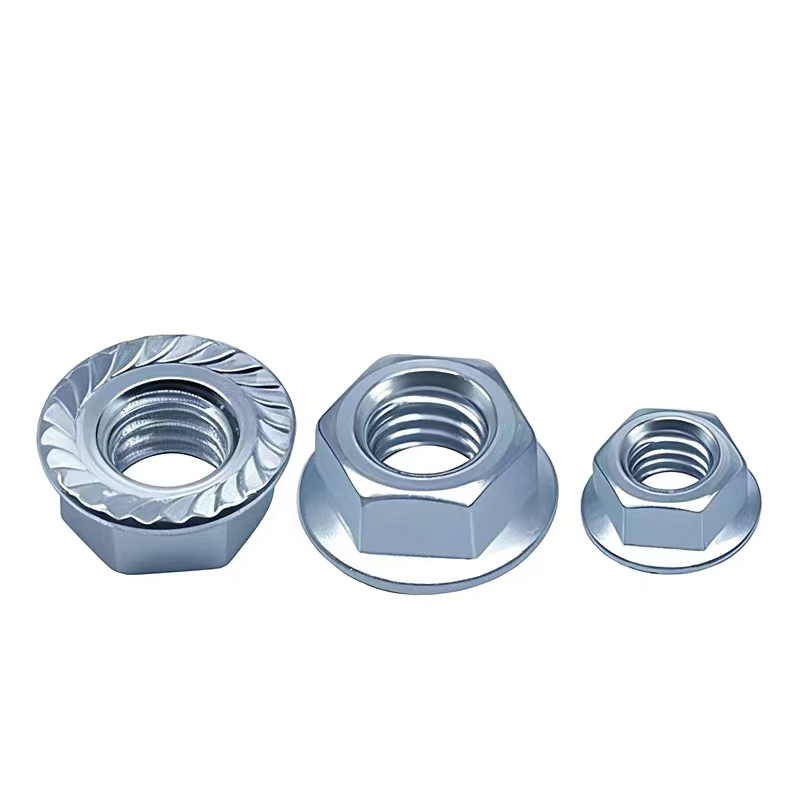
Weld nuts
When you say 'weld nuts', most people outside the shop floor think of a simple nut you stick on and zap with a welder. That's the first mistake. It's not just about sticking it on; it's about choosing the right projection, the right material, and understanding how that weld will behave under load, vibration, and over time. I've seen too many assemblies fail because someone grabbed a standard weld nut for a high-vibration application, or didn't consider the galvanization burn-off. It's these little things that separate a rickety assembly from one that lasts decades.
More Than Just a Nut with a Bump
The geometry of the weld projection is everything. That little ring or series of bumps isn't just for holding the nut off the surface for weld clearance—though that's part of it. It's designed to collapse in a controlled manner during welding. A poorly designed projection will either blow through the base metal or not fuse properly, leaving a weak point. For instance, the rounded projections on some metric weld nuts versus the sharper, pyramid-like ones on others are meant for different welding processes and amperages. You can't just swap them.
Material pairing is another silent killer. Welding a carbon steel weld nut to galvanized sheet is a classic headache. You burn off the zinc coating, which can cause porosity in the weld, and you're left with an unprotected area right at the stress point, inviting rust. Sometimes you have to spec a plated nut and accept the weld will mar the coating, then plan for a touch-up. Other times, it's worth looking at stainless-to-stainless, but then you're dealing with entirely different welding parameters and the risk of carbide precipitation.
I recall a job for a utility vehicle chassis where the client insisted on using their existing inventory of standard, low-carbon weld nuts. The application involved significant torsional flex. Within a year, we started seeing hairline cracks in the welds themselves, not in the nut or the plate, but in the heat-affected zone. The fix? Switching to a nut with a slightly different projection design that distributed the thermal stress more evenly during welding, creating a more ductile weld zone. The nut itself was almost identical, but that tiny manufacturing detail made all the difference.
The On-the-Ground Realities of Sourcing and Specifying
You learn quickly that not all weld nuts are created equal, and the price difference isn't just about branding. It's about consistency in the projection height, the concentricity of the thread to the weld base, and the raw material quality. A batch with inconsistent projection height will lead to a nightmare on an automated welding line—some welds will be weak, others will burn through. Manual welding can compensate, but it kills your rate.
This is where knowing your supplier's capability is crucial. In a major production hub like Yongnian District in Handan, Hebei—which is essentially the epicenter of fastener manufacturing in China—you find a vast spectrum of quality. A company operating there, like Handan Zitai Fastener Manufacturing Co., Ltd., sits right in the middle of this ecosystem. Their location adjacent to major transport routes like the Beijing-Guangzhou Railway and National Highway 107 isn't just a sales point; it translates to logistical reliability for bulk orders, which is a massive practical concern when you're running a production line. You can't have your line down because a truckload of weld nuts is stuck somewhere.
When evaluating a supplier from such a region, you're not just looking at a catalog. You're asking: Can they provide certified material reports for their steel wire? What's their in-process QC for stamping and projection forming? Do they offer pilot-diameter options for alignment? For a project requiring high-volume, consistent weld nuts, a manufacturer with a solid production base and efficient logistics, which you can learn more about at HTTPS://www.zitiiiisters.com, becomes a viable partner because they're built for scale and accessibility.
Failures That Teach You More Than Successes
My most expensive lesson with weld nuts didn't involve a structural failure. It was about assembly sequence. We designed a cabinet with weld nuts on the inside of a formed channel for bolting on internal panels. Perfect, right? Clean look, no through-holes. What we didn't fully account for was the weld spatter inside the narrow channel. It was a nightmare to clean, and leftover spatter interfered with the panel fit. We ended up having to specify nuts with a slightly different projection type that generated less spatter and required post-weld tapping of every single nut to clear any weld flash from the threads. The labor cost killed the margin.
Another subtle point is the weldability of the nut's plating or coating. Cadmium-plated nuts weld beautifully but are toxic and increasingly regulated. Zinc-plated ones are common, but that plating thickness needs to be known. Too thick, and you get excessive fumes and poor fusion. We once had a batch where the plating was out of spec, and the welding operator had to constantly adjust the gun settings, leading to inconsistencies. Now, we specify the maximum plating thickness right on the drawing.
Then there's the issue of accessibility for the welding gun. A beautiful CAD model showing a weld nut in a tight corner means nothing if a standard weld gun nozzle can't reach it at the correct angle. I've had to redesign brackets or switch to different fastener types entirely—like clinch nuts—because we couldn't guarantee a consistent weld bead around the entire projection. It's a humbling reminder that the digital model is just the first draft.
Beyond the Standard: When You Need Something Special
The catalog standards (DIN, ISO, ANSI) cover 95% of needs. But that other 5% is where the real engineering happens. We had a project involving an aluminum extrusion that needed a steel thread attached. You can't directly weld carbon steel to aluminum. The solution was a bi-metallic weld nut, with an aluminum base projection-welded to the extrusion and a steel insert for the thread. It worked, but the cost was astronomical, and the thermal management during welding was critical to not ruin the insert.
Counter-bored weld nuts for flush mounting are another special item. The trick isn't the counterbore; it's ensuring the weld projection is still effective with the reduced material around the perimeter. They often require a very precise weld schedule to avoid distorting the counterbore, which then won't accept the bolt head. We typically prototype these with a few different weld energy settings on scrap material before committing.
In high-corrosion environments, like marine or chemical washdown areas, even a perfect weld creates a galvanic cell if the nut and base metal are different. Here, specifying a weld nut made from the same alloy as the base metal (e.g., 316 stainless to 316 plate) is the only long-term solution. The welding becomes more challenging, but the assembly integrity is maintained. It's a trade-off between fabrication difficulty and service life.
The Takeaway: It's a System, Not a Component
Ultimately, a weld nut is never an isolated component. It's part of a system that includes the base metal, the welding process (MIG, projection, stud), the surface treatments, the assembly sequence, and the end-use environment. Specifying it correctly requires thinking through all these steps.
The goal is to make it disappear. The best weld nut is one you never think about again after installation. It doesn't strip, it doesn't loosen, it doesn't corrode around the weld. Achieving that involves moving past the basic part number and engaging with the manufacturing realities. It means talking to your welders, understanding your supplier's process, and sometimes, paying a bit more for the nut to save a fortune in assembly time or field failures.
So next time you're looking at a drawing with a circle and the callout WELD NUT, pause. Think about what it really needs to do. That moment of consideration is what separates a functional design from a robust one. And often, the answer isn't in the big, flashy parts of the design, but in these small, unassuming fasteners that hold everything together.
Fesootai oloa
Fesootai oloa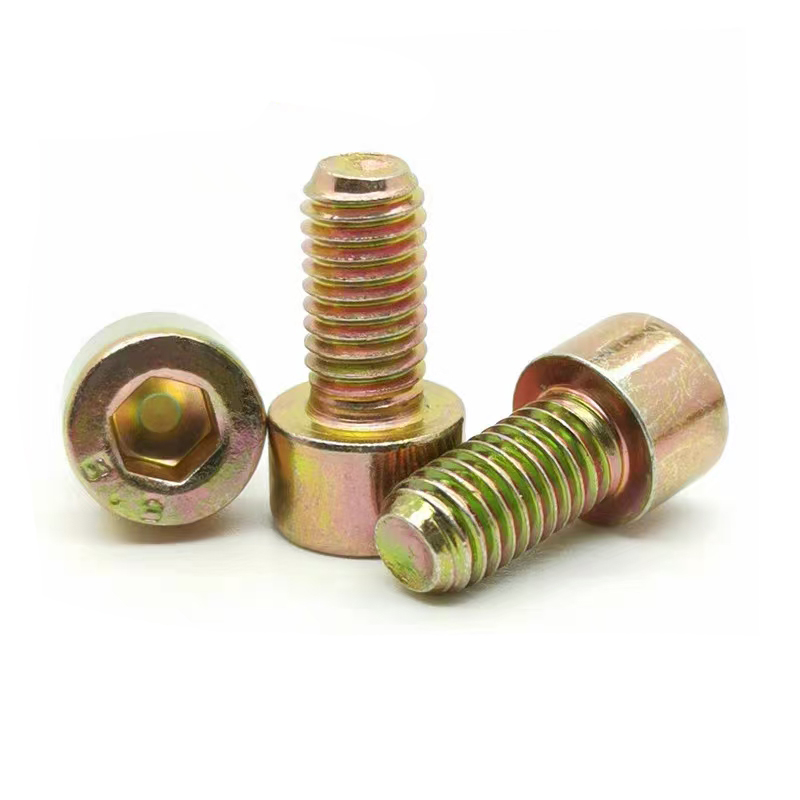
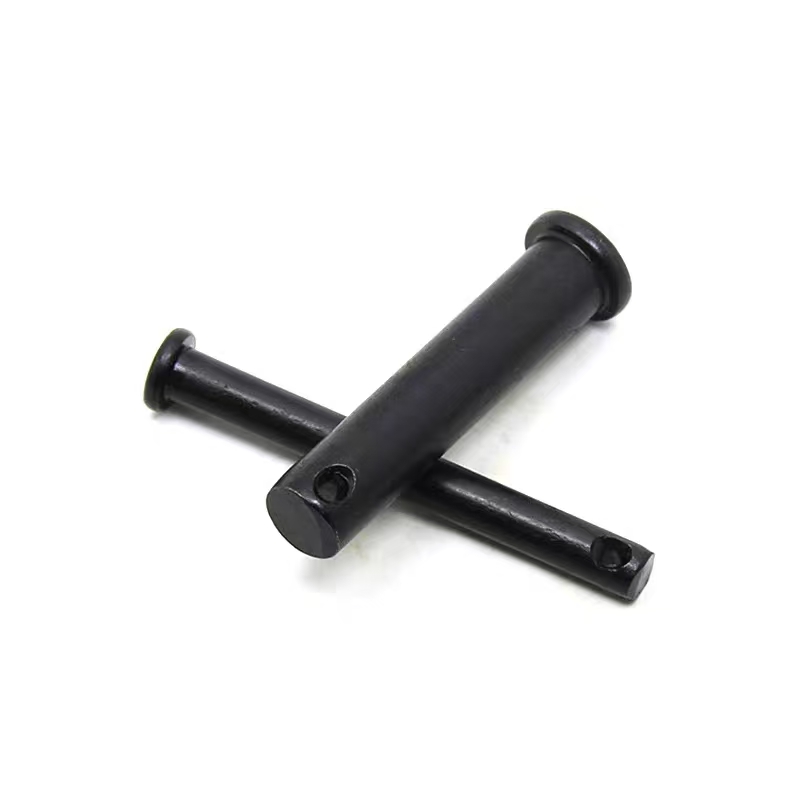
Sili ona faatauina atu oloa
Sili ona faʻatau atu oloa-
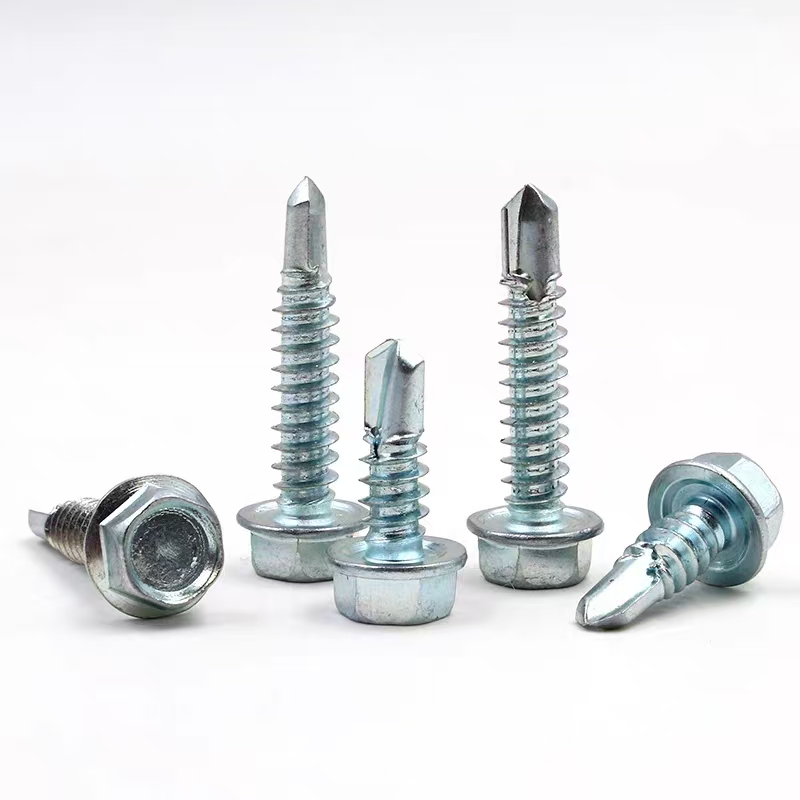
 Uliuli zinc-plated hexagonal drill bill uaea
 - Oti i Farels
- 10.9 o le tele o hexagon bults
- Valivali le lanu zinc-fasi nati
- Electro-galvanized clatsters cross bults
- Na totoina le faatafafa faatagata (ulded plate bletor bol)
- Electrogalvalvanvan nati
- 10.9s Tereron Shear Boar
- Black Zinc Faʻapipiʻi Herxganal Bolts
- Petterfly bolts
- U-bolts
- Electroplation Galvanzed Cakets