
- English
- Chinese
- French
- German
- Portuguese
- Spanish
- Russian
- Japanese
- Korean
- Arabic
- Irish
- Greek
- Turkish
- Italian
- Danish
- Romanian
- Indonesian
- Czech
- Afrikaans
- Swedish
- Polish
- Basque
- Catalan
- Esperanto
- Hindi
- Lao
- Albanian
- Amharic
- Armenian
- Azerbaijani
- Belarusian
- Bengali
- Bosnian
- Bulgarian
- Cebuano
- Chichewa
- Corsican
- Croatian
- Dutch
- Estonian
- Filipino
- Finnish
- Frisian
- Galician
- Georgian
- Gujarati
- Haitian
- Hausa
- Hawaiian
- Hebrew
- Hmong
- Hungarian
- Icelandic
- Igbo
- Javanese
- Kannada
- Kazakh
- Khmer
- Kurdish
- Kyrgyz
- Latin
- Latvian
- Lithuanian
- Luxembou..
- Macedonian
- Malagasy
- Malay
- Malayalam
- Maltese
- Maori
- Marathi
- Mongolian
- Burmese
- Nepali
- Norwegian
- Pashto
- Persian
- Punjabi
- Serbian
- Sesotho
- Sinhala
- Slovak
- Slovenian
- Samoan
- Scots Gaelic
- Shona
- Sindhi
- Sundanese
- Swahili
- Tajik
- Tamil
- Telugu
- Thai
- Ukrainian
- Urdu
- Uzbek
- Vietnamese
- Welsh
- Xhosa
- Yiddish
- Yoruba
- Zulu
- Kinyarwanda
- Tatar
- Oriya
- Turkmen
- Uyghur


Farsamoyaqaankii Shiinaha ayaa korontadii ka baxay
Farsamoyaqaanka Shiinaha ee Korontada ka soo baxay: Aragtida iyo Waayo-aragnimada
Fahamka safarka farsamayaqaanka ee Shiinaha, gaar ahaan marka la macaamilayo aaladaha kakan sida boodhka korontada, waxay siinaya indho-sarcaad adduun halkaas oo saxnaanta la kulmayso dhaqanka. Tani kaliya maaha wax soo saarka; waxay marag u tahay xirfada iyo hal-abuurnimada. Aynu sahamino dhaqdhaqaaqyada qalafsan ee ku lug leh.
Qabashada Nuxurka Boltka Awooda
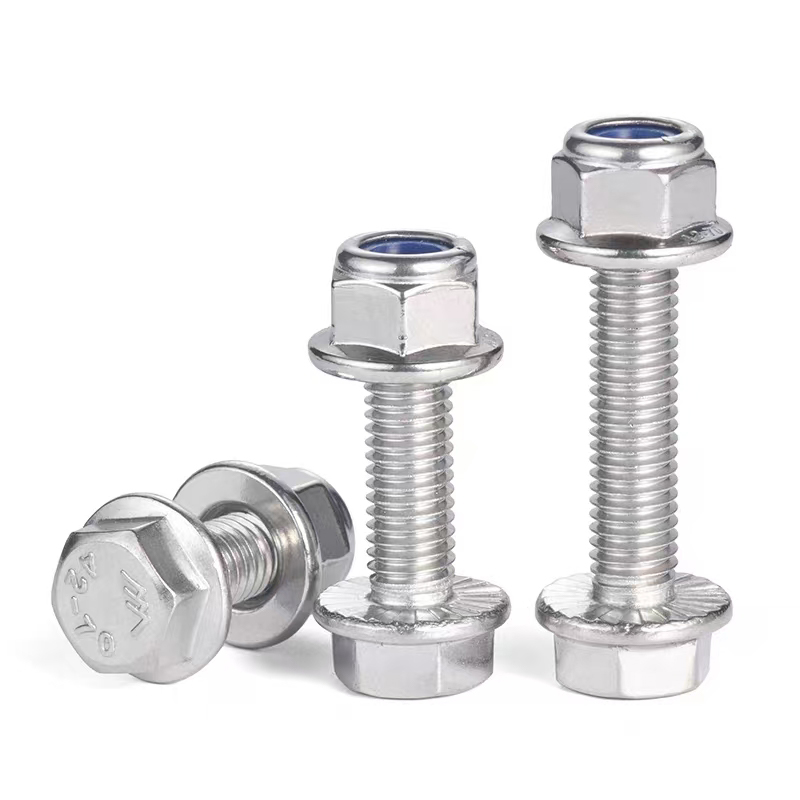
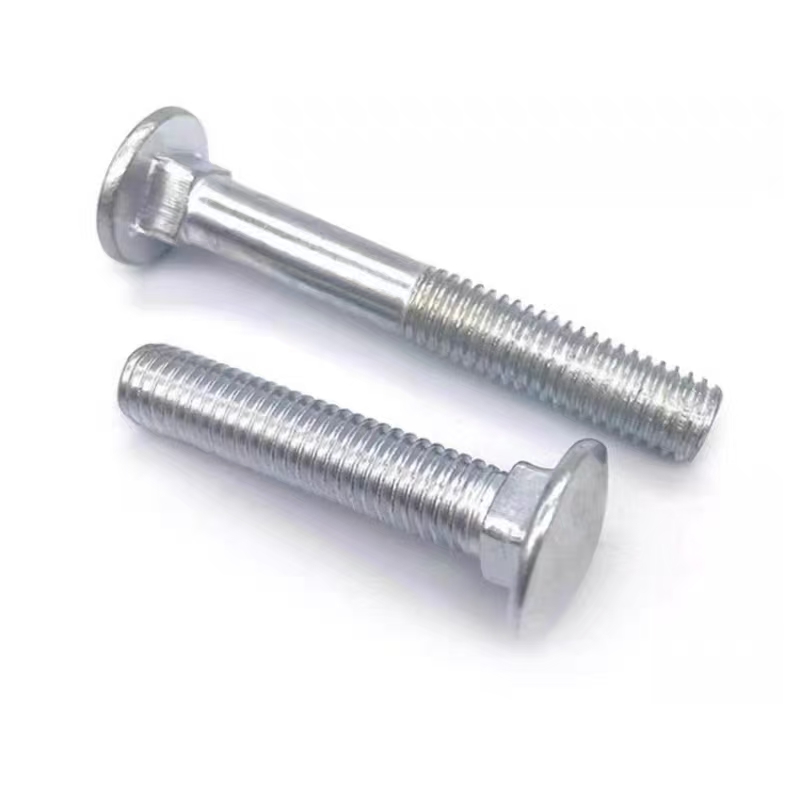
Xudunta u ah farsamada wax ku oolka ah ee Shiinaha waxay ku jirtaa awoodda u leh qaybaha kala duwan sida bool koronto. Kuwani maaha badeecooyin kaliya laakiin waxay ka kooban yihiin isku-darka aqoonta qadiimiga ah iyo farsamooyinka casriga ah. Waa wax aad u xiiso badan sida boolashan, ee loo yaqaan adkeysigooda, ay u maareyn karaan xaaladaha ugu daran, iyada oo ay ugu wacan tahay xirfadda la sii daayay.
Markaad la hadasho ruug-caddaayada warshadaha, waxaad inta badan maqli doontaa sheekooyin ku saabsan caqabadaha hortaagan ilaalinta heerarkan sare. Mid ka mid ah farsamayaqaannada ayaa sheegay sida qayb kastaa ugu baahan tahay kormeer taxaddar leh, halkaas oo xitaa leexashada yar ay u horseedi karto saameyn weyn. Heerarkan dadaalku wuxuu hoosta ka xariiqayaa hubinta tayada ee ku qotonta caadooyinka wax soo saarka Shiinaha.
Waxa aan xasuustaa in aan booqday warshad ay hawadu cidhiidhi ku jirto oo xoog badan ay shaqaaluhu si hufan ugu shaqaynayeen mishiinada soo saara qaybahan xoogga badan. Jawiga xoogga leh ayaa ah sifada warshadaha, halkaasoo saxnimadu aysan ahayn yool kaliya balse loo baahan yahay.
Caqabadaha ku jira Habka Wax-soo-saarka
Soo saarista bool koronto Shiinaha waxa ay la timaaddaa caqabado dhawr ah. Tusaale ahaan, waxaan mar goob joog u ahaa arin wax soo saar oo ay sababtay tayada alaabta ceeriin ee aan is waafaqsanayn. Dhibaatada si dhakhso ah ayaa loo aqoonsaday, laakiin waxay u baahday in la joojiyo dhammaan khadadka kulanka - tallaabo qaali ah laakiin lama huraan ah si loo hubiyo daacadnimada alaabta.
Caqabad kale oo caadi ah ayaa ah hubinta ku habboonaanta boolalyadan iyo heerarka caalamiga ah. Xirfadlayaasha farsamada iyo injineerada waa in ay la socdaan isbeddellada caalamiga ah, iyaga oo la qabsanaya hanaankooda si ay u buuxiyaan shuruudaha shahaadooyinka ee kala duwan. Tani waa halka ay Handan Zitai Fastener Manufacturing Co., Ltd. ku fiican tahay, oo ku taal istaraatiijiyad ahaan magaalada Handan ee u dhow waddooyinka waaweyn ee gaadiidka, hubinta qaybinta waqtiga iyo u hoggaansanaanta.
Farshaxanka hagaajinta ayaa fure u ah halkan, ha ahaato aaladaha, farsamada, ama xitaa habka loo wajaho oo loo xalliyo arrimaha.
Qaadashada Tignoolajiyada Cusub
Isku-dhafka tignoolajiyada ee samaynta boolal-samaynta lama soo koobi karo. Goobaha casriga ah, automation-ku wuxuu door muhiim ah ka ciyaaraa hubinta saxnaanta, hase yeeshee si faahfaahsan uguma beddelin indhaha farshaxanada. Waxaan arkay farsamayaqaanno si dadaal la'aan ah u kala beddelaya baaritaannada gacanta iyo nidaamyada kombuyuutarrada, iyagoo isku dheelitiraya dhaqanka iyo hal-abuurka.
Handan Zitai Fastener Manufacturing Company Habkan laba-geesoodka ah kaliya ma wanaajinayo waxtarka laakiin sidoo kale wuxuu ilaaliyaa taabashada shakhsi ahaaneed ee ilaalinta tayada.
Istaraatiijiyadani waxay u adeegtaa si wanaagsan, iyadoo la jaanqaadaysa baahida caalamiga ah ee si joogto ah loo soo saaro, boolal tayo sare leh.
Baahida Macmiilka iyo Isbedelka Suuqa
Xirfadle khibrad leh oo ka mid ah warshadaha ayaa fahamsan in buuxinta dalabaadka macaamiisha ay muhiim u tahay guusha. Shuruudahani waxay ku wargelinayaan jidka boolal koronto waa la farsameeyay, laga soo bilaabo alaabta loo isticmaalo in la naqshadeeyo. Mar, inta lagu guda jiro suuqa kala wareejinta alaabada deegaanka, waxaa jiray loolan lagu heli karo agab dib loo warshadayn karo.
Shirkadaha sida Handan Zitai waa inay ahaadaan kuwo firfircoon, oo awood u leh inay si degdeg ah ula qabsadaan baahiyahan soo koraya. Tani waxay ka dhigan tahay kobcinta xoog shaqaale oo wax ku soo kordhin kara socodka, sifo si qoto dheer ugu dhex jirta hab-dhaqankooda hawleed.
Meesha ay ku yaalaan ee istaraatiijiga ah ee Gobolka Hebei waxa ay bixisaa faa'iido saadka, fududaynta jawaabaha degdega ah ee mowjadahan suuqa ee aan la saadaalin karin.
Mustaqbalka Farsamada Bolt ee Shiinaha
Inaad horay u sii fiirsatid, mustaqbalka farsamada gacanta ee Shiinaha waxay u muuqataa mid rajo leh oo haddana adag. Sida dalabaadka caalamiga ahi u kobcayaan, gaar ahaan kuwa takhasuska leh boolal koronto, warshaduhu waa in ay wax ka qabtaan arrimaha sida joogtaynta iyo waxtarka silsiladda sahayda.
Shirkadaha sida Handan Zitai ayaa safka hore kaga jira, kaliya maaha inay ka faa'iidaystaan faa'iidadooda juquraafi balse iyada oo loo marayo hal-abuurnimo joogto ah iyo u heellanaanta tayada. Waayo-aragnimada ka-hortagga dhibaatooyinkii hore waxay si fiican ugu qalabaysaa inay wax ka qabtaan caqabadaha mustaqbalka.
Ugu dambeyntii, isku darka dhaqanka, hal-abuurka, iyo la qabsiga istaraatiijiyadeed ayaa ah waxa qeexi doona xilliga soo socda ee farsamada gacanta ee Shiinaha, taasoo ka dhigaysa goob xiiso leh in la daawado oo laga mid noqdo.
la xidhiidha alaabta
Alaabooyinka la xidhiidha
Iibinta ugu fiican alaabta
Alaabta iibka ugu fiican-
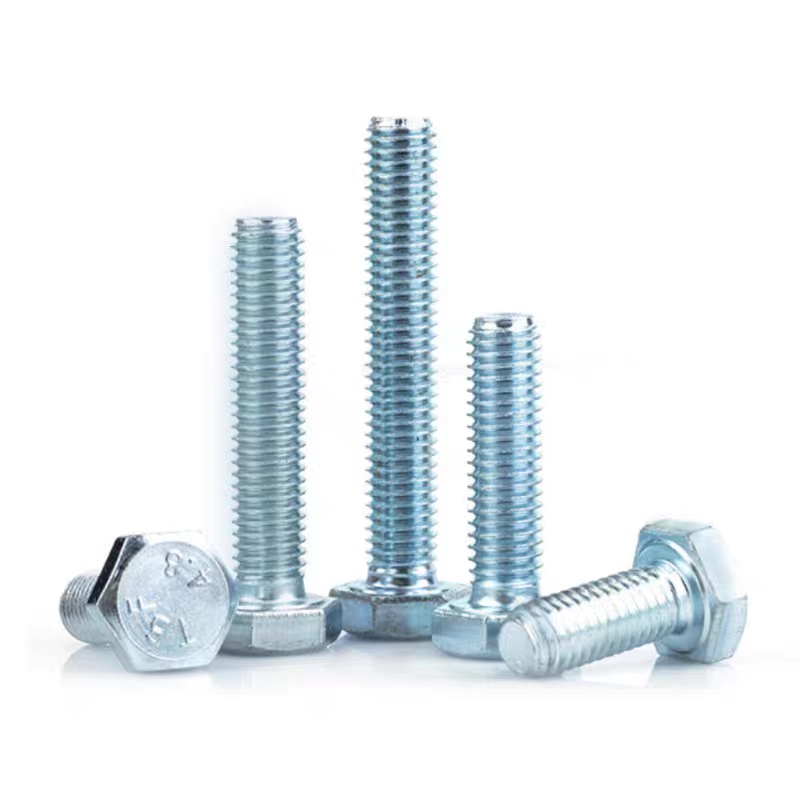 Bolts lix geesood ah oo koronto galiyay
 -
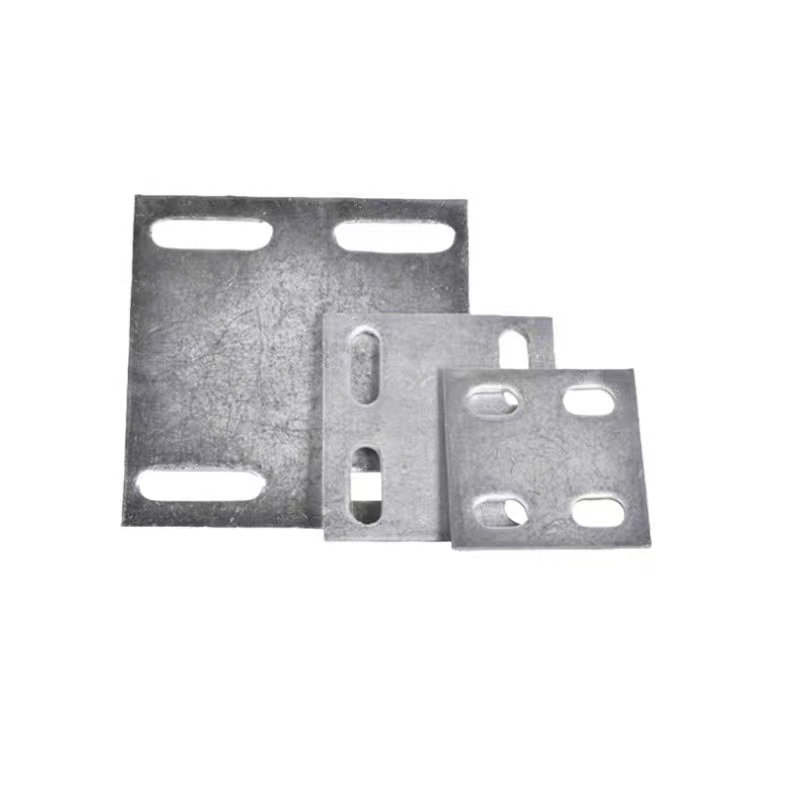 Saxan dhexdaran galvanized-kulul
 -
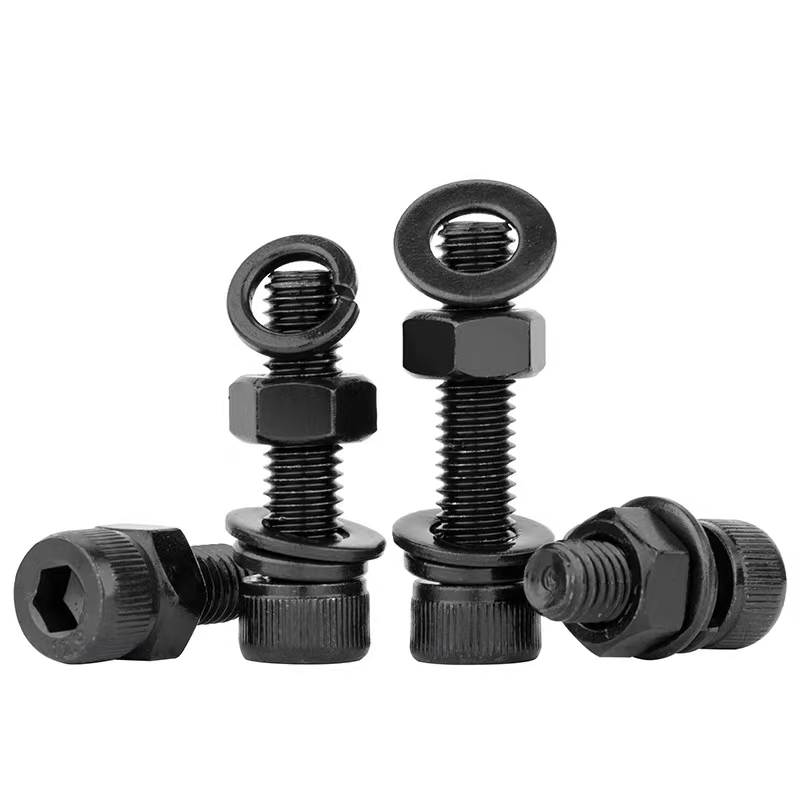 Hexagon godad madow oo zinc-plated boolal
 -
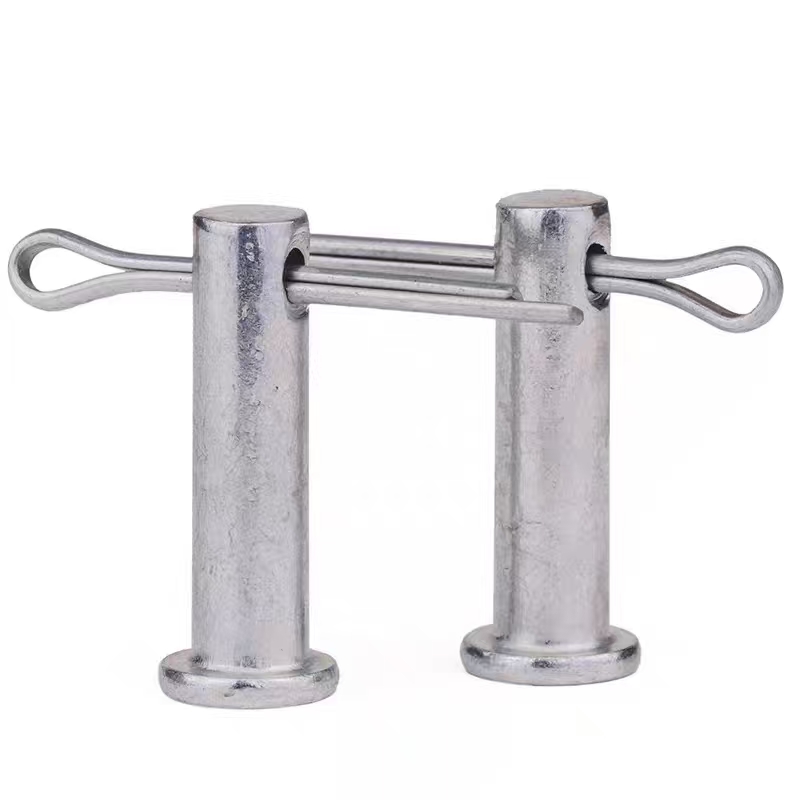 biinanka elektrogalvanized
 -
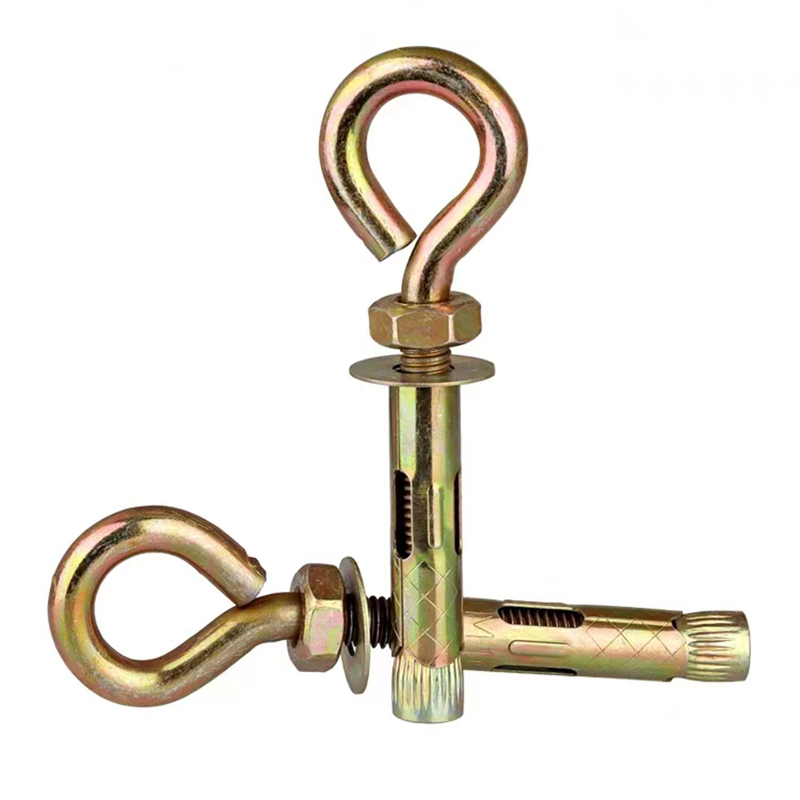 jillaab balaarineed oo midab leh oo zinc ah
 -
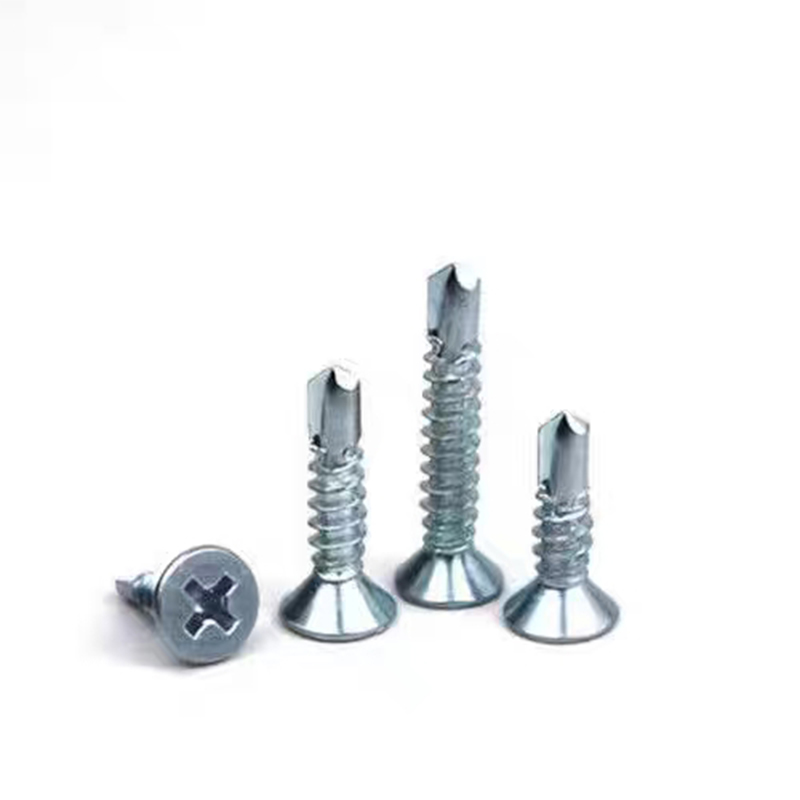 Dunta laydhka iskutallaabta ee korontada ku shaqeeya
 -
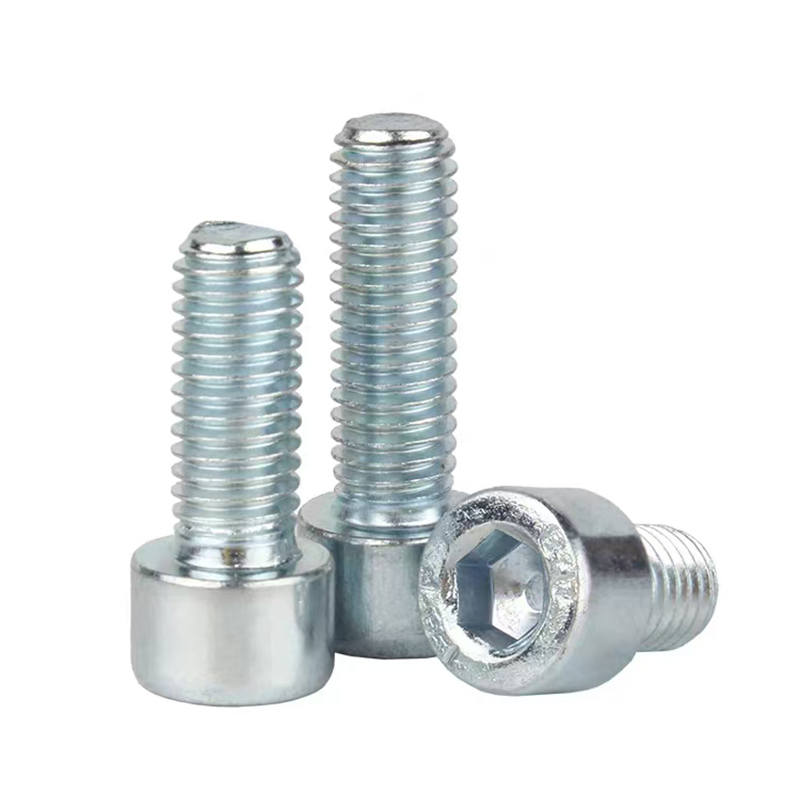 godad saddex geesood ah oo koronto galvanized ah
 -
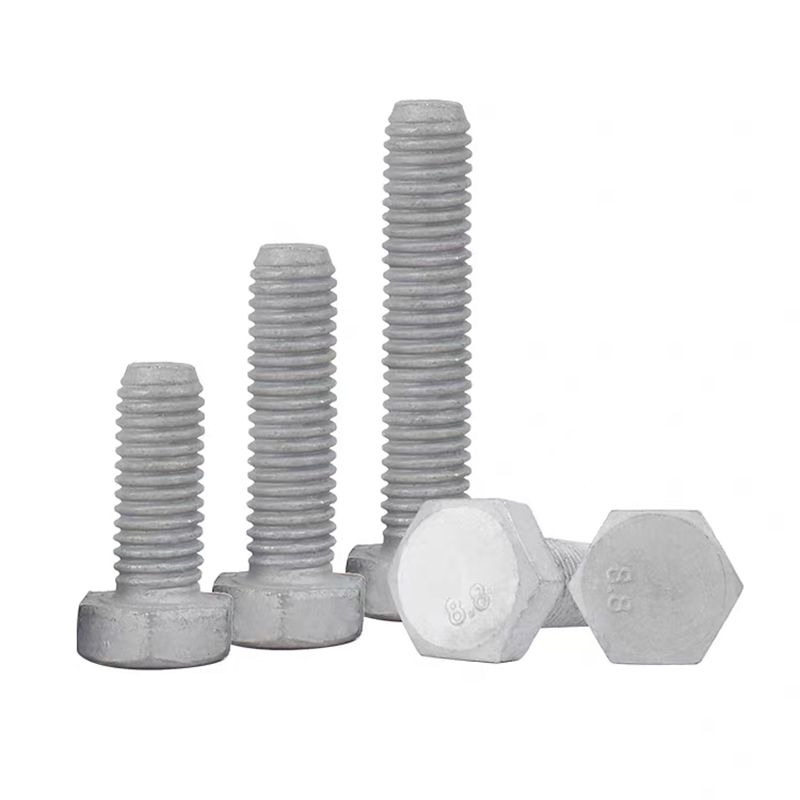 Kulul-kulul galvanized galvanized
 -
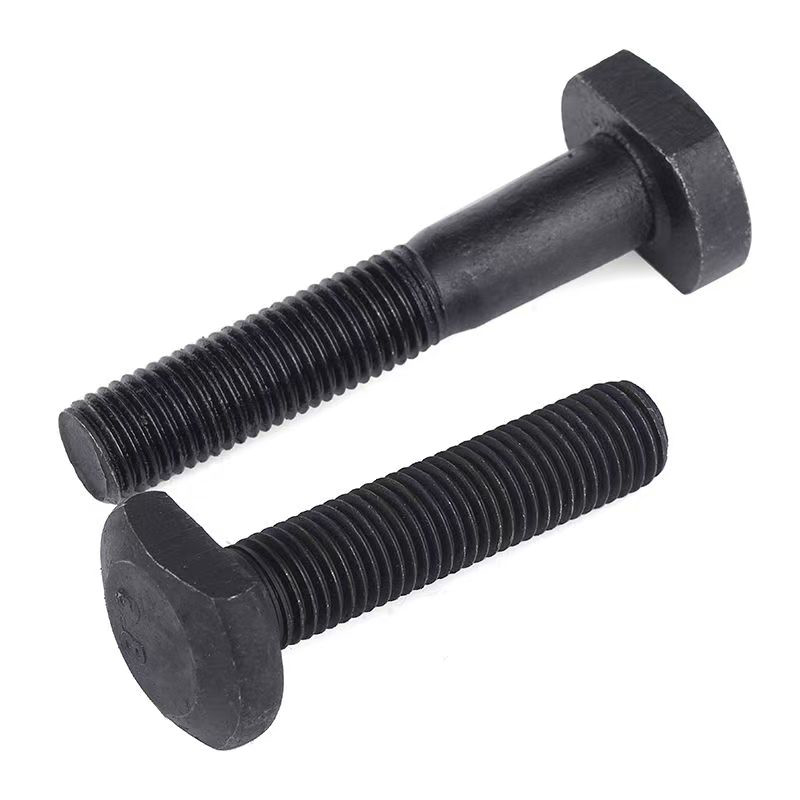 T-bolt (Bolt T-slot)
 -
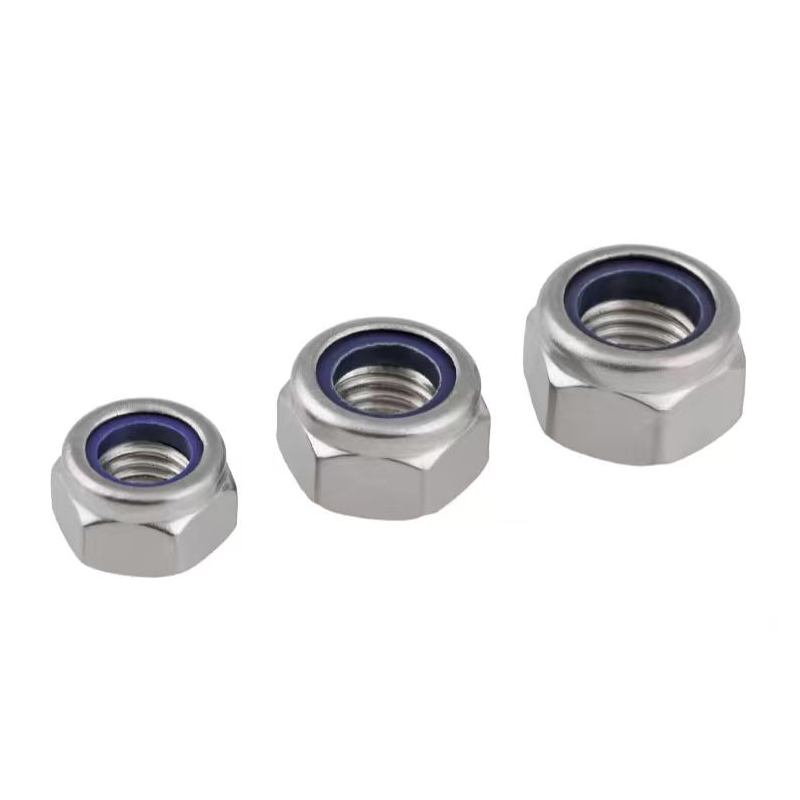 lowska ka-hortagaya (quful lowska)
 -
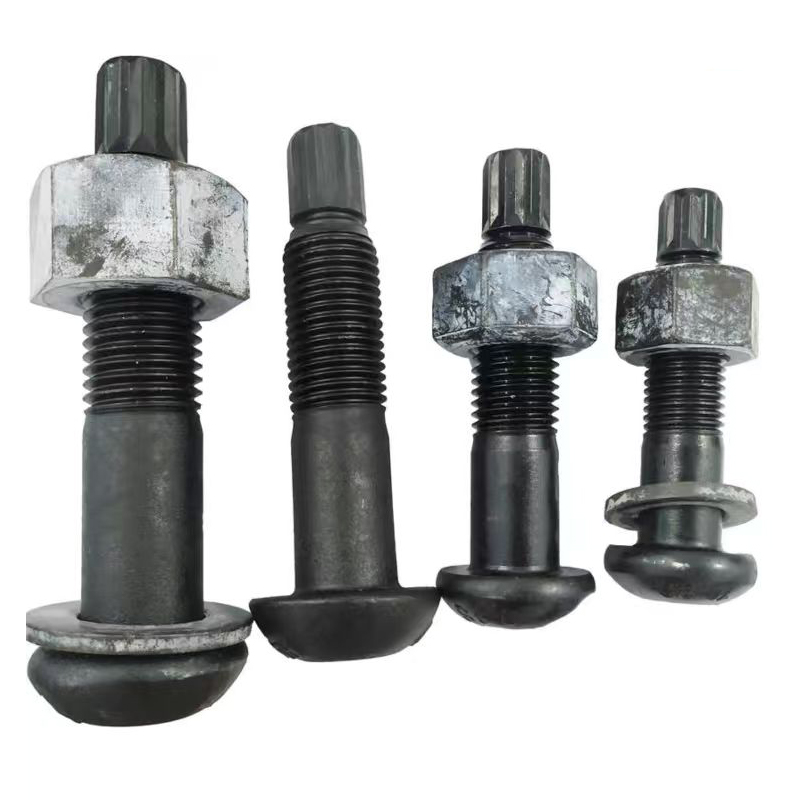 10.9S Torsion Shear Bolts
 -
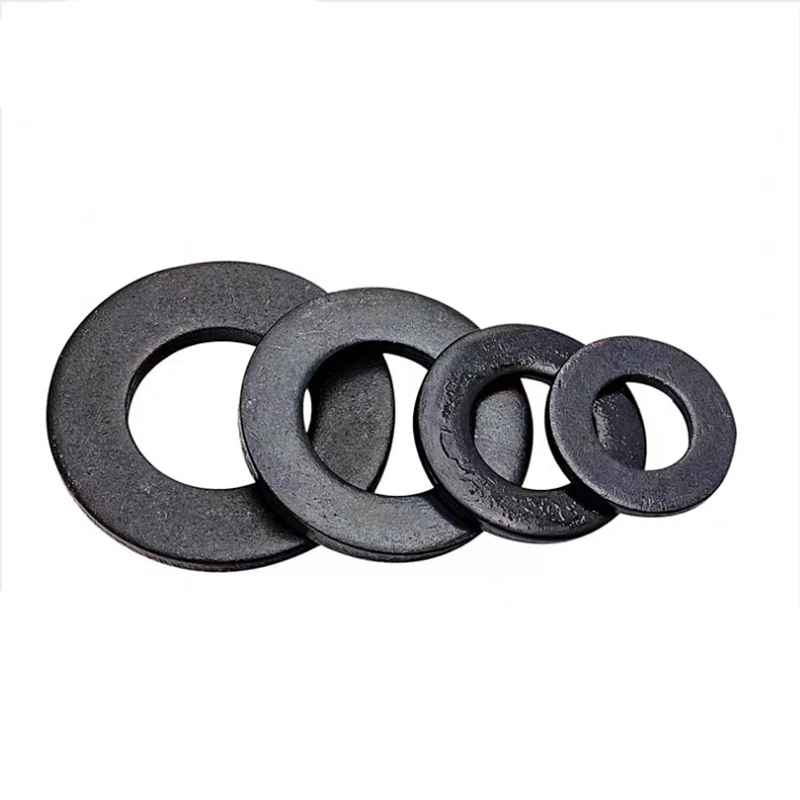 Gaaska madow ee xoogga sare leh
la xidhiidha raadi
Raadinta la xidhiidha- China Electro-galvanized saxan ku dhex jira
- bool koronto dewalt
- 100mm oo u dhigma
- bool ballaarinta jumlada 12mm
- Koronto-galvanized countersunk boolal iskutallaabta
- balaadhinta isha ee la taaban karo
- Balanbaalis
- Shiinaha Midabka leh ee zinc-plated shaft biin
- saarayaasha gaaska jumlada
- Shiinaha ultra madow gaassameeyaha


