
- English
- Chinese
- French
- German
- Portuguese
- Spanish
- Russian
- Japanese
- Korean
- Arabic
- Irish
- Greek
- Turkish
- Italian
- Danish
- Romanian
- Indonesian
- Czech
- Afrikaans
- Swedish
- Polish
- Basque
- Catalan
- Esperanto
- Hindi
- Lao
- Albanian
- Amharic
- Armenian
- Azerbaijani
- Belarusian
- Bengali
- Bosnian
- Bulgarian
- Cebuano
- Chichewa
- Corsican
- Croatian
- Dutch
- Estonian
- Filipino
- Finnish
- Frisian
- Galician
- Georgian
- Gujarati
- Haitian
- Hausa
- Hawaiian
- Hebrew
- Hmong
- Hungarian
- Icelandic
- Igbo
- Javanese
- Kannada
- Kazakh
- Khmer
- Kurdish
- Kyrgyz
- Latin
- Latvian
- Lithuanian
- Luxembou..
- Macedonian
- Malagasy
- Malay
- Malayalam
- Maltese
- Maori
- Marathi
- Mongolian
- Burmese
- Nepali
- Norwegian
- Pashto
- Persian
- Punjabi
- Serbian
- Sesotho
- Sinhala
- Slovak
- Slovenian
- Samoan
- Scots Gaelic
- Shona
- Sindhi
- Sundanese
- Swahili
- Tajik
- Tamil
- Telugu
- Thai
- Ukrainian
- Urdu
- Uzbek
- Vietnamese
- Welsh
- Xhosa
- Yiddish
- Yoruba
- Zulu
- Kinyarwanda
- Tatar
- Oriya
- Turkmen
- Uyghur

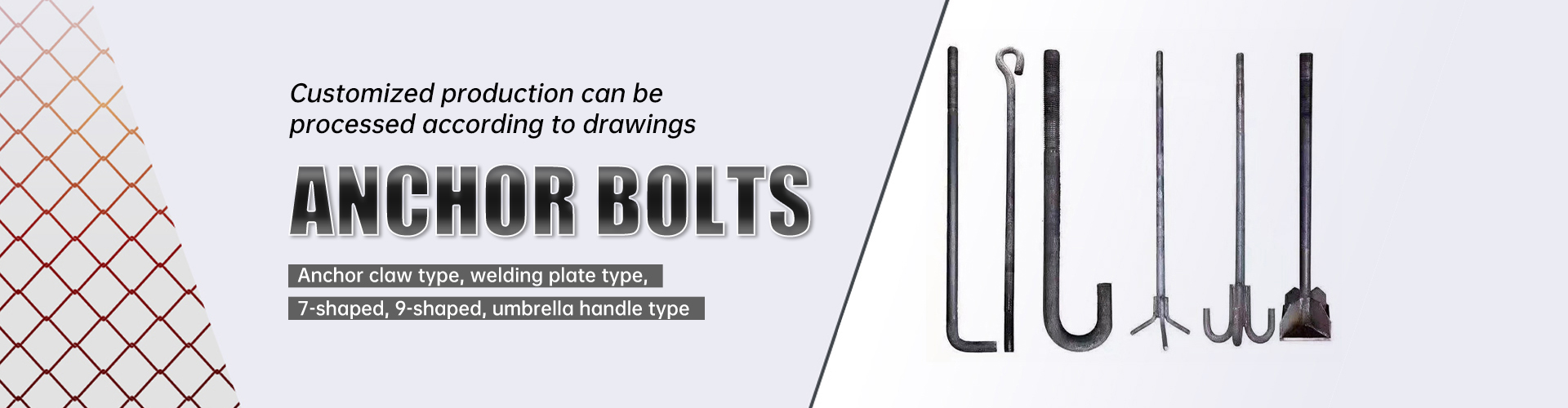
xadhig balaarineed
Fahamka iyo Isticmaalka Balaadhinta Xidhayaasha Bolt
Xirnayaasha balaarintu waxay u muuqdaan kuwo toos ah, laakiin ficil ahaan, qaar badan ayaa la yaabay codsigooda. Qaybtani waxay daaha ka qaadaysaa fikradaha khaldan ee caadiga ah waxayna wadaagtaa fikradaha khibradaha warshadaha.
Ismaandhaafka Caadiga ah
Dunida xirmooyinka, ereyga balaadhinta badiyaa soo booda. Si kastaba ha noqotee, qaar waxay u maleynayaan inay yihiin kuwo caalami ah oo lagu dabaqi karo, taas oo aan ahayn xaaladdu. Daboolkaan waxaa loogu talagalay in lagu xiro qalabyada sida shubka ama lebenka. Ma aha kuwo waxtar u leh alaabta jilicsan. Waxaan arkay mashruucyo dhinac u socda sababtoo ah kormeerradan oo kale.
Markii ugu horeysay ee aan la kulmo boolal ballaarinta, waxaan u maleeyay in hal cabbir ku habboon yahay dhammaan. Qaladka rookie ee caadiga ah. Waxay ku yimaadaan dhexroor iyo dherer kala duwan, mid kastaa wuxuu ku habboon yahay codsiyo gaar ah. Ma aha oo kaliya cabbirka laakiin sidoo kale ku saabsan fahamka walxaha aad ku dhejinayso.
Mid ka mid ah tusaale ahaan goobta dhismaha, waxay ahayd inaan ka beddelno mid yar oo aan u beddelno boodhka ballaarinta sababtoo ah doorashadii hore ma qaban. Dib-u-habaynta waqtiga-dhabta ah ee noocan oo kale ah waa qayb ka mid ah ciyaarta. Casharka? Had iyo jeer gacanta ku hay dhawr cabbir oo fahan substrate-ka aad ku shaqaynayso.
Doorashada Bolt Saxda ah
Doorashada ah balaadhinta waxay ku xidhan tahay culayska uu u baahan yahay inuu qabto. Tani ma aha wax isha ku haysa; waxaad u baahan tahay xog Markay tahay Handan Zitai Fastener Manufacturing Co., Ltd., waxay bixiyaan tafaasiil faahfaahsan nooc kasta oo bool ah. Waxaad ka hubin kartaa wax-qabadkooda at shabakadooda. Waxay leeyihiin kala duwanaansho kala duwan sababtoo ah waxay og yihiin in hal cabbir aanu ku wada habboonayn.
Hal arrin oo inta badan la iska indho tiro waa qoto dheeraanta ballaarinta. Qaar baa u haysta in dhammaan boolalku si isku mid ah u shaqeeyaan, laakiin qoto dheer ayaa muhiim u ah xasilloonida, gaar ahaan codsiyada qaabdhismeedka. Injineer aan la shaqeeyay ayaa mar doortay boodh aan gaari karin - waxay ahayd cashar adag sababta faahfaahintu muhiim u tahay.
Kuwa ka shaqeeya deegaan cafis yar, sida aagagga dhulgariirka, doorashada boodhka waxqabadka sare waa wax aan gorgortanka lahayn. Ma aha oo kaliya ku saabsan u hoggaansanaanta, laakiin badbaadada, wax aan arkay oo xoogga la saaray waqti iyo mar kale gudaha garoonka.
Nuances Rakibaadda
Ku rakibida balaadhinta ma aha in dalool la jeexo oo la dhufto ee waxay u baahan tahay sax iyo qalab sax ah. Intii lagu jiray mashruuca rakibidda, waxaan isticmaalnay dubbe rotary si aan u helno cabbirka daloolka saxda ah. Ku-boodista qalabka waxay u horseedi kartaa kharashyo dheeraad ah iyo madax-xanuun hoos u dhaca khadka.
Mar, inta lagu guda jiro shaqada dib-u-habaynta, waxay ahayd inaan hagaajino jaangooyooyinka qulqulka ee furahayaga saamaynta. Waxay hoosta ka xariiqday muhiimadda ay leedahay in si wanaagsan loo ilaaliyo, qalab la hagaajin karo. Qalab dejineed kaliya ma gooyo marka aad la macaamilayso walxo kala duwan.
Sidoo kale, nadaafaddu waa muhiim. Waxaan bartay habka adag ee boodhka iyo qashinka godka ku jira ay si weyn u dhimi karaan awoodda haynta ee boodhka ballaadhinta.
Xaaladaha Gaarka ah iyo xalalka
Mashruuc walba ma noqon doono mid toos ah. Waxaa jira waqtiyo marka la qabsiga ay fure u tahay. La kullanka qaybo bannaan oo lama filaan ah oo gidaarka dhexdiisa ah, tusaale ahaan, ma tilmaamayso musiibo haddii aad haysatid xal sax ah. Handan Zitai Fastener Manufacturing Co., Ltd. waxay leedahay alaabo khaas ah oo xaaladahan oo kale ah.
Dib u cusboonaysiin gaar ah, waxay ahayd inaan isticmaalno barroosinno kiimiko ah sababtoo ah boolal balaadhinta makaanikada ah ma ahayn kuwo macquul ah. Inkasta oo wax yar ka qaalisan yihiin, waxay bixiyeen haynta lagama maarmaanka ah. La qabsigani waxa uu aad muhiim ugu yahay arjiga xidhaha.
Waxa kale oo mudan in la xuso tixgelinta deegaanka. Daxalka waa mid weyn oo aan ka shaqeeyo meel u dhow xeebta. Halkan, birta aan-dhamaysnayn ama galvanized waxay noqdeen lama huraan, iyo in la arko guul-darrooyinka ay sabab u tahay ku habboonaanta deegaanka oo liidata waxay keenaysaa casharkaas guriga.
Dib u milicsiga waayo-aragnimada
Waqti ka dib, fahamka xirmooyinka kala duwan - gaar ahaan wax la mid ah balaadhinta-Waxay ka timaaddaa khibrad gacan-ku-ool ah. Khubarada la talinta ama soo saarayaasha, sida kuwa Handan Zitai Fastener Manufacturing Co., Ltd., waxay noqon kartaa mid qiimo leh. Meesha ay ku yaalaan wadnaha xudunta wax soo saarka ee Shiinaha ayaa siinaysa gees ka mid ah hal-abuurnimada iyo tayada.
Waxa aan ka soo ururiyay sannado badan oo aan ku jiray warshadaha ayaa ah in xidhiyaasha, inta ay yaryar yihiin, ay door weyn ka ciyaaraan dhismaha. In la iska indho tiro kakanaanta ay ku jiraan waxay u horseedi kartaa khaladaad qaali ah - haddaba si xushmad iyo aqoon leh ula soco.
Dhammaadka maalinta, waxay ku saabsan tahay in la guursado badeecad sax ah oo leh codsi sax ah. Waayo-aragnimada tooska ah iyo xoogaa xiiso leh ayaa ah macallimiinta ugu fiican arrintan.
la xidhiidha alaabta
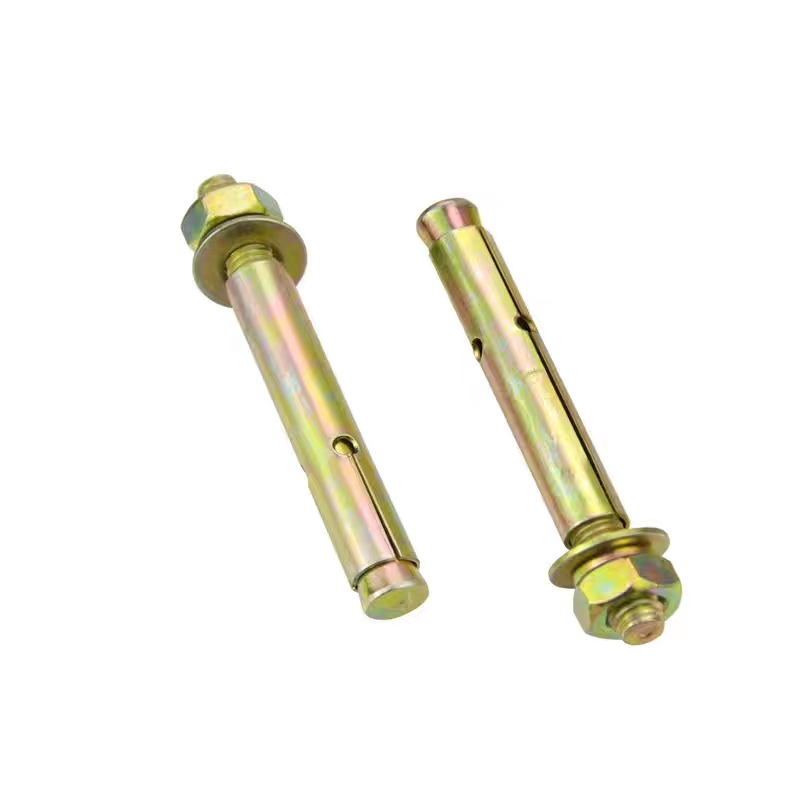
Alaabooyinka la xidhiidha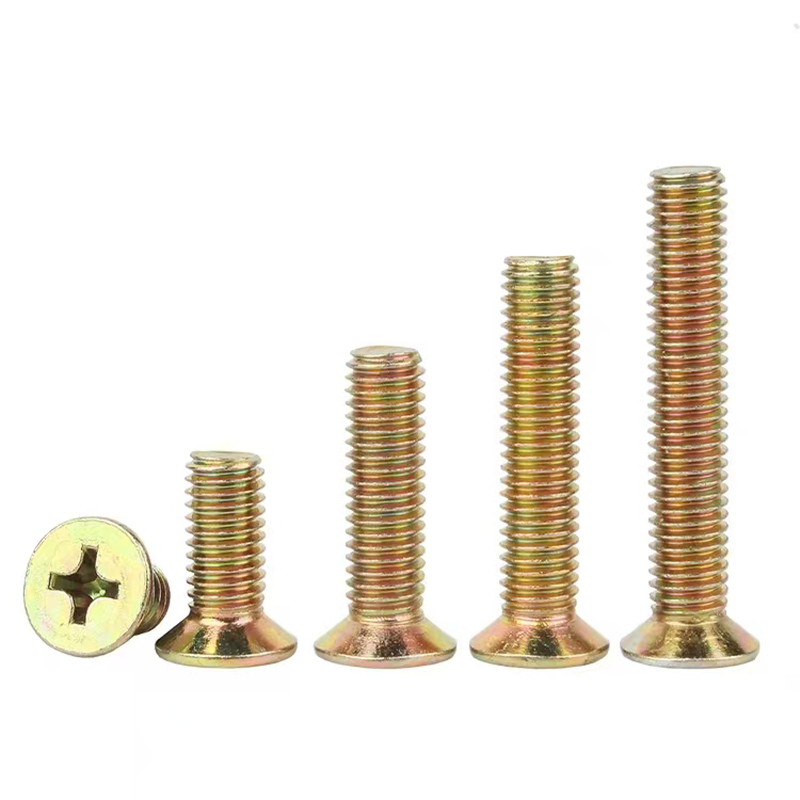
Iibinta ugu fiican alaabta
Alaabta iibka ugu fiican-
 biinanka elektrogalvanized
 -
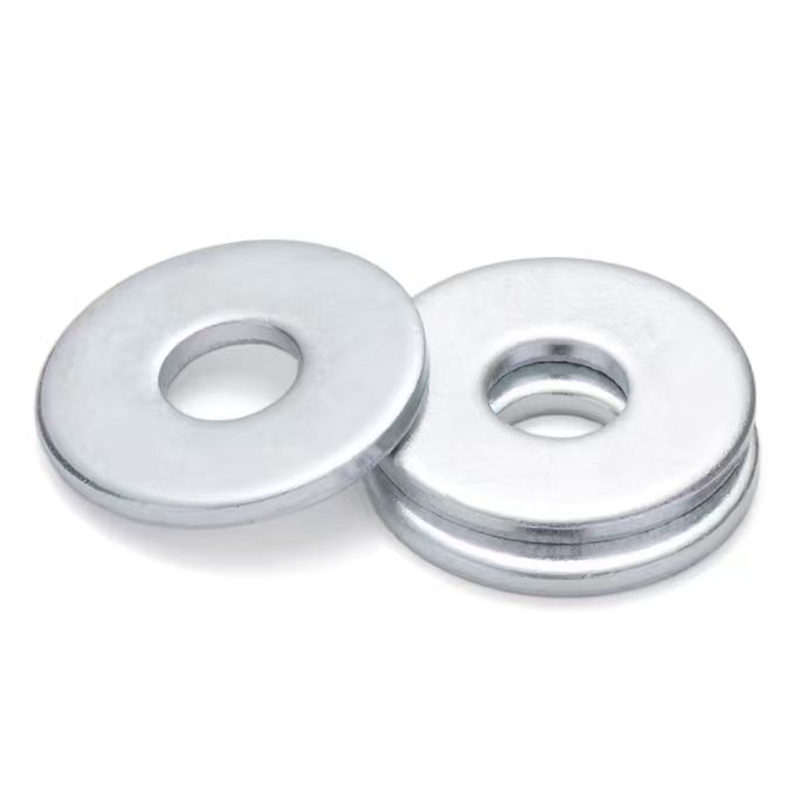 gaasaska galvanized koronto
 -
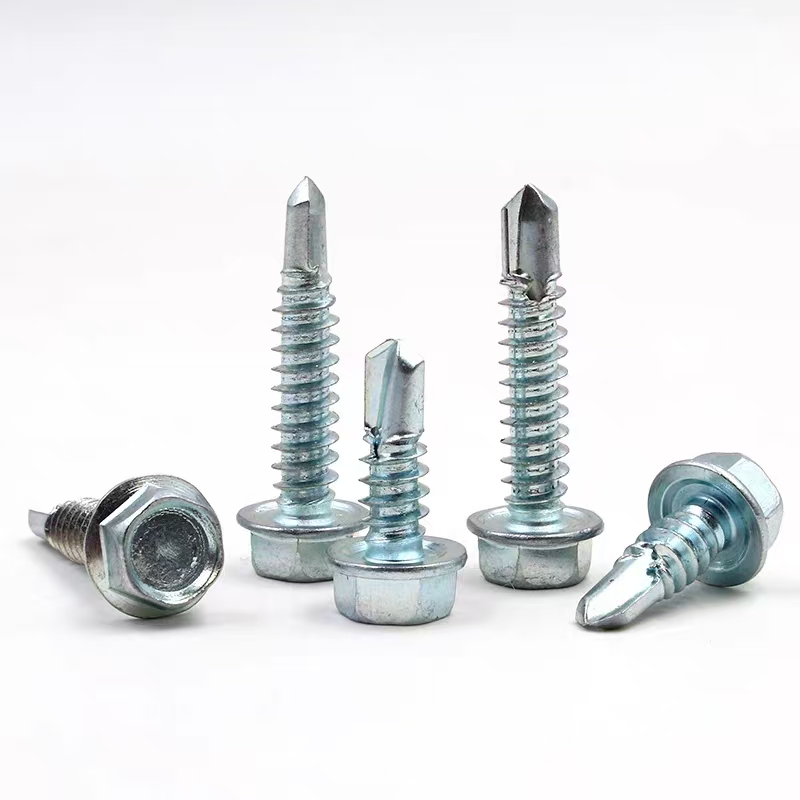 Dunta qodista lix geesoodka ah ee koronto-galvanized
 -
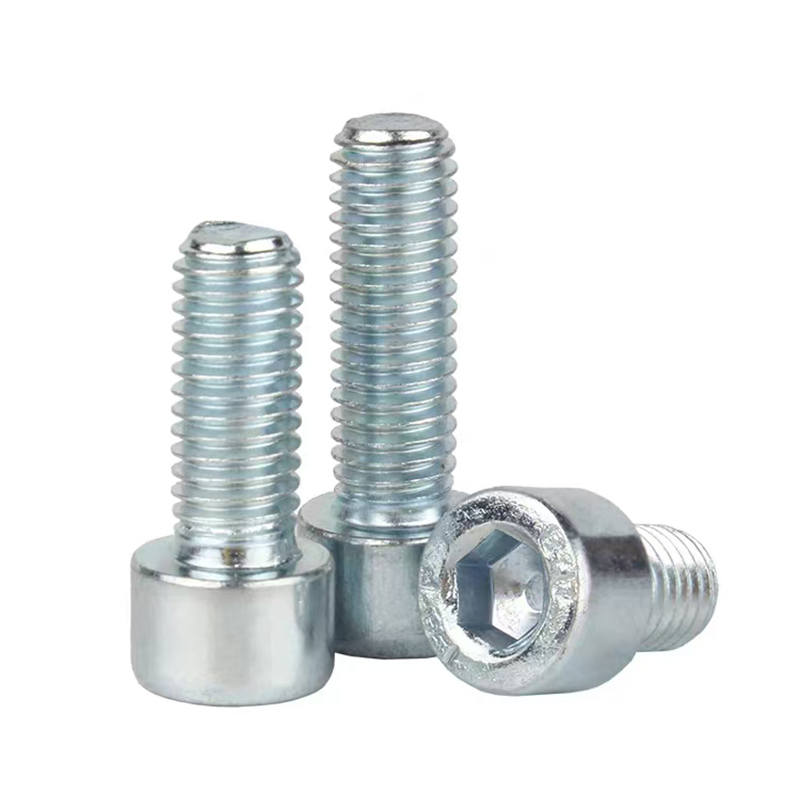 godad saddex geesood ah oo koronto galvanized ah
 -
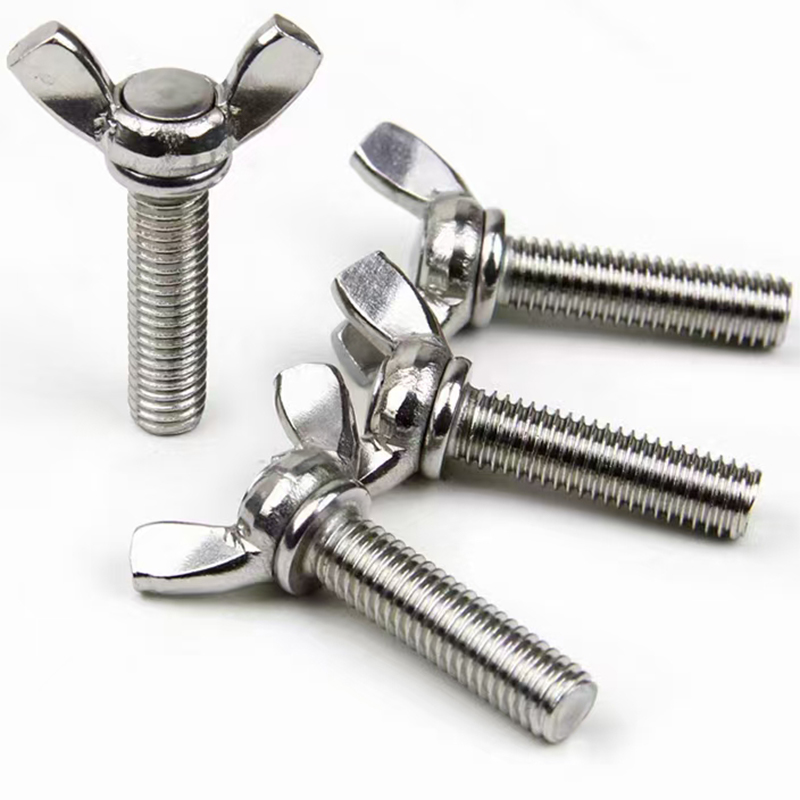 Balanbaalis
 -
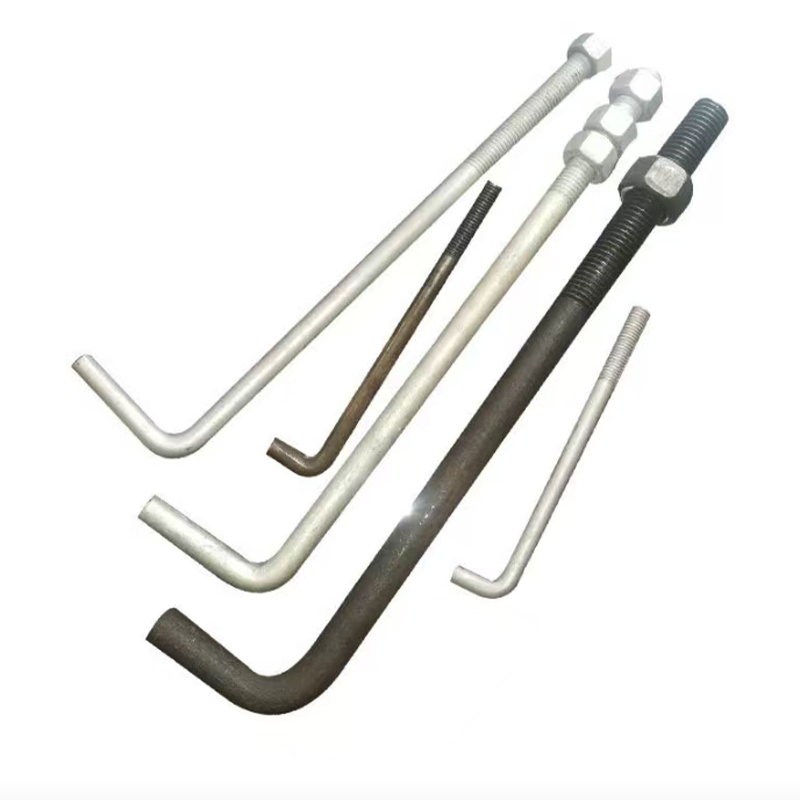 barroosinno 7-qaabeeya (bolal barroosin oo 7-qaab ah)
 -
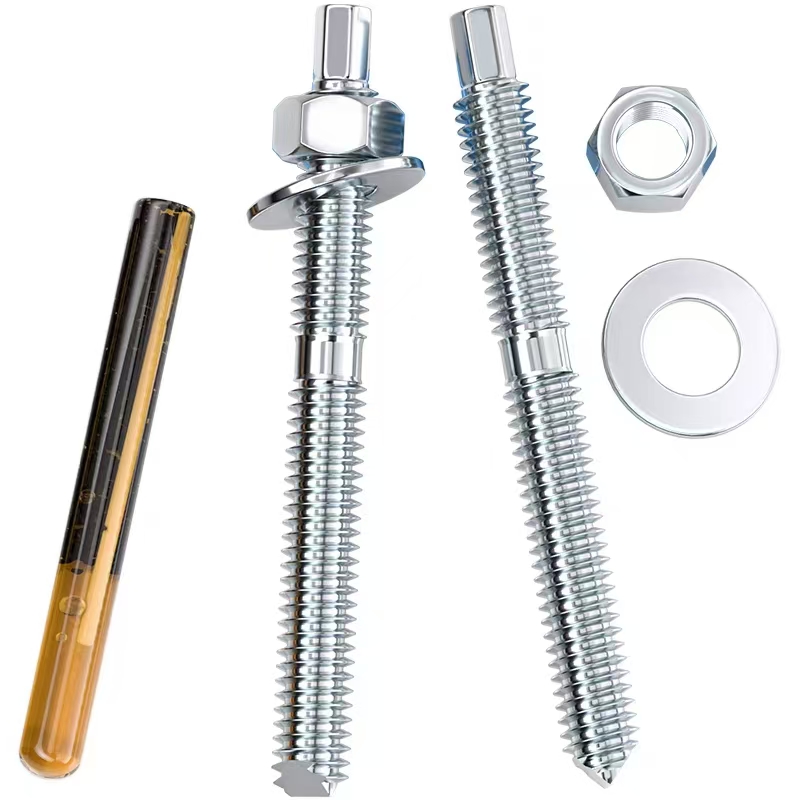 Boolal kiimiko ah oo koronto galiyay
 -
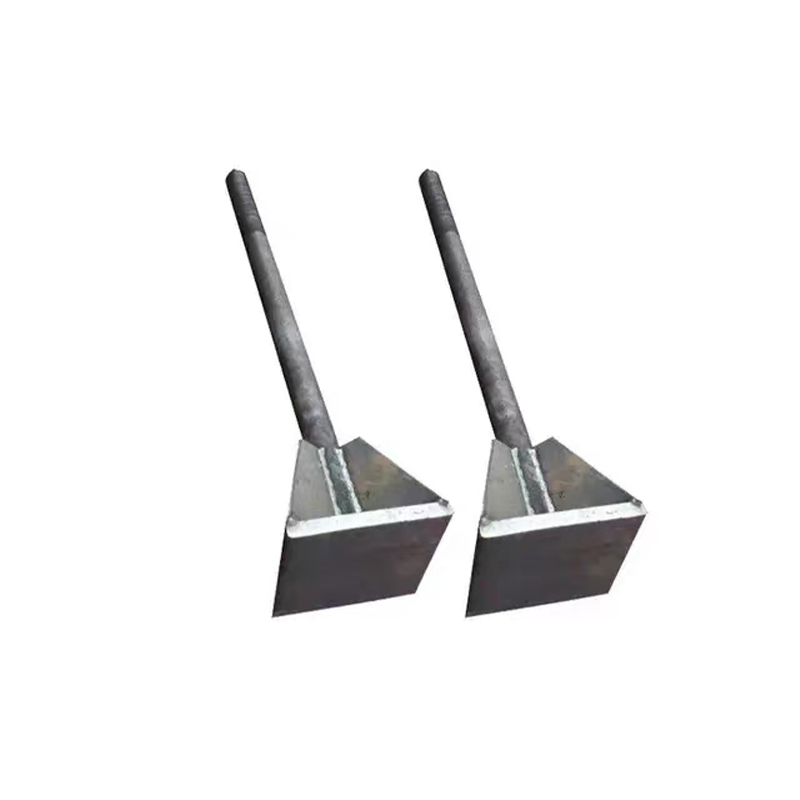 barroosinka saxan welded ah
 -
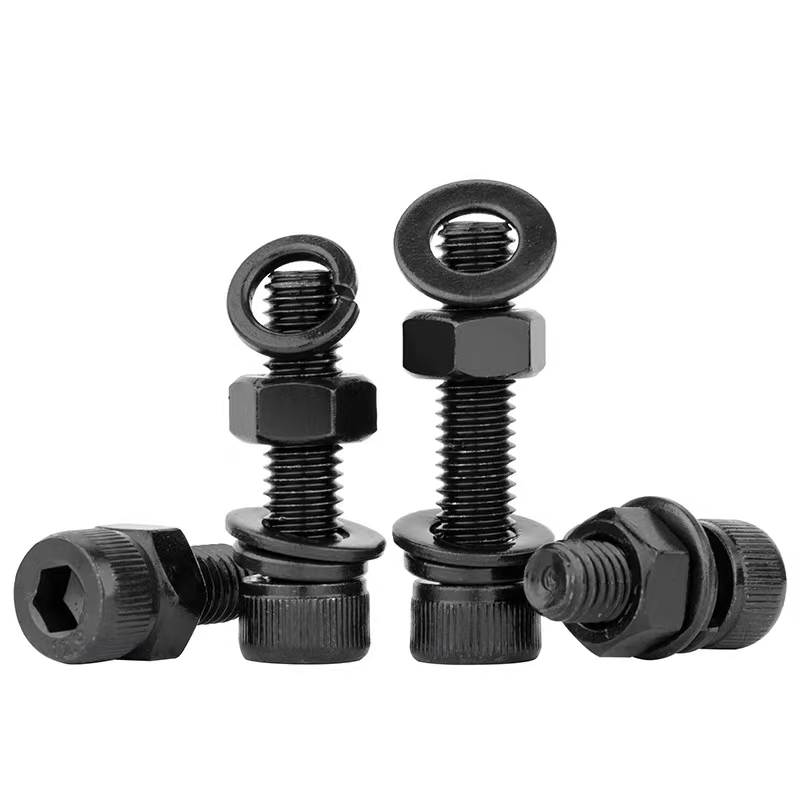 Hexagon godad madow oo zinc-plated boolal
 -
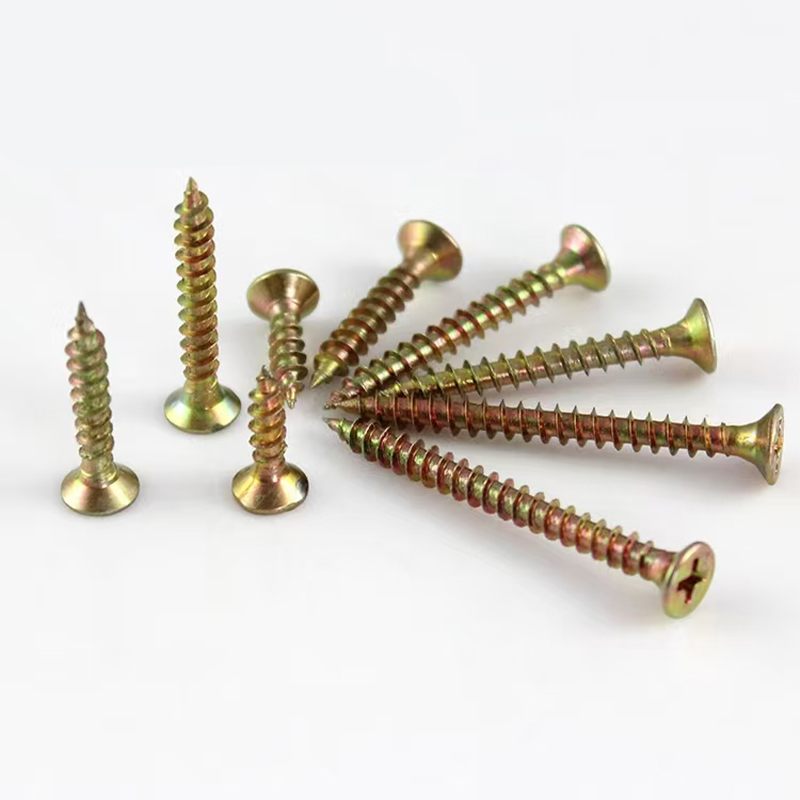 Dunta laydhka iskutallaabta ee iskutallaabta ka samaysan ee zinc-plated
 -
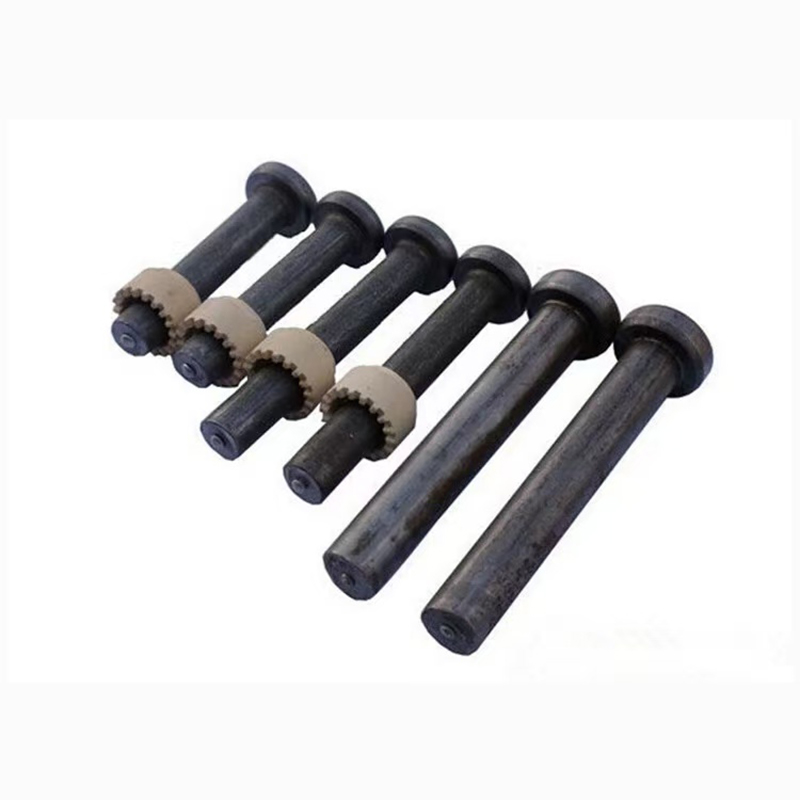 Cidiyaha alxanka
 -
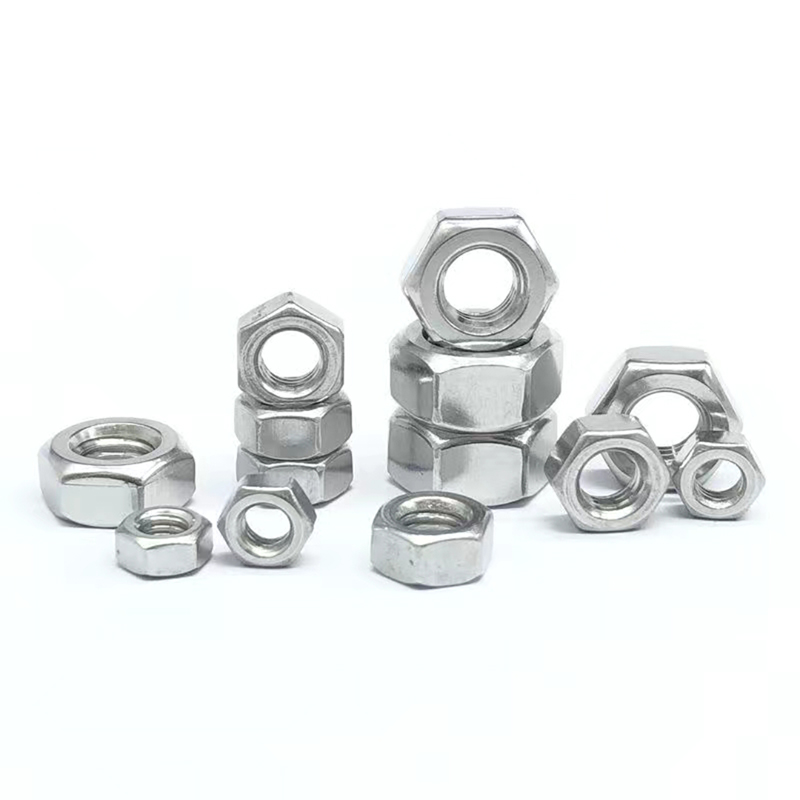 lowska elektrogalvanized