
- English
- Chinese
- French
- German
- Portuguese
- Spanish
- Russian
- Japanese
- Korean
- Arabic
- Irish
- Greek
- Turkish
- Italian
- Danish
- Romanian
- Indonesian
- Czech
- Afrikaans
- Swedish
- Polish
- Basque
- Catalan
- Esperanto
- Hindi
- Lao
- Albanian
- Amharic
- Armenian
- Azerbaijani
- Belarusian
- Bengali
- Bosnian
- Bulgarian
- Cebuano
- Chichewa
- Corsican
- Croatian
- Dutch
- Estonian
- Filipino
- Finnish
- Frisian
- Galician
- Georgian
- Gujarati
- Haitian
- Hausa
- Hawaiian
- Hebrew
- Hmong
- Hungarian
- Icelandic
- Igbo
- Javanese
- Kannada
- Kazakh
- Khmer
- Kurdish
- Kyrgyz
- Latin
- Latvian
- Lithuanian
- Luxembou..
- Macedonian
- Malagasy
- Malay
- Malayalam
- Maltese
- Maori
- Marathi
- Mongolian
- Burmese
- Nepali
- Norwegian
- Pashto
- Persian
- Punjabi
- Serbian
- Sesotho
- Sinhala
- Slovak
- Slovenian
- Samoan
- Scots Gaelic
- Shona
- Sindhi
- Sundanese
- Swahili
- Tajik
- Tamil
- Telugu
- Thai
- Ukrainian
- Urdu
- Uzbek
- Vietnamese
- Welsh
- Xhosa
- Yiddish
- Yoruba
- Zulu
- Kinyarwanda
- Tatar
- Oriya
- Turkmen
- Uyghur


m10 iyo boog
Fahamka M10 U-Bolt: Aragtida Waxtarka leh ee Goobta
The M10 U-bolt waa qayb u muuqata mid fudud, haddana waxay door muhiim ah ka ciyaartaa codsiyo badan oo warshadeed. Fahamka isticmaalkiisa iyo xaddidaaddiisa waxay si weyn u saameyn kartaa guusha mashruuca. Halkan, waxaan ku sahamin doonaa fikrado wax ku ool ah iyo khibrado iftiiminaya labadaba fikradaha khaldan iyo xeeladaha wax ku oolka ah ee codsiga.
Dejinta M10 U-Bolt
Marka laga hadlayo M10 U-bolt, waa lagama maarmaan in marka hore la fahmo tilmaamaha. 'M10' waxa ay tilmaamaysaa cabbirka mitirka boodhka, oo muujinaya dhexroor 10mm ah. Ficil ahaan, cabbirkani waxa uu ku habboon yahay in la sugo tuubooyinka, tuubooyinka, ama ulaha iyada oo ay ugu wacan tahay awooddeeda adag ee haynta iyo is-beddelka. Si kastaba ha ahaatee, ha u oggolaan cabbirku inuu ku khiyaaneeyo-doorashada saxda ah ee U-bolt waxay ku lug leedahay in ka badan kaliya fiirinta cabbirrada. Maaddada iyo dhammayntu waxay sidoo kale u baahan yihiin tixgelin.
Qalabka M10 U-bolt wuxuu u dhexayn karaa birta aan la taaban karin ilaa birta galvanized. Waxaan dib u xasuustaa mashruuc uu deegaanku ahaa mid daxalaystay, doorkii khaldanaa uu horseeday fashilaad degdeg ah. Doorashada birta aan-dhalatada lahayn waxay ahaan lahayd mid xikmad leh, inkasta oo ay waxyar ka kharash badan tahay, laakiin kaydinta beddelka ayaa ahayd mid muhiim ah mustaqbalka fog.
Qaybaha qaarkood, sida dhismaha iyo codsiyada badda, dhammaynta ayaa door muhiim ah ka ciyaara. Halkan, kala xaajoodka soo saarayaasha, sida Handan Zitai Fastener Manufacturing Co., Ltd., waa faa'iido. Meesha ay ku yaalaan magaalada Handan, xudunta u ah qaybaha caadiga ah, waxay siisaa marin u helka doorashooyin kala duwan, oo ay taageerayaan faa'iidooyinka saadka ee istiraatiijiga ah.
Rakibaadda iyo Codsiga Tixgelinta
Ku rakibida M10 U-bolt laga yaabaa inay u ekaato mid toos ah, haddana kormeeriddu si joogto ah ayay u dhacdaa. Intii lagu guda jiray hal mashruuc oo jiilaal ah, kooxdu waxay la kulmeen dhibaatooyin sababtoo ah jajabnaanta heerkulku sababay. Xaqiijinta borotokoolka rakibidda habboon, oo ay ku jirto qolka ballaarinta kulaylka, waa lama huraan.
Intaa waxaa dheer, qeexitaanka torque waa in aan marnaba la illoobin. Qulqulka saxda ah wuxuu xaqiijiyaa in U-bolt-ku uu hayo xooggiisa isku dhejinta isagoon ku soo rogin walxo aan loo baahnayn oo walxaha ah. Mar waxa aan la tacaali lahaa tuubo culays badan oo adag awgeed, taas oo keentay dildilaacyo - hubaal waxa aan bartay habka adag.
Isweydii, ma isticmaashaa mashiinnada saxda ah? Dhaqdhaqaaqyada fidsan ee fudud ayaa inta badan loo isticmaalaa, laakiin codsiyada culus, dhaqayaasha guga ayaa laga yaabaa inay bixiyaan qaybinta culeyska iyo adkeysiga ka hortagga gariirka. Dib u milicsiga mashruucyadii hore, tafaasiishan yar waxay mararka qaarkood keentaa faraqa oo dhan.
Caqabadaha iyo fikradaha khaldan
Hal fikrado khaldan oo soo noqnoqda ayaa ah ku-dhaqanka caalamiga ah ee M10 U-bolt. Hubaal, waa wax badan, haddana mashruuc kastaa wuxuu leeyahay baahiyo gaar ah. In la iska indho tiro nuancesyadan waxay horseedi kartaa rakibaadyo cilladaysan. La-talinta alaab-qeybiyeyaal khibrad leh sida Handan Zitai waxay ku siin kartaa xalal ku habboon shuruudaha gaarka ah.
Waafaqid waa dhinac kale oo la ilduufay. Xirmada M10 waxa laga yaabaa inaanay ku habboonayn kaabayaasha qadiimka ah ee leh habab cabbir kala duwan, taasoo keenaysa arrimo toosin. Xasuusnoow mashruuc ay qalabyada ku rakiban yihiin oo aan isku mid ahayn ay dib u dhigeen dhamaystirka? Xaaladdaasi waxay muujisay muhiimada ay leedahay in la hubiyo xitaa qaybaha 'standard' ee ugu badan.
Waxaa intaa dheer, arrimaha deegaanka lama dhayalsan karo. U-bolt-ka la doortay iyada oo aan loo eegin cimilada ayaa daxalaysa ama daciifin karta, taasoo si ba'an u saamaynaysa sharafta qaabdhismeedka. Taasi waa meesha dahaarka saxda ah, sida galvanization-kuleelka, inta badan uu noqdo mid muhiim ah.
Isku hallaynta tayada iyo alaab-qeybiyaha
Guusha mashruucaagu waxay si weyn ugu tiirsan tahay tayada iyo isku halaynta sahayda. Laga soo bilaabo waayo-aragnimada shakhsi ahaaneed iyo sheeko-wareedka warshadaha, Handan Zitai Fastener Manufacturing Co., Ltd., laga heli karo at shabakadooda, waxay u taagan tahay kala duwanaanshahooda iyo borotokoolka hubinta tayada.
Waxaan xasuustaa waqti aad u adag oo silsiladdooda wax-ku-oolnimada leh ay ka fogaatay waxa u noqon kara dib u dhac qaali ah. Meesha faa'iidada leh ee shirkadu ku leedahay ee u dhow dariiqyada gaadiidka ee waaweyn waxay sahlaysa gaarsiinta waqtiga-badanaa qayb muhiim ah oo ka mid ah jadwalka mashruuca.
Bixinta dhaafsiisan M10 U-bolt, la shaqeynta kooxdooda waayo-aragnimada leh waxay soo bandhigtay fikrado kor u qaaday qorsheynta iyo fulinta mashruuca. Xiriirkani wuxuu ugu dambeyntii hoos u dhigay khataraha iyo natiijooyinka la wanaajiyey.
Doorashada saxda ah ee M10 U-Bolt ee baahiyahaaga
Ma jiro hal-cabbir-ku-qan-jawaab-dhammaan-dhammaan-ku-gudbida doorashada saxda ah ee M10 U-bolt. Waxay ku bilaabataa fahamka baahiyaha gaarka ah ee mashruucaaga, xaaladaha deegaanka, iyo shuruudaha culeyska. La shaqaynta alaab-qeybiyeyaasha aqoonta leh waxay soo afjari kartaa farqiga u dhexeeya qeexitaannada aragtida iyo codsiyada la taaban karo.
Si taxadar leh u falanqeyso shuruudaha culeyska xambaarsan iyo muujinta deegaanka. Ku-boodista xulashada bilowga ah waxay badanaa keentaa dhib beddelaad iyo kharashyo badan. Intii lagu guda jiray hal mashruuc oo dhul-dalool ah, aragti-dheeridu waxay xaqiijisay rakibaad la'aan iyada oo aan dib-u-shaqayn - gargaar la taaban karo oo ay ku jiraan caqabado adag.
Ugu dambeyntii, sii wad sahaminta horumarka iyo hal-abuurka. Mashruucyadu way horumaraan, sidaas oo kale waa in qaybaha aan dooranno. Adigoo ilaalinaya wadahadal furan oo lala yeesho soosaarayaasha hormuudka ka ah warshadaha sida Handan Zitai, waxaad ka faa'iidaysan kartaa khibradooda xalalka diyaarsan mustaqbalka.
la xidhiidha alaabta
Alaabooyinka la xidhiidha
Iibinta ugu fiican alaabta
Alaabta iibka ugu fiican-
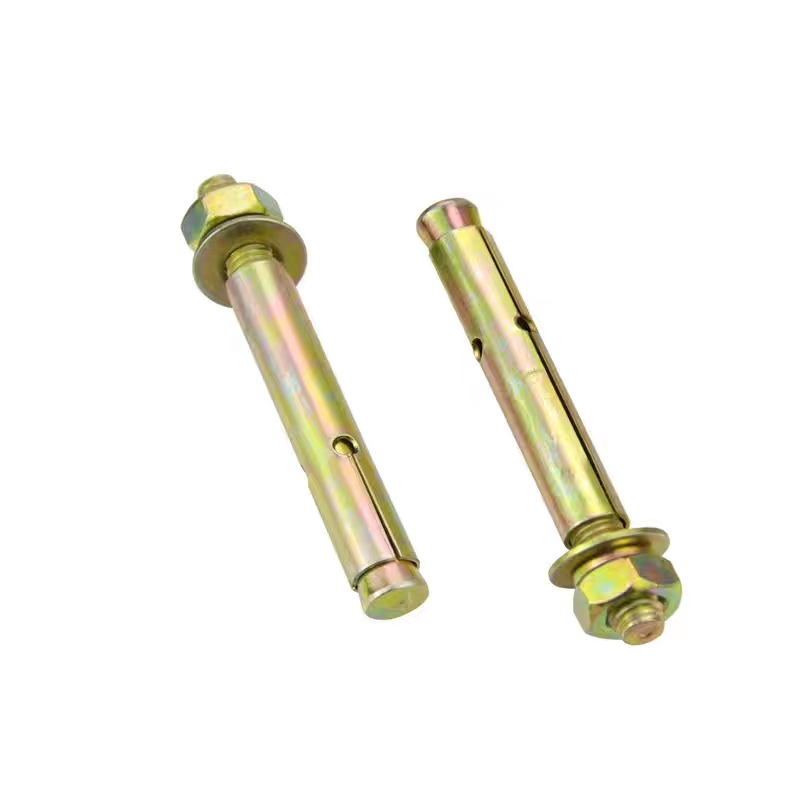 Boolal balaarineed oo zinc ah oo midab leh
 -
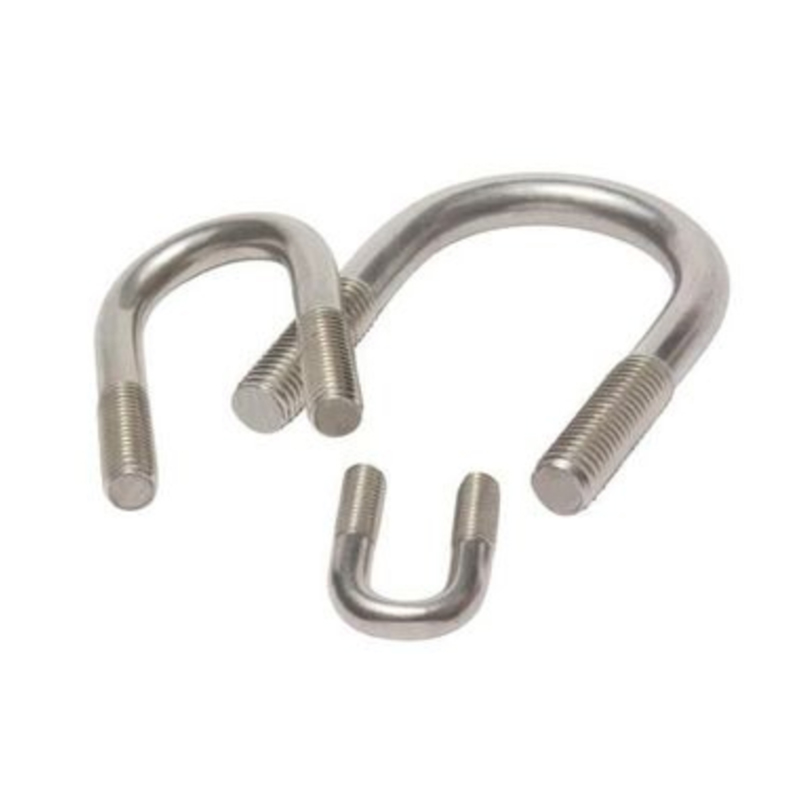 U-bolts
 -
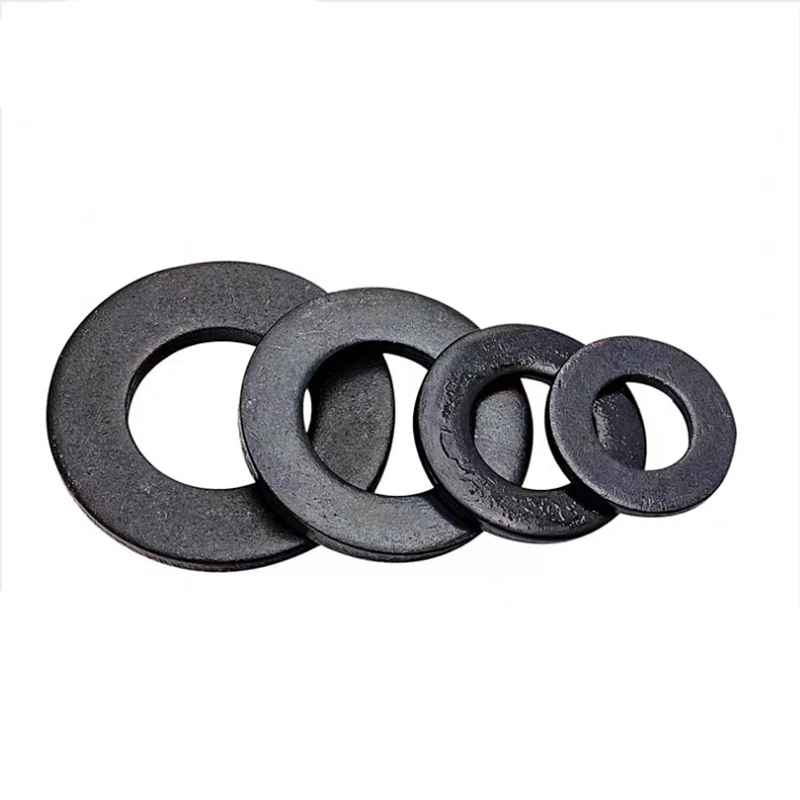 Gaaska madow ee xoogga sare leh
 -
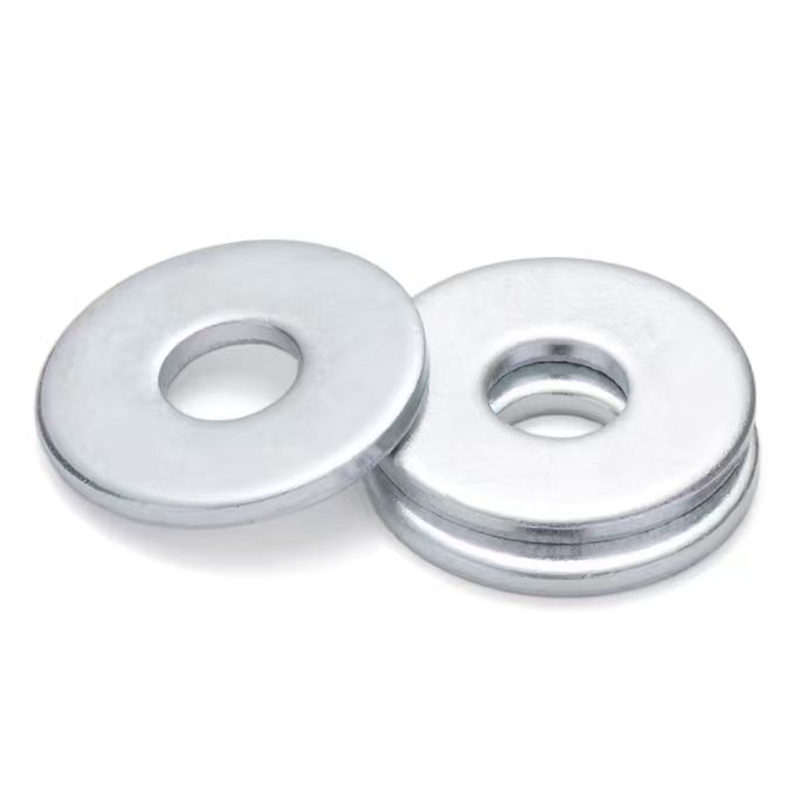 gaasaska galvanized koronto
 -
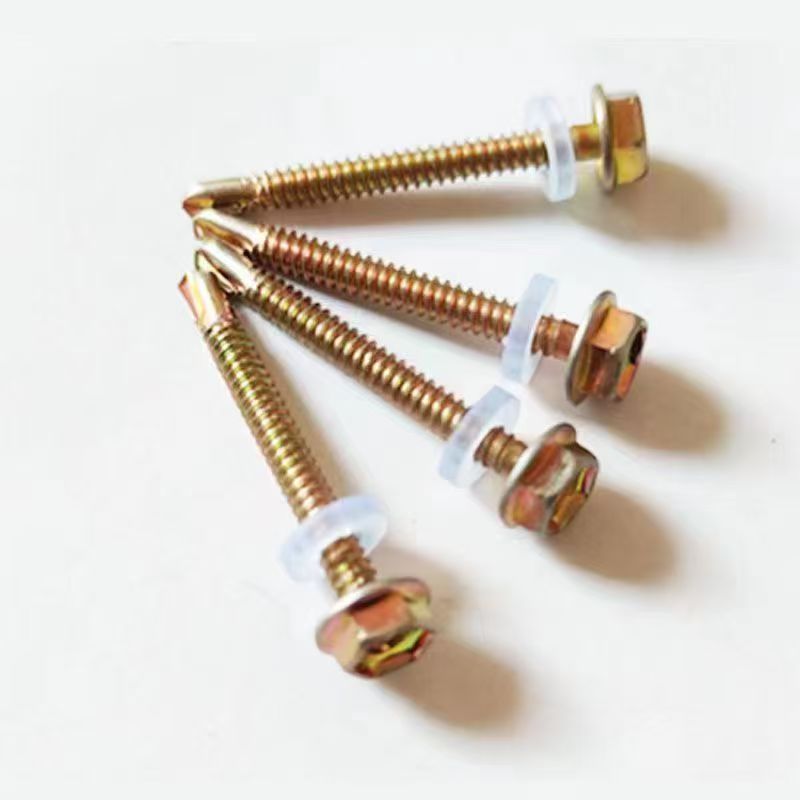 Midab galvanized galvanized silig dalool lix geesood ah
 -
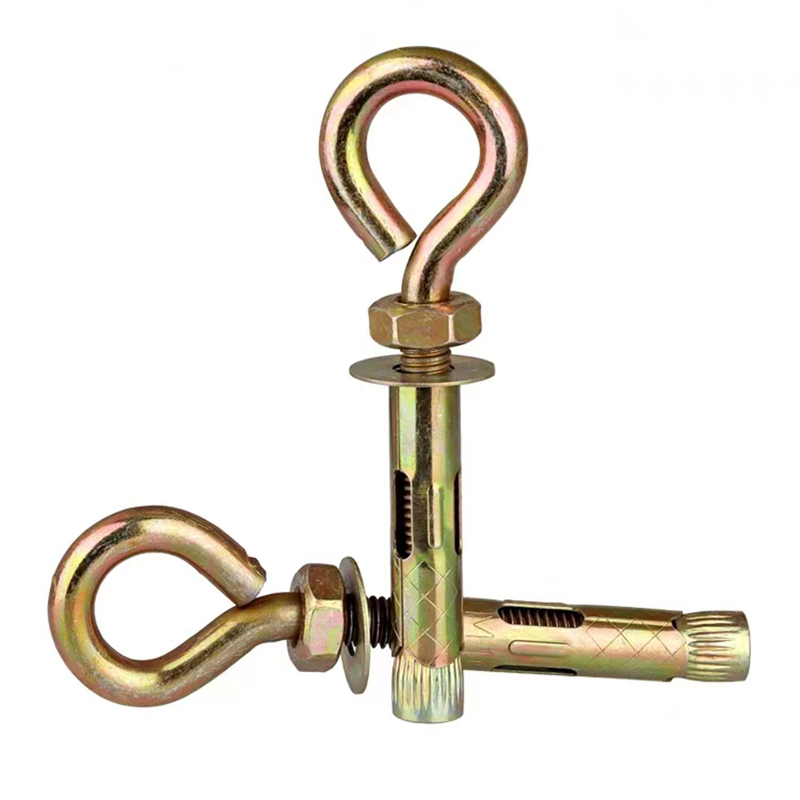 jillaab balaarineed oo midab leh oo zinc ah
 -
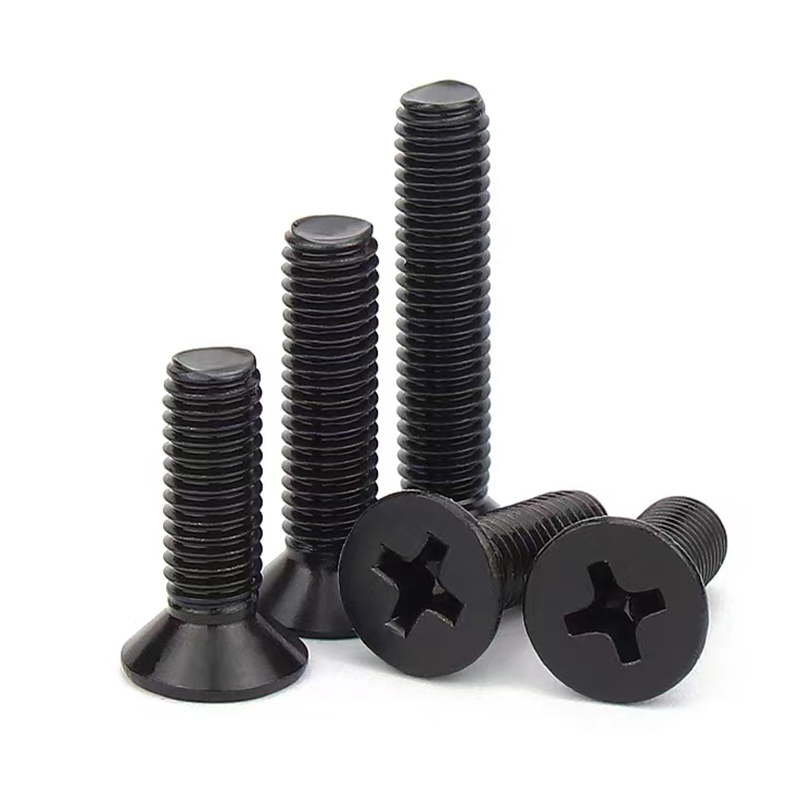 Zinc madow oo ka dahaadhay boolal iskutallaab ah
 -
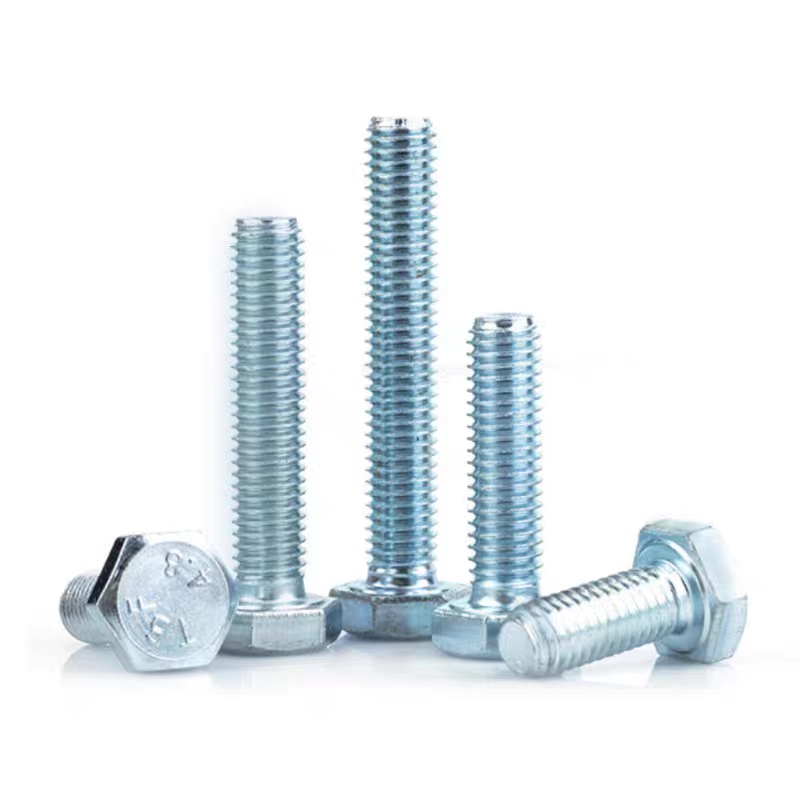 Bolts lix geesood ah oo koronto galiyay
 -
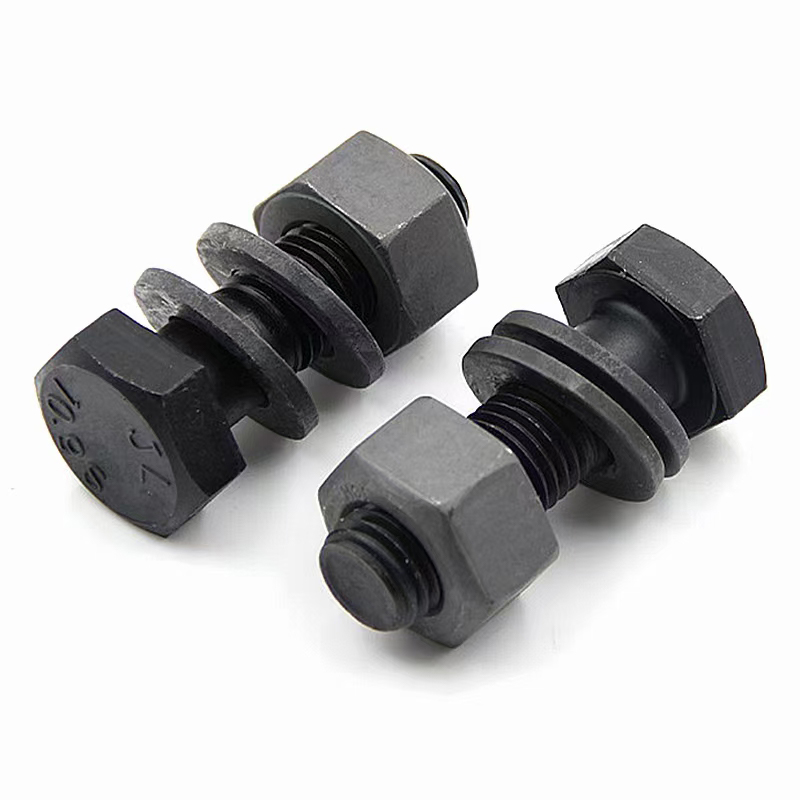 10.9S boolal weyn oo hexagon ah
 -
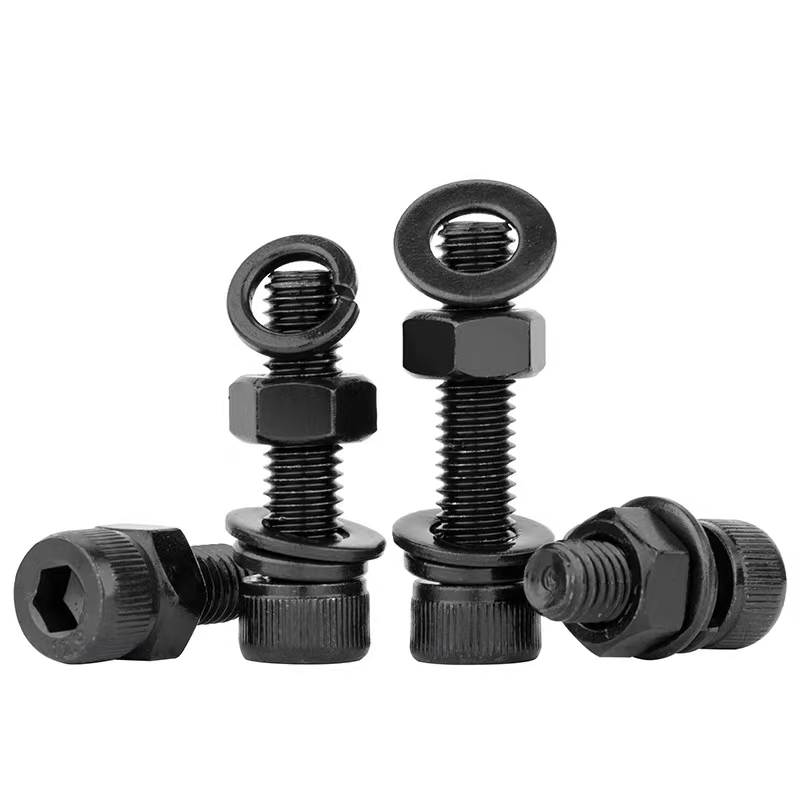 Hexagon godad madow oo zinc-plated boolal
 -
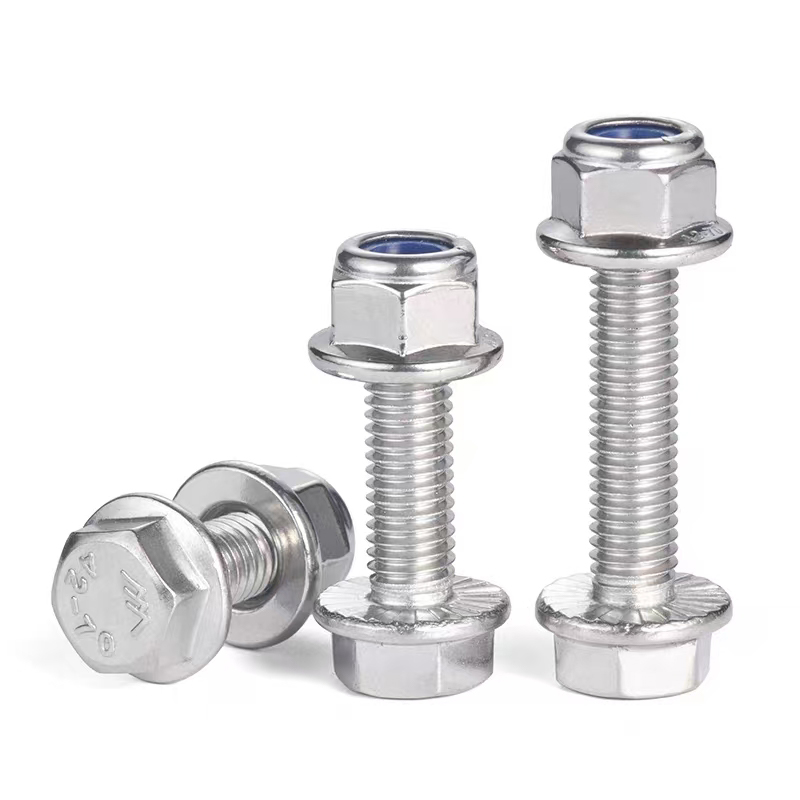 boolal zinc flange koronto
 -
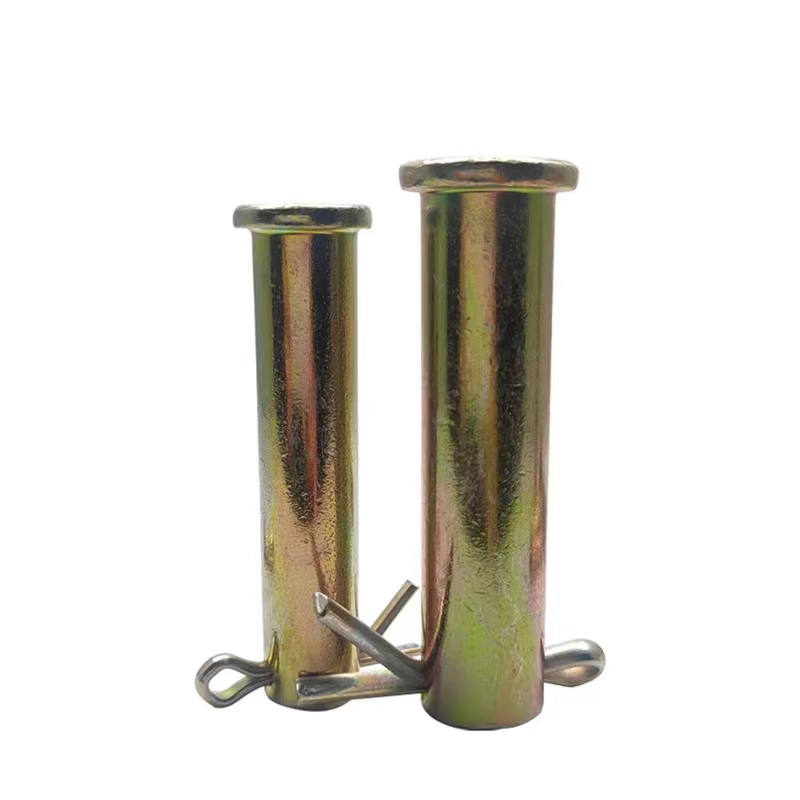 biinanka zinc-plated midabka leh


