
- English
- Chinese
- French
- German
- Portuguese
- Spanish
- Russian
- Japanese
- Korean
- Arabic
- Irish
- Greek
- Turkish
- Italian
- Danish
- Romanian
- Indonesian
- Czech
- Afrikaans
- Swedish
- Polish
- Basque
- Catalan
- Esperanto
- Hindi
- Lao
- Albanian
- Amharic
- Armenian
- Azerbaijani
- Belarusian
- Bengali
- Bosnian
- Bulgarian
- Cebuano
- Chichewa
- Corsican
- Croatian
- Dutch
- Estonian
- Filipino
- Finnish
- Frisian
- Galician
- Georgian
- Gujarati
- Haitian
- Hausa
- Hawaiian
- Hebrew
- Hmong
- Hungarian
- Icelandic
- Igbo
- Javanese
- Kannada
- Kazakh
- Khmer
- Kurdish
- Kyrgyz
- Latin
- Latvian
- Lithuanian
- Luxembou..
- Macedonian
- Malagasy
- Malay
- Malayalam
- Maltese
- Maori
- Marathi
- Mongolian
- Burmese
- Nepali
- Norwegian
- Pashto
- Persian
- Punjabi
- Serbian
- Sesotho
- Sinhala
- Slovak
- Slovenian
- Samoan
- Scots Gaelic
- Shona
- Sindhi
- Sundanese
- Swahili
- Tajik
- Tamil
- Telugu
- Thai
- Ukrainian
- Urdu
- Uzbek
- Vietnamese
- Welsh
- Xhosa
- Yiddish
- Yoruba
- Zulu
- Kinyarwanda
- Tatar
- Oriya
- Turkmen
- Uyghur

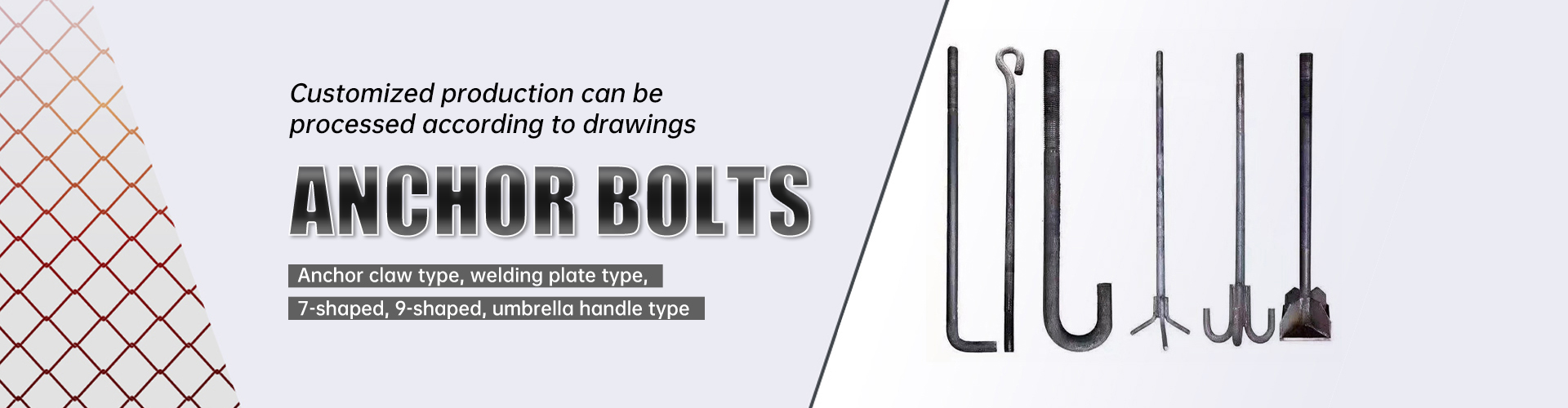
suunka t
Fahamka T Suunka Bolt: Aragti Wax ku ool ah
The suunka T, qalab u muuqda mid toosan, oo inta badan qariya kakanaanta iyada oo hoos timaada fududaynta. In badan oo ka badan kaliya xiraha, waxay u adeegtaa sidii linchpin ee dhismayaasha u baahan xasilooni iyo dulqaad. Hase yeeshee, fikrado khaldan ayaa batay, xitaa kuwa xirfadleyda ah dhexdooda. Aynu dhexda u galno waxa ka dhigaya boodhkan is-hoosaysiinta ah inuu noqdo geesi aan la heesin oo ku jira adduunka dhismaha iyo injineernimada.
Ahmiyada T Strp Bolts
Jaleecada hore, the suunka T Waxay u muuqataa inay tahay qayb caadi ah, laakiin muhiimaddeeda lama dhayalsan karo. Caadi ahaan loo isticmaalo ilaalinta alwaaxda birta iyo qalabka warshadaha, boolaladaasi waa in ay u adkeystaan xoogag weyn. Inta badan, dadku waxay yareeyaan culeyska culeyska ku jira waxayna iska indhatiraan darajada gaarka ah iyo nooca loo baahan yahay codsiyada kala duwan. Kormeerkan ayaa keeni kara natiijooyin xun xun.
Handan Zitai Fastener Manufacturing Co., Ltd., oo ku yaala wadnaha Shiinaha ee saldhigga wax soo saarka qaybta ugu weyn, ayaa fahamsan caqabadahan. Khibrada ay u leeyihiin soo saarista xidhiyaal tayo sare leh ayaa iyaga si gaar ah u dhigaya wax ka qabashada baahiyaha warshadahan. Waxay bixiyaan aragtiyo iyo alaabooyin buuxiya heerarka baahida ee dhismaha casriga ah.
Hal tusaale, saaxiibkii ka shaqaynayay mashruuca dib-u-habaynta buundada ayaa dhayalsaday muhiimada isticmaalka darajada saxda ah suunka T. In kasta oo ay u muuqatay mid ku filan, waxay keentay xidhid degdeg ah. Casharku wuxuu ahaa mid cad: waligaa ha iska dhaafin tafaasiisha.
Doorashada Qalabka saxda ah
Doorashada alaabta ee suunka T waa muhiim. Injineerada inta badan waxay la kulmaan jahawareer markay isku dheelitirayaan kharashka lidka ku ah waxqabadka. Tusaale ahaan birta daxalka, tusaale ahaan, waxay bixisaa iska caabin daxalka laakiin waxay ku timaadaa meel qiimo sare leh. Meelaha u nugul cimilo daran ama soo-gaadhista kiimikaad, ka-ganacsigan ayaa inta badan sabab u ah.
U dhawaanshaha Handan Zitai ee wadooyinka waaweyn ee gaadiidka, sida Jidka Tareenka ee Beijing-Guangzhou, wuxuu xaqiijiyaa in xitaa agabka baahida sare leh loo keeni karo oo si hufan loo dhiibi karo, taageeraya fulinta mashruuca ee wakhtiga ku haboon.
Waxa kale oo xusid mudan in inkasta oo ay jiraan caqabado kharash ah, doorashada agabka hoose ay dib u dhici karto. Maamulaha dayactirka oo aan la hadlay mar ayaa la wadaagay sida isticmaalka xirmooyinka-hooseeya ee rakibaadda xeebta u horseeday isbeddelo badan iyo ugu dambeyntii, kharashyo badan.
Caqabadaha Rakibaadda iyo Hababka ugu Fiican
Rakibaadda suunka T kaliya maaha in lagu adkeeyo meesha. Qulqulka la mariyo wuxuu saameeyaa waxqabadka boodhka waqti ka dib, iyo kufilan la'aanta waxay u horseedi kartaa inay dabciso walaaca. Waa fan sida cilmiga oo kale.
Tusaale ahaan, koox dhismo ah ayaa mar ku dagaalameen boolal ku dabcinaya xayndaab cusub oo waddo weyn ah. Dambiilaha? Qulqulka aan joogtada ahayn inta lagu jiro rakibidda. U beddelashada aaladaha lagu xakameeyo qulqulka ayaa caawiyay, laakiin waxay hoosta ka xariiqday qiimaha dhaqamada saxda ah bilowgii hore.
Handan Zitai, oo leh xirmooyin badan oo kala duwan, ma bixiyaan alaabooyin kaliya laakiin hagida hababka ugu fiican ee looga hortagayo khaladaadka noocaas ah. Ilaha taageerada, oo laga heli karo madalkooda onlaynka ah, https://www.zitaifasteners.com, ayaa qiimo u leh rakibayaasha rookie iyo kuwa ruug cadaaga ah labadaba.
Codsiga-Tixgelinta Gaarka ah
Kala duwanaanshaha ee suunka T Waxay ka dhigan tahay in ay ka hesho codsiyada goobo kala duwan - laga bilaabo dhismaha ilaa isku dhafka mashiinka. Si kastaba ha noqotee, goob kasta waxay u baahan tahay tixgelin gaar ah. Deegaannada gariiraya, tusaale ahaan, lawska quful ayaa laga yaabaa inay lagama maarmaan noqoto si looga hortago dabacsanaan aan waqtigiisa ku jirin.
Waxay ahayd markii dib-u-habaynta mishiinka uu qof yaqaanay uu gartay muhiimadda ay leedahay tixgelinnadan. La'aanteed nooca saxda ah ee bolt, gariirada mishiinadu waxay sababeen xumaan degdeg ah, kormeer qaali ah oo laga fogaan lahaa iyada oo la raacayo xulashooyinka xidhaha ee habboon.
Khibradda Handan Zitai, ee ku salaysan goobta istaraatiijiga ah ee ay ku leeyihiin Gobolka Hebei, waxay ku nuuxnuuxsatay odhaahdii hore ee injineernimada: qaybta saxda ah ayaa isbedelaysa. Khadkooda badeecada ee kala duwani waxay hubisaa in xalalka ku habboon ay yihiin kuwo la gaari karo inta badan codsiyada.
Mustaqbalka T suunka Bolts
Horay u eega, wax cusub oo soo socda suunka T tignoolajiyada ayaa lagu wadaa inay dib u qeexaan codsiyadooda. Qalab horumarsan iyo naqshado caqli-gal ah ayaa soo baxaya, kuwaas oo u ballan qaaday la qabsiga caqabadaha cusub ee injineernimada. Xirfadlayaasha warshaduhu waxay u baahan yihiin inay la socdaan isbeddelladan oo kale si ay uga fogaadaan gabowga.
Waxaan xasuustaa shir halkaas oo codsiyada mustaqbalka looga hadlay si xamaasad leh, oo muujinaya isdhexgalka dareemayaasha caqliga leh si loola socdo xiisadda iyo daacadnimada waqtiga dhabta ah. In kasta oo ay u muuqatay mustaqbalka, horumarkan oo kale ayaa ka dhow sida ay dadka qaar u malaynayaan.
Nuxur ahaan, the suunka T aad ayuu uga badan yahay xiriiriyaha; waa shay muhiim ah oo u baahan ixtiraam iyo isfaham. Sida suuqyadu iyo dalabaadyadu u kobcaan, waa in sidaas oo kale loo wajaho qalabkan hoos-u-dhaca ah ee haddana muhiimka ah ee dhismaha iyo injineernimada.
la xidhiidha alaabta
Alaabooyinka la xidhiidha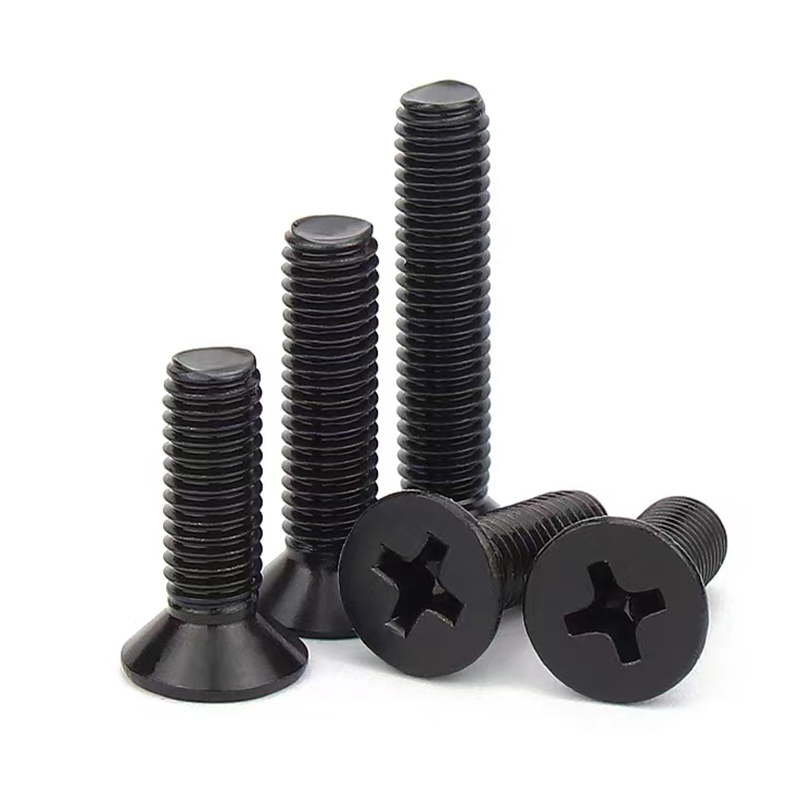
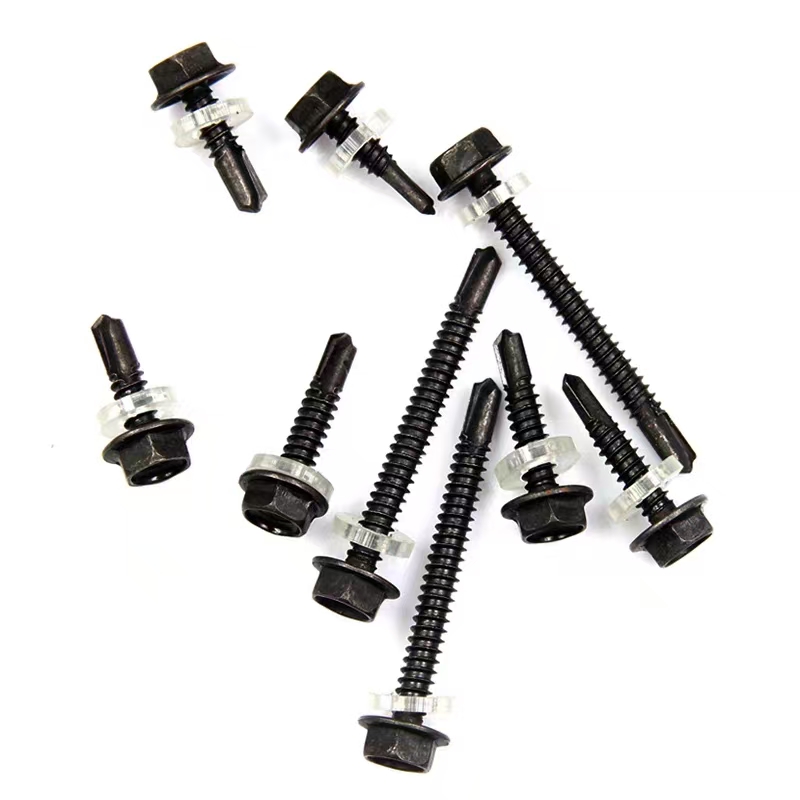
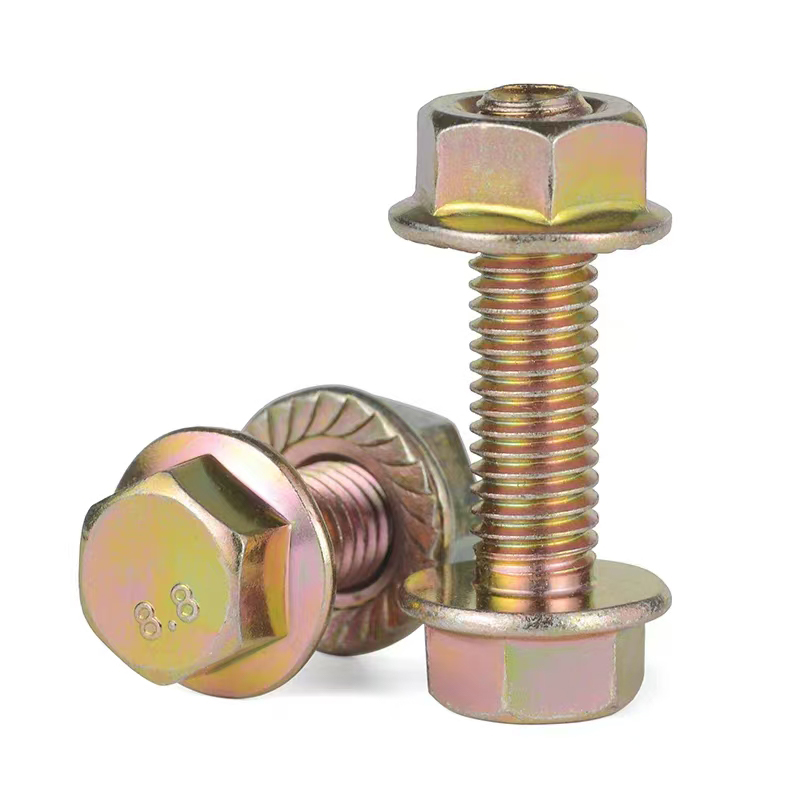
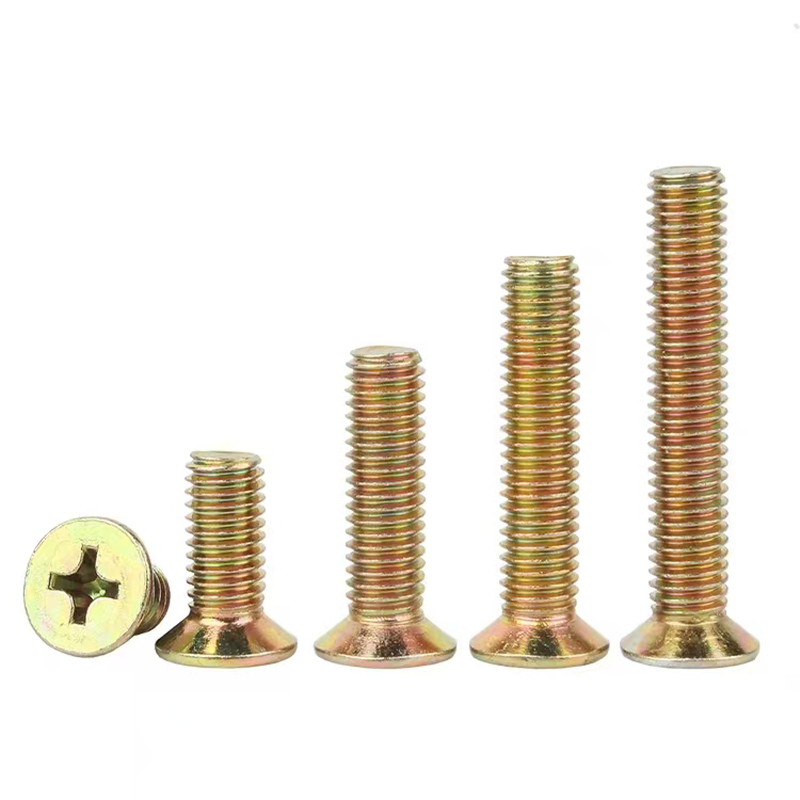
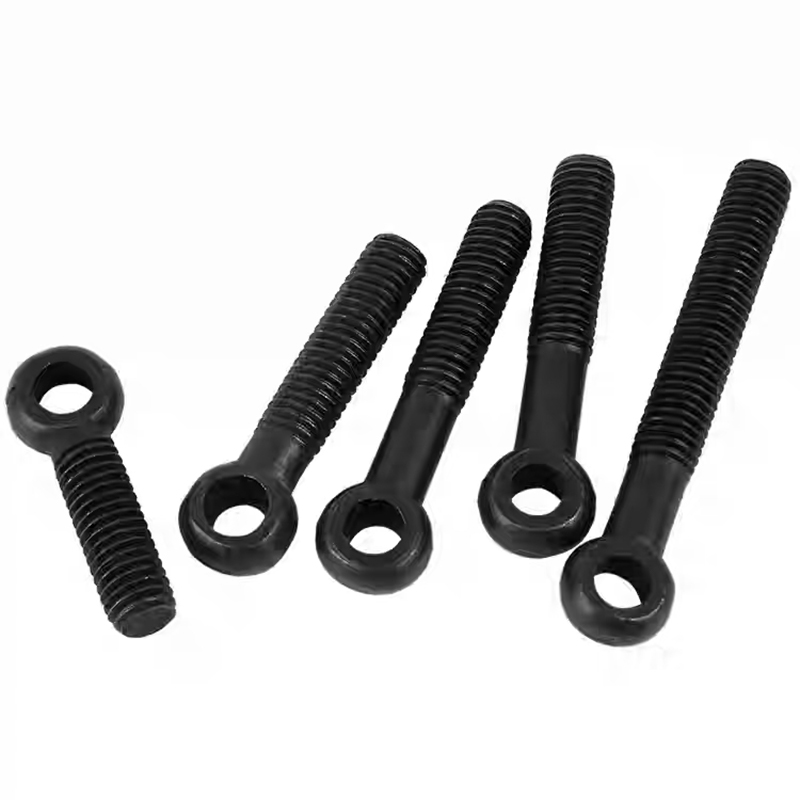
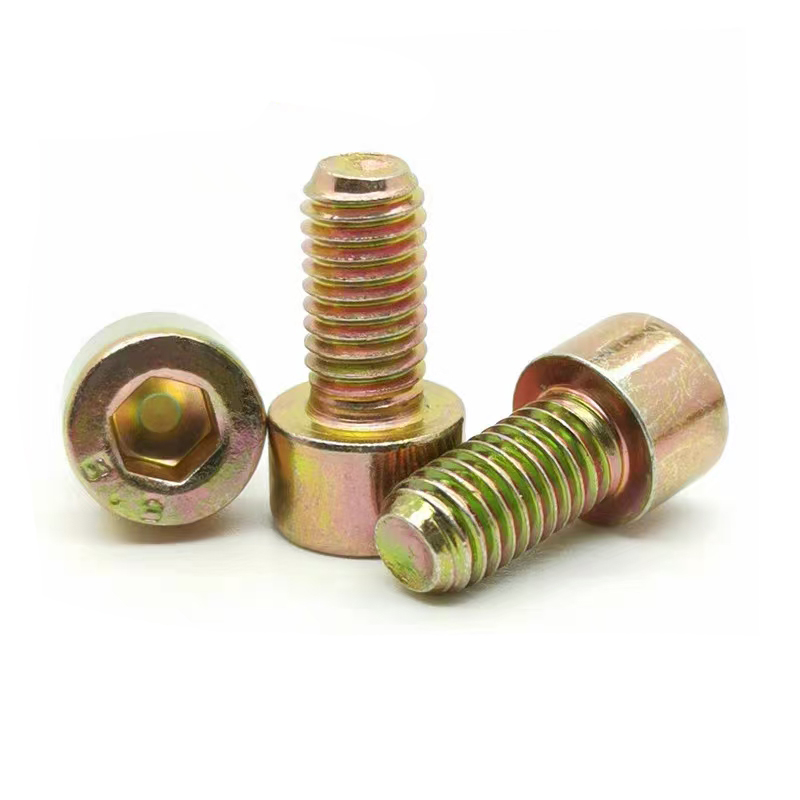
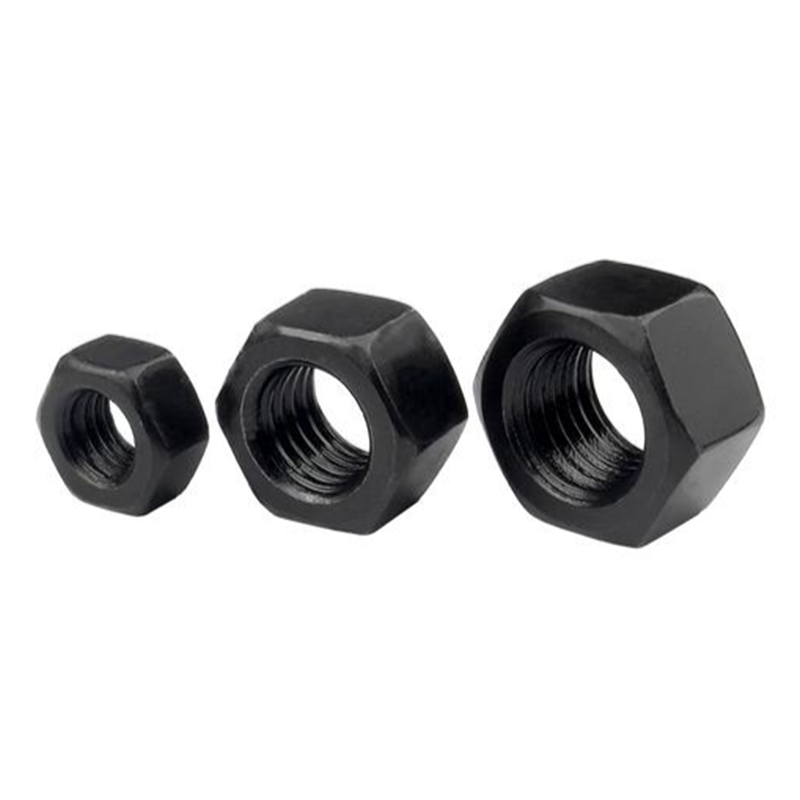
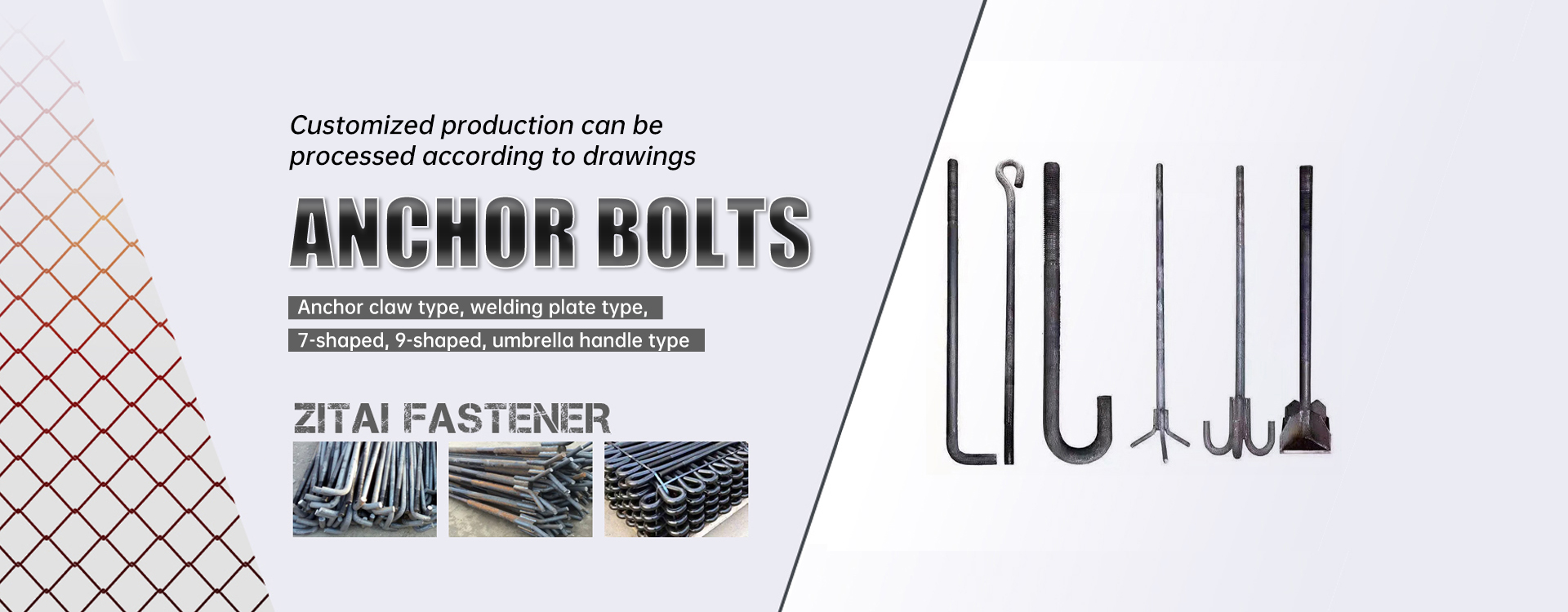
Iibinta ugu fiican alaabta
Alaabta iibka ugu fiican-
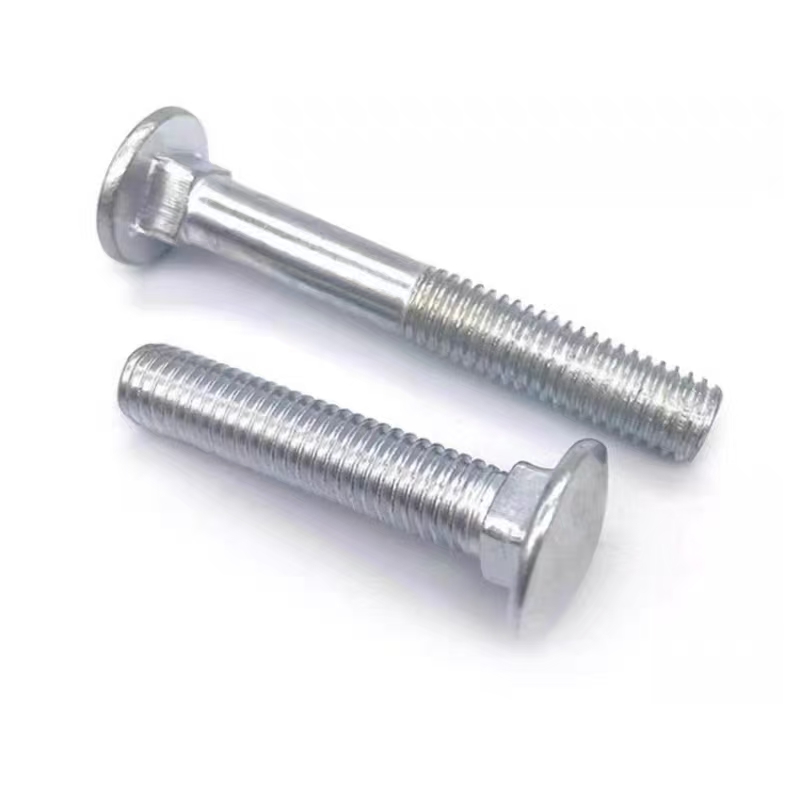 Boodhka gaadhiga (madaxa wareega badhkii labajibbaaran bolt)
 -
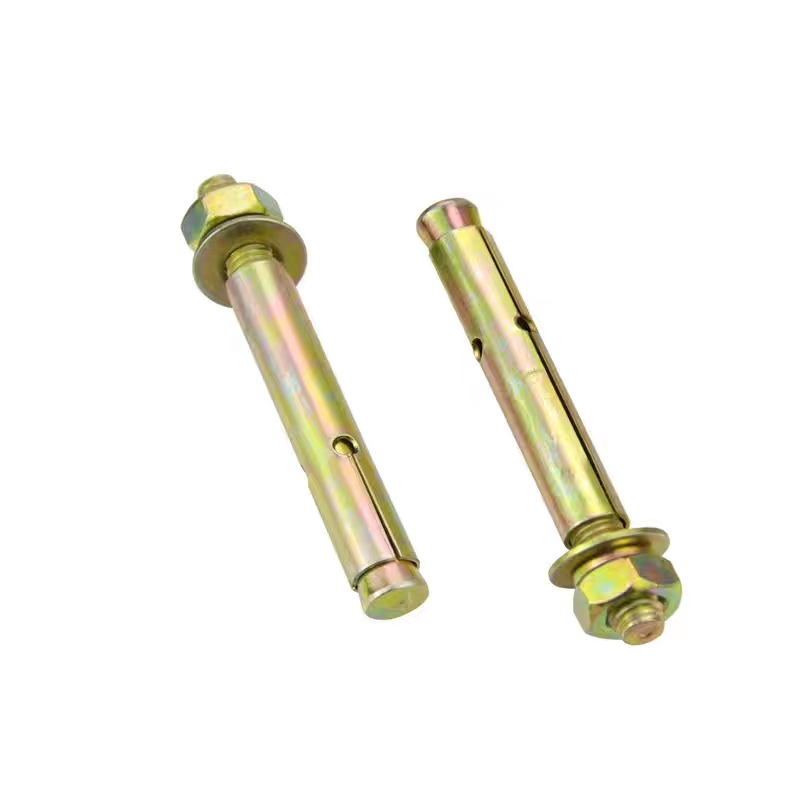 Boolal balaarineed oo zinc ah oo midab leh
 -
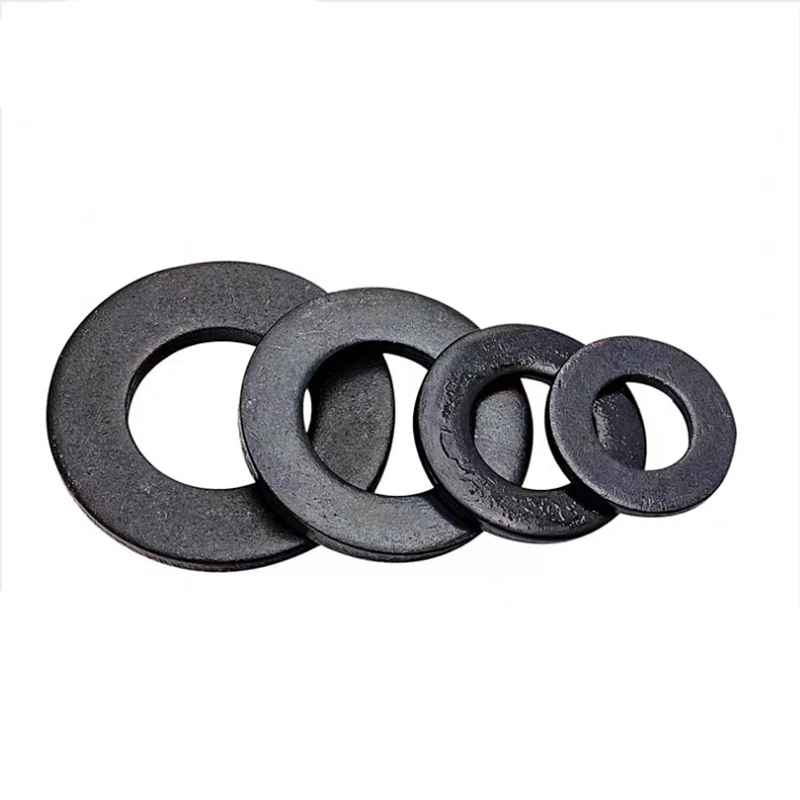 Gaaska madow ee xoogga sare leh
 -
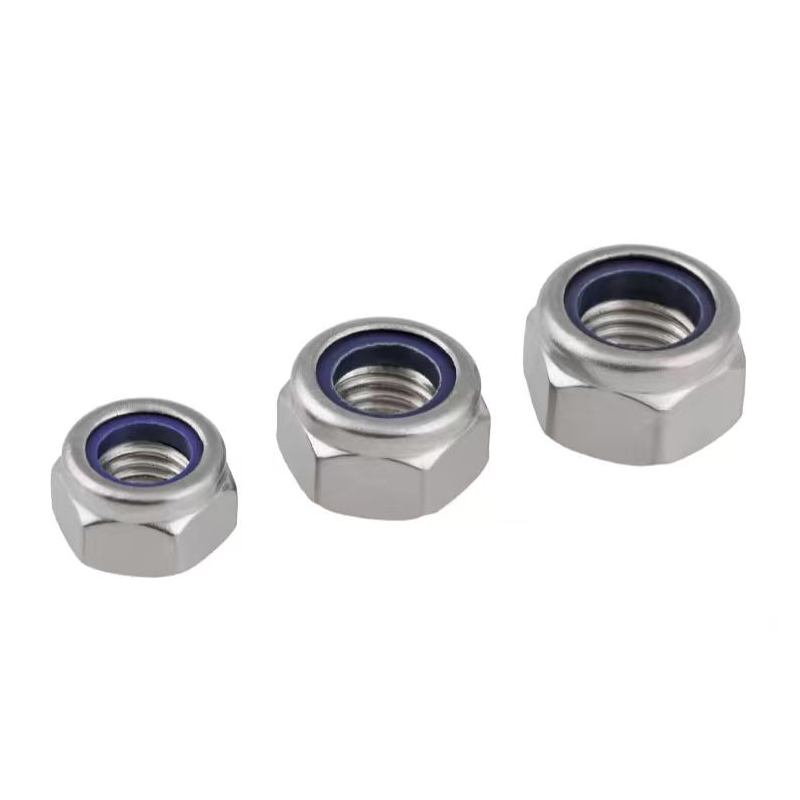 lowska ka-hortagaya (quful lowska)
 -
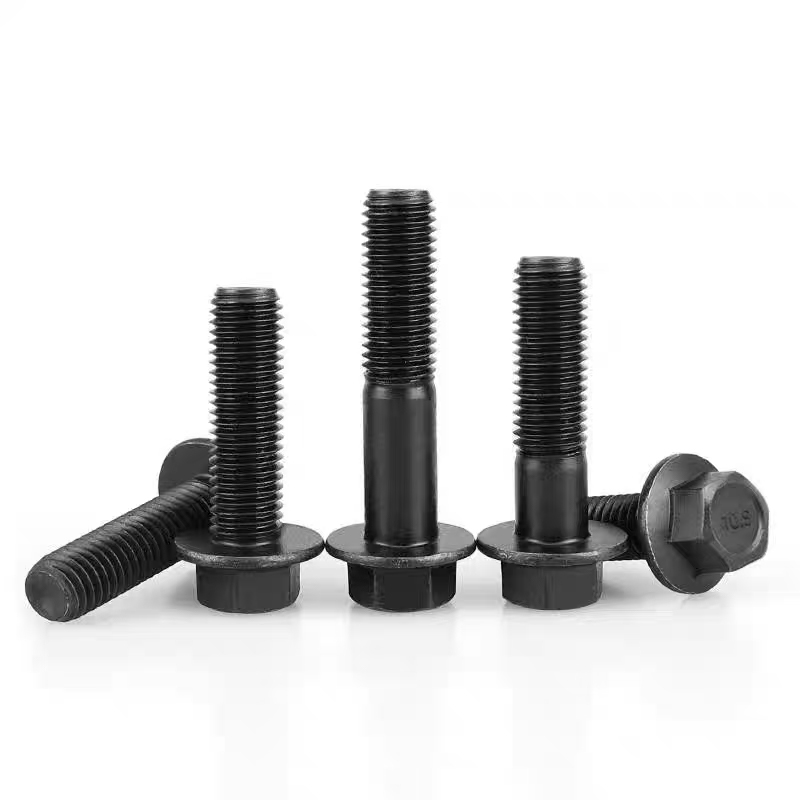 boolal madow zinc
 -
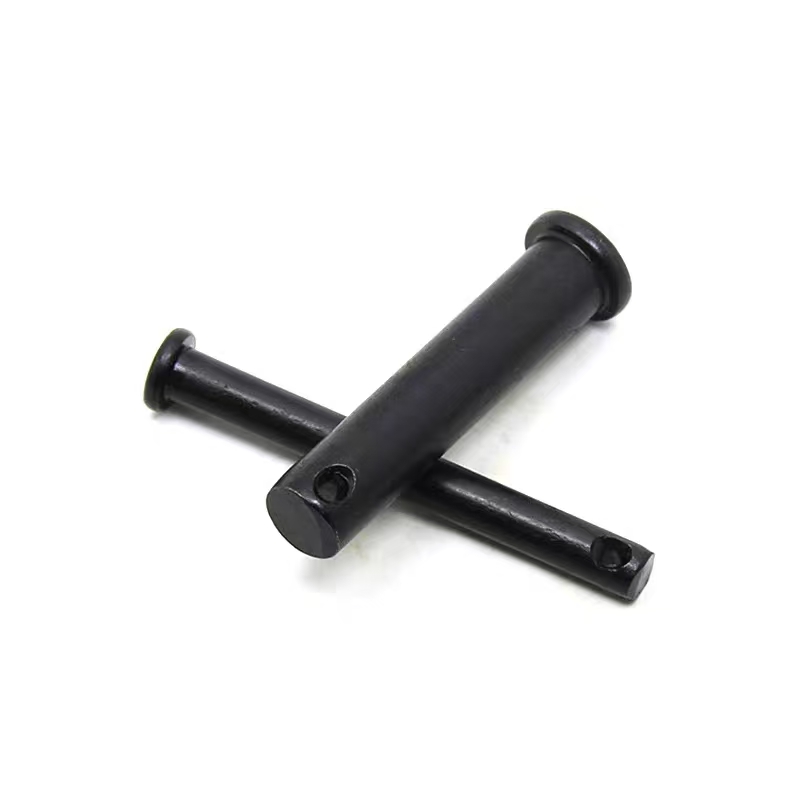 Usha biinanka ku dhejisan zinc madow
 -
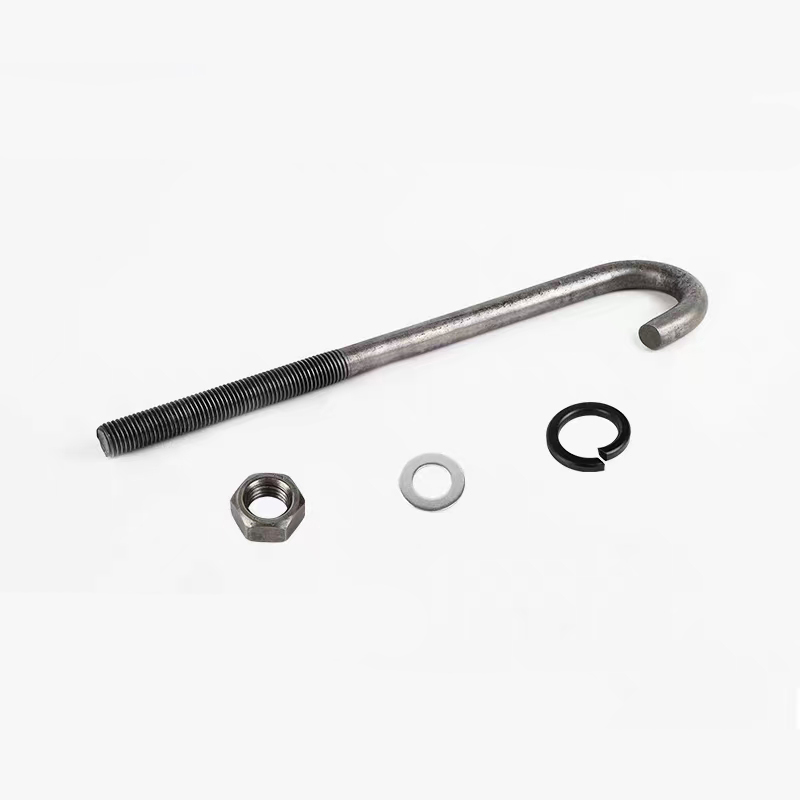 dallada gacanta barroosinka (J-nooca barroosinka bolt/ dallada gacanta ku dheggan)
 -
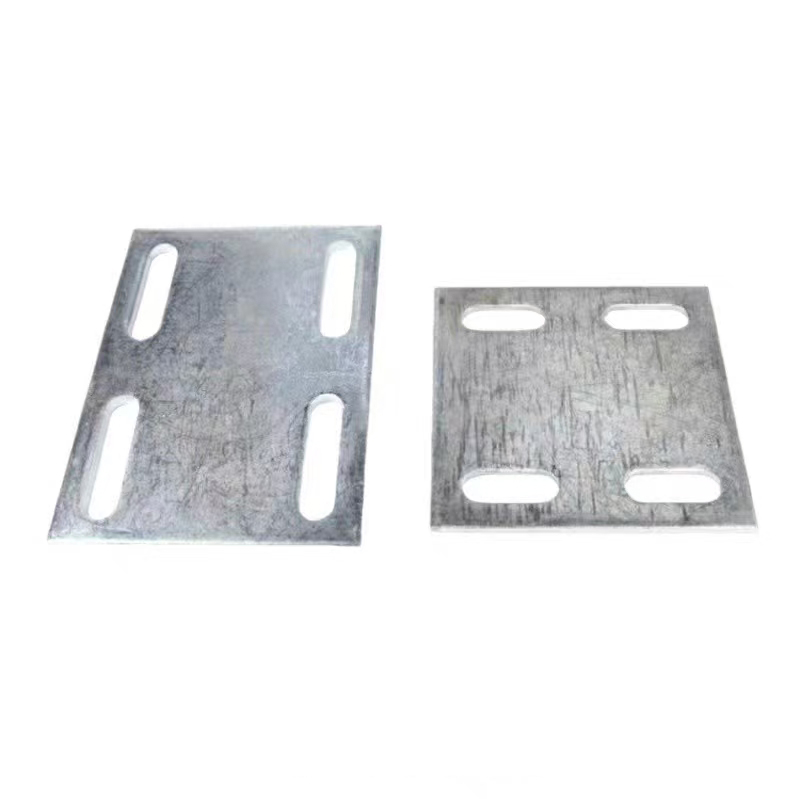 saxan ku dheggan Electrogalvanized
 -
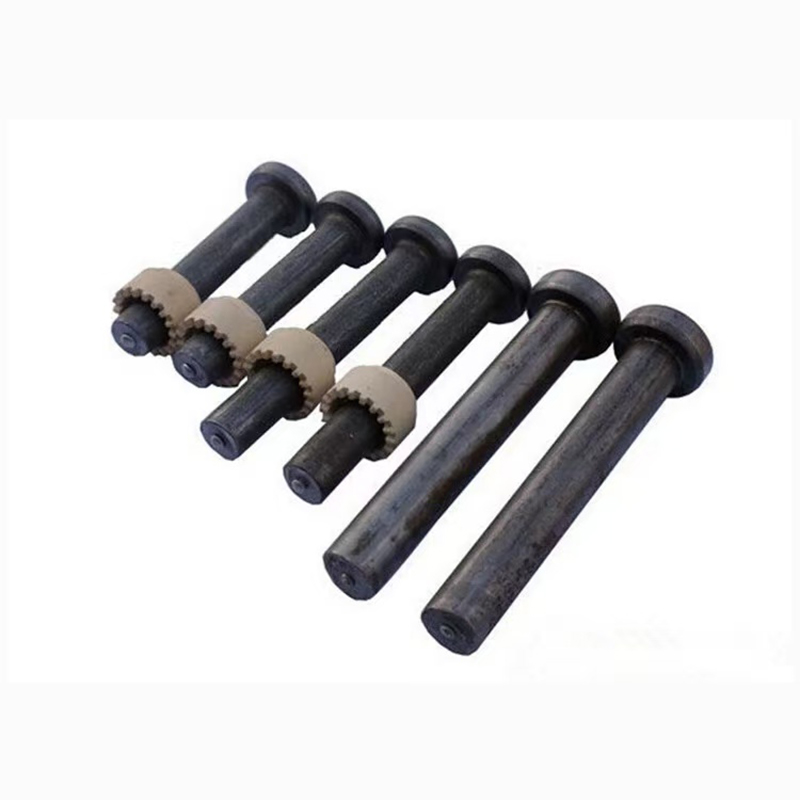 Cidiyaha alxanka
 -
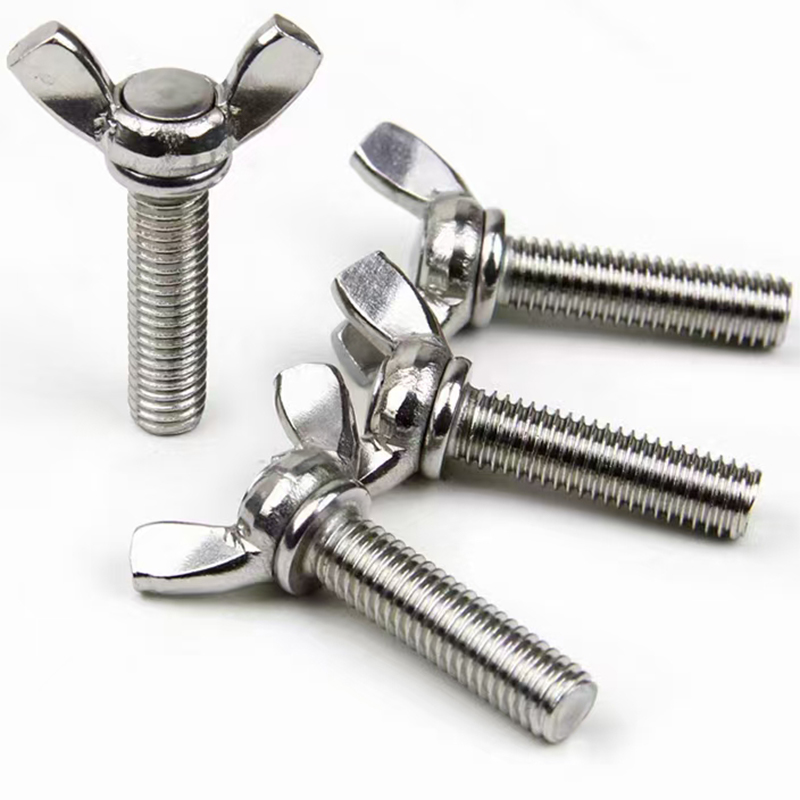 Balanbaalis
 -
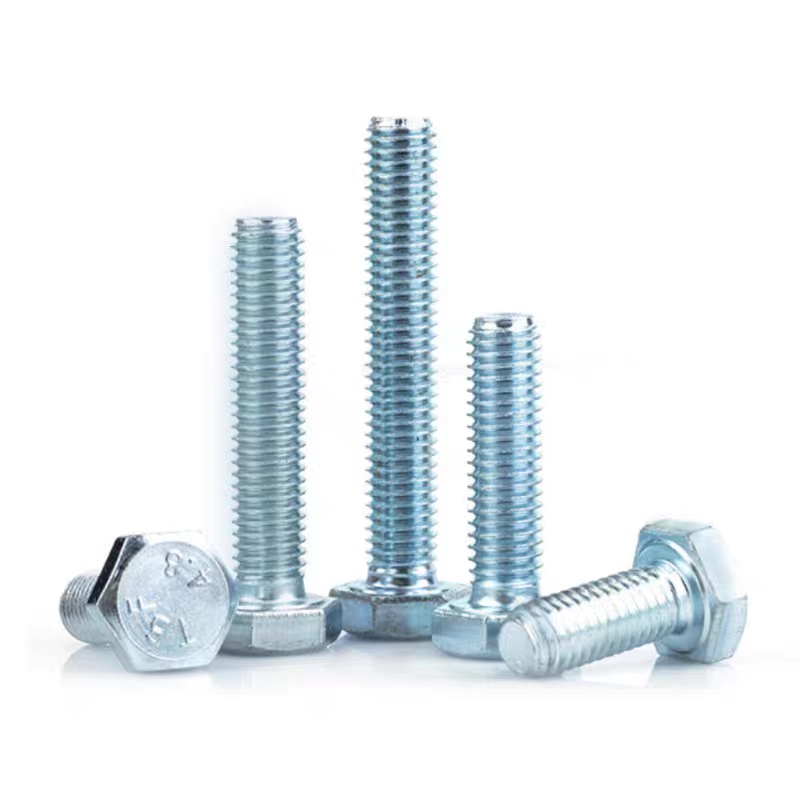 Bolts lix geesood ah oo koronto galiyay
 -
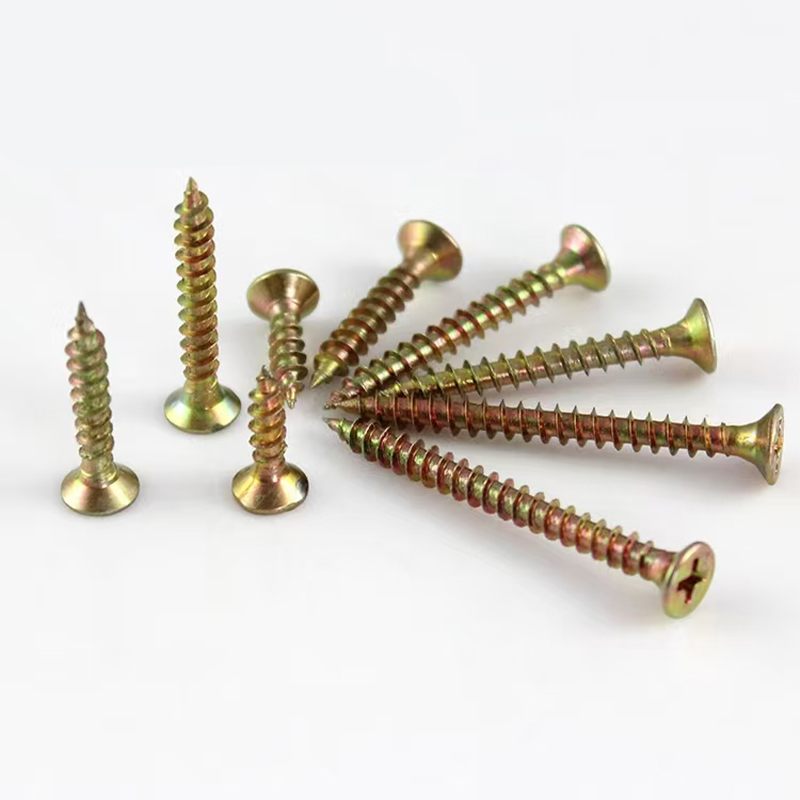 Dunta laydhka iskutallaabta ee iskutallaabta ka samaysan ee zinc-plated