
- English
- Chinese
- French
- German
- Portuguese
- Spanish
- Russian
- Japanese
- Korean
- Arabic
- Irish
- Greek
- Turkish
- Italian
- Danish
- Romanian
- Indonesian
- Czech
- Afrikaans
- Swedish
- Polish
- Basque
- Catalan
- Esperanto
- Hindi
- Lao
- Albanian
- Amharic
- Armenian
- Azerbaijani
- Belarusian
- Bengali
- Bosnian
- Bulgarian
- Cebuano
- Chichewa
- Corsican
- Croatian
- Dutch
- Estonian
- Filipino
- Finnish
- Frisian
- Galician
- Georgian
- Gujarati
- Haitian
- Hausa
- Hawaiian
- Hebrew
- Hmong
- Hungarian
- Icelandic
- Igbo
- Javanese
- Kannada
- Kazakh
- Khmer
- Kurdish
- Kyrgyz
- Latin
- Latvian
- Lithuanian
- Luxembou..
- Macedonian
- Malagasy
- Malay
- Malayalam
- Maltese
- Maori
- Marathi
- Mongolian
- Burmese
- Nepali
- Norwegian
- Pashto
- Persian
- Punjabi
- Serbian
- Sesotho
- Sinhala
- Slovak
- Slovenian
- Somali
- Samoan
- Scots Gaelic
- Shona
- Sindhi
- Swahili
- Tajik
- Tamil
- Telugu
- Thai
- Ukrainian
- Urdu
- Uzbek
- Vietnamese
- Welsh
- Xhosa
- Yiddish
- Yoruba
- Zulu
- Kinyarwanda
- Tatar
- Oriya
- Turkmen
- Uyghur

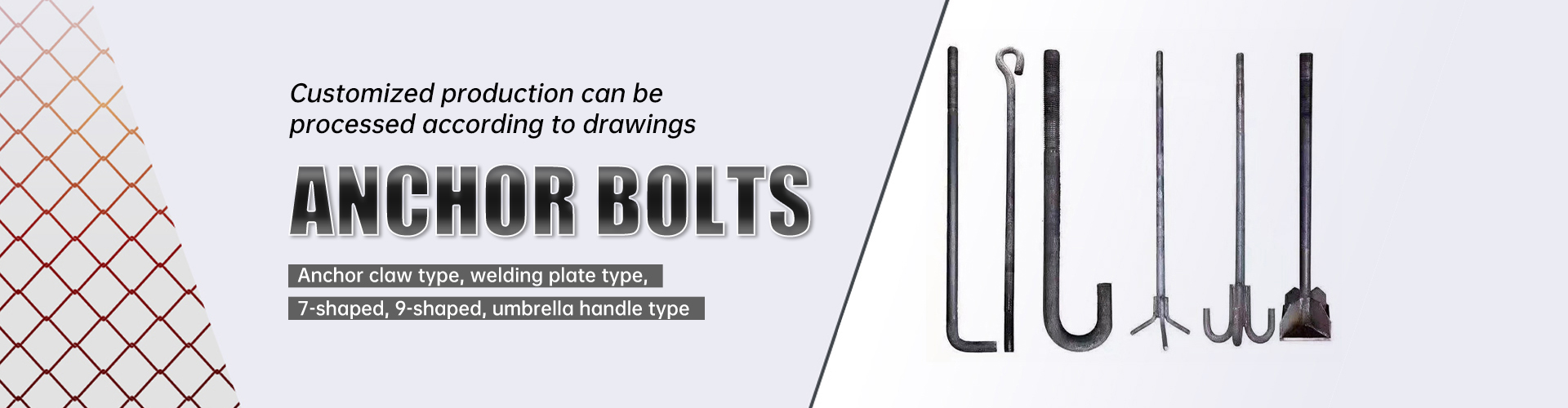
Cina jangkar baud jeung ékspansi baud
The intricacies of jangkar Bolts na ékspansi Bolts di Cina
Nalika nyawalakeun bentang konstruksi di Cina, dua komponén mindeng nangtung kaluar alatan peran kritis maranéhanana dina stabilitas jeung kaamanan: baud jangkar jeung bolts ékspansi. Duanana ngagaduhan fungsi anu penting, tapi aranjeunna gaduh set kabingungan, kasalahpahaman, sareng wawasan praktis anu dimeunangkeun salami sababaraha taun pangalaman industri.
Dasar: Ngartos Duanana Bolts
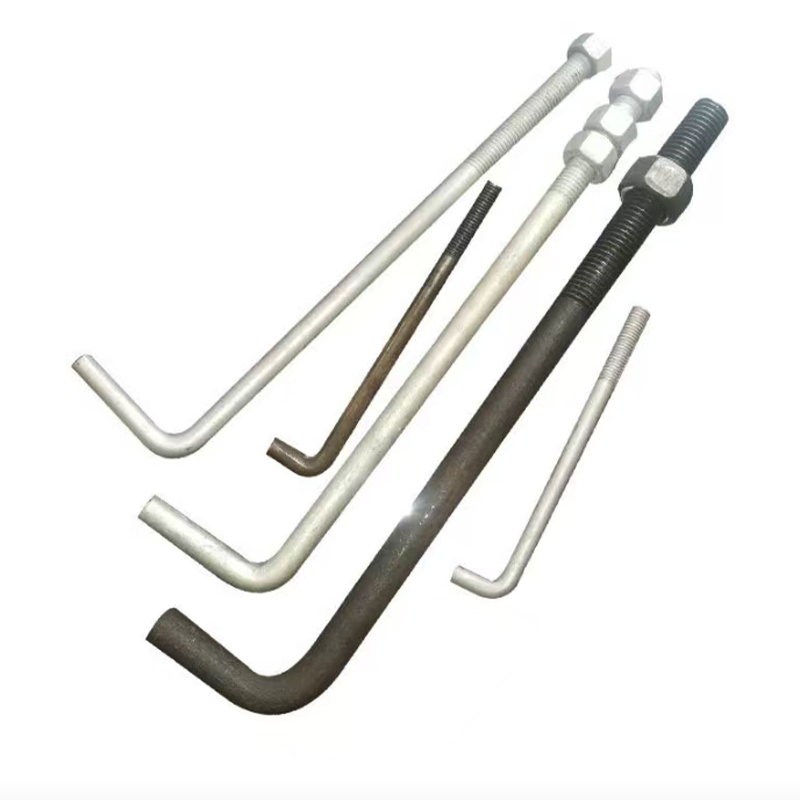
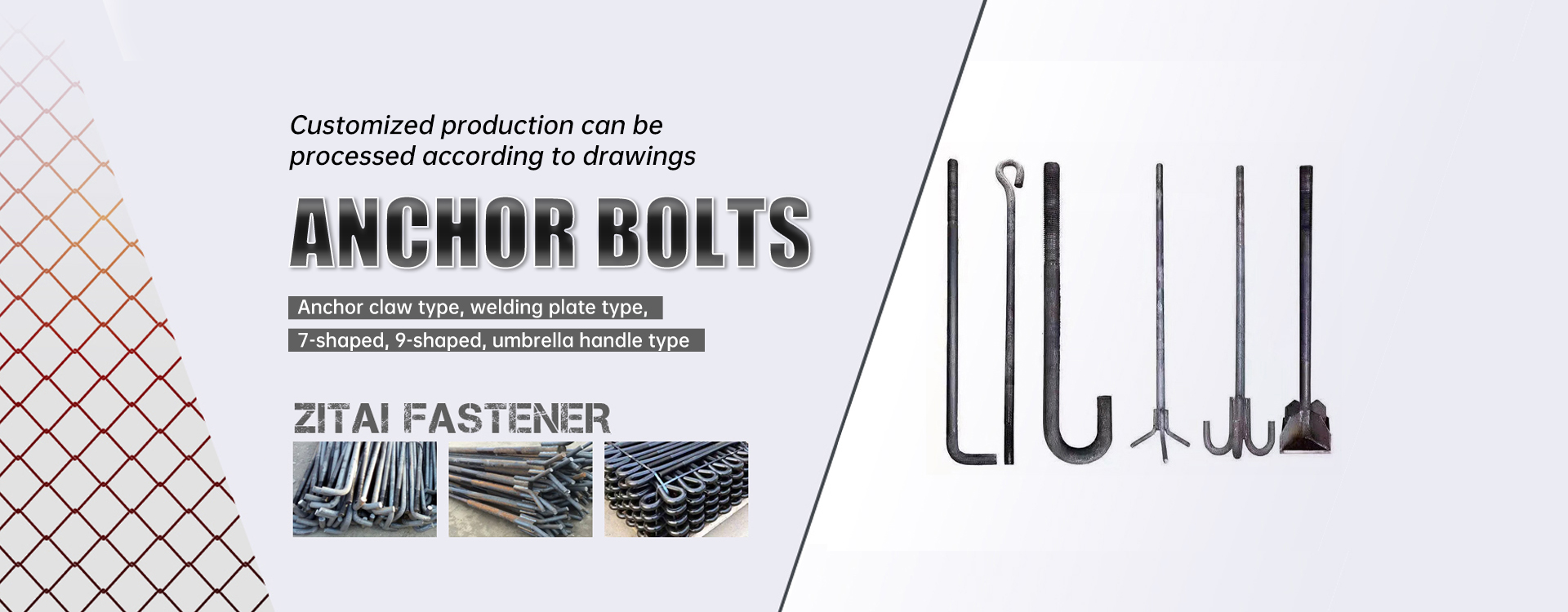
Pikeun nempatkeun éta saderhana, baut jangkar penting dina mindahkeun beban tina struktur ka beton. Anjeun biasana bakal mendakanana di jalan, sasak, sareng sistem seismik, nanganan tanggung jawab nanggung beban anu ageung. Sabalikna, bolts ékspansi anu leuwih serbaguna lamun datang ka securing fixtures kana beton atawa masonry. Aranjeunna dilegakeun ngalawan tembok liang pikeun nahan tempatna. Salah paham kana fungsi inti ieu sering nyababkeun kasalahan aplikasi.
Kuring ngelingan hiji proyék dimana batur sapagawean salah dipaké bolts ékspansi tibatan baud jangkar pikeun setup mesin beurat. Éta sigana sapertos kasalahan anu teu pati penting, tapi sacara signifikan kompromi integritas struktural, nekenkeun kumaha pentingna pikeun terang alat anjeun sacara saksama.
Hiji hal anu kedah dipertimbangkeun-sababaraha tiasa nyebatkeun éta sakedik detil, tapi sanés-nyaéta lingkungan dimana bolts ieu diterapkeun. Faktor sapertos kalembaban, parobahan suhu, sareng setrés beban kana waktosna peryogi palapis sareng bahan anu béda. Ieu tiasa ngadamel dunya bédana dina durability.
Ngidentipikasi sareng Ngarengsekeun Masalah Pamakéan Umum
Tantangan anu pikaresepeun nyaéta milih ukuran sareng bahan anu pas. Seueur anu nganggap ukuranana universal atanapi anu langkung ageung langkung saé, tapi éta jauh tina kaleresan. Kuring geus katempo pamasangan dimana bolts dipilih éta boh oversized atawa undersized, ngarah kana boh runtah bahan atawa kompromi dina kaamanan-duanana kasalahan ongkosna mahal. Kasalahan ieu sering timbul tina kurangna konsultasi anu leres atanapi pamahaman sarat proyék.
Pertimbangkeun iklim sareng kabutuhan aplikasi khusus. Contona, di wewengkon basisir mana korosi geus rampant, milih pilihan katuhu galvanized atanapi stainless steel nyaeta krusial. Abdi teu tiasa ngabejaan ka maneh sabaraha kali kuring geus katempo kamajuan basisir geulis marred ku fasteners rusted. Éta mangrupikeun pangawasan anu asalna tina motong sudut, sering kusabab keterbatasan anggaran.
Perhatoskeun ogé yén nalika produsén Cina, sapertos Handan Zitai Fastener Manufacturing Co., Ltd., nawiskeun sajumlah pilihan, ngartos kabutuhan khusus tina hiji proyék penting pisan. Tempatna di pangkalan produksi bagian standar panggedéna di Cina, aranjeunna nawiskeun produk anu cocog sareng ekspektasi kualitas lokal sareng global. Pikeun langkung seueur wawasan, anjeun tiasa nganjang halaman wébna di zitaifasteners.com.
Diving Deeper: Téhnik instalasi
Lamun datang ka instalasi, perhatian ka detil téh pivotal. Malah anu paling kuat baud jangkar bisa gagal lamun dipasang improperly. Pastikeun jero liang akurat tur lebu-bébas, sarta salawasna pariksa ganda alignments. Kuring sacara pribadi nyaksian kaayaan dimana hiji proyék ditunda ngan saukur kusabab masalah alignment anu teu ditingali.
Ngagunakeun torsi bener bari tightening mangrupa aspék séjén nu tungtutan precision. Ieu pikabitaeun boh over-tighten pikeun jaminan atawa under-tighten pikeun speed, tapi duanana bisa ngakibatkeun gagalna prématur. The crux perenahna di pamahaman parabot anjeun sarta bahan-hal anu ngan bisa diasah kalawan pangalaman jeung perhatian.
Hiji deui tip praktis: salawasna pariksa tungtunan produsén urang. Sanajan pangalaman, tungtunan ieu nawiskeun wawasan kritis kana kabutuhan husus bahan '. Ieu sumberdaya underutilized nu bisa ngahemat duanana waktu jeung duit.
Faktor Pangaruh Performance Bolt
Kinerja ogé gumantung pisan kana kumaha bolts meta dina kaayaan stres dina waktosna. Kacapean tiasa ngarayap tanpa ditingali, khususna dina aplikasi dinamis. Lantaran kitu, ngasupkeun rutin inspeksi rutin bisa preempt poténsi gagal-prakték teu loba diadopsi tapi kacida dianjurkeun.
Dina hiji kasempetan, nalika pamariksaan rutin, urang mendakan yén baud di lingkungan geter anu luhur parantos leupas. Papanggihan éta sumping pas dina waktosna pikeun ngahindarkeun kaayaan anu berpotensi musibah. Diajar ngantisipasi skénario sapertos kitu mangrupikeun bagian tina kamekaran profésional dina widang ieu.
Émut yén iklim maénkeun peran anu penting. Contona, bolts ékspansi dina hawa katirisan bisa kalakuanana béda ti dina kondisi haneut. Nuances ieu merlukeun hiji panon nutup sarta kadangkala saeutik hade ngungkulan, nyaluyukeun torsi atawa malah milih bahan alternatif.
Ngahijikeun Sadayana
Pamustunganana, pamakéan éféktif tina baud jangkar jeung bolts ékspansi di Cina-atanapi di mana waé-merlukeun campuran pangaweruh téknis, pangalaman praktis, sareng sering, sentuhan intuisi. Sanajan penampilan basajan maranéhanana, komponén ieu mawa beungbeurat kaamanan sarta durability on threads maranéhanana.
Nalika aya ragu, condong kana kaahlian sareng panyadia anu terhormat sapertos Handan Zitai Fastener Manufacturing Co., Ltd. tiasa masihan jaminan tambihan kualitas sareng kasesuaian. Lokasi strategis maranéhanana di Handan ensures ranté suplai mantap sarta layanan responsif-a asset kritis dina dunya gancang-paced konstruksi. Didatangan situs maranéhanana di zitaifasteners.com pikeun detil produk sareng spésifikasi anu jero.
Ngartos unsur-unsur ieu peryogi latihan, refleksi kana kasalahan anu kapungkur, sareng komitmen pikeun diajar anu terus-terusan. Tapi di luhur sadayana, éta hartosna hormat kana bahan anu ngabentuk tulang tonggong tina struktur anu stabil sareng aman.
Patali produk
produk patali
Pangalusna jual produk
Produk laris pangsaéna-
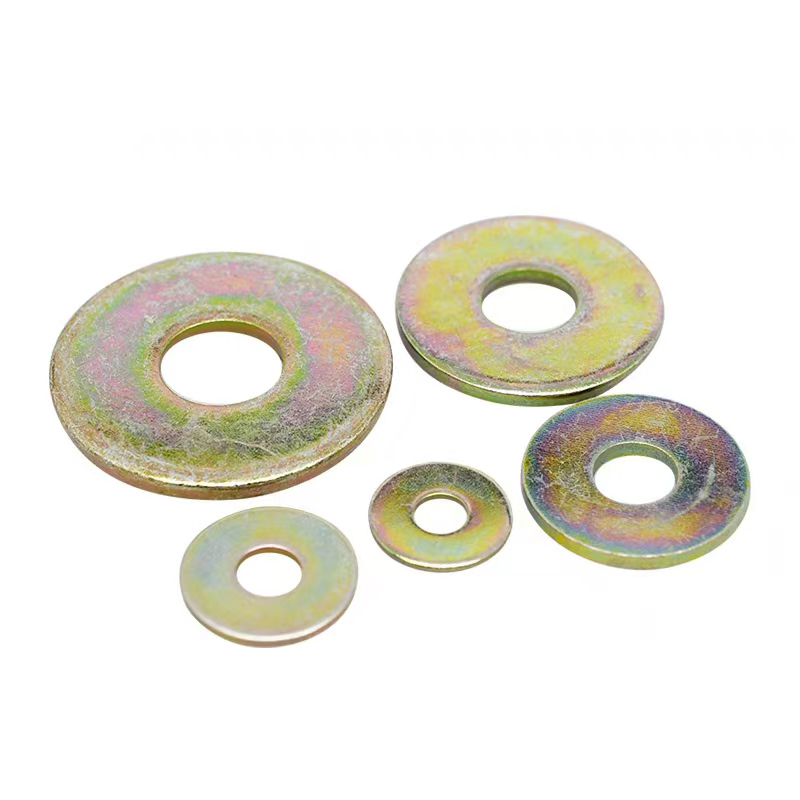 Diwarnaan séng-plated gaskets
 -
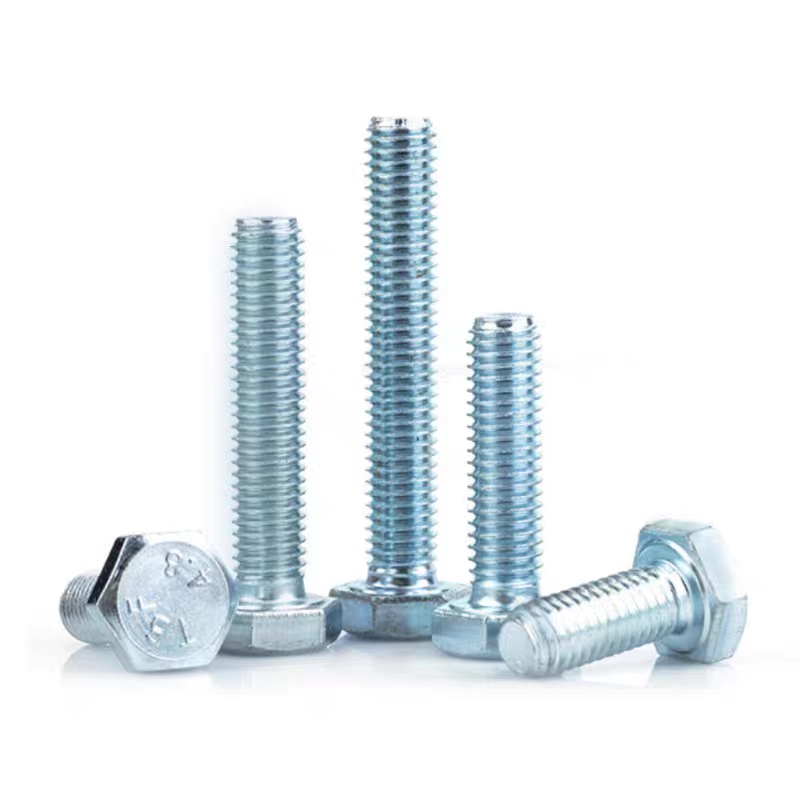
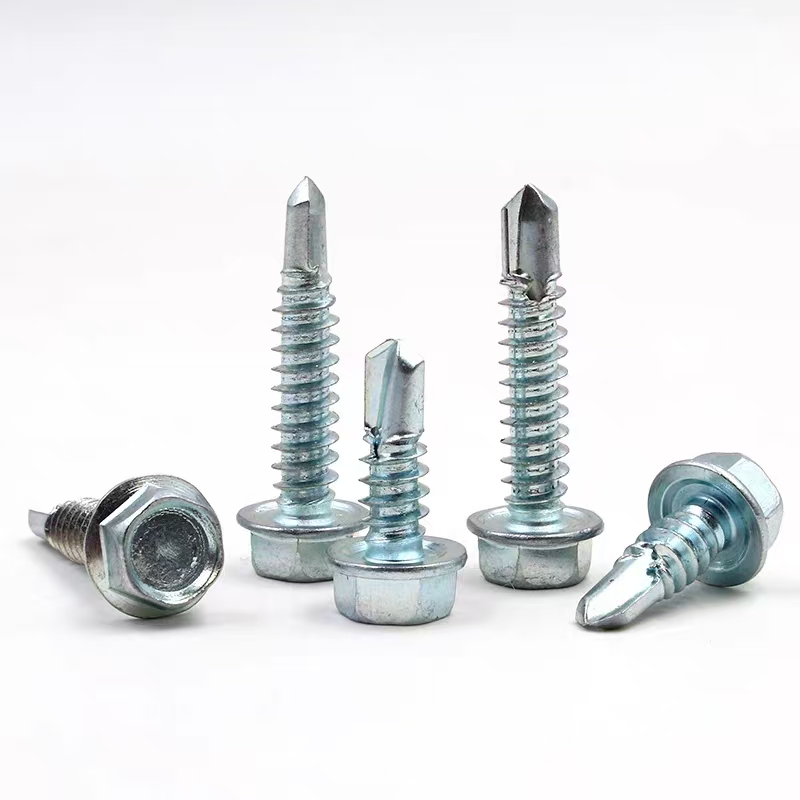 Utas bor héksagonal éléktro-galvanis
 -
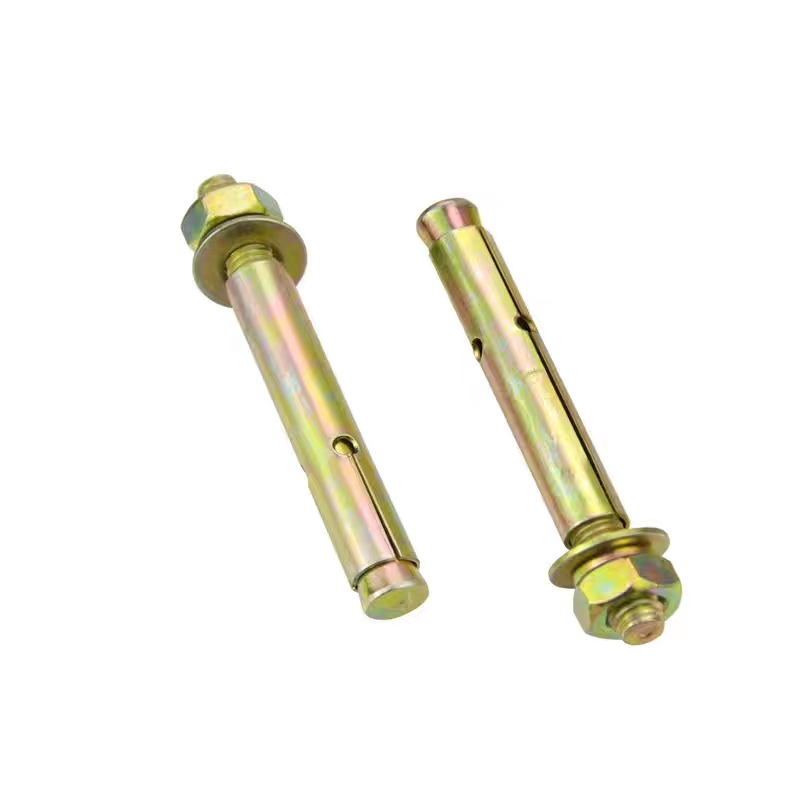 Berwarna séng-plated bolts ékspansi
 -
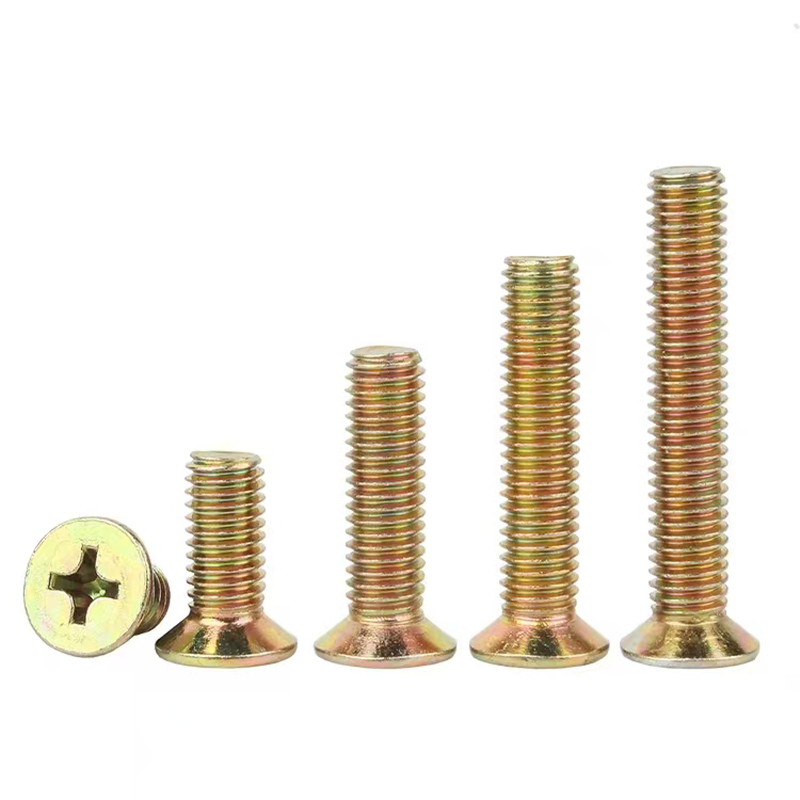 Berwarna séng plated countersunk cross bolts
 -
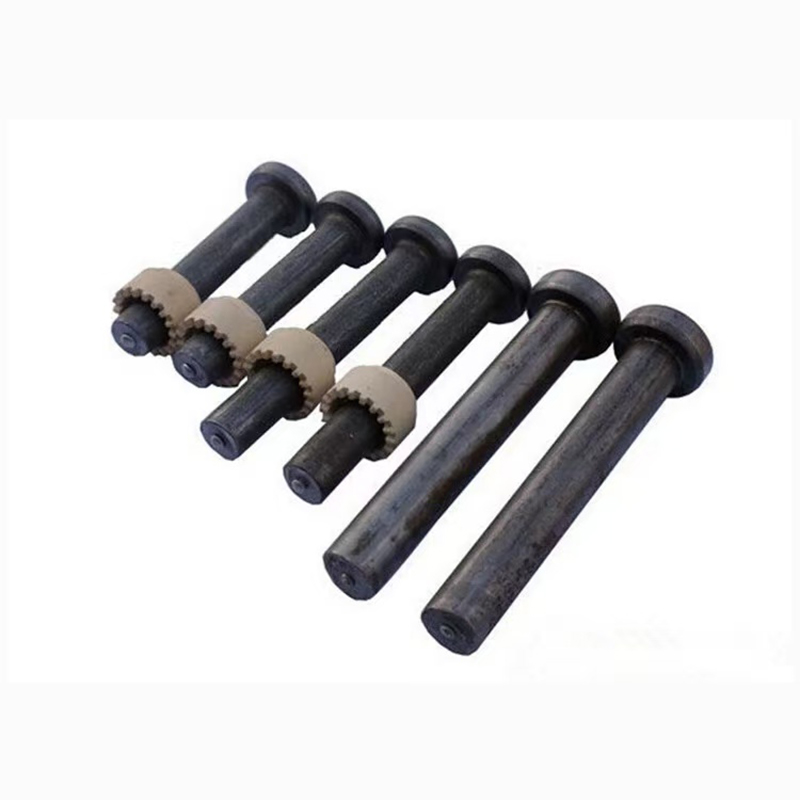 Las paku
 -
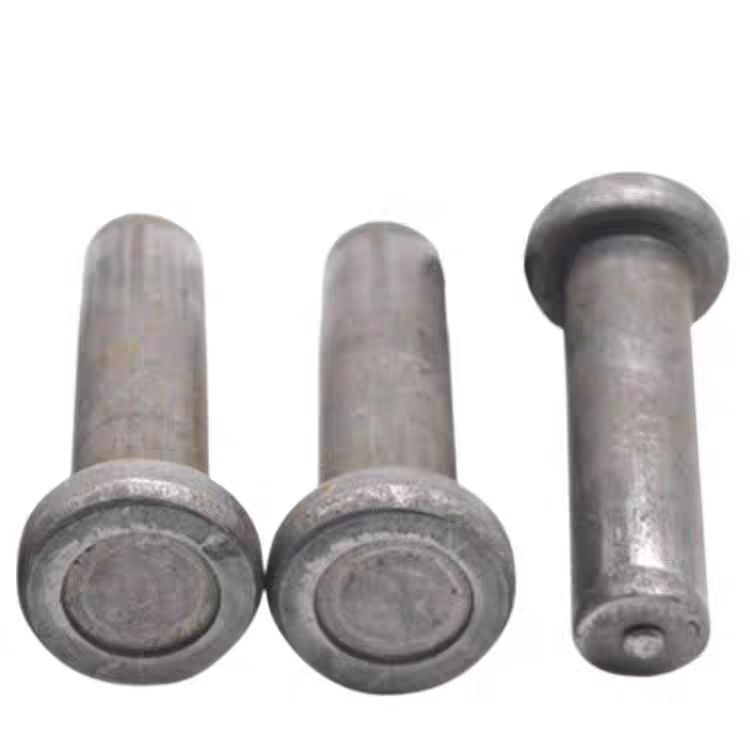 Studs las struktur baja
 -
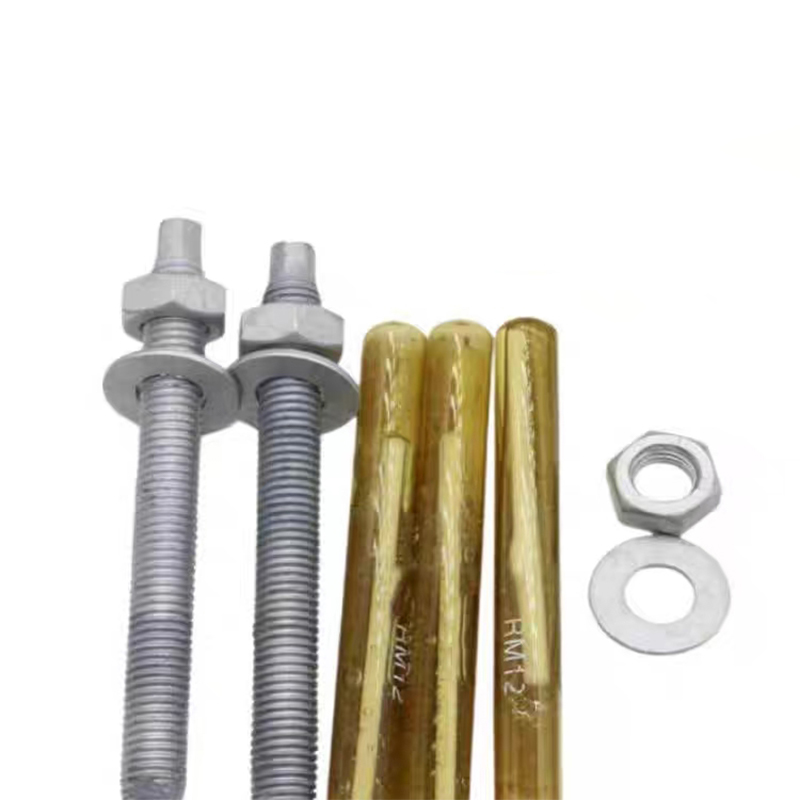 Hot-dip galvanized bolts kimiawi
 -
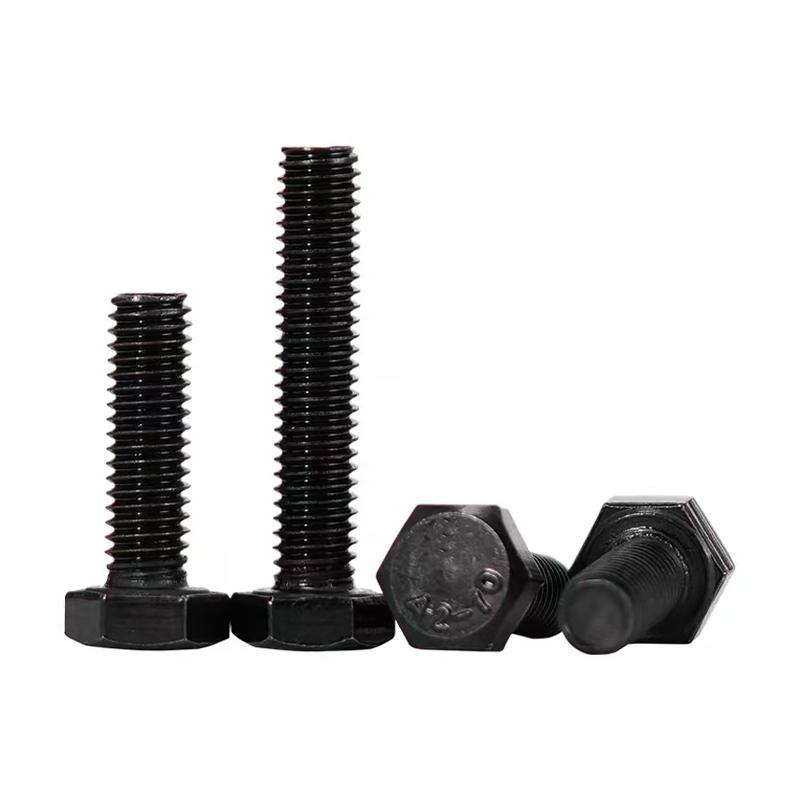 Hideung séng plated bolts héksagonal
 -
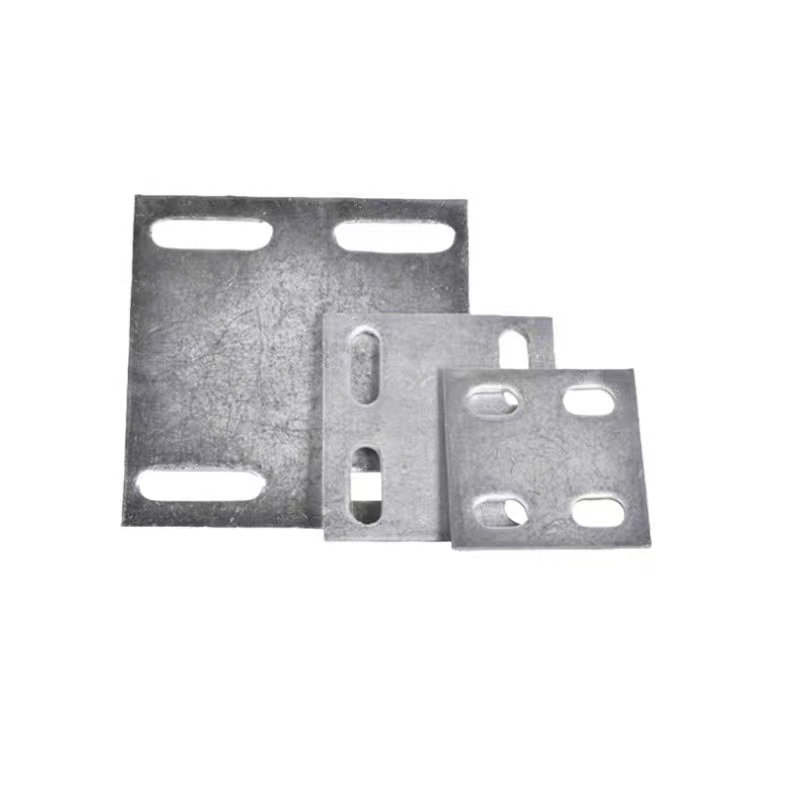 Hot-dip galvanized plat dipasang
 -
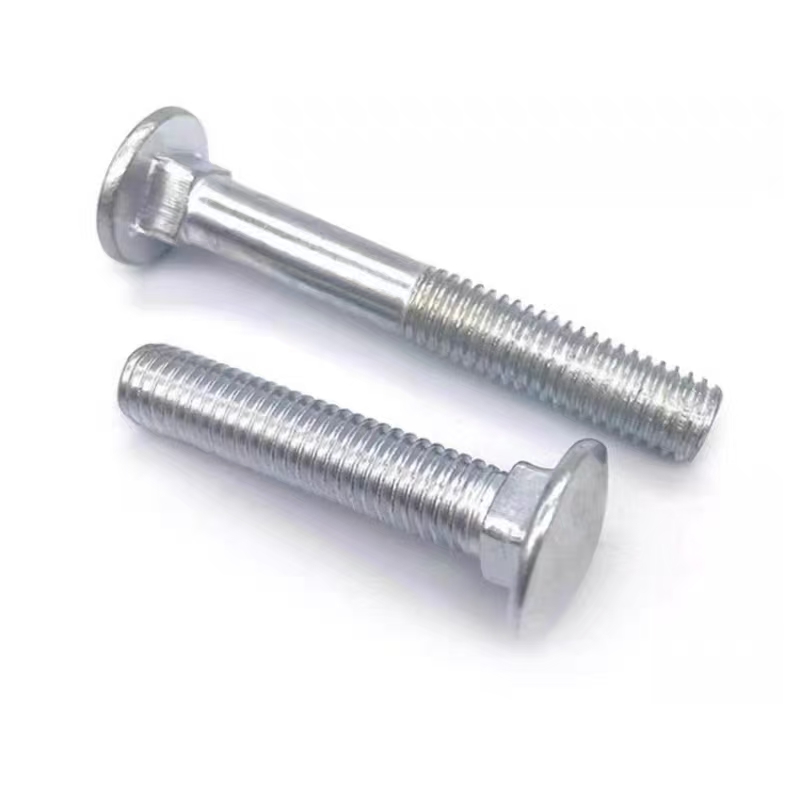 Baud gerbong (bolt beuheung pasagi sirah satengah buleudan)
 -
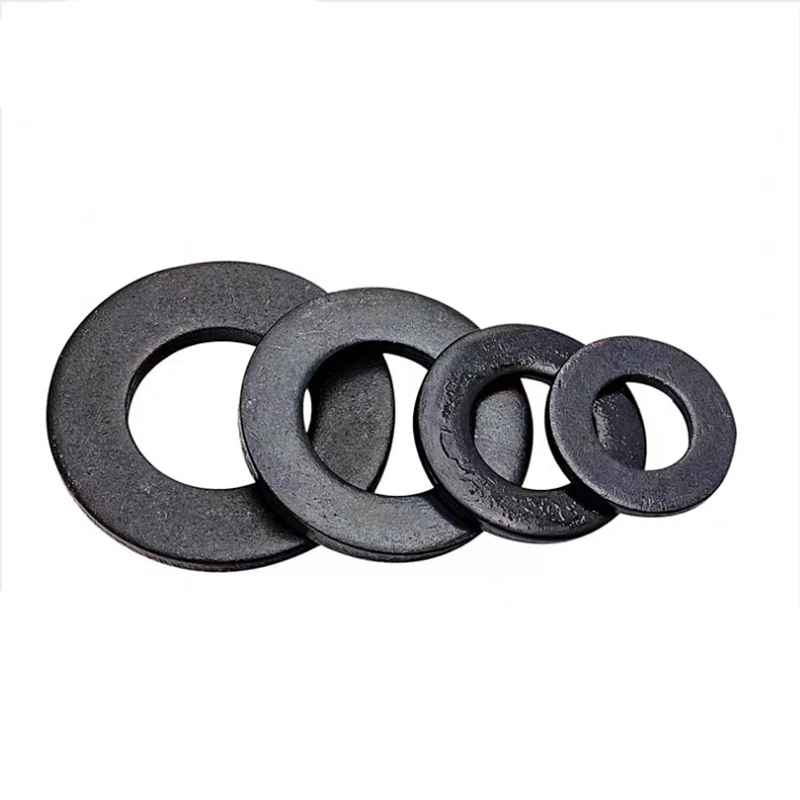 Kakuatan luhur gasket blackened
 -
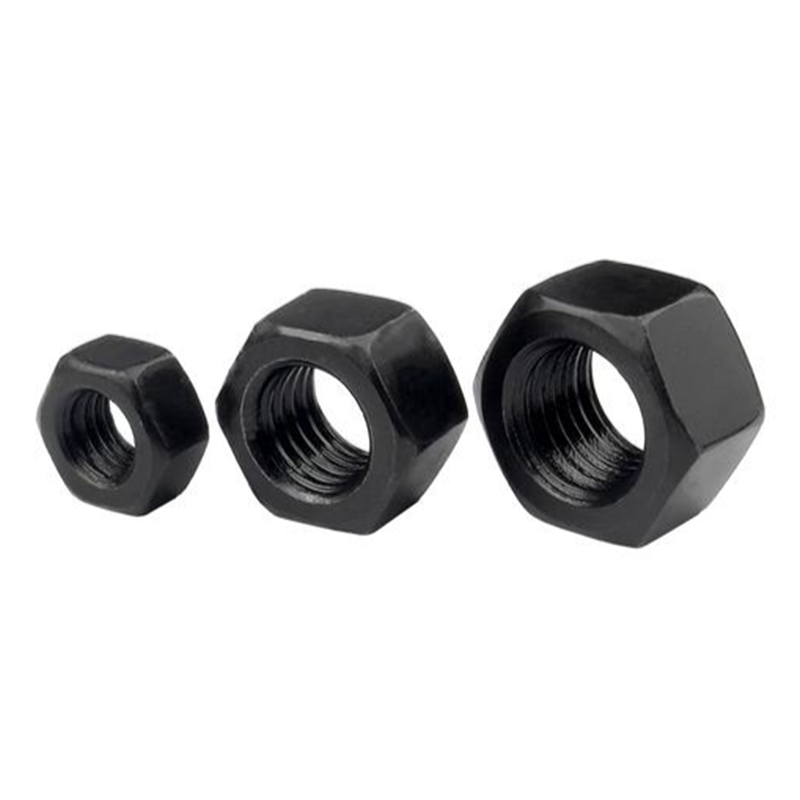 Kacang blackened kakuatan tinggi