
- English
- Chinese
- French
- German
- Portuguese
- Spanish
- Russian
- Japanese
- Korean
- Arabic
- Irish
- Greek
- Turkish
- Italian
- Danish
- Romanian
- Indonesian
- Czech
- Afrikaans
- Swedish
- Polish
- Basque
- Catalan
- Esperanto
- Hindi
- Lao
- Albanian
- Amharic
- Armenian
- Azerbaijani
- Belarusian
- Bengali
- Bosnian
- Bulgarian
- Cebuano
- Chichewa
- Corsican
- Croatian
- Dutch
- Estonian
- Filipino
- Finnish
- Frisian
- Galician
- Georgian
- Gujarati
- Haitian
- Hausa
- Hawaiian
- Hebrew
- Hmong
- Hungarian
- Icelandic
- Igbo
- Javanese
- Kannada
- Kazakh
- Khmer
- Kurdish
- Kyrgyz
- Latin
- Latvian
- Lithuanian
- Luxembou..
- Macedonian
- Malagasy
- Malay
- Malayalam
- Maltese
- Maori
- Marathi
- Mongolian
- Burmese
- Nepali
- Norwegian
- Pashto
- Persian
- Punjabi
- Serbian
- Sesotho
- Sinhala
- Slovak
- Slovenian
- Somali
- Samoan
- Scots Gaelic
- Shona
- Sindhi
- Swahili
- Tajik
- Tamil
- Telugu
- Thai
- Ukrainian
- Urdu
- Uzbek
- Vietnamese
- Welsh
- Xhosa
- Yiddish
- Yoruba
- Zulu
- Kinyarwanda
- Tatar
- Oriya
- Turkmen
- Uyghur


Baud héksagonal
Intricacies Ghaib tina héksagonal Bolts
Teuing sering, bolts héksagonal dicokot for teu dibales. Éta ngan ukur sapotong hardware sanés dugi ka henteu - dugi ka ukuran baut atanapi kelas anu salah nyababkeun hiji proyék ngagagalkeun. Ngarti kana nuansa fasteners ieu tiasa ngadamel sagala bédana. Ti spésifik tina pitch thread ka kelas bahan, unggal jéntré penting.
Misconceptions umum dina Fastening
Dina taun-taun kuring damel sareng pengikat, kuring mendakan seueur anu nganggap enteng pentingna milih anu leres. bolts héksagonal. Kasalahan anu paling umum nyaéta nganggap yén sadaya baut diciptakeun sami. Ieu mah sakadar nyekel sagala baud kaluar rak. Bahan, bérés, sareng pangukuran anu tepat tiasa nangtoskeun upami rakitan anjeun bakal tahan uji waktos atanapi runtuh sateuacanna. Salaku conto, milih baud kalayan kakuatan tegangan anu teu cekap pikeun aplikasi tugas beurat tiasa nyababkeun gagal dina tekenan.
Kasalahan anu sering sanésna nyaéta teu malire faktor lingkungan. A baud dipaké di wewengkon basisir, kakeunaan hawa asin, perlu palapis béda dibandingkeun hiji dipaké dina garing, lingkungan darat. Detil leutik ieu tiasa janten bédana antara daya tahan anu tahan sareng korosi gancang.
Lajeng aya sual kasaluyuan jeung bahan keur fastened. Ngagunakeun baud stainless steel-grade luhur dina logam lemes bisa sigana kawas alungan aman, tapi bahan mismatched kadang bisa ngakibatkeun korosi galvanic, parah compromising sambungan kana waktu.
Wawasan Bahan sareng Manufaktur
Prosés manufaktur tina bolts héksagonal nyaeta lapisan sejen tina pajeulitna. Abdi émut nganjang ka Handan Zitai Fastener Manufacturing Co., Ltd., perusahaan anu kasohor di industri, ayana di Distrik Yongnian, Kota Handan. Deukeutna ka rute angkutan utama sapertos Karéta Api Beijing-Guangzhou sareng Jalan Raya Nasional 107 ngajamin distribusi anu gancang, tapi éta akurasi produksina anu menonjol.
Di pabrik, kuring nyaksian kumaha kualitas bahan baku dikawasa sacara ketat sareng kumaha mesin canggih ngajamin unggal baut nyumponan spésifikasi anu ketat. Éta sanés hal anu anjeun ngahargaan dugi ka ningali bédana anu dilakukeun ku precision dina aplikasi anu meryogikeun kasabaran pasti.
Pilihan bahan sagampil krusial. Baja karbon anu luhur, contona, nyayogikeun kateguhan tapi kalayan biaya résistansi korosi, sedengkeun alloy sapertos stainless steel nawiskeun kasaimbangan daya tahan sareng résistansi tapi hargana langkung luhur.
Precision Thread jeung Dampak na
Upami aya hiji aspék anu kritis acan sering ditingali, éta precision thread. Threads kedah cocog sampurna; sagala discrepancies bisa ngakibatkeun loosening atanapi cross-threading. Utas kalayan nada anu langkung saé tahan langkung aman, cocog pikeun aplikasi anu ngagentos geter.
palajaran ieu memorably diajar salila proyek konstruksi dimana loosening prématur lumangsung. Pelakuna? A mismatch dina pitch thread nu compromised integritas assembly urang. Pangalaman sapertos kitu nyababkeun titik bumi-henteu pernah ngaremehkeun detil.
Kuring nyarankeun nguji sarta retesting, mastikeun threads anu sampurna cocog. Sareng éta tempat produsén kalayan pangawasan anu lengkep, sapertos Handan Zitai, janten teu ternilai, mastikeun kualitas benang anu konsisten dina bets produksi.
Aplikasi sareng Pertimbangan
Dibikeun rupa-rupa aplikasi, milih baud henteu ngan ukur ngeunaan bautna sorangan tapi lingkungan sareng panggunaan. Ti rékayasa struktural ka aplikasi otomotif, aya spéktrum sarat anu lega sareng gagal pikeun ngitung ieu tiasa nyababkeun bencana anu ngantosan kajadian.
Dina proyék panganyarna ngalibetkeun pamasangan outdoor kakeunaan fluctuating kondisi cuaca, pilihan galvanized bolts héksagonal éta krusial. Galvanisasi nyayogikeun lapisan panyalindungan anu dipikabutuh tina karat - pertimbangan anu ngahémat waktos sareng sumber daya dina pangropéa ka hareup.
Dina kontéks otomotif, dimana panas tinggi sareng gerak konstan mangrupikeun faktor, baut anu dirarancang khusus pikeun kaayaan éta penting pisan. Sakur kompromi dina spésifikasi bolt tiasa ngakibatkeun gagalna bencana.
Tantangan sareng Solusi dunya nyata
Kuring parantos nyanghareupan tantangan nalika damel bolts héksagonal. Hiji konci penting nyaéta pentingna tetep terang ngeunaan bahan sareng téknologi anyar. Inovasi dina palapis, contona, terus manjangkeun umur baut dina lingkungan anu parah.
Ngagambar tina bubuka panganyarna ngeunaan perlakuan anti korosi canggih dititénan dina fasilitas Handan Zitai urang, inovasi ieu drastis bisa ngurangan waragad jangka panjang sarta ngaronjatkeun reliabilitas. Tetep ngiringan kamajuan sapertos kitu penting pisan, khususna dina industri dimana perbaikan réliabilitas sakedik tiasa gaduh dampak anu signifikan.
Dina kacindekan, bari bolts héksagonal bisa sigana kawas topik mundane, aranjeunna nanaon tapi. Nyaho intricacies maranéhanana bisa nyieun dampak badag dina kasuksésan sarta umur panjang hiji proyék. Pikeun anu damel di industri anu ngandelkeun pengikat, penting pisan pikeun ngadeukeutan komponén-komponén ieu sanés kalayan teu dipaliré tapi kalayan kaahlian sareng perhatian kana detil anu pantes.
Patali produk
produk patali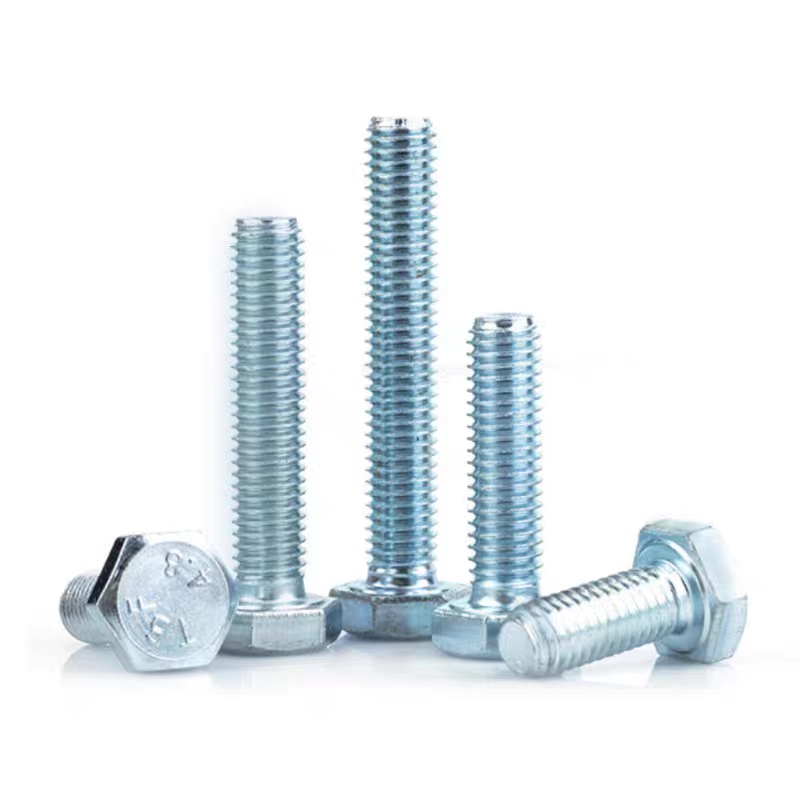
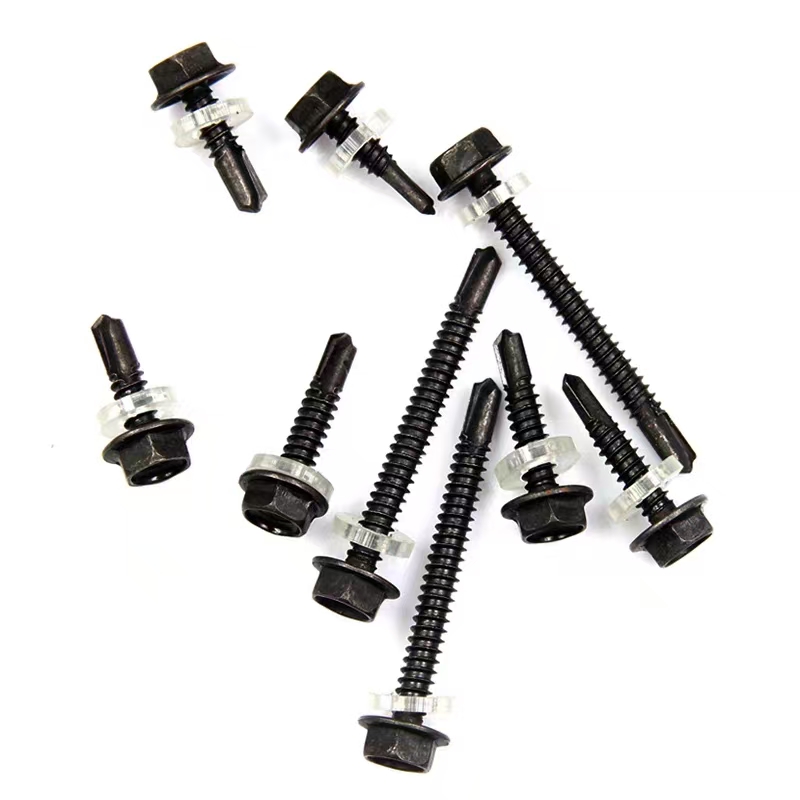
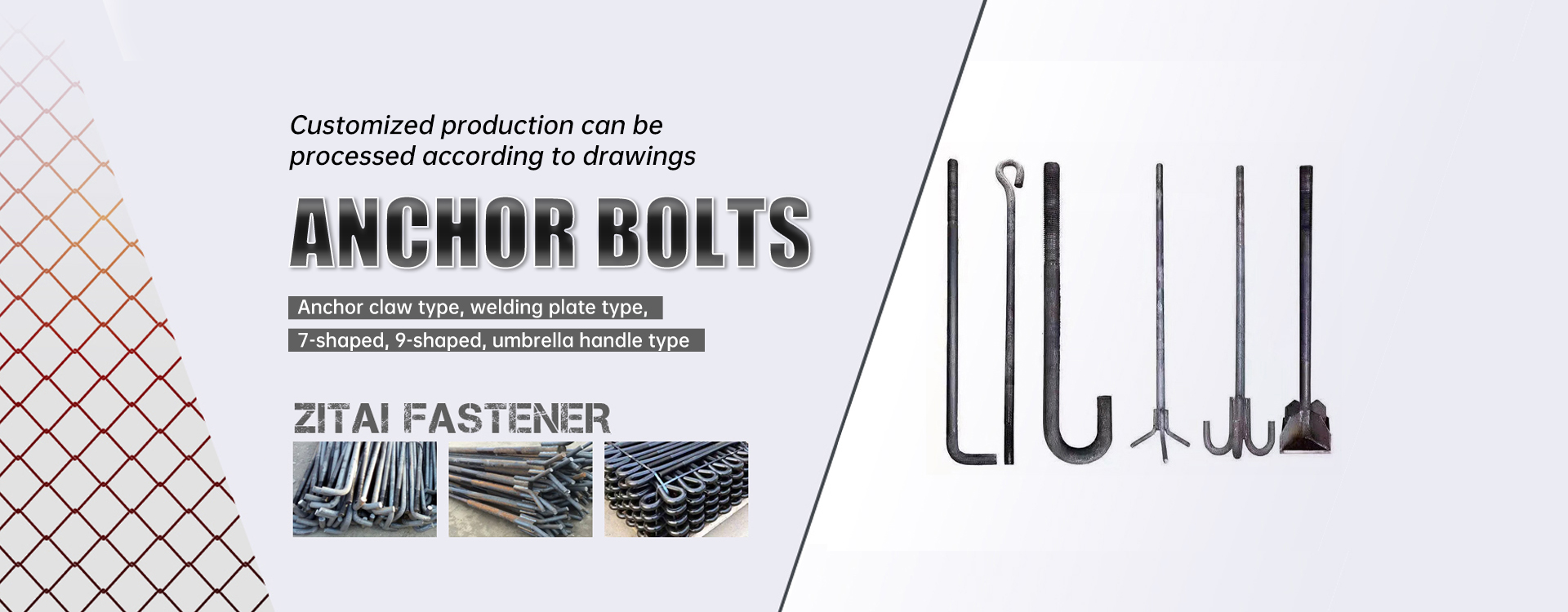
Pangalusna jual produk
Produk laris pangsaéna-
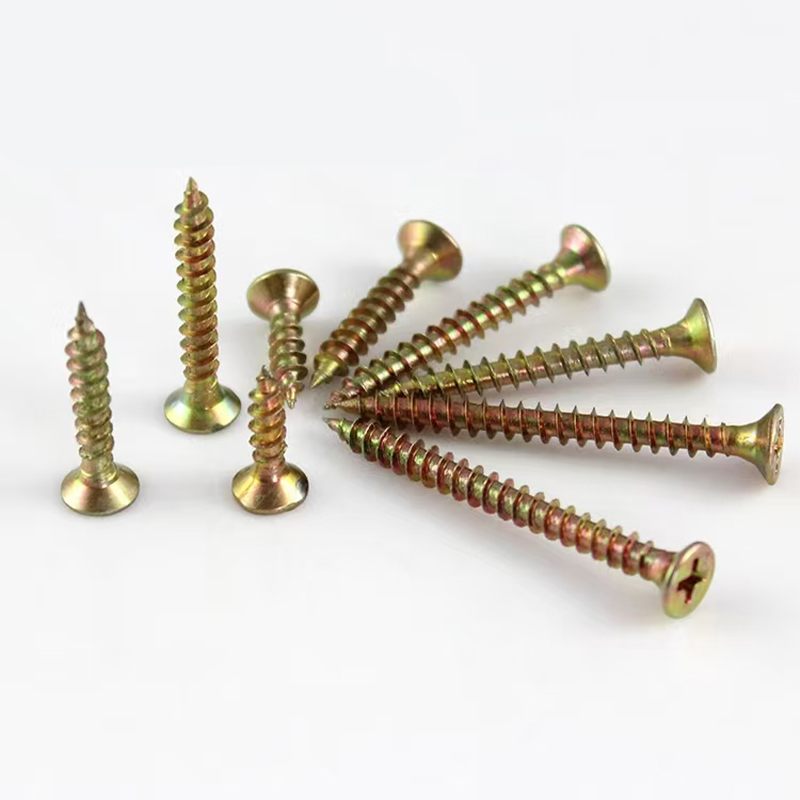 Berwarna séng-plated cross countersunk benang bor
 -
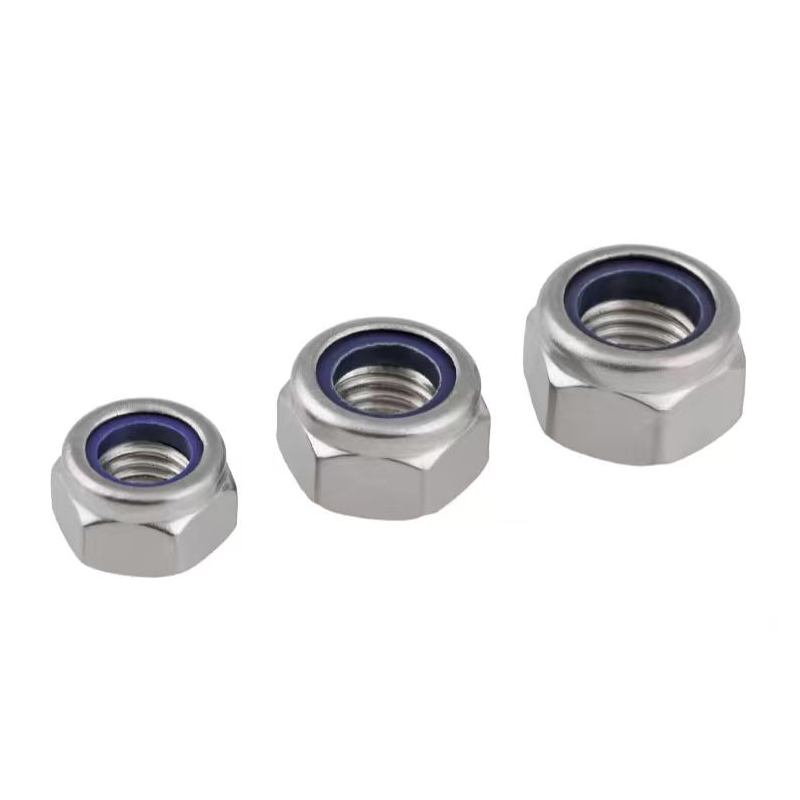 Kacang anti-loosening (kacang konci)
 -
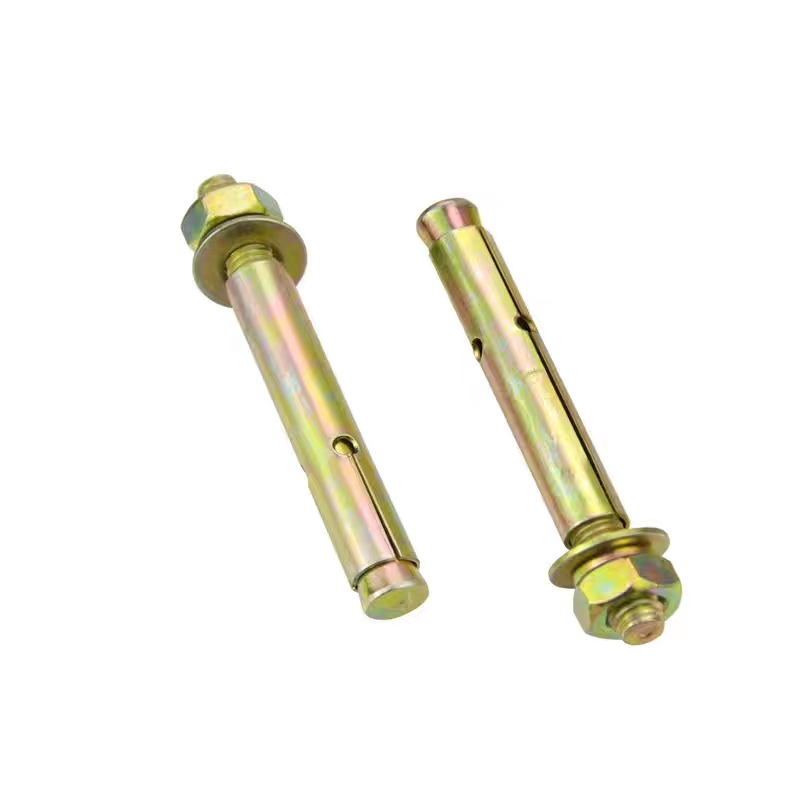 Berwarna séng-plated bolts ékspansi
 -
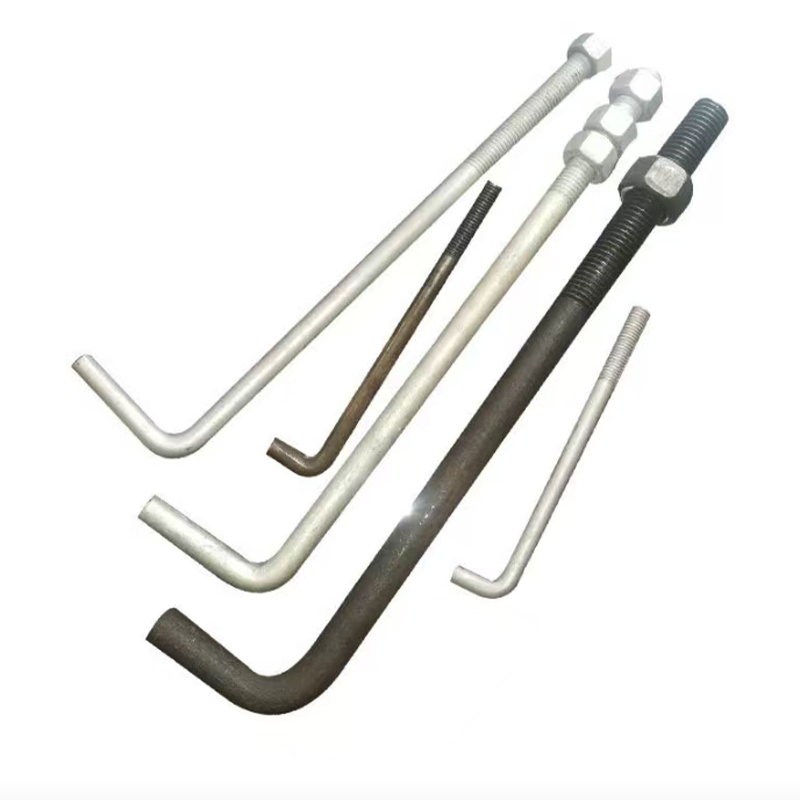 Jangkar 7 bentuk (baut jangkar 7 bentuk)
 -
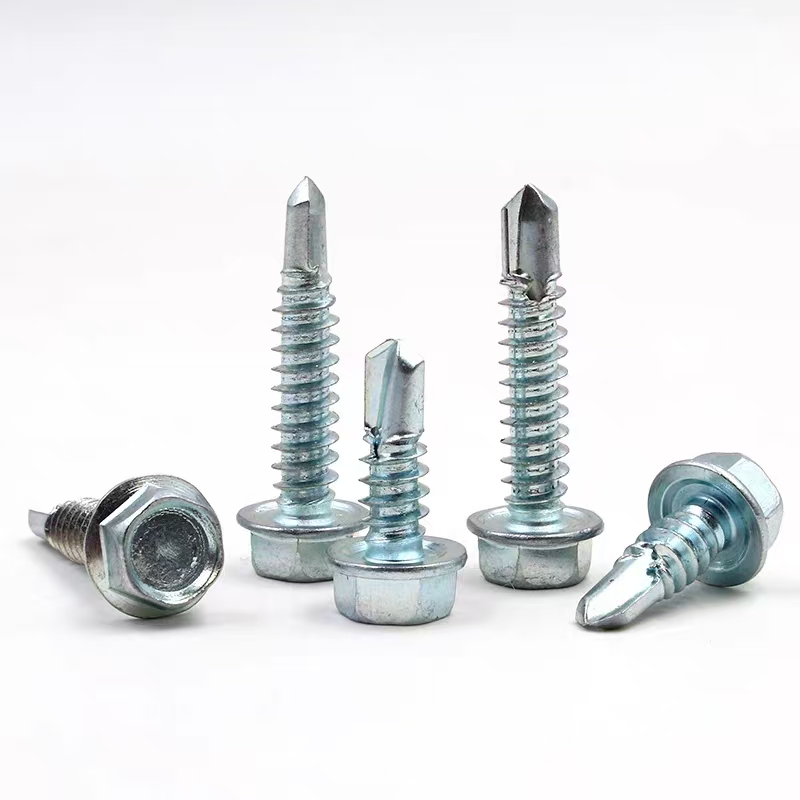 Utas bor héksagonal éléktro-galvanis
 -
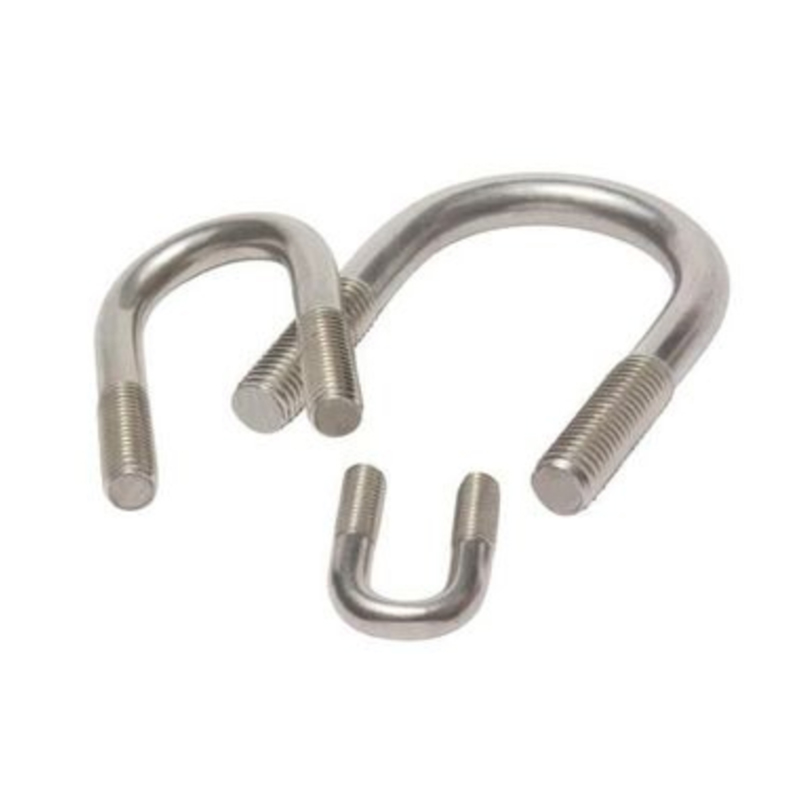 U-bolts
 -
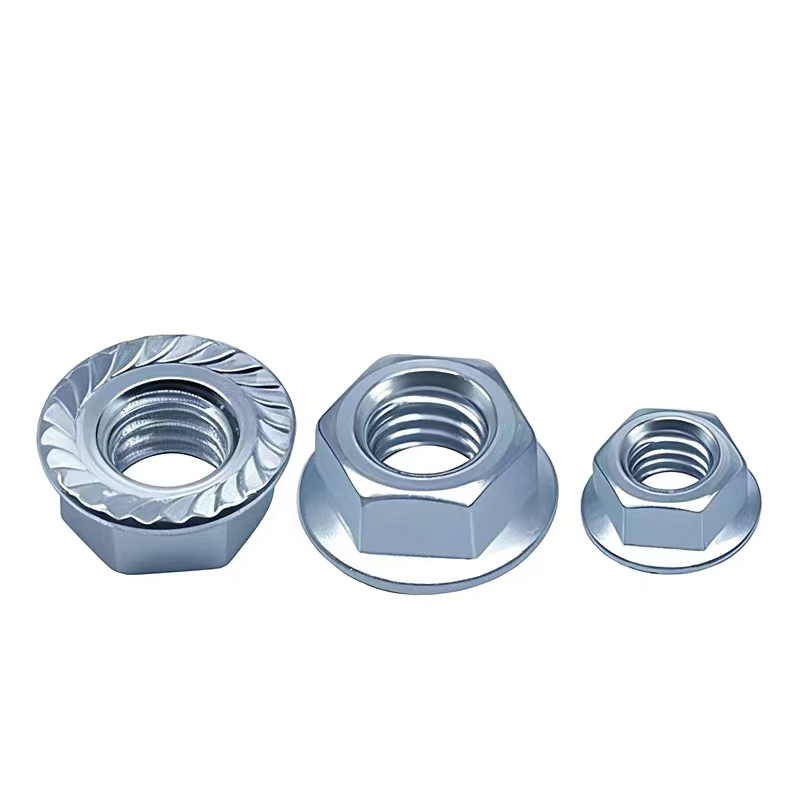 Electroplated galvanized flange nut (flange face nut)
 -
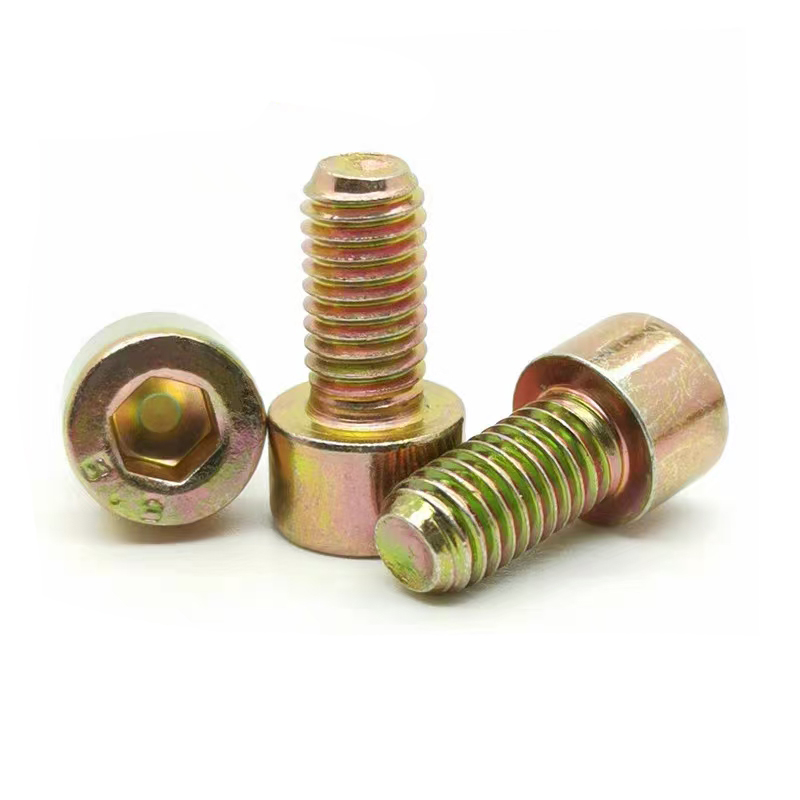 héksagonal stop kontak warna séng-plated bolts
 -
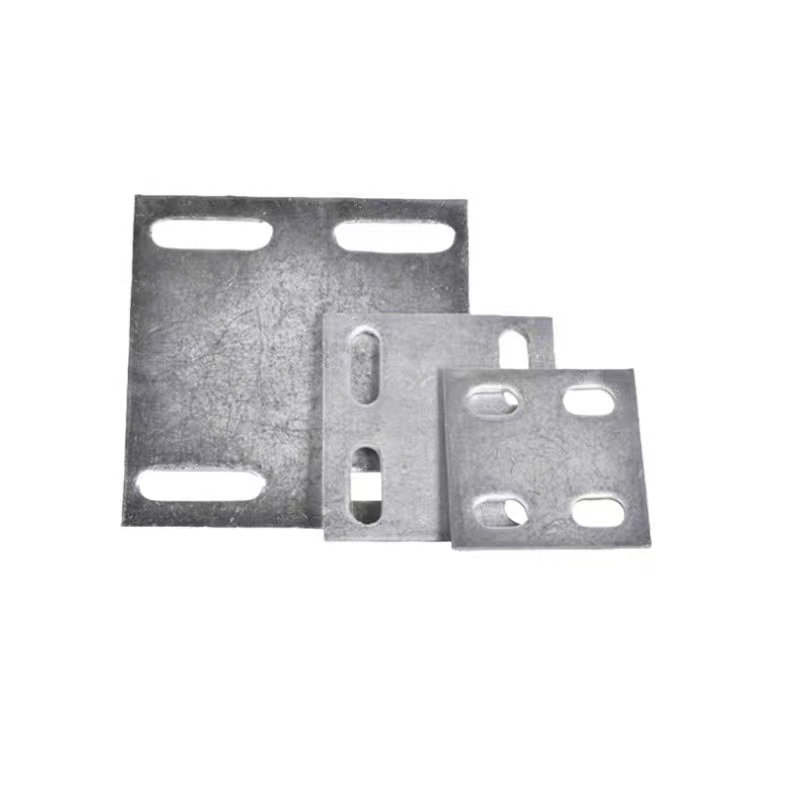 Hot-dip galvanized plat dipasang
 -
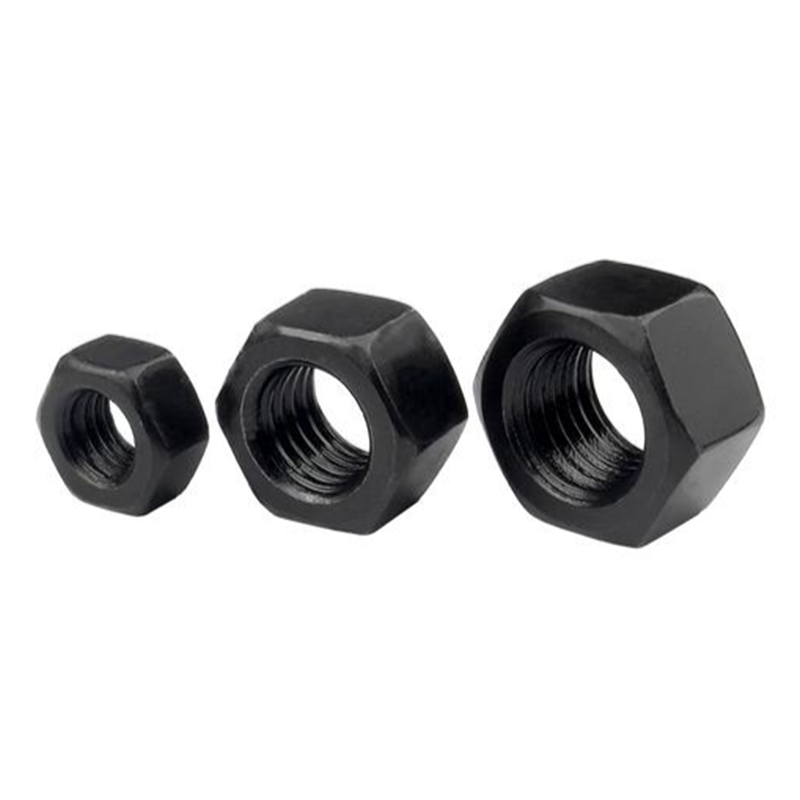 Kacang blackened kakuatan tinggi
 -
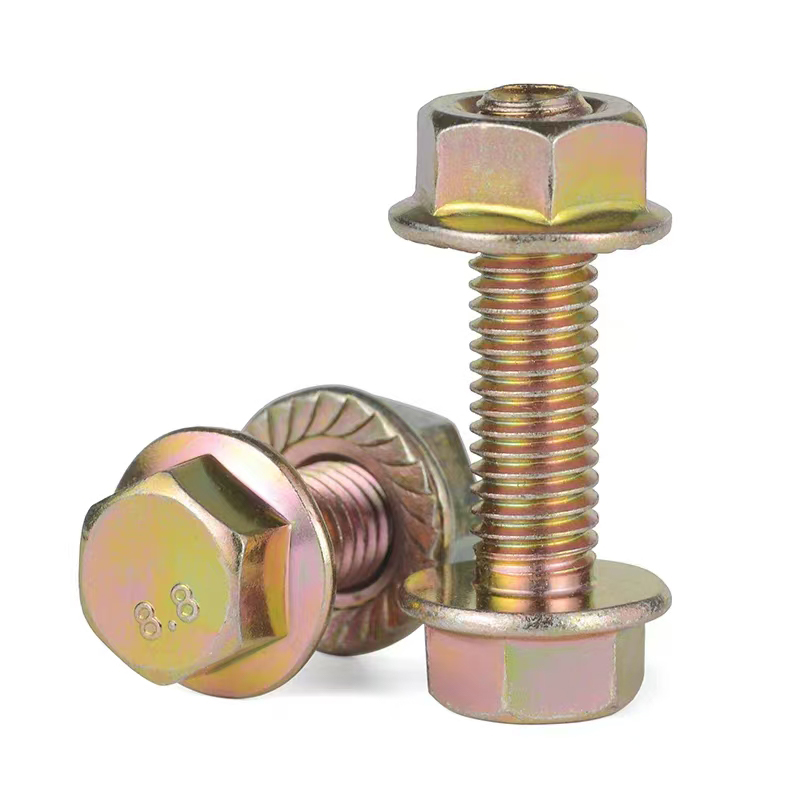 Warna séng flange bolts
 -
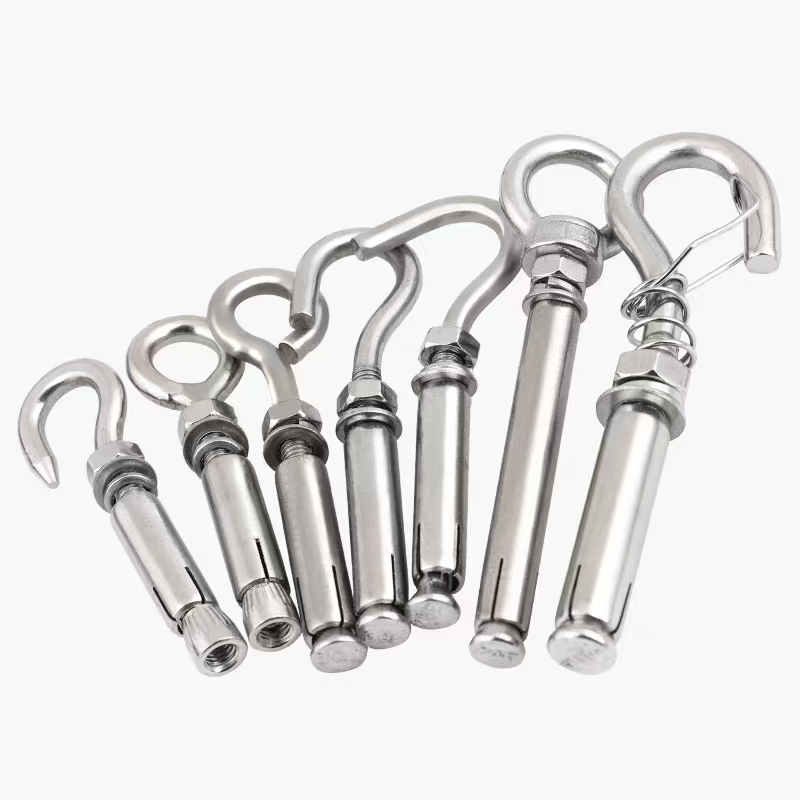 Hook ékspansi éléktro-galvanized


