
- English
- Chinese
- French
- German
- Portuguese
- Spanish
- Russian
- Japanese
- Korean
- Arabic
- Irish
- Greek
- Turkish
- Italian
- Danish
- Romanian
- Indonesian
- Czech
- Afrikaans
- Swedish
- Polish
- Basque
- Catalan
- Esperanto
- Hindi
- Lao
- Albanian
- Amharic
- Armenian
- Azerbaijani
- Belarusian
- Bengali
- Bosnian
- Bulgarian
- Cebuano
- Chichewa
- Corsican
- Croatian
- Dutch
- Estonian
- Filipino
- Finnish
- Frisian
- Galician
- Georgian
- Gujarati
- Haitian
- Hausa
- Hawaiian
- Hebrew
- Hmong
- Hungarian
- Icelandic
- Igbo
- Javanese
- Kannada
- Kazakh
- Khmer
- Kurdish
- Kyrgyz
- Latin
- Latvian
- Lithuanian
- Luxembou..
- Macedonian
- Malagasy
- Malay
- Malayalam
- Maltese
- Maori
- Marathi
- Mongolian
- Burmese
- Nepali
- Norwegian
- Pashto
- Persian
- Punjabi
- Serbian
- Sesotho
- Sinhala
- Slovak
- Slovenian
- Somali
- Samoan
- Scots Gaelic
- Shona
- Sindhi
- Swahili
- Tajik
- Tamil
- Telugu
- Thai
- Ukrainian
- Urdu
- Uzbek
- Vietnamese
- Welsh
- Xhosa
- Yiddish
- Yoruba
- Zulu
- Kinyarwanda
- Tatar
- Oriya
- Turkmen
- Uyghur


grosir bahan gasket
Ngartos Bahan Gasket Grosir: Wawasan Praktis
Di dunya manufaktur, khususna dina séktor anu ngalibetkeun mesin sareng konstruksi, grosir bahan gasket muterkeun hiji peran pivotal. Tina komponén sealing dina mesin otomotif dugi ka alat-alat dina pabrik industri, milih bahan anu leres tiasa mangaruhan efisiensi sareng kaamanan.
Dasar Bahan Gasket
Hayu urang mimitian ku dasar. Gaskets dirancang pikeun ngeusian rohangan antara dua atawa leuwih surfaces jalangan, umumna pikeun nyegah leakage tina atawa kana objék ngagabung bari dina komprési. Pilihan bahan gasket penting, sabab kedah tahan kaayaan operasional anu bakal disanghareupan. Pikirkeun suhu, tekanan, sareng paparan kimiawi.
A misstep umum anu kuring tingali nyaéta anggapan yén sadaya bahan gasket tiasa ditukeurkeun. Dina prakna, ieu teu bisa jauh ti kanyataan. Sipat bahan sapertos karét, gabus, atanapi logam masing-masing masihan kaunggulan sareng watesan khusus.
Karét, contona, fleksibel sareng nawiskeun segel anu saé dina lingkungan tekanan rendah. Kuring geus katempo eta dipaké sacara éksténsif dina aplikasi dimana imperfections minor perlu akomodatif. Sanajan kitu, dina skenario suhu luhur, gasket logam bisa jadi pikaresep.
Pertimbangan Bahan dina Milih Gaskets
Hiji aspék kritis pikeun nginget nyaéta kasaimbangan antara biaya sareng fungsionalitas. Dina pangalaman kuring, éta penting pikeun nolak pangjurung pikeun motong sudut murni dumasar kana harga. Bahan anu langkung mirah sigana mimitina pikaresepeun tapi tiasa nyababkeun panggantian anu langkung sering atanapi malah gagal.
Pertimbangkeun conto tina pabrik anu kuring damel sababaraha taun ka pengker. Aranjeunna opted pikeun gasket elastomeric ramah-anggaran dina alat ngolah minyak maranéhanana. Dina sababaraha bulan, gaskets mimiti nguraikeun gancang alatan panas sarta paparan kimiawi, ngarah kana downtime ongkosna mahal.
Sabalikna, investasi upfront luhur dina gasket serat dikomprés mayar dividends alatan daya tahan na. Pangalaman ieu mangrupikeun bukti pentingna pilihan bahan anu bijaksana.
Peran Standar Industri
Lapisan pajeulitna anu sanés nyaéta kabutuhan pikeun sasuai sareng standar industri, anu sering dianggap salaku hoops birokrasi tinimbang pedoman anu mangpaat. Tapi standar mastikeun kasalametan sareng reliabilitas. Tina pompa bahan bakar dugi ka klep tekanan tinggi, nyumponan peraturan ieu sanés ngan ukur kotak centang — éta mangrupikeun kabutuhan.
Nalika damel sareng Handan Zitai Fastener Manufacturing Co., Ltd., beroperasi di Distrik Yongnian Hebei, kuring perhatikeun pendekatan strategisna pikeun patuh kana standar sapertos kitu, ngamangpaatkeun lokasina-deukeut kana rute transit anu penting-pikeun nyegerkeun logistik, ku kituna mastikeun pangiriman tepat waktu tanpa kompromi kualitas.
Deukeutna ka Beijing-Guangzhou Railway sareng Jalan Raya Nasional 107 negeskeun kumaha pertimbangan logistik dikaitkeun sareng pilihan manufaktur sareng bahan. Ieu sanés ngan ukur kaputusan anu dilakukeun nyalira.
Teuleum Jero kana Bahan Spésifik
Pindah ka jenis husus, unggal bahan brings ciri unik kana tabél. Salaku conto, dina lingkungan kimia anu parah, PTFE (Polytetrafluoroethylene) sering dianggo kusabab sifatna henteu réaktif.
Dina hiji titik, urang dievaluasi PTFE pikeun fasilitas produksi kimiawi. Papanggihan éta jelas-éta nolak korosi anu luar biasa tapi hargana langkung luhur. Leungit, éta masihan kayakinan yén garis pabrik moal ngaleungit dina interaksi kimiawi agrésif. Kaputusan ieu sanés ngan ukur ngeunaan ayeuna tapi bentang pangropéa anu tiasa diramalkeun.
Dina konstrain jeung anggaran kawates, sanajan, alternatif kawas Nitrile Rubber muncul remen dibere minyak maranéhanana sarta lalawanan suhu, sanajan kalawan kirang durability sakuliah dewan.
Sourcing strategis sarta Partnerships
Tungtungna, éta penting pikeun ngabahas sourcing jeung partnerships. Kantun nempatkeun, partnerships katuhu bisa transformasi efisiensi operasional jeung reliabilitas. Handan Zitai Fastener Manufacturing Co., Ltd., contona, ngamangpaatkeun kaunggulan lokasina, ngagedékeun distribusi panyambung standar luhur di Cina.
Gawe sareng grosir di daérah sapertos kitu nawiskeun kauntungan ganda. Kahiji, aya jaminan kualitas, dirojong ku adherence maranéhanana kana standar rigorous. Kadua, sisi logistik-lokasina nawiskeun kaunggulan anu béda dina waktos pangiriman sareng éféktivitas biaya.
Tungtungna, éta ngeunaan ngahijikeun sadaya faktor ieu. Ngan lajeng urang bener nangkep complexities disumputkeun na pitfalls poténsial dina penanganan grosir bahan gasket. Éta langkung seni tibatan sains, ngabutuhkeun pendekatan anu bernuansa naon anu sigana janten pilihan anu lugas.
Patali produk
produk patali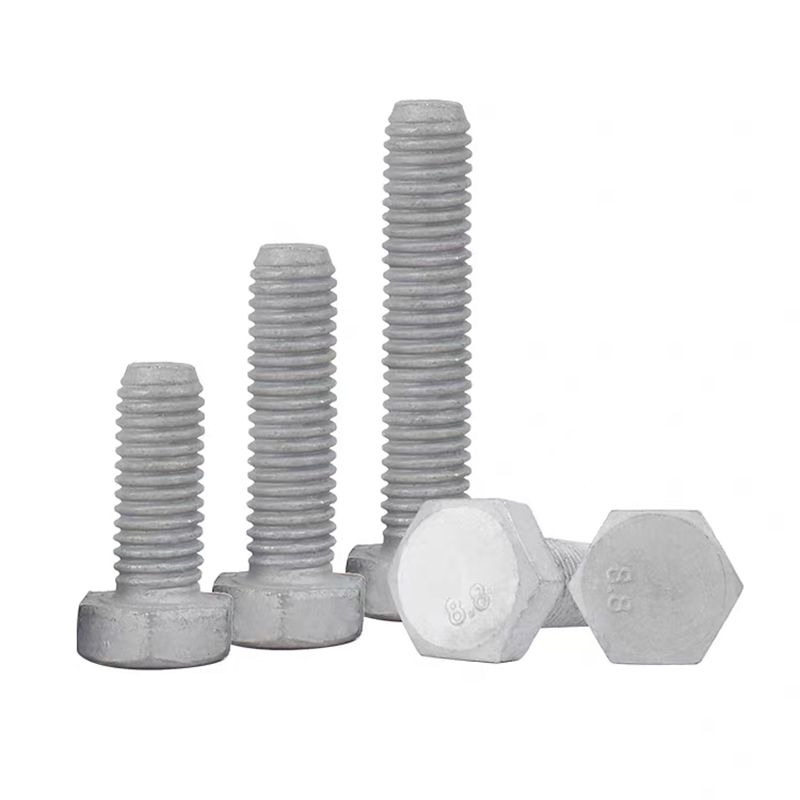
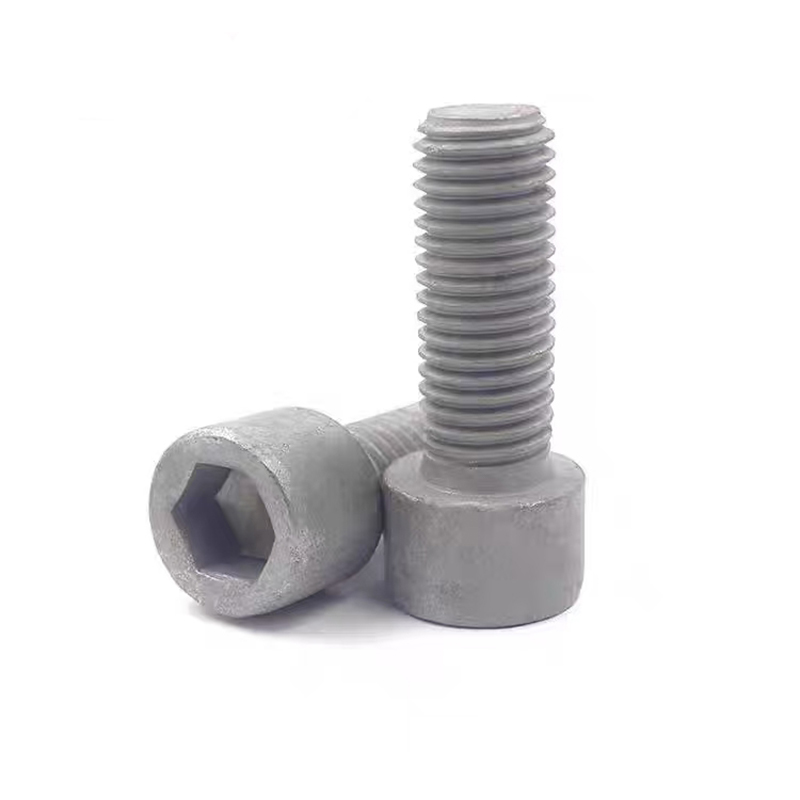
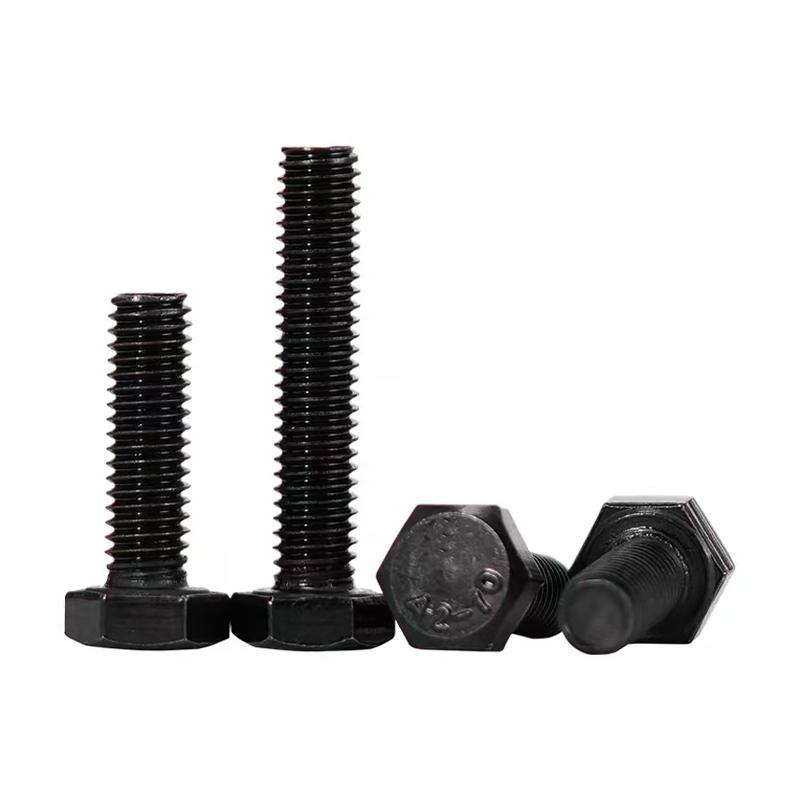
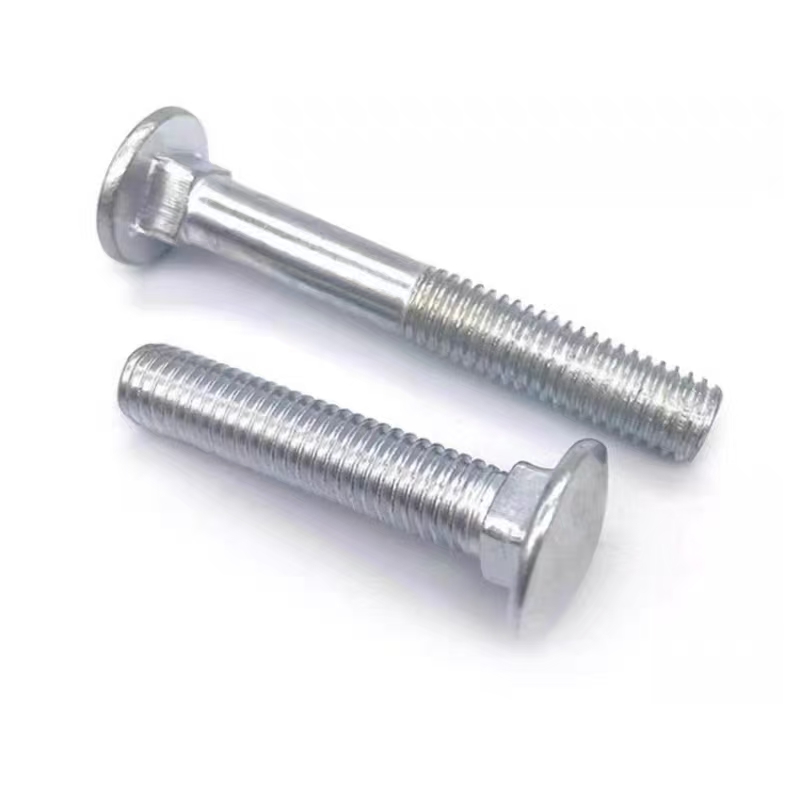
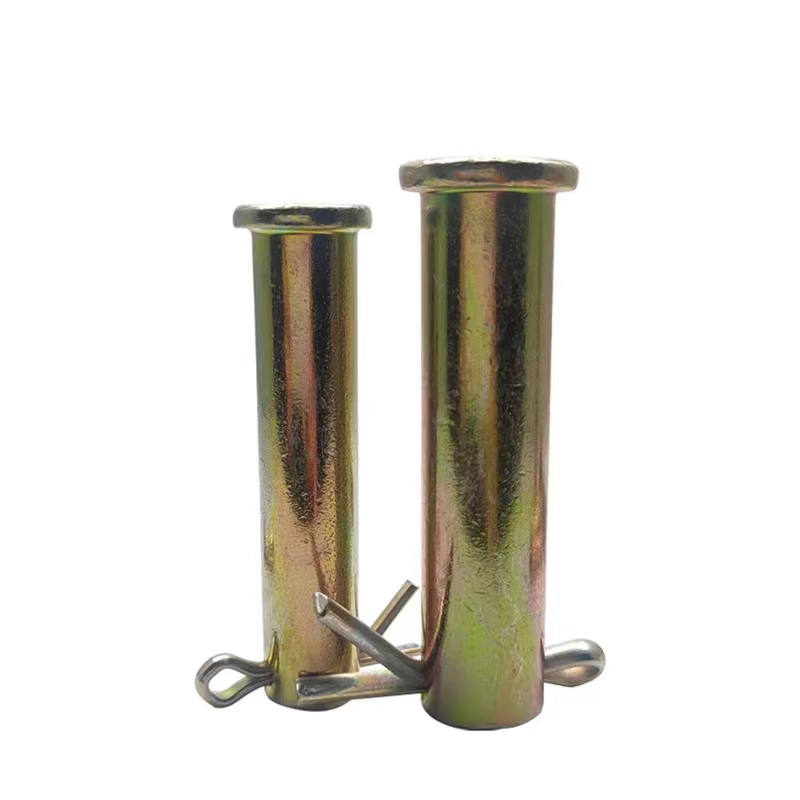
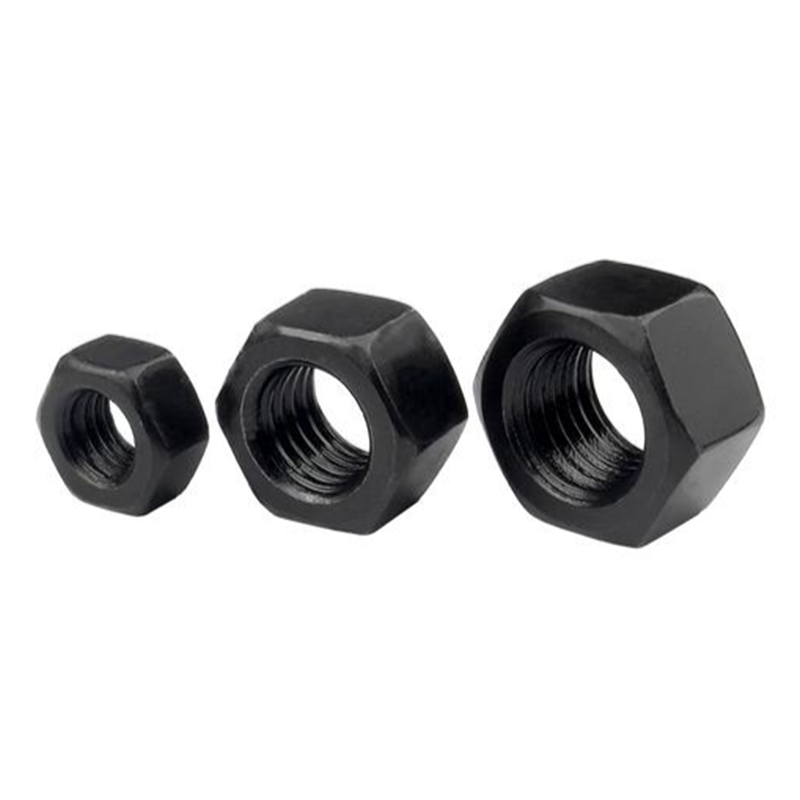
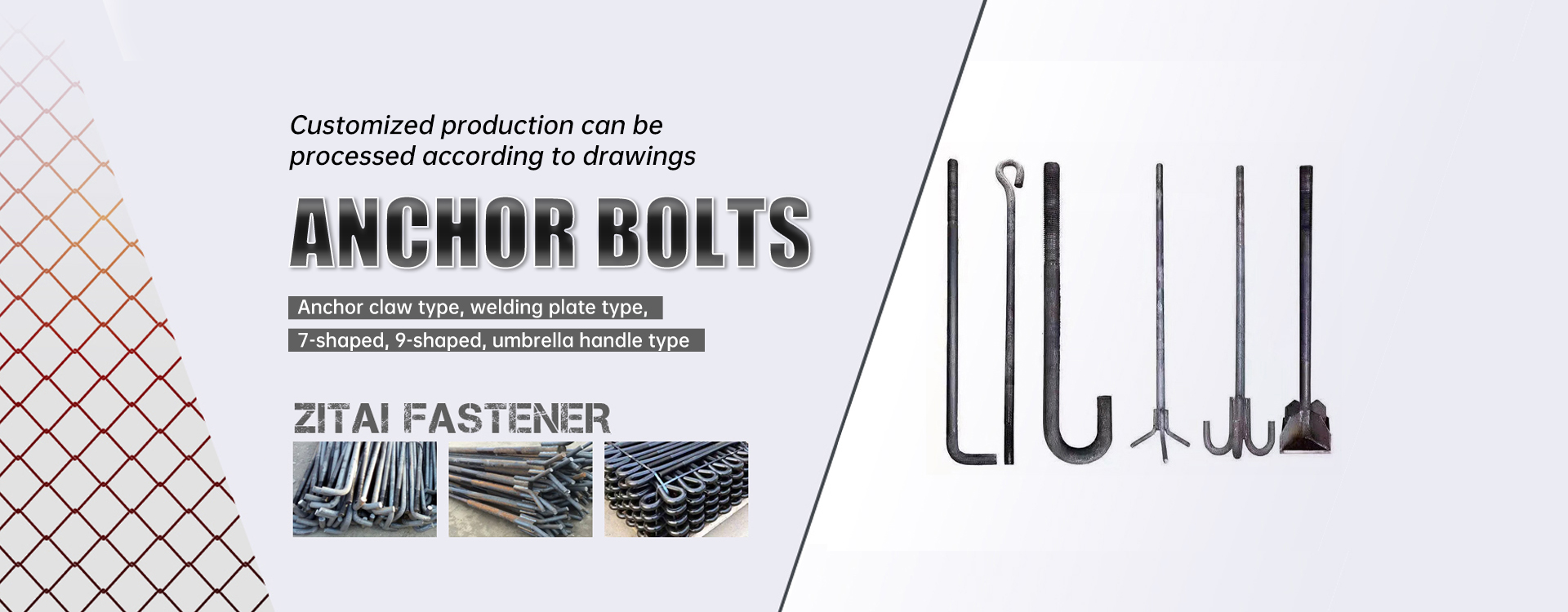
Pangalusna jual produk
Produk laris pangsaéna-
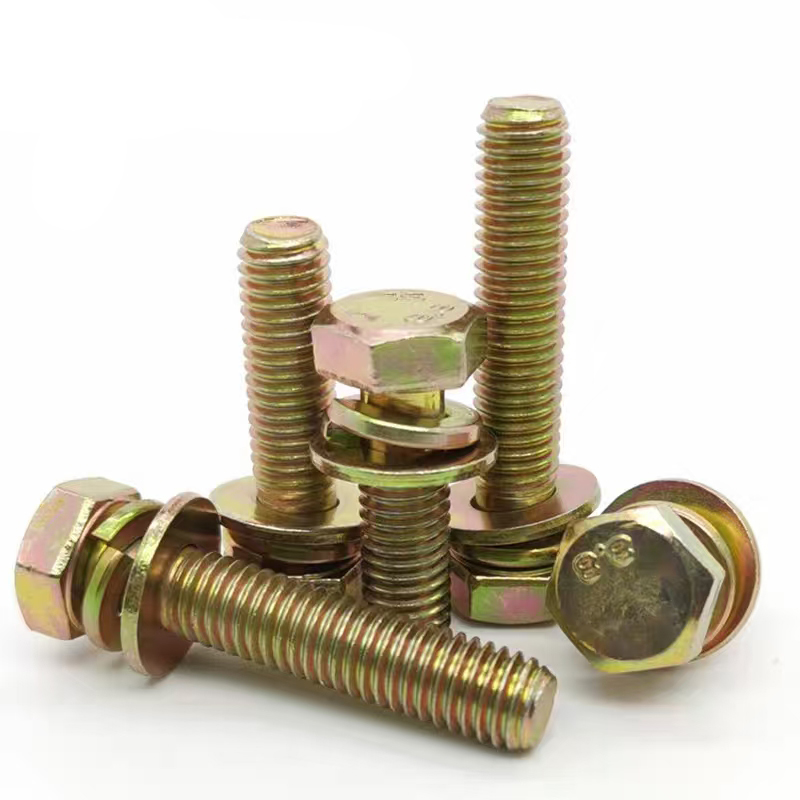 Berwarna séng plated baud héksagonal
 -
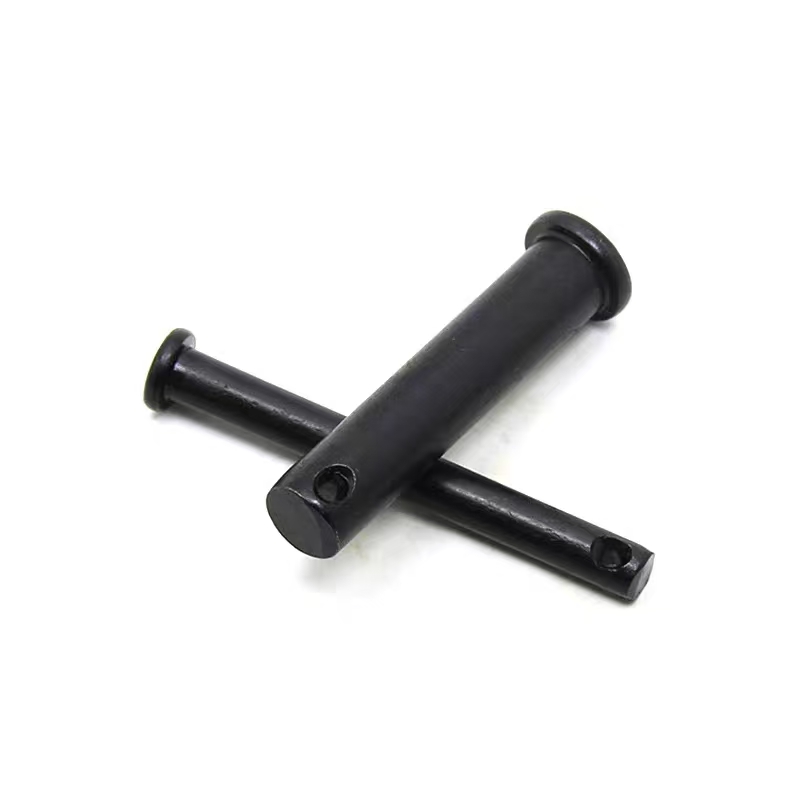 Hideung séng plated pin aci
 -
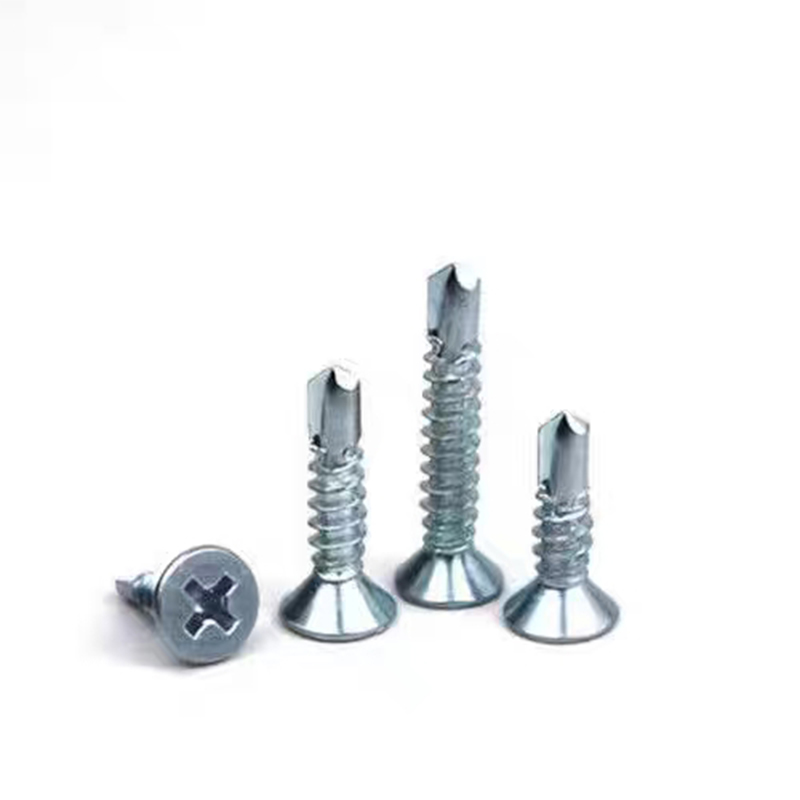 Electrogalvanized cross countersunk bor thread
 -
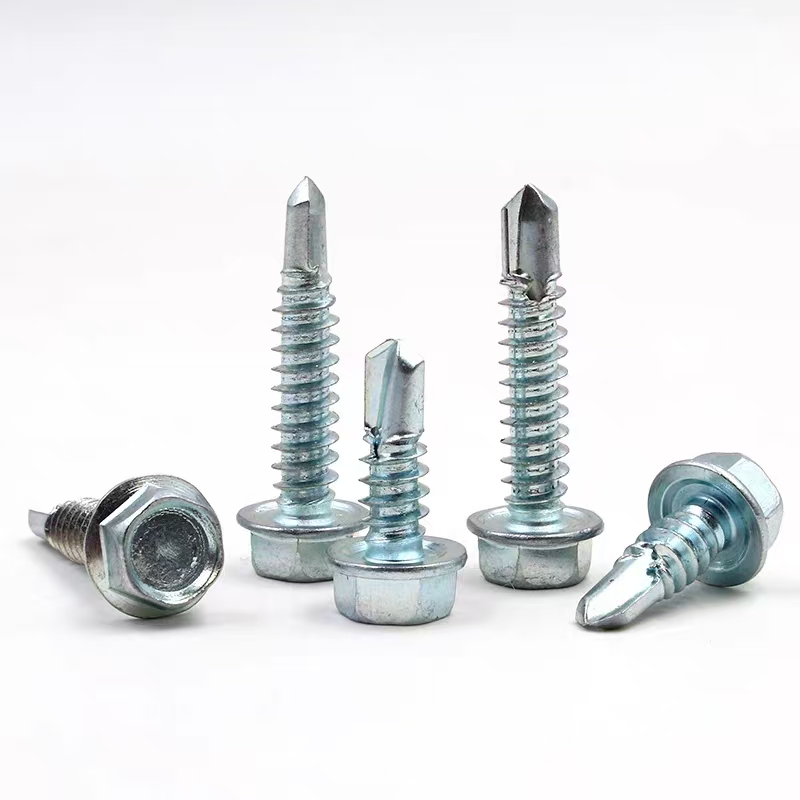 Utas bor héksagonal éléktro-galvanis
 -
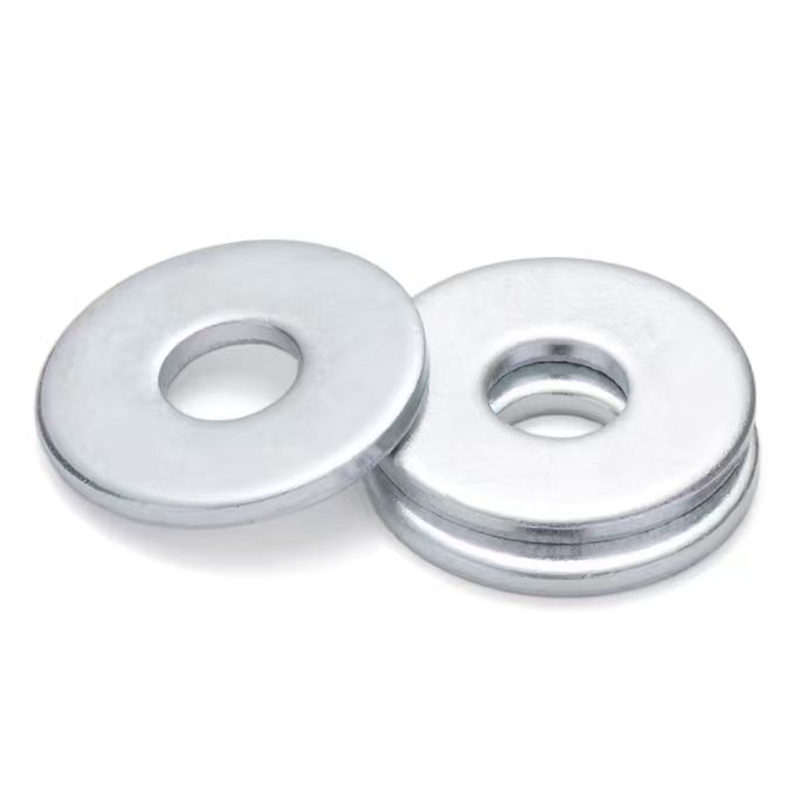 Electroplated galvanized gaskets
 -
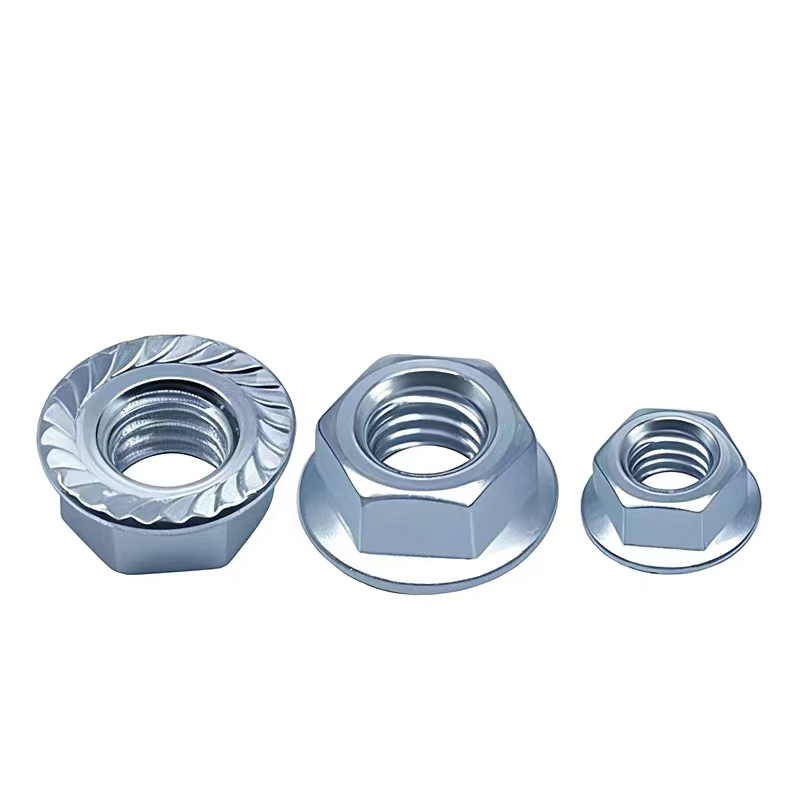 Electroplated galvanized flange nut (flange face nut)
 -
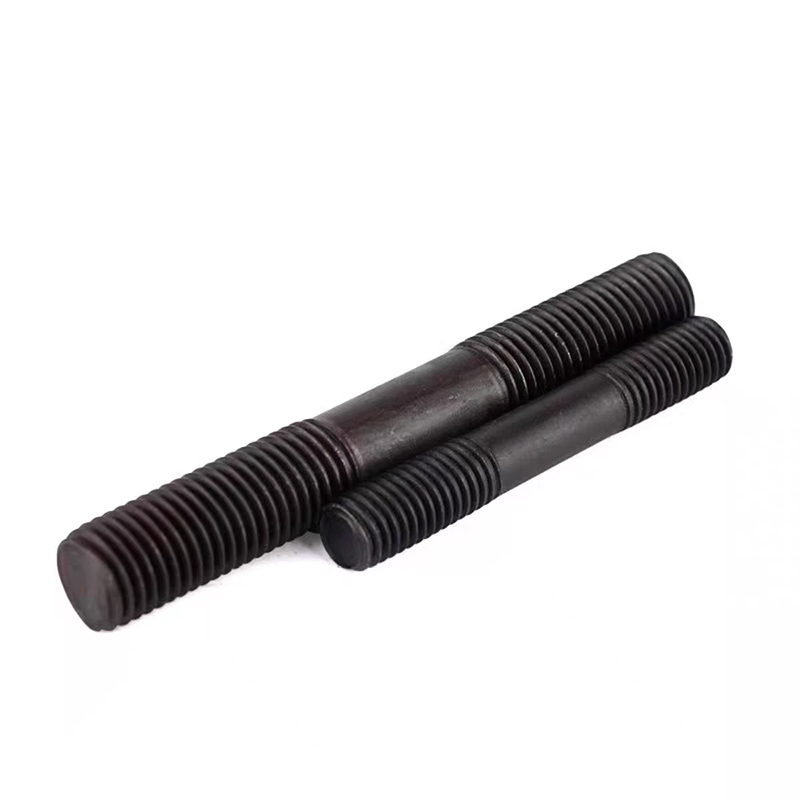 Stud baud
 -
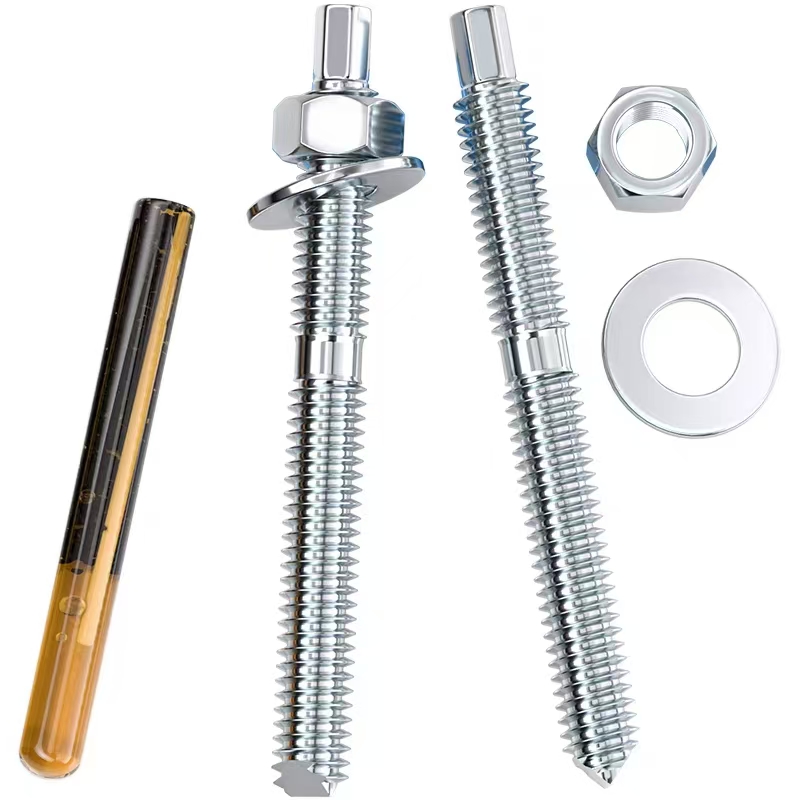 Baud kimiawi éléktrogalvani
 -
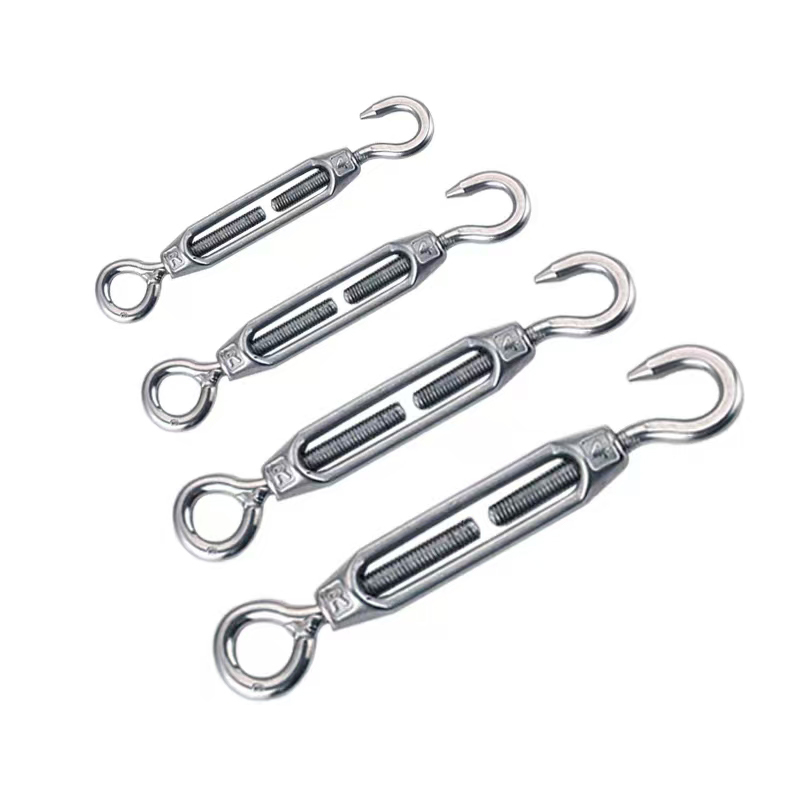 Baud karanjang
 -
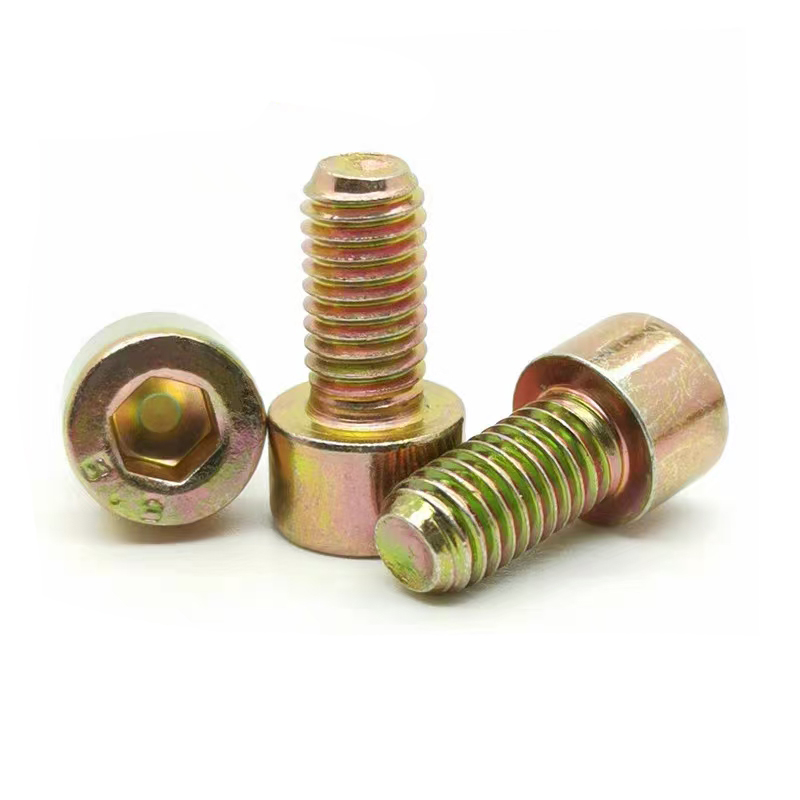 héksagonal stop kontak warna séng-plated bolts
 -
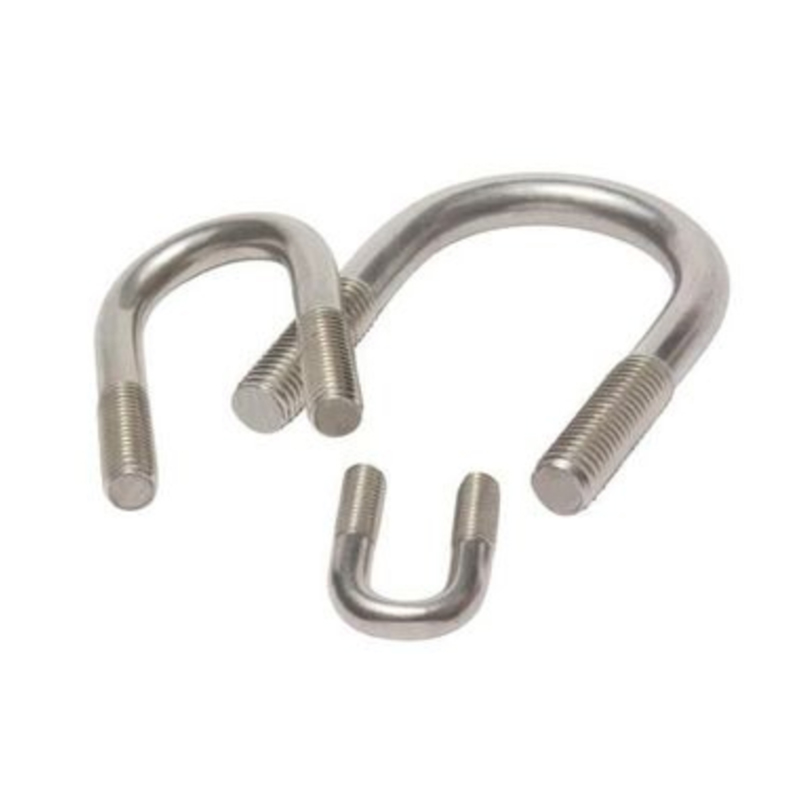 U-bolts
 -
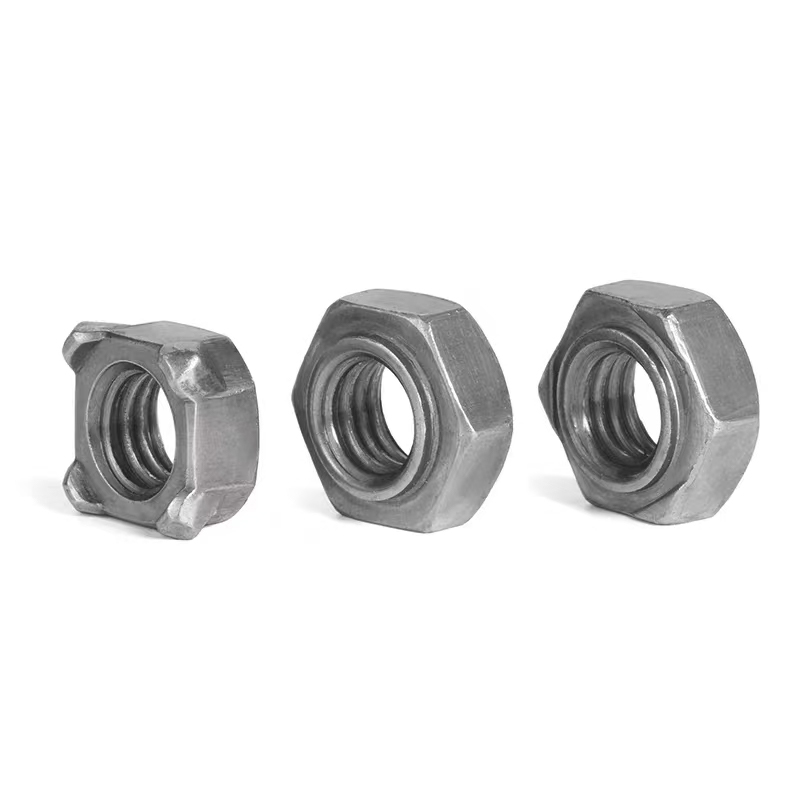 Kacang las (welding nut)


