
- English
- Chinese
- French
- German
- Portuguese
- Spanish
- Russian
- Japanese
- Korean
- Arabic
- Irish
- Greek
- Turkish
- Italian
- Danish
- Romanian
- Indonesian
- Czech
- Afrikaans
- Swedish
- Polish
- Basque
- Catalan
- Esperanto
- Hindi
- Lao
- Albanian
- Amharic
- Armenian
- Azerbaijani
- Belarusian
- Bengali
- Bosnian
- Bulgarian
- Cebuano
- Chichewa
- Corsican
- Croatian
- Dutch
- Estonian
- Filipino
- Finnish
- Frisian
- Galician
- Georgian
- Gujarati
- Haitian
- Hausa
- Hawaiian
- Hebrew
- Hmong
- Hungarian
- Icelandic
- Igbo
- Javanese
- Kannada
- Kazakh
- Khmer
- Kurdish
- Kyrgyz
- Latin
- Latvian
- Lithuanian
- Luxembou..
- Macedonian
- Malagasy
- Malay
- Malayalam
- Maltese
- Maori
- Marathi
- Mongolian
- Burmese
- Nepali
- Norwegian
- Pashto
- Persian
- Punjabi
- Serbian
- Sesotho
- Sinhala
- Slovak
- Slovenian
- Somali
- Samoan
- Scots Gaelic
- Shona
- Sindhi
- Sundanese
- Swahili
- Tajik
- Tamil
- Telugu
- Ukrainian
- Urdu
- Uzbek
- Vietnamese
- Welsh
- Xhosa
- Yiddish
- Yoruba
- Zulu
- Kinyarwanda
- Tatar
- Oriya
- Turkmen
- Uyghur

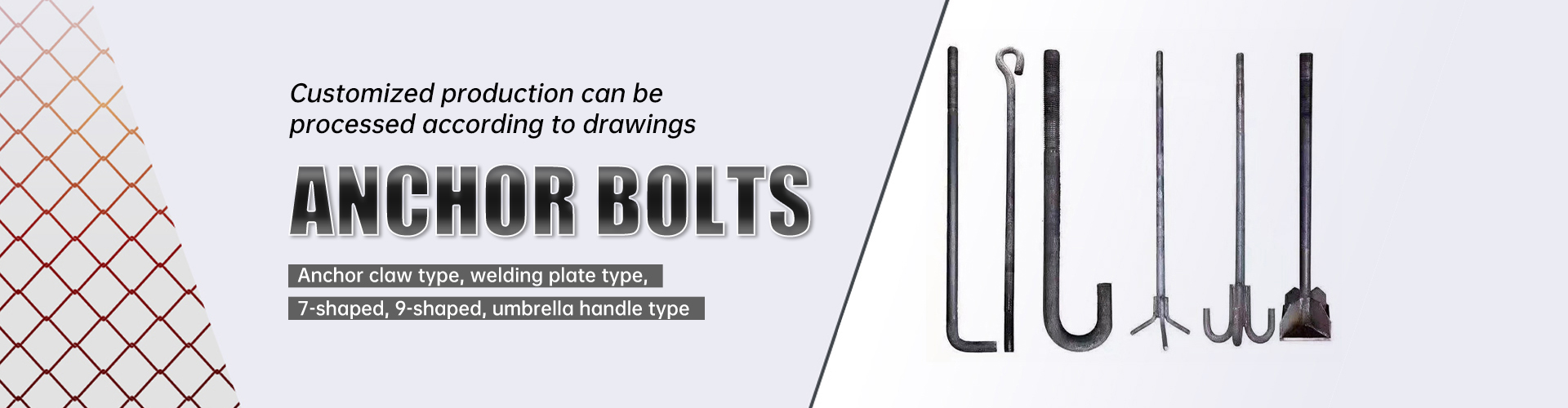
ด้ายเจาะจีน
การทำความเข้าใจหัวข้อเจาะของจีน: ข้อมูลเชิงลึกเชิงปฏิบัติ
คำว่า China Drill Thread มักปรากฏในการอภิปรายทางเทคนิค แต่อาจไม่ชัดเจนว่าเกี่ยวข้องกับอะไร สำหรับหลายๆ คนในอุตสาหกรรม สิ่งนี้ทำให้นึกถึงความแม่นยำอันพิถีพิถันซึ่งจำเป็นในการสร้างตัวยึดเกลียวที่มีประสิทธิภาพ ต่อไปนี้เป็นการเจาะลึกเนื้อหาสำคัญของหัวข้อสำคัญนี้ โดยดึงมาจากข้อมูลเชิงลึกและประสบการณ์ในโลกแห่งความเป็นจริง
องค์ประกอบและความสำคัญของหัวข้อเจาะ
ที่แกนกลาง เกลียวเจาะเป็นเรื่องเกี่ยวกับการแปลงการเคลื่อนที่แบบหมุนให้เป็นการเคลื่อนที่เชิงเส้น เหมือนกับเกลียวบนสกรู ในประเทศจีน การผลิตเส้นด้ายเหล่านี้ได้กลายเป็นอุตสาหกรรมที่สำคัญเนื่องจากมีขนาดและความก้าวหน้าทางเทคโนโลยีในภูมิภาคเช่นมณฑลเหอเป่ย แม้จะมีการเติบโต แต่ก็ยังมีความลังเลเกี่ยวกับคุณภาพและความสม่ำเสมออยู่เสมอ
อาจมีคนแย้งว่าการได้เกลียวในอุดมคตินั้นจำเป็นต้องมีความสมดุลระหว่างความแข็งแรงของวัสดุและความสามารถในการแปรรูป เมื่อฉันไปเยี่ยมชม Handan Zitai Fastener Manufacturing Co., Ltd. ซึ่งเป็นชื่อที่แพร่หลายในภาคส่วนนี้ ฉันสังเกตเห็นโดยตรงว่าพวกเขาใช้เหล็กเฉพาะทางและวิศวกรรมที่แม่นยำเพื่อรักษาสมดุลนั้น
สิ่งที่มักทำให้ลูกค้าประหลาดใจคือมีเธรดหลากหลายให้เลือก ตั้งแต่หยาบไปจนถึงละเอียด ซึ่งแต่ละเธรดมีจุดประสงค์ที่แตกต่างกัน การทำความเข้าใจความแตกต่างเหล่านี้อาจหมายถึงความสำเร็จหรือความล้มเหลวของทั้งโครงการ ดังนั้นความรู้ในขอบเขตนี้จึงประเมินค่าไม่ได้
ความท้าทายในการผลิตเกลียวสว่าน
การผลิตเกลียวเจาะในปริมาณมากนำมาซึ่งความท้าทายในตัวเอง เนื่องจาก Handan Zitai Fastener Manufacturing Co., Ltd. ตั้งอยู่ใกล้เส้นทางคมนาคมสำคัญ จึงมีความได้เปรียบในด้านประสิทธิภาพด้านลอจิสติกส์ อย่างไรก็ตาม ยังมีอะไรที่ต้องโต้แย้งมากกว่าแค่สถานที่
การควบคุมคุณภาพถือเป็นอุปสรรคสำคัญอย่างหนึ่ง การเบี่ยงเบนเล็กน้อยของระยะพิตช์เกลียวหรือเส้นผ่านศูนย์กลางอาจนำไปสู่ผลลัพธ์ที่เลวร้ายในการใช้งาน ที่ Zitai มีการใช้วิธีการทดสอบที่เข้มงวดเพื่อให้แน่ใจว่าแต่ละชิ้นเป็นไปตามมาตรฐานที่เข้มงวด ซึ่งเป็นสิ่งที่ฉันพบว่าน่าประทับใจเป็นพิเศษระหว่างการเยี่ยมชม
ปัจจัยด้านสิ่งแวดล้อมก็มีบทบาทเช่นกัน ความใกล้ชิดกับศูนย์กลางอุตสาหกรรมอาจทำให้เกิดความไม่สอดคล้องกันในด้านคุณภาพวัตถุดิบ ผู้ผลิตจะต้องทดสอบและตรวจสอบคุณสมบัติของวัสดุอย่างระมัดระวังก่อนที่จะนำไปผลิต
การใช้งานและการดัดแปลงในชีวิตจริง
ประสบการณ์ที่น่าจดจำกับเกลียวเจาะเกี่ยวข้องกับโครงการที่เราต้องรักษาความปลอดภัยให้กับเครื่องจักรขนาดใหญ่ในสภาพแวดล้อมที่มีความเครียดสูง เธรดมาตรฐานไม่เหมาะกับงาน ในที่นี้ เธรดแบบกำหนดเองจาก Handan Zitai มีบทบาทสำคัญในการแสดงให้เห็นถึงความจำเป็นของการออกแบบที่แข็งแกร่งและความสามารถในการปรับตัวทางวิศวกรรม
กรณีนี้เน้นย้ำถึงความสำคัญของการมีพันธมิตรที่เชื่อถือได้ในอุตสาหกรรมตัวยึด ความแม่นยำในการออกแบบแปลโดยตรงถึงประสิทธิภาพและความคุ้มค่าภาคพื้นดิน
นอกจากนี้ ในระหว่างการเยี่ยมชมสถานที่ผลิตเป็นประจำ ฉันสามารถสังเกตเห็นว่าคำสั่งซื้อแบบกำหนดเองถูกรวมเข้ากับไปป์ไลน์การผลิตอย่างแน่นหนาได้อย่างไร ซึ่งเป็นประสิทธิภาพที่ลดเวลาในการผลิตและเพิ่มผลผลิตให้สูงสุด
นวัตกรรมในการออกแบบด้าย
นวัตกรรมเป็นกุญแจสำคัญในการก้าวนำในอุตสาหกรรมตัวยึด ในสถานที่อย่าง Handan Zitai มีการสำรวจวัสดุและเทคโนโลยีการเคลือบใหม่ๆ อย่างต่อเนื่องเพื่อเพิ่มความทนทานและประสิทธิภาพ ตัวอย่างเช่น การเคลือบสังกะสีมีความต้านทานการกัดกร่อน ซึ่งเป็นปัจจัยสำคัญสำหรับการใช้งานกลางแจ้ง
นวัตกรรมที่น่าสนใจที่ฉันพบคือการใช้เกลียวกรีดตัวเองซึ่งช่วยลดเวลาการติดตั้งโดยไม่จำเป็นต้องเจาะรูล่วงหน้า ซึ่งไม่เพียงแต่เพิ่มความเร็วในการประกอบ แต่ยังช่วยลดข้อผิดพลาดของมนุษย์ที่อาจเกิดขึ้น ทำให้เป็นที่นิยมในโครงการขนาดใหญ่
ความก้าวหน้าดังกล่าวนำเราไปสู่ยุคที่น่าตื่นเต้นที่ทุกส่วนประกอบได้รับการปรับปรุงให้เหมาะสมกับฟังก์ชันที่แน่นอน ไม่มากไม่น้อยไปกว่านั้น
มองไปข้างหน้า: อนาคตของเกลียวเจาะ
เมื่อเรามองไปสู่อนาคต ความต้องการเกลียวเจาะคุณภาพสูงก็มีแนวโน้มที่จะเพิ่มขึ้น ผู้ผลิต เช่น Handan Zitai Fastener Manufacturing Co., Ltd. ถือเป็นแนวหน้าในการปรับตัวให้เข้ากับความต้องการนี้ โดยใช้ประโยชน์จากความเชี่ยวชาญแบบดั้งเดิมและเทคโนโลยีสมัยใหม่
อย่างไรก็ตาม การเติบโตนี้มาพร้อมกับความรับผิดชอบของแนวทางปฏิบัติที่ยั่งยืน การค้นหาความสมดุลระหว่างการขยายตัวและการผลิตที่คำนึงถึงระบบนิเวศยังคงเป็นสิ่งสำคัญอันดับแรก และเป็นสิ่งที่บริษัทต่างๆ ตระหนักดี
โดยสรุป การทำความเข้าใจความแตกต่างของเกลียวเจาะไม่ได้เป็นเพียงเกี่ยวกับข้อกำหนดทางเทคนิคเท่านั้น เป็นเรื่องเกี่ยวกับการรับรู้ว่าส่วนประกอบเหล่านี้สนับสนุนสิ่งที่เราสร้างในปัจจุบันอย่างไร ด้วยพันธมิตรที่เชี่ยวชาญและนวัตกรรมที่ต่อเนื่อง อนาคตจึงดูสดใส
ที่เกี่ยวข้อง ผลิตภัณฑ์
สินค้าที่เกี่ยวข้อง
ขายดีที่สุด ผลิตภัณฑ์
สินค้าขายดี-
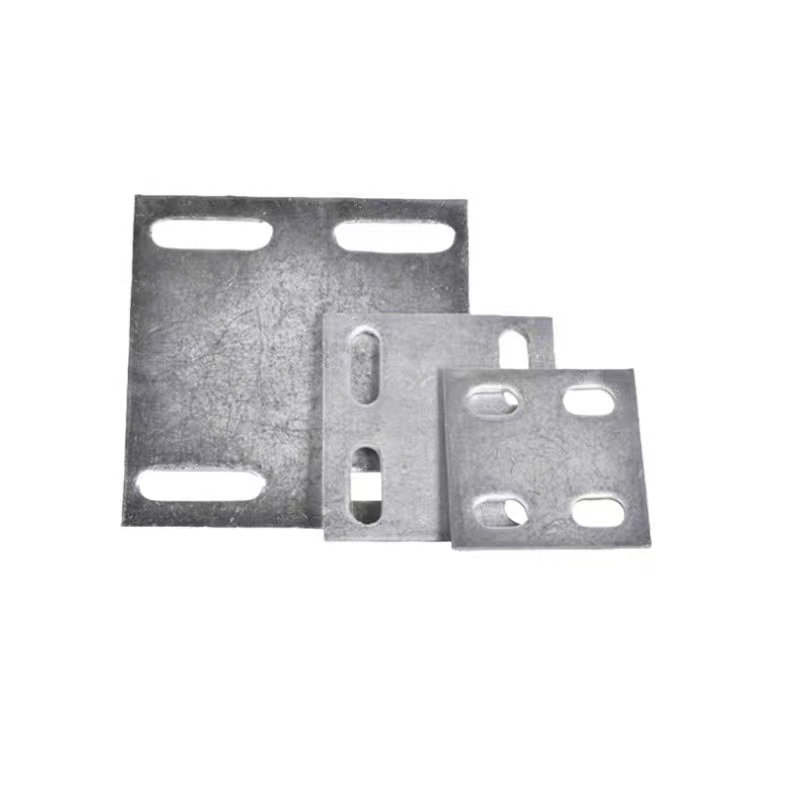 แผ่นฝังสังกะสีแบบจุ่มร้อน
 -
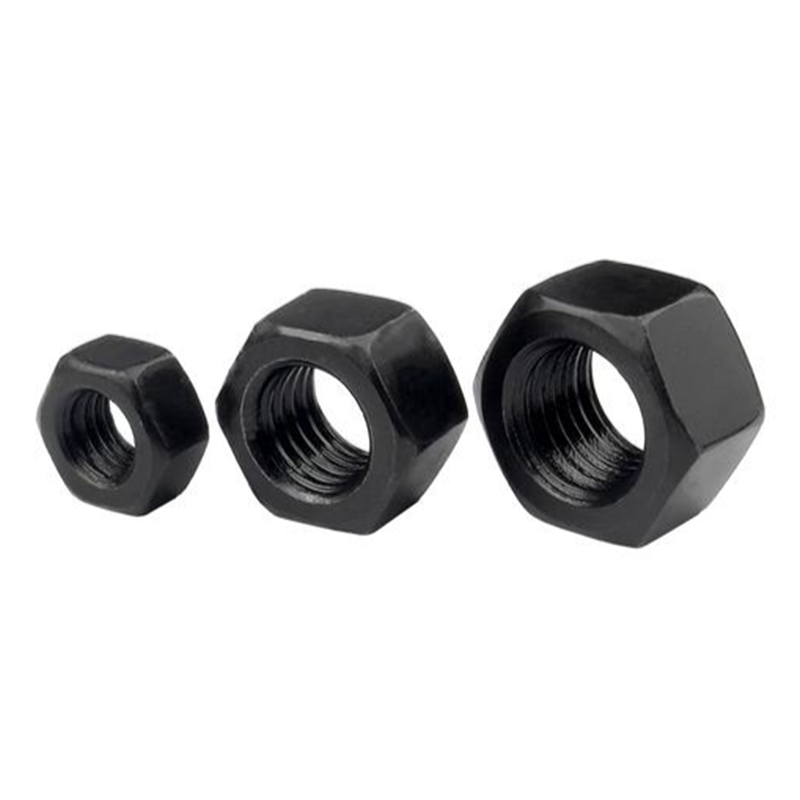
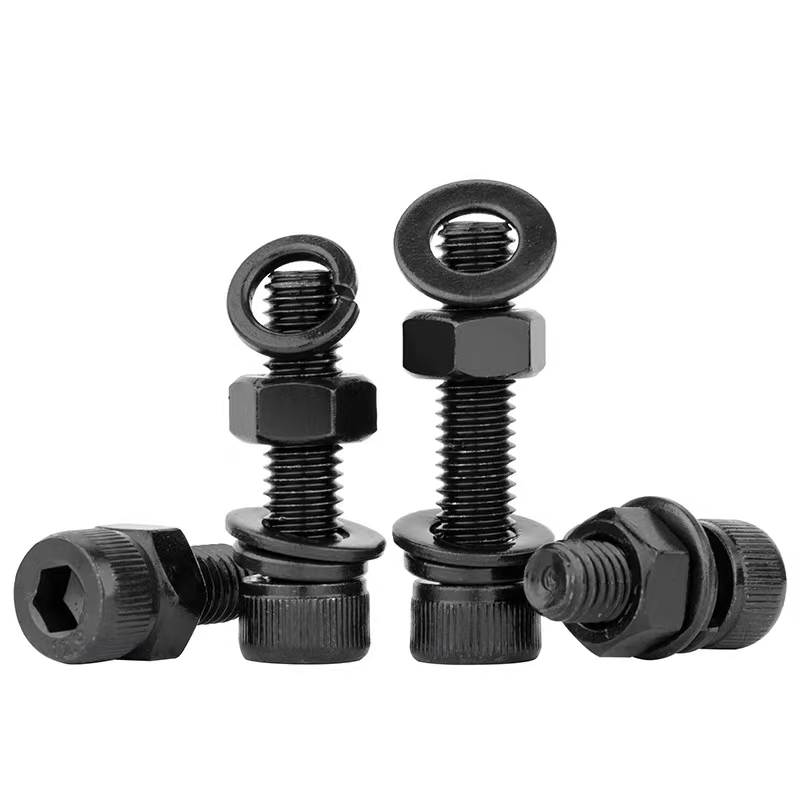 น็อตหกเหลี่ยมชุบซิงค์สีดำ
 -
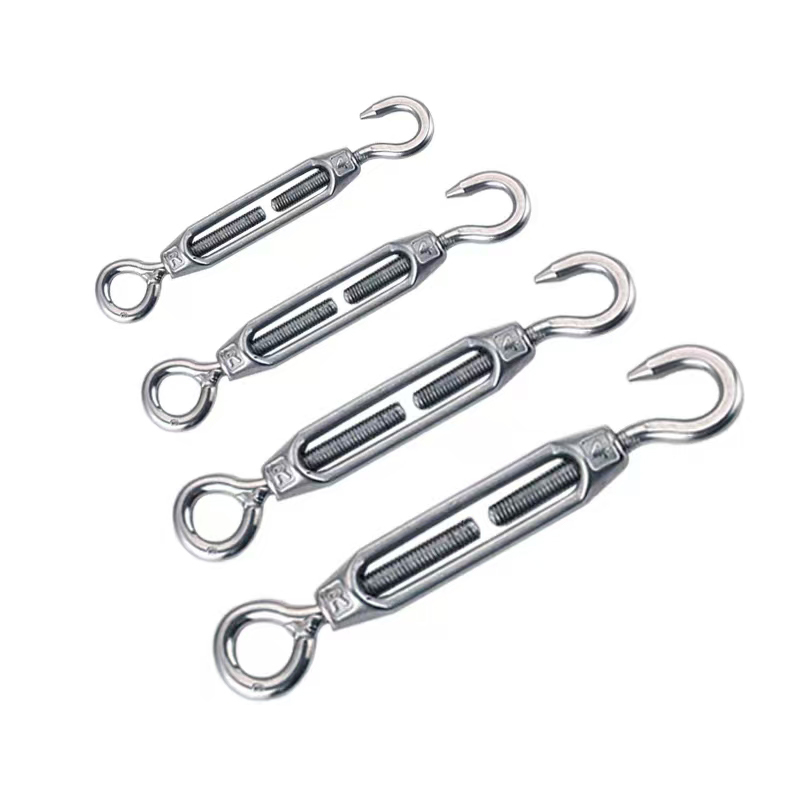 น็อตตะกร้า
 -
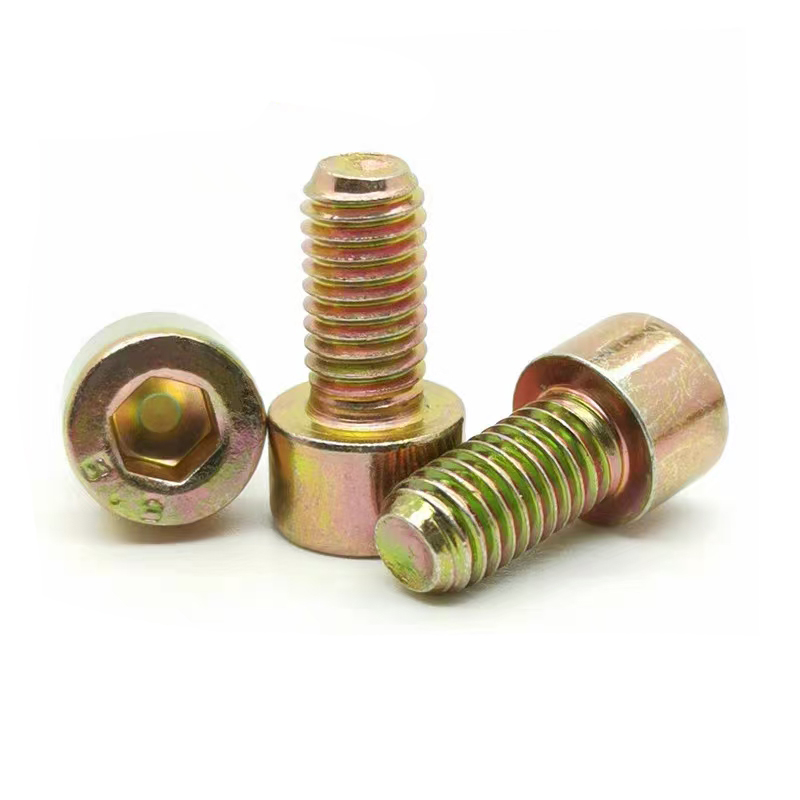 โบลท์ชุบสังกะสีสีซ็อกเก็ตหกเหลี่ยม
 -
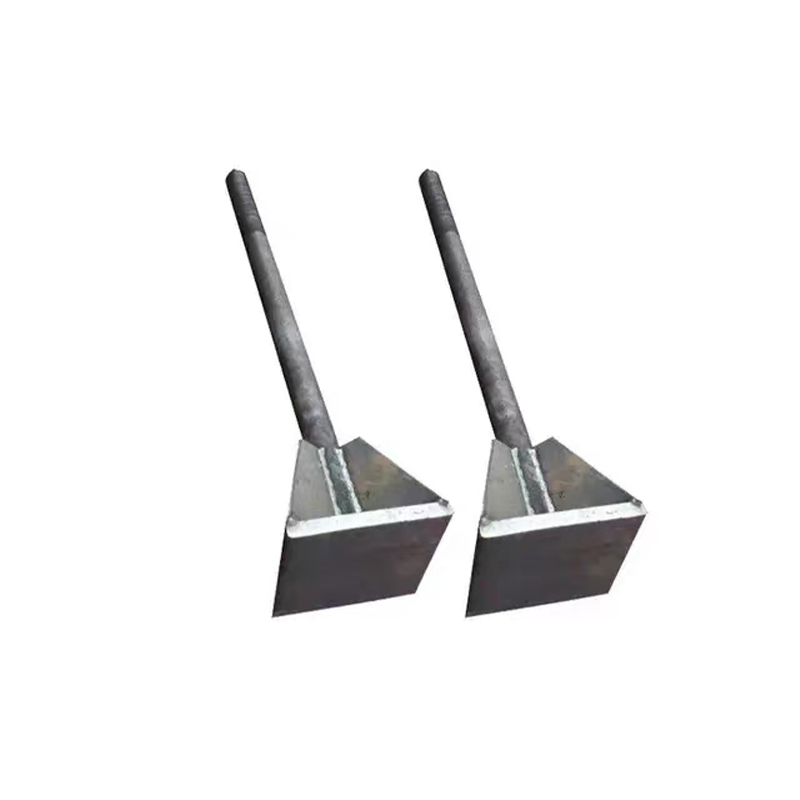 พุกเพลทแบบเชื่อม (โบลท์พุกเพลทแบบเชื่อม)
 -
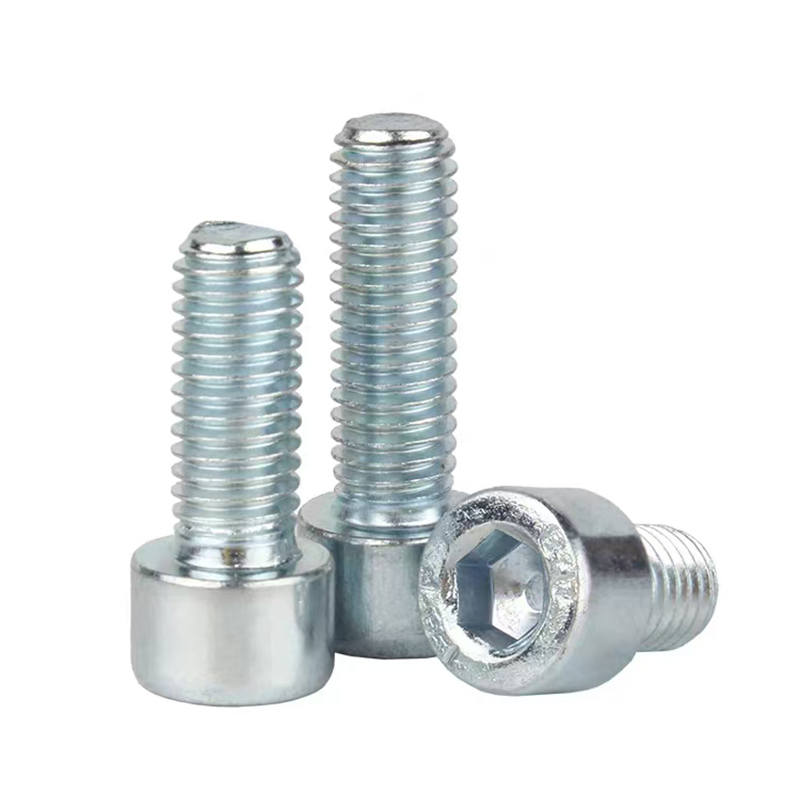 สลักเกลียวไฟฟ้าซ็อกเก็ตหกเหลี่ยม
 -
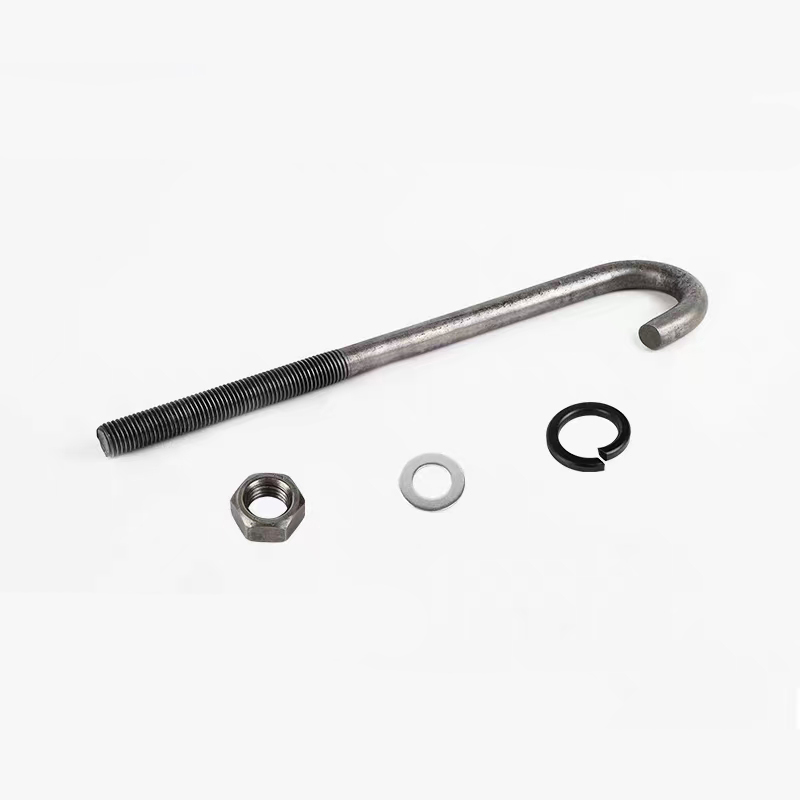 สมอมือจับร่ม (โบลท์พุกชนิด J/โบลท์ฝังด้ามจับร่ม)
 -
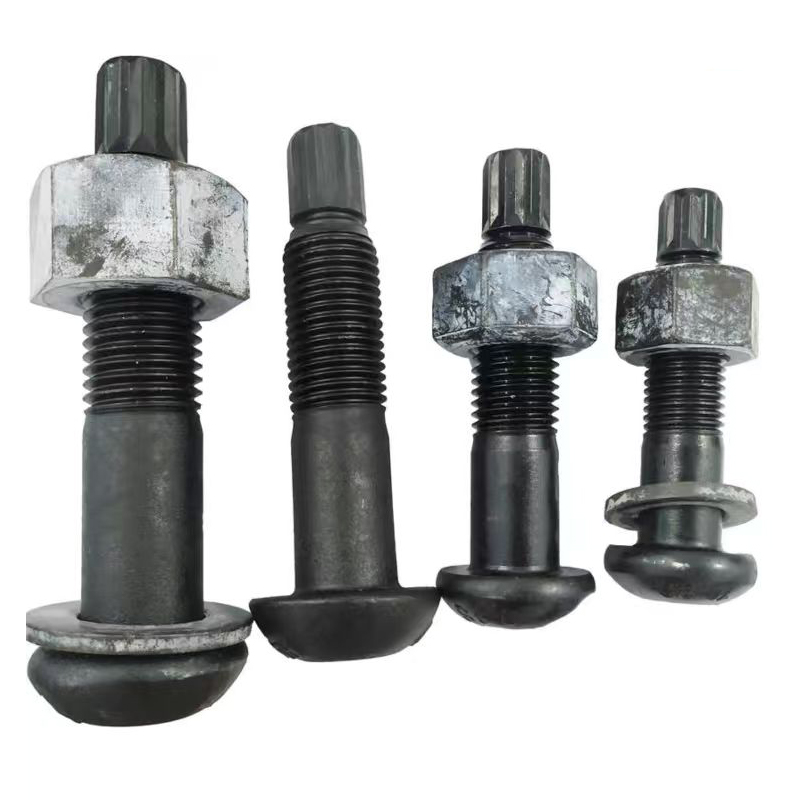 สลักเกลียวรับแรงบิด 10.9S
 -
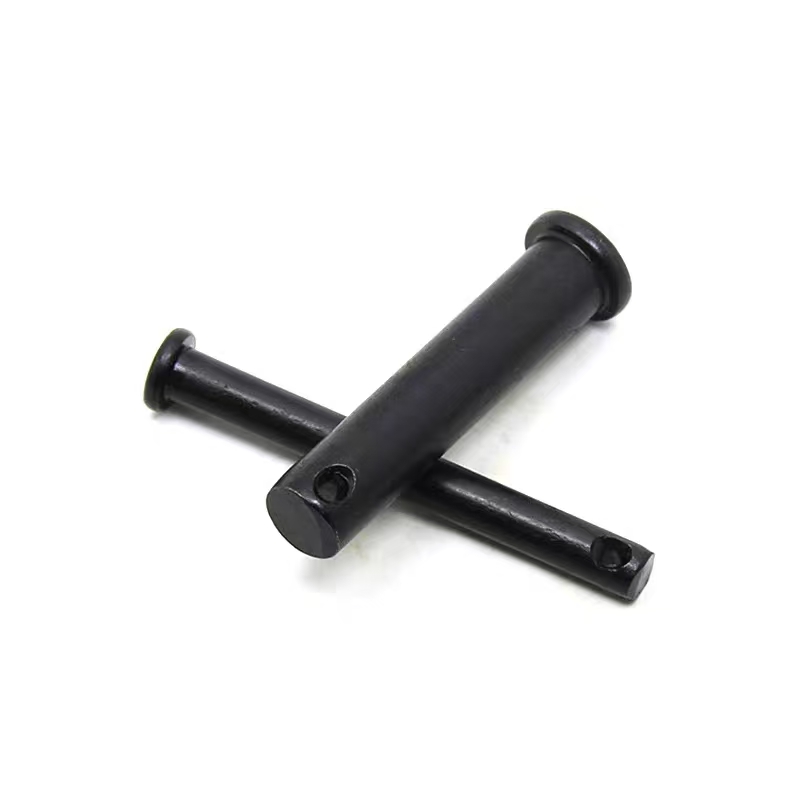 แกนขาชุบซิงค์ดำ
 -
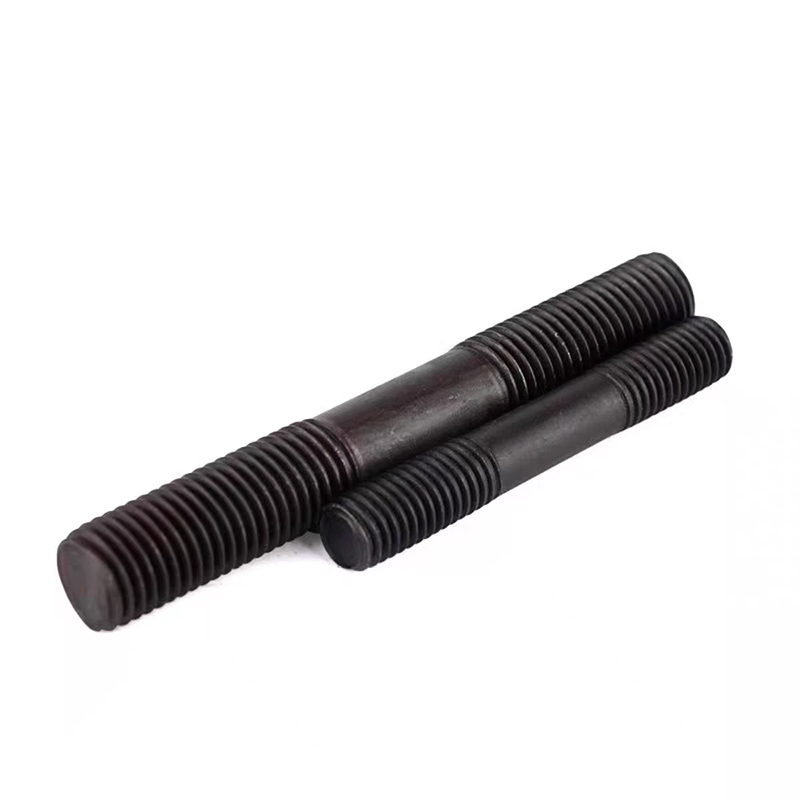 สตั๊ดโบลท์
 -
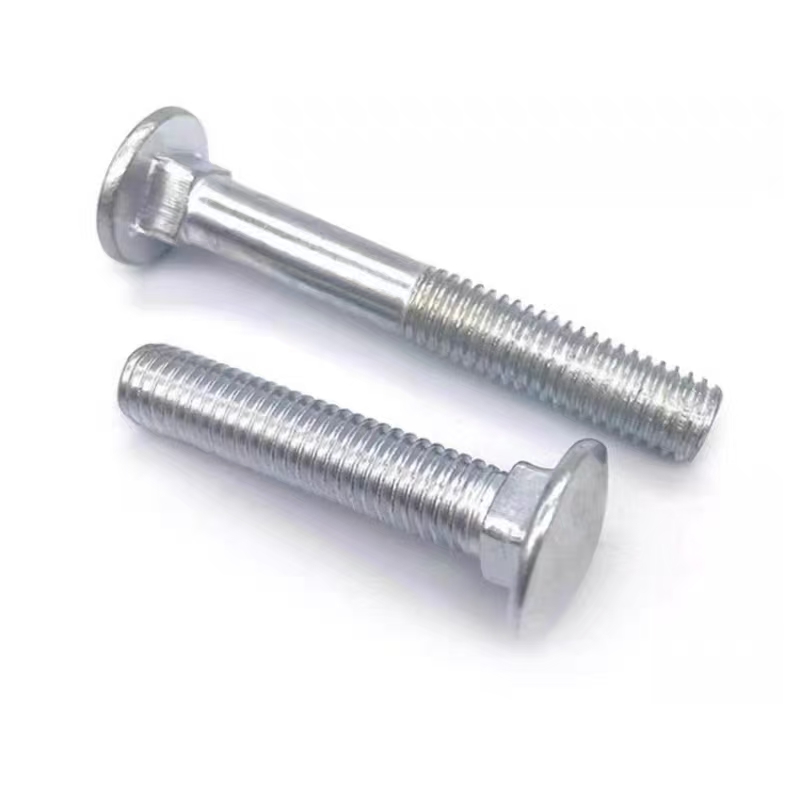 โบลท์ตัวพา (โบลท์คอเหลี่ยมหัวกลมครึ่งวงกลม)
 -
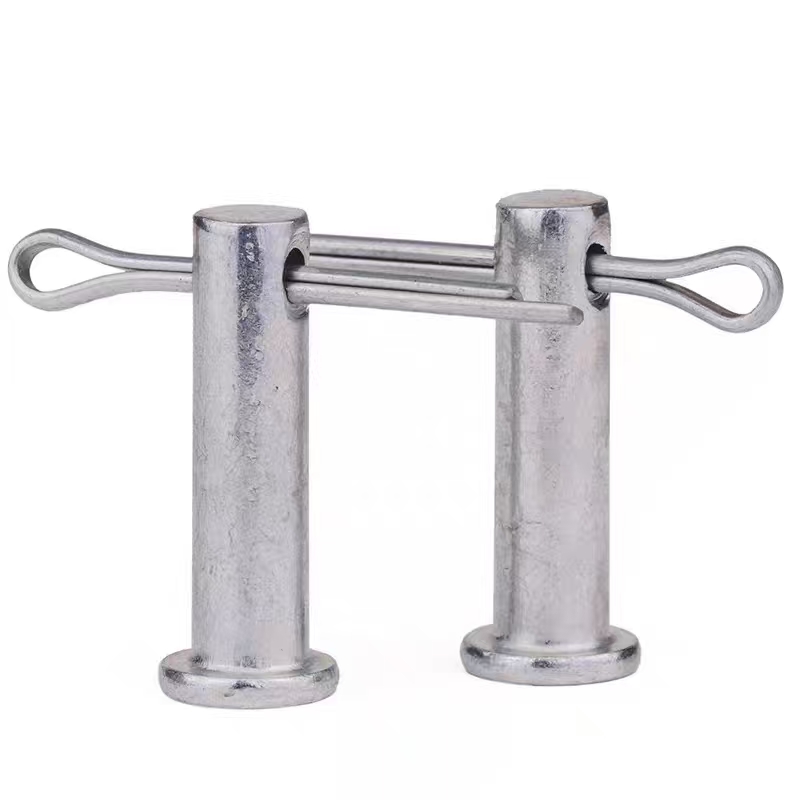 หมุดสังกะสีด้วยไฟฟ้า