
- English
- Chinese
- French
- German
- Portuguese
- Spanish
- Russian
- Japanese
- Korean
- Arabic
- Irish
- Greek
- Turkish
- Italian
- Danish
- Romanian
- Indonesian
- Czech
- Afrikaans
- Swedish
- Polish
- Basque
- Catalan
- Esperanto
- Hindi
- Lao
- Albanian
- Amharic
- Armenian
- Azerbaijani
- Belarusian
- Bengali
- Bosnian
- Bulgarian
- Cebuano
- Chichewa
- Corsican
- Croatian
- Dutch
- Estonian
- Filipino
- Finnish
- Frisian
- Galician
- Georgian
- Gujarati
- Haitian
- Hausa
- Hawaiian
- Hebrew
- Hmong
- Hungarian
- Icelandic
- Igbo
- Javanese
- Kannada
- Kazakh
- Khmer
- Kurdish
- Kyrgyz
- Latin
- Latvian
- Lithuanian
- Luxembou..
- Macedonian
- Malagasy
- Malay
- Malayalam
- Maltese
- Maori
- Marathi
- Mongolian
- Burmese
- Nepali
- Norwegian
- Pashto
- Persian
- Punjabi
- Serbian
- Sesotho
- Sinhala
- Slovak
- Slovenian
- Somali
- Samoan
- Scots Gaelic
- Shona
- Sindhi
- Sundanese
- Swahili
- Tajik
- Tamil
- Telugu
- Ukrainian
- Urdu
- Uzbek
- Vietnamese
- Welsh
- Xhosa
- Yiddish
- Yoruba
- Zulu
- Kinyarwanda
- Tatar
- Oriya
- Turkmen
- Uyghur


สลักเกลียว 20 ตัว
ความซับซ้อนของ T 20 Bolt
เมื่อต้องรับมือกับการใช้งานทางอุตสาหกรรม โบลท์ T20 อาจดูเหมือนเป็นเพียงองค์ประกอบอื่น แต่ลองเจาะลึกลงไปอีกหน่อย แล้วคุณจะพบว่าการเลือกสลักเกลียวที่ถูกต้องเป็นสิ่งสำคัญ ไม่ว่าจะเกี่ยวกับการรับน้ำหนักหรือการติดตั้งในพื้นที่แคบ แต่ละสถานการณ์ต้องการความเข้าใจอย่างลึกซึ้งในการใช้งาน ให้ฉันอธิบายข้อมูลเชิงลึกและประสบการณ์บางอย่างที่หล่อหลอมความเข้าใจของฉันเกี่ยวกับองค์ประกอบที่มักถูกมองข้ามนี้
ทำความเข้าใจพื้นฐานของ T 20 Bolt
เริ่มต้นด้วยพื้นฐาน ที่ โบลท์ T20 ไม่ใช่แค่เรื่องขนาดและเส้นด้ายเท่านั้น มันเกี่ยวกับวัสดุ ผิวเคลือบ และความเข้ากันได้กับส่วนประกอบอื่นๆ ข้อผิดพลาดทั่วไปคือการมองข้ามเนื้อหา ในสภาพแวดล้อมที่เสี่ยงต่อการกัดกร่อน โบลท์สแตนเลสอาจไม่สามารถต่อรองได้ แต่ในแง่ของความแข็งแกร่ง เหล็กกล้าคาร์บอนอาจเป็นผู้นำ อันที่จริง ฉันพบสถานการณ์ที่การเลือกวัสดุไม่ถูกต้องทำให้เกิดความล้มเหลวก่อนเวลาอันควร
ถ้าอย่างนั้นก็มีคำถามเกี่ยวกับความเข้ากันได้ของเธรด เธรดที่ไม่ตรงกันอาจส่งผลให้เกิดการกระจายโหลดที่ไม่มีประสิทธิภาพ และกลายเป็นจุดเสี่ยงที่อาจเกิดขึ้น ในกรณีหนึ่ง การพยายามบังคับโบลต์ T 20 เข้ากับเกลียวที่เข้ากันไม่ได้ทำให้เกิดความล่าช้าในสายการผลิต
นอกจากนี้การตกแต่งมักจะถูกประเมินค่าต่ำเกินไป การเคลือบสังกะสีช่วยป้องกันสนิมแต่อาจไม่เพียงพอในสภาวะที่รุนแรง ในระหว่างโครงการในพื้นที่ชายฝั่ง การเลือกพื้นผิวที่ไม่ถูกต้องส่งผลให้สลักเกลียวเสื่อมสภาพเร็วกว่าที่เราคาดไว้
การประยุกต์ในทางปฏิบัติและความท้าทาย
ในทางปฏิบัติจริงโดยใช้ก โบลท์ T20 ไม่ใช่แค่การติดตั้งเท่านั้น แต่ยังเกี่ยวกับการรับประกันความทนทานภายใต้แรงกดดันอีกด้วย ยกตัวอย่างเช่น สายการประกอบในการผลิตเครื่องจักรกลหนัก ในกรณีนี้ โบลต์เหล่านี้มักจะทนทานต่อแรงสั่นสะเทือนและความเค้นอย่างมาก การดูแลให้มั่นใจว่าพวกเขายังคงปลอดภัยนั้นไม่สามารถต่อรองได้
ความท้าทายอย่างหนึ่งที่ Handan Zitai Fastener Manufacturing Co., Ltd. เผชิญอยู่ เข้าถึงได้ที่ เว็บไซต์ของพวกเขาเชื่อมโยงกับแรงสั่นสะเทือนเหล่านี้ สลักเกลียวจะคลายเป็นครั้งคราว โดยต้องมีการตรวจสอบอย่างพิถีพิถัน การปรับการตั้งค่าแรงบิดช่วยได้ แต่การนำแหวนรองแบบพิเศษมาใช้จึงช่วยแก้ไขปัญหาได้ในที่สุด
แต่ไม่ใช่แค่เกี่ยวกับแอปพลิเคชันในปัจจุบันเท่านั้น เราจำเป็นต้องคาดการณ์ความต้องการในอนาคต อุตสาหกรรมกำลังพัฒนา แนวทางของเราแม้แต่กับส่วนประกอบที่ไม่เด่นชัดที่สุด เช่น สลักเกลียว T 20 ก็เช่นกัน
บูรณาการและการเลือกวัสดุ
การเปลี่ยนไปใช้ระบบที่มีการบูรณาการมากขึ้นมักก่อให้เกิดอุปสรรคที่ไม่คาดคิด การรวมตัวกันของ โบลท์ T20 ตัวอย่างเช่น ในวัสดุคอมโพสิตชนิดใหม่ มักต้องมีการตรวจสอบเพิ่มเติม คุณสมบัติของวัสดุอาจเปลี่ยนแปลงวิธีการทำงานของสลักเกลียวภายใต้ความกดดัน ซึ่งเป็นบทเรียนที่เราได้เรียนรู้เมื่อสลักเกลียวบางตัวชำรุดภายในโครงสร้างปีกประกอบของเครื่องบิน
การเลือกซัพพลายเออร์ที่เหมาะสมก็มีบทบาทสำคัญเช่นกัน บริษัทต่างๆ เช่น Handan Zitai Fastener Manufacturing Co., Ltd. ซึ่งตั้งอยู่ในย่านอุตสาหกรรมอันพลุกพล่านของเขตหยงเหนียน ได้กลายเป็นพันธมิตรที่สำคัญ ประสบการณ์และความเชี่ยวชาญของพวกเขาทำให้มั่นใจได้ว่าสลักเกลียวที่ให้มานั้นตรงตามมาตรฐานที่เข้มงวด
การทำงานร่วมกันอย่างใกล้ชิดกับซัพพลายเออร์ดังกล่าวมักจะเปิดเผยข้อมูลเชิงลึกที่แนวทางทางทฤษฎีล้วนๆ อาจพลาดไป ความร่วมมือครั้งนี้พิสูจน์ได้ว่ามีคุณค่าอย่างยิ่ง โดยเฉพาะอย่างยิ่งเมื่อต้องรับมือกับโครงการที่มีความเสี่ยงสูง
ผลกระทบของปัจจัยด้านสิ่งแวดล้อม
ปัจจัยด้านสิ่งแวดล้อมอาจทำให้ประสิทธิภาพของสลักเกลียวเปลี่ยนแปลงไปอย่างมาก ในพื้นที่ชื้นหรือพื้นที่ที่มีความเค็มสูง อาจจำเป็นต้องมีการป้องกันเพิ่มเติม เช่น การเคลือบแบบพิเศษ ในระหว่างโครงการที่อยู่ใกล้ทะเล การกัดกร่อนแบบเร่งได้สอนเราว่าบางครั้ง สภาพแวดล้อมเป็นตัวกำหนดทางเลือกมากกว่าการใช้งาน
การทำความเข้าใจผลกระทบต่อสภาพภูมิอากาศยังบังคับให้มีการประเมินสภาพการจัดเก็บใหม่อีกด้วย การเก็บโบลต์ไว้เป็นระยะเวลานานก่อนการใช้งานในสภาวะที่ไม่เหมาะจะรับประกันปัญหาได้จริงเมื่อเริ่มใช้งานในที่สุด
ดังนั้น การจัดการแบบคิดล่วงหน้าของวงจรชีวิตทั้งหมด ตั้งแต่การผลิตไปจนถึงการจัดเก็บไปจนถึงการใช้งาน ไม่เพียงแต่ชาญฉลาดเท่านั้น แต่ยังจำเป็นต่อการรับประกันความสำเร็จของโครงการอีกด้วย
อนาคตและนวัตกรรมของโบลท์ติ้ง
สุดท้ายนี้ สิ่งสำคัญคือต้องคอยติดตามนวัตกรรมในเทคโนโลยีการโบลต์ ไม่ว่าจะเป็นความก้าวหน้าของสลักเกลียวอัจฉริยะที่สามารถส่งสัญญาณเมื่อใกล้จะพัง หรือโลหะผสมใหม่ที่มีประสิทธิภาพเหนือกว่าเหล็กกล้าแบบดั้งเดิมในการใช้งานเฉพาะด้าน การพัฒนาในวันพรุ่งนี้จะกำหนดบรรทัดฐานของวันนี้ใหม่
Handan Zitai Fastener Manufacturing Co., Ltd. ผลักดันขอบเขตของสิ่งที่เป็นไปได้ในการผลิตตัวยึดอย่างต่อเนื่อง โดยเน้นว่าอนาคตถือเป็นความก้าวหน้าที่น่าตื่นเต้นในการออกแบบและฟังก์ชันการทำงาน
ดังนั้นในขณะที่ โบลท์ T20 อาจดูตรงไปตรงมา ความจริงก็คืออยู่ที่จุดบรรจบกันของนวัตกรรม วัสดุศาสตร์ และการประยุกต์ใช้ในทางปฏิบัติ ในขณะที่อุตสาหกรรมมีการพัฒนา ความเข้าใจและการประยุกต์ส่วนประกอบที่สำคัญเหล่านี้ของเราก็ต้องเช่นกัน
ที่เกี่ยวข้อง ผลิตภัณฑ์
สินค้าที่เกี่ยวข้อง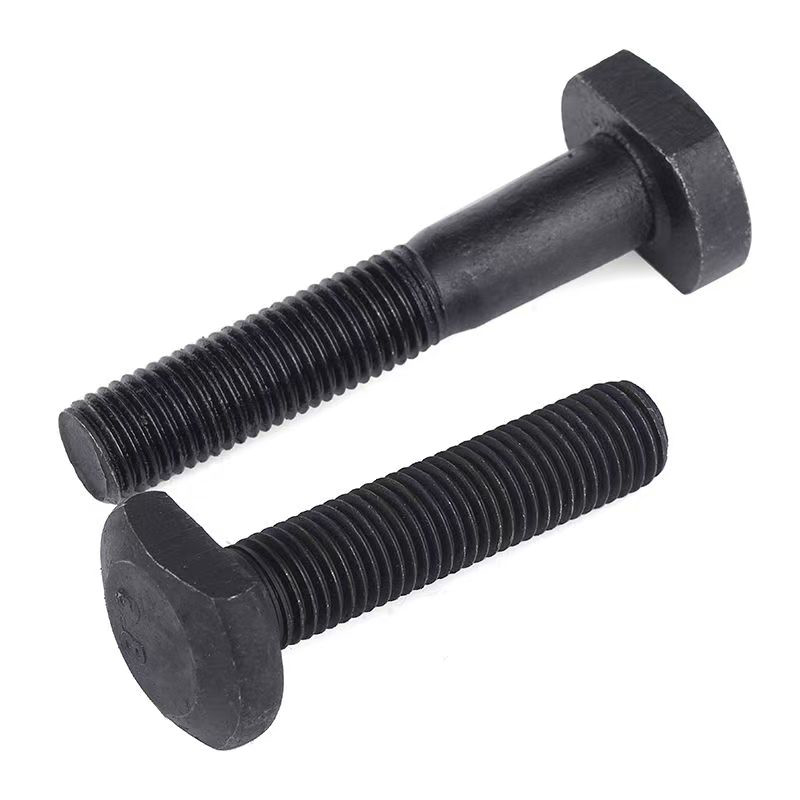
ขายดีที่สุด ผลิตภัณฑ์
สินค้าขายดี-
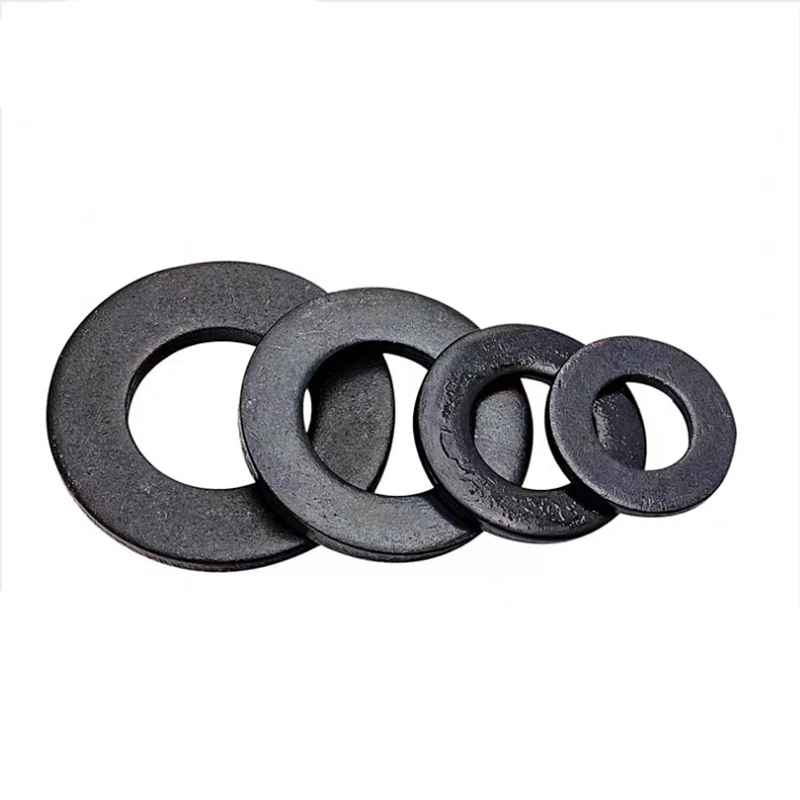 ปะเก็นดำคล้ำที่มีความแข็งแรงสูง
 -
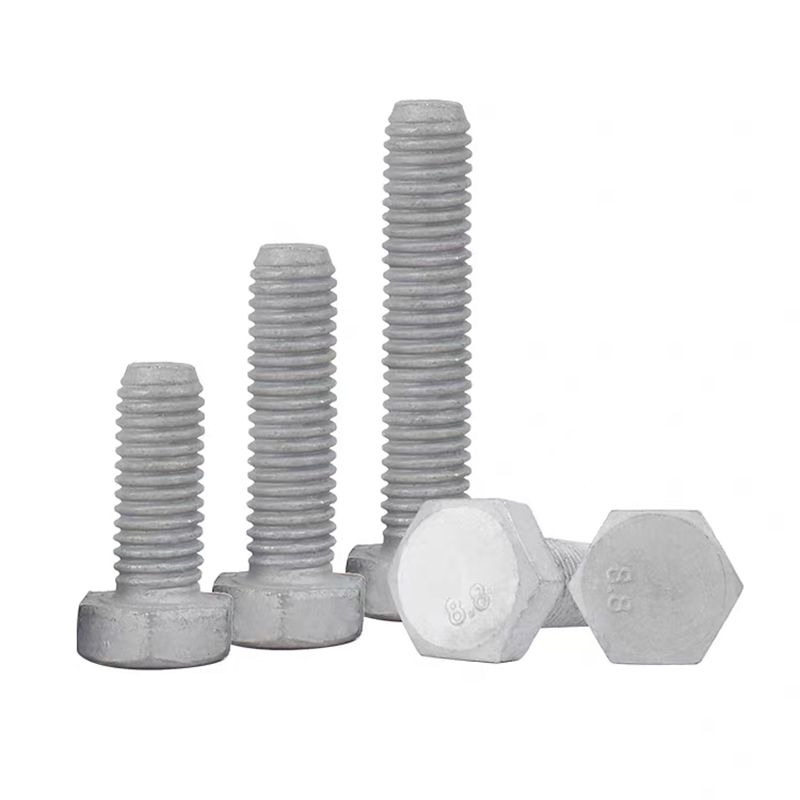 สลักเกลียวหกเหลี่ยมชุบสังกะสีแบบจุ่มร้อน
 -
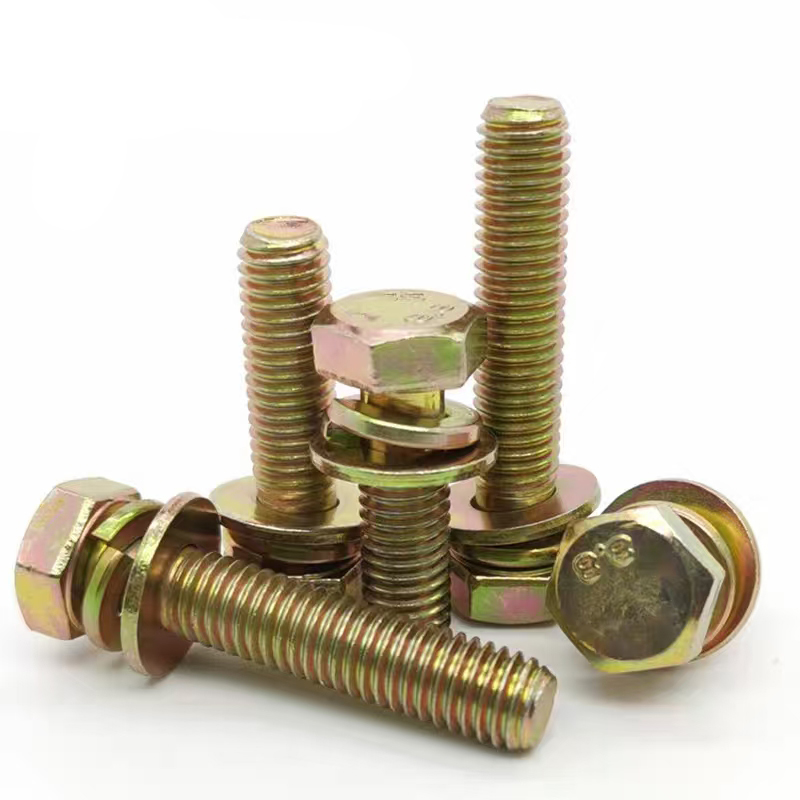 โบลท์หกเหลี่ยมชุบซิงค์สี
 -
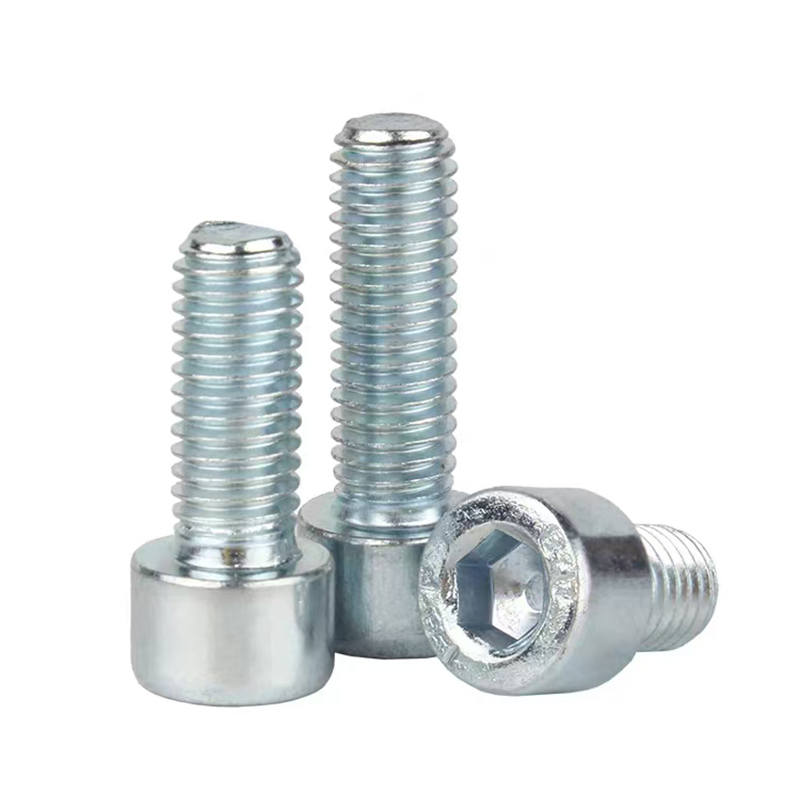 สลักเกลียวไฟฟ้าซ็อกเก็ตหกเหลี่ยม
 -
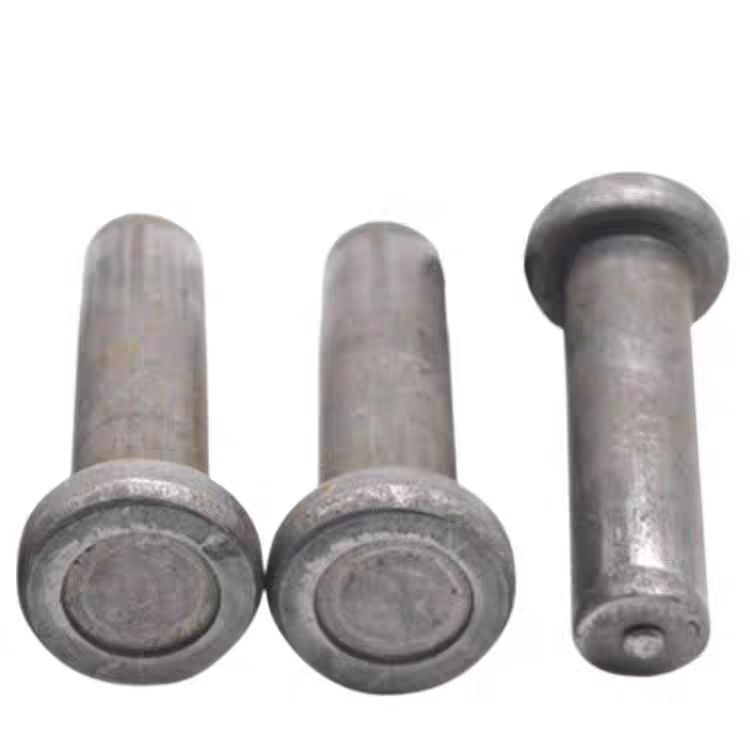 แกนเชื่อมโครงสร้างเหล็ก
 -
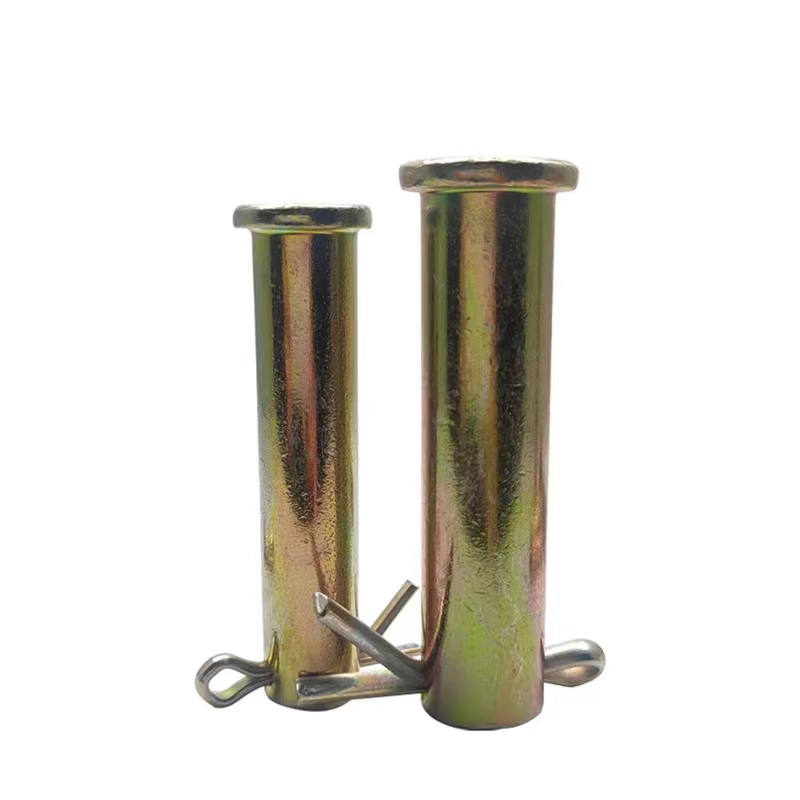 หมุดชุบสังกะสีสี
 -
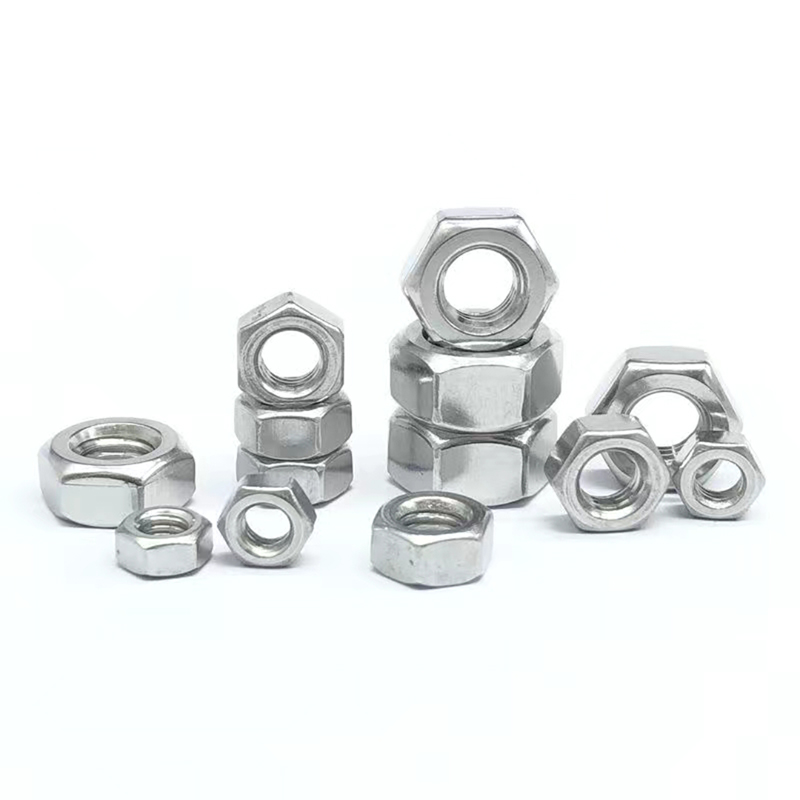 ถั่วชุบสังกะสีด้วยไฟฟ้า
 -
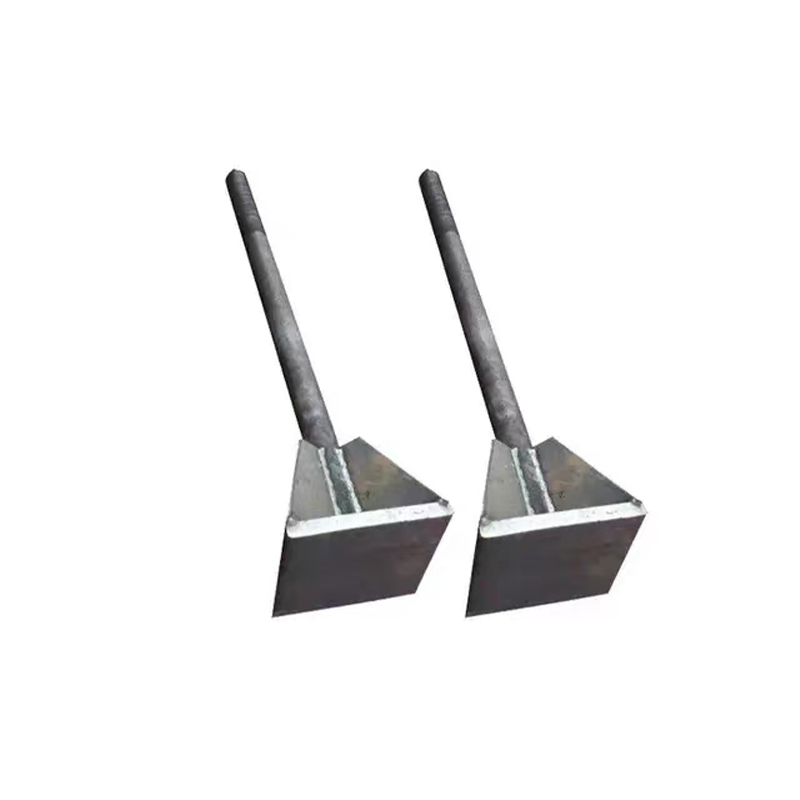 พุกเพลทแบบเชื่อม (โบลท์พุกเพลทแบบเชื่อม)
 -
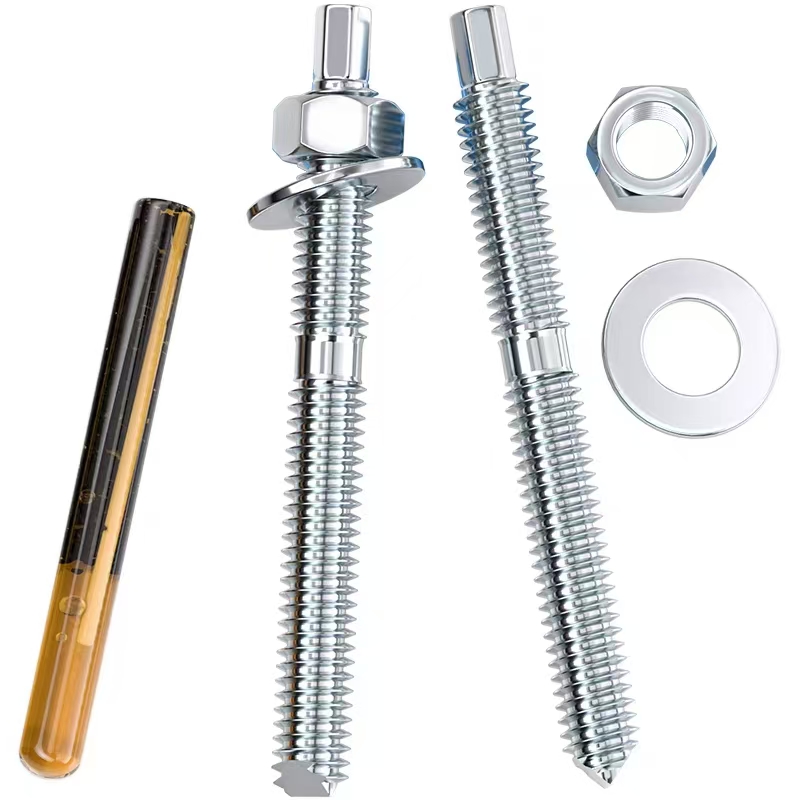 สลักเกลียวเคมีไฟฟ้าชุบสังกะสี
 -
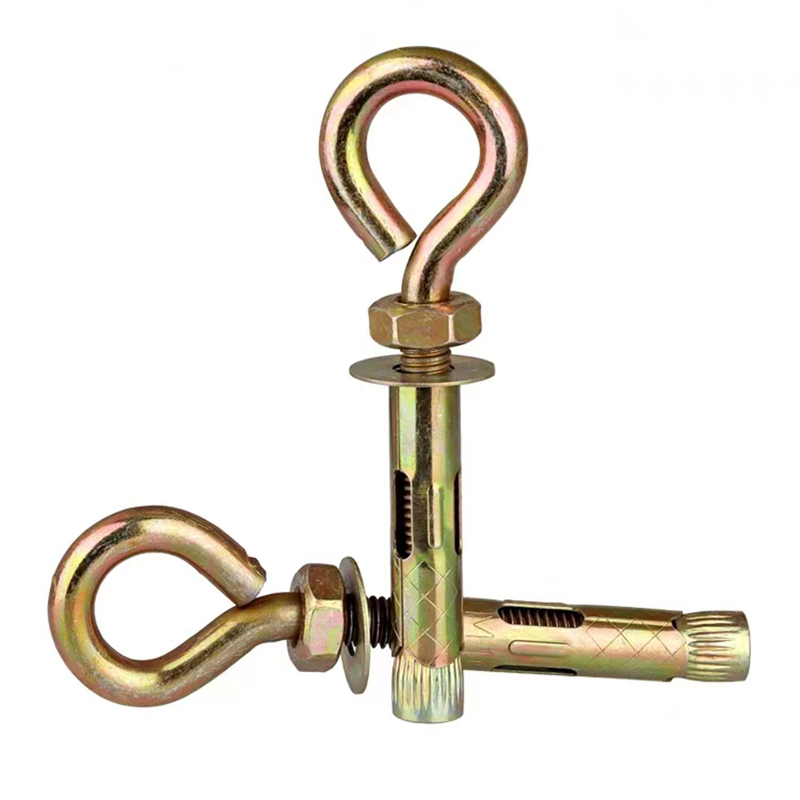 ตะขอต่อขยายชุบสังกะสีสี
 -
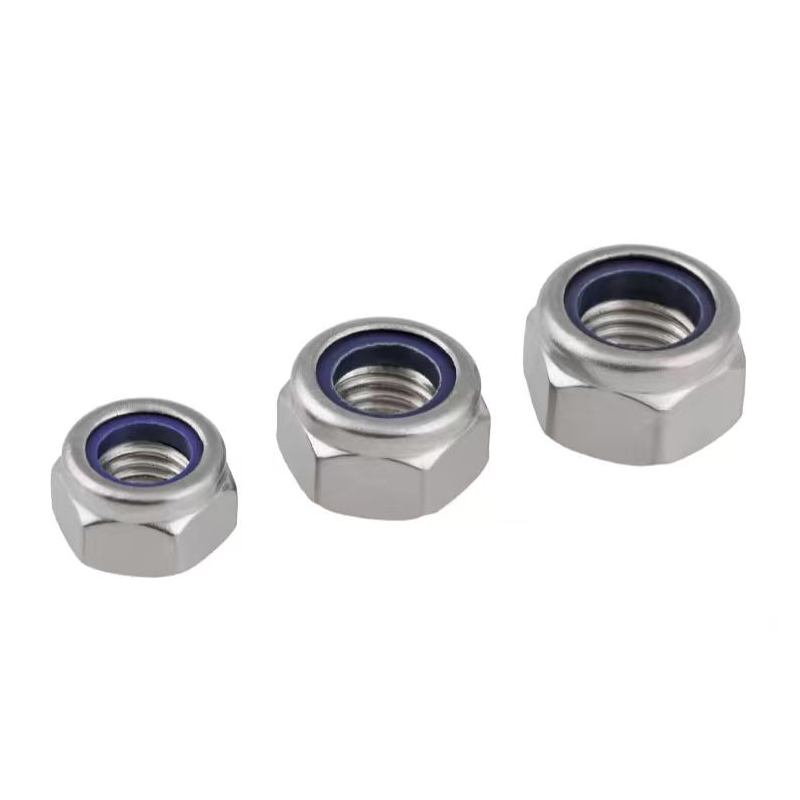 น็อตป้องกันการคลายตัว (น็อตล็อค)
 -
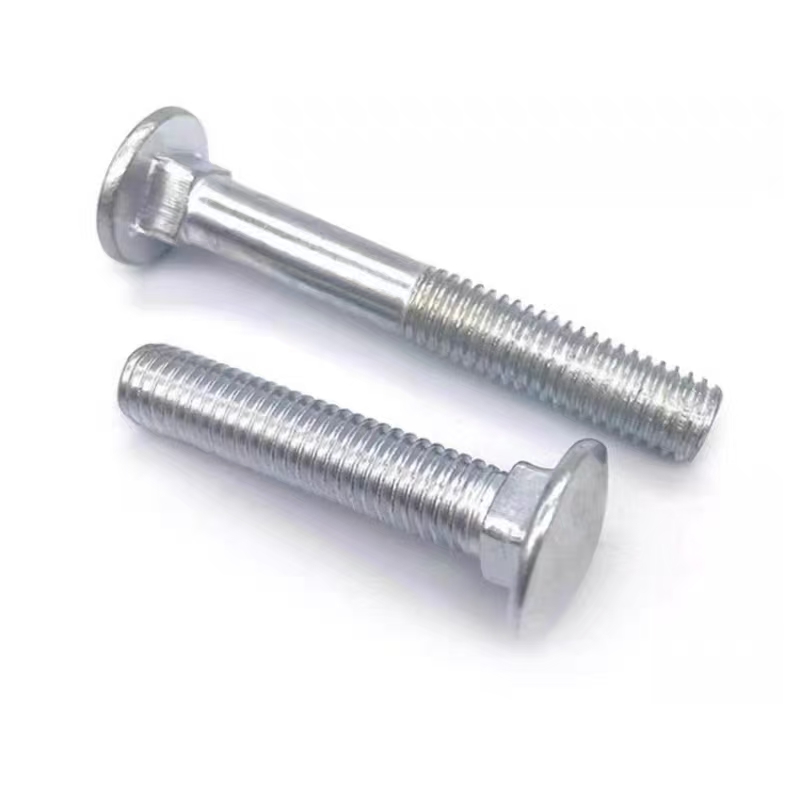 โบลท์ตัวพา (โบลท์คอเหลี่ยมหัวกลมครึ่งวงกลม)


