
- English
- Chinese
- French
- German
- Portuguese
- Spanish
- Russian
- Japanese
- Korean
- Arabic
- Irish
- Greek
- Turkish
- Italian
- Danish
- Romanian
- Indonesian
- Czech
- Afrikaans
- Swedish
- Polish
- Basque
- Catalan
- Esperanto
- Hindi
- Lao
- Albanian
- Amharic
- Armenian
- Azerbaijani
- Belarusian
- Bengali
- Bosnian
- Bulgarian
- Cebuano
- Chichewa
- Corsican
- Croatian
- Dutch
- Estonian
- Filipino
- Finnish
- Frisian
- Galician
- Georgian
- Gujarati
- Haitian
- Hausa
- Hawaiian
- Hebrew
- Hmong
- Hungarian
- Icelandic
- Igbo
- Javanese
- Kannada
- Kazakh
- Khmer
- Kurdish
- Kyrgyz
- Latin
- Latvian
- Lithuanian
- Luxembou..
- Macedonian
- Malagasy
- Malay
- Malayalam
- Maltese
- Maori
- Marathi
- Mongolian
- Burmese
- Nepali
- Norwegian
- Pashto
- Persian
- Punjabi
- Serbian
- Sesotho
- Sinhala
- Slovak
- Slovenian
- Somali
- Samoan
- Scots Gaelic
- Shona
- Sindhi
- Sundanese
- Swahili
- Tajik
- Tamil
- Telugu
- Thai
- Ukrainian
- Urdu
- Vietnamese
- Welsh
- Xhosa
- Yiddish
- Yoruba
- Zulu
- Kinyarwanda
- Tatar
- Oriya
- Turkmen
- Uyghur


Kimyoviy murvatlar
Kimyoviy murvatlar: Insayderning nuqtai nazari
Kimyoviy murvatlar, ko'pincha afsonalar va tushunmovchiliklar bilan qoplangan ko'p qirrali langarlar ko'plab zamonaviy qurilish loyihalarining asosini tashkil qiladi. Ularning hamma joyda mavjudligiga qaramay, ularning qo'llanilishi va cheklovlari haqida noto'g'ri tushunchalar ko'p bo'lib, ko'pincha maqbul bo'lmagan natijalarga olib keladi. Keling, amaliy tushunchalar va real dunyo tajribasiga e'tibor qaratgan holda kimyoviy murvatlar dunyosiga kirib boraylik.
Kimyoviy murvatlarni tushunish
Asosiysi, a kimyoviy murvat burg'ulangan teshik ichida o'zini mahkamlash uchun yopishtiruvchi, ko'pincha qatrondan foydalanadigan langardir. G'oya oddiy - burg'ulash, qatron bilan kapsulani joylashtiring va keyin murvatni joylashtiring. Lekin, har doimgidek, shayton tafsilotlarda. Qatronni aniq tanlash, quritish vaqti va o'rnatish jarayoni ishlashga sezilarli ta'sir ko'rsatishi mumkin.
Ko'pincha chalkashliklar to'g'ri turdagi qatronlarni tanlashda yuzaga keladi. Epoksi, polyester va vinilester keng tarqalgan tanlovdir, ularning har biri alohida xususiyatlarga ega. Masalan, yuqori quvvati bilan mashhur bo'lgan epoksi qatronlar og'ir yuklar uchun ideal, ammo uzoqroq quritish vaqtini talab qiladi. Qattiq vaqt jadvallarida ishlashda bu tanlov juda muhim bo'lishi mumkin.
Shanxay markazidagi loyihadan bir anekdot esga tushadi. Loyiha menejeri byudjet cheklovlari tufayli polyester qatronini tanladi. Bu ishladi, lekin yuk ko'tarish qobiliyati pastligi sababli ishlamay qolgan vaqtni almashtirish qiyin yo'ldan o'rganilgan saboq bo'ldi.
O'rnatish: San'at va fan
O'rnatish vaqtida aniqlik muhokama qilinmaydi. Tajribali muhandis kimyoviy murvatning ishlashini maksimal darajada oshirishning kaliti teshiklarni sinchkovlik bilan tozalashda ekanligini biladi. Chang va qoldiqlar bog'lanish mustahkamligiga jiddiy to'sqinlik qilishi mumkin, ammo bu qadam qanchalik tez-tez baholanmagan yoki shoshilinch ravishda amalga oshirilayotgani hayratlanarli.
Men boshqargan saytda ishchilar dastlab vaqt bosimi tufayli keng qamrovli tozalashni e'tiborsiz qoldirdilar, faqat sinov paytida o'rnatilgan murvatlar yuk talablariga javob bermasligini aniqladilar. To'liq tozalash va to'g'ri texnikaga urg'u berib, jarayonlarni qayta kalibrlash zarur edi.
Ko'pincha e'tibordan chetda qoladigan yana bir jihat - bu harorat. Qatronlar turli xil termal sharoitlarda turlicha reaksiyaga kirishadi, bu esa qotib qolish vaqtini o'zgartirishi mumkin. Har doim ishlab chiqaruvchining texnik xususiyatlariga va atrof-muhitga ta'siriga e'tibor bering.
Yuklarni sinovdan o'tkazish: aniq haqiqatlar
Har qanday dalil kimyoviy murvatning samaradorligi yukni tekshirishda yotadi. Bu shunchaki protsessual rasmiyatchilik emas, balki joyida ishlashni tekshirish uchun mutlaq shartdir. Har doim sinov murvatlar duch keladigan haqiqiy sharoitlarni aks ettirishiga ishonch hosil qiling.
Yuk ko'tarish qobiliyati haqidagi taxminlar muntazam tekshiruv paytida kutilmagan nosozlikka olib kelgan vaqtni eslayman. Sozlangan parametrlar bilan takroriy sinovlar kelajakdagi nosozliklarning oldini olishga yordam berdi, bu esa yuk sinovi real dunyo stsenariylarini iloji boricha yaqinroq aks ettirishi kerakligini ta'kidladi.
Hatto eng yaxshi o'rnatish ham tasdiqlashni talab qilishini tushunish juda muhimdir. Yuk testi potentsial e'tiborsizliklarni aniqlaydi va barcha taxminlarning ish sharoitida to'g'riligini ta'minlaydi.
Umumiy tuzoqlar va olingan saboqlar
Kimyoviy murvatlarni o'rnatish bilan bog'liq tuzoqlarda bir nechta takrorlanadigan mavzular mavjud. Noto'g'ri tozalash va noto'g'ri qatron tanlashdan tashqari, turli materiallarning o'zaro ta'sirini noto'g'ri baholash tez-tez uchraydigan muammodir.
Metall va qatronlar namlik va kimyoviy ta'sir kabi omillar ta'sirida kutilmagan tarzda reaksiyaga kirishishi mumkin. Men rahbarlik qilgan loyiha dengiz qurilishi bilan bog'liq bo'lib, sho'rlanish sharoitlari kutilgan natijalarni o'zgartirdi. Dars: har doim oldindan materialning muvofiqligini baholashni o'tkazing.
Bundan tashqari, shoshilinch loyihalar ko'pincha o'rnatish tekshiruvlari va sinovlarda kesilgan burchaklarni keltirib chiqaradi - bu halokatli natijalarga olib kelishi mumkin bo'lgan murosalar. Eng yaxshi amaliyotlarga to'liq sodiqlik muzokaralar olib bo'lmaydi.
Oldinga qarab: innovatsiyalar va ishlanmalar
Ko'pgina qurilish materiallarida bo'lgani kabi, bu erda ham yaxshiroq va samaraliroq echimlar uchun harakat kimyoviy murvatlar davom etadi. Qatronlar tarkibidagi yutuqlar har bir turning tarixiy kamchiliklarisiz tezroq shifo vaqtlarini va yuqori kuchlarni va'da qiladi.
Handan Zitai Fastener Manufacturing Co., Ltd., Yongnian tumanidagi strategik joylashuvi bilan, Handan Siti - Xitoyning eng yirik standart qismlar ishlab chiqarish bazasi - bu ishlanmalarning boshida. Ularning Pekin-Guanchjou temir yo'li va tezyurar yo'llari kabi yirik transport aloqalariga yaqinligi yangi innovatsiyalarni tez joriy etishni ta'minlaydi (tashrif). ularning veb-sayti qo'shimcha ma'lumot uchun).
Joylardagi qiyinchiliklardan olingan tajribalar to'g'ridan-to'g'ri mahsulotni ishlab chiqishga yordam beradi va qurilish sanoatida yanada ishonchli va moslashuvchan echimlarni talab qiladi.
Aloqador mahsulotlar
Tegishli mahsulotlar
Eng yaxshi sotilgan mahsulotlar
Eng ko'p sotiladigan mahsulotlar-
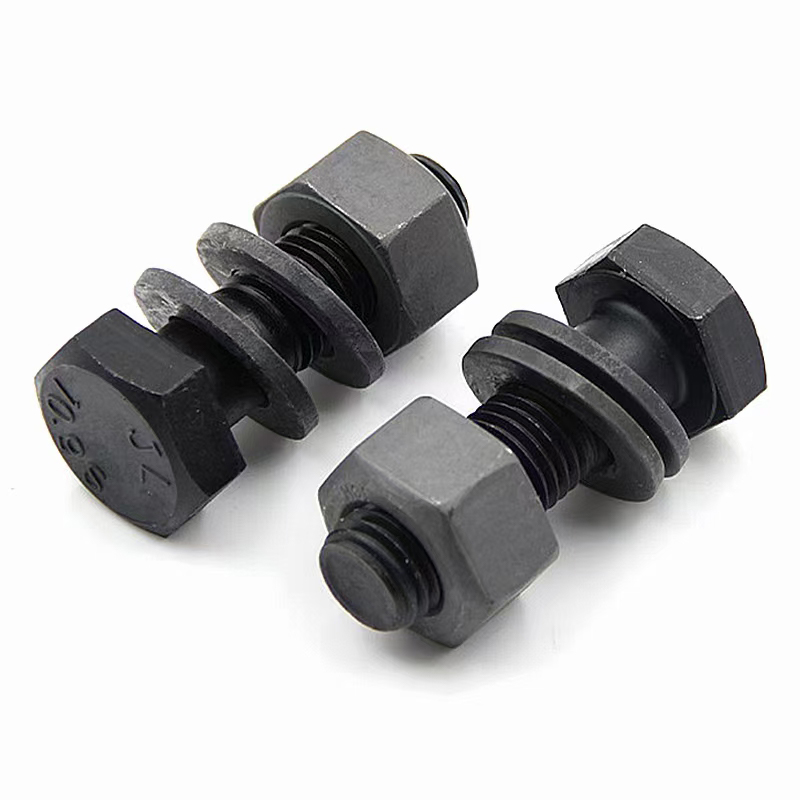 10,9S katta olti burchakli murvatlar
 -
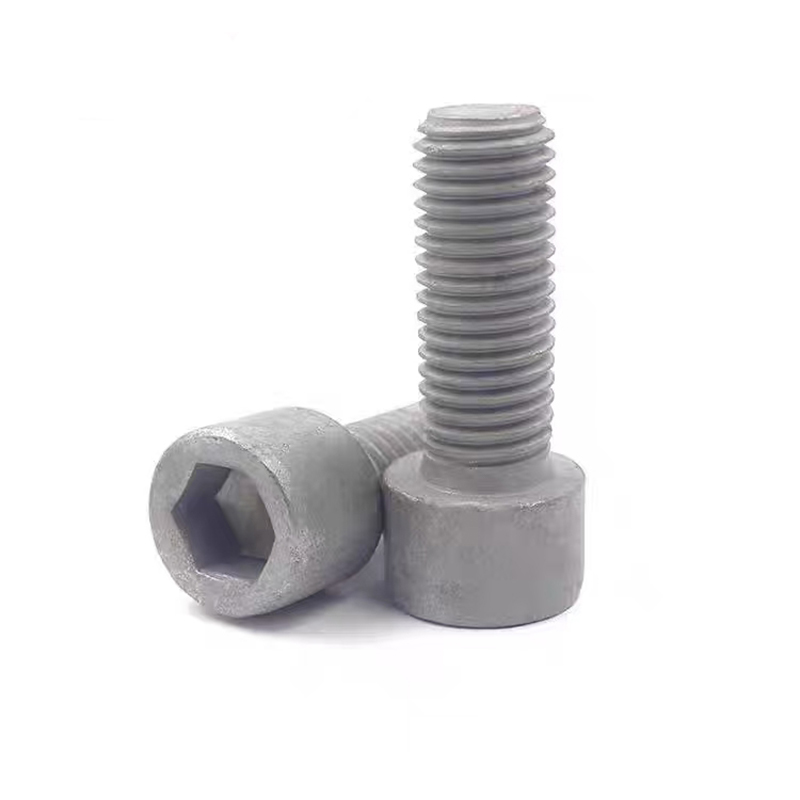 Olti burchakli rozetkali issiq galvanizli murvatlar
 -
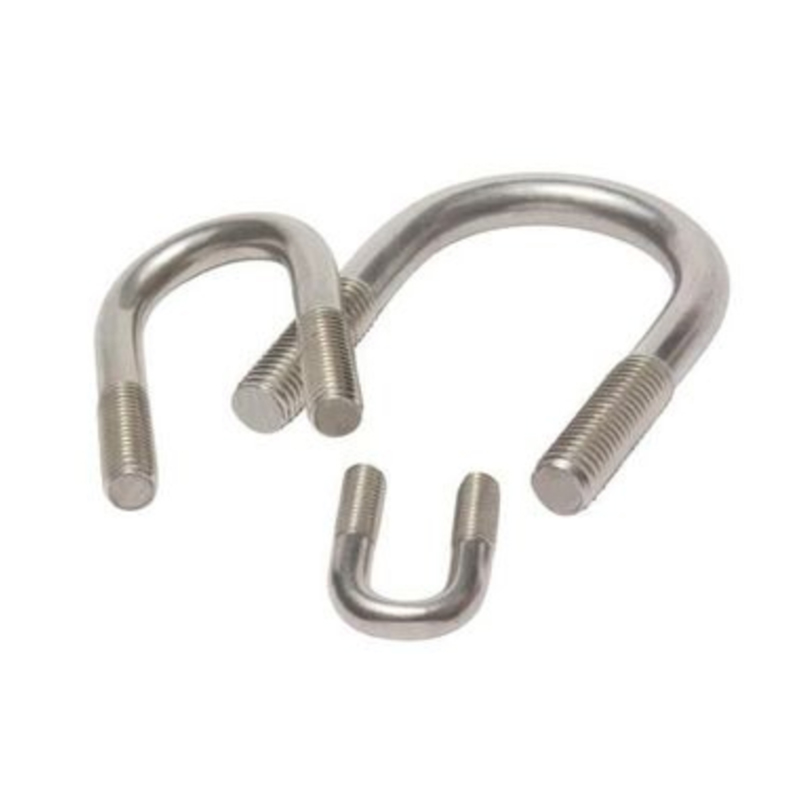 U-boltlar
 -
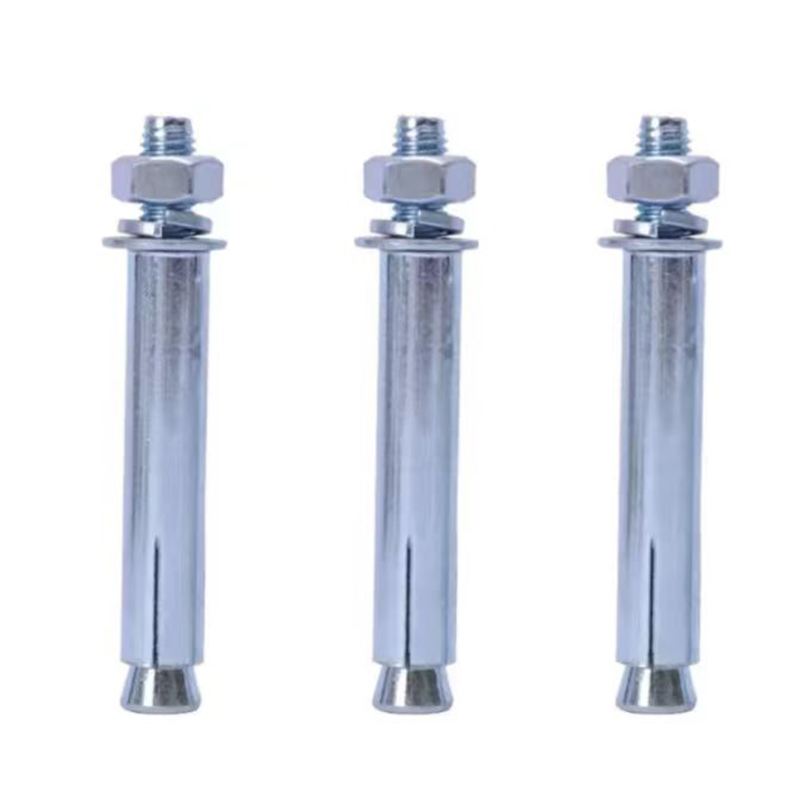 Elektrogalvanizli kengaytirish murvatlari
 -
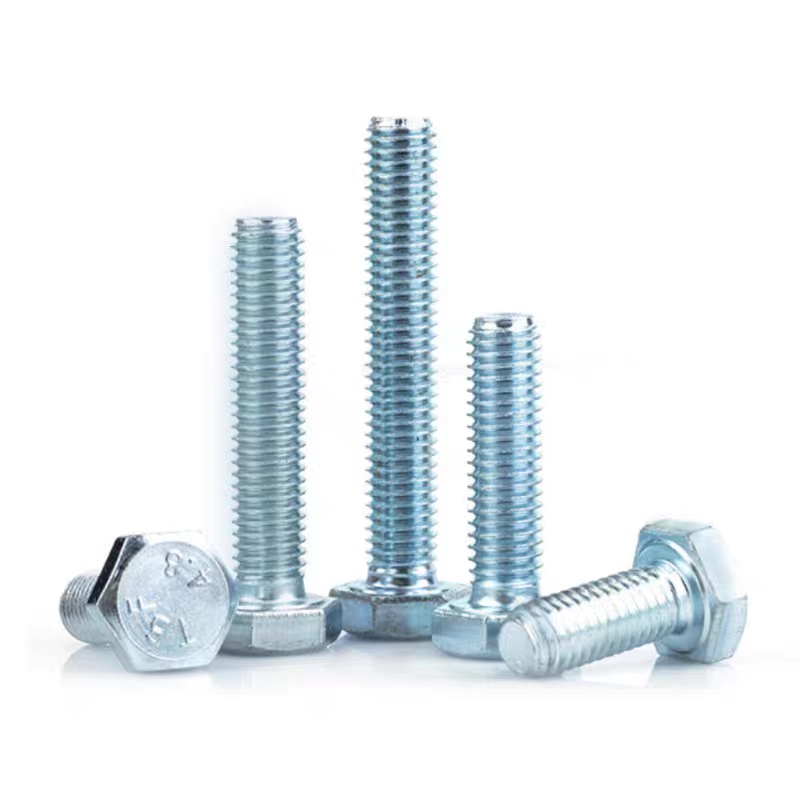 Elektrogalvanizli olti burchakli murvatlar
 -
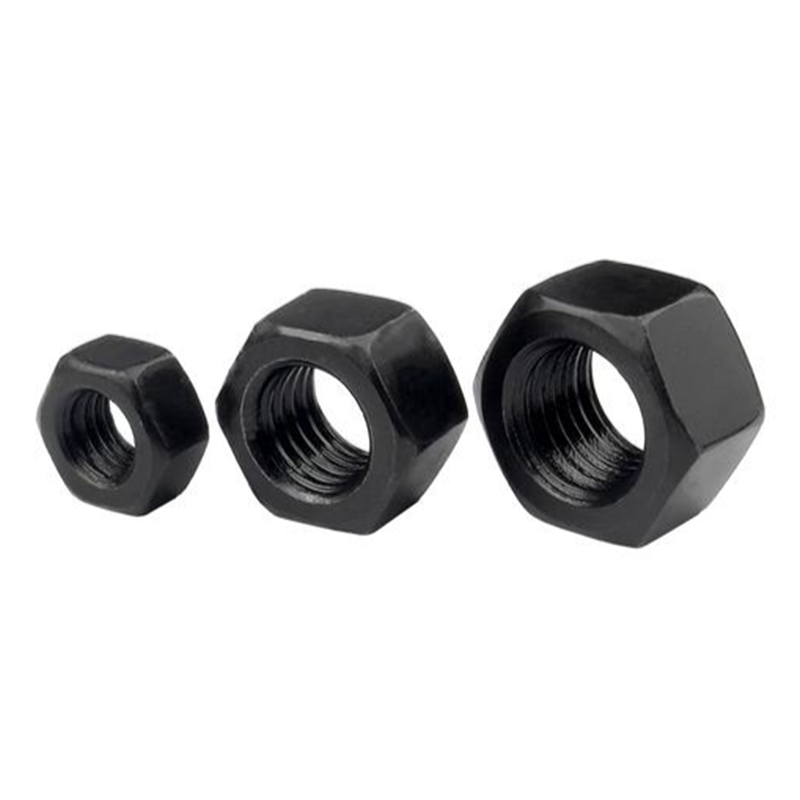 Yuqori quvvatli qoraygan yong'oqlar
 -
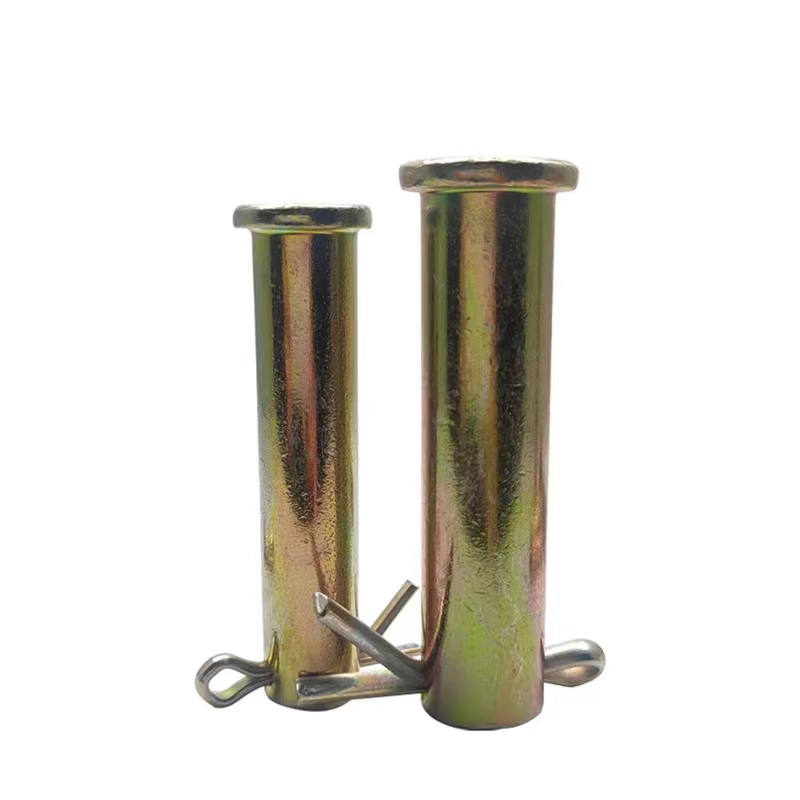 Rangli sink bilan qoplangan pinlar
 -
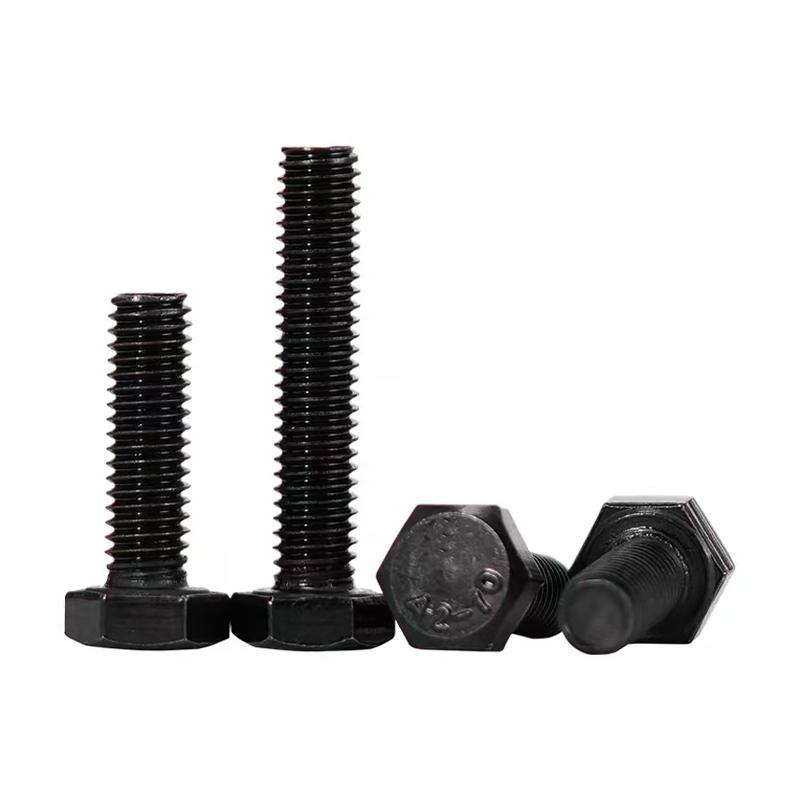 Qora sink bilan qoplangan olti burchakli murvatlar
 -
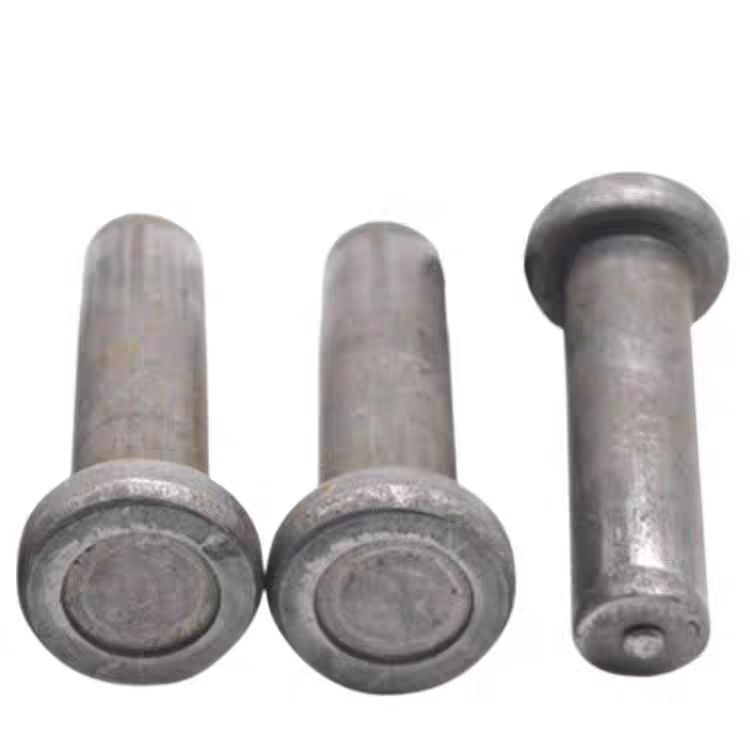 Chelik konstruktsiyalarni payvandlash paychalarining
 -
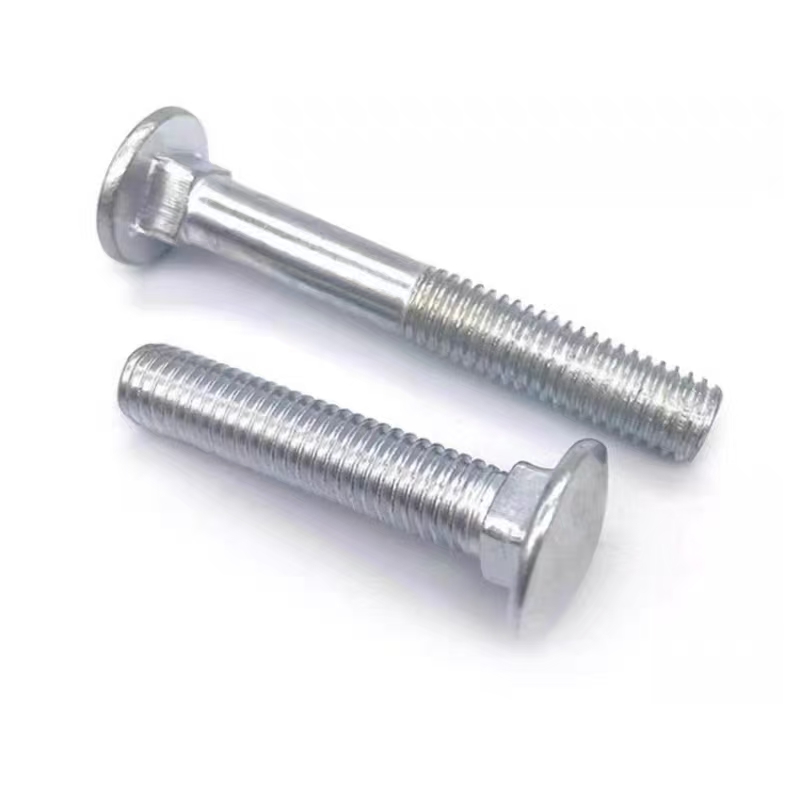 Tashish murvati (yarim dumaloq boshli kvadrat bo'yinli murvat)
 -
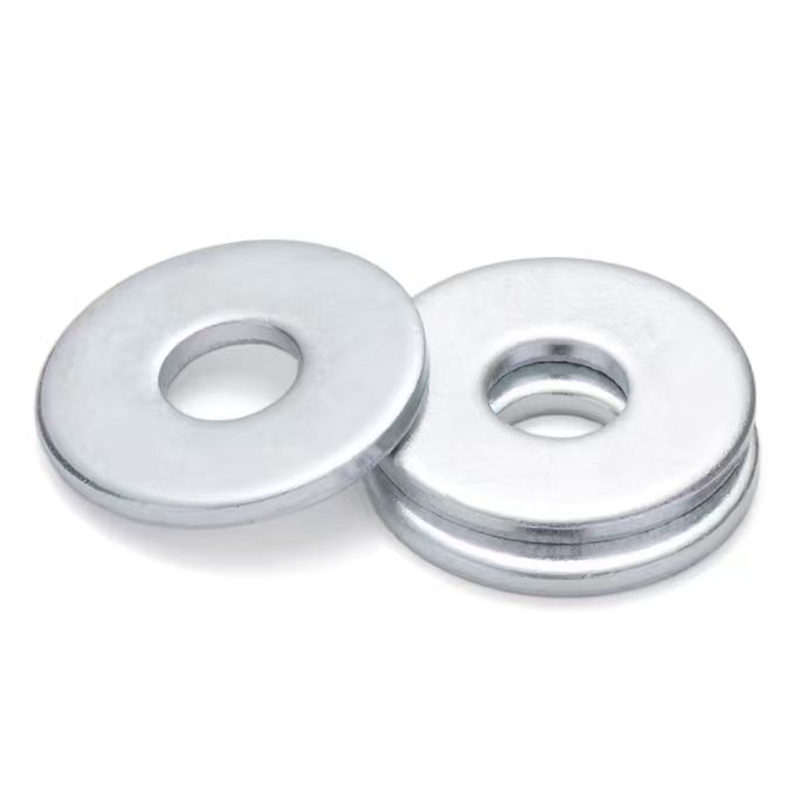 Elektrolizlangan galvanizli qistirmalari
 -
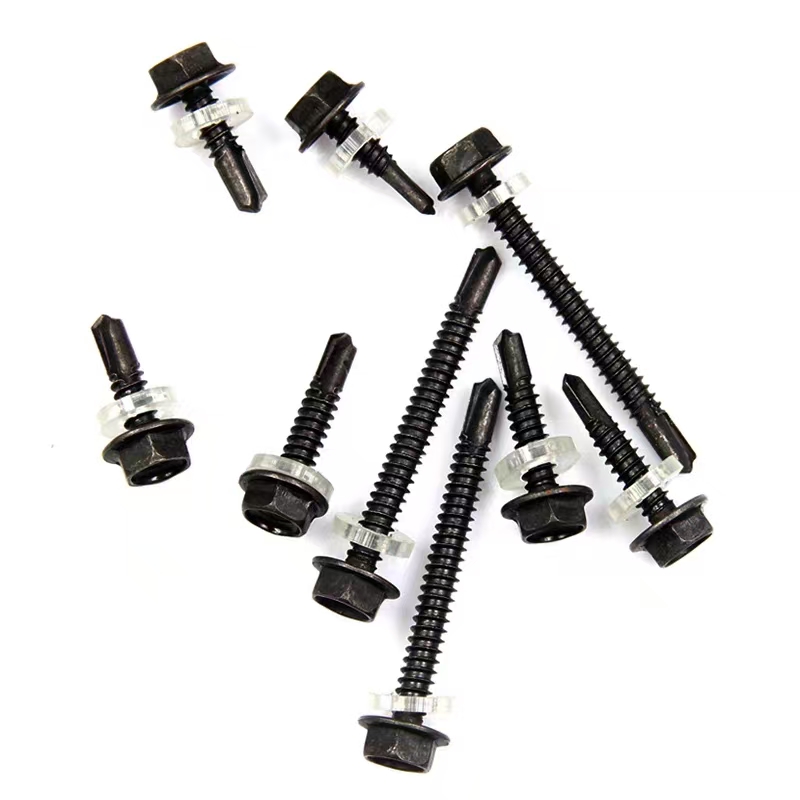 Qora rux bilan qoplangan olti burchakli matkap quyruq simi
Aloqador qidirish
Tegishli qidiruv- Xitoy bosch t bolt
- ulgurji elektrokaplama galvanizli gardish
- butunlay elektro-galvanizli gardish murvatlari
- Xitoy o'rnatilgan qismlar seriyasi
- Qulflash murvatlari
- Xitoy 4 u bolt qisqichi
- silikon qistirma ishlab chiqaruvchi
- ulgurji tokchali plastinka qistirmalari
- ulgurji elektro-galvanizli olti burchakli burg'ulash ipi
- Xitoy t gaykali murvat


