
- English
- Chinese
- French
- German
- Portuguese
- Spanish
- Russian
- Japanese
- Korean
- Arabic
- Irish
- Greek
- Turkish
- Italian
- Danish
- Romanian
- Indonesian
- Czech
- Afrikaans
- Swedish
- Polish
- Basque
- Catalan
- Esperanto
- Hindi
- Lao
- Albanian
- Amharic
- Armenian
- Azerbaijani
- Belarusian
- Bengali
- Bosnian
- Bulgarian
- Cebuano
- Chichewa
- Corsican
- Croatian
- Dutch
- Estonian
- Filipino
- Finnish
- Frisian
- Galician
- Georgian
- Gujarati
- Haitian
- Hausa
- Hawaiian
- Hebrew
- Hmong
- Hungarian
- Icelandic
- Igbo
- Javanese
- Kannada
- Kazakh
- Khmer
- Kurdish
- Kyrgyz
- Latin
- Latvian
- Lithuanian
- Luxembou..
- Macedonian
- Malagasy
- Malay
- Malayalam
- Maltese
- Maori
- Marathi
- Mongolian
- Burmese
- Nepali
- Norwegian
- Pashto
- Persian
- Punjabi
- Serbian
- Sesotho
- Sinhala
- Slovak
- Slovenian
- Somali
- Samoan
- Scots Gaelic
- Shona
- Sindhi
- Sundanese
- Swahili
- Tajik
- Tamil
- Telugu
- Thai
- Ukrainian
- Urdu
- Vietnamese
- Welsh
- Xhosa
- Yiddish
- Yoruba
- Zulu
- Kinyarwanda
- Tatar
- Oriya
- Turkmen
- Uyghur


rezina qistirmali material
Kauchuk qistirma materialining san'ati va ilmi
Mashina uchun samarali muhrlarni yaratish haqida gap ketganda, rezina qistirma materialini tanlash butun operatsiyani bajarishi yoki buzishi mumkin. Ko'pincha bu tanlov jarayoni qanchalik nozik bo'lishi mumkinligi e'tiborga olinmaydi, bu esa qimmat xatolarga va uskunaning ishlamay qolishiga olib keladi.
Asoslarni tushunish
Men buni o'zim ishlagan ko'plab sohalarda ko'rganman: to'g'ri rezina qistirma materialini tanlash shunchaki eng mashhur brendni javondan tortib olish emas. Siz materialni o'zingizning maxsus foydalanish holatlaringizga moslashtirishingiz kerak va bu haqiqiy dunyoni tushunishni talab qiladi.
Kauchuk qistirmalari juda muhim, chunki ular oqishning oldini oladi va bosimni ushlab turadi. Lekin har qanday kauchuk ham qila olmaydi. Haroratga chidamlilik, kimyoviy muvofiqlik va mexanik xususiyatlar kabi fikrlar muhim ahamiyatga ega. Kimdir bu omillarni e'tibordan chetda qoldirgani uchun necha marta muammolarni bartaraf etishga to'g'ri kelganligini hisobga olmadim.
Misol uchun, nitril kauchuk yog 'qarshiligida ustun bo'lishi mumkin, lekin yuqori haroratlarda qisqarib ketishi mumkin. Agar siz yuqori issiqlik moslamasini muhrlab qo'ysangiz, lekin faqat kimyoviy ta'sir qilishni rejalashtirsangiz, bu qistirma uni kesib tashlamaydi.
Bilan ishlash Kauchuk qistirma materiali Yetkazib beruvchilar
Keyin biz manbalarga kelamiz. Handan Zitai Fastener Manufacturing Co., Ltd. jamoasi buni yaxshi biladi. Ularning Yongnian tumanidagi Handan shahrida joylashgani - sanoat markazi - turli xil materiallar va tajribalarga kirishda strategik afzalliklarni taqdim etadi.
Men loyihani eslayman, unda materialni sotib olish sheriklik etkazib beruvchilarga chuqur kirib borishni talab qiladi. Yetkazib beruvchining katalogini bilishning o'zi etarli emas; Siz o'zingizning aniq ehtiyojlaringizni bildirishingiz kerak, bu ularning cheklovlari va kuchli tomonlarini ham tushunishni anglatadi.
Masalan, Handan Zitay yaqin atrofdagi Pekin-Guanchjou temir yo'li kabi logistika chegarasiga ega. Bunday geografik aktivlardan foydalanish sizning faoliyatingizni sezilarli darajada soddalashtirishi mumkin.
Haqiqiy dunyo muammolari
Endi yerdagi qiyinchiliklar haqida gapiraylik. Ishlar biroz noto'g'ri bo'lgan son-sanoqsiz holatlar mavjud, chunki poldagi jamoa spetsifikatsiya varaqlarini to'g'ri talqin qilmagan yoki vaziyatni mo'ljallanganidan boshqacha o'qimagan.
Biz suvni muhrlash uchun EPDM kauchukni o'rnatgan bir holat bor edi. Bu juda zo'r bo'lib tuyuldi - biz suvda EPDM bilan yomon reaksiyaga kirishadigan iz miqdordagi kimyoviy moddalar borligini tushunmagunimizcha. Klassik nazorat.
Bu erda amaliy tajriba nazariy bilimlardan ustun turadi. Ko'pincha bu kichik narsalar, siz ko'rib chiqishni bilmagan kichik farqlar sizni qo'ldan chiqarishi mumkin.
Sinov va o'rnatish
Tanlovlaringizni real sharoitlarda sinab ko'rishni ortiqcha baholab bo'lmaydi. Siz qanday qilib a rezina qistirmali material tezlashtirilgan testlardan amalga oshiradi, lekin uni amalda qo'llashda o'rnatish uning haqiqiy xarakterini ochib beradi.
O'rnatish paytida men o'rnatish paytida noto'g'ri tanlanganligini ko'rdim, aks holda ajoyib tanlangan material. Bu raqsdagi aniqlikka o'xshaydi; hamma narsa uyg'unlikda harakat qilishi kerak.
Shuning uchun ko'pchilik o'rnatish guruhlari uchun trening mashg'ulotlarini tavsiya qiladi - bu men bir nechta operatsiyalarda sezilarli xarajatlar va vaqtni tejash bilan amalga oshirganman.
Innovatsiyalar va tendentsiyalar
Nihoyat, sanoat rivojlanadi va oldinda qolish - bu san'at. Silikon va ftorelastomerlar kabi rivojlanayotgan materiallar bozorda paydo bo'lishi bilan landshaft o'zgarmoqda.
Texnologiya hayajonli, ammo yangi materiallarni birlashtirish ularning o'ziga xos xususiyatlari va o'rnatish usullariga moslashishni talab qiladi va faqat tajribali amaliyotchilar ushbu yangi texnologiyalarni o'z ichiga olish uchun tezda aylanishlari mumkin.
Innovatsiyalar samarali logistika bilan uyg'unlashgan Handan Zitai kompaniyasida ushbu tendentsiyalarni kuzatib borish, ular zamonaviy qistirmali yechimlarni taklif qilishda etakchi bo'lishda davom etishini ta'minlash hissi mavjud. Ularning faoliyati va takliflari haqida ko'proq ma'lumotni veb-saytida topishingiz mumkin: Handan Zitai Fastener Manufacturing Co., Ltd.
Aloqador mahsulotlar
Tegishli mahsulotlar
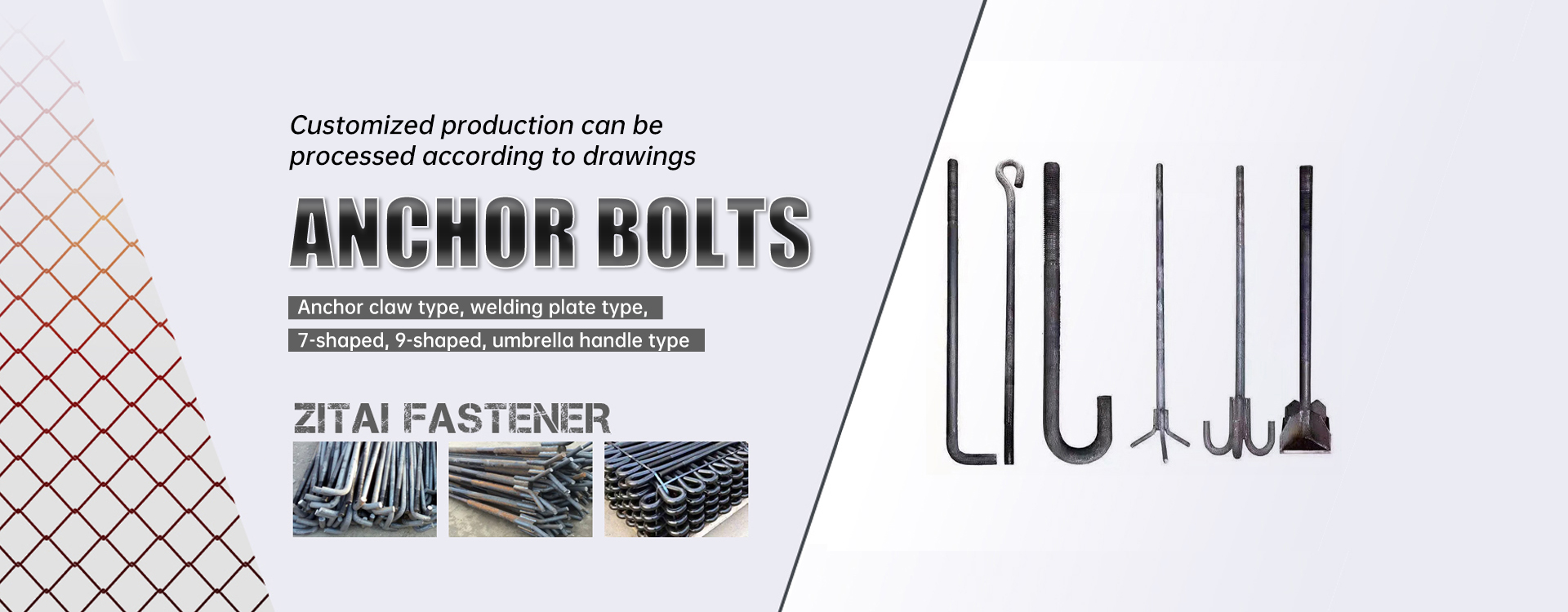
Eng yaxshi sotilgan mahsulotlar
Eng ko'p sotiladigan mahsulotlar-
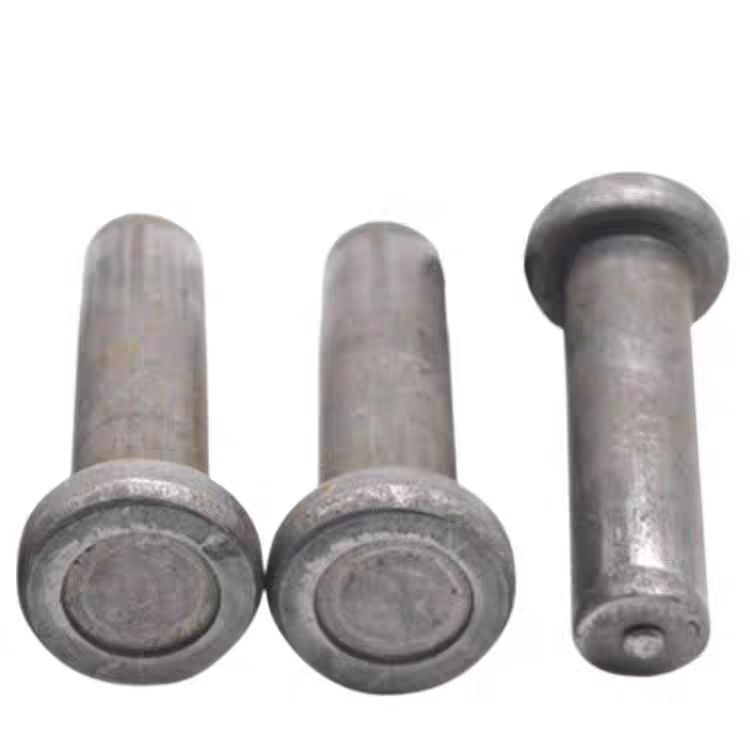 Chelik konstruktsiyalarni payvandlash paychalarining
 -
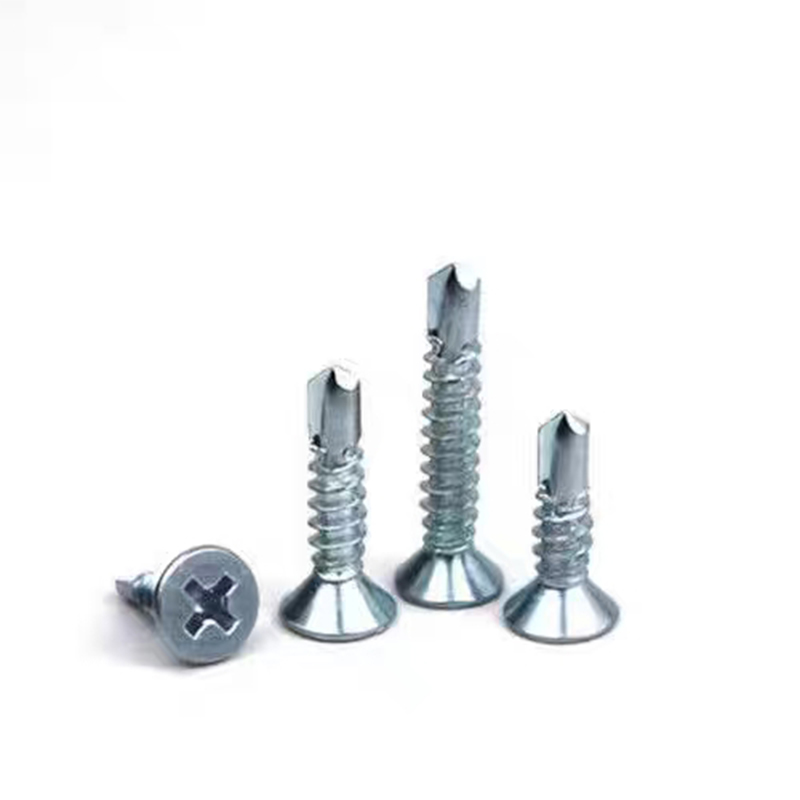 Elektrogalvanizli o'zaro bog'langan burg'ulash ipi
 -
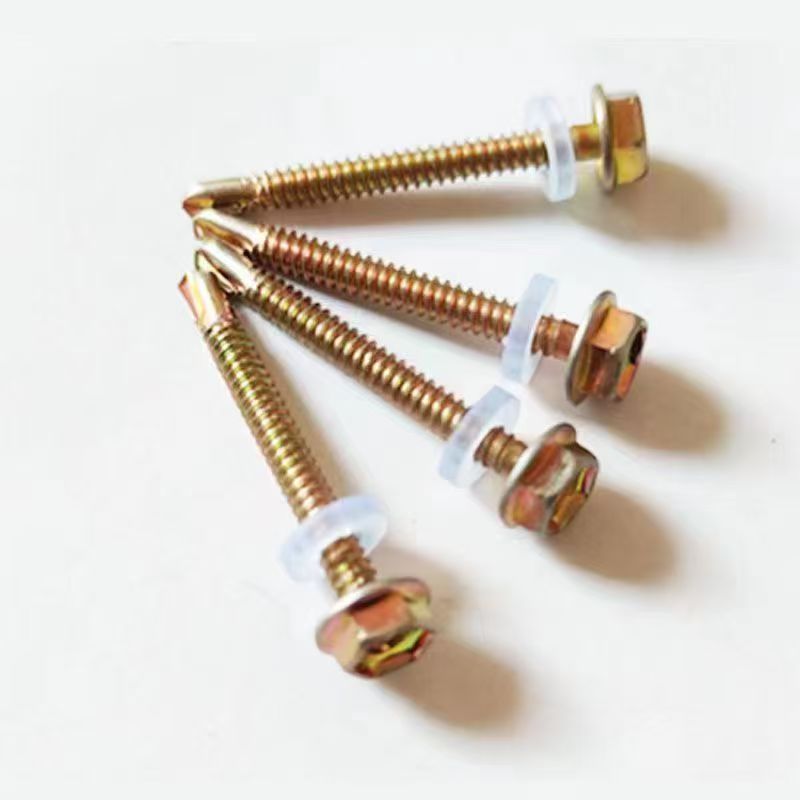 Rangli galvanizli olti burchakli matkap quyruqli sim
 -
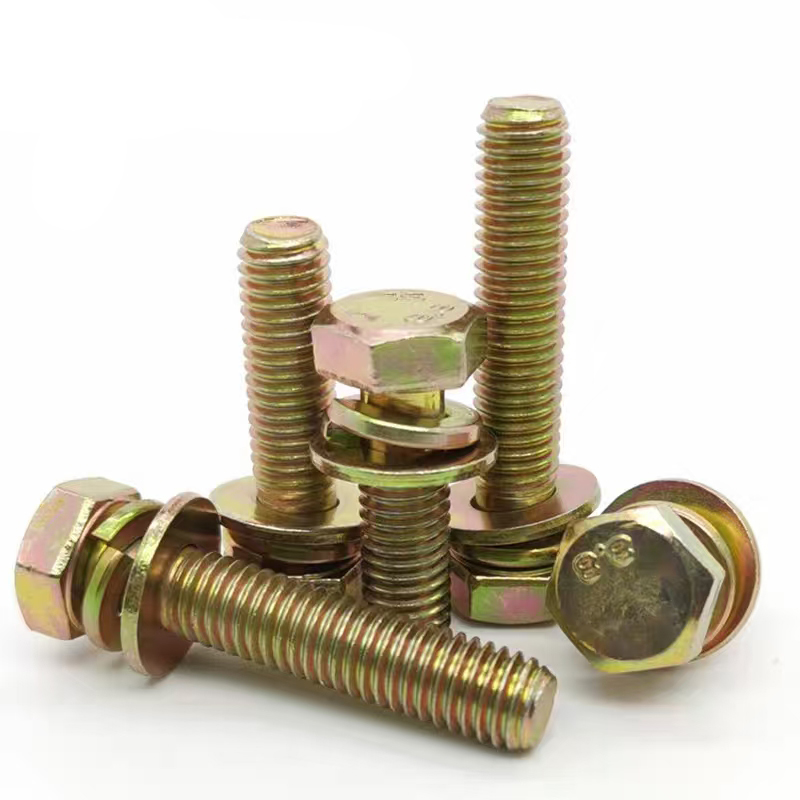 Rangli sink bilan qoplangan olti burchakli murvatlar
 -
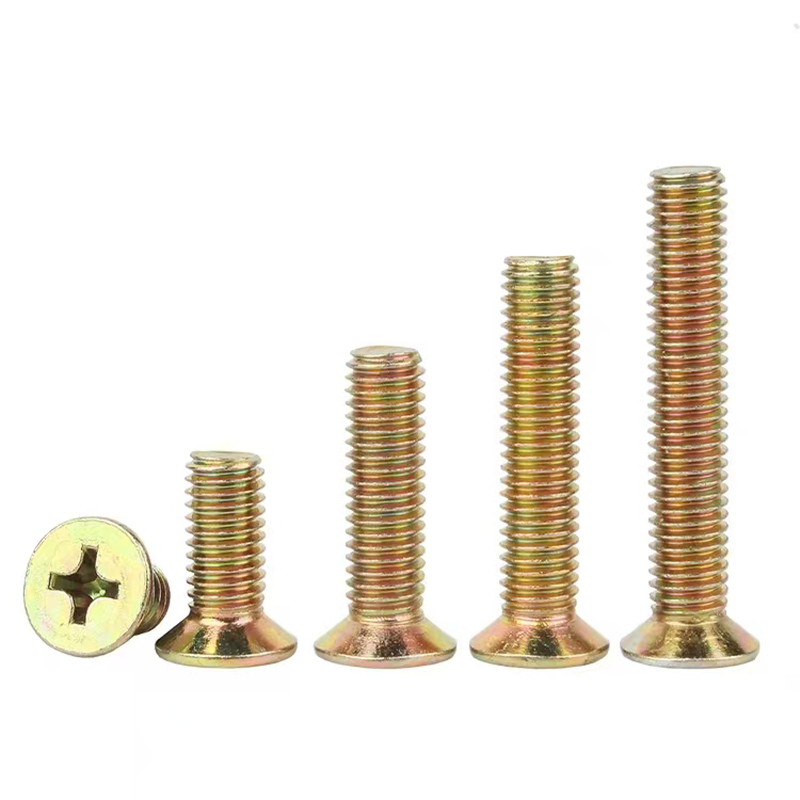 Rangli sink bilan qoplangan ko'ndalang murvatlar
 -
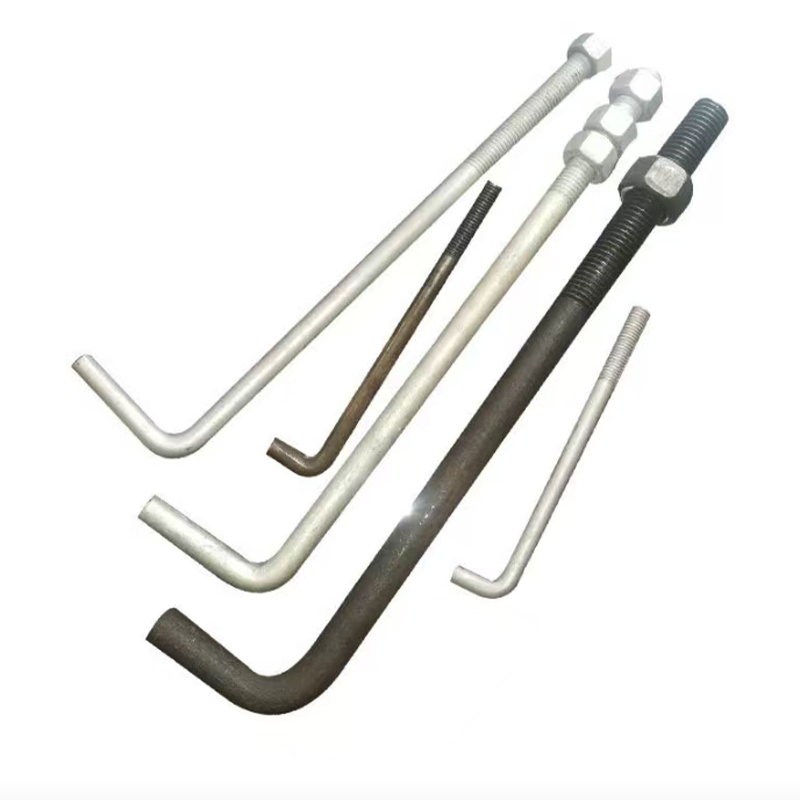 7-shaklli ankrajlar (7-shaklli langar murvatlari)
 -
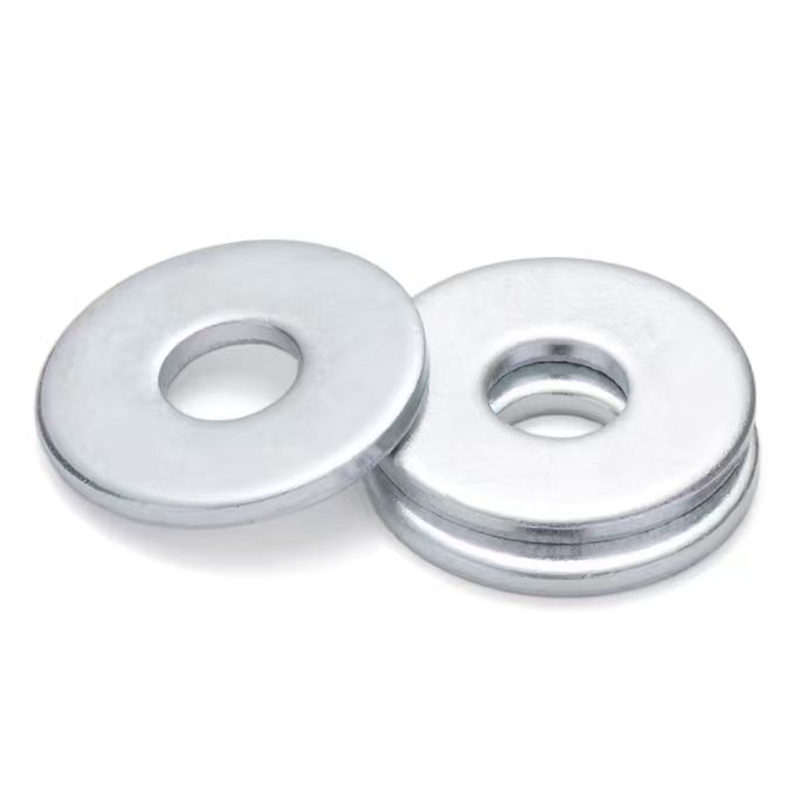 Elektrolizlangan galvanizli qistirmalari
 -
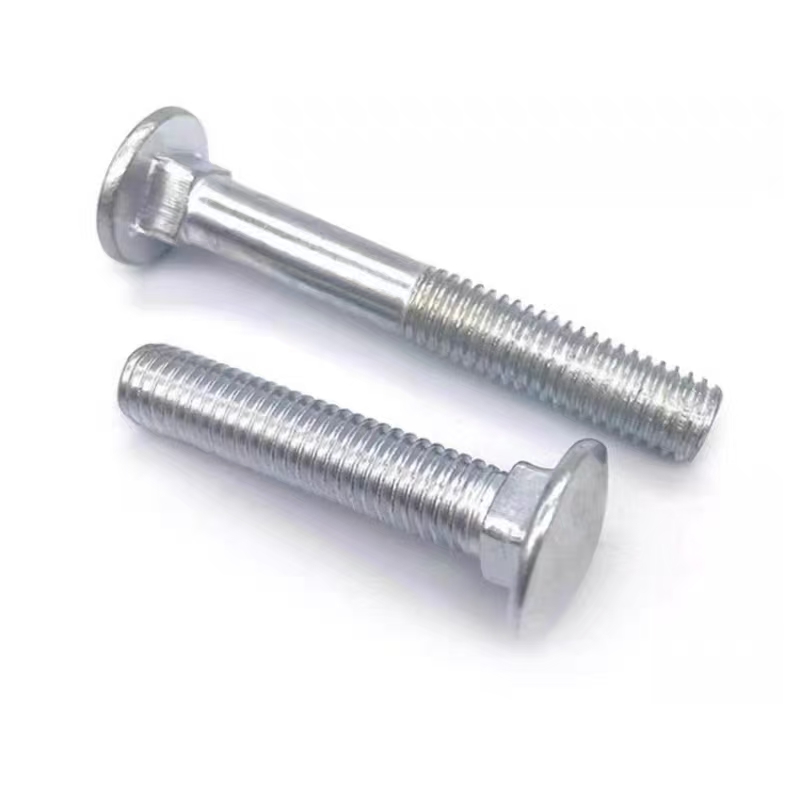 Tashish murvati (yarim dumaloq boshli kvadrat bo'yinli murvat)
 -
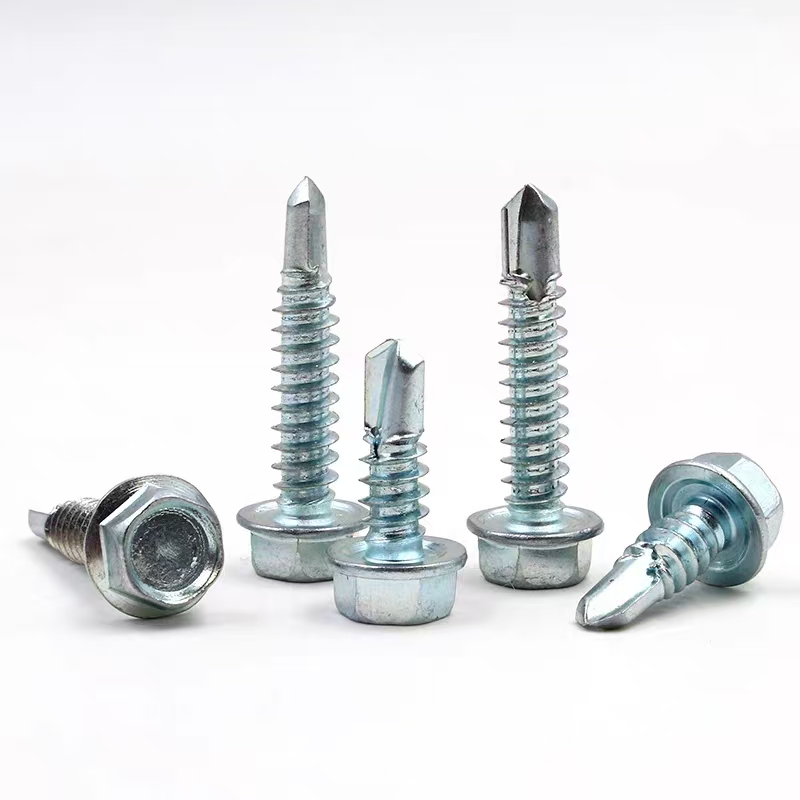 Elektrogalvanizli olti burchakli burg'ulash ipi
 -
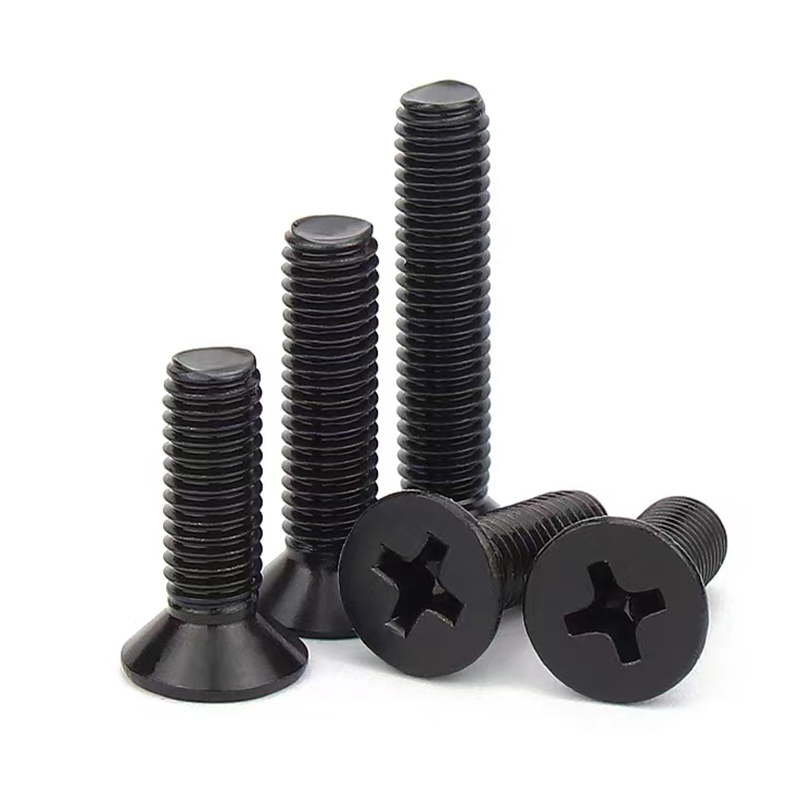 Qora rux bilan qoplangan ko'ndalang murvatlar
 -
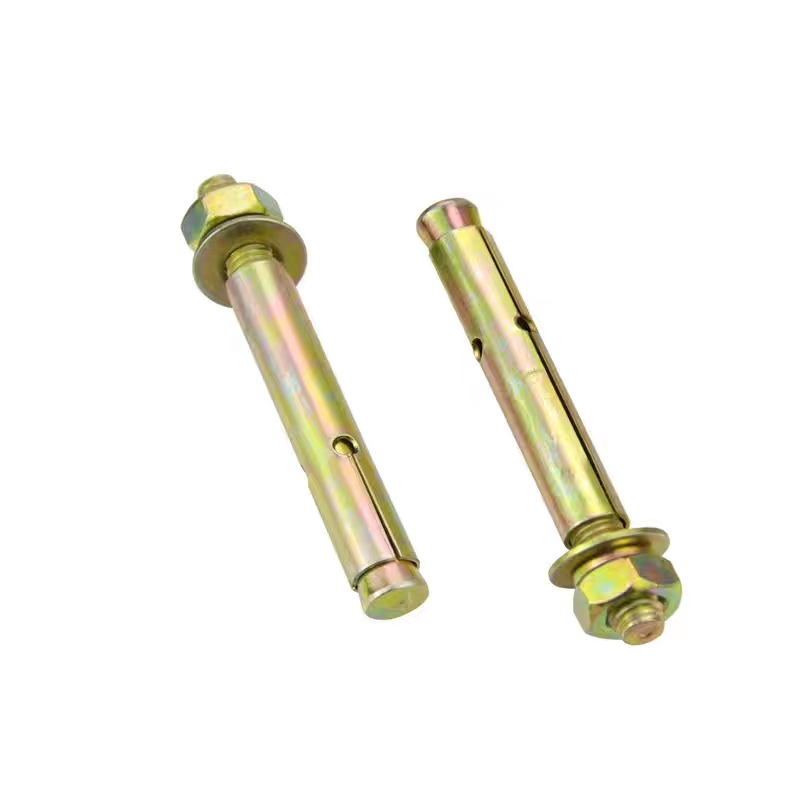 Rangli sink bilan qoplangan kengaytirish murvatlari
 -
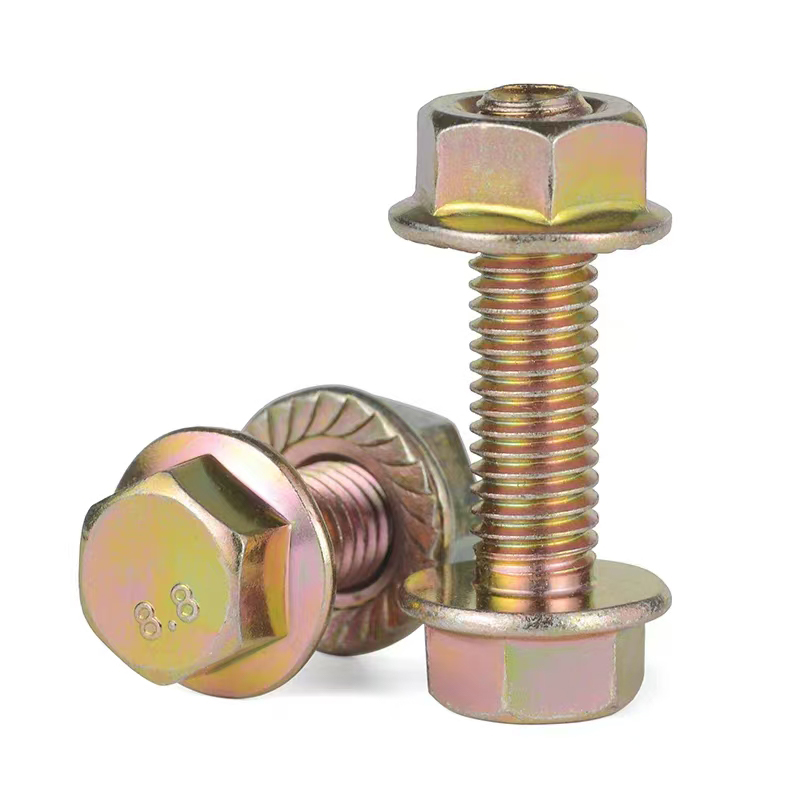 Rangli sink gardish murvatlari


