- Chinese
- French
- German
- Portuguese
- Spanish
- Russian
- Japanese
- Korean
- Arabic
- Irish
- Greek
- Turkish
- Italian
- Danish
- Romanian
- Indonesian
- Czech
- Afrikaans
- Swedish
- Polish
- Basque
- Catalan
- Esperanto
- Hindi
- Lao
- Albanian
- Amharic
- Armenian
- Azerbaijani
- Belarusian
- Bengali
- Bosnian
- Bulgarian
- Cebuano
- Chichewa
- Corsican
- Croatian
- Dutch
- Estonian
- Filipino
- Finnish
- Frisian
- Galician
- Georgian
- Gujarati
- Haitian
- Hausa
- Hawaiian
- Hebrew
- Hmong
- Hungarian
- Icelandic
- Igbo
- Javanese
- Kannada
- Kazakh
- Khmer
- Kurdish
- Kyrgyz
- Latin
- Latvian
- Lithuanian
- Luxembou..
- Macedonian
- Malagasy
- Malay
- Malayalam
- Maltese
- Maori
- Marathi
- Mongolian
- Burmese
- Nepali
- Norwegian
- Pashto
- Persian
- Punjabi
- Serbian
- Sesotho
- Sinhala
- Slovak
- Slovenian
- Somali
- Samoan
- Scots Gaelic
- Shona
- Sindhi
- Sundanese
- Swahili
- Tajik
- Tamil
- Telugu
- Thai
- Ukrainian
- Urdu
- Uzbek
- Vietnamese
- Welsh
- Xhosa
- Yiddish
- Yoruba
- Zulu
- Kinyarwanda
- Tatar
- Oriya
- Turkmen
- Uyghur


Cross fastener
Let's talk about the cross fastener. Most people, even some in the trade, immediately think Phillips screw. That's the first misconception. The term actually covers a broader range of recesses designed for torque transfer with a cross-shaped driver. The Phillips (PH) is just one type, with the Pozidriv (PZ) being the other major player. The confusion between them is probably responsible for half the stripped screw heads I've seen in the field. You grab a PH2 driver for a PZ2 screw, it might seat, but you're camming out way before reaching proper clamp load, chewing up the recess. That's a fundamental design difference, not a quality issue with the fastener itself.
The Anatomy of a Recess
Looking at it under a glass, the geometry tells the story. A Phillips recess has tapered walls and rounded corners in the cross. It's designed to cam out under excess torque—a supposed safety feature for assembly lines to prevent overtightening and breaking delicate materials. The Pozidriv, developed later, has straighter side walls, additional radiating ribs between the primary cross arms, and a shallower, blunter tip angle. This gives more positive engagement, reduces cam-out, and allows higher torque application. The driver tips are not interchangeable for optimal performance, despite what a general-purpose hardware store bit set might suggest.
In practice, this means specifying the correct drive type is as critical as specifying the grade or material. On an aluminum housing for an outdoor telecom box, using a stainless steel PZ screw with the correct PZ driver means you can achieve the necessary seal pressure without wrecking the head, even after weathering. Use a PH driver, and you'll be drilling out screws in year two. I learned this the hard way on a batch of enclosures about a decade ago; we sourced what we thought were cross head screws from a general supplier, paired them with standard PH drivers, and had a field failure rate on panel attachments that was embarrassing. The post-mortem showed classic cam-out damage on the PZ-designated fasteners we'd unknowingly purchased.
Material and plating play into this too. A zinc-plated carbon steel cross fastener in a PH recess might perform acceptably in drywall. But try that with a hardened stainless screw, and the driver's tendency to slip becomes a major headache. The harder the fastener, the more critical precise driver-to-recess mating becomes. This is where you see the value in suppliers who understand the engineering, not just the commodity. A region like Yongnian in Hebei, a massive production hub, has factories running the gamut from low-end commodity to precision-focused manufacturers. The latter get these nuances.
Sourcing and the Reality of Standards
Which brings me to sourcing. The global supply chain is flooded with cross fasteners that nominally meet a standard like ISO 7045 or 7046, but the devil is in the tolerances. The angle of the recess, the depth, the sharpness of the corners—these are what separate a fastener that works smoothly on a production line from one that causes driver chatter and operator fatigue. I've visited plants where the stamping dies for the recess are run thousands of cycles past their optimal life, just to save on tooling cost. The resulting fasteners look okay in a bulk sample, but consistency is shot.
This is why proximity to a mature industrial base matters. A manufacturer situated in a concentrated production area, like Handan Zitai Fastener Manufacturing Co., Ltd. in Yongnian, Hebei, often has better access to specialized tooling and die maintenance services. Their location, adjacent to major transport links like the Beijing-Guangzhou Railway and expressways, isn't just a sales point for shipping; it means their technical reps and quality managers can easily visit the tooling shops and wire drawing facilities that feed their production. This integrated network allows for tighter control over the front-end of the process, which dictates the quality of the final recess form.
You can see this on a site like https://www.zitaifasteners.com. While many online catalogs just list cross recess or Phillips, the detailed specs and clear differentiation between PH and PZ systems hint at a deeper technical understanding. It reflects a supplier catering to buyers who need the right part, not just a cheap part. For a project engineer, that's the starting point for a conversation.
Application Pitfalls and Field Fixes
Beyond assembly, maintenance is where cross fastener flaws get exposed. Corrosion, paint, dirt—they all fill that precise recess. I've spent countless hours on service calls where the real problem wasn't a failed component, but a fastener head so corroded or clogged that no driver could bite. For critical infrastructure, this is a design flaw. The cross fastener, especially Phillips, is poor for high-corrosion or high-vibration environments where disassembly is anticipated. A combination drive (cross with a square) or a Torx is often a better lifetime choice, though at a cost premium.
There are tricks, of course. Cleaning out a recess with a pick, using an impact driver with a fresh, high-quality bit, and applying penetrating oil around the head's edge (not just the threads) can work miracles. But these are field fixes. The better solution is upfront specification: choosing the right drive type, a corrosion-resistant coating like Geomet or Dacromet, and ensuring the assembly crew has the correct, well-maintained drivers. It sounds basic, but it's staggering how often this sequence breaks down.
I recall a solar farm installation where the mounting rail brackets used PZ3 stainless screws. The contractor used an electric impact with standard PH3 bits. By the time the first row was up, maybe 30% of the screw heads were visibly damaged. We had to stop the job, source the correct PZ3 impact bits, and replace every compromised fastener. The delay cost more than the entire fastener order. The lesson was that the fastener specification sheet is useless if it doesn't reach the hands actually turning the tools.
The Future of the Cross Drive
Is the cross fastener becoming obsolete? Not at all. For a vast range of applications, particularly in wood, light sheet metal, and plastics, its cost-effectiveness and simplicity are unbeatable. The Phillips system's cam-out feature, often maligned by engineers, is a benefit in automated assembly of consumer electronics or furniture where material thickness varies. It prevents crushing. The key is intentional application.
Newer hybrid drives like the Phillips/Square combo are gaining ground, offering the speed of the cross alignment with the positive torque of a square drive. But they require special bits. In many high-volume, cost-sensitive manufacturing sectors, the traditional cross fastener, produced efficiently in massive hubs like Yongnian, will remain king. The evolution is more about material science—stronger, lighter alloys—and advanced platings to extend service life, rather than a wholesale abandonment of the recess form.
For a manufacturing company embedded in that ecosystem, the challenge is balancing volume production with the growing demand for specialization. It's not just about making a billion Phillips screws. It's about having the capability to run a batch of PZ2 screws in A4-80 stainless with a specific black oxide coating for a European automotive supplier, and then switching to a run of PH1 brass screws for electrical fixtures. Flexibility within the specialization of fasteners is the real competitive edge now.
Concluding Without a Bow
So, the cross fastener. It's a tiny piece of engineered geometry that holds the modern world together, yet is so often an afterthought. Its performance hinges on the subtle interplay between recess design, driver bit quality, operator knowledge, and application environment. Treating all cross drives as the same is a fast track to assembly headaches and field failures.
Successful use comes down to respecting its specifics. Specify Pozidriv when you need torque without cam-out. Specify Phillips when you want that controlled slip. Ensure the supply chain, from the manufacturer to the installer's tool pouch, respects that distinction. And when sourcing, consider the infrastructure behind the supplier—a company based in the heart of China's fastener district, like the one mentioned earlier, often has a tangible advantage in consistency and technical grasp precisely because it's surrounded by the industry's entire ecosystem.
In the end, it's a component that demands more attention than it usually gets. Getting it right is invisible. Getting it wrong stops production lines, frustrates technicians, and compromises products. That's the real weight a simple cross has to bear.
Related products
Related products
Best selling products
Best selling products-
 Stud bolts
 -
Colored zinc-plated gaskets
-
Electroplated zinc flange bolts
-
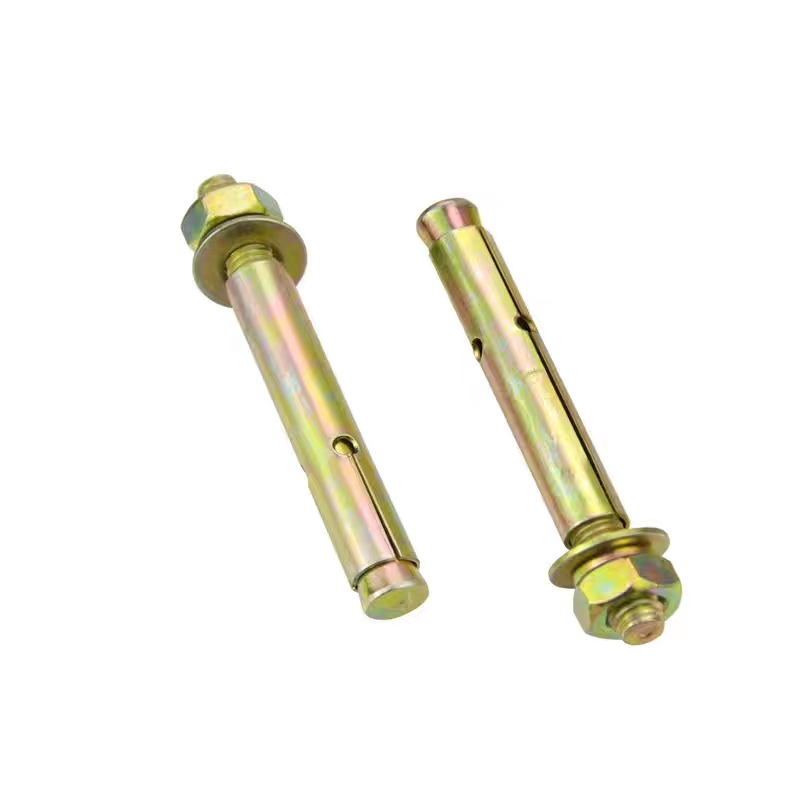
Electrogalvanized expansion bolts
-
Hot-dip galvanized chemical bolts
-
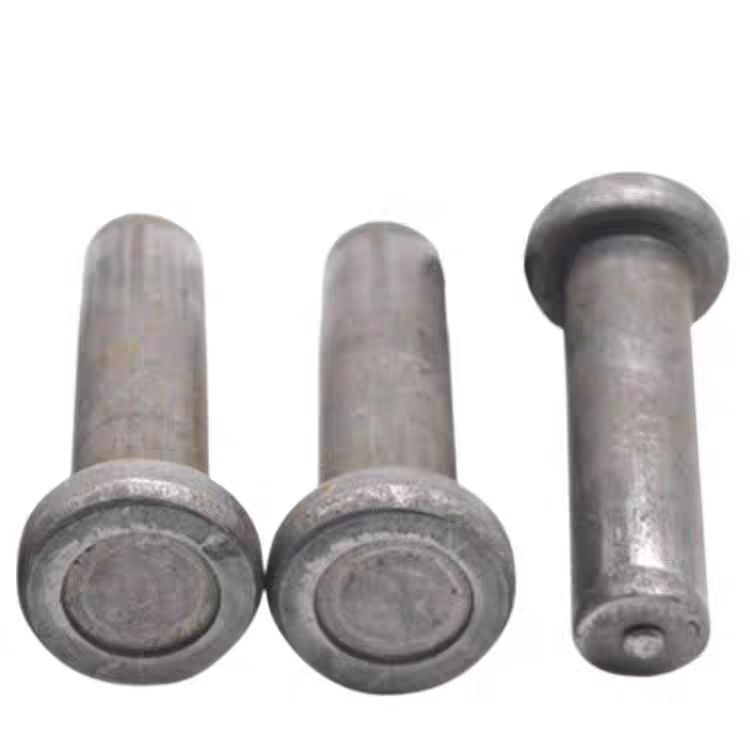
Steel structure welding studs
-
Anti-loosening nut (locking nut)
-
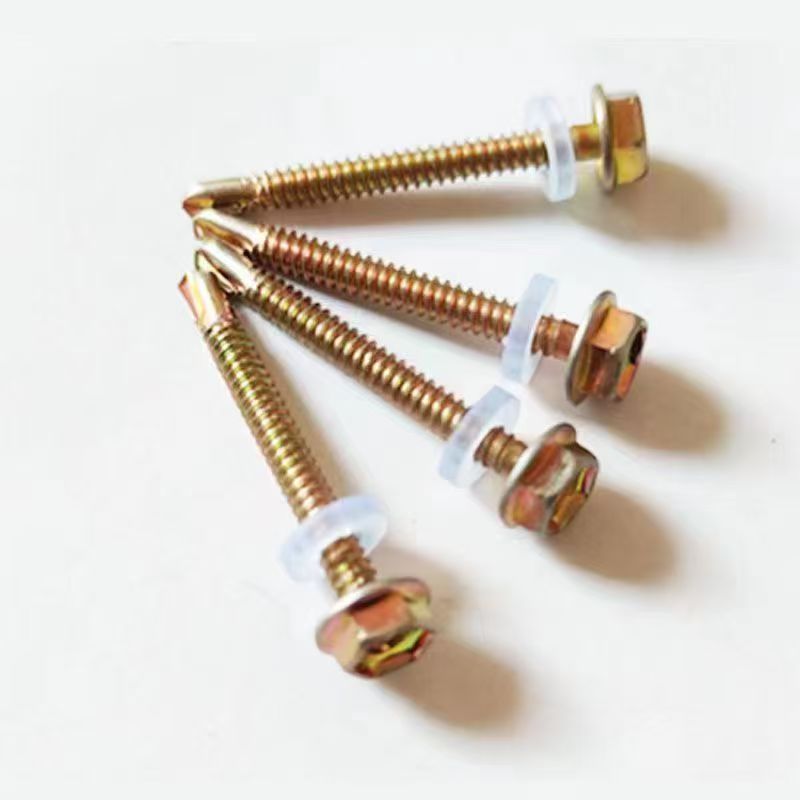
Colored galvanized hexagonal drill tail wire
-
Carriage bolt (half-round head square neck bolt)
-
High-strength blackened gasket
-
T-bolt (T-slot bolt)
-
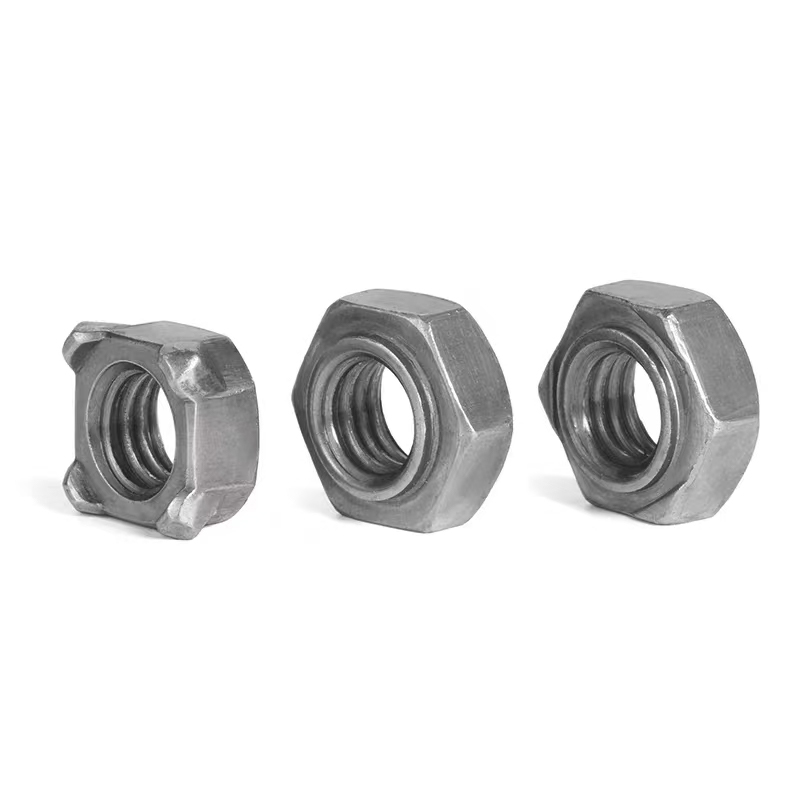
Colored zinc-plated nuts