- Chinese
- French
- German
- Portuguese
- Spanish
- Russian
- Japanese
- Korean
- Arabic
- Irish
- Greek
- Turkish
- Italian
- Danish
- Romanian
- Indonesian
- Czech
- Afrikaans
- Swedish
- Polish
- Basque
- Catalan
- Esperanto
- Hindi
- Lao
- Albanian
- Amharic
- Armenian
- Azerbaijani
- Belarusian
- Bengali
- Bosnian
- Bulgarian
- Cebuano
- Chichewa
- Corsican
- Croatian
- Dutch
- Estonian
- Filipino
- Finnish
- Frisian
- Galician
- Georgian
- Gujarati
- Haitian
- Hausa
- Hawaiian
- Hebrew
- Hmong
- Hungarian
- Icelandic
- Igbo
- Javanese
- Kannada
- Kazakh
- Khmer
- Kurdish
- Kyrgyz
- Latin
- Latvian
- Lithuanian
- Luxembou..
- Macedonian
- Malagasy
- Malay
- Malayalam
- Maltese
- Maori
- Marathi
- Mongolian
- Burmese
- Nepali
- Norwegian
- Pashto
- Persian
- Punjabi
- Serbian
- Sesotho
- Sinhala
- Slovak
- Slovenian
- Somali
- Samoan
- Scots Gaelic
- Shona
- Sindhi
- Sundanese
- Swahili
- Tajik
- Tamil
- Telugu
- Thai
- Ukrainian
- Urdu
- Uzbek
- Vietnamese
- Welsh
- Xhosa
- Yiddish
- Yoruba
- Zulu
- Kinyarwanda
- Tatar
- Oriya
- Turkmen
- Uyghur

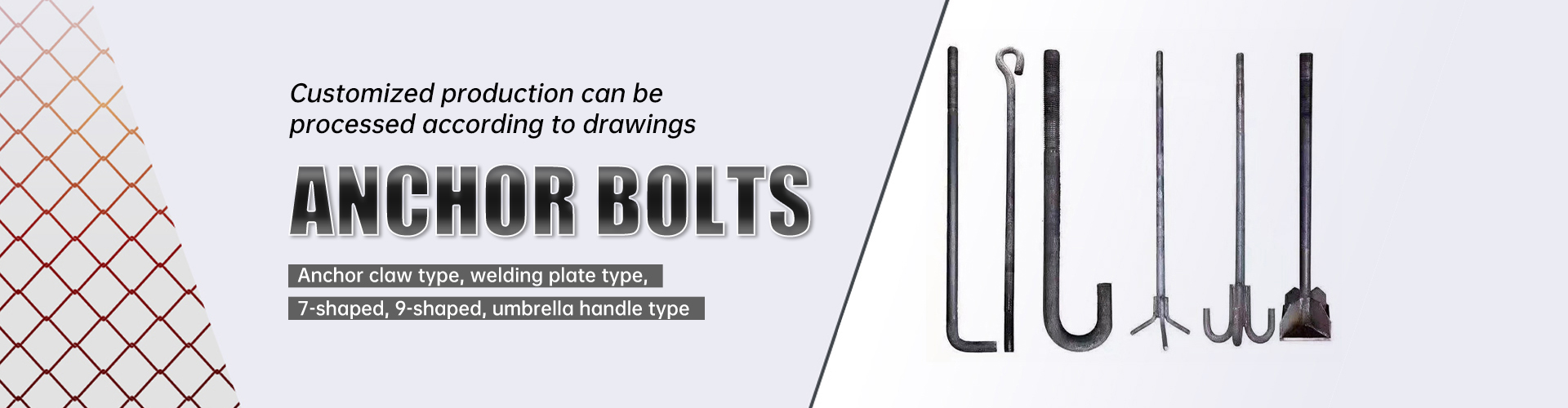
drywall nail
You know, when most folks hear 'drywall nail', they picture any old nail banged into a stud to hold up a sheet. That's where the trouble starts. It's not just a nail; it's a specific fastener for a specific, kinda fragile material. Get it wrong, and you're looking at pops, cracks, and a whole lot of rework. I've seen guys try to use common bright nails or even ring shanks, thinking the extra grip helps. It doesn't. It tears the gypsum core and compromises the paper face, which is what actually gives drywall its strength. The right drywall nail has a purpose.
The Anatomy of the Thing
So, what makes it different? First, the head. It's got a cupped, or dimpled, head. This isn't for looks. When you drive it in, the final tap with the hammer seats the head slightly below the surface without breaking the paper. It creates that perfect little dimple for joint compound. A flat head would just crush and tear. Then there's the shank. It's usually a smooth, cement-coated shank. The coating reduces friction driving in, which is crucial because drywall is brittle. A ring shank creates too much resistance, causing vibration that can crack the board before the nail is even home.
The length is non-negotiable too. For 1/2-inch board on wood studs, you need at least 1-1/4 inch. That gives you enough bite into the framing member. Too short, and it pulls out. Too long, and you risk hitting pipes or wires. The point is typically a diamond point—sharp enough to penetrate without needing a massive swing that could jar the board. It's a balance of mechanics a lot of people overlook.
I remember a supplier once sent us a batch labeled as drywall nails, but the heads were nearly flat and the shank was barbed. We didn't catch it until a crew had hung a whole room. A month later, every single nail was a shiny little bump on the wall. The barbed shank prevented any natural settling of the wood framing, so as the lumber dried, the nail held tight but the board around it pushed out. Had to strip it all. That was a lesson in trusting, but also verifying, the spec.
Sourcing and the Reality of Good Enough
This brings me to sourcing. You can buy drywall nails at any big-box store, and they'll work for a small patch job. But for production work, consistency is king. You need a supplier that understands the tolerances. The coating thickness, the head depth, the alloy—it all matters. A cheap nail might have a brittle shaft that snaps under the hammer, or a coating that flakes off and jams your nail gun.
I've been ordering from a few specialized manufacturers lately. One that comes to mind is Handan Zitai Fastener Manufacturing Co., Ltd.. They're out of Yongnian in Hebei, which is basically the fastener capital of China. Their whole operation is set up for volume and precision on standard parts. I found them through a spec sheet comparison when we were bidding a large multi-family project. The thing about a manufacturer like that, located near major transport links like the Beijing-Guangzhou Railway and expressways, is that they're built for reliable logistics. You don't get delays because your pallet of nails is stuck on a dock somewhere.
Why does that matter? On a Tuesday morning with a crew of six hangers waiting, a missing skid of fasteners shuts down the entire operation. It's not just about the nail itself, but the system behind getting it to your job site. Their website, https://www.zitaifasteners.com, is straightforward—catalogs, specs, material certifications. No fluff. It tells me they're selling to trades and procurement managers, not DIYers. That alignment is important.
The Gun and the Hand Drive Debate
Most work is done with coil-fed nail guns now. Speed is everything. But the gun has to be tuned for the nail. The depth setting is critical. Too deep, and you blow through the paper. Too shallow, and the head sits proud. You're constantly checking, adjusting for humidity (which changes the board density slightly), and even the age of the compressor. A rookie mistake is to just crank the pressure up and blast them in. You'll get a nail that's over-driven one second and under-driven the next.
Hand-driving is a lost art, but it's still the best way to feel what's happening. You feel the nail enter the stud, the resistance change as the head meets the board. It's a tactile feedback loop no gun can give you. For repairs or small areas, I still hand-drive. It forces you to be deliberate. You notice if a stud is harder or softer, if the board is bowed. A gun can mask those subtleties until it's too late.
The other issue with guns is jambs. A poorly manufactured drywall nail with a bent tip or inconsistent coating will jam a gun every few rounds. It kills productivity and frustrates the crew. When we switched to a supplier with stricter QC, our jam rate dropped to maybe one per coil. That's a tangible difference on the clock.
Beyond the Wall: Other Uses and Misuses
You see these nails used elsewhere—tacking up house wrap, securing foam insulation board, even in some temporary framing. Sometimes it's fine. For foam board, a plastic cap nail is better, but a drywall nail will hold in a pinch. The cement coating actually helps with corrosion resistance a bit compared to a bright nail.
The big misuse is trying to use them for structural attachment. They are not a substitute for a framing nail or a screw in a shear application. I had a guy once use them to secure a ledger board for a shelf. It held for a week, then slowly every nail pulled out as the weight caused the wood to sag. The holding power in shear is minimal. Their job is to hold a board flat against a stud, not to support a load pulling perpendicular to the shaft.
It's a fastener with a single, well-defined purpose. Respect that purpose, and it works beautifully. Try to make it something it's not, and it fails. It's a good metaphor for a lot of things in this trade, actually.
The Future of the Drywall Nail
With screws becoming more dominant, especially for ceilings and fire-rated assemblies, you might wonder if the drywall nail is obsolete. Not yet. For wood framing in residential, nails are still faster and cheaper for walls. The installation speed with a coil gun is unbeatable. There's also the argument that a nail has a little more give, allowing for minor wood movement without popping, whereas a screw holds it rigid. I've seen evidence both ways on that one.
The evolution I see is in coatings and alloys. More corrosion-resistant coatings for use in potentially damp areas, or harder alloys that allow for a slightly thinner shank without sacrificing strength, reducing the risk of board fracture. Manufacturers who invest in that R&D, like a large-scale producer focused on standards, will keep the product relevant.
At the end of the day, it remains a fundamental component. It's not glamorous. You'll never see a fancy ad for a drywall nail. But pick up the wrong one, and you'll see its importance written all over a cracked, failed wall. It's a humble tool that demands a bit of respect and a lot of understanding. You can't just bang it in and hope for the best. You have to know why it's shaped the way it is. That knowledge, more than anything, is what separates a lasting job from a callback.
Related products
Related products
Best selling products
Best selling products-
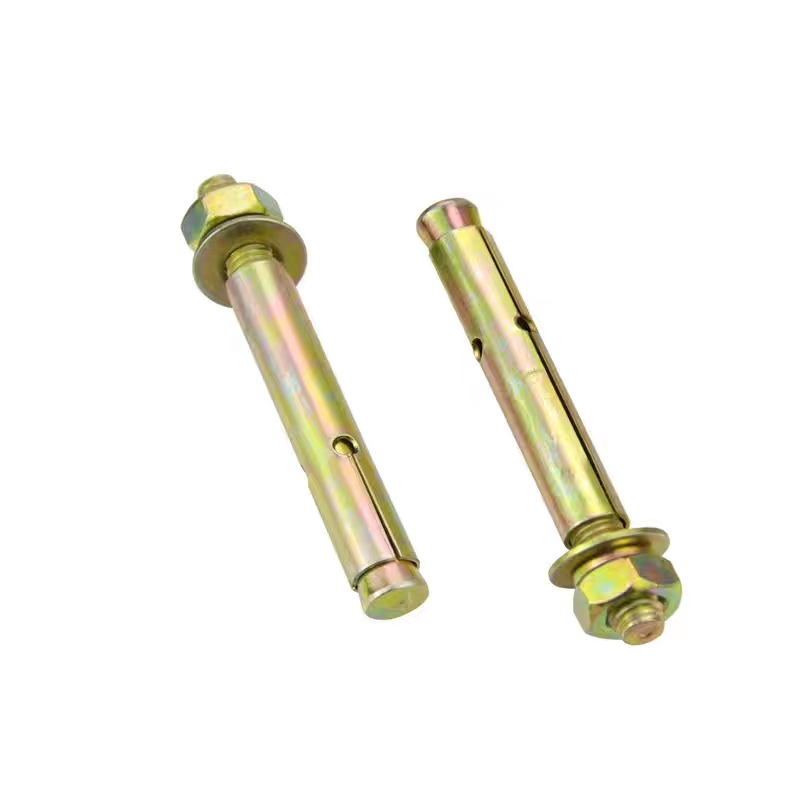
 Electrogalvanized expansion bolts
 -
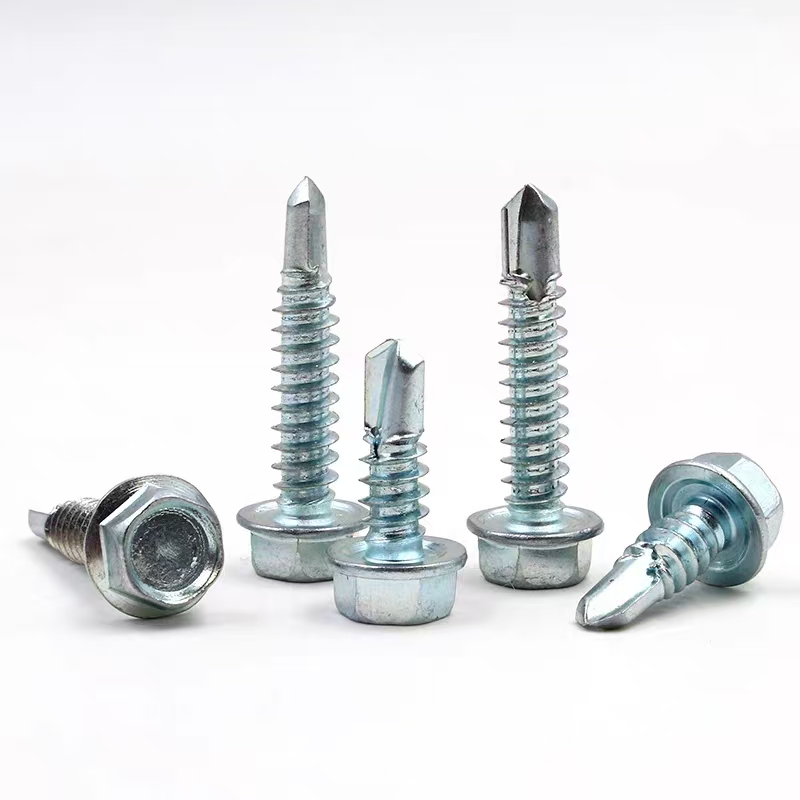
Electro-galvanized hexagonal drill thread
-
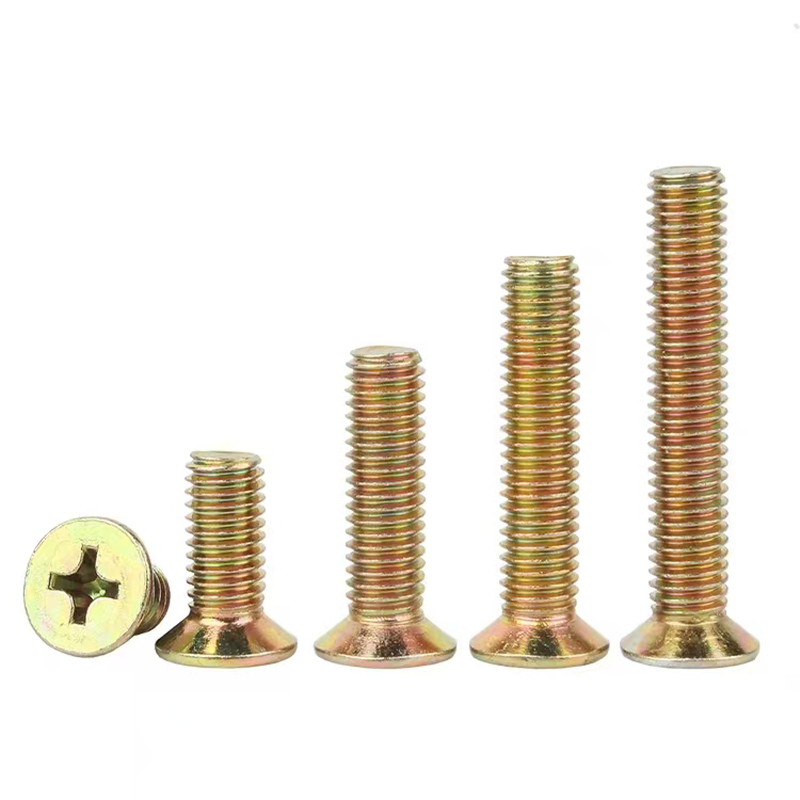
Colored zinc plated countersunk cross bolts
-
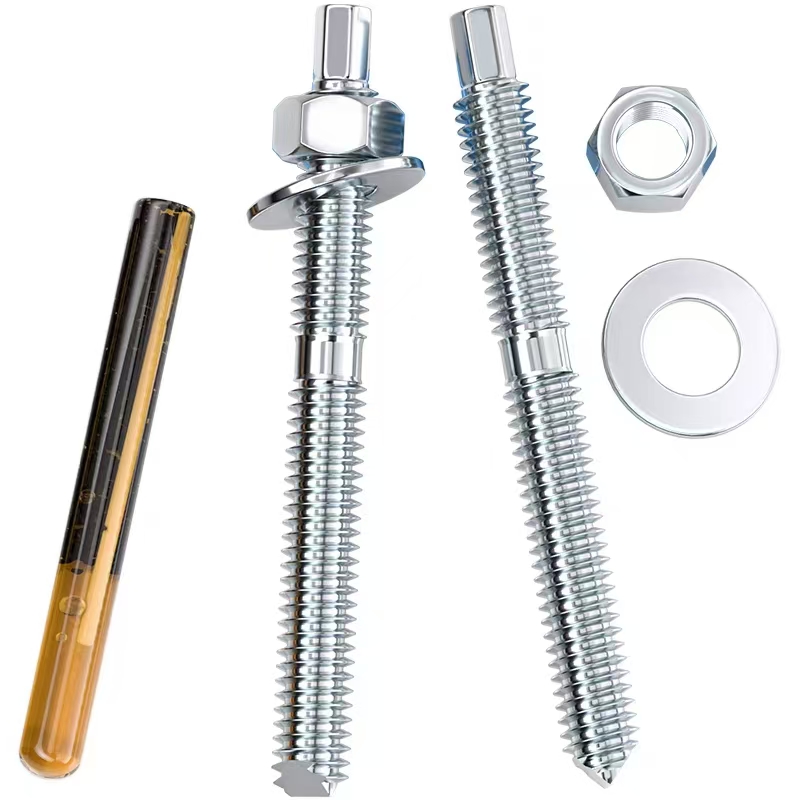
Electrogalvanized chemical bolts
-
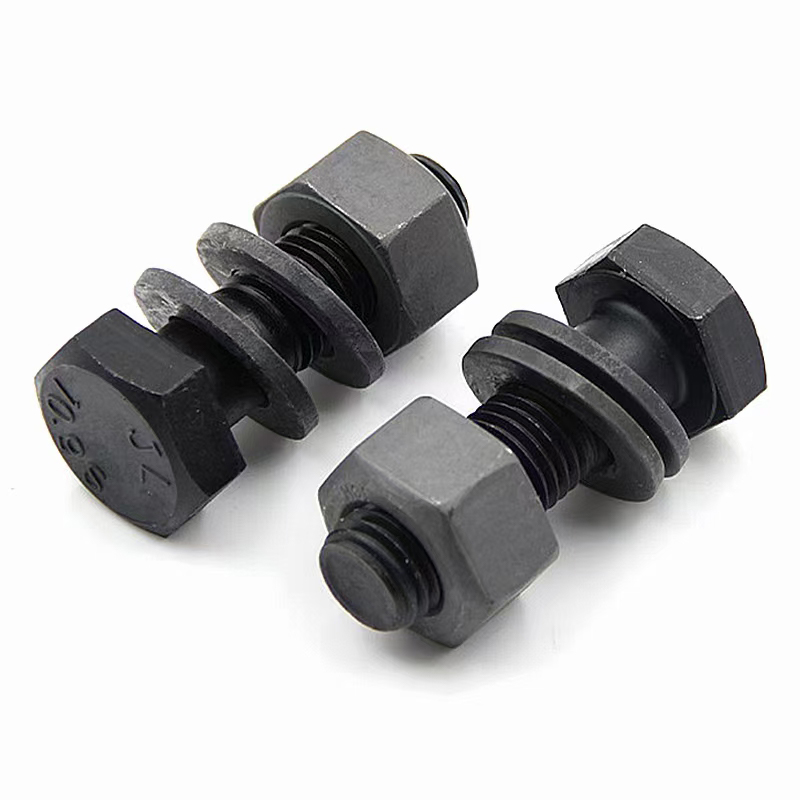
10.9S large hexagon bolts
-
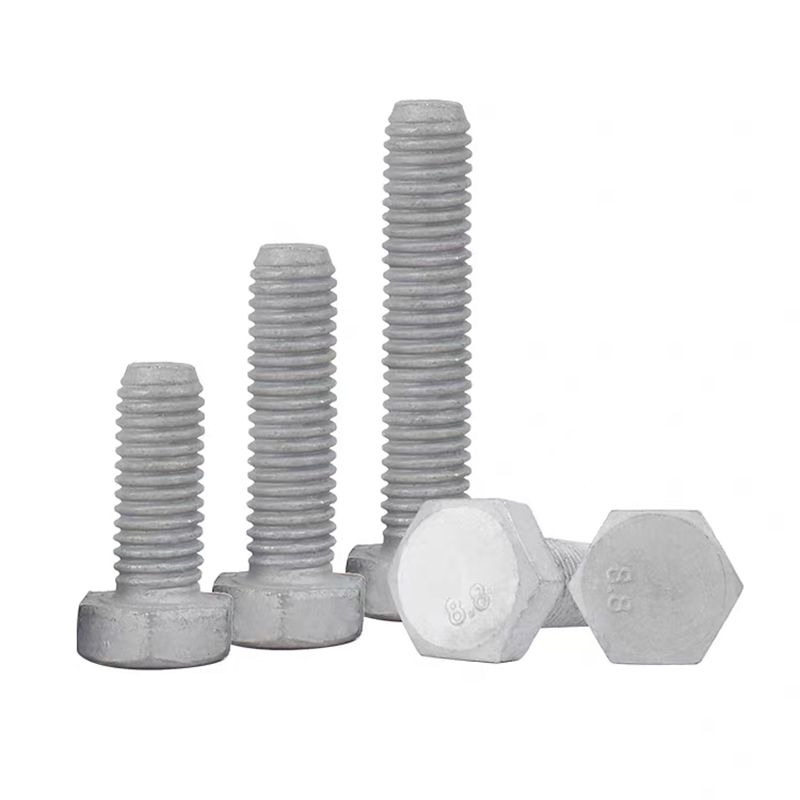
Hot-dip galvanized hexagonal bolts
-
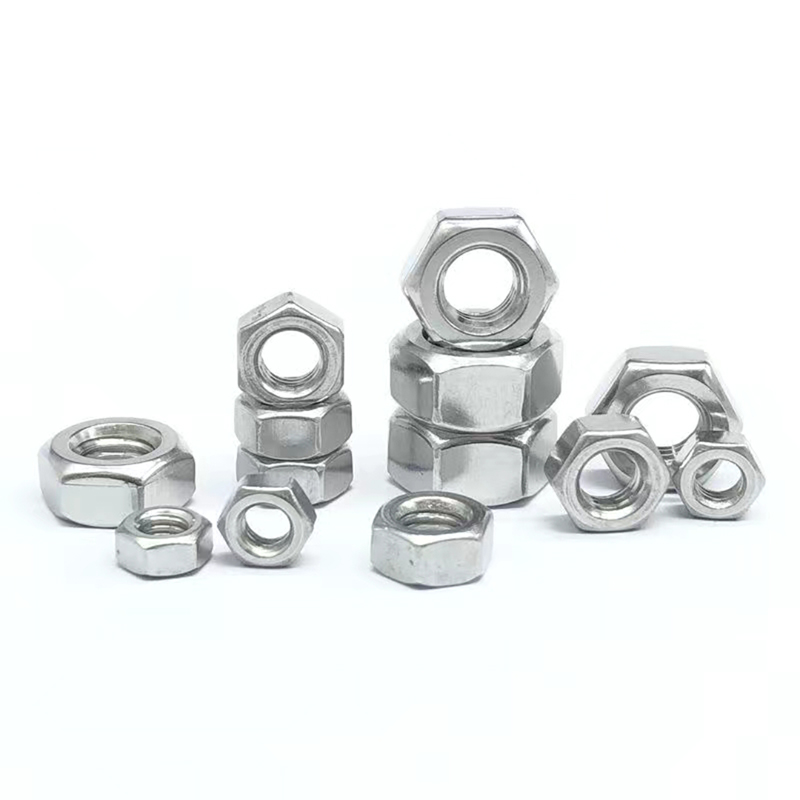
Electrogalvanized nuts
-
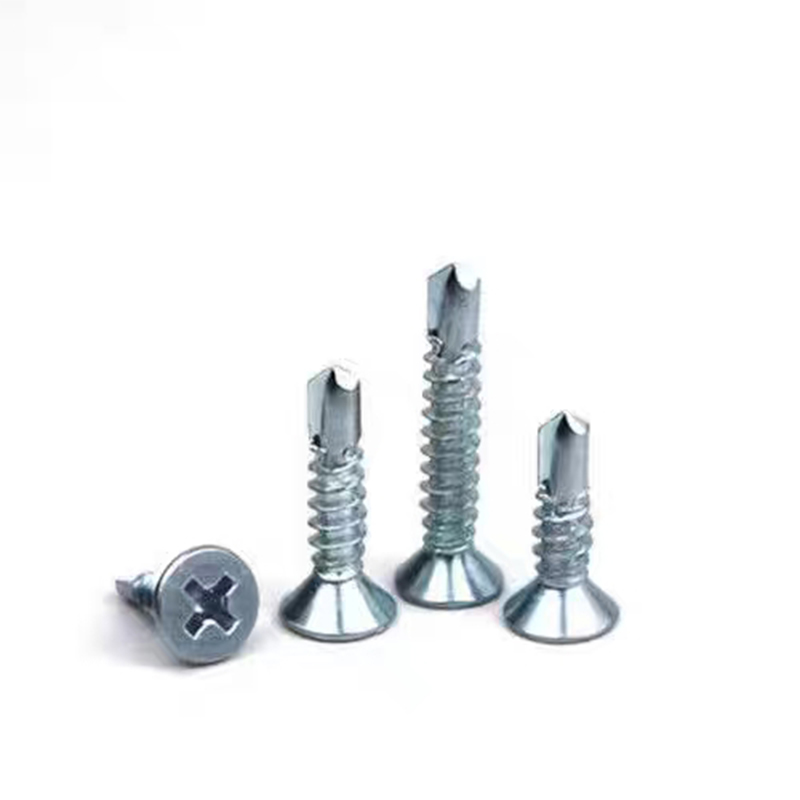
Electrogalvanized cross countersunk drill thread
-
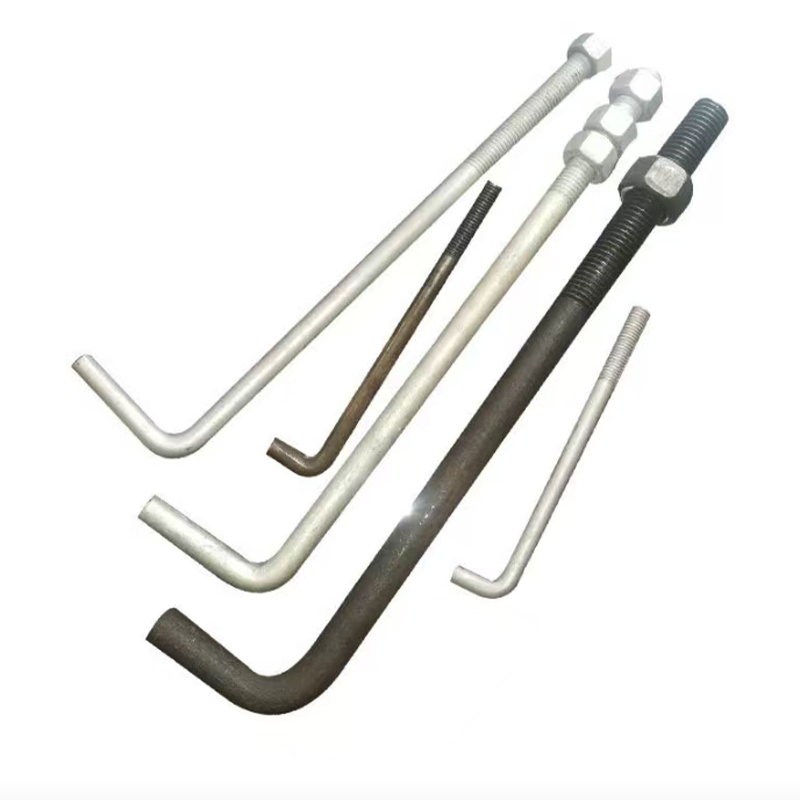
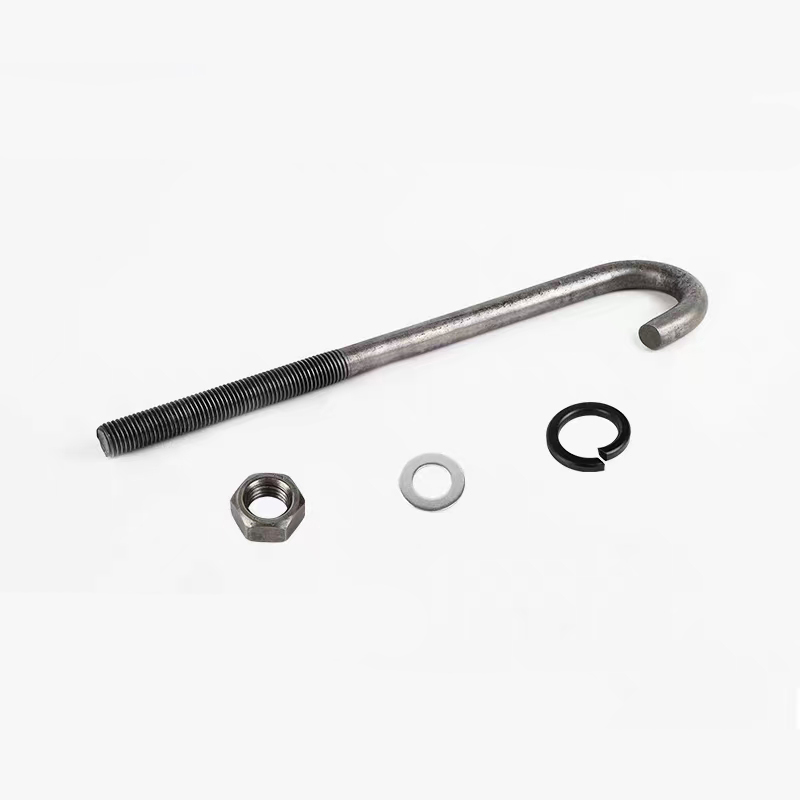
7-shaped anchors (7-shaped anchor bolts)
-
Colored zinc-plated expansion bolts
-
T-bolt (T-slot bolt)
-
Hexagon socket electrogalvanized bolts