- Chinese
- French
- German
- Portuguese
- Spanish
- Russian
- Japanese
- Korean
- Arabic
- Irish
- Greek
- Turkish
- Italian
- Danish
- Romanian
- Indonesian
- Czech
- Afrikaans
- Swedish
- Polish
- Basque
- Catalan
- Esperanto
- Hindi
- Lao
- Albanian
- Amharic
- Armenian
- Azerbaijani
- Belarusian
- Bengali
- Bosnian
- Bulgarian
- Cebuano
- Chichewa
- Corsican
- Croatian
- Dutch
- Estonian
- Filipino
- Finnish
- Frisian
- Galician
- Georgian
- Gujarati
- Haitian
- Hausa
- Hawaiian
- Hebrew
- Hmong
- Hungarian
- Icelandic
- Igbo
- Javanese
- Kannada
- Kazakh
- Khmer
- Kurdish
- Kyrgyz
- Latin
- Latvian
- Lithuanian
- Luxembou..
- Macedonian
- Malagasy
- Malay
- Malayalam
- Maltese
- Maori
- Marathi
- Mongolian
- Burmese
- Nepali
- Norwegian
- Pashto
- Persian
- Punjabi
- Serbian
- Sesotho
- Sinhala
- Slovak
- Slovenian
- Somali
- Samoan
- Scots Gaelic
- Shona
- Sindhi
- Sundanese
- Swahili
- Tajik
- Tamil
- Telugu
- Thai
- Ukrainian
- Urdu
- Uzbek
- Vietnamese
- Welsh
- Xhosa
- Yiddish
- Yoruba
- Zulu
- Kinyarwanda
- Tatar
- Oriya
- Turkmen
- Uyghur


checkered plate
You see checkered plate everywhere once you know what to look for – factory floors, truck beds, stair treads. But there's a common misconception that it's all the same, just a sheet of metal with a bumpy pattern for slip resistance. That's where the real conversation starts. The pattern, the material, the mill scale, even the way it's cut and welded, all of that dictates whether it works in the field or becomes a costly rework. I've seen both.
The Pattern Isn't Just Decoration
The raised pattern, the diamonds or lentils, that's the whole point. It's not about aesthetics; it's about creating a surface that grips when it's oily, wet, or covered in grit. But not all patterns are equal. The standard raised diamond pattern you see on most checkered plate has a spec – the height of the lug. A 1mm lug height behaves very differently from a 2mm one under a steel-toe boot. I remember specifying a batch for a loading dock extension, focusing on price, and got a plate with a shallower pattern. It passed the spec sheet but failed the first rainy day. Had to rip it out. Now, I always ask for a sample to physically test the grip.
Then there's the material beneath the pattern. Most common is mild steel, A36 or similar. It's tough, weldable, and relatively cheap. But that mill finish? It rusts if you look at it wrong. For outdoor applications, you're immediately thinking about treatment – priming, painting, or using galvanized checkered plate. Galvanized adds cost, and welding it requires care to avoid toxic fumes, but for a fire escape staircase exposed to the elements, it's the only sensible choice. Aluminum checkered plate is a whole other beast – lighter, corrosion-resistant, but softer and much more expensive. You pick your battles.
Weight is a silent factor everyone forgets until they have to move it. A 4x8 sheet of 3/16 mild steel checkered plate is brutally heavy. Handling, cutting, and installing it requires proper kit. I've been on sites where they tried to manhandle sheets that size without the right equipment – a good way to injure someone or damage the material. The pattern itself adds stiffness, which is good, but it also makes measuring and marking for precise cuts a bit trickier than with flat sheet. Your chalk line doesn't always sit perfectly in the valleys.
Fabrication and the Devil in the Details
Cutting checkered plate needs thought. A plasma cutter is fast but leaves a messy, hardened edge on the pattern lugs that often needs grinding down. Waterjet is clean but slow and expensive for high volume. For straight cuts on-site, a good abrasive saw or even a bandsaw can work, but you're going through more blades. The key is to support the plate properly to avoid vibration that ruins the cut and the blade.
Welding it is where you really see the difference between a generic sheet and a quality one. If the plate has a lot of mill scale or impurities, you get porosity, weak welds, and spatter everywhere. You need to clean the weld zone back to bright metal, which on a patterned surface is tedious. For critical structural applications, like welding checkered plate to a frame for a heavy equipment platform, beveling the edge before welding adds strength. It's an extra step, but skipping it risks a fracture point. I learned that the hard way on a conveyor support walkway that developed cracks at the weld seams after a year of vibration.
Then there's fit-up. Because of its stiffness, getting a large sheet to lie perfectly flat against an underlying frame can be a fight. You might need to clamp it strategically and weld in a specific sequence to pull it tight. If the supporting structure isn't perfectly level (and it rarely is), you'll get gaps or a drumming sound when walked on. We often use a continuous fillet weld around the perimeter, but for very large sheets, a stitch weld pattern is sometimes better to manage thermal distortion. It's not textbook; it's what works on the day.
Sourcing and the Reality of Supply
Where you get it matters immensely. The market is flooded with product, but consistency is king. You want a supplier that understands the application, not just a warehouse selling sheet goods. I've dealt with mills and large distributors, but for many projects, especially when fasteners and other hardware are involved, a specialized manufacturer can be more efficient.
For instance, a company like Handan Zitai Fastener Manufacturing Co., Ltd. is situated in a major industrial hub. Their location in Yongnian, Handan, isn't just an address; it's in the heart of China's standard part production base. That proximity to raw material and logistics networks – near the Beijing-Guangzhou Railway and major highways – often translates into more competitive pricing and reliable availability for not just fasteners but associated steel products like checkered plate. When you're procuring for a large job, having a source that can bundle materials or provide consistent quality across product lines saves countless headaches. You can check their capabilities at https://www.zitaifasteners.com. It's not just about buying a sheet; it's about buying from a node in an industrial ecosystem.
Lead times and tolerances are the next conversation. In stock can mean different things. Does it need to be sheared to size? Does the tolerance on thickness matter for your project? For a decorative interior feature, maybe not. For a platform that must meet specific load ratings, absolutely. Always confirm the actual thickness – sometimes it's nominal, and the pattern is included, sometimes not. This gets into the technical data that separates a proper supplier from a commodity seller.
Application-Specific Judgement Calls
In workshops, the classic use is for flooring around machinery. Here, weldability and sheer durability are key. You're dropping tools, rolling heavy carts, spilling fluids. A thicker gauge, like 1/4, is common. But you also have to consider drainage or access panels. We often cut access hatches into the installed plate, reinforcing the edges with angle iron. It's a practical solution you won't find in a catalog.
For vehicle applications – truck beds, trailer floors – the calculus changes. Weight becomes a premium, and corrosion resistance is critical. Here, aluminum or galvanized steel steps up. The pattern depth is crucial because tires need to grip on inclines. I've seen truck beds polished smooth by cargo, defeating the purpose. Sometimes a more aggressive pattern or even a different type of non-slip surface is better, but checkered plate remains the default for a reason: it's proven.
One of the trickiest uses is in architectural or public spaces – stair treads in a stadium, walkways on a bridge. Here, safety codes dictate everything – slip resistance coefficients, open grating versus solid plate for drainage, even the direction of the pattern. The material might need to be stainless steel for longevity and appearance. The fabrication has to be flawless, with all edges broken and ground smooth to prevent injuries. The cost skyrockets, but the consequence of failure is a lawsuit, not just a repair order. It moves from a commodity to a precision-engineered component.
The Unspoken Trade-offs and Final Thought
Nothing is perfect. Checkered plate collects dirt and debris in the valleys. Cleaning it thoroughly is a chore. In food processing or pharmaceutical settings, this is a deal-breaker; you'd use a different, smoother non-slip surface. The pattern can also be harsh on thin-soled shoes or uncomfortable to stand on for long periods. For a factory walkway, that's an ergonomic consideration.
At the end of the day, specifying checkered plate is an exercise in balanced judgement. It's a workhorse material that solves a fundamental problem. But its success hinges on the nitty-gritty: choosing the right spec for the job, understanding the fabrication implications, and sourcing it from a competent partner in the supply chain. It's not glamorous, but when it's done right, you never notice it. It just works. And when it's wrong, it's all anyone can talk about. That's the real test.
Related products
Related products
Best selling products
Best selling products-
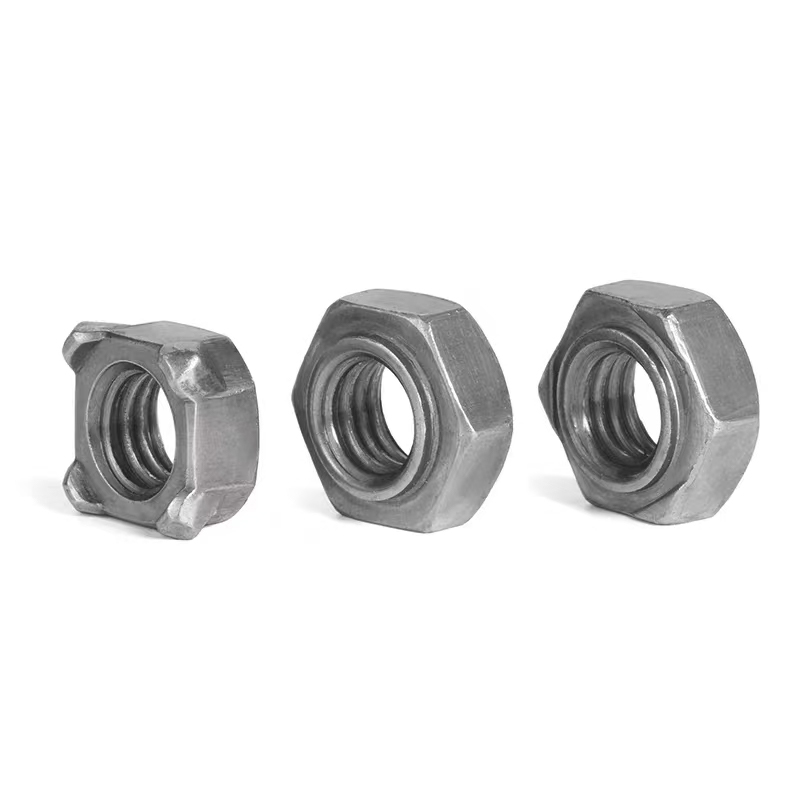
 Welding nut (welding nut)
 -
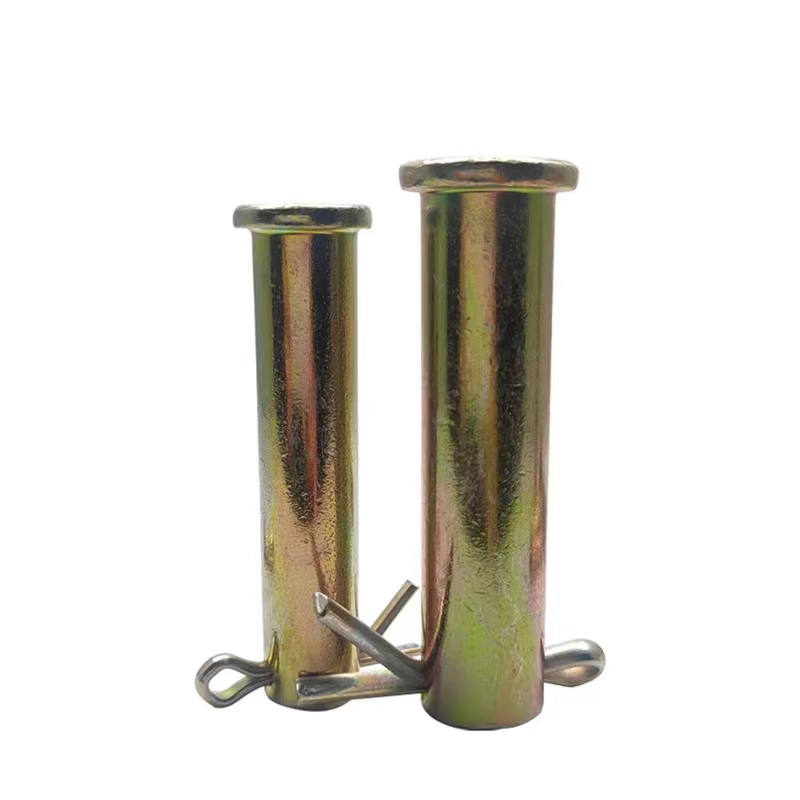
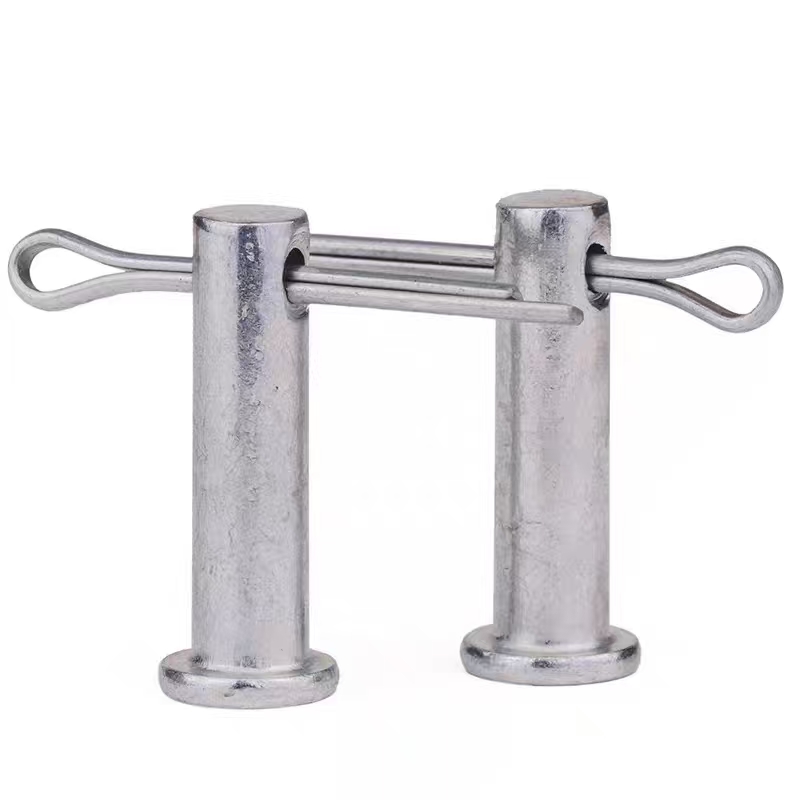
Colored zinc-plated pins
-
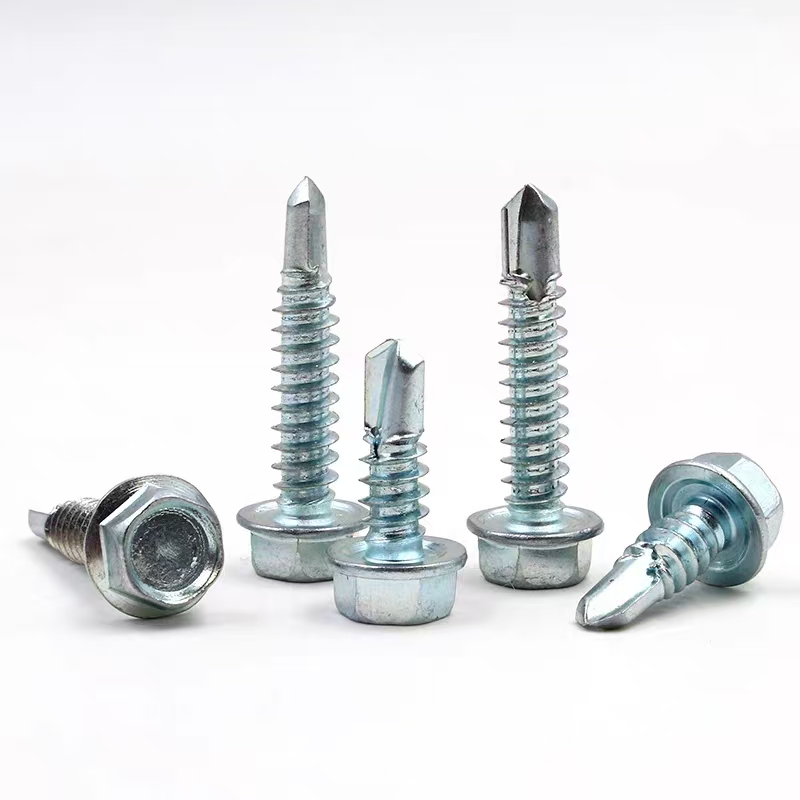
Electro-galvanized hexagonal drill thread
-
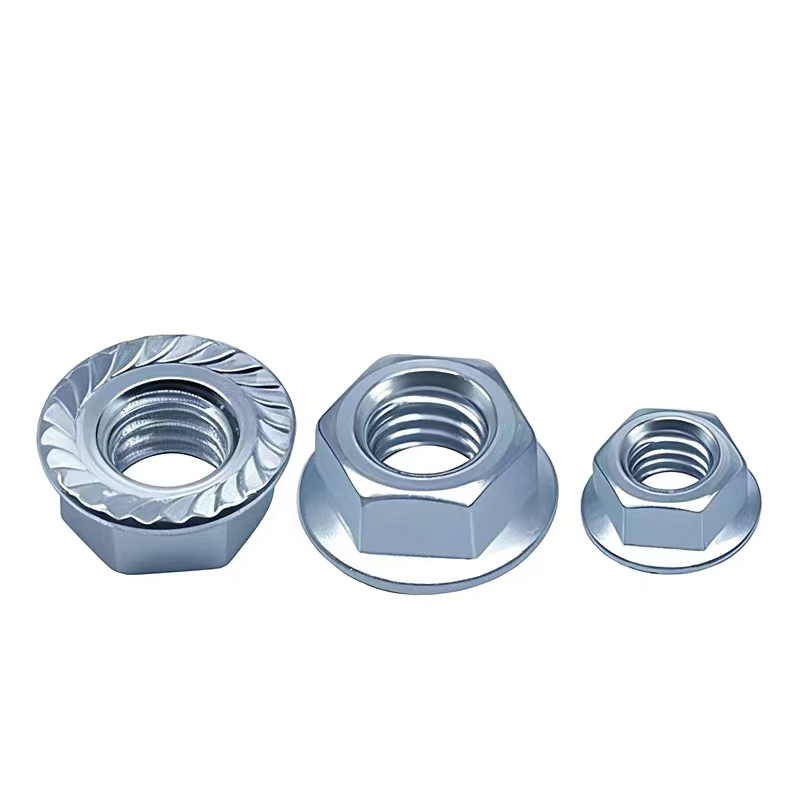
Electroplated galvanized flange nut (flange face nut)
-
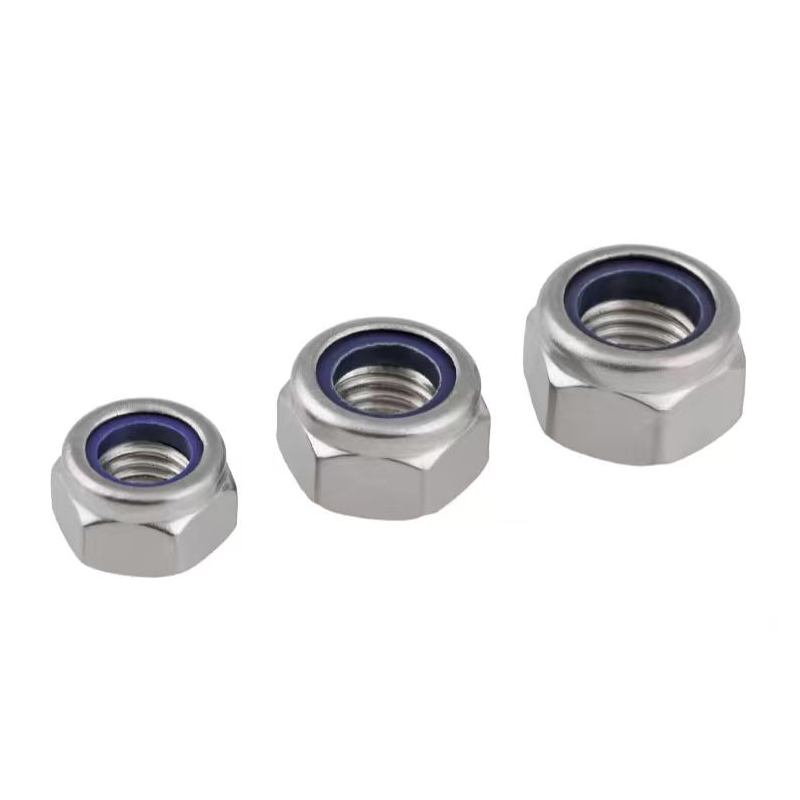
Anti-loosening nut (locking nut)
-
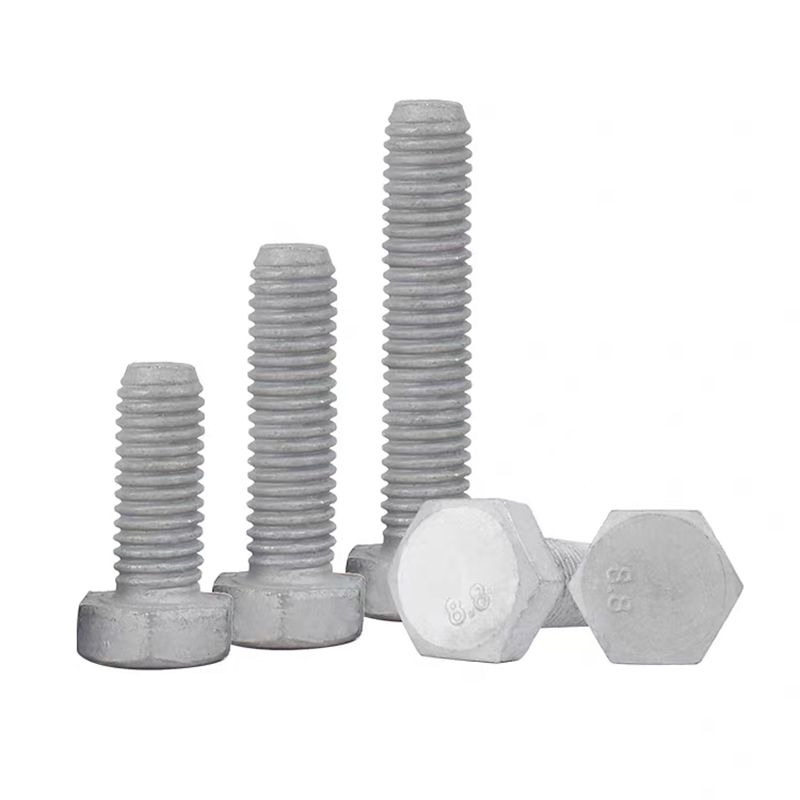
Hot-dip galvanized hexagonal bolts
-
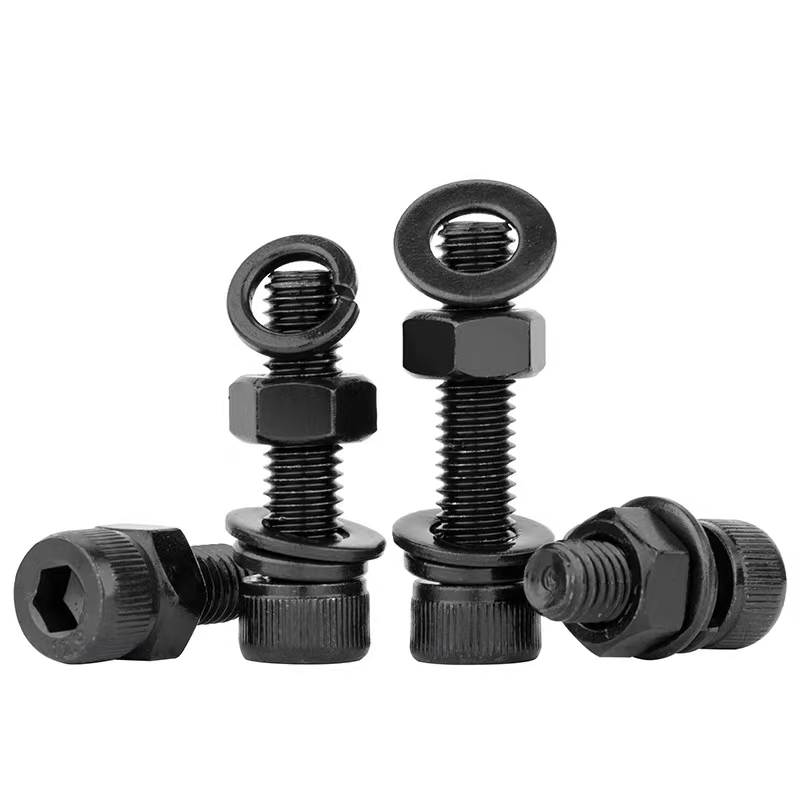
Hexagon socket black zinc-plated bolts
-
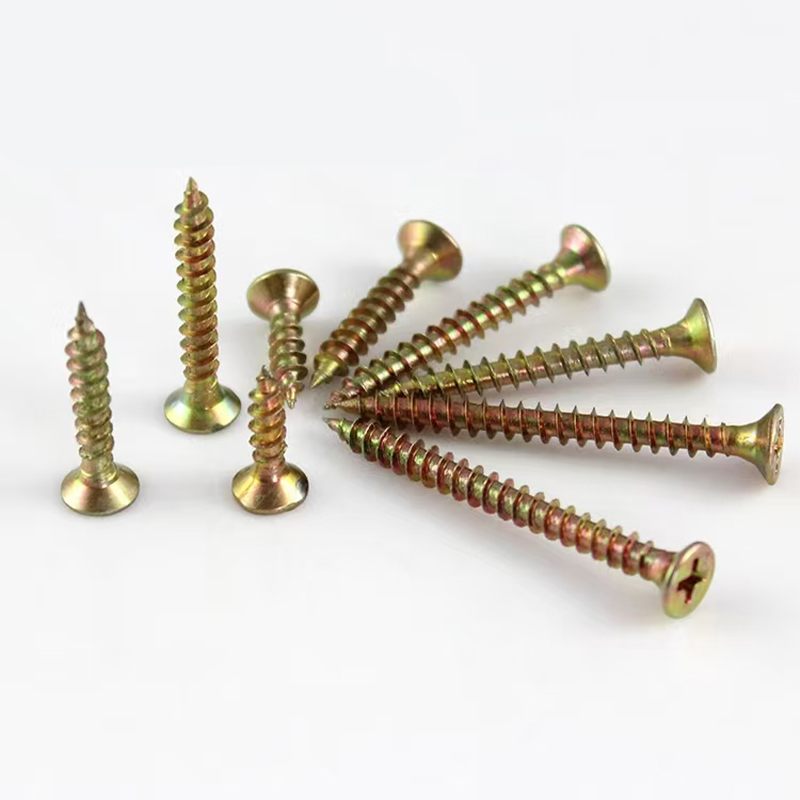
Colored zinc-plated cross countersunk drill thread
-
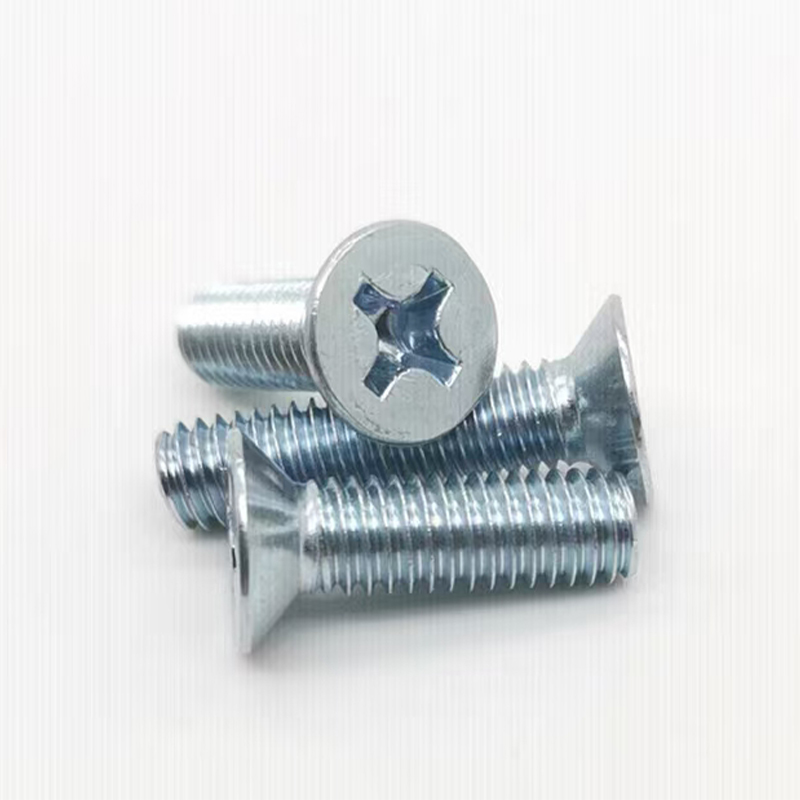
Electro-galvanized countersunk cross bolts
-
Black zinc-plated hexagonal drill tail wire
-
Colored zinc plated hexagonal bolts
-
Colored galvanized hexagonal drill tail wire