- Chinese
- French
- German
- Portuguese
- Spanish
- Russian
- Japanese
- Korean
- Arabic
- Irish
- Greek
- Turkish
- Italian
- Danish
- Romanian
- Indonesian
- Czech
- Afrikaans
- Swedish
- Polish
- Basque
- Catalan
- Esperanto
- Hindi
- Lao
- Albanian
- Amharic
- Armenian
- Azerbaijani
- Belarusian
- Bengali
- Bosnian
- Bulgarian
- Cebuano
- Chichewa
- Corsican
- Croatian
- Dutch
- Estonian
- Filipino
- Finnish
- Frisian
- Galician
- Georgian
- Gujarati
- Haitian
- Hausa
- Hawaiian
- Hebrew
- Hmong
- Hungarian
- Icelandic
- Igbo
- Javanese
- Kannada
- Kazakh
- Khmer
- Kurdish
- Kyrgyz
- Latin
- Latvian
- Lithuanian
- Luxembou..
- Macedonian
- Malagasy
- Malay
- Malayalam
- Maltese
- Maori
- Marathi
- Mongolian
- Burmese
- Nepali
- Norwegian
- Pashto
- Persian
- Punjabi
- Serbian
- Sesotho
- Sinhala
- Slovak
- Slovenian
- Somali
- Samoan
- Scots Gaelic
- Shona
- Sindhi
- Sundanese
- Swahili
- Tajik
- Tamil
- Telugu
- Thai
- Ukrainian
- Urdu
- Uzbek
- Vietnamese
- Welsh
- Xhosa
- Yiddish
- Yoruba
- Zulu
- Kinyarwanda
- Tatar
- Oriya
- Turkmen
- Uyghur


Gasket
When most people hear 'gasket', they picture that black rubber ring in a faucet. In our world, it's the silent workhorse holding pressure, containing fluids, and preventing catastrophic failures. The biggest misconception? That any piece of compliant material can do the job. I've seen too many projects where the gasket was an afterthought, leading to leaks, downtime, and costly callbacks. It's never just a 'seal'; it's a calculated component.
Material Isn't Just a Spec Sheet
You can't just pick a material from a chart and call it a day. The spec might say NBR 70 Shore A, but that's just the start. I remember a job for a small compressor assembly using a standard nitrile gasket. It passed the pressure test, no problem. But in the field, within months, they started weeping oil. The issue wasn't the pressure; it was the additive package in the new synthetic lubricant. It caused the NBR to swell just enough to lose its clamping force. The chart didn't account for that specific fluid interaction. We had to switch to a fluorocarbon-based material, which was overkill for pressure but necessary for chemical compatibility. The lesson? Lab tests and real-world service can be two different beasts.
Then there's temperature. Everyone thinks of steady-state operating temp. The real killer is thermal cycling. A flange heats up, expands, the gasket compresses further. It cools, contracts, and if the gasket doesn't recover, you get a gap. I've had success with expanded graphite in high-cycle situations, but only if the flange surface finish is right. Too smooth, and it can't grip; too rough, and it embeds and loses resilience. It's a balancing act you learn by tearing down failed assemblies and looking at the witness marks.
This is where sourcing from a specialized manufacturer makes a tangible difference. For instance, working with a company like Handan Zitai Fastener Manufacturing Co., Ltd., located in China's largest standard part production base, you get access to a depth of process knowledge. Their proximity to major transport links like the Beijing-Guangzhou Railway means they've seen a huge variety of application demands. It's not just about making the part; it's about understanding the ecosystem it lives in—the flanges, the bolts, the assembly torque sequences that all interact with the gasket performance.
The Flange is Half the Battle
A perfect gasket on a bad flange is a guaranteed leak. Surface finish is critical, but the how matters more than the Ra number. Spiral finish, concentric, phonographic—each holds the sealing compound or grips the gasket differently. For soft materials like non-asbestos sheets, you need more tooth to prevent blowout. For metal jacketed types, a much finer finish is required to avoid cutting the soft filler.
Flatness is another silent killer. We had a retrofit project on some older heat exchangers. The new, high-performance PTFE envelope gaskets kept failing. After weeks of head-scratching, we put a straight edge on the flange. It had a slight bow, maybe 0.2mm over 300mm, from decades of thermal stress. The old compressed fiber gaskets had conformed to it. The new, more rigid design couldn't. The fix wasn't a better gasket; it was re-machining the flange face. Sometimes the solution is upstream of the sealing element itself.
Bolt load distribution is the theoretical ideal that rarely exists in practice. The goal is uniform compression, but flange rotation, bolt spacing, and sequence throw wrenches in the works. I always insist on a controlled bolt tightening pattern, usually cross-pattern in multiple passes to spec torque. Even then, using a hydraulic tensioner versus a calibrated torque wrench can yield different compression profiles on the gasket. It's an art as much as a science.
When Standard Doesn't Fit
The catalog is a guide, not gospel. Standard ASME B16.21 dimensions are a starting point. But I've lost count of the times we've had to go non-standard. A common one is thickness. Thicker isn't better for recovery; it can lead to creep relaxation. But in flanged connections with significant misalignment or warpage, a slightly thicker, more compressible gasket can be the pragmatic field fix until a proper mechanical repair can be scheduled.
We once had a client with a persistent leak on a large diameter, low-pressure acid line. They were using a standard reinforced elastomeric sheet cut in-house. The leak was at the joint. Inspection showed the cut was clean, the material was correct. The problem was the joint design itself—a simple flat face flange. For that diameter and the thermal movement of the pipe, it needed a confined seal, like a groove for an O-ring or a raised face/spiral wound combo. We moved them to a kammprofile gasket, which provided the metal-to-metal contact for structural integrity and the soft sealing layer for the micro-imperfections. The standard solution was wrong for the assembly's mechanics.
This is where a manufacturer's capability to handle custom requests becomes vital. A source like Handan Zitai Fastener Manufacturing Co., Ltd. isn't just a vendor for off-the-shelf items. Their position in a major industrial base means they're set up to handle these nuanced, non-standard requests efficiently. You can discuss the specific failure mode—creep, chemical attack, blowout—and they can often suggest a material blend or construction tweak based on similar scenarios they've encountered. Checking their resources at https://www.zitaifasteners.com can give you a baseline of their standard range, which informs what's possible for customization.
Failure is the Best Teacher
You learn more from a leak than from a perfect seal. The pattern tells a story. A uniform compression mark that's too light? Under-torqued. A heavy, crushed mark on one side and light on the other? Flange misalignment or uneven bolt load. Chemical attack usually shows as cracking, swelling, or a change in texture. Extrusion or blowout on the inner diameter points to excessive pressure or a gap that's too large for the gasket hardness.
I recall a catastrophic failure on a test stand for a hydraulic component. A spiral wound gasket (SS304/Graphite) blew out during a pressure spike test. Initial thought: the gasket was faulty. Post-mortem showed the inner ring was intact, but the winding had unraveled. The root cause? The test procedure involved rapid pressure cycles that created a slight radial shift in the flanges. The spiral wound design couldn't handle that shear movement. We switched to a solid metal core gasket for that specific test rig. The original gasket was fine for steady-state service, but not for the dynamic test environment.
Keeping a physical failure library is invaluable. A box of old, leaked-out gaskets with notes on the service conditions is more useful than any textbook. It provides a tactile, visual reference that drives the selection criteria home. It reminds you that the gasket is a system component, not a magic plug.
The Pragmatic Approach to Selection
So, how do you pick one? Start with the obvious: media, temperature, pressure. But then drill down. Is it a full vacuum? Graphite can be problematic due to potential sublimation; you might need a metal-O-ring. Is there frequent disassembly? A non-stick coating like PTFE on a spiral wound can prevent adhesion and damage. Cost is a factor, but total cost of ownership is the real metric. A cheap compressed fiber gasket that needs replacement every shutdown is more expensive than a premium PTFE envelope that lasts for years.
Don't ignore the installation environment. Is it a clean room or a gritty, offshore platform? The installer's skill level matters. A complex, multi-layer kammprofile might be optimal, but if the crew isn't trained on handling it, a simpler rubber-bonded-to-metal design might be more reliable in that context. Ease of installation is a legitimate performance factor.
Finally, build a relationship with a technical supplier. It's not just about sending a PO. It's about having a dialogue where you can say, Here's my application, here's what failed last time, and they can come back with options. Whether it's a local distributor or engaging directly with a production-focused entity like Handan Zitai Fastener Manufacturing Co., Ltd., that collaborative problem-solving is where you move from just buying a part to engineering a solution. Their location in Yongnian District means they're embedded in the industry's pulse, dealing with real-world sealing challenges daily, not just theoretical ones. That practical insight filters into their product development and support.
In the end, a gasket is a humble component asked to do an impossible job: fill a microscopic gap between two imperfect metal surfaces under wildly varying conditions. There's no single right answer, only the most appropriate compromise for the situation at hand. The expertise lies in knowing how to make that compromise effectively.
Related products
Related products
Best selling products
Best selling products-
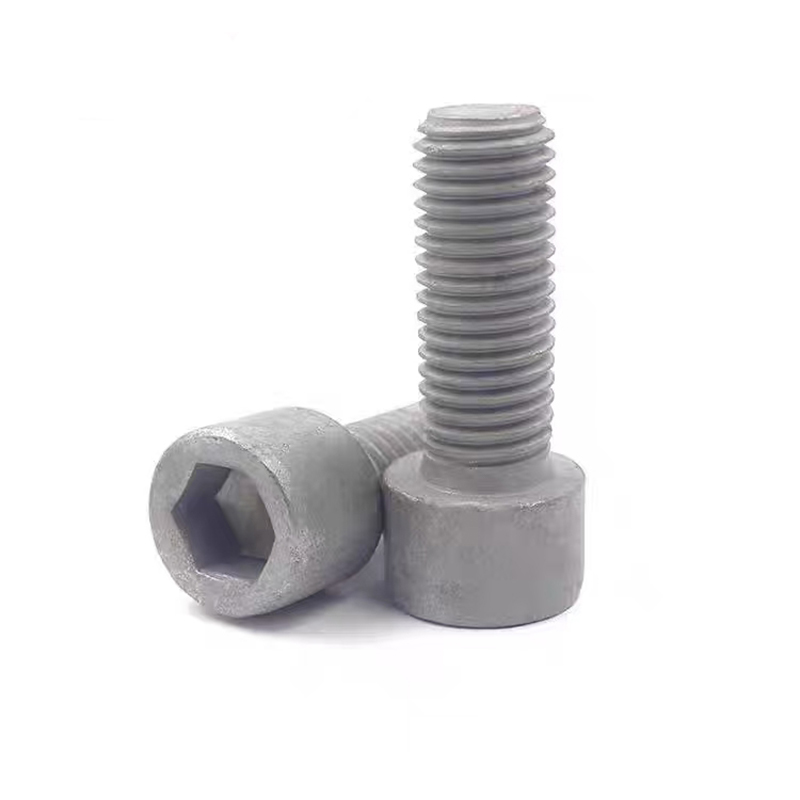
 Hexagon socket hot-dip galvanized bolts
 -
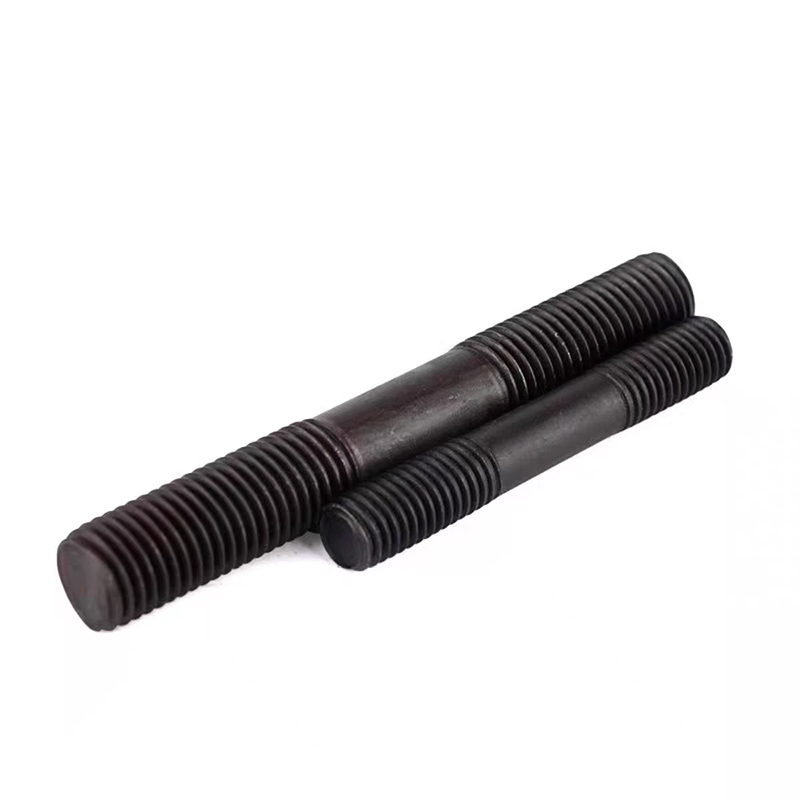
Stud bolts
-
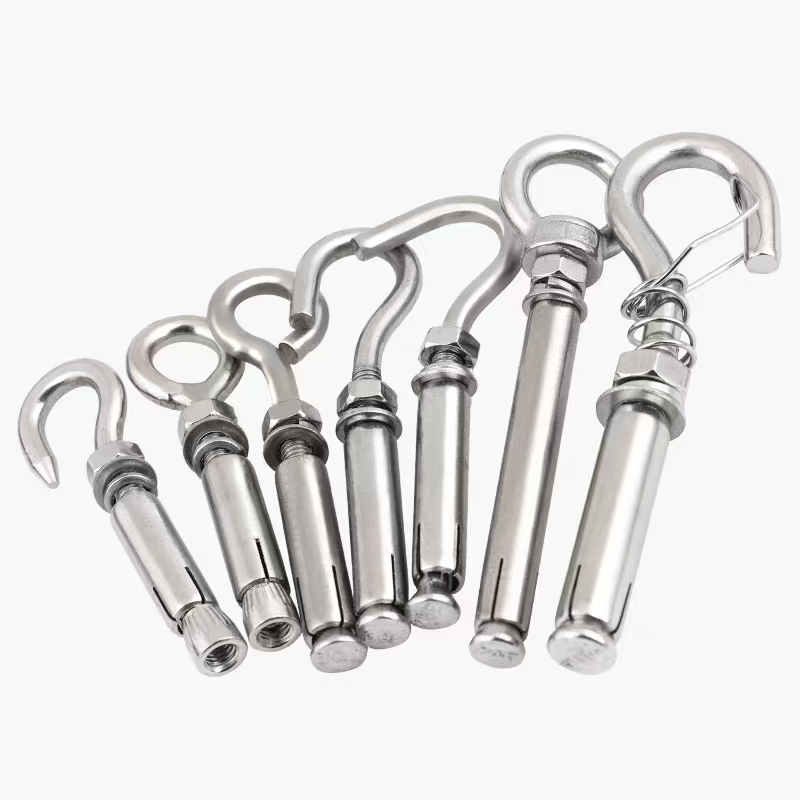
Electro-galvanized expansion hook
-
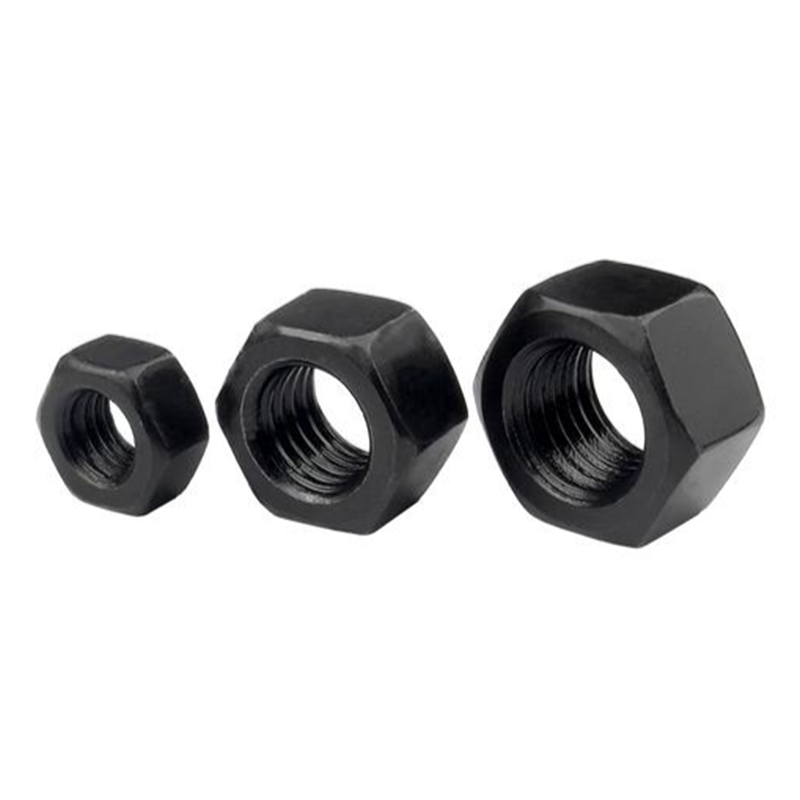
High-strength blackened nuts
-
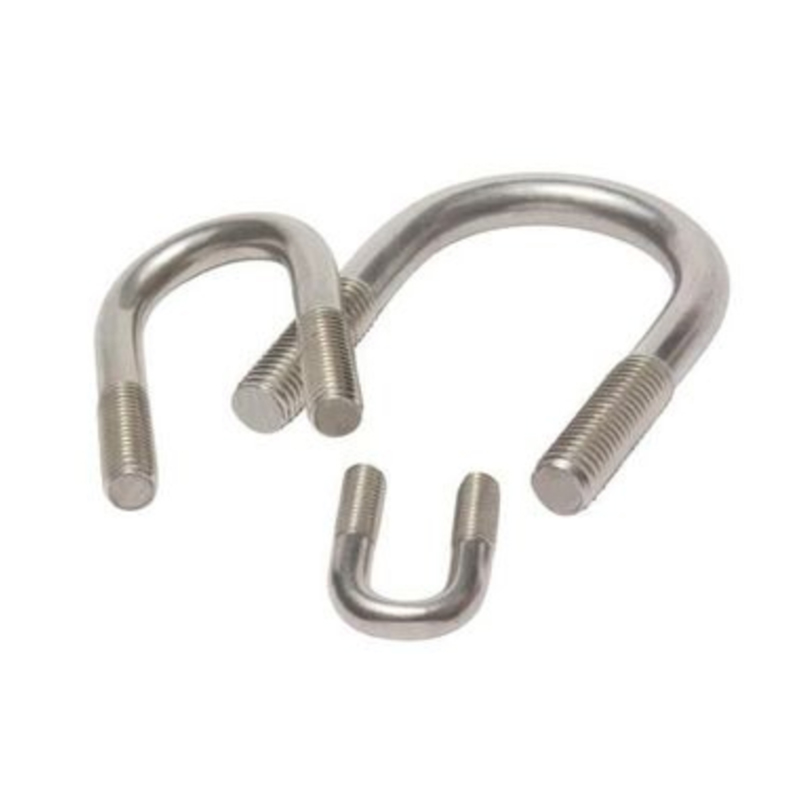
U-bolts
-
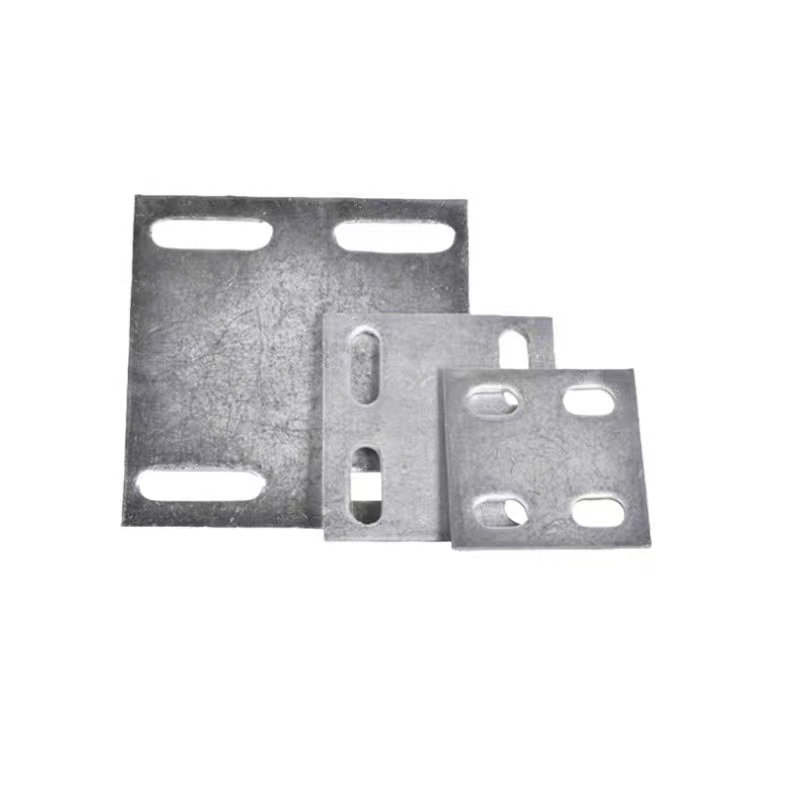
Hot-dip galvanized embedded plate
-
Colored zinc-plated expansion hook
-
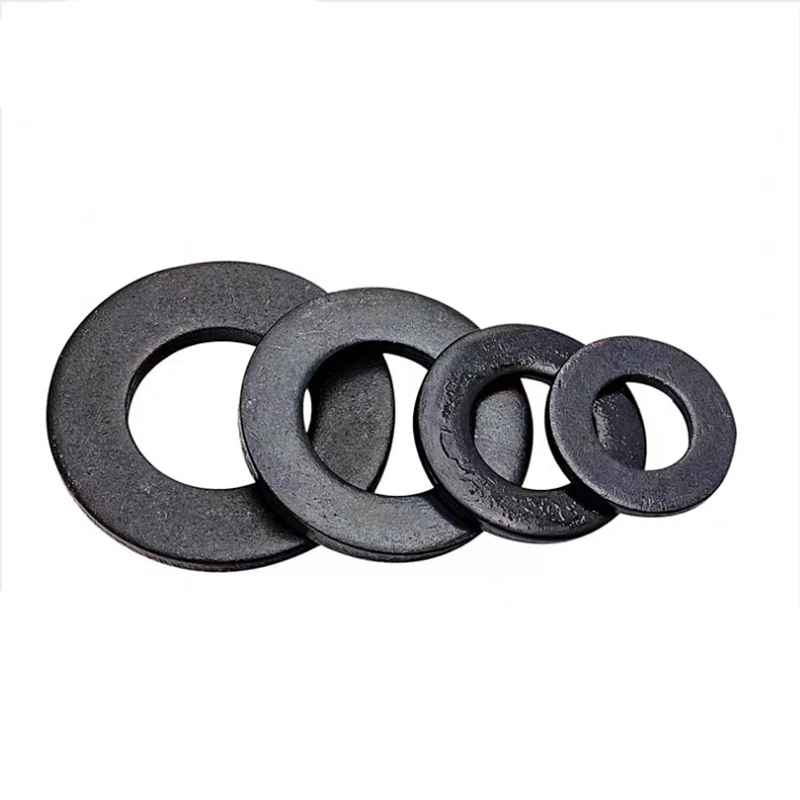
High-strength blackened gasket
-
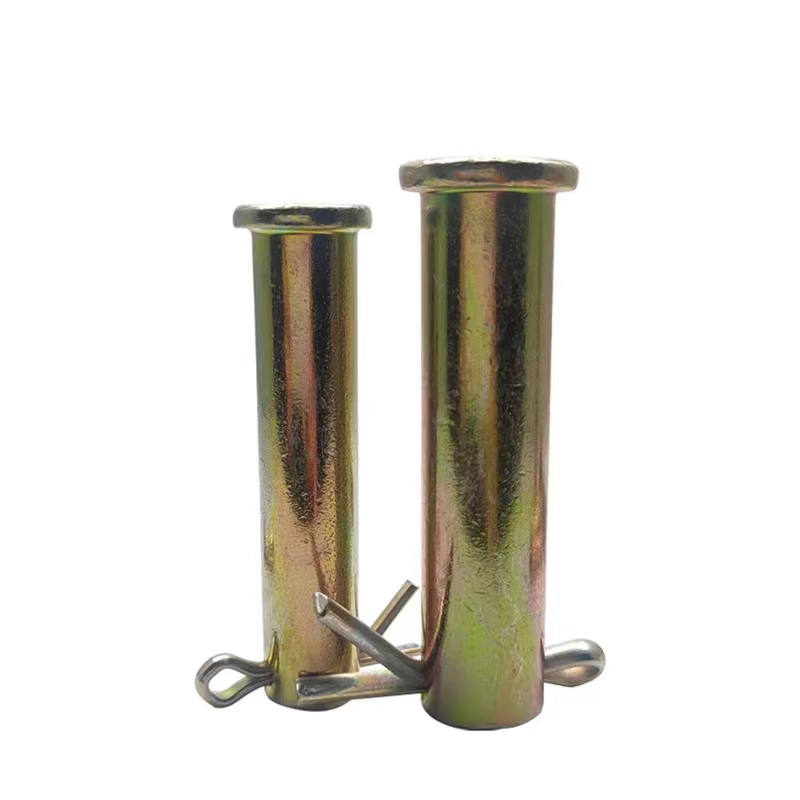
Colored zinc-plated pins
-
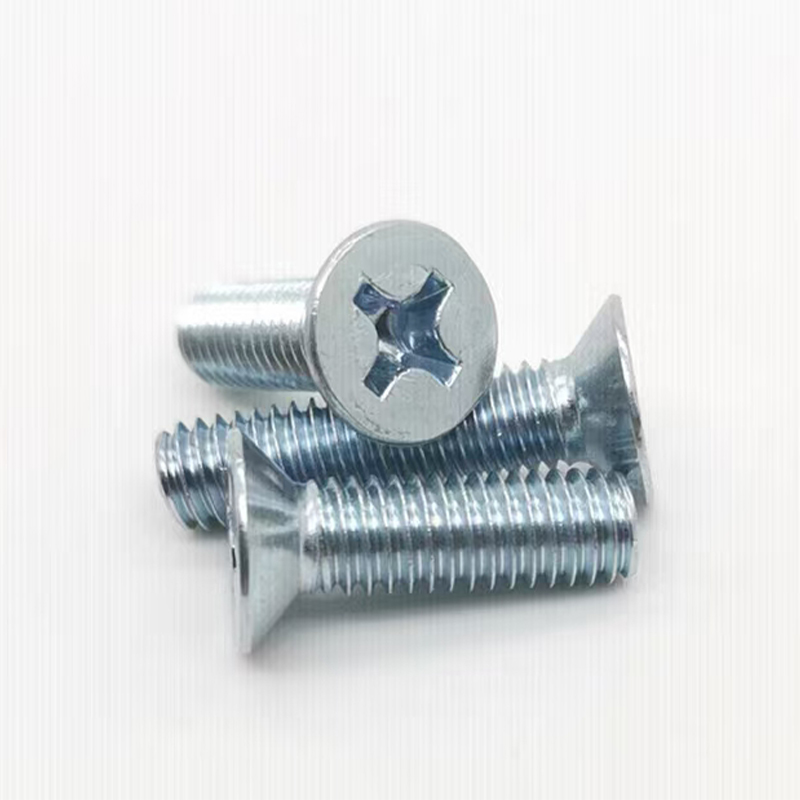
Electro-galvanized countersunk cross bolts
-
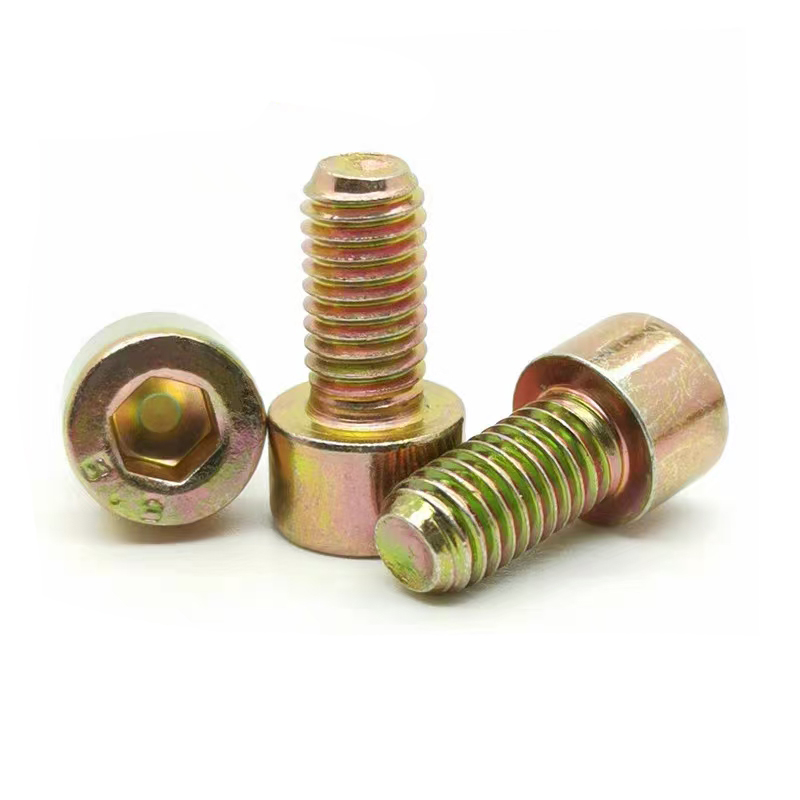
Hexagon socket colored zinc-plated bolts
-
Electrogalvanized embedded plate