
- Chinese
- French
- German
- Portuguese
- Spanish
- Russian
- Japanese
- Korean
- Arabic
- Irish
- Greek
- Turkish
- Italian
- Danish
- Romanian
- Indonesian
- Czech
- Afrikaans
- Swedish
- Polish
- Basque
- Catalan
- Esperanto
- Hindi
- Lao
- Albanian
- Amharic
- Armenian
- Azerbaijani
- Belarusian
- Bengali
- Bosnian
- Bulgarian
- Cebuano
- Chichewa
- Corsican
- Croatian
- Dutch
- Estonian
- Filipino
- Finnish
- Frisian
- Galician
- Georgian
- Gujarati
- Haitian
- Hausa
- Hawaiian
- Hebrew
- Hmong
- Hungarian
- Icelandic
- Igbo
- Javanese
- Kannada
- Kazakh
- Khmer
- Kurdish
- Kyrgyz
- Latin
- Latvian
- Lithuanian
- Luxembou..
- Macedonian
- Malagasy
- Malay
- Malayalam
- Maltese
- Maori
- Marathi
- Mongolian
- Burmese
- Nepali
- Norwegian
- Pashto
- Persian
- Punjabi
- Serbian
- Sesotho
- Sinhala
- Slovak
- Slovenian
- Somali
- Samoan
- Scots Gaelic
- Shona
- Sindhi
- Sundanese
- Swahili
- Tajik
- Tamil
- Telugu
- Thai
- Ukrainian
- Urdu
- Uzbek
- Vietnamese
- Welsh
- Xhosa
- Yiddish
- Yoruba
- Zulu
- Kinyarwanda
- Tatar
- Oriya
- Turkmen
- Uyghur

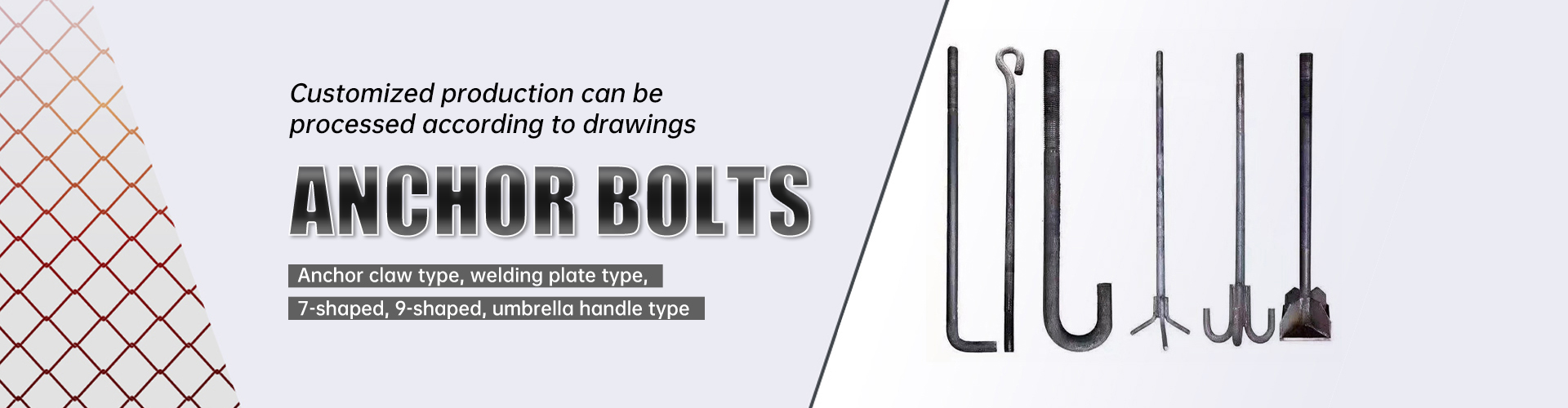
Hot-dip galvanized hexagonal bolts
The Intricacies of Hot-Dip Galvanized Hexagonal Bolts
Understanding hot-dip galvanized hexagonal bolts involves more than just knowing their definition. The protection they offer against corrosion is unmatched, but common misconceptions exist, often swaying decision-makers in the wrong direction. Let's embark on a journey through the real-world applications, insights, and sometimes unexpected challenges they present.
The Basics Unveiled
At the core, these bolts are coated through a hot-dip galvanizing process, which is a type of zinc coating applied to steel or iron to prevent rust. It's a straightforward process, but the execution requires nuance. As anyone involved in construction or manufacturing knows, the real world is less forgiving than the brochures suggest.
The main advantage of this process is the durability it lends to the bolts. However, users often assume that all galvanized bolts are created equal, which couldn't be further from the truth. Factors such as zinc thickness and coating adherence can vary significantly, influencing the bolt's performance.
When I first started handling these bolts, I underestimated the importance of these variables. A batch that ought to have been perfect for a seaside installation ended up corroding faster than expected because we overlooked detailed checks. It was a costly mistake but an invaluable lesson.
Real-World Challenges
Working with hot-dip galvanized hexagonal bolts in extreme environments throws up unexpected challenges. Take construction near coastal areas, for instance. The salt in the air acts aggressively on poorly galvanized surfaces. A deep understanding of both the geographical and environmental conditions is essential before specifying these bolts.
I've seen projects compromised due to simple oversights like not accounting for local pollution levels, which can wreak havoc on even high-quality galvanized coatings. Planning must involve all stakeholders, including suppliers, engineers, and end-users, to ensure that expectations align with reality.
Collaboration with manufacturers becomes vital here. For instance, Handan Zitai Fastener Manufacturing Co., Ltd., positioned in a strategic location in Hebei Province, provides insights into appropriate applications due to its vast experience and quality standards. Engaging with such manufacturers can make a significant difference in project outcomes.
Practical Insights for Installation
Once the correct bolts are selected, the next hurdle is installation. Ensuring each bolt retains its coating during installation is trickier than it sounds. Poor handling can lead to compromised coatings and, eventually, quicker failure rates.
In a mining operation I was involved in, rushed installation led to several bolts being overtightened, scratching the coating and exposing the steel beneath. This oversight was costly not only in terms of replacing the bolts but also in downtime and labor costs.
The careful training of on-site personnel is therefore non-negotiable. There should be a solid understanding of torque specifications and the right tools to use, minimizing the risk of damage during installation.
Maintenance Considerations
Even the most robust hot-dip galvanized hexagonal bolts require ongoing maintenance. Regular inspections to check for signs of wear or breakdown in the coating can pre-empt more serious issues down the line.
Often, a visual inspection isn't enough. For critical applications, ultrasonic testing or even cutting out samples might be needed, though the latter is more destructive and requires a clear plan for replacement.
Establishing a maintenance schedule with defined intervals can aid significantly in catching issues before they escalate. Organizations like Handan Zitai Fastener Manufacturing Co., Ltd., offer consultation services that help tailor maintenance regimes specific to the installation environment.
Dissecting Some Misconceptions
Many project managers I've encountered believe that galvanized bolts don't need further treatment once installed. This is a dangerous oversimplification. In high-risk environments, additional coatings or sealants might be necessary.
There’s also a common belief that thicker zinc coatings are always better. While generally true, excessively thick coatings can lead to brittleness and peeling. Striking the right balance is crucial, and consulting with knowledgeable suppliers can provide clarity here.
Relying on seasoned manufacturers like Handan Zitai Fastener Manufacturing Co., Ltd., whose facility is conveniently located near major transportation routes, allows for not just quality products but also quick adaptability to specific project needs. Visit their website at zitaifasteners.com for more insights.
Final Thoughts
The realm of hot-dip galvanized hexagonal bolts is filled with variables. Real-world experience teaches hard lessons, many of which aren't immediately obvious. Mistakes, while costly, offer the best learning opportunities, underscoring the importance of continuous education and collaboration with industry experts.
Every project is unique, and adapting these bolts to specific requirements involves more than routine selections. Engaging with experienced manufacturers and investing in proper maintenance are non-negotiable steps toward achieving long-term success.
The world of fasteners is fascinating and complex, and the humble hexagonal bolt plays a crucial role when understood and applied correctly. Each project's success rests in the details, from selection to installation and beyond.
Related products
Related products
Best selling products
Best selling products-
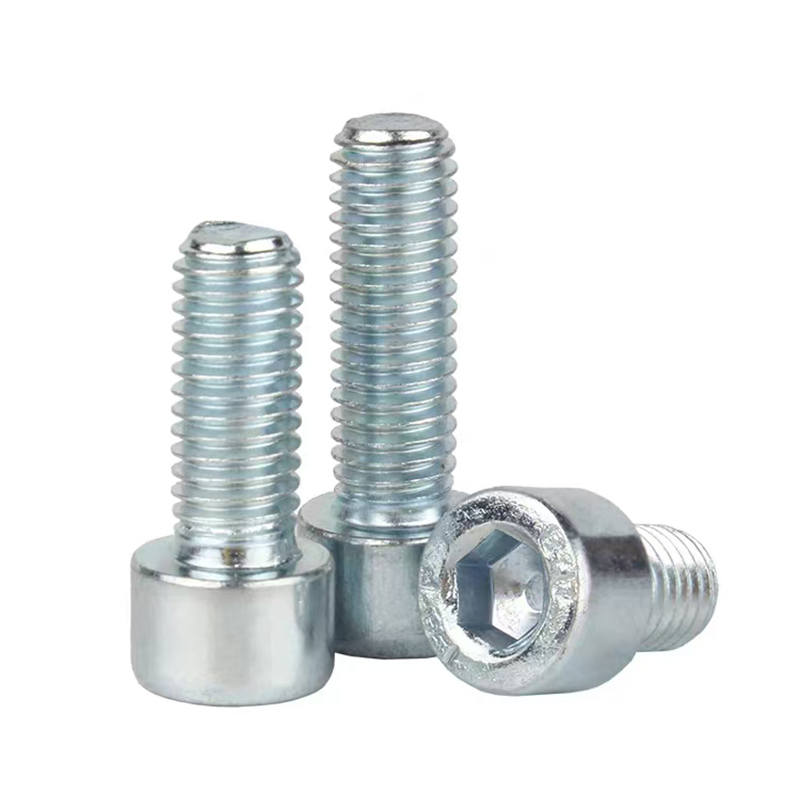 Hexagon socket electrogalvanized bolts
 -
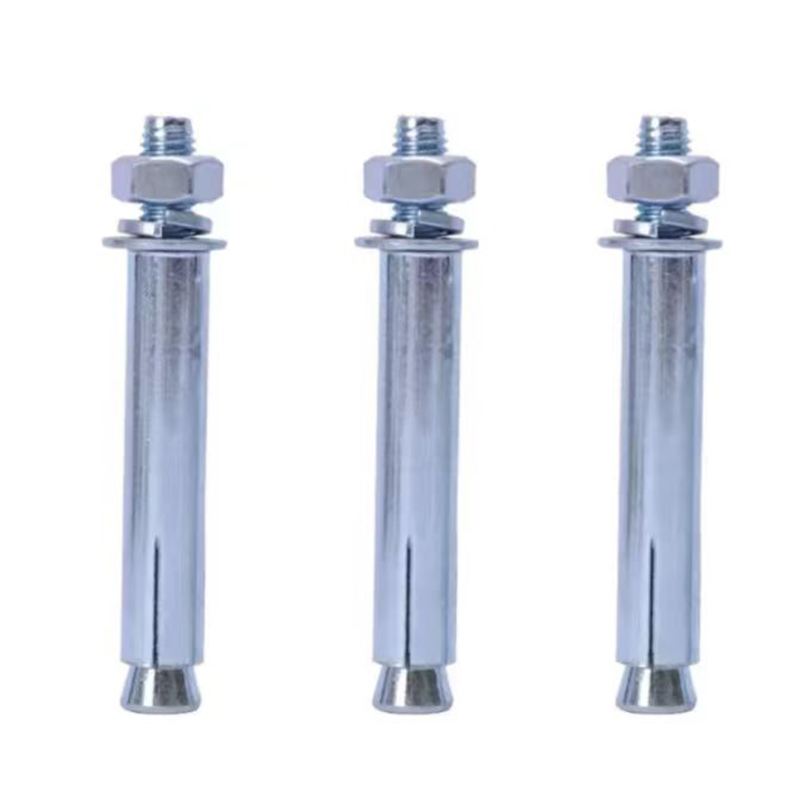 Electrogalvanized expansion bolts
 -
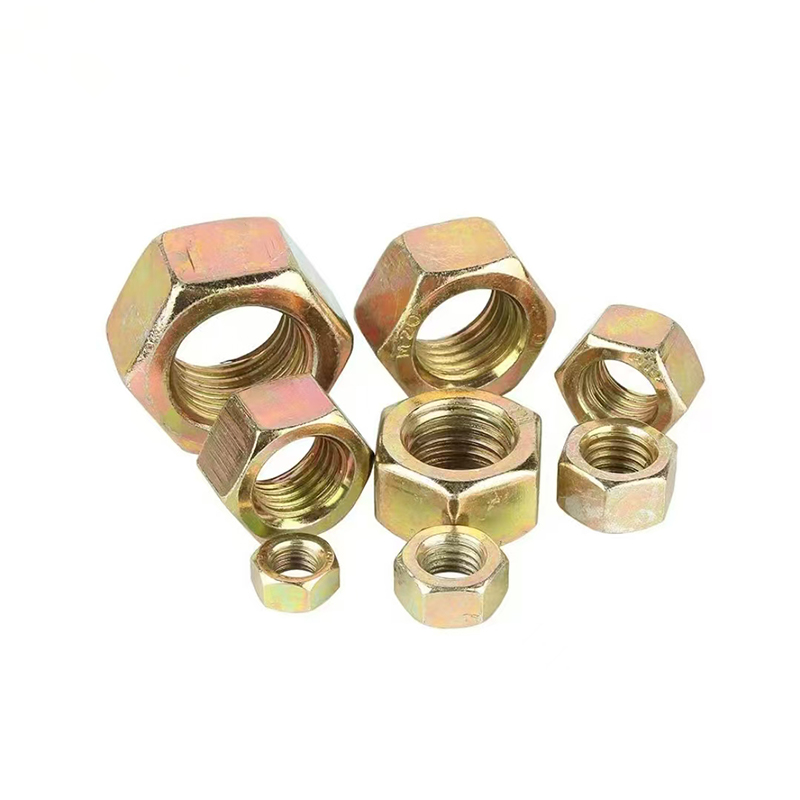
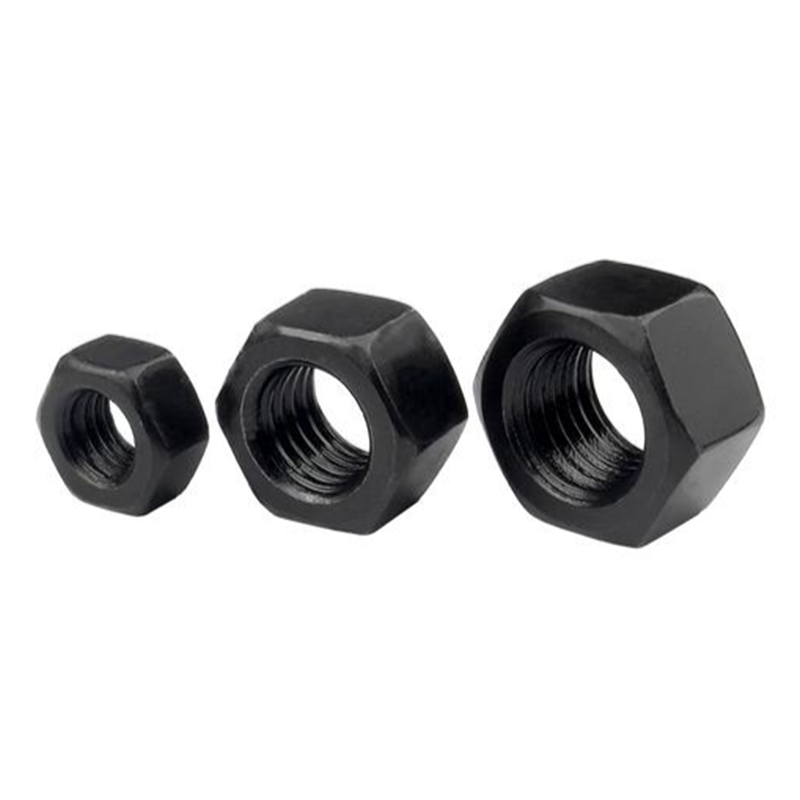 High-strength blackened nuts
 -
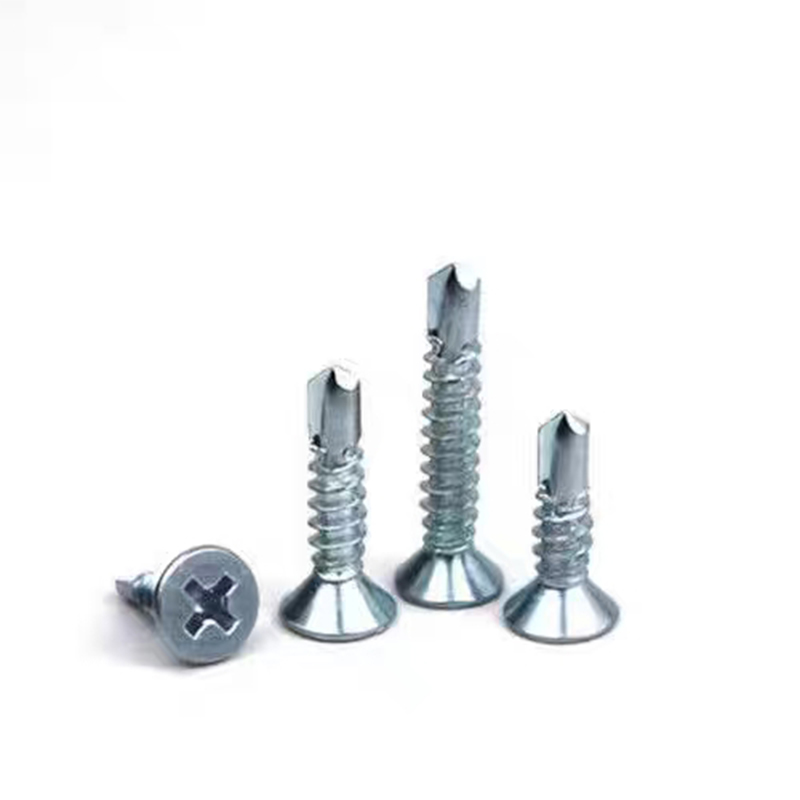 Electrogalvanized cross countersunk drill thread
 -
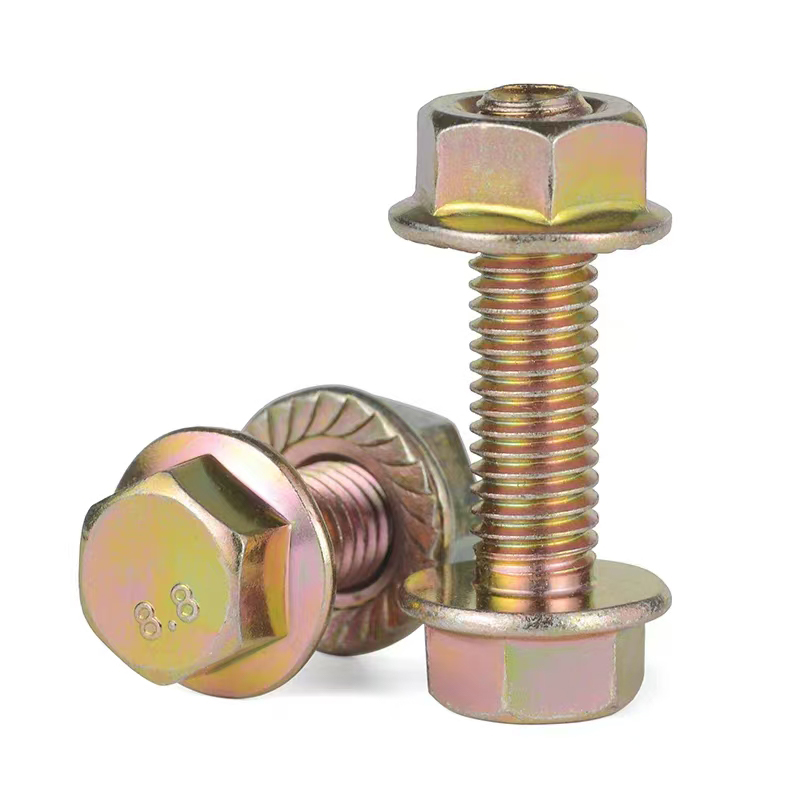 Colored zinc flange bolts
 -
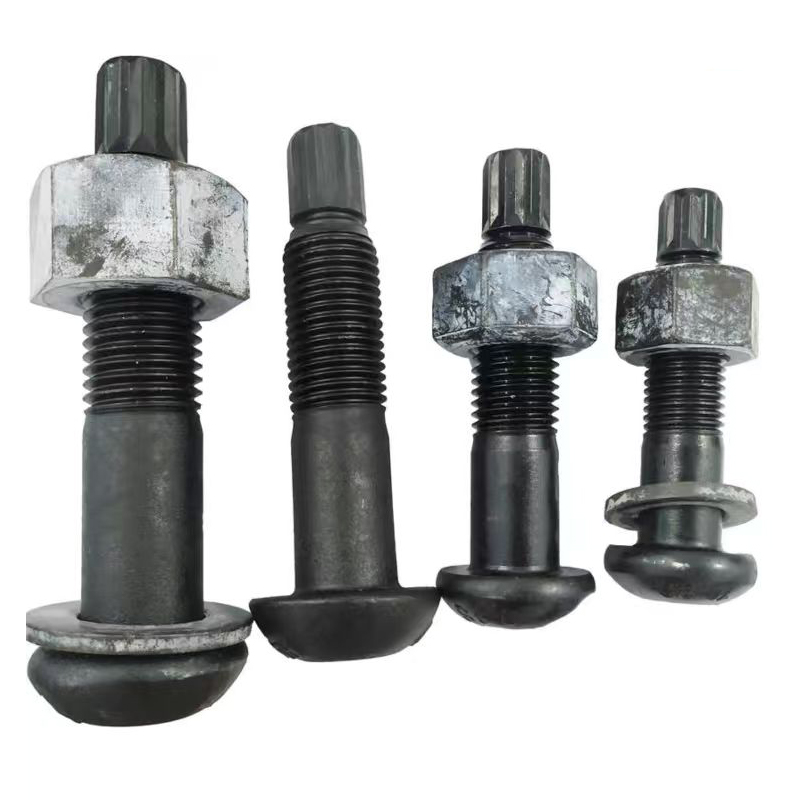 10.9S Torsion Shear Bolts
 -
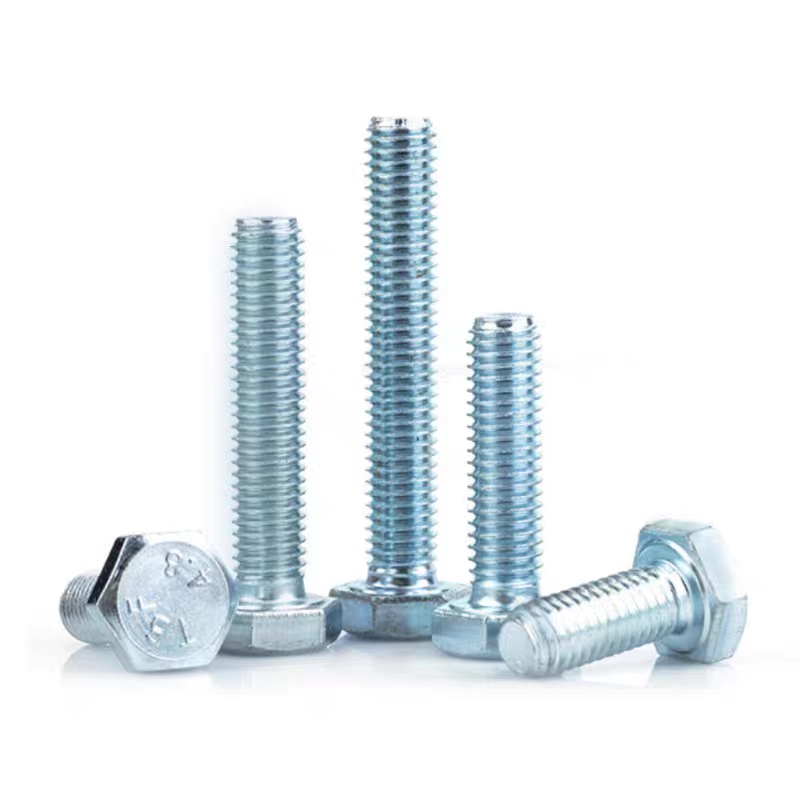
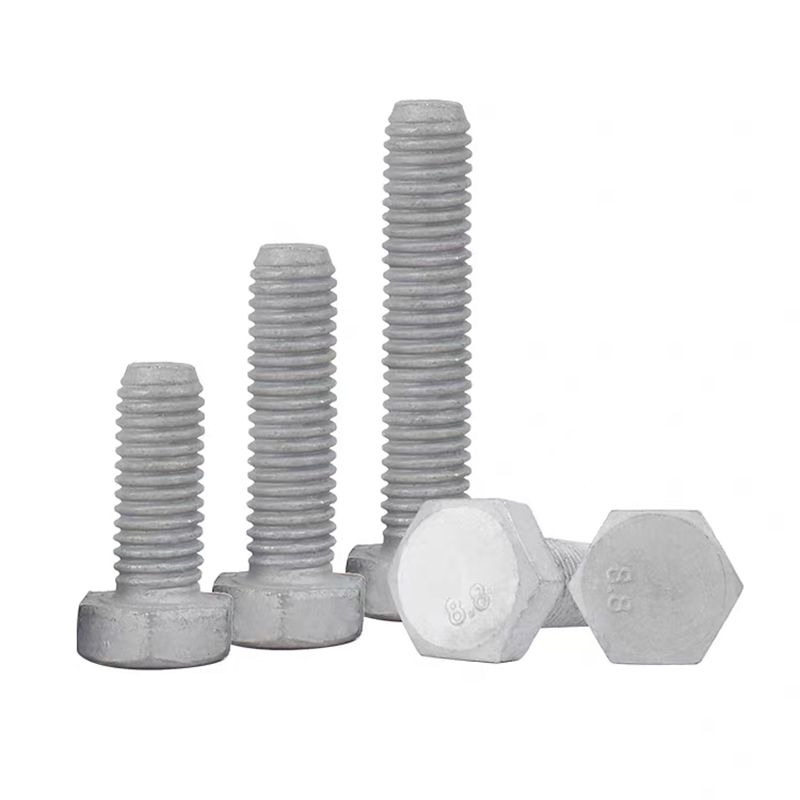 Hot-dip galvanized hexagonal bolts
 -
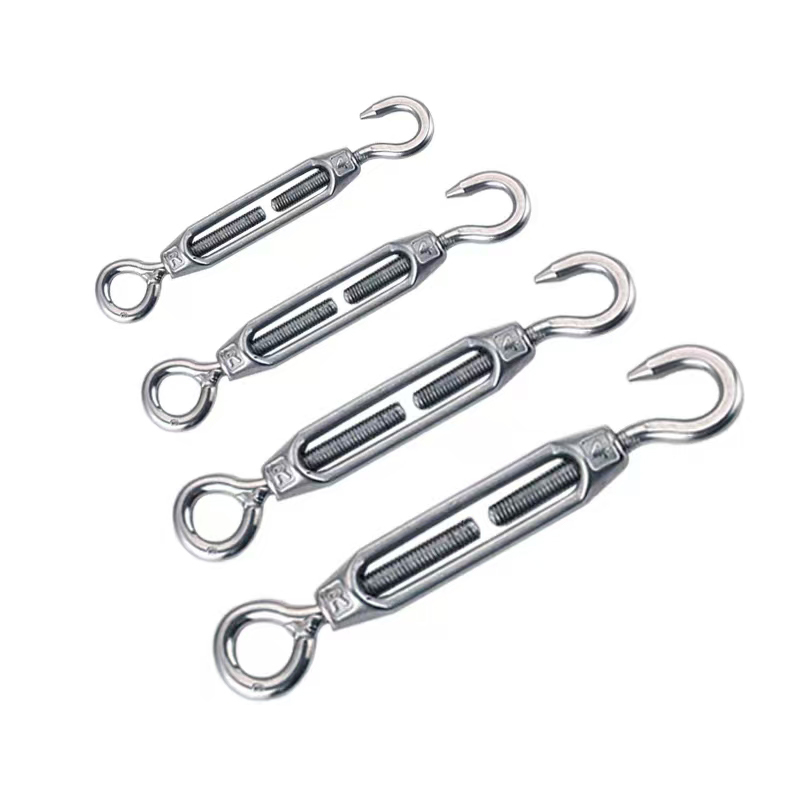 Basket bolts
 -
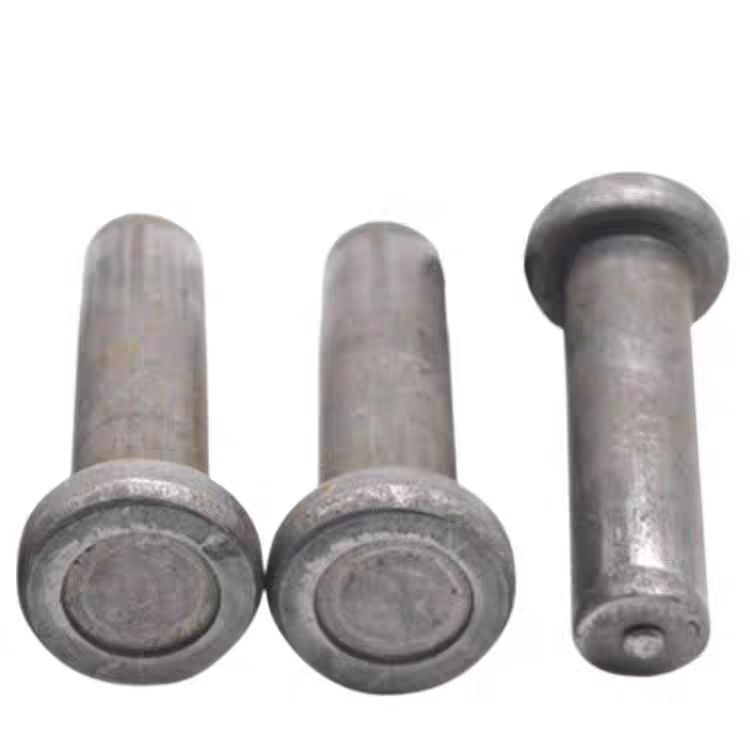 Steel structure welding studs
 -
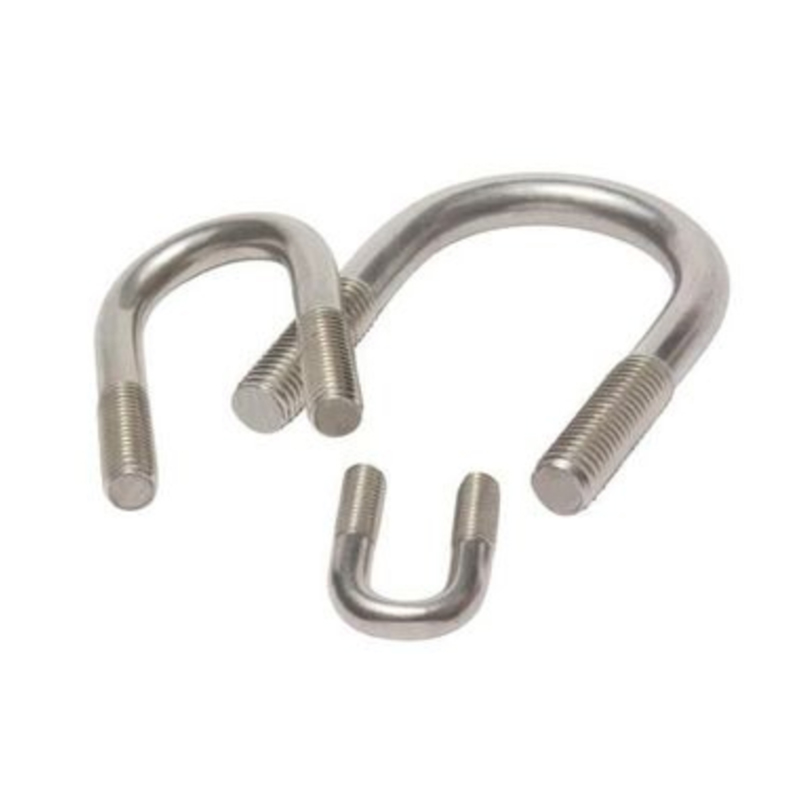 U-bolts
 -
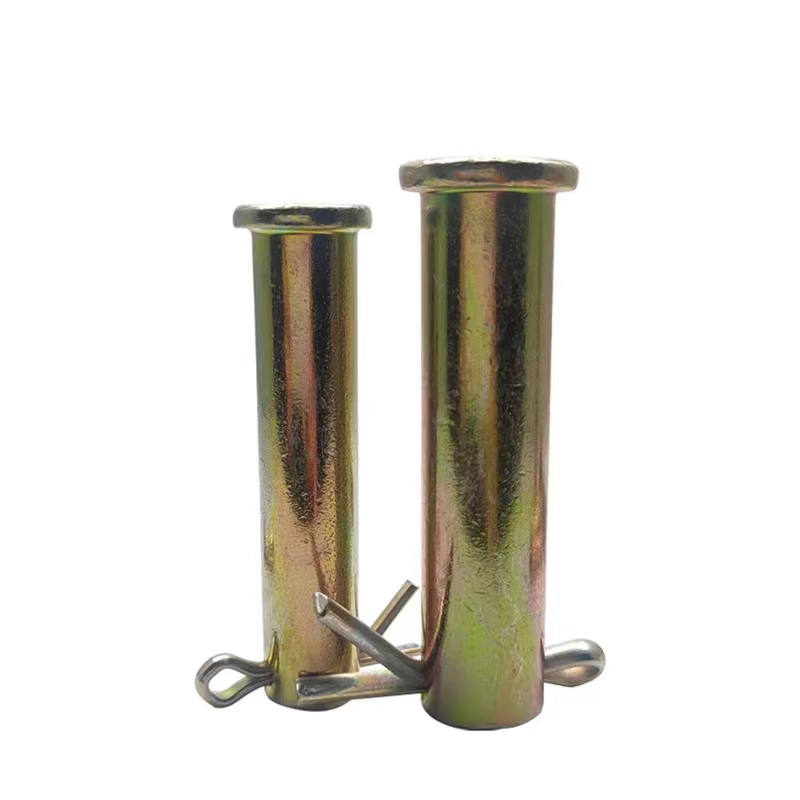 Colored zinc-plated pins
 -
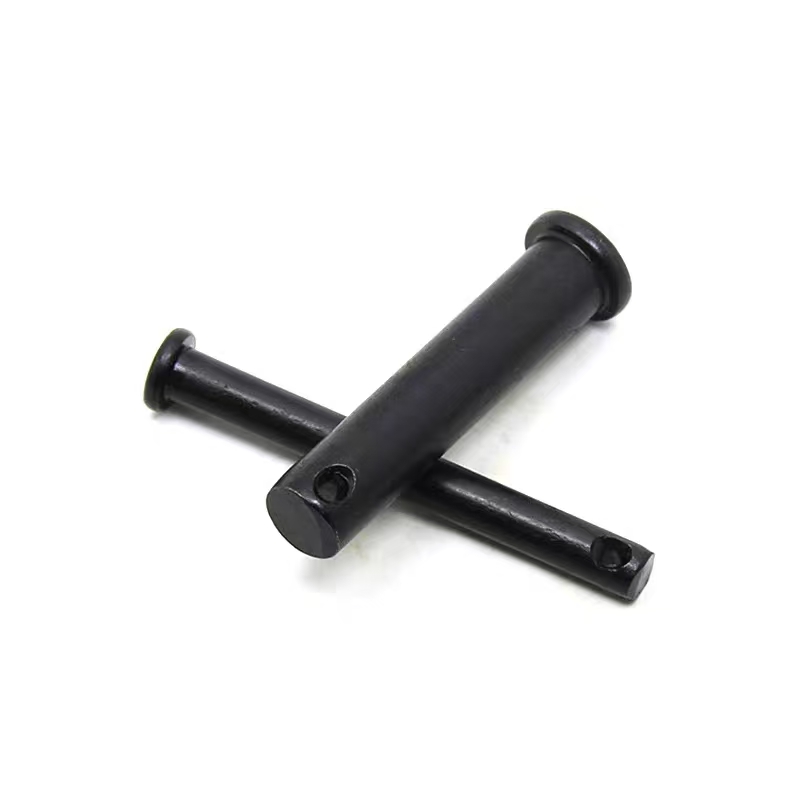 Black zinc plated pin shaft