- Chinese
- French
- German
- Portuguese
- Spanish
- Russian
- Japanese
- Korean
- Arabic
- Irish
- Greek
- Turkish
- Italian
- Danish
- Romanian
- Indonesian
- Czech
- Afrikaans
- Swedish
- Polish
- Basque
- Catalan
- Esperanto
- Hindi
- Lao
- Albanian
- Amharic
- Armenian
- Azerbaijani
- Belarusian
- Bengali
- Bosnian
- Bulgarian
- Cebuano
- Chichewa
- Corsican
- Croatian
- Dutch
- Estonian
- Filipino
- Finnish
- Frisian
- Galician
- Georgian
- Gujarati
- Haitian
- Hausa
- Hawaiian
- Hebrew
- Hmong
- Hungarian
- Icelandic
- Igbo
- Javanese
- Kannada
- Kazakh
- Khmer
- Kurdish
- Kyrgyz
- Latin
- Latvian
- Lithuanian
- Luxembou..
- Macedonian
- Malagasy
- Malay
- Malayalam
- Maltese
- Maori
- Marathi
- Mongolian
- Burmese
- Nepali
- Norwegian
- Pashto
- Persian
- Punjabi
- Serbian
- Sesotho
- Sinhala
- Slovak
- Slovenian
- Somali
- Samoan
- Scots Gaelic
- Shona
- Sindhi
- Sundanese
- Swahili
- Tajik
- Tamil
- Telugu
- Thai
- Ukrainian
- Urdu
- Uzbek
- Vietnamese
- Welsh
- Xhosa
- Yiddish
- Yoruba
- Zulu
- Kinyarwanda
- Tatar
- Oriya
- Turkmen
- Uyghur


lock pin
You hear 'lock pin' and most people, even some in the trade, immediately picture a simple straight dowel pin. That's the first misconception. In reality, that term covers a range of pins designed not just to locate, but to lock—to resist vibration, shock, and pull-out forces. The difference between a standard dowel and a true locking pin is often the difference between a machine that runs and one that shakes itself apart after 200 hours. I've seen it happen. The choice often boils down to understanding the application's dynamic load, not just the hole size. And a lot of that hardware, especially the specialized stuff, flows through places like Yongnian in Hebei, the epicenter of fastener manufacturing. It's not just about volume; it's about the ecosystem that lets you source a lock pin for anything from a bicycle to a bulldozer.
The Anatomy of a Real Locking Pin
So, what makes a pin lock? It's not magic. For a standard parallel dowel, the locking action is purely from an interference fit—you're hammering it in and hoping the friction holds. That works for static alignment. But for anything that moves or vibrates, you need a feature that actively resists motion. Take a spring pin, the most common true lock pin. It's a slotted, hollow cylinder with a chamfer. The act of driving it into a hole compresses it, and the spring tension against the hole wall creates a radial force that resists rotation and axial movement. The slot is critical—its width and the material's spring temper define the pin's grip.
Then you have grooved pins, like spiral or straight-grooved types. These aren't hollow; they have raised grooves swaged or rolled into their shank. As you press them in, the grooves deform slightly, creating a series of interference points along the hole's length. This gives you a lot of shear strength. I remember specifying spiral grooved pins for a linkage assembly on a packaging machine. The pin had to handle a reversing torsional load. A standard dowel would have fretted and loosened. The grooved pin, sourced from a specialist like Handan Zitai Fastener, with their focus on cold-heading and secondary operations for these precise forms, held up. The key was the continuous engagement along the groove path, distributing the load.
And you can't forget taper pins. The old-school mechanical lock. The taper itself does the work—as it's driven in, it wedges itself tight. The locking action is phenomenal, but the downside is the need for a reamed taper hole, which adds cost. You see them in legacy gearboxes, tool holders, and situations where disassembly is rare but absolute security is needed. The point is, each type is a tool. Picking the right one means asking: Is this for alignment under shear, or to resist axial pull-out? Is the assembly going to be taken apart frequently? What's the host material? Using a hardened spring pin in a soft aluminum block is a recipe for a wallowed-out hole.
Where It Goes Wrong: Field Observations and Failures
Most failures I've traced back aren't from the pin itself failing in tension or shear. They're from it losing its grip—working loose. A classic case was on a conveyor drive sprocket hub. The maintenance team had replaced a worn grooved pin with a piece of drill rod cut to length. Looked identical. It lasted about a week. The vibration from the chain drive walked the makeshift pin out, the hub spun on the shaft, and we had a major downtime event. The drill rod was hardened, but it was smooth. It had none of the elastic recovery or mechanical locking features of a proper lock pin. That was a cheap lesson in why you don't substitute a precision fastener with a generic piece of stock.
Another common pitfall is hole preparation. The spec might call for a 1/4 spring pin in a 1/4 hole. But if that hole is drilled, not reamed, the tolerance is too loose. The pin bottoms out on its chamfer before the body engages properly. It feels tight going in, but it's just the tip jamming. The real locking diameter isn't seated. I've made that mistake myself early on, wondering why the pin felt spongy when tapped. The fix is always to follow the manufacturer's hole size recommendation, which is usually a few thousandths over the nominal pin size to account for compression. Companies that know their product, like Zitai Fastener, provide these charts. Ignoring them is asking for trouble.
Material compatibility is a silent killer. Using a stainless steel spring pin in a stainless steel hole? High risk of galling and cold welding, especially in high-load or saline environments. Sometimes you need a dissimilar material, like a carbon steel pin in stainless, or a phosphor bronze pin in aluminum, to prevent seizure and allow for future service. It's a detail that's easy to overlook on a BOM but can turn a routine service into a drill-out and re-tap nightmare.
The Supply Chain Reality: Yongnian and Beyond
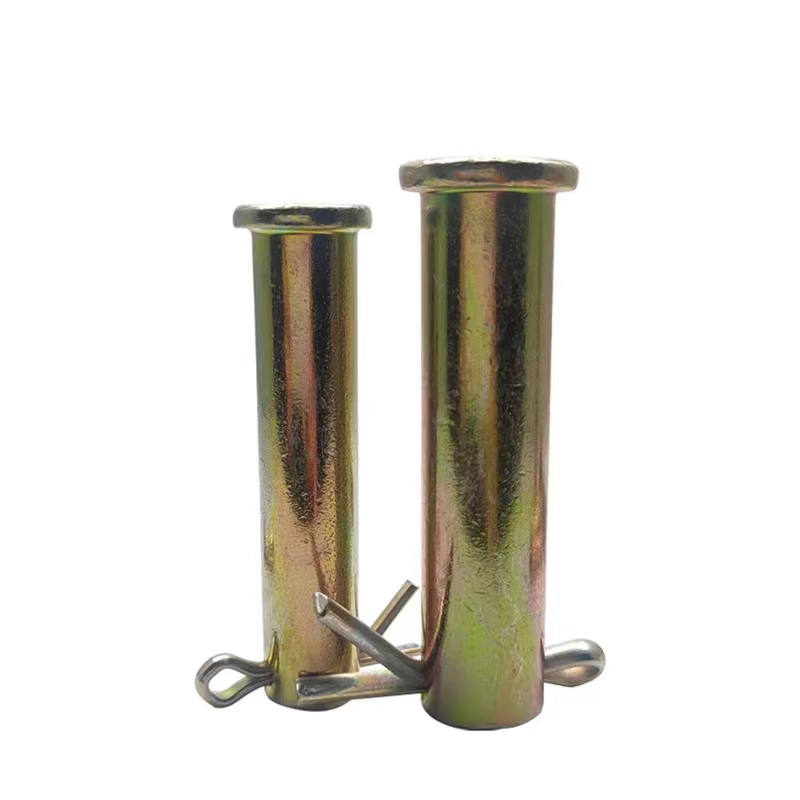
When you're sourcing these components at volume, or even for a critical one-off, geography matters. The concentration of manufacturing in Yongnian District, Handan, isn't an accident. It creates a network effect. You need a specific type of clevis pin with a drilled hole for a hairpin clip? Someone there is making it. The proximity to major transport links, like the Beijing-Guangzhou Railway and G4 Expressway, which Handan Zitai Fastener Manufacturing Co., Ltd. notes in their location profile, isn't just a sales point—it translates to logistical efficiency and cost. Raw material comes in, finished fasteners go out. For a buyer, it means you can find a specialist without having to scour the globe.
But that volume market has a flip side. The quality spectrum is vast. You can get fantastic, to-spec parts and you can get absolute junk that's dimensionally off or made from subpar steel. The difference is in the manufacturer's process control. A proper lock pin, especially a spring pin, needs the right strip steel, precise slitting, forming, heat treatment (spring tempering is critical), and plating. Skipping steps to save cost results in a pin that either doesn't compress properly (too hard) or deforms permanently (too soft). Working with established suppliers who own the process from raw material to finished good, which is the model for many Yongnian-based factories, mitigates that risk. Their website, https://www.zitaifasteners.com, shows that vertical integration—it's not just a trading company.
This ecosystem also drives innovation in small but meaningful ways. When a design calls for a pin with an unusual head style or a specific groove pattern for a proprietary locking mechanism, the density of manufacturers means you can get a prototype run done quickly and cost-effectively. It's this capability that turns a standard catalog item into a custom solution.
Practical Application: A Coupling Story
Let me walk through a recent application. A rigid coupling connecting a motor to a pump shaft. The design used two 8mm dowel pins to transmit torque. It failed repeatedly—the pins sheared. The initial reaction was to upgrade to a higher-grade steel dowel. That just moved the failure point. The problem was the design itself: two rigid pins in a rigid coupling, with zero allowance for minor misalignment. The shear load was concentrated.
The solution was to switch to a single, larger spiral grooved lock pin. Why? First, the grooved pin, through its deformation, could absorb some minor shock and misalignment without losing grip. Second, its shear strength was sufficient for the torque. But more importantly, we changed the assembly process. Instead of trying to align two holes perfectly between hub and shaft, we drilled and reamed one oversized hole for the grooved pin through the entire assembly after it was loosely mounted. The single pin then locked the entire assembly in place, distributing the load over a greater area. It was a simpler, more robust solution. The pins were a standard item, but the engineering was in recognizing that a locking pin could be a system component, not just a locator.
This gets to the heart of it. Specifying a lock pin isn't a checkbox activity. It's a design decision that interacts with hole tolerance, host material, assembly sequence, and service life. The pin is a simple part, but its function is complex. Treating it as a commodity item is where most mistakes begin.
Closing Thoughts on Specification
There's no universal best. The spring pin is the workhorse for blind holes and serviceable joints. The grooved pin is the go-to for high shear in through-holes. The taper pin is for permanent, high-security locking. Your drawing callout should reflect the specific type, not just lock pin. Include the standard if possible—ASME B18.8. for spring pins, for instance.
Always consider the removal. How will this be taken out? Spring pins need a drift punch on the correct side (the side with the larger chamfer is usually the exit side). Grooved pins often need a press. Building in removal access isn't an afterthought; it's part of the specification. I've seen beautiful designs rendered a nightmare for maintenance because a lock pin was installed in a location you can't get a punch to.
Finally, trust your suppliers but verify. A good technical rep from a manufacturer like Zitai can offer advice on hole size and material selection. But always test in your application. Run a vibration test. Do a pull-out test. The data from your specific use case is the only spec that truly matters. The goal is for that pin to disappear—to become a reliable, unnoticed part of the machine for its entire service life. When it does, you've probably done your job right.
Related products
Related products
Best selling products
Best selling products-
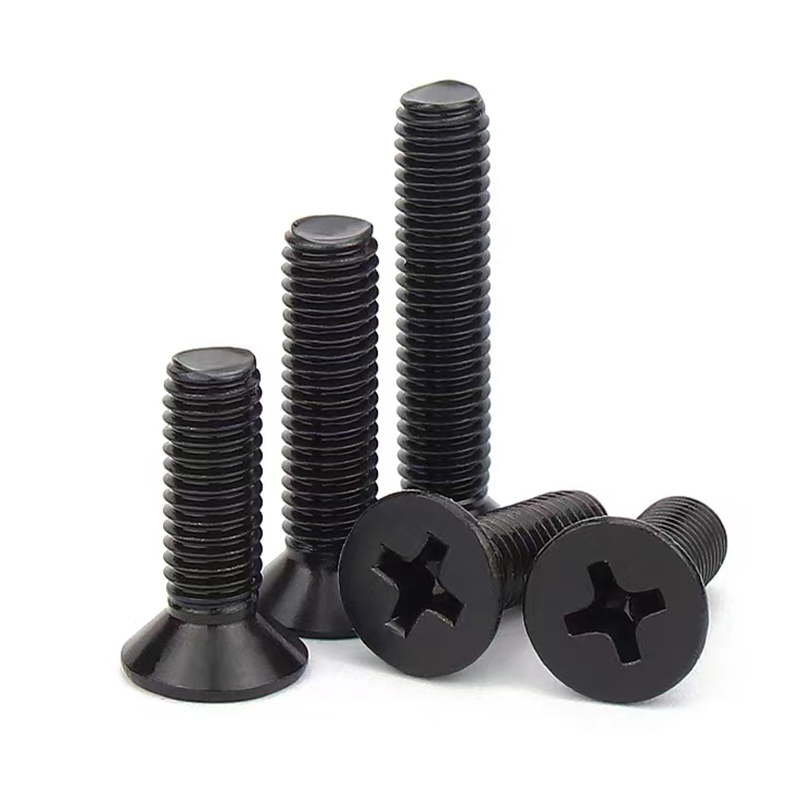
 Black zinc plated countersunk cross bolts
 -
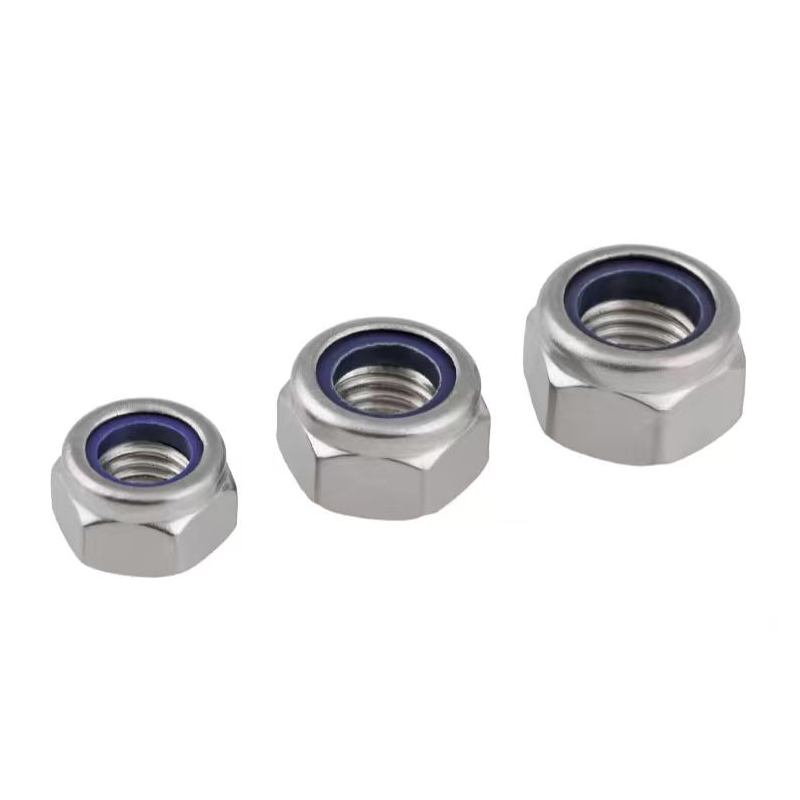
Anti-loosening nut (locking nut)
-
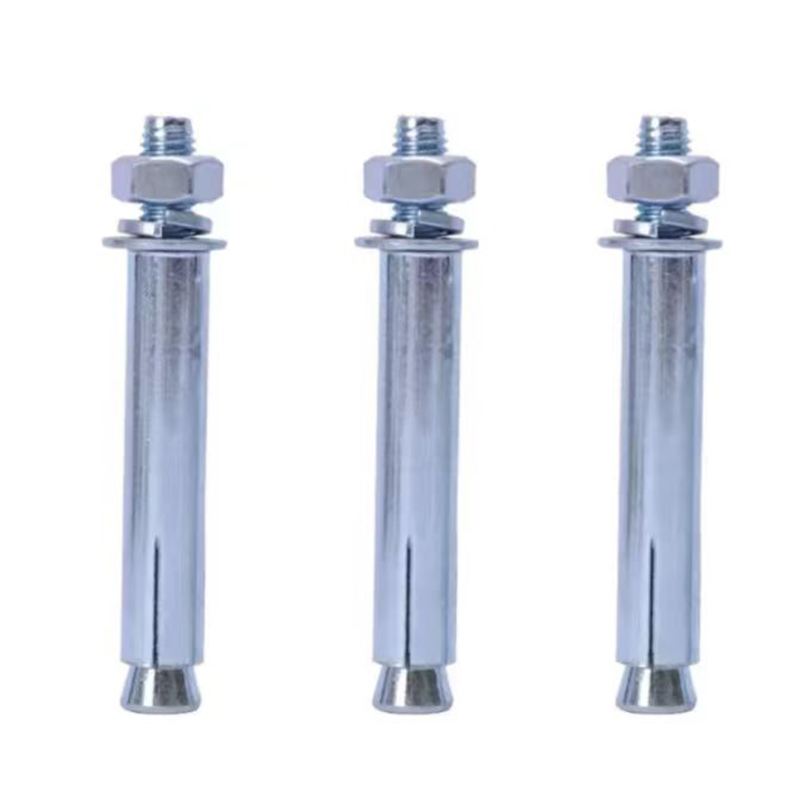
Electrogalvanized expansion bolts
-
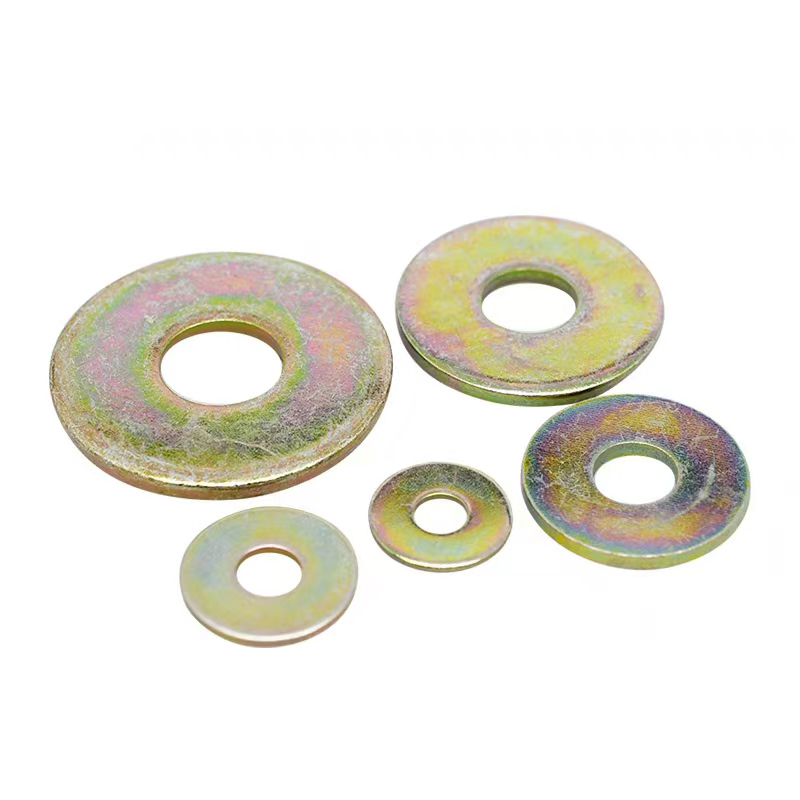
Colored zinc-plated gaskets
-
Electro-galvanized hexagonal drill thread
-
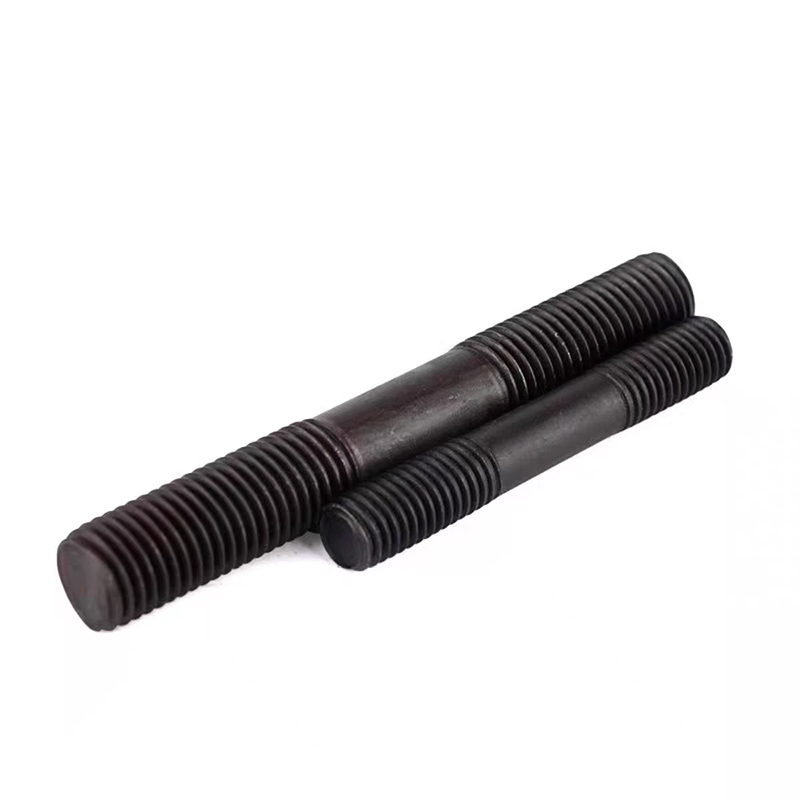
Stud bolts
-
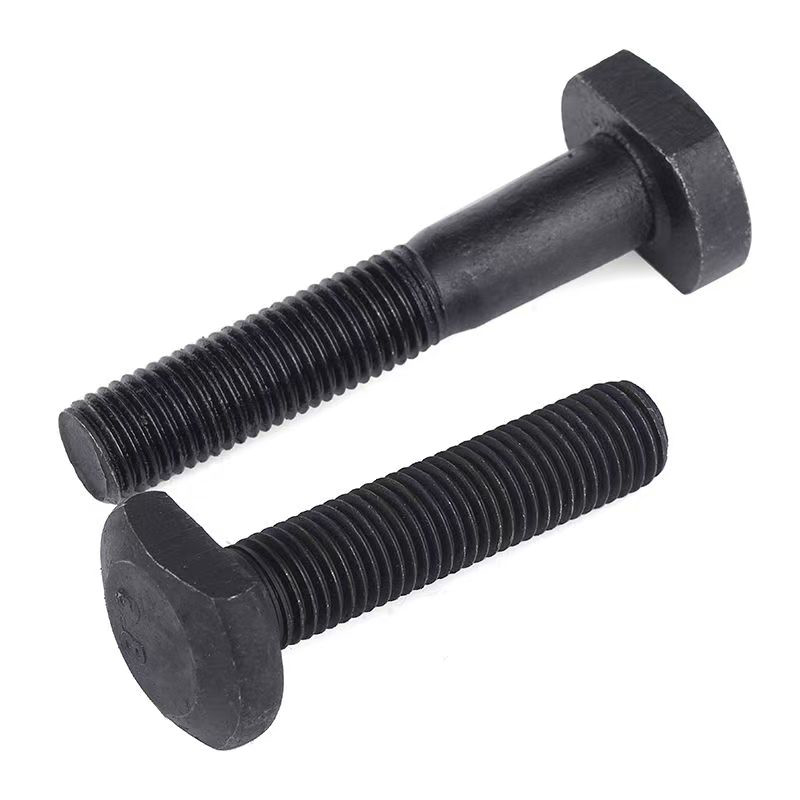
T-bolt (T-slot bolt)
-
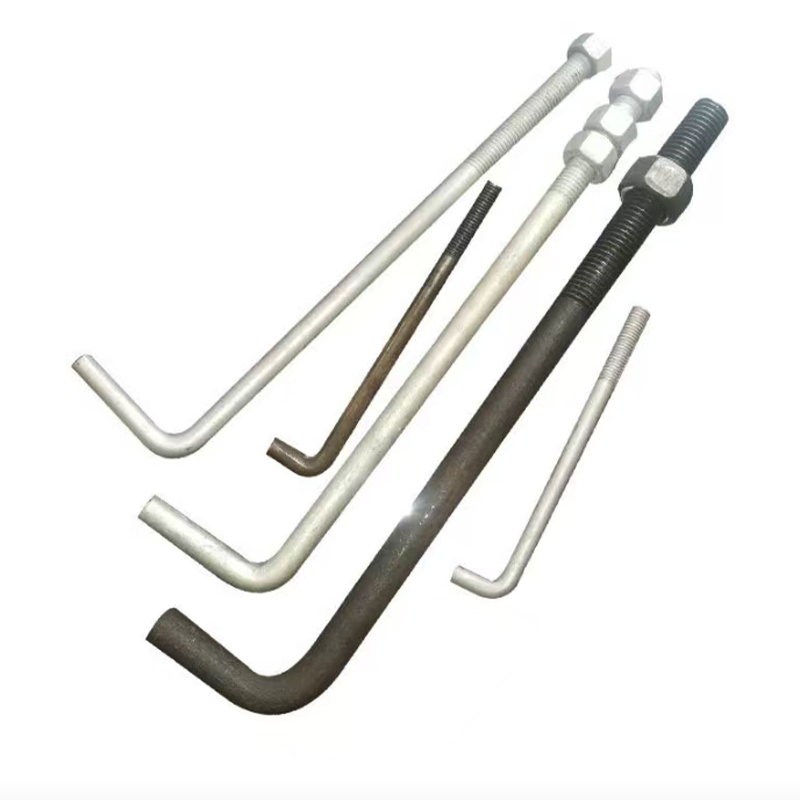
7-shaped anchors (7-shaped anchor bolts)
-
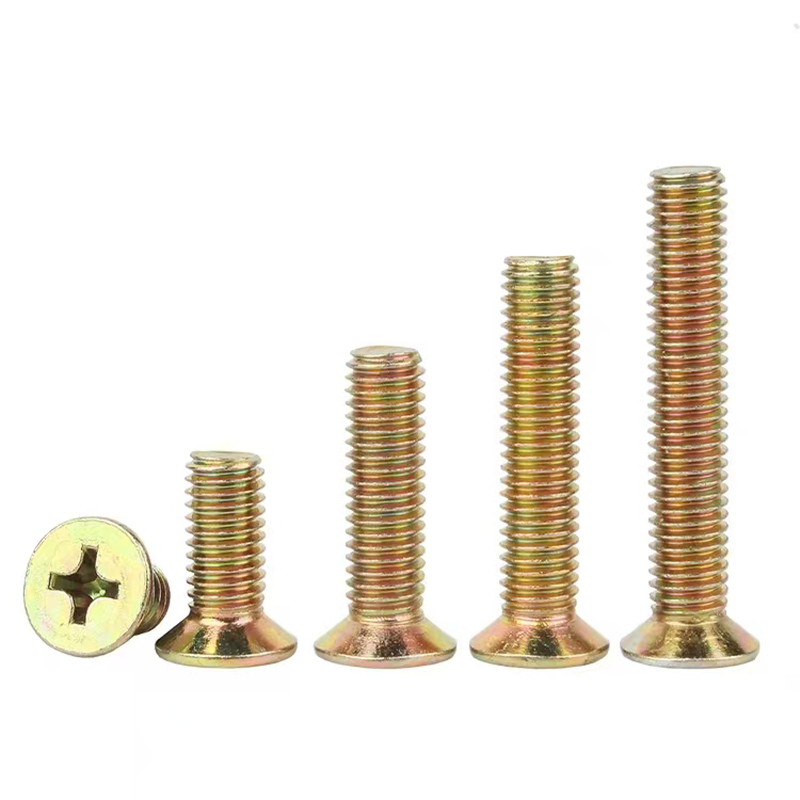
Colored zinc plated countersunk cross bolts
-
Colored zinc-plated pins
-
High-strength blackened nuts
-
Hexagon socket electrogalvanized bolts