- Chinese
- French
- German
- Portuguese
- Spanish
- Russian
- Japanese
- Korean
- Arabic
- Irish
- Greek
- Turkish
- Italian
- Danish
- Romanian
- Indonesian
- Czech
- Afrikaans
- Swedish
- Polish
- Basque
- Catalan
- Esperanto
- Hindi
- Lao
- Albanian
- Amharic
- Armenian
- Azerbaijani
- Belarusian
- Bengali
- Bosnian
- Bulgarian
- Cebuano
- Chichewa
- Corsican
- Croatian
- Dutch
- Estonian
- Filipino
- Finnish
- Frisian
- Galician
- Georgian
- Gujarati
- Haitian
- Hausa
- Hawaiian
- Hebrew
- Hmong
- Hungarian
- Icelandic
- Igbo
- Javanese
- Kannada
- Kazakh
- Khmer
- Kurdish
- Kyrgyz
- Latin
- Latvian
- Lithuanian
- Luxembou..
- Macedonian
- Malagasy
- Malay
- Malayalam
- Maltese
- Maori
- Marathi
- Mongolian
- Burmese
- Nepali
- Norwegian
- Pashto
- Persian
- Punjabi
- Serbian
- Sesotho
- Sinhala
- Slovak
- Slovenian
- Somali
- Samoan
- Scots Gaelic
- Shona
- Sindhi
- Sundanese
- Swahili
- Tajik
- Tamil
- Telugu
- Thai
- Ukrainian
- Urdu
- Uzbek
- Vietnamese
- Welsh
- Xhosa
- Yiddish
- Yoruba
- Zulu
- Kinyarwanda
- Tatar
- Oriya
- Turkmen
- Uyghur


Self-tapping screws with washers
You see self-tapping screws with washers on a spec sheet or in a catalog, and it’s easy to think it’s just a screw that comes with a little metal disc. Order the diameter, length, and drive type, and you're done. That’s the first mistake. The reality is, that combination—the self-tapping screw and its washer—is a single functional unit, and getting it wrong doesn’t just mean a loose joint; it can mean stripping the boss, cracking plastic, or a leak path that shows up six months later. I’ve seen too many projects where this was treated as a commodity item, with the cost-per-thousand being the only deciding factor, leading to callbacks and rework that wiped out any savings.
The Washer Isn't Just a Spacer
Let’s start with the washer itself. On paper, its job is to distribute load. But with a self-tapping screw, especially into softer substrates like aluminum extrusions, plastic housings, or sheet metal, the washer’s role becomes critical in the tapping phase. A flat washer with too small an OD or a thin gauge can dig into the material surface during final torque-down, effectively counter-rotating and undoing the thread formation you just created. It doesn’t happen every time, which makes it a nightmare to diagnose on the line—just occasional joint failure.
We learned this the hard way on a batch of outdoor LED fixture housings. The spec called for stainless steel self-tapping screws with washers to attach polycarbonate lenses to aluminum frames. The washers supplied were standard SAE flat washers. In testing, they were fine. In the field, after thermal cycling, we started seeing lens rattling and water ingress. The issue? The washers had slightly bitten into the polycarbonate, creating a micro-gap as the plastic creeped, which then allowed the screw to back off minutely. The fix wasn't a bigger screw; it was switching to a washer with a larger OD and a bonded seal, which acted as a combined load-spreader and gasket. The screw did the clamping; the washer system did the sealing and maintained clamp load.
This leads to the point about selection. You don't just pick a screw and add a washer. You're selecting a fastening system. Is it for vibration resistance? Then maybe a star or tooth lock washer is integrated. Is it for sealing? Then a bonded rubber or EPDM washer is part of the unit. Companies that specialize in this, like Handan Zitai Fastener Manufacturing Co., Ltd. out of that major production base in Yongnian, often get this. Their value isn't just in volume; it's in understanding that these components are used in real, variable conditions. Their location near major transport routes means they’ve likely seen a huge variety of application demands from different industries, which informs their product range.
The Thread-Forming vs. Thread-Cutting Trap
This is where even seasoned people can stumble. Not all self-tapping screws are created equal, and the washer choice interacts with this. Thread-forming screws (like those for plastics or soft metals) displace material. They create high radial stress. If you pair that with a small, hard washer, you're concentrating all that stress in a tiny footprint, risking boss cracking. A larger, softer washer can help distribute that installation stress.
Thread-cutting screws, on the other hand, remove material. They're common in castings or thicker metals. Here, the risk is swarf—tiny metal chips. A flat washer can actually trap these chips against the surface, marring the finish or preventing true flush seating. In some precision assemblies, we’ve used washers with a slight conical section or even a non-woven backing to absorb and contain that debris. It’s a tiny detail that never appears on a standard BOM.
I recall a prototype for a machinery guard where we used a standard thread-cutting screw and washer into punched steel. The assembly looked tight. A week later, there was rust blooming in a perfect circle under every washer. The chips trapped underneath held moisture and initiated galvanic corrosion. The solution was to use a screw with a built-in, slightly oversized captive washer that had a serrated bearing surface—it cut through minor debris and sealed the interface better. It cost 15% more per unit but eliminated a huge aesthetic and longevity issue.
Material Pairings and Galvanic Drama
Speaking of corrosion, the material trio—screw, washer, and substrate—is a chemistry set. A stainless steel screw with a carbon steel washer is a common, cost-driven kit. In a benign environment, it's okay. But add any humidity, and you’ve made a battery. The carbon steel washer will corrode sacrificially, often freezing the assembly solid or staining the substrate. I always insist the washer be of the same, or more noble, material than the screw. If you're using an aluminum screw into aluminum, the washer should be aluminum or plastic. It seems obvious, but in the rush to get parts, this gets overlooked.
Handan Zitai’s positioning in a comprehensive manufacturing hub suggests they have the supply chain depth to offer coherent material kits. It’s not just about making the screw; it’s about sourcing or producing the right washer to go with it. For instance, providing zinc-plated screws with zinc-plated washers, or A2 stainless with A2 stainless washers, as a matched set. This coherence prevents a lot of field failures. Their website, https://www.zitaifasteners.com, likely details these pairings, which is more useful than just a dimensional catalog.
The worst-case scenario I witnessed was on a coastal balcony assembly. Aluminum railings were being attached with… you guessed it, stainless steel self-tapping screws with washers. But the washers were cheap, zinc-plated steel. Within a year, the washers had completely corroded into crusty lumps, staining the aluminum black and green, and the joint integrity was gone. The fix was a full replacement with aluminum washer-head screws. The labor cost dwarfed the fastener cost a hundred times over.
On Captive vs. Loose Washer Systems
There’s a big debate here: captive (pre-assembled) washer or loose components? For high-volume assembly, captive is king. It reduces part count, speeds up installation, and guarantees the washer is there. But captive washers can limit your options. The rotation during driving can sometimes cause a captive seal washer to twist and tear, especially if it’s a soft EPDM or rubber.
Loose washers allow for mix-and-match and are easier to source separately. But on a windy construction site or a busy factory floor, washers get dropped, forgotten, or installed upside down. I’ve leaned towards captive systems for anything involving a seal or when the washer has a specific functional shape (like a countersunk shoulder). For standard flat washers in controlled environments, loose can be fine and more flexible.
We ran a trial on an appliance line, comparing the two. The captive washer screws had a 0.3% assembly error rate (mostly cross-threading). The loose washer and screw combo had a 2.1% error rate, almost all due to missing washers or washers placed on the wrong side of the joint. The decision came down to the cost of a field repair versus the slightly higher unit cost of the captive system. For that application, captive won.
The Torque Conversation Everyone Forgets
Finally, the elephant in the room: installation torque. A self-tapping screw with a washer has a target torque window. Too low, and you don’t develop sufficient clamp load or fully form the threads. Too high, and you strip the threads or over-compress the washer, rendering it useless. The washer type dramatically affects this. A stiff Belleville washer will give a very different torque-tension relationship than a soft flat washer.
Most installation guides just give a torque value for the screw. They rarely account for the washer. In practice, you need to develop a feel or, better yet, use a calibrated driver and test on sample substrates. We created simple go/no-go gauges for our line workers—if the washer was flush to a certain visual standard after driving, the torque was likely in range. It was a low-tech solution to a high-stakes problem.
It circles back to the core idea: you’re not fastening with a screw. You’re fastening with a system. The screw taps and clamps. The washer manages load, seal, stress, and sometimes even alignment. Sourcing them as a considered pair, from a supplier that understands the application, like those embedded in manufacturing hubs serving diverse industries, isn’t a procurement detail—it’s an engineering necessity. The next time you specify self-tapping screws with washers, pause and think about what that system really needs to do. The devil, and the durability, is in those details.
Related products
Related products
Best selling products
Best selling products-
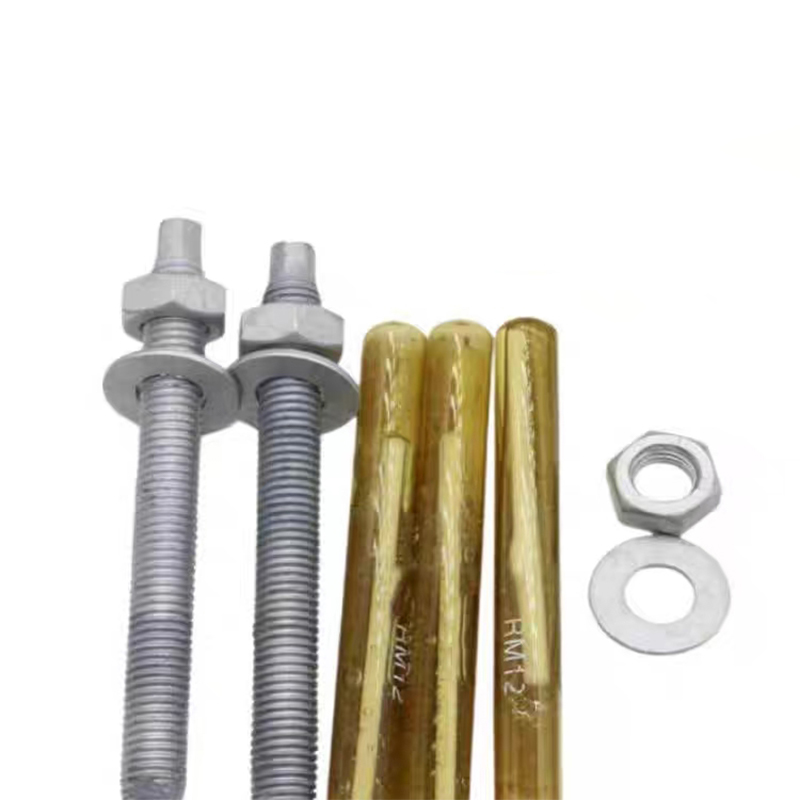
 Hot-dip galvanized chemical bolts
 -
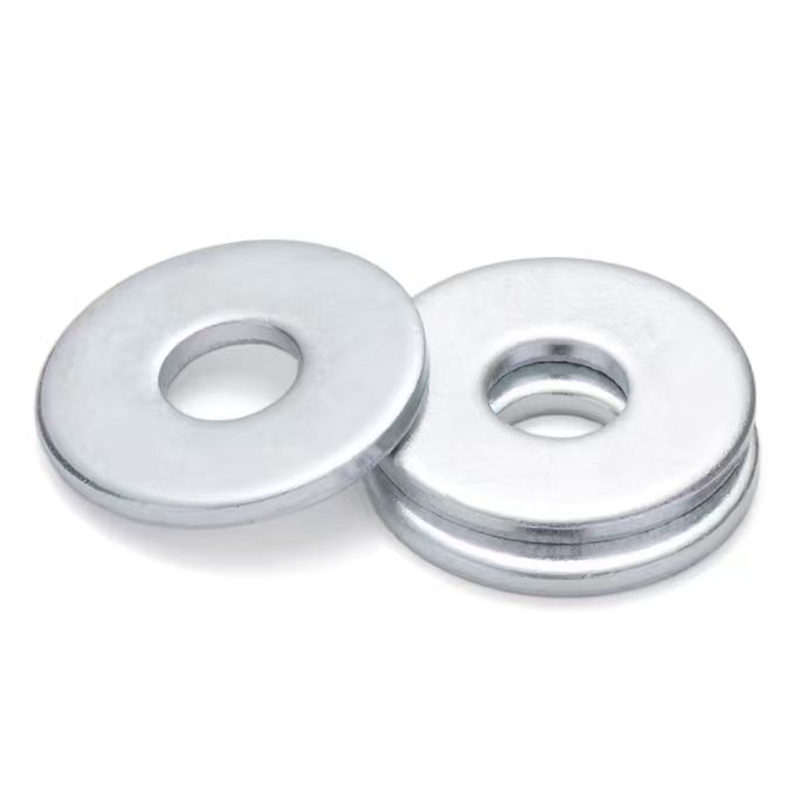
Electroplated galvanized gaskets
-
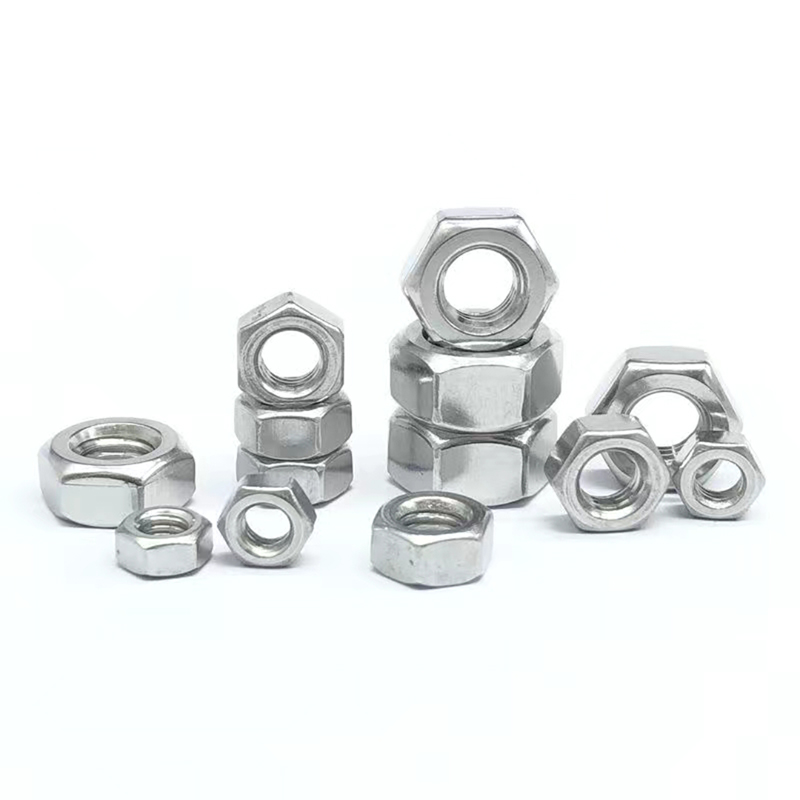
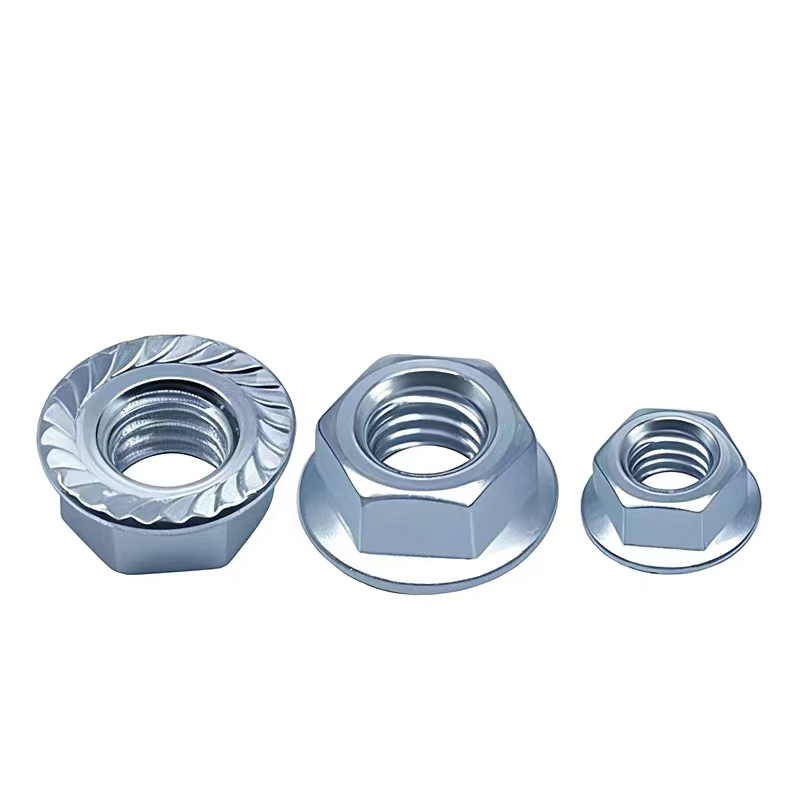
Electrogalvanized nuts
-
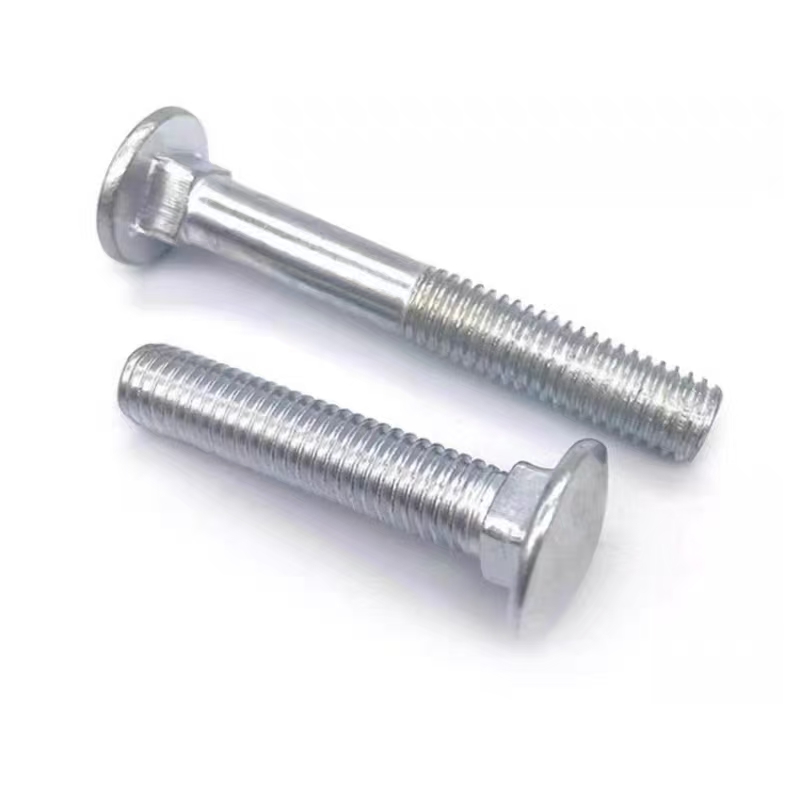
Carriage bolt (half-round head square neck bolt)
-
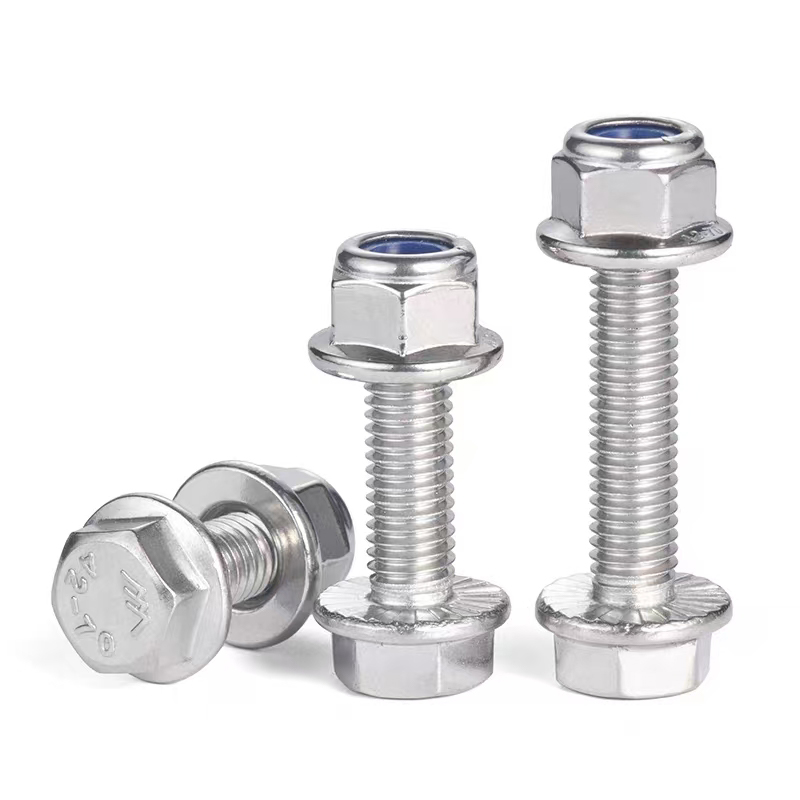
Black zinc flange bolts
-
Welding nails
-
High-strength blackened gasket
-
Electro-galvanized expansion hook
-
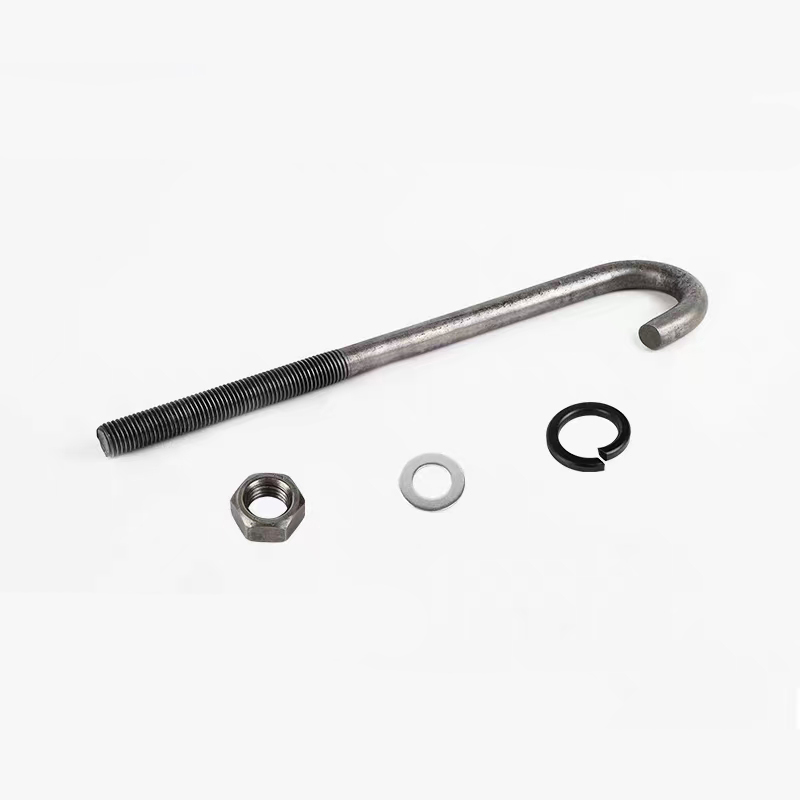
Umbrella handle anchor (J-type anchor bolt/umbrella handle embedded bolt)
-
U-bolts
-
Electrogalvanized cross countersunk drill thread
-
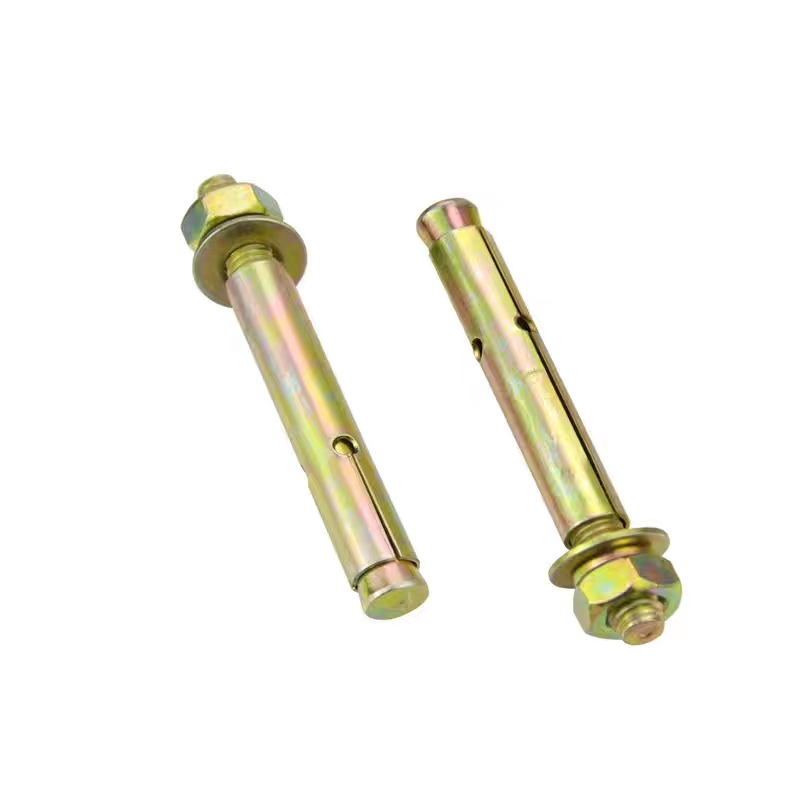
Colored zinc-plated expansion hook