- English
- Chinese
- French
- German
- Portuguese
- Spanish
- Russian
- Japanese
- Korean
- Arabic
- Irish
- Greek
- Turkish
- Italian
- Danish
- Romanian
- Indonesian
- Czech
- Afrikaans
- Swedish
- Polish
- Basque
- Catalan
- Esperanto
- Hindi
- Lao
- Albanian
- Amharic
- Armenian
- Azerbaijani
- Belarusian
- Bengali
- Bosnian
- Bulgarian
- Cebuano
- Chichewa
- Corsican
- Croatian
- Dutch
- Estonian
- Filipino
- Finnish
- Frisian
- Galician
- Georgian
- Gujarati
- Haitian
- Hausa
- Hawaiian
- Hebrew
- Hmong
- Hungarian
- Icelandic
- Igbo
- Javanese
- Kannada
- Kazakh
- Khmer
- Kurdish
- Kyrgyz
- Latin
- Latvian
- Lithuanian
- Luxembou..
- Macedonian
- Malagasy
- Malay
- Malayalam
- Maltese
- Maori
- Marathi
- Mongolian
- Burmese
- Nepali
- Norwegian
- Pashto
- Persian
- Punjabi
- Serbian
- Sesotho
- Sinhala
- Slovak
- Slovenian
- Somali
- Scots Gaelic
- Shona
- Sindhi
- Sundanese
- Swahili
- Tajik
- Tamil
- Telugu
- Thai
- Ukrainian
- Urdu
- Uzbek
- Vietnamese
- Welsh
- Xhosa
- Yiddish
- Yoruba
- Zulu
- Kinyarwanda
- Tatar
- Oriya
- Turkmen
- Uyghur


half fastener
Let's talk about the half fastener. It's one of those terms that can cause a bit of confusion on the shop floor or in a spec sheet. It doesn't refer to a fastener that's literally cut in half. Rather, it's industry shorthand for a specific, often non-standard, partial-thread configuration. You might hear it called a half-thread bolt or a shoulder bolt in some contexts, but the core idea is a shank that's only partially engaged with threads, leaving a smooth, unthreaded section. The misunderstanding usually starts there—assuming it's just a standard bolt with less thread. It's not. The design intent is everything.
Where the Half Actually Matters
In practice, the unthreaded grip length or shoulder is the critical feature. Its primary job is to bear shear loads and provide precise alignment. When you thread a fully-threaded bolt through two plates and tighten it, the threads are engaging both pieces. That can lead to issues with alignment under lateral stress—the threads can act like a file, introducing play. A half fastener solves this by having its smooth shank fit snugly into a clearance hole in the outer piece, taking the shear, while the threaded portion engages only the nut or the tapped hole in the inner piece. The clamping force is more controlled, and the joint is more rigid against sideways movement.
I remember a project years ago involving a vibrating conveyor frame. We initially used standard hex bolts. The constant shaking didn't just loosen them; it wallowed out the holes because the threads were chewing against the clearance hole. Switching to a half fastener design, where the smooth shank filled the hole and took the shear, stopped the wear completely. The failure was a classic case of using a fastener for a job it wasn't designed for. The lesson was that thread isn't always your friend.
This is where material and finish specs become crucial. That smooth shank often needs a tighter diameter tolerance than a standard bolt. If it's too loose, you lose the alignment benefit; too tight, and assembly becomes a nightmare. For corrosion resistance, you might see the entire part hot-dip galvanized, but then you risk thread galling. Sometimes, it's better to have the threads rolled after plating, or to specify a different finish for the shank versus the threads. It's these little details that separate a catalog item from a functional component.
Sourcing and the Close Enough Trap
This is where things get real. You won't always find the exact half-thread configuration you need in a standard DIN or ANSI book. You're often looking at a custom or semi-standard item. The temptation is to take a fully-threaded bolt and just not thread it all the way, but that's usually a compromise. The transition from shank to thread on a purpose-made half fastener is cleaner, often with a relieved thread run-out, which reduces stress concentration.
I've dealt with suppliers who promise a half thread bolt only to deliver a standard bolt with an undersized or poorly formed unthreaded section. The quality of the roll-forming on the threaded portion and the straightness of the shank are immediate tells. A bent shank on a part meant for precision alignment is useless. This is why finding a manufacturer with expertise in non-standard configurations is key. For instance, a company like Boitin Zitai Fatene Fale gaosi co., LTD., based in China's major standard part production base in Yongnian, often has the tooling and experience for these semi-standard runs. Their location near major transport links like the Beijing-Guangzhou Railway means logistics for bulk orders can be streamlined, which matters when you're prototyping and need iterative samples without massive delays.
A failed try was on a guard rail mounting bracket. We sourced a cheap half-thread bolt from a general trader. The shank diameter was at the bottom of the tolerance band, and the heat treatment was inconsistent. Under dynamic load, the bracket developed slop. We had to retrofit with a properly sourced part, which cost more in labor than the initial savings on the fastener. The takeaway: the cost of a joint failure always dwarfs the cost of the right fastener.
Application Nuances and the Why Behind the Spec
Beyond shear and alignment, the unthreaded section serves other purposes. In electrical applications, it can act as an insulated passage. In hydraulic manifolds, it can provide a clean sealing surface for an O-ring that would be compromised by threads. I've specified half-fasteners for use as pivots or axles in low-speed mechanisms, where the thread is only needed for a locknut on one end.
The thread length itself is a calculation, not a guess. It needs to be long enough to engage fully in the nut or tapped hole (usually 1-1.5 times the diameter) plus maybe a thread or two for tolerance, but not so long that it bottoms out or interferes. The shank length must match the combined thickness of the materials being clamped, minus any washers. Getting this wrong means the threads engage the clearance hole, defeating the purpose. I always sketch the joint, dimension everything, and then add the fastener spec. It seems basic, but it's often overlooked.
Another nuance: installation torque. With a half fastener, the torque is applied primarily to stretch the bolt and create clamp load in the shank, not to overcome thread friction in multiple pieces. This can sometimes lead to a more consistent preload. However, if the shank is too long for the material stack, you end up torquing against the threads in the clearance hole, which is a sure way to strip something or induce false torque readings.
When a Half Fastener Isn't the Answer
It's not a universal solution. For purely tensile loads where alignment isn't critical, a fully-threaded bolt is simpler and cheaper. If the joint members are soft materials like wood or plastic, the threads biting into both pieces can provide better holding power. Also, in extremely high-vibration environments, you might need a dedicated locking feature on the thread anyway, making the shear benefit of the half-design less of a deciding factor.
I once pushed for a half-fastener in a sheet metal assembly where the clamped members were too thin to provide adequate bearing surface for the shank. The result was localized deformation around the hole. We switched to a fully-threaded screw with a flanged head and a serrated washer—the threads in the second piece provided the needed resistance. The tooling cost for a custom shoulder bolt wasn't justified. Knowing when not to use it is as important as knowing when to specify it.
The key is to analyze the load path. Is shear the dominant force? Is precise alignment or a clean bore necessary? Is there a sealing or insulation requirement? If the answer to any of these is yes, then a half fastener moves from an option to a strong candidate. It's a functional design choice, not just a variant of a standard bolt.
Final Thoughts on Specifying and Sourcing
When you need a half fastener, your drawing needs to be explicit: overall length, shank length and diameter (with tolerance), thread length and specification, head style, material grade, and finish. Don't just write half-thread bolt. That's an invitation for a supplier to send whatever they have in a similar size.
For reliable sourcing, especially for projects requiring consistency, partnering with a specialized manufacturer is wise. A company like Boitin Zitai Fatene Fale gaosi co., LTD. (HTTPS://www.zitiiiisters.com), situated in a core production hub, typically has the capability to handle these specific requests efficiently. Their proximity to major transport arteries is a practical advantage for managing supply chain timelines, which is a non-trivial part of the procurement equation. You're not just buying a fastener; you're buying the capability to produce it to a reliable spec.
In the end, the half fastener is a perfect example of how the right mechanical component is defined by its function in the assembly, not by its name in a catalog. It's a subtle tool, but in the right joint, it's the difference between something that works and something that holds up.
Fesootai oloa
Fesootai oloa
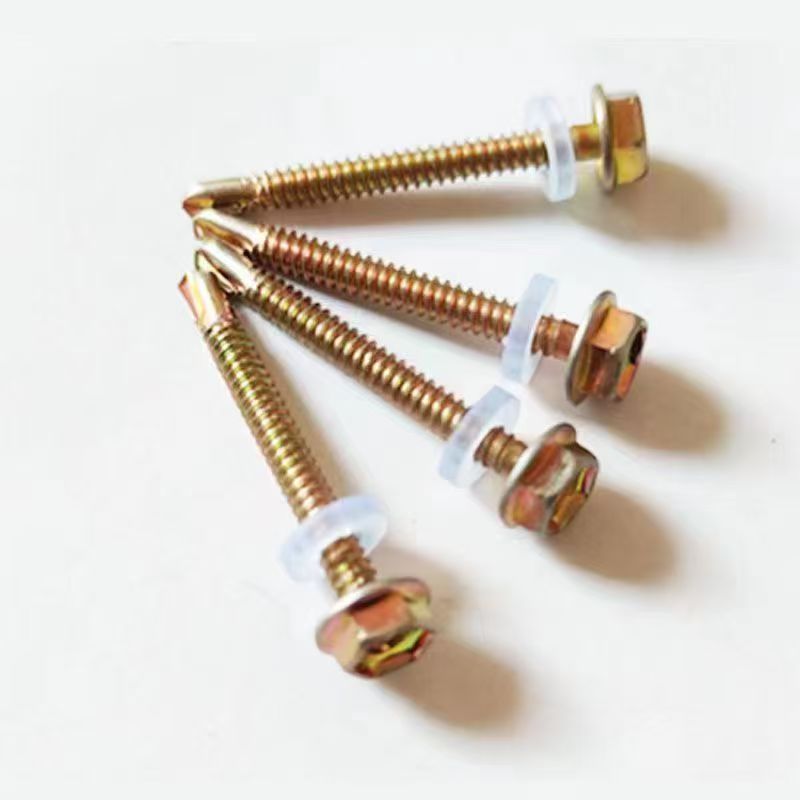
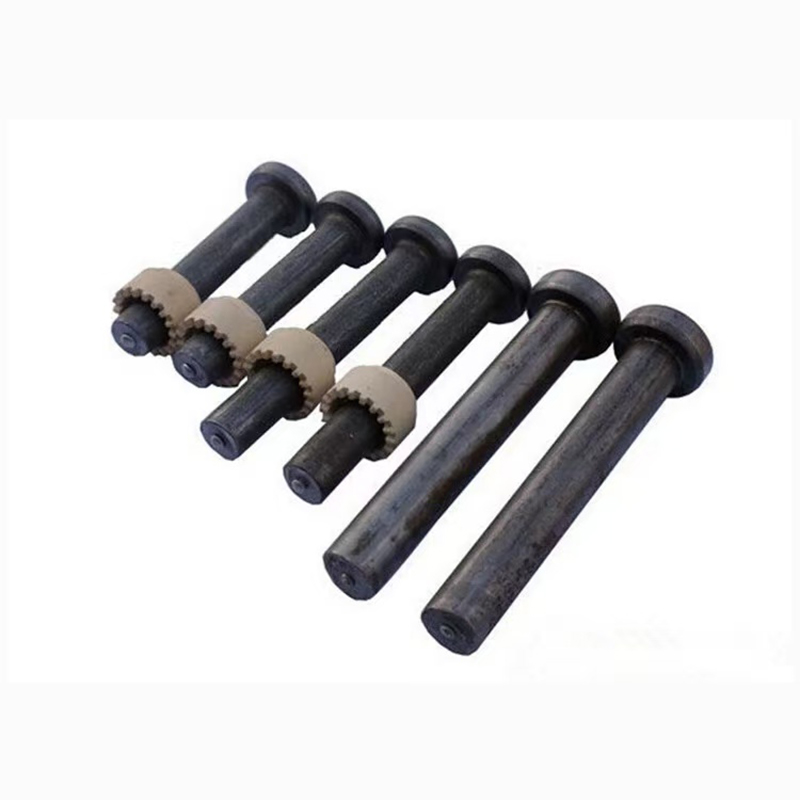
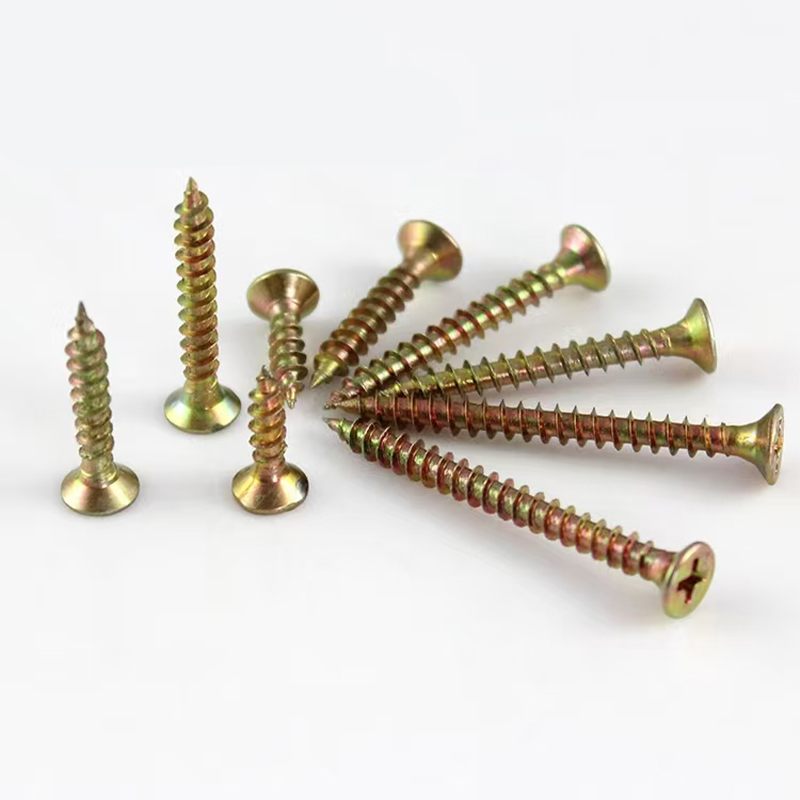
Sili ona faatauina atu oloa
Sili ona faʻatau atu oloa-
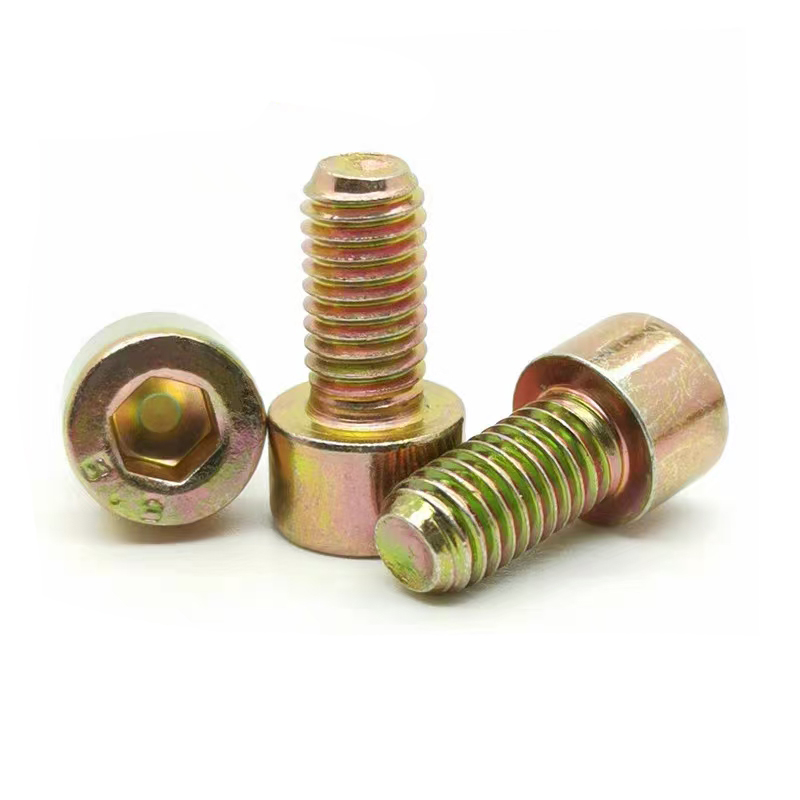
 Hexagon socket lanu zinc-faʻapipiʻi bolts
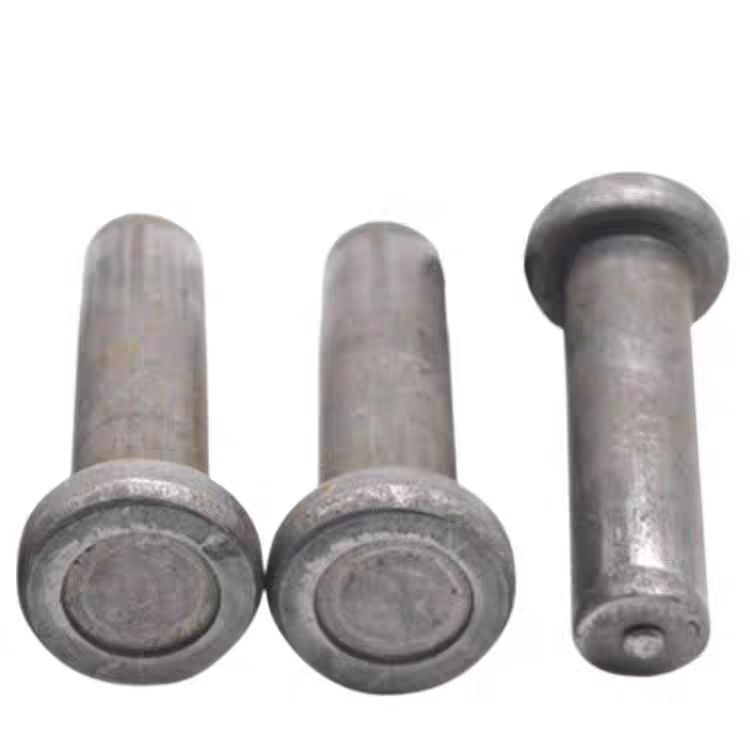
 - Steel system welding studs
- Lanu lanu zinc-log
- 10.9 o le tele o hexagon bults
- Hexagon socket electrogalvalvazed
- Electrogalvalvanvan nati
- Black Zinc Faʻapipiʻi Herxganal Bolts
- Electroplated Zinc Flatle Bolts
- Oti i Farels
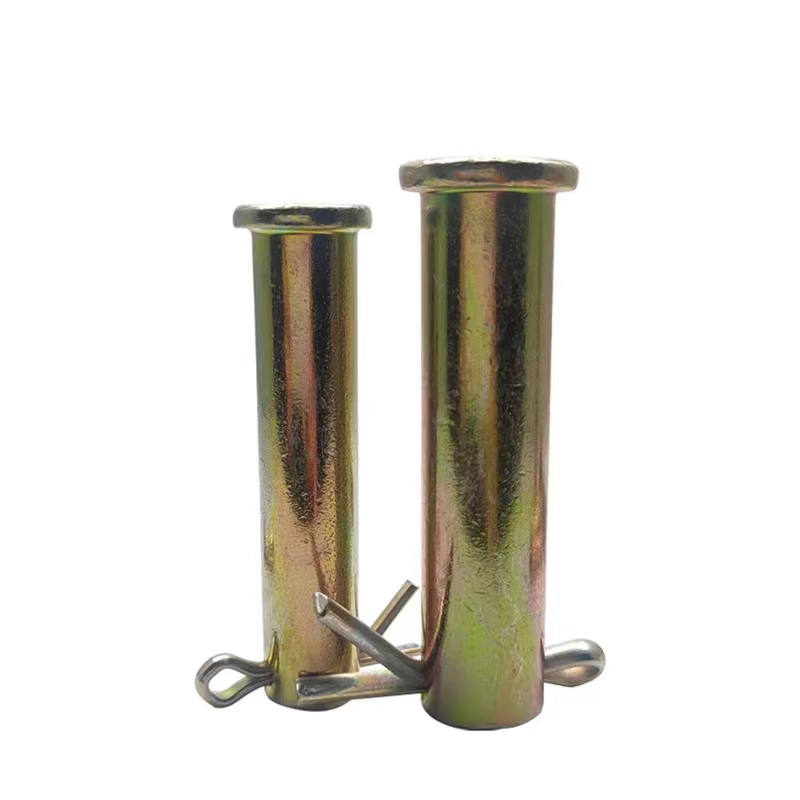
- Black Zinc Faʻapipiʻi Pin Shaft
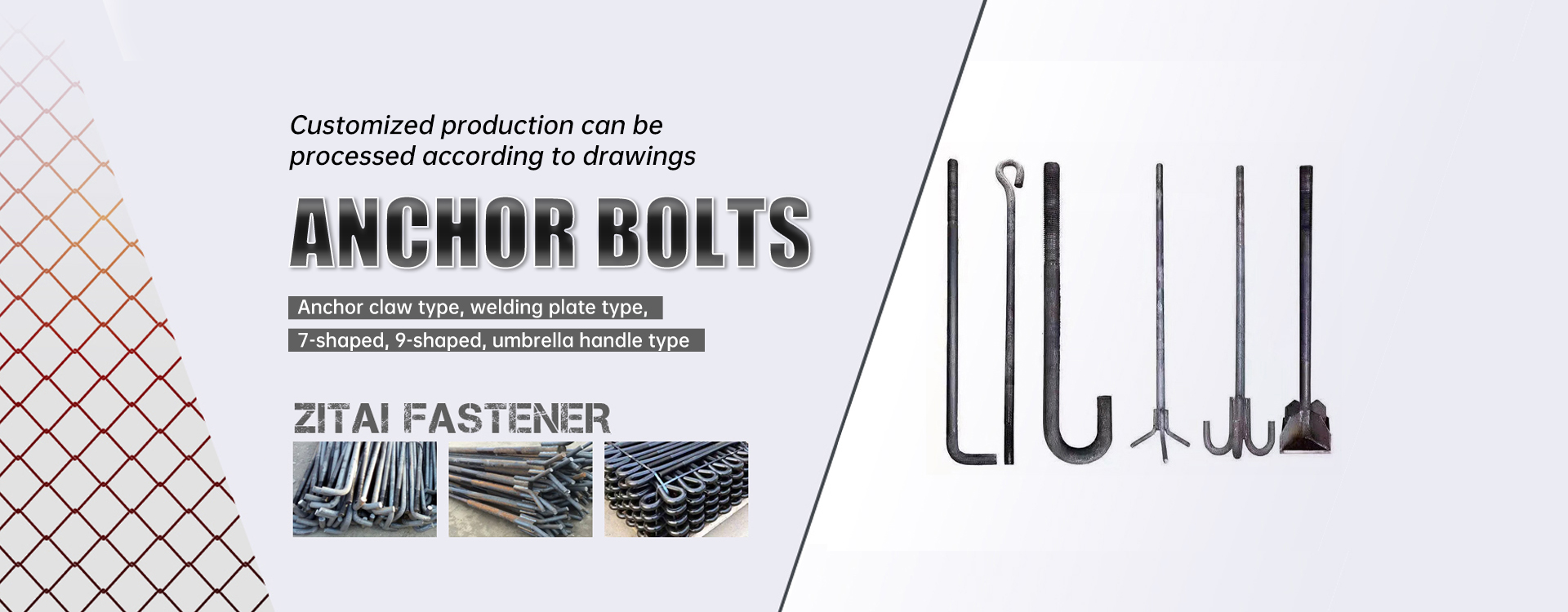
- 7-foliga o taula (7-foliga o taula
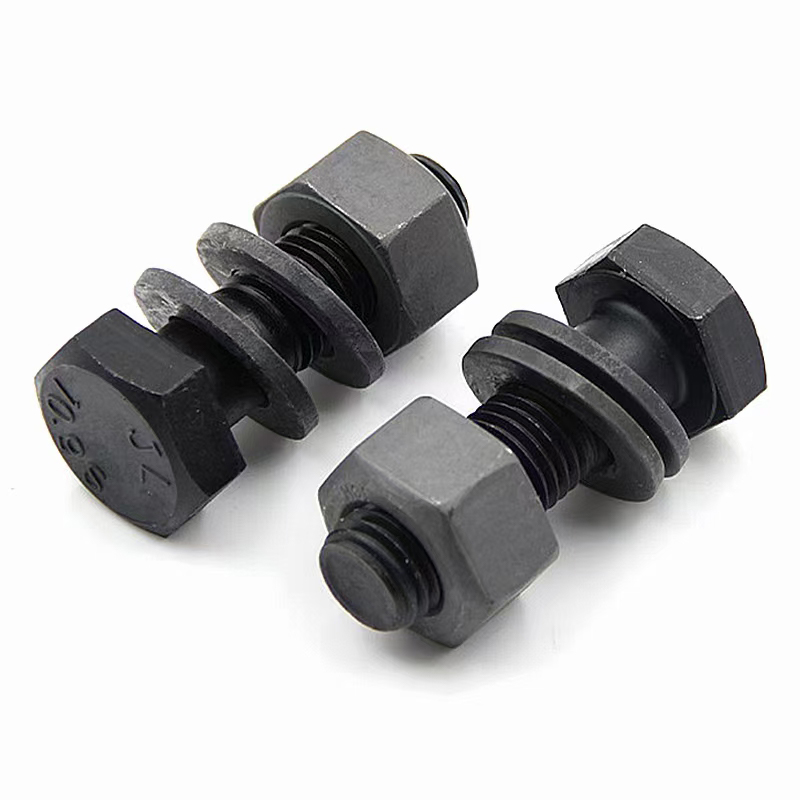
- 10.9s Tereron Shear Boar