- Chinese
- French
- German
- Portuguese
- Spanish
- Russian
- Japanese
- Korean
- Arabic
- Irish
- Greek
- Turkish
- Italian
- Danish
- Romanian
- Indonesian
- Czech
- Afrikaans
- Swedish
- Polish
- Basque
- Catalan
- Esperanto
- Hindi
- Lao
- Albanian
- Amharic
- Armenian
- Azerbaijani
- Belarusian
- Bengali
- Bosnian
- Bulgarian
- Cebuano
- Chichewa
- Corsican
- Croatian
- Dutch
- Estonian
- Filipino
- Finnish
- Frisian
- Galician
- Georgian
- Gujarati
- Haitian
- Hausa
- Hawaiian
- Hebrew
- Hmong
- Hungarian
- Icelandic
- Igbo
- Javanese
- Kannada
- Kazakh
- Khmer
- Kurdish
- Kyrgyz
- Latin
- Latvian
- Lithuanian
- Luxembou..
- Macedonian
- Malagasy
- Malay
- Malayalam
- Maltese
- Maori
- Marathi
- Mongolian
- Burmese
- Nepali
- Norwegian
- Pashto
- Persian
- Punjabi
- Serbian
- Sesotho
- Sinhala
- Slovak
- Slovenian
- Somali
- Samoan
- Scots Gaelic
- Shona
- Sindhi
- Sundanese
- Swahili
- Tajik
- Tamil
- Telugu
- Thai
- Ukrainian
- Urdu
- Uzbek
- Vietnamese
- Welsh
- Xhosa
- Yiddish
- Yoruba
- Zulu
- Kinyarwanda
- Tatar
- Oriya
- Turkmen
- Uyghur


Butterfly nuts
Look, when most people hear 'butterfly nuts', they picture those cheap, flimsy plastic or zinc alloy wings you twist by hand. That's the common trap. In the real world of fastening, especially in industrial applications, the term carries more weight and nuance. It's not just about the shape; it's about the function, the material, and the specific scenario where fingers are better than wrenches. I've seen too many projects spec these without understanding the load, environment, or thread engagement needed, leading to stripped threads or worse, a component coming loose under vibration. Let's dig into what these actually are when you move past the hardware store shelf.
The Anatomy and the Misconception
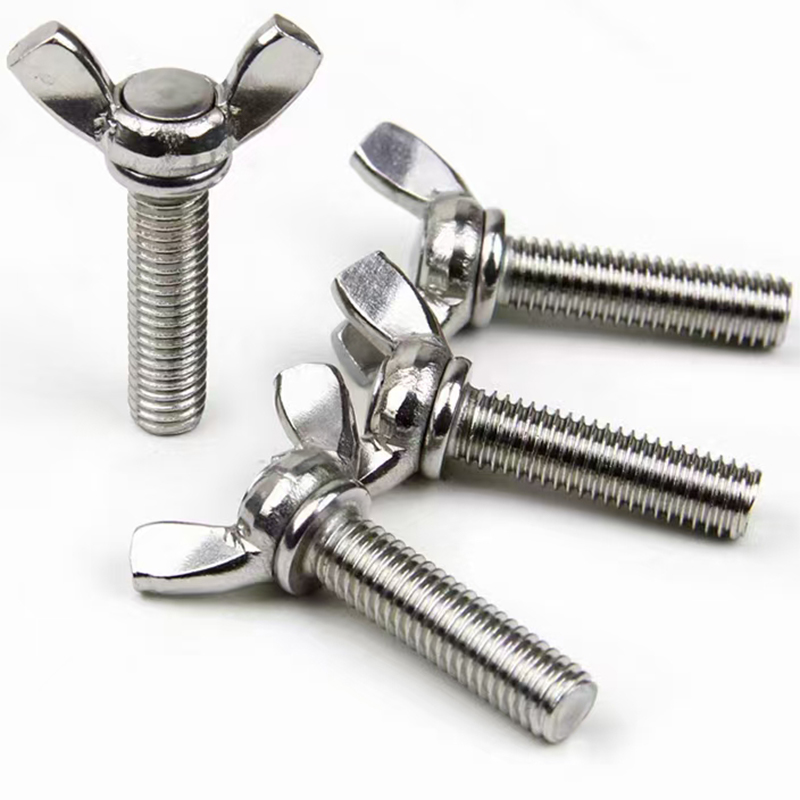
The core idea is simple: a nut with two wings for hand-tightening. But that's where simplicity ends. The first major split is between the low-duty consumer grade and the industrial grade. The consumer ones are often die-cast, with thin wings that can snap if you apply real torque. The industrial ones, like those you'd source from a proper manufacturer in a place like Yongnian District, are a different beast. They might be cold-forged from steel or stainless steel, with thicker, often knurled wings for grip. The thread quality is paramount. I recall a batch where the threads were poorly rolled – they felt gritty turning onto a bolt, a sure sign of future galling or cross-threading. You can't just assume they're all created equal.
Another point often missed is the distinction between a butterfly nuts and a wing nut. Some purists in the trade use 'wing nut' for the standard, smaller-wing design (like on a valve or a light fixture) and reserve 'butterfly' for the larger, broader-wing versions that offer more leverage. In practice, the terms blur, but the takeaway is the wing size directly relates to the maximum hand-tightening torque you can reasonably apply. The bigger the wing span, the more torque, generally speaking.
Material choice is critical and often an afterthought. For outdoor electrical enclosures, you'd want stainless steel (A2 or A4) to resist corrosion. In food processing, maybe a nylon version for its chemical resistance and non-marring properties. I've seen galvanized steel ones used near the coast; the zinc coating gets eaten away in a year, seizing the nut. The environment dictates the material, not the other way around.
Practical Applications and the Why Behind Them
So where do you actually use these effectively? Their prime territory is anywhere requiring frequent, tool-less adjustment or access. Panel fastening on machinery guards is a classic. An operator needs to remove a guard for maintenance; a few turns of the butterfly nut and it's off. Much faster than fumbling for a spanner. Conveyor systems use them for tensioning adjustments on idler rollers. In temporary structures – scaffolding, exhibition stands – they're invaluable for quick assembly and disassembly.
But here's a pitfall from personal experience: using them as a primary clamping force in a high-vibration setting. We tried it on a mobile generator's access panel. The vibration worked every single one loose over a 48-hour run. The lesson? They are brilliant for access, but often poor for permanent, high-stress retention unless paired with a lock washer or in a non-vibratory environment. They rely on hand-tightened friction, which has its limits.
A nuanced application is in tensioning systems, like on a tarpaulin or a cargo net. The broad wings allow for quick tightening even with gloved hands. But the thread pitch matters here. A finer pitch gives you more precise tension control but takes longer to run down. A coarser pitch is faster but harder to fine-tune. It's a trade-off you have to consciously make.
Sourcing and the Supply Chain Reality
This is where the rubber meets the road. If you're buying in volume for a project, you're not going to a retail store. You're going to a manufacturing hub. Which brings me to a place like Handan's Yongnian District. It's not just a random industrial park; it's the epicenter of fastener production in China. The concentration of expertise, raw material supply, and logistics there is staggering. A company operating there, like Handan Zitai Fastener Manufacturing Co., Ltd., is embedded in that ecosystem. Their location, adjacent to major rail and road arteries like the Beijing-Guangzhou Railway and G4 Expressway, isn't just a line on a website (https://www.zitaifasteners.com); it translates directly to logistical efficiency for bulk orders. Raw steel comes in, finished fasteners go out, with minimal transit delay.
When evaluating a supplier from such a region, you look past the catalog. You ask about their forging process (cold forging vs. hot forging for strength), their thread rolling equipment, their quality control on thread fit and surface defects. Do they offer secondary operations like galvanizing or passivation in-house? The advantage of a specialized manufacturer in a cluster like Yongnian is that these processes are often vertically integrated or readily available nearby, keeping quality consistent and costs controlled.
I've had both successes and headaches with sourcing. A success was finding a supplier who could provide hot-dip galvanized steel butterfly nuts with a consistent, smooth coating that didn't gum up the threads. A headache was a batch where the wing-to-body weld on a fabricated type (where wings are welded to a hex nut) failed under minimal torque. It underscored that even within a production base, capability varies wildly. You need suppliers who specialize in the type you need, not just general fastener makers.
Failure Modes and Lessons Learned
Nothing teaches like failure. Let's talk about where these things go wrong. Corrosion seizure is number one, especially in dissimilar metal pairings. A stainless steel nut on a mild steel bolt in a humid environment – that's a galvanic cell waiting to weld itself solid. Always consider the mating bolt material.
Wing failure is next. Under-torquing doesn't hold the load. Over-torquing, often with a cheater bar (don't act like you haven't seen it), bends or snaps the wings clean off. The wings are a lever, but they have a yield point. The material's ductility matters. A brittle, low-grade casting will snap; a forged, higher-grade steel will bend first, giving you a warning.
Thread stripping is a silent killer. It often happens when someone uses a metric nut on an imperial bolt, or vice-versa, and forces it. The threads seem to engage but have only a fraction of the intended contact area. A few stress cycles later, it strips. This is where supplier QC is vital. A proper manufacturer's thread go/no-go gauging should catch this, but not all do. I've learned to always keep a set of thread gauges on hand for incoming inspection, even for something as seemingly simple as a butterfly nut.
The Unspoken Details: Weight, Finish, and Packing
Details that don't make the spec sheet but affect the end use. Weight. In aerospace or automotive applications, every gram counts. A forged aluminum butterfly nut might be specified over steel. It's a niche, but it exists.
Surface finish isn't just about looks. A smooth, polished finish on the wings reduces friction on the fingers, allowing for more effective torque application. A rough, as-forged finish can dig into skin, especially when tightening many in a row. For high-volume assembly lines, operator comfort is a real factor.
Packing. It sounds trivial, but receiving a 5000-piece order in one giant, loose bag is a nightmare for inventory and handling. A supplier that offers boxed packaging in manageable quantities (e.g., 100 per box) shows an understanding of the downstream workflow. It's a small sign of professionalism that often correlates with better product quality overall. A company situated in a major logistics hub, like Zitai Fastener in Handan, typically has this kind of packaging and shipping efficiency down to a science, as it's part of the daily grind of exporting from a concentrated production base.
So, circling back, a butterfly nuts is far from a trivial component. It's a decision point involving material science, mechanical design, human factors, and supply chain logistics. Getting it right means looking past the basic shape and understanding the conditions it will live and work in. And often, that journey leads you to places like Yongnian, where the scale and specialization turn a simple idea into a reliable, engineered part.
Related products
Related products
Best selling products
Best selling products-
 Welding nails
 -
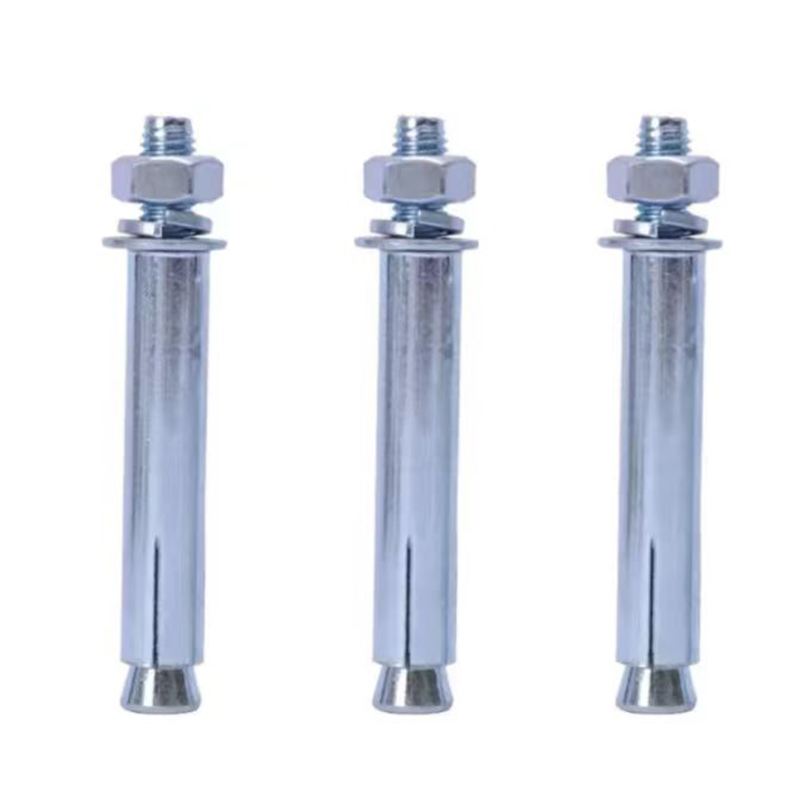
Electrogalvanized expansion bolts
-
Electrogalvanized pins
-
Butterfly bolts
-
Electrogalvanized nuts
-
Electrogalvanized hinge bolts
-
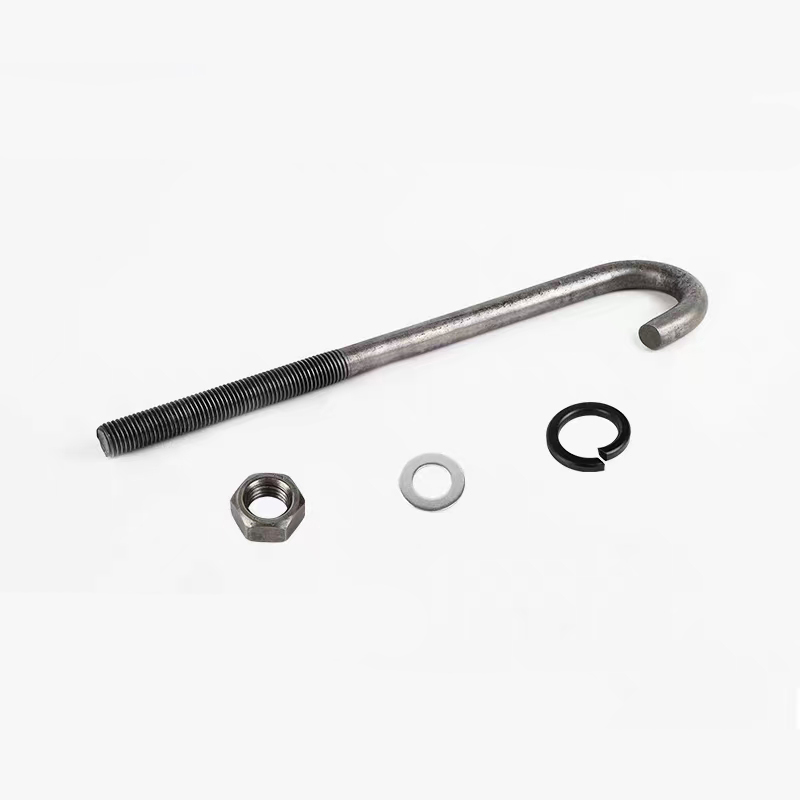
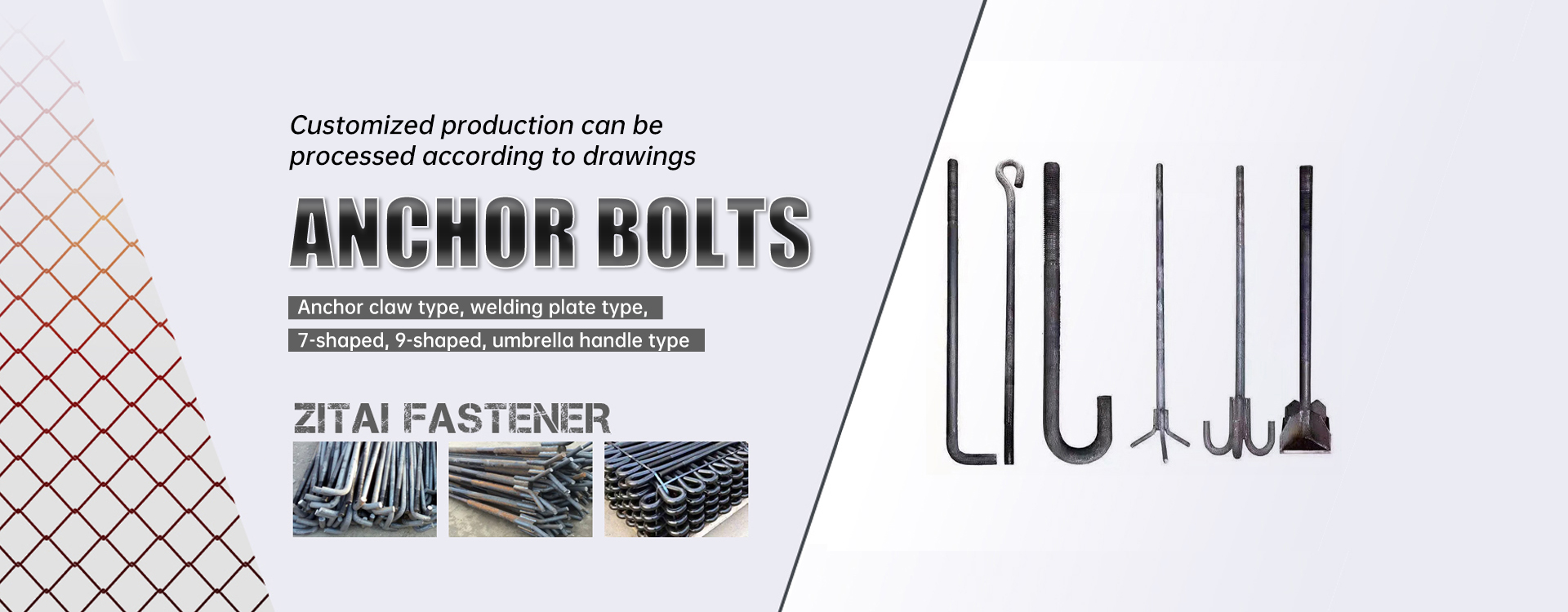
Umbrella handle anchor (J-type anchor bolt/umbrella handle embedded bolt)
-
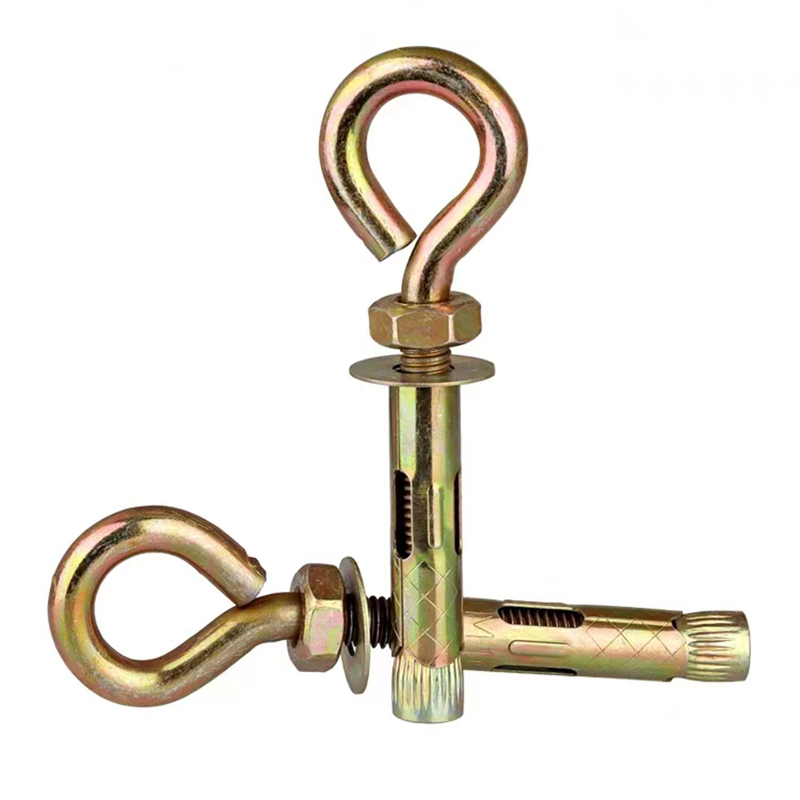
Colored zinc-plated expansion hook
-
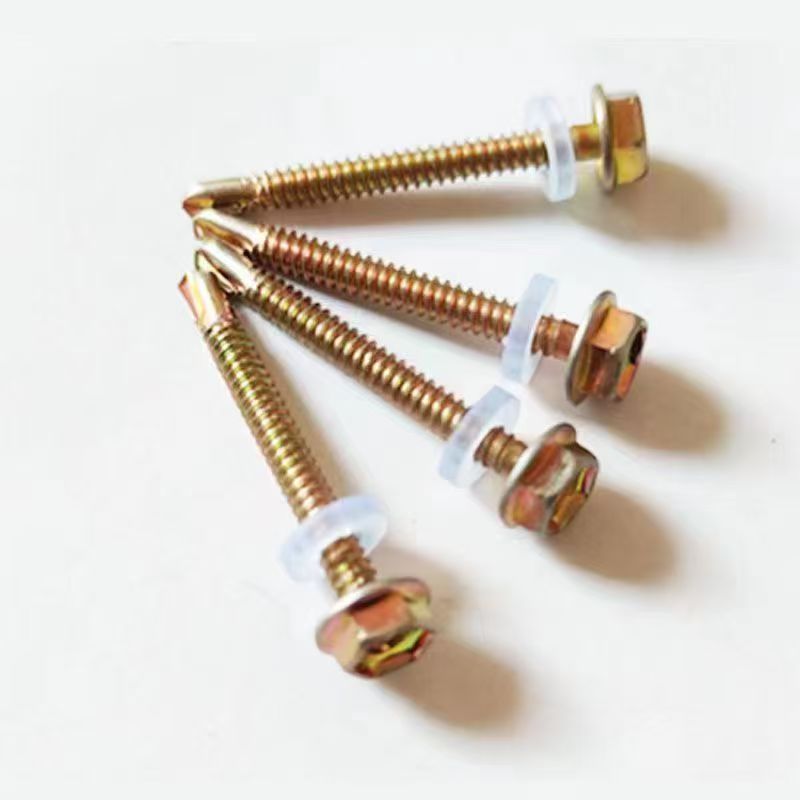
Colored galvanized hexagonal drill tail wire
-
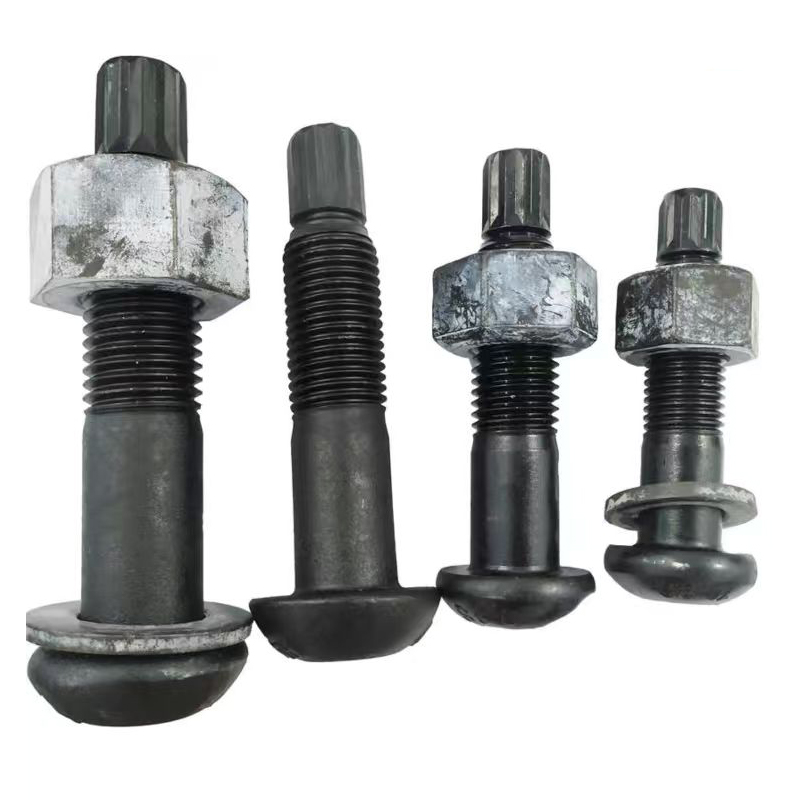
10.9S Torsion Shear Bolts
-
Hot-dip galvanized chemical bolts
-
Colored zinc-plated pins