- Chinese
- French
- German
- Portuguese
- Spanish
- Russian
- Japanese
- Korean
- Arabic
- Irish
- Greek
- Turkish
- Italian
- Danish
- Romanian
- Indonesian
- Czech
- Afrikaans
- Swedish
- Polish
- Basque
- Catalan
- Esperanto
- Hindi
- Lao
- Albanian
- Amharic
- Armenian
- Azerbaijani
- Belarusian
- Bengali
- Bosnian
- Bulgarian
- Cebuano
- Chichewa
- Corsican
- Croatian
- Dutch
- Estonian
- Filipino
- Finnish
- Frisian
- Galician
- Georgian
- Gujarati
- Haitian
- Hausa
- Hawaiian
- Hebrew
- Hmong
- Hungarian
- Icelandic
- Igbo
- Javanese
- Kannada
- Kazakh
- Khmer
- Kurdish
- Kyrgyz
- Latin
- Latvian
- Lithuanian
- Luxembou..
- Macedonian
- Malagasy
- Malay
- Malayalam
- Maltese
- Maori
- Marathi
- Mongolian
- Burmese
- Nepali
- Norwegian
- Pashto
- Persian
- Punjabi
- Serbian
- Sesotho
- Sinhala
- Slovak
- Slovenian
- Somali
- Samoan
- Scots Gaelic
- Shona
- Sindhi
- Sundanese
- Swahili
- Tajik
- Tamil
- Telugu
- Thai
- Ukrainian
- Urdu
- Uzbek
- Vietnamese
- Welsh
- Xhosa
- Yiddish
- Yoruba
- Zulu
- Kinyarwanda
- Tatar
- Oriya
- Turkmen
- Uyghur


Cap nuts
You see them everywhere once you know what to look for – those little domed caps on furniture, gym equipment, or even playground structures. Most people, even some junior engineers, think a cap nut is just for aesthetics, to cover up the ugly end of a bolt. That's the biggest misconception. The real function is often safety and protection. It’s about eliminating sharp edges and creating a smooth, finished surface that won’t snag or injure someone. I’ve seen specs where this was an afterthought, and it always leads to problems down the line, either during assembly or in the field.
The Manufacturing Reality on the Ground
Producing a consistent, reliable cap nut isn't as simple as stamping a dome on a hex nut. The devil is in the details – the thickness of the cap wall, the internal thread depth, and the seam where the cap is formed. In places like Yongnian District in Handan, which is essentially the epicenter of fastener production in China, you see the full spectrum. There are shops that churn out volume with acceptable quality for non-critical applications, and then there are manufacturers who understand the engineering behind it.
Take a company like Handan Zitai Fastener Manufacturing Co., Ltd., operating right there in that industrial heartland. Being adjacent to major transport routes like the Beijing-Guangzhou Railway isn't just a logistics advantage; it means they're embedded in the supply chain ecosystem. Their location in the largest standard part production base in China suggests they have access to the material flows and skilled labor pool that define this region's output. When you source from such a hub, you're not just buying a fastener; you're tapping into a concentrated industrial knowledge base, for better or worse. The key is finding the operators within that hub who prioritize the right things.
The common pitfall, especially with lower-cost options, is a weak cap-to-nut joint. I’ve had batches where the cap, made of thinner or poorer-grade steel, would deform under the torque of installation or simply pop off under vibration. This isn't a cosmetic failure anymore; it exposes the bolt thread and creates the very hazard the nut was meant to prevent. It’s a classic case of a part failing its primary function while passing a superficial visual check.
Material and Finish – It's Not Just About Zinc
Most cap nuts you encounter are carbon steel with a zinc plating. It's the workhorse finish. But the plating thickness and process matter immensely for corrosion resistance, especially in high-humidity environments or outdoor use. A thin, cheap zinc coat will show white rust in months. I recall a project involving retail shelving where the client opted for the lowest-cost option. The units shipped to coastal stores started corroding at the cap nuts within a year, while the inland stores were fine. The failure was localized but visually glaring, leading to a costly replacement program.
Sometimes, the material choice is driven by the mating part. Using a stainless steel cap nut on a mild steel bolt can be a mistake if you haven't considered galvanic corrosion. I learned that one the hard way on a marine-adjacent fixture. We had beautiful 304 stainless caps, but the bolts were zinc-plated steel. In that salty, damp air, the steel bolts corroded aggressively right at the junction, effectively welding themselves into the nut. The caps were pristine, but the assembly was seized solid.
Then there's the issue of passivation on stainless caps. If it's not done properly, you can get surface contamination or tea-staining, which is purely aesthetic but can trigger quality rejections from fussy clients. It's one of those details a manufacturer with solid process control, like those with established facilities and export experience, will have dialed in. A company's ability to consistently manage these finishes, as implied by a professional operation at a major production base, often separates a commodity supplier from a reliable partner.
Installation Nuances and Tooling Headaches
This is where theory meets the wrench. The smooth, domed top of a cap nut means you can't use a standard socket. You need a deep well socket or a specific spline drive that engages the nut's hex base below the cap. If your assembly line isn't equipped with the right tools, installers will get creative – often damaging the cap with adjustable wrenches or pliers. I've walked onto factory floors and seen beautiful, chrome-plated cap nuts all scarred up because the tooling budget didn't account for the right sockets. It defeats the whole purpose.
Torque specification is another subtle point. Because the cap adds a bit of height and can sometimes have slight internal friction, the torque value might feel different compared to a standard nut. It shouldn't affect the final clamp load if the threads are correct, but it can confuse an installer used to a certain feel. A clear spec sheet is crucial. For high-volume assembly, having a dedicated tooling station with the correct sockets and calibrated torque drivers is non-negotiable for quality control.
There's also the challenge of blind assembly. Sometimes you're threading the nut onto a bolt whose end you can't see. The cap completely obscures the view, so you're going purely by thread feel and torque. If the bolt is slightly too long and bottoms out inside the cap before the joint is tight, you get a false torque reading and a loose assembly. We now always specify maximum bolt protrusion dimensions when using closed-end cap nuts. It's a simple line on the drawing that prevents a major field failure.
Sourcing and the Good Enough Trap
In global sourcing, the price spread for what looks like the same cap nut can be staggering. The temptation to go for the cheapest per-unit cost is huge, especially for large projects. The trap is that the failures caused by substandard nuts – assembly issues, corrosion, cap detachment – have a cost that is orders of magnitude higher than the savings on the component. It's never just the cost of the nut; it's the cost of a service call, a replacement, a damaged brand reputation.
This is where evaluating a supplier's context becomes part of the professional judgment. A manufacturer based in a concentrated industrial zone like Handan's Yongnian District likely has robust access to raw material and processing expertise. A company such as Handan Zitai Fastener Manufacturing Co., Ltd., highlighting its location in the largest base and its transportation links, is signaling its integration into that serious manufacturing infrastructure. It doesn't automatically mean top quality, but it suggests a baseline of capability and scale that a back-alley workshop won't have. The due diligence then shifts to their specific quality certifications, sample testing, and their understanding of your application's real demands, not just the print.
I've made the mistake of approving a sample that was perfect, only to find the production run had thinner caps and inconsistent plating. The sample came from a dedicated quality lab; the bulk came from a different production line. Now, we insist on random sampling from production batches before shipment, and we pay for a third-party inspection if the volume warrants it. Trust, but verify. Especially with safety-critical or high-visibility applications.
Beyond the Standard – When a Cap Nut Isn't the Answer
Finally, a word on alternatives. The cap nut has its place, but it's not always the optimal solution. For extremely high-vibration environments, a nylon-insert locknut with a separate plastic cap might be better, though more complex. For applications requiring frequent disassembly, an acorn nut (which is similar but often has a taller, more rounded cap) might provide easier tool access.
We once used standard cap nuts on an assembly that later needed to have wires routed along the bolt axis. The closed end blocked the path. We had to switch to a slotted acorn nut or a different fastening method entirely. It was a design oversight that didn't consider future serviceability. Now, part of the selection process involves asking: Will this ever need to be a pass-through? Could something need to be attached to this bolt end later?
In the end, specifying a cap nut is a small decision with tangible consequences. It sits at the intersection of design, procurement, manufacturing, and end-user safety. Getting it right means looking past the dome, into the threads, the material, the finish, and the hands that will install it. It's a component that quietly does its job when chosen well, and screams its failure when it's not. And in today's landscape, sourcing from a focused production region with established players offers a fighting chance to get the reliable, unglamorous workhorse your project actually needs.
Related products
Related products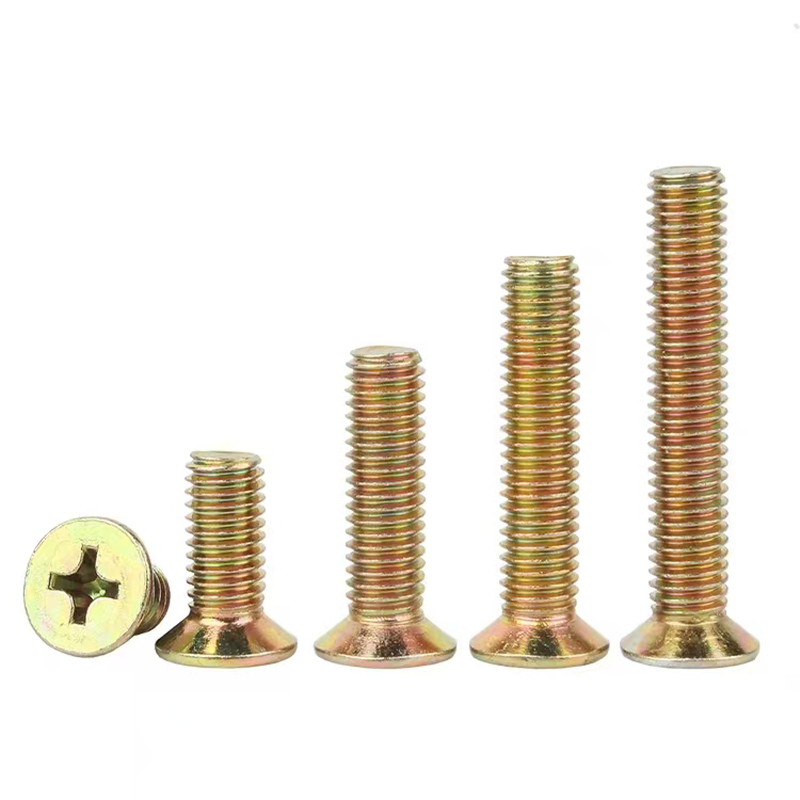
Best selling products
Best selling products-
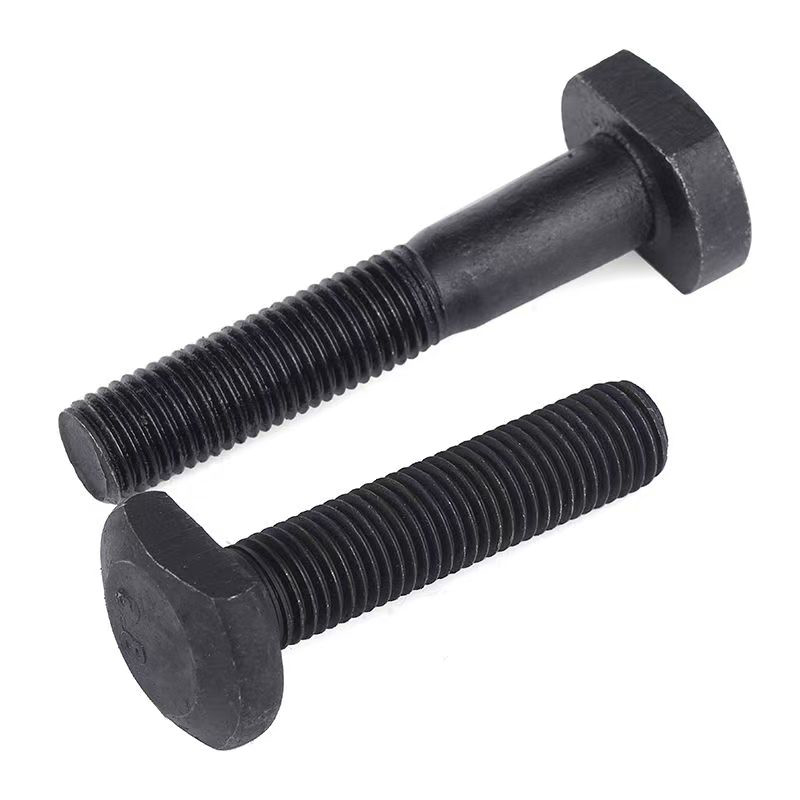
 T-bolt (T-slot bolt)
 -
Black zinc-plated hexagonal drill tail wire
-
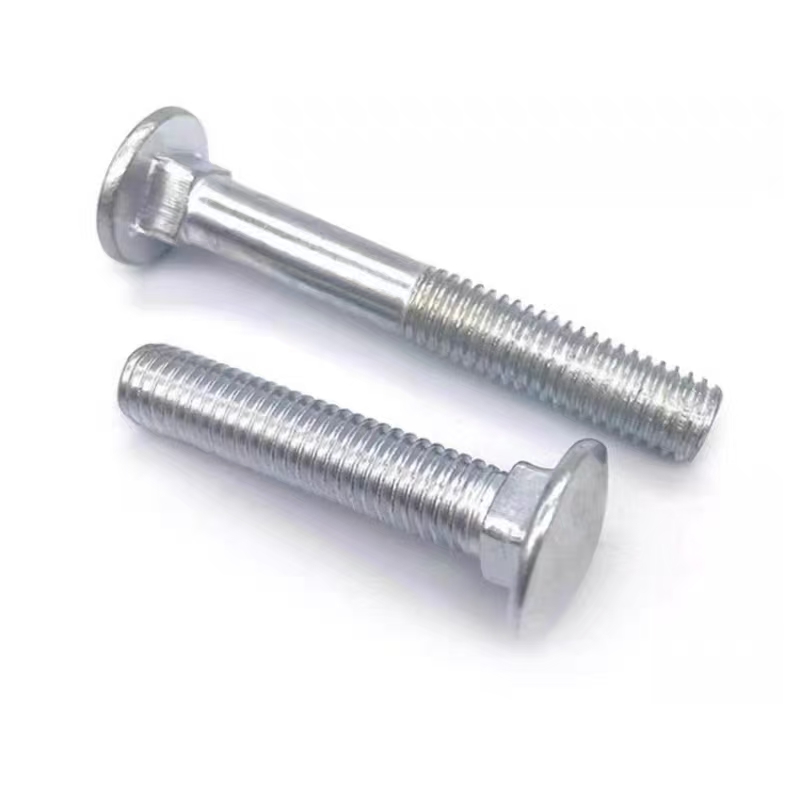
Carriage bolt (half-round head square neck bolt)
-
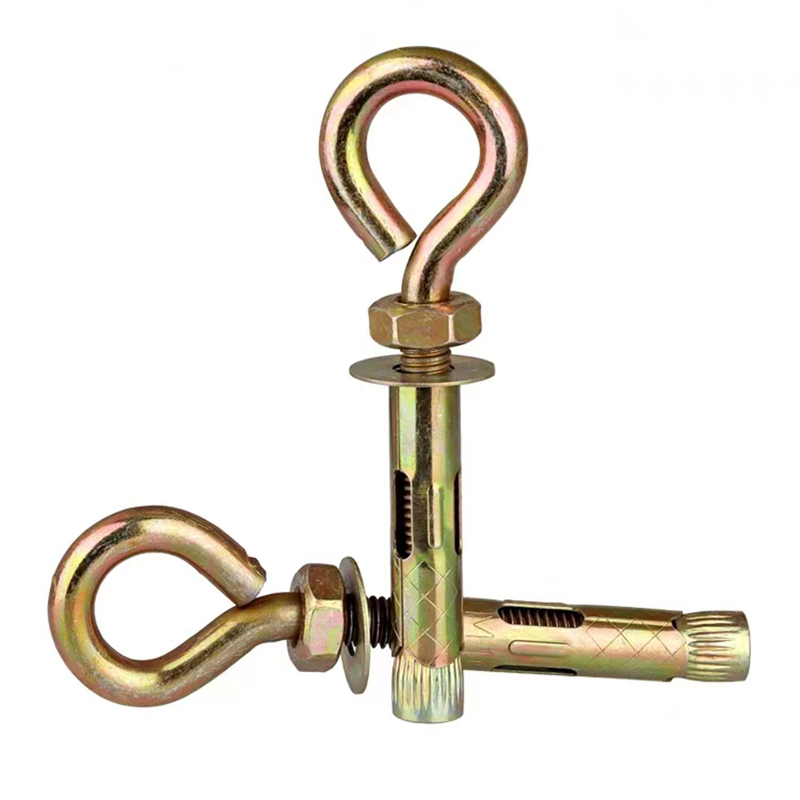
Colored zinc-plated expansion hook
-
Colored zinc flange bolts
-
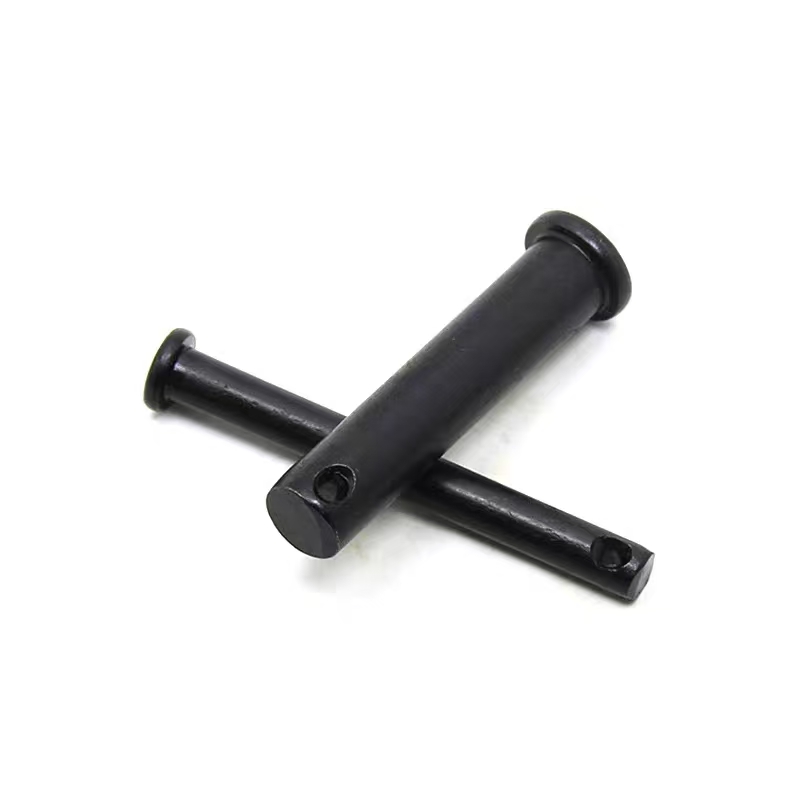
Black zinc plated pin shaft
-
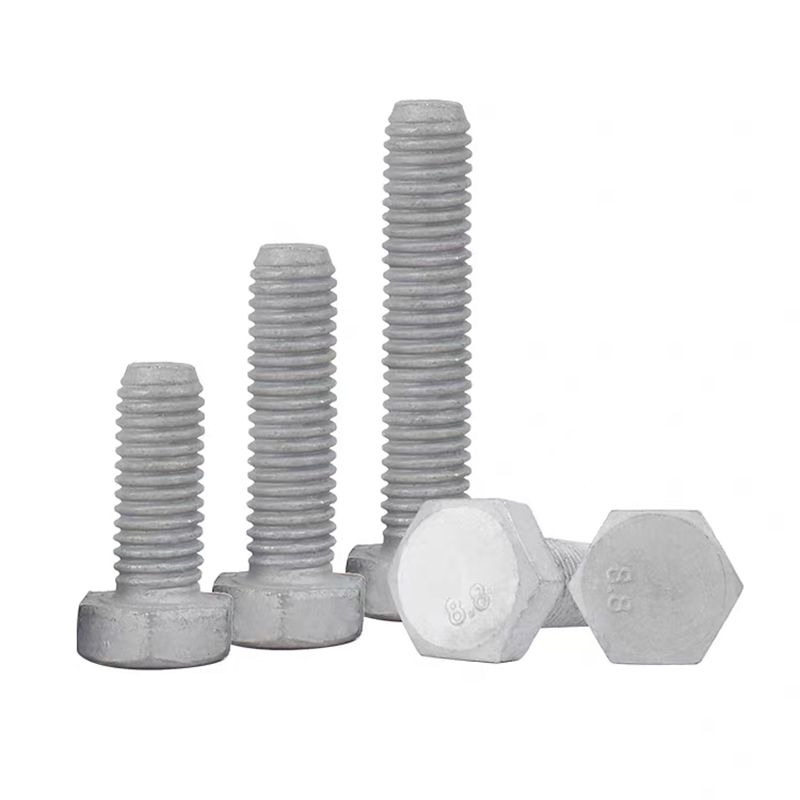
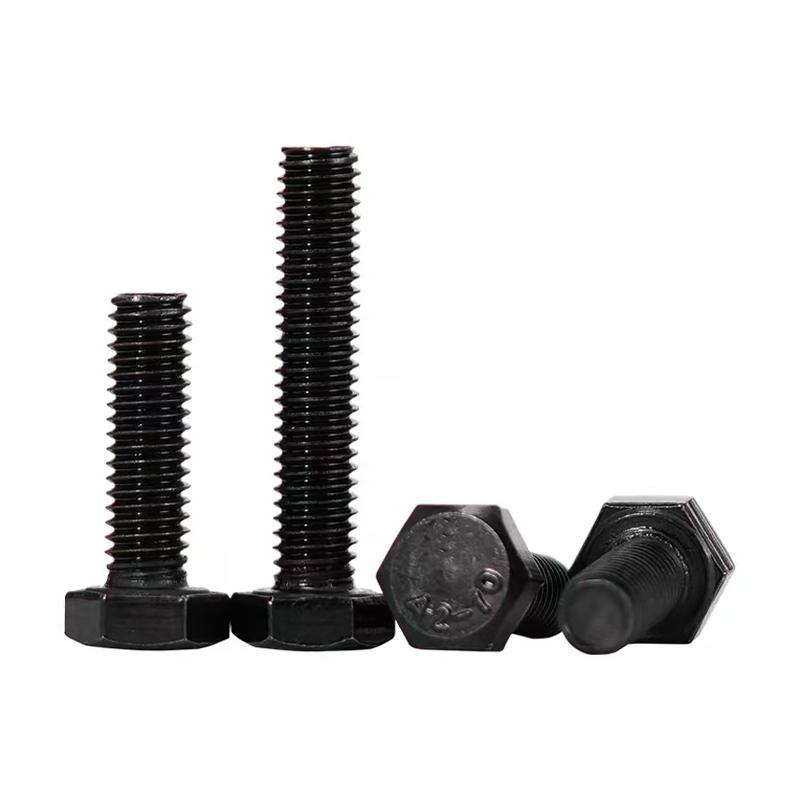
Black zinc plated hexagonal bolts
-
Welding nails
-
Colored zinc plated countersunk cross bolts
-
Welded plate anchor (welded plate anchor bolt)
-
Hot-dip galvanized embedded plate
-
Electroplated galvanized gaskets