- Chinese
- French
- German
- Portuguese
- Spanish
- Russian
- Japanese
- Korean
- Arabic
- Irish
- Greek
- Turkish
- Italian
- Danish
- Romanian
- Indonesian
- Czech
- Afrikaans
- Swedish
- Polish
- Basque
- Catalan
- Esperanto
- Hindi
- Lao
- Albanian
- Amharic
- Armenian
- Azerbaijani
- Belarusian
- Bengali
- Bosnian
- Bulgarian
- Cebuano
- Chichewa
- Corsican
- Croatian
- Dutch
- Estonian
- Filipino
- Finnish
- Frisian
- Galician
- Georgian
- Gujarati
- Haitian
- Hausa
- Hawaiian
- Hebrew
- Hmong
- Hungarian
- Icelandic
- Igbo
- Javanese
- Kannada
- Kazakh
- Khmer
- Kurdish
- Kyrgyz
- Latin
- Latvian
- Lithuanian
- Luxembou..
- Macedonian
- Malagasy
- Malay
- Malayalam
- Maltese
- Maori
- Marathi
- Mongolian
- Burmese
- Nepali
- Norwegian
- Pashto
- Persian
- Punjabi
- Serbian
- Sesotho
- Sinhala
- Slovak
- Slovenian
- Somali
- Samoan
- Scots Gaelic
- Shona
- Sindhi
- Sundanese
- Swahili
- Tajik
- Tamil
- Telugu
- Thai
- Ukrainian
- Urdu
- Uzbek
- Vietnamese
- Welsh
- Xhosa
- Yiddish
- Yoruba
- Zulu
- Kinyarwanda
- Tatar
- Oriya
- Turkmen
- Uyghur


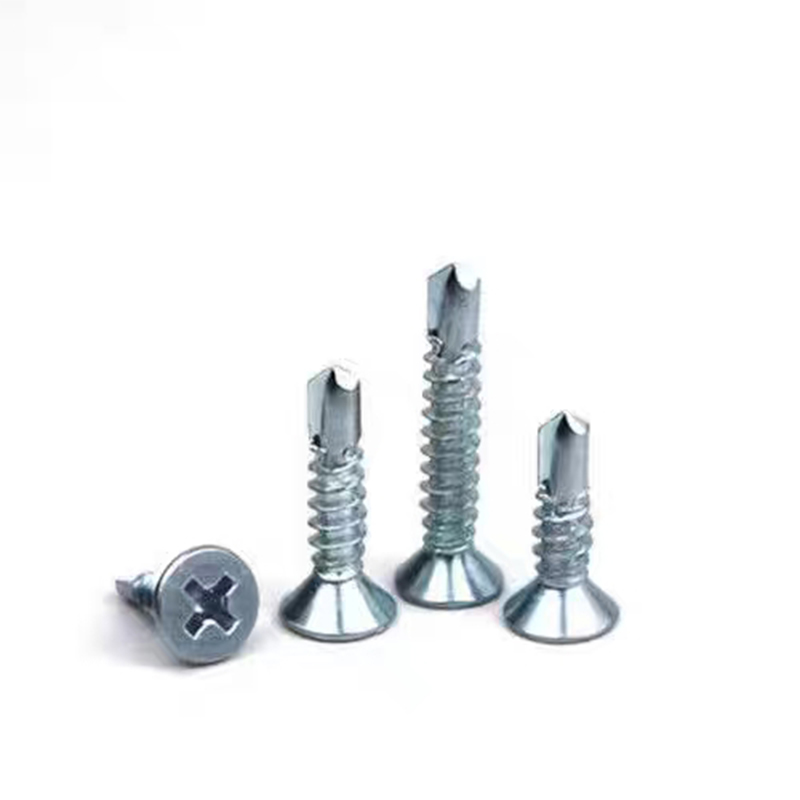
Counterhead self-tapping screws
Let’s be honest, most people see a counterhead self-tapping screw and just think it’s a fancy pan head. That’s the first mistake. The real point isn’t just the low-profile head; it’s about the combination of that specific head geometry with the right thread-forming action for materials that can’t afford a pre-drilled hole or a protruding fastener head. I’ve seen too many projects where someone grabs a standard self-tapper for sheet metal or plastic assembly and ends up with a head that sits too high, catches on everything, or worse, cracks the substrate because the head design created the wrong clamping force. The counterhead is supposed to sit flush, or nearly flush, but ‘flush’ is a relative term depending on the material yield. It’s a fastener for specific, often unforgiving, scenarios.
Why the Geometry Actually Matters
The head angle on a proper counterhead screw is critical. It’s not just a flat undercut. A lot of cheaper versions get this wrong, using a standard head with a slight taper and calling it a counterhead. The true design has a head angle that matches common countersunk hole profiles, but because it’s self-tapping, you’re often driving it into a material that’s deforming to create its own seat. If the angle is off by even a few degrees, you get two outcomes: either the head ‘rocks’ and doesn’t seat fully, leaving a gap for corrosion or loosening, or it bites too deep and creates excessive radial stress, leading to material failure around the head. I learned this the hard way on a batch of polycarbonate enclosures. We used a generic screw, and about 30% of the units showed fine cracks emanating from the screw head after thermal cycling. The stress was all wrong.
This is where the thread form interacts with the head. A sharp, aggressive thread will generate tremendous drive torque. If the head isn’t perfectly seated by the time you hit the target torque, you’re just twisting the screw head into the material, galling it or stripping the drive. I prefer a spaced thread for softer plastics and a finer machine screw thread form for thinner, harder metals. The head needs to be fully seated just as the driving torque peaks. Achieving that sync is more art than science, dependent on pilot hole size (if any), material density, driver speed, and screw coating. Speaking of coating, a zinc or phosphated finish isn’t just for rust; it drastically changes the friction coefficient during driving, which directly impacts seating. A waxed screw behaves completely differently than a plain one.
You can’t talk about suppliers without mentioning places like Yongnian District in Handan. It’s the epicenter. A company based there, like Handan Zitai Fastener Manufacturing Co., Ltd., operates with a different level of material intuition simply because they’re in the middle of the largest standard part production base in China. Their proximity to raw material streams and processing expertise means they often get the substrate wire quality and heat treatment consistency that smaller outfits struggle with. I’ve sourced from their website, https://www.zitaifasteners.com, before. The convenience isn't just logistical from their location near major transport routes; it’s about being embedded in an ecosystem where fastener production is the local language. When you discuss a custom counterhead angle for a specific polymer blend with them, the feedback is practical, rooted in what they’ve seen work on the factory floor next door, not just theoretical.
The Pilot Hole Debate: To Drill or Not to Drill
Here’s a classic field debate. Pure dogma says “self-tapping means no pilot.” Reality is messier. For thick, ductile aluminum or soft wood, sure, you can often drive straight in. For brittle plastics, cast metals, or thin sheet metal (think under 1mm), skipping a pilot is a recipe for splitting, distortion, or a screw that walks off location. The trick is the pilot hole size. It should be the minor diameter of the screw, or slightly under. The goal is to guide the screw and relieve some of the immense radial pressure during initial thread formation, not to remove all material for the threads. The counterhead self-tapping screw then cuts or forms its threads cleanly, and the head can seat against solid material without the part bulging.
I recall a retrofit job on vintage equipment where we were replacing rivets with screws for serviceability. The material was old, springy steel sheet. We tried driving counterheads without pilots. The torque required was insane, the heads often seated crooked, and the sheet metal warped. We switched to a tiny, precise pilot hole—just enough to break the surface. Night and day difference. The screws seated flush, the clamping was even, and no distortion. The pilot hole gave the screw’s tip a positive location to start its cut, preventing the “walking” that ruins alignment. It added a step, but saved us from a slew of cosmetic and structural rejects.
This is where driver selection comes in. An adjustable clutch drill-driver is non-negotiable. You set the clutch to seat the head just so, preventing over-torque that strips the thread in the material or snaps the screw. For high-volume assembly, it’s worth dialing in the exact torque setting and even using a specific driver bit profile (like Torx instead of Phillips) to prevent cam-out, which is a death sentence for a clean counterhead seat.
Material Compatibility: It’s Not One-Size-Fits-All
The term “self-tapping” is a broad church. For a counterhead self-tapping screw, the thread design must match the substrate. In soft PVC or ABS, a wide-spaced, sharp thread acts like a tap, removing material. In aluminum or mild steel, it’s more about displacement; the thread form pushes material aside, work-hardening it to create a strong mating thread. Using the wrong type leads to failure. The “for plastic” screws in metal will either snap or not form a proper thread. The “for metal” screws in plastic can generate too much hoop stress and crack it.
We once had a batch of screws specified for “general purpose” metal. The application was attaching a thin aluminum fascia to a steel frame. The screws worked, but removal during a prototype teardown was a nightmare. The threads had galled and locked in place. The issue? The screw was a basic carbon steel with no lubrication coating, and the aluminum was a softer grade. For that combo, an aluminum-specific screw with a lubricated coating (or even a simple wax dip) would have been correct. It’s these subtle mismatches that cause field failures. A supplier like Handan Zitai Fastener Manufacturing, with its deep production base focus, typically offers these variants because they’re asked for them daily. Their standard catalog often reflects real-world partitioning of applications, not just theoretical grades.
Another nuance is corrosion. A counterhead sitting flush can trap moisture against the seated surface. If you’re fastening dissimilar metals (aluminum to steel), you need a barrier. Sometimes it’s a coating on the screw, sometimes a washer. But a non-conductive washer can affect the head seating depth. It’s a cascade of considerations. The choice often comes down to: stainless steel (good corrosion resistance but can gall), plated carbon steel (good lubricity but the plating can wear off), or specialized coatings like Geomet.
When Good Screws Go Bad: Failure Modes
Even with the right screw, failures happen. The most common I see is head stripping. This is almost always a drive system issue—a worn bit, a mismatch between bit and drive recess, or insufficient downward pressure during driving. The screw stops turning, the bit spins inside the head, and you’re left with a nearly-flush screw you can’t remove without drilling. Torx drives have largely mitigated this, but Phillips and Pozidriv are still common and prone to it.
Thread stripping in the substrate is next. The screw spins freely but isn’t tight. This means the formed threads have sheared. Cause: overtightening, or more commonly, the material was too weak/brittle for the thread’s engagement, or the pilot hole was too large. In plastics, it can also be due to creep; the material slowly deforms under constant stress from the screw. For long-term plastic assemblies, you might need a screw with a wider thread spacing or even a thread-forming design that induces less stress.
Less obvious is fatigue failure. A counterhead screw in a vibrating assembly, if not properly preloaded, can work loose. The flush head might hide slight movement. I’ve seen screws fracture right under the head after months of vibration. The fix is ensuring proper installation torque to create enough clamp force that friction, not the thread engagement, carries the shear load. Sometimes adding a thread-locking patch or adhesive is necessary, but that adds complexity to the self-tapping action.
The Sourcing Reality and Practical Trade-offs
In the real world, engineering perfection meets cost and lead time. You might specify the perfect hardened steel, Torx drive, wax-coated, precision-angled counterhead self-tapping screw. Then purchasing finds a supplier with a 80% match at half the price. The compromise begins. Maybe the head angle is 82 degrees instead of 90. Maybe the coating is thinner. The question becomes: what’s the failure mode of the compromise, and is it acceptable? For a non-critical interior panel, maybe a slight head protrusion is fine. For a waterproof seal or a high-vibration environment, it’s not.
This is why building a relationship with a capable manufacturer is key. When you can explain the application—this needs to seat flush in 2mm 5052 aluminum with a painted surface, and we’ll be driving 5000 units a day on an assembly line—they can recommend a proven solution from their range. A company situated in the heart of a manufacturing cluster like Yongnian, such as Handan Zitai Fastener Manufacturing Co., Ltd., sees these scenarios constantly. Their value isn’t just in making the screw, but in having the empirical data to say, “For that, use this thread pitch with this coating. The head angle we have in stock will work if your pilot is this size.” That advice, grounded in volume production for global clients accessible via their site at zitaifasteners.com, cuts through a lot of trial and error.
Ultimately, the counterhead self-tapping screw is a deceptively simple component. Its success hinges on a dozen subtle factors aligning: head geometry, thread design, material pairing, installation practice, and environmental factors. Getting it right feels invisible—the part just works. Getting it wrong creates a litany of small, frustrating problems. The goal is to think of it not as a commodity, but as a precision interface between two parts, one whose specifications deserve more than a glance at a catalog picture.
Related products
Related products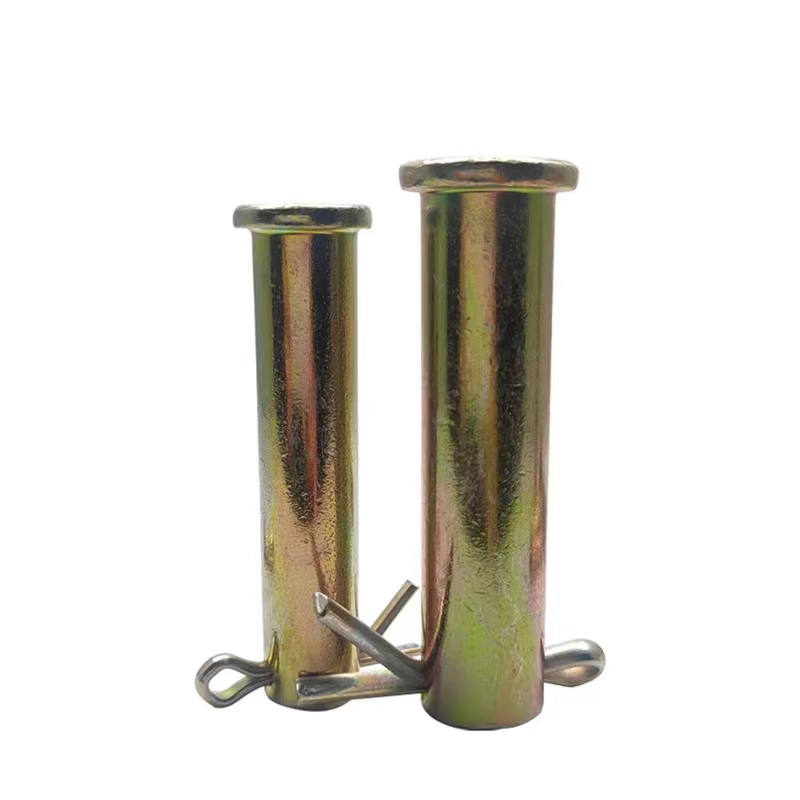
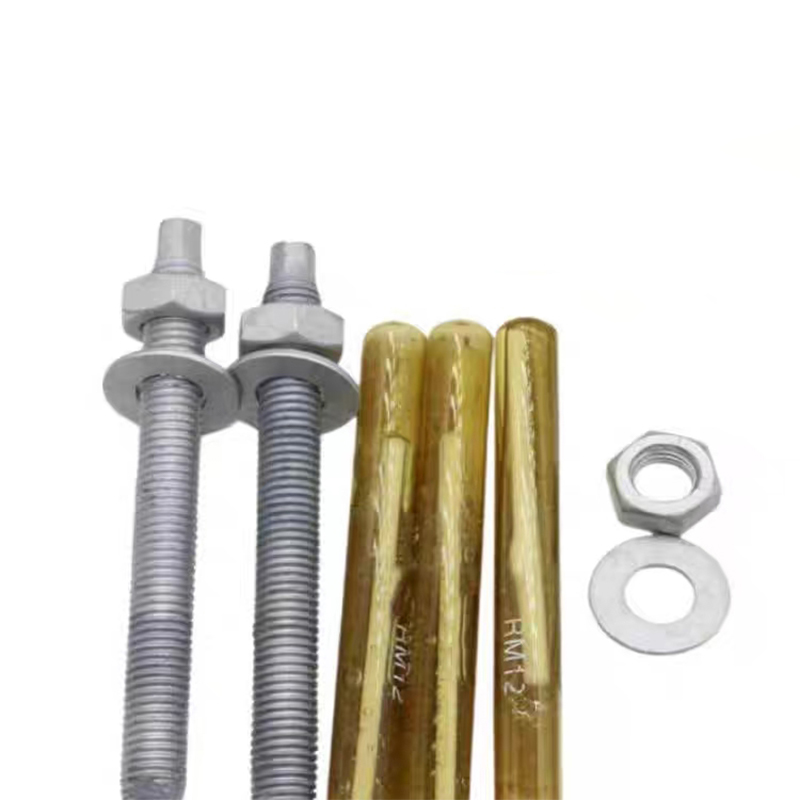
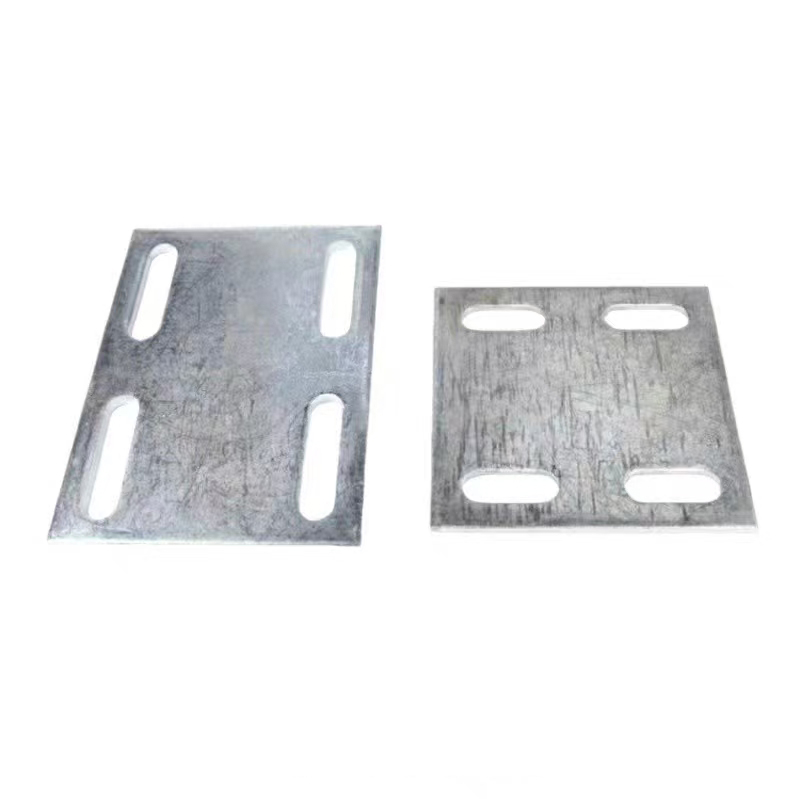
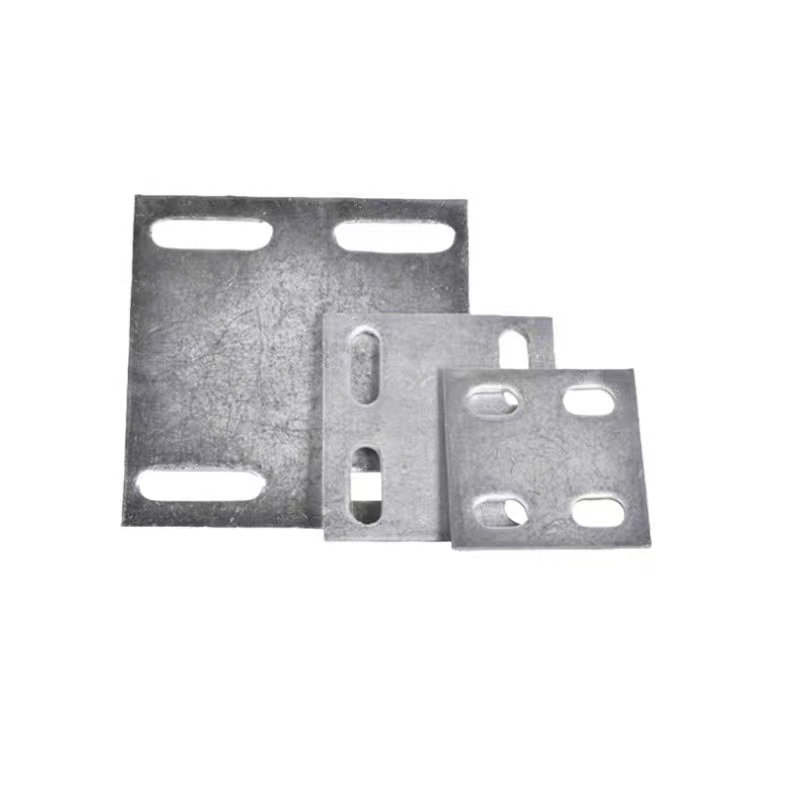
Best selling products
Best selling products-
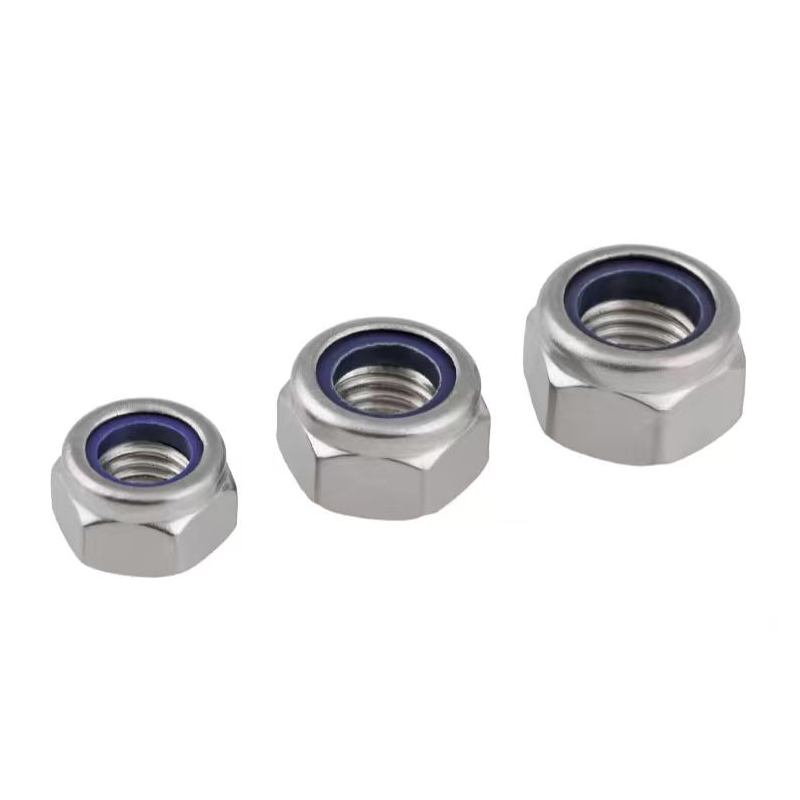
 Anti-loosening nut (locking nut)
 -
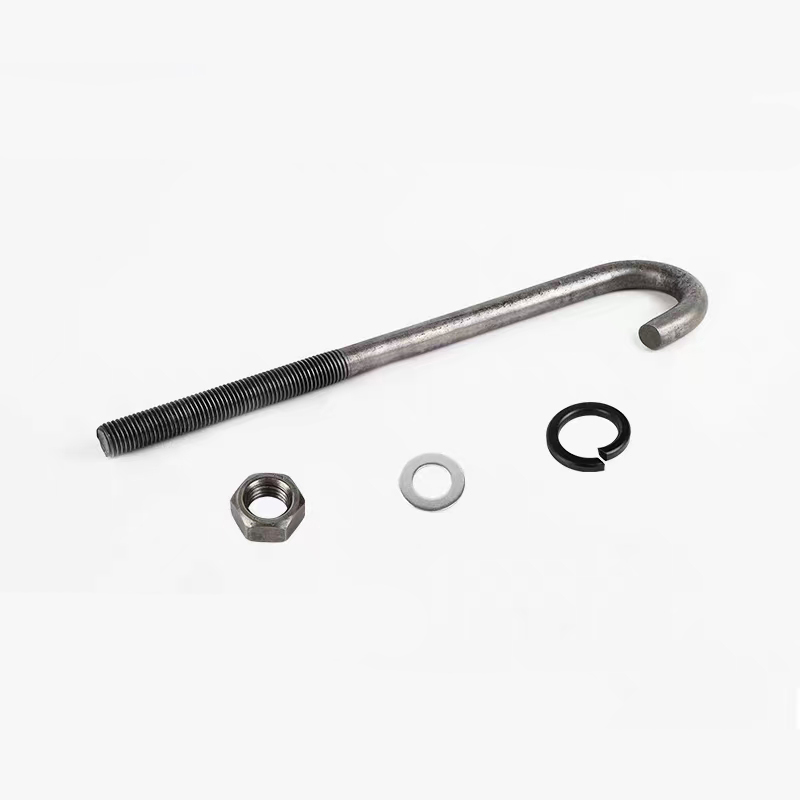
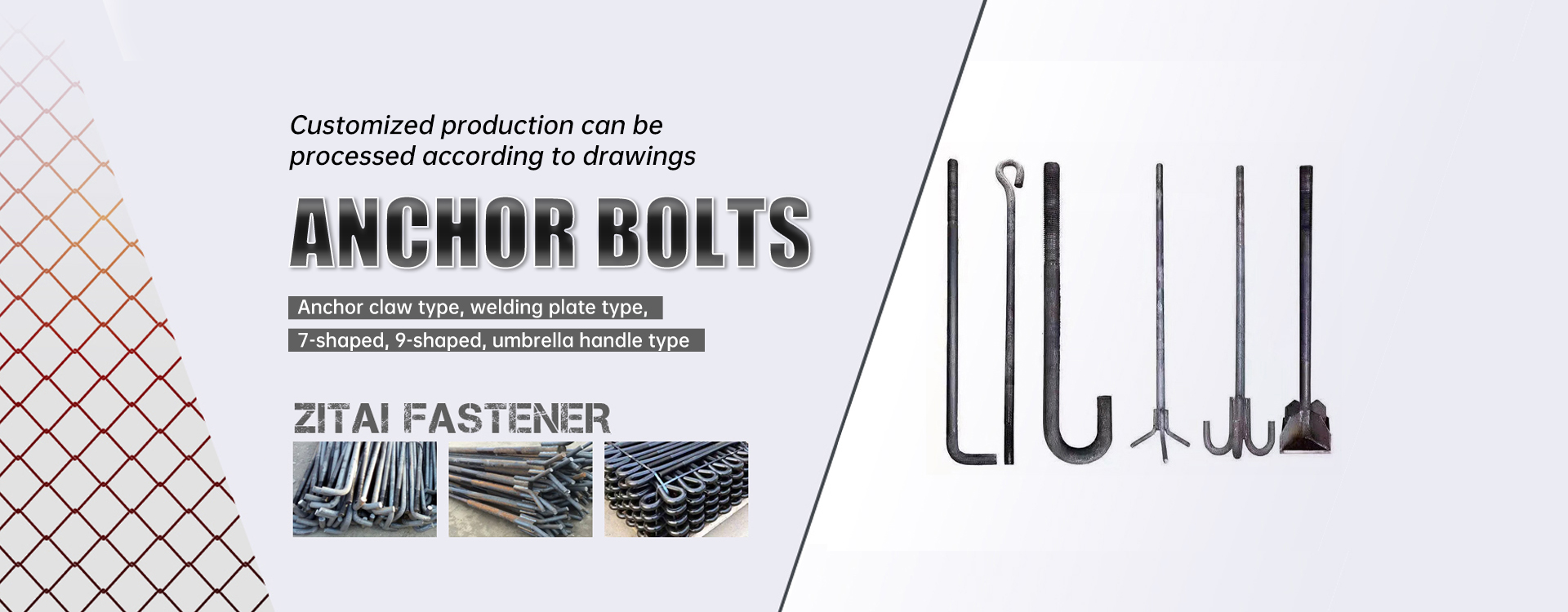
Umbrella handle anchor (J-type anchor bolt/umbrella handle embedded bolt)
-
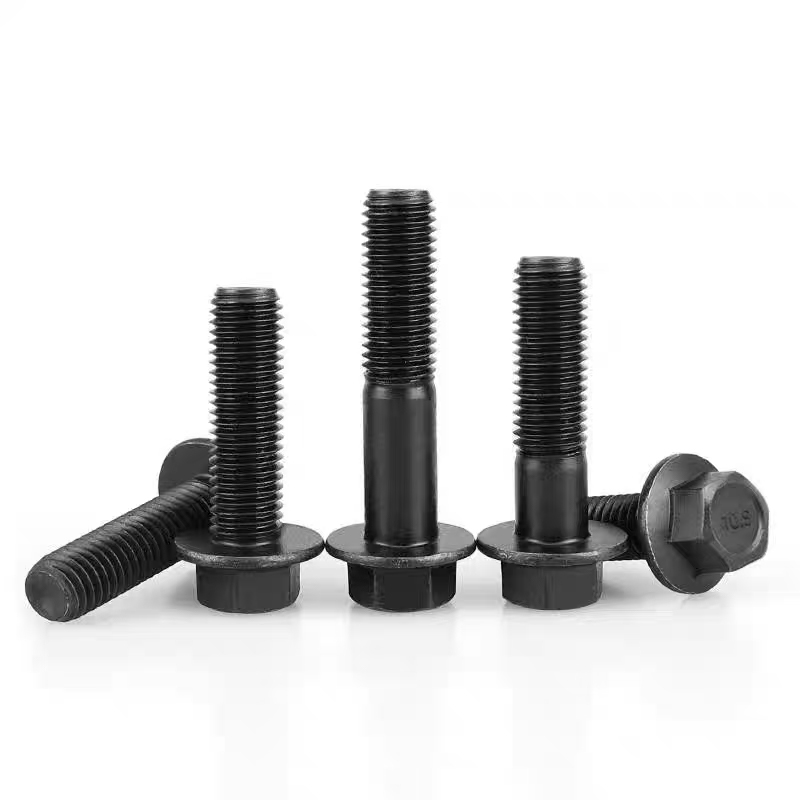
Black zinc flange bolts
-
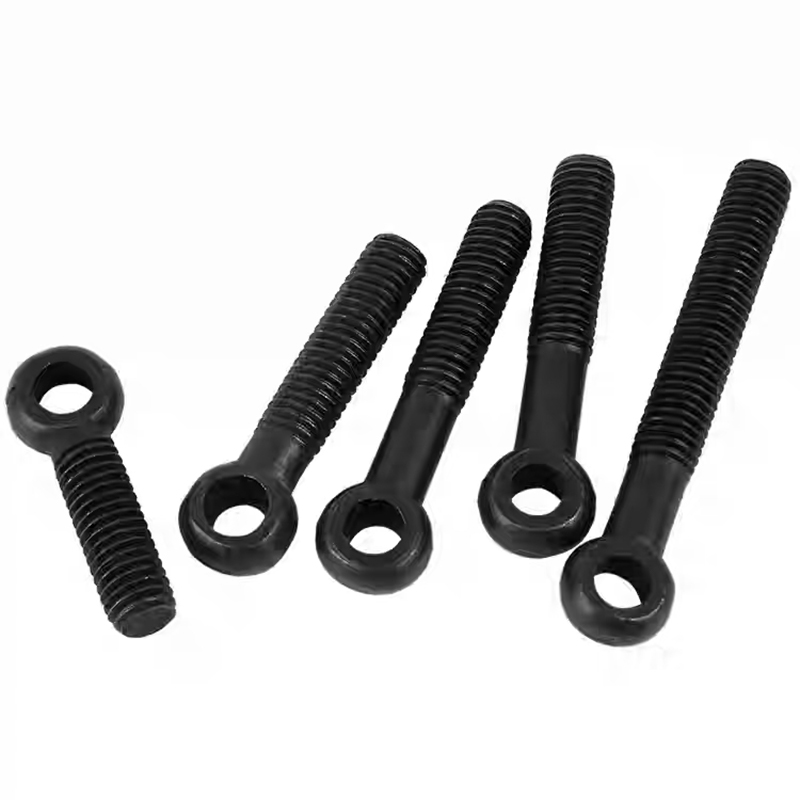
Black zinc plated hinge bolts
-
7-shaped anchors (7-shaped anchor bolts)
-
Hexagon socket hot-dip galvanized bolts
-
Colored zinc-plated expansion hook
-
Electrogalvanized cross countersunk drill thread
-
Electrogalvanized hinge bolts
-
Electrogalvanized pins
-
Electro-galvanized hexagonal drill thread
-
Electrogalvanized chemical bolts