- Chinese
- French
- German
- Portuguese
- Spanish
- Russian
- Japanese
- Korean
- Arabic
- Irish
- Greek
- Turkish
- Italian
- Danish
- Romanian
- Indonesian
- Czech
- Afrikaans
- Swedish
- Polish
- Basque
- Catalan
- Esperanto
- Hindi
- Lao
- Albanian
- Amharic
- Armenian
- Azerbaijani
- Belarusian
- Bengali
- Bosnian
- Bulgarian
- Cebuano
- Chichewa
- Corsican
- Croatian
- Dutch
- Estonian
- Filipino
- Finnish
- Frisian
- Galician
- Georgian
- Gujarati
- Haitian
- Hausa
- Hawaiian
- Hebrew
- Hmong
- Hungarian
- Icelandic
- Igbo
- Javanese
- Kannada
- Kazakh
- Khmer
- Kurdish
- Kyrgyz
- Latin
- Latvian
- Lithuanian
- Luxembou..
- Macedonian
- Malagasy
- Malay
- Malayalam
- Maltese
- Maori
- Marathi
- Mongolian
- Burmese
- Nepali
- Norwegian
- Pashto
- Persian
- Punjabi
- Serbian
- Sesotho
- Sinhala
- Slovak
- Slovenian
- Somali
- Samoan
- Scots Gaelic
- Shona
- Sindhi
- Sundanese
- Swahili
- Tajik
- Tamil
- Telugu
- Thai
- Ukrainian
- Urdu
- Uzbek
- Vietnamese
- Welsh
- Xhosa
- Yiddish
- Yoruba
- Zulu
- Kinyarwanda
- Tatar
- Oriya
- Turkmen
- Uyghur

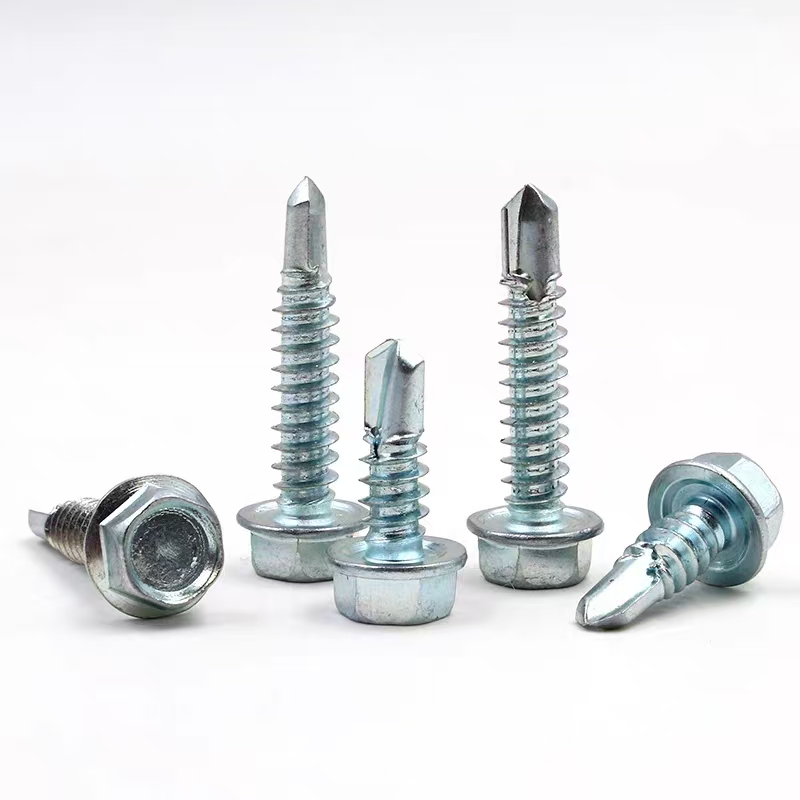
Large flat head self-tapping screws
You see them everywhere, and that's part of the problem. When someone says large flat head self-tapping screws, most think it's just a bigger version of a standard pan head. That assumption is where projects start to go sideways. The 'large' isn't just about diameter; it's a whole different set of considerations around drive torque, head seating, and the material it's supposed to marry with. I've seen too many specs call for a 14 or 1/4-inch in this style without clarifying the washer face diameter or the included angle under the head, leading to either a proud head that snags or one that sinks too deep and cracks brittle substrates like certain fiberglass panels.
The Head Geometry That Actually Matters
Let's get straight to the head. The 'flat head' label is misleading. It's not truly flat; it's a countersunk head with a flat top. The critical part is the bearing surface. A proper large flat head self-tapping screw for sheet metal, like the ones Zitai Fastener produces for HVAC ducting, has a specific head angle—usually 82 or 100 degrees—that matches the pre-formed countersink in the steel framing. If you mismatch that, you're relying entirely on the thread to pull the head down, which can strip the mating threads in the pilot hole or deform the sheet. I learned this the hard way on a container modification job years ago. We used a generic 90-degree head screw on 14-gauge steel meant for an 82-degree seat. The heads sat proud, and we spent days grinding them flush. A costly lesson in assuming 'flat head' was a universal term.
The washer-faced variant is another beast. It has a small flat bearing area under the head before the countersink angle begins. This is crucial for composite or plastic assemblies where you need to distribute the clamping force over a wider area to prevent creep or cracking. I recall a project involving mounting polycarbonate panels to aluminum struts. Standard flat heads started to stress-crack the polycarbonate around the hole after thermal cycling. Switching to a washer-faced, large-diameter self-tapper from a supplier that understood the material interface, like what you'd find detailed on a technical spec sheet from a manufacturer such as Handan Zitai Fastener, solved it. The larger bearing surface was the key, not just the screw diameter.
Drive type is another hidden variable. A 3 Phillips on a 1/4-inch screw is a recipe for cam-out and stripped drives. For anything truly 'large,' you're looking at Torx (TX) or Hex drives. The torque required to drive these screws into, say, 12-gauge steel without a pilot hole is substantial. A Phillips head will fail you, leaving a mangled head and a half-driven screw that's a nightmare to remove. The move towards Torx, especially in automotive and heavy equipment panel assembly, isn't just a trend; it's a necessity for consistent seating and preventing operator fatigue.
Material Pairing and Thread Form
Self-tapping is a broad promise. The thread form determines who it can keep that promise with. For thin sheet metal, you want a spaced thread, sometimes called a type AB or B. It's aggressive and cuts its way in. But for a large flat head self-tapping screw going into a thicker, softer base like aluminum extrusion or wood, a finer, more machine-screw-like thread (Type F) might be better. It provides more engaged threads for pull-out strength. I've had failures where a coarse-thread screw used in a soft aluminum channel simply stripped out under vibration because the thread engagement was too shallow per turn.
Then there's the point. A standard gimlet point (like a drill bit) is common. But for piercing thicker or harder materials without a pilot hole, some designs incorporate a small drill point or even a serrated flute just under the point to evacuate chips. This isn't marketing fluff. On a site installing heavy-gauge cable trays, we tried a standard-point screw into the 3/16-inch steel bracket. It took forever, overheated, and seized. The foreman sourced some with a drill point from a local supplier who likely sourced from a production hub like Yongnian in Hebei—the area where Handan Zitai Fastener Manufacturing Co., Ltd. is based, known for its deep fastener ecosystem. The difference was night and day. It drilled and tapped in one smooth motion.
Coating is part of the material equation. Zinc plating is basic. For exterior use, especially in coastal areas, a hot-dip galvanized or mechanically galvanized coating is needed to prevent rust jacking—where corrosion under the head literally forces it off. But remember, a thicker coating changes the thread dimensions slightly. A screw that's borderline on thread engagement in its plain state might not tap properly when galvanized. It's a detail often missed on procurement sheets that just list HDG.
Application Pitfalls and Real-World Fit
One classic error is using these where a machine screw with a nut would be better. Self-tappers are for creating threads in a parent material. If that material is too thin, too hard, or too brittle, you're asking for trouble. The appeal of the large flat head self-tapping screw is the clean, flush finish. But if the assembly will be routinely disassembled, you're wearing out those formed threads each time. I advised against them for an access panel on a piece of farm equipment for this reason. The client insisted; after three maintenance cycles, the screws were loose. We had to helicoil it, which was more work than just using a through-bolt from the start.
Clamping force is another misconception. The flush head is great, but the clamping force of a self-tapper is generally lower than a bolt-and-nut pair under the same torque. The torque is largely consumed by the cutting action. For a joint that needs to resist shear or separation, you might need more screws, or a different fastener altogether. It's a judgment call. On a recent trailer skin job, we used them for the aesthetic outer panels but switched to welded studs for the structural cross-member attachments.
Logistics and sourcing come into play, too. Having a reliable source that understands these nuances is half the battle. A region like Yongnian District in Handan, with its concentration of manufacturers, often means suppliers have seen every application and failure mode. They can advise. When you look at a company profile like Handan Zitai Fastener's, their location adjacent to major transport routes isn't just a boast—it speaks to being embedded in a supply chain that serves global industries. It means they're likely getting feedback from fields as diverse as construction, automotive, and white goods, which informs their production standards. You can find their product ranges and specifics on their website, https://www.zitaifasteners.com, which is useful for cross-referencing specs.
When Good Enough Isn't
In maintenance and repair operations, the temptation is to grab what's in the bin. A large flat head self-tapping screw from one batch might look identical to another, but the alloy, heat treatment, and plating could be different. I've seen 'field fixes' with off-the-shelf screws from a big-box store fail in months on industrial equipment, while the OEM screw lasted years. The OEM part likely had a controlled case hardness to be tough but not brittle, and a precise root radius on the threads to resist fatigue cracking. It's these metallurgical details you pay for.
Failure analysis is instructive. The most common failure mode I see isn't breakage; it's loosening. This points to vibration, material relaxation (in plastics or composites), or insufficient preload during installation. Using a screw with a bonded washer (a flat washer with a sealant pre-applied) under the head can help lock it and seal against moisture. It's a small cost adder with a big payoff in reliability. It's something the better manufacturers will offer as an option.
Finally, don't overlook installation tooling. An impact driver is great for speed, but for final seating in a delicate material, a clutch-controlled drill driver set to the correct torque is better. It prevents over-driving, which can strip the threads or crack the material under the head. The tool is part of the system. A perfectly spec'd screw can be ruined by a ham-fisted install.
Wrapping It Up Without a Bow
So, what's the takeaway? Specifying a large flat head self-tapping screw requires more than a size and a head style. It demands a conversation about the materials being joined, the environmental conditions, the required disassembly frequency, and the available installation tools. It's an engineered component, not a commodity. The difference between a squeaky-clean, reliable installation and a callback for repairs often lies in those specifics—the head angle, the drive type, the thread form, and the source that understands the why behind it all. Places with deep manufacturing roots, like the area around Handan, get this because they've had to solve these problems at scale for decades. The next time you reach for one, pause. That moment of consideration is what separates a proper job from a botched one.
Related products
Related products
Best selling products
Best selling products-
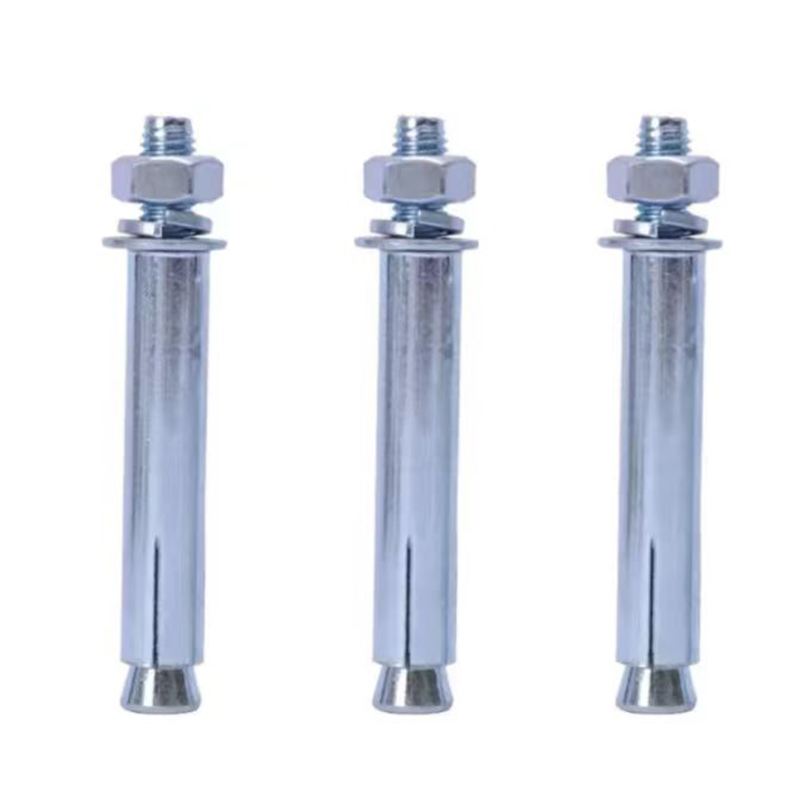
 Electrogalvanized expansion bolts
 -
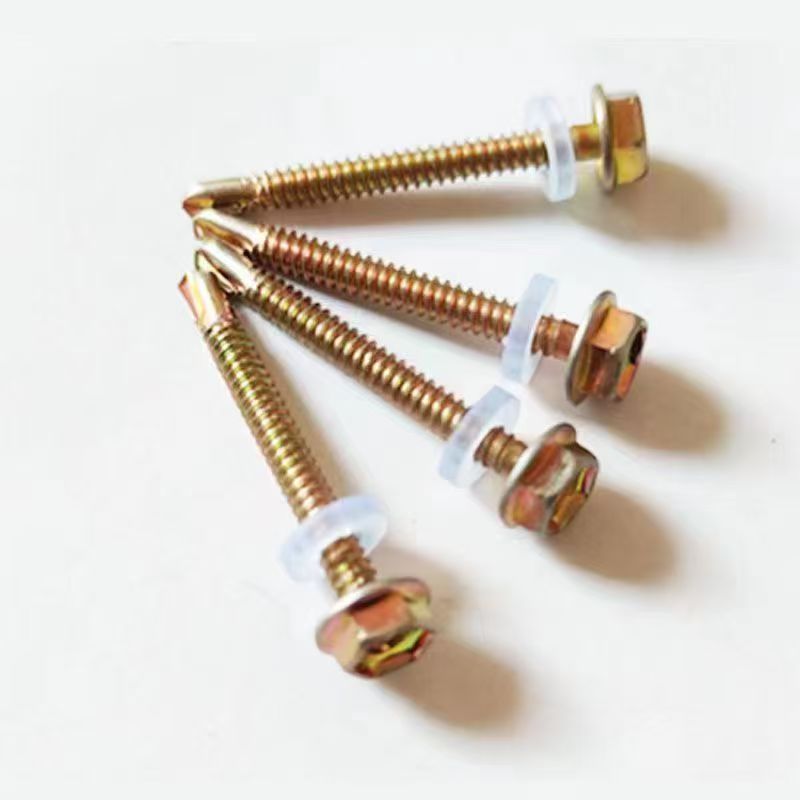
Colored galvanized hexagonal drill tail wire
-
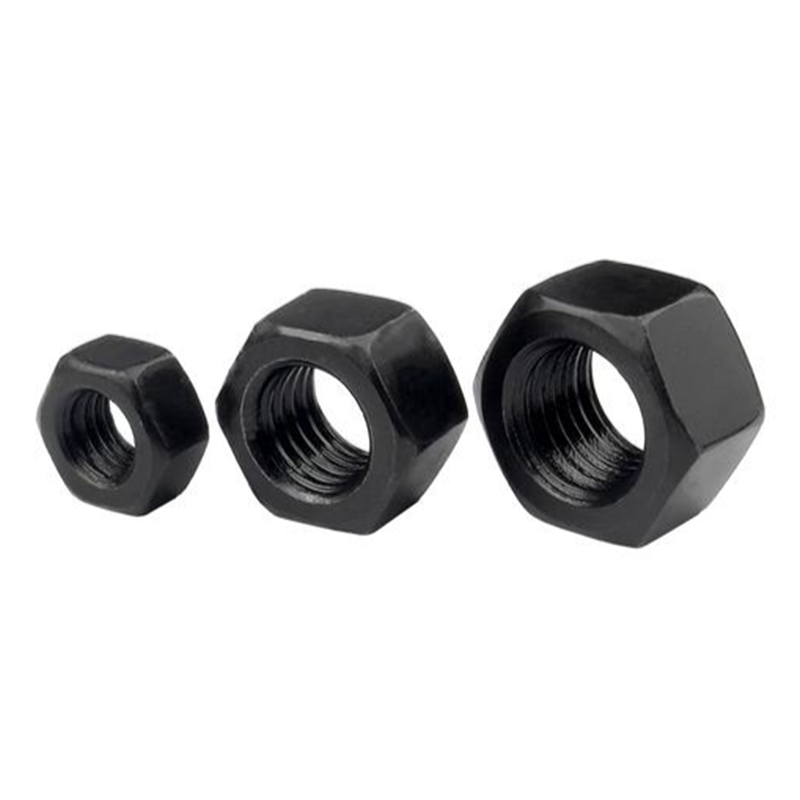
High-strength blackened nuts
-
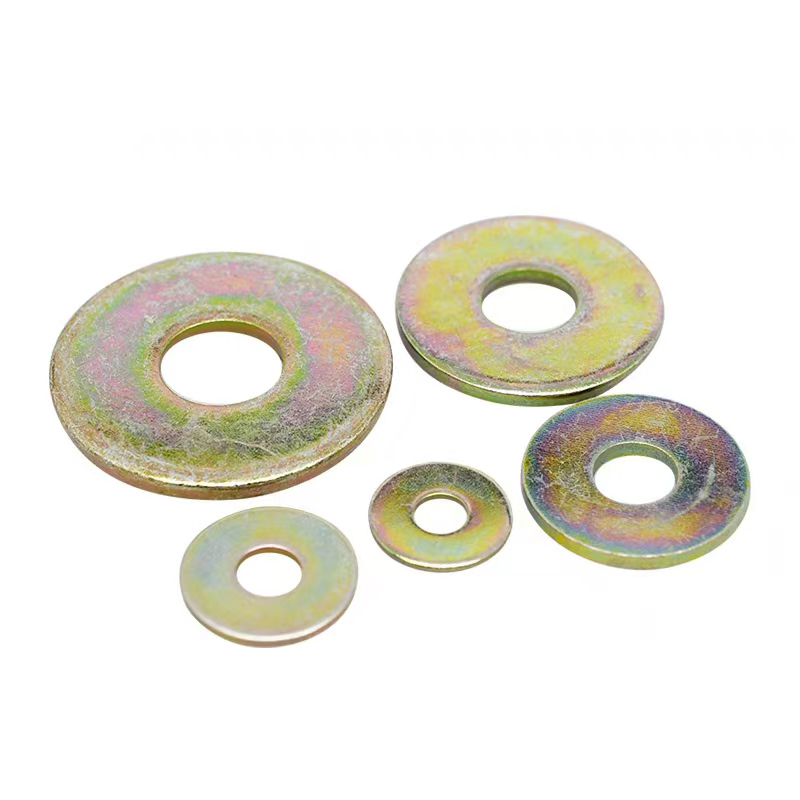
Colored zinc-plated gaskets
-
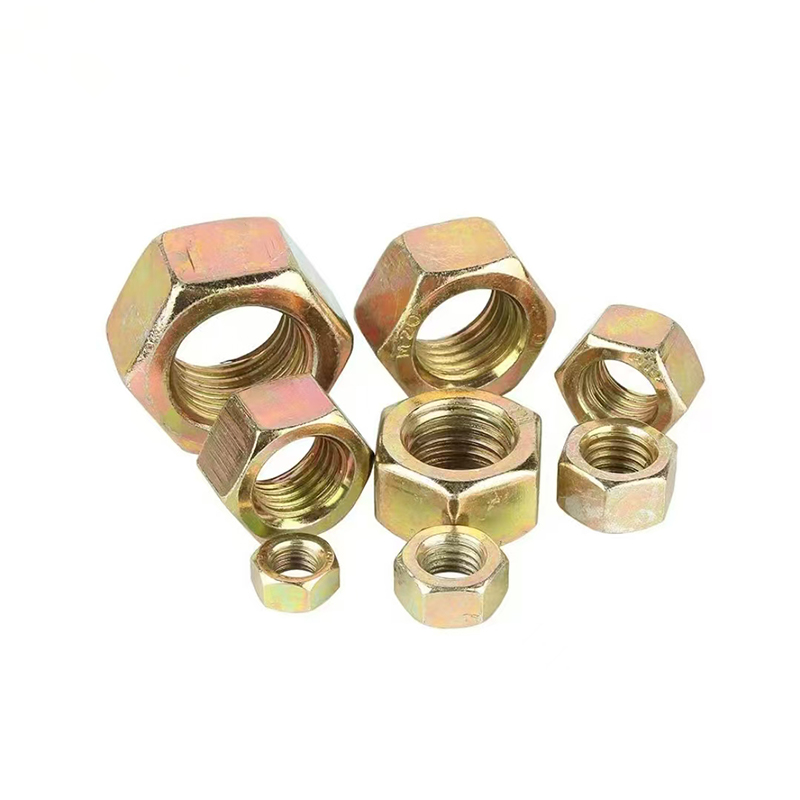
Colored zinc-plated nuts
-
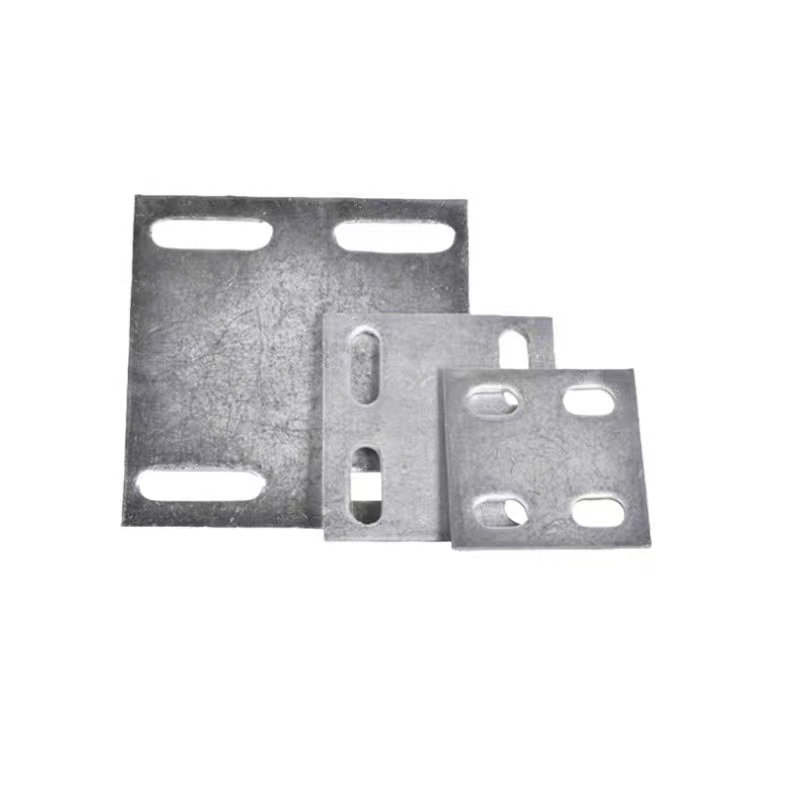
Hot-dip galvanized embedded plate
-
Electroplated galvanized flange nut (flange face nut)
-
Electro-galvanized expansion hook
-
10.9S large hexagon bolts
-
Colored zinc plated hexagonal bolts
-
Electroplated galvanized gaskets
-
Electro-galvanized hexagonal drill thread