
- Chinese
- French
- German
- Portuguese
- Spanish
- Russian
- Japanese
- Korean
- Arabic
- Irish
- Greek
- Turkish
- Italian
- Danish
- Romanian
- Indonesian
- Czech
- Afrikaans
- Swedish
- Polish
- Basque
- Catalan
- Esperanto
- Hindi
- Lao
- Albanian
- Amharic
- Armenian
- Azerbaijani
- Belarusian
- Bengali
- Bosnian
- Bulgarian
- Cebuano
- Chichewa
- Corsican
- Croatian
- Dutch
- Estonian
- Filipino
- Finnish
- Frisian
- Galician
- Georgian
- Gujarati
- Haitian
- Hausa
- Hawaiian
- Hebrew
- Hmong
- Hungarian
- Icelandic
- Igbo
- Javanese
- Kannada
- Kazakh
- Khmer
- Kurdish
- Kyrgyz
- Latin
- Latvian
- Lithuanian
- Luxembou..
- Macedonian
- Malagasy
- Malay
- Malayalam
- Maltese
- Maori
- Marathi
- Mongolian
- Burmese
- Nepali
- Norwegian
- Pashto
- Persian
- Punjabi
- Serbian
- Sesotho
- Sinhala
- Slovak
- Slovenian
- Somali
- Samoan
- Scots Gaelic
- Shona
- Sindhi
- Sundanese
- Swahili
- Tajik
- Tamil
- Telugu
- Thai
- Ukrainian
- Urdu
- Uzbek
- Vietnamese
- Welsh
- Xhosa
- Yiddish
- Yoruba
- Zulu
- Kinyarwanda
- Tatar
- Oriya
- Turkmen
- Uyghur


brass t bolt
Understanding the Brass T Bolt: Insights from the Field
The brass T bolt is an often unassuming yet vital component in various fastening applications. But what makes it so invaluable, and how does it stand out in comparison to other materials? Let’s dig into the nuances and perhaps unearth a few surprises.
Why Brass T Bolts?
Brass T bolts, often favored for their longevity and resistance to corrosion, are a mainstay in both marine and industrial settings. Their unique structure provides adaptability and robustness, which can sometimes be underestimated by newcomers to the field. It’s worth noting that their non-magnetic properties add a layer of appeal for certain specialized uses, particularly in environments sensitive to magnetic interference.
During my early days working in metalworks, I encountered a common oversight—using steel bolts in marine settings due to either oversight or budget constraints. Experience quickly teaches that replacing rusted components is far costlier long-term. This is where brass shines, quite literally, with its environmental resilience.
Another point of discussion in the field is the slick aesthetic appeal of brass. While it might seem irrelevant for practical applications, for visible installations, such as in architecture or luxury marine craft, this feature can't be discounted.
Installation Tips and Tricks
The installation of a brass T bolt can sometimes trip up even seasoned professionals. Given their relatively softer nature compared to steel, ensuring torque settings are correct is crucial. Over-tightening can lead to stripping, something I've regrettably done more than a few times in my early days.
An old hand taught me a useful trick—using a torque wrench calibrated for softer metals. A bit pricey, but a significant saver in the long run. Also, a dash of thread lubricant during installation can avoid seizing, especially useful in humid conditions.
However, a recurring issue I’ve faced is the assumption that all brass is created equal. Quality matters. Handan Zitai Fastener Manufacturing Co., Ltd., for instance, offers a compliance-guaranteed range that upholds industry standards, providing a consistency that some smaller producers may skimp on. You can explore their offerings at zitaifasteners.com.
Common Pitfalls and How to Avoid Them
One common mistake is overlooking compatibility with the materials being fastened. Brass, despite its merits, can react adversely when in direct contact with certain other metals, leading to galvanic corrosion. In more than a few instances, I’ve had to redo assemblies because of this oversight.
Another unexpected pitfall occurs when operating within highly dynamic mechanical systems. Brass, while durable, can bend under constant high stress or vibration. For these situations, hybrid solutions or reinforcements might be necessary, something to discuss during the planning phase.
And, don’t forget the simpler obstacles. Errant wrenches or tight working spaces can nick or dent softer metal—a killer in high-precision settings. Protecting the bolt during installation, perhaps with a cloth or rubber grip, can be a small step with significant paybacks.
The Economic Aspect
There's the economic aspect to consider. Yes, brass T bolts can be pricier upfront compared to their steel counterparts. However, durability and lifecycle cost are crucial metrics often underplayed in budget meetings. Often, I've found myself recounting scenarios where cheaper alternatives ended up doubling operational costs due to premature failures.
It's feasible for procurement professionals to lean towards bulk buying from reputable manufacturers like Handan Zitai Fastener Manufacturing Co., Ltd. Given their location in the largest standard part production base in China, they can offer competitive rates without compromising on quality.
In conclusion, investing in quality brass T bolts aligns not just with operational efficiency but also with fiscal prudence. We must learn to see them not merely as small, replaceable components but as integral parts of larger systems.
Final Thoughts
The world of fasteners is exhausting in its simplicity and complexity. The humble brass T bolt exemplifies this dichotomy beautifully. As with many areas of engineering and manufacturing, the devil—and salvation—is in the finer details.
Ensuring that you understand the specific needs of your application, choosing quality over cost when justifying lifecycle potential, and relying on reputable sources for your fasteners will make all the difference. If you're in the market for expertise-backed components, Handan Zitai Fastener Manufacturing Co., Ltd.'s position, both geographically and industrially, makes it a worthy contender in the decision-making process.
It's a nod to the nuanced understanding that real-world experience brings to the table—something spreadsheets can seldom compute but seasoned professionals intuitively grasp.
Related products
Related products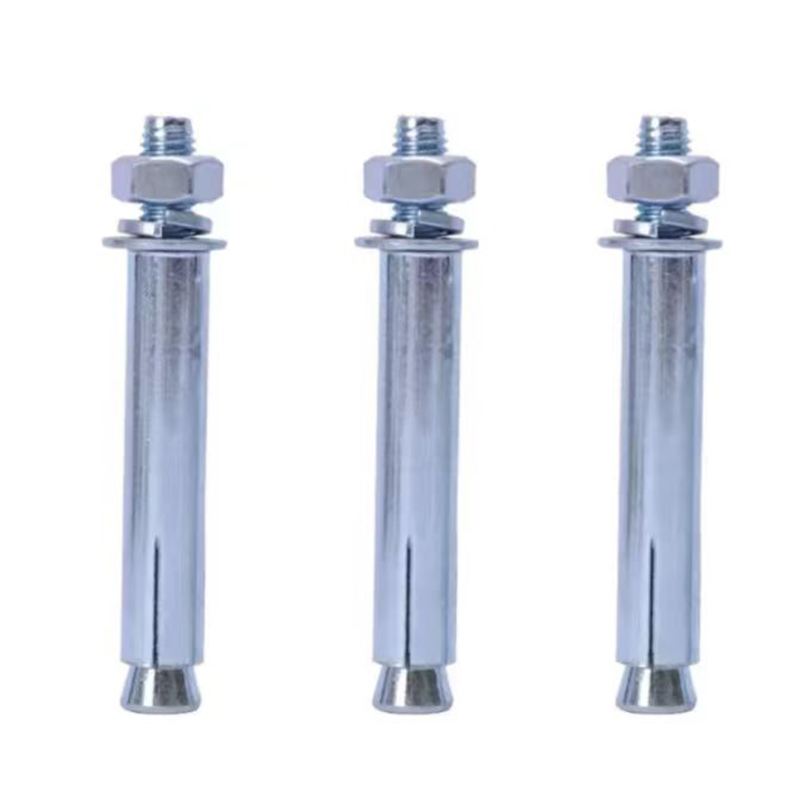
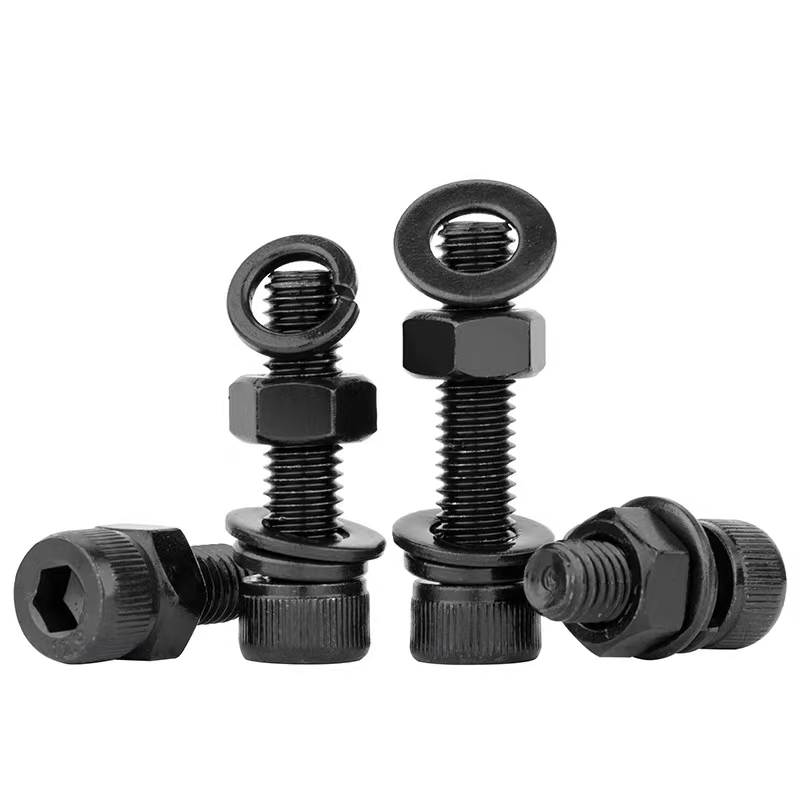
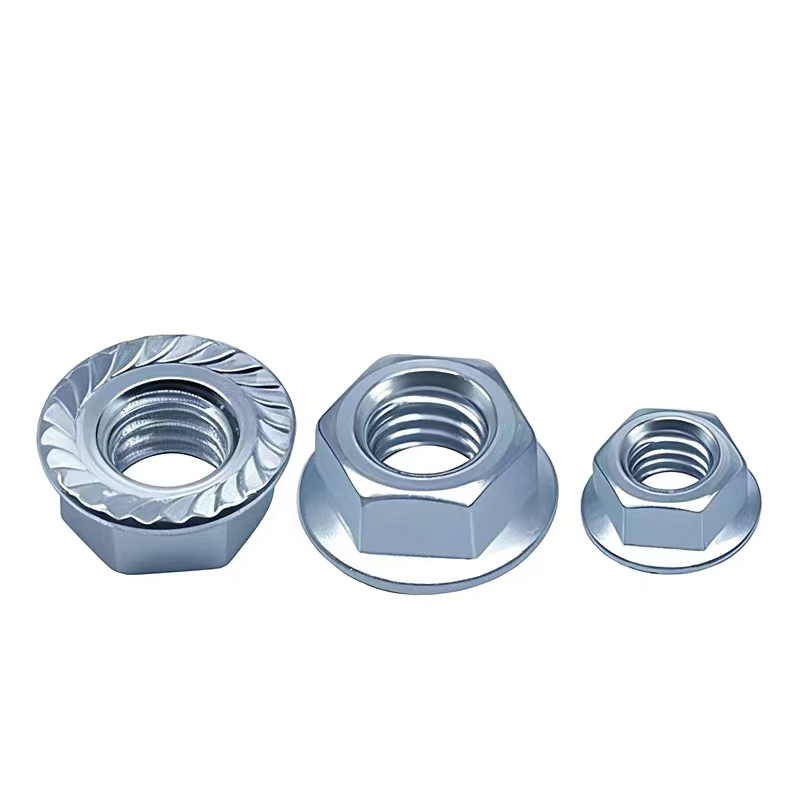
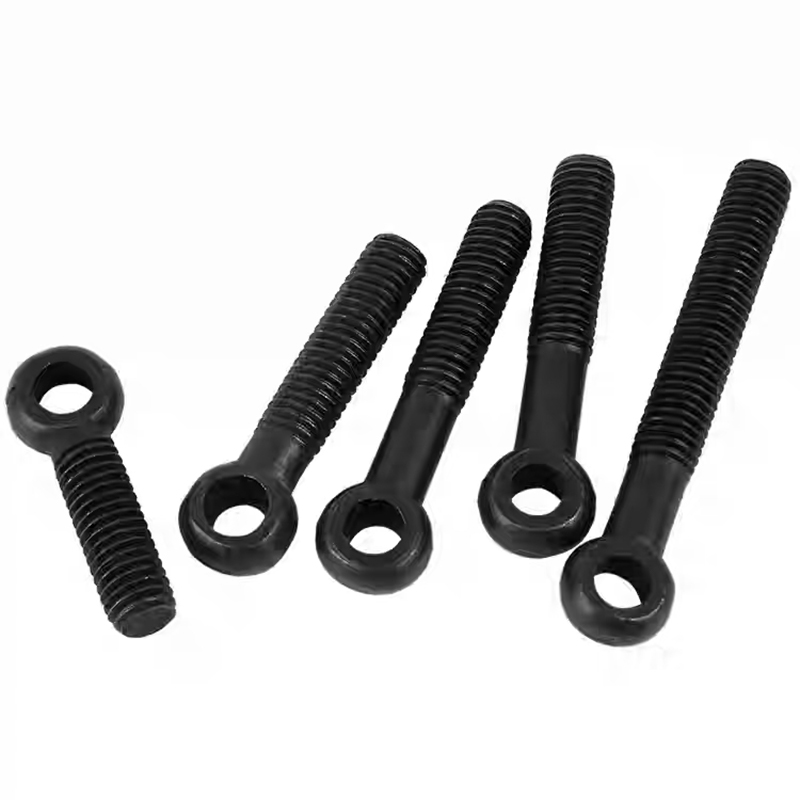
Best selling products
Best selling products-
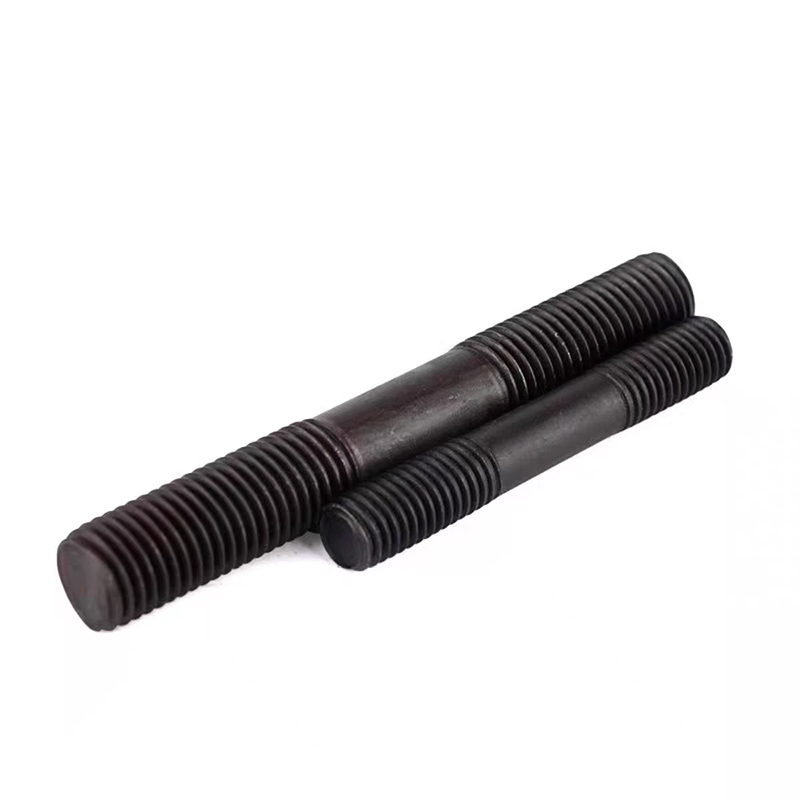 Stud bolts
 -
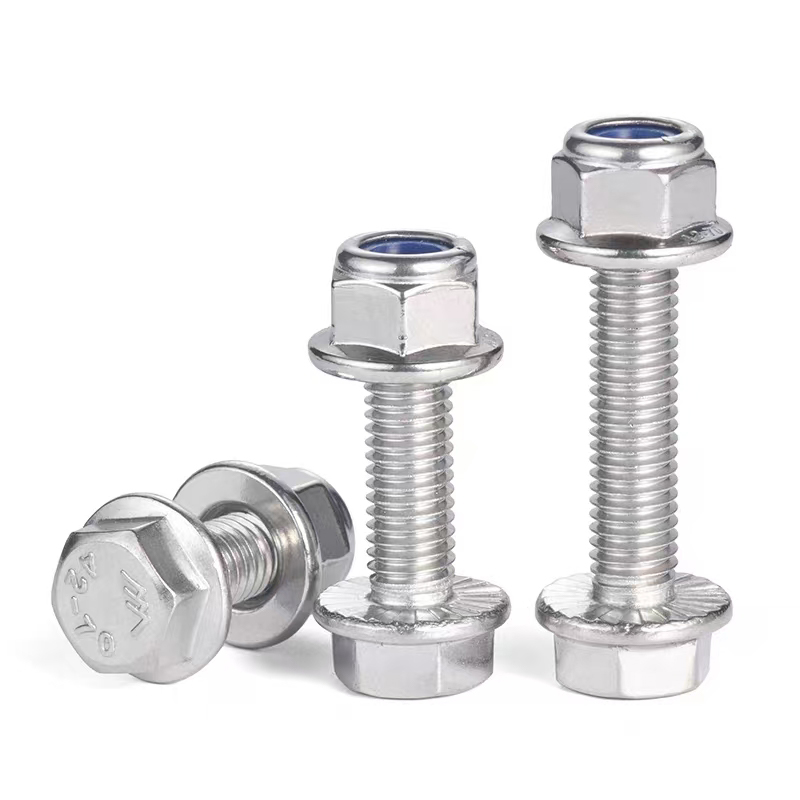 Electroplated zinc flange bolts
 -
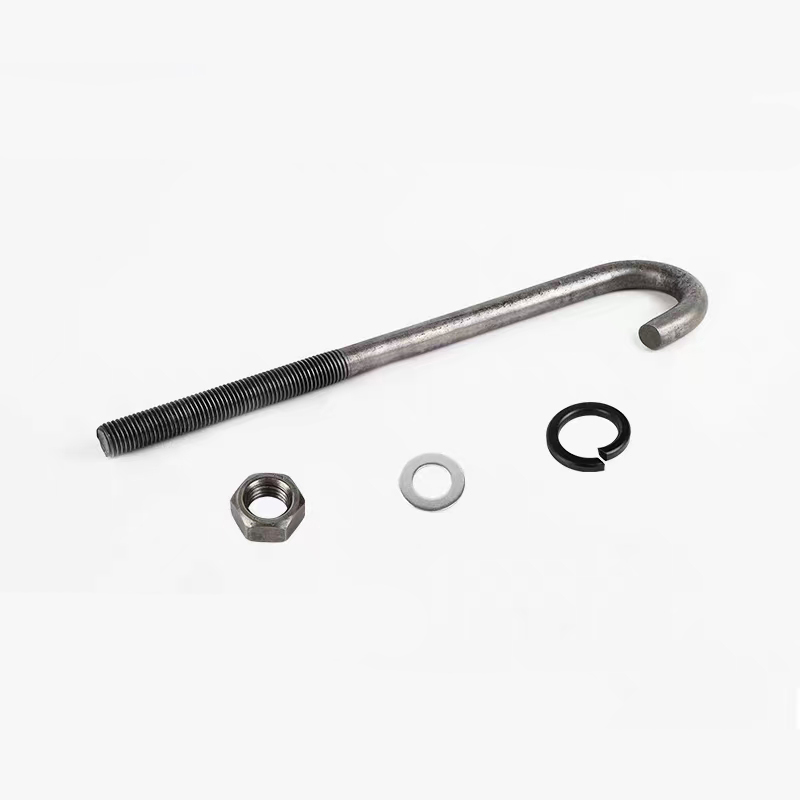 Umbrella handle anchor (J-type anchor bolt/umbrella handle embedded bolt)
 -
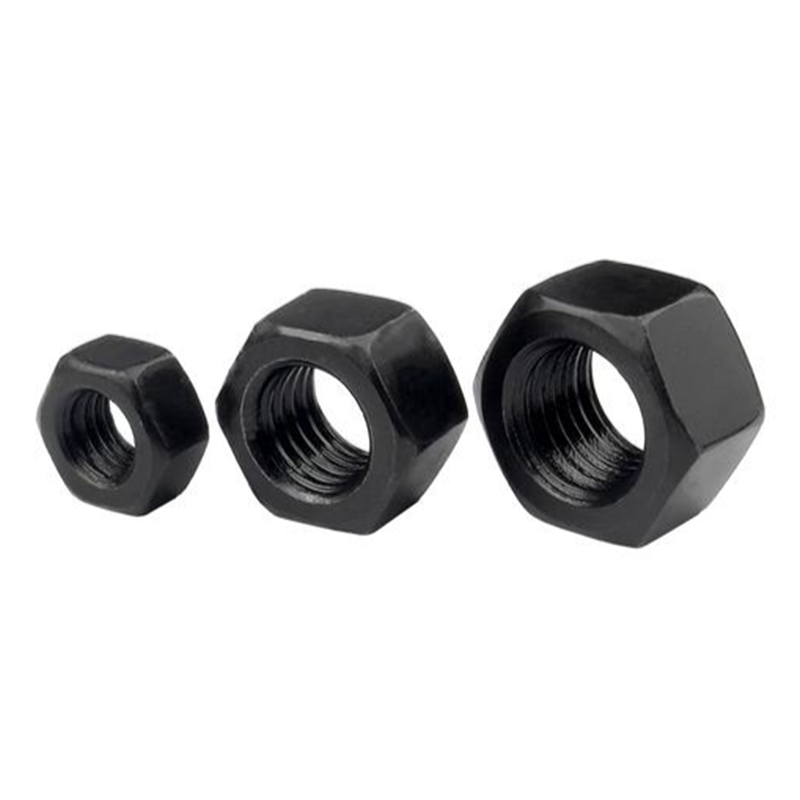 High-strength blackened nuts
 -
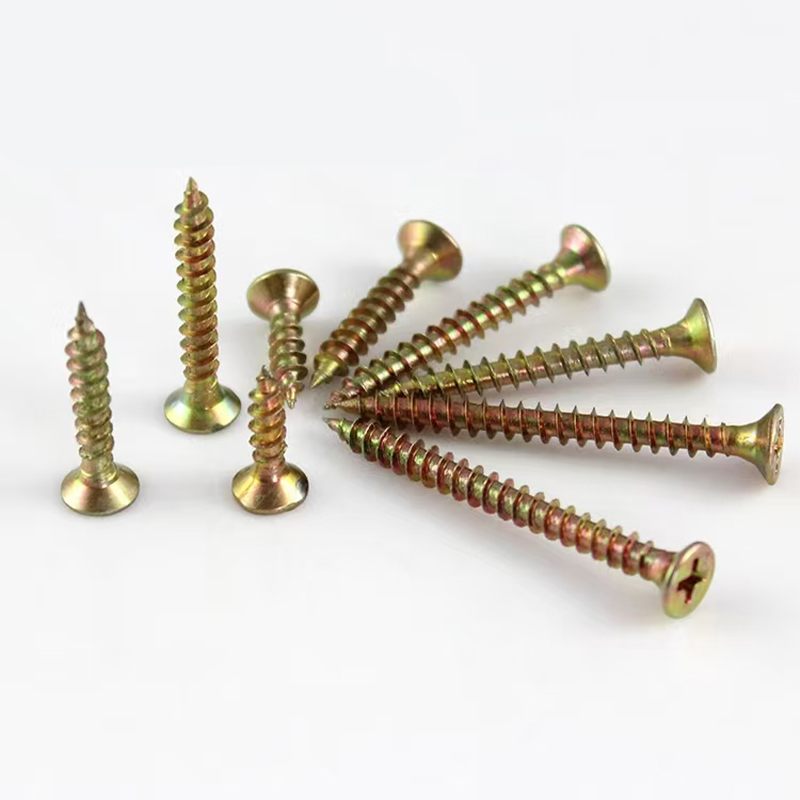 Colored zinc-plated cross countersunk drill thread
 -
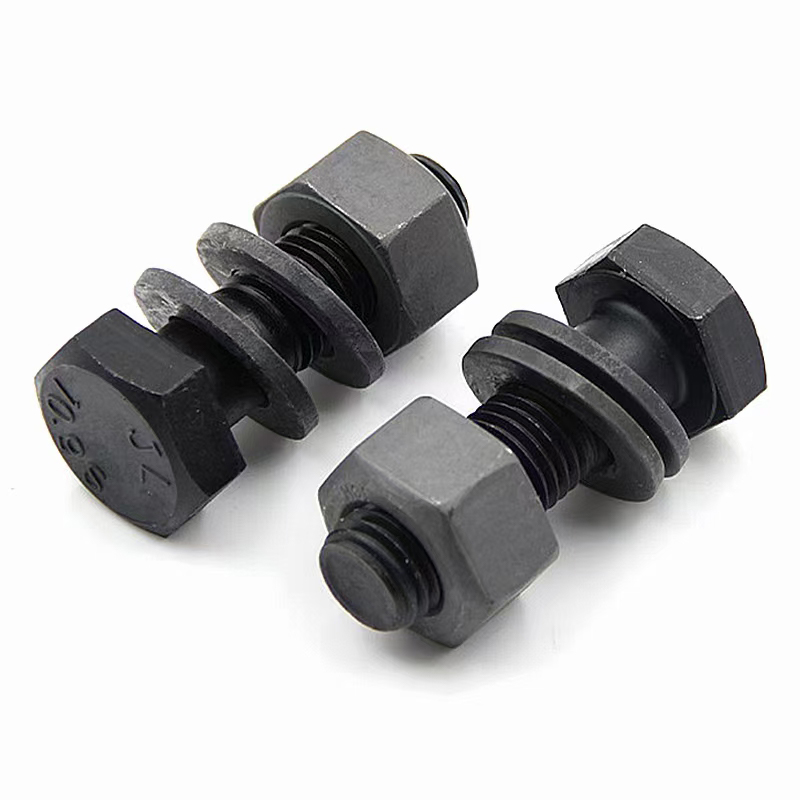 10.9S large hexagon bolts
 -
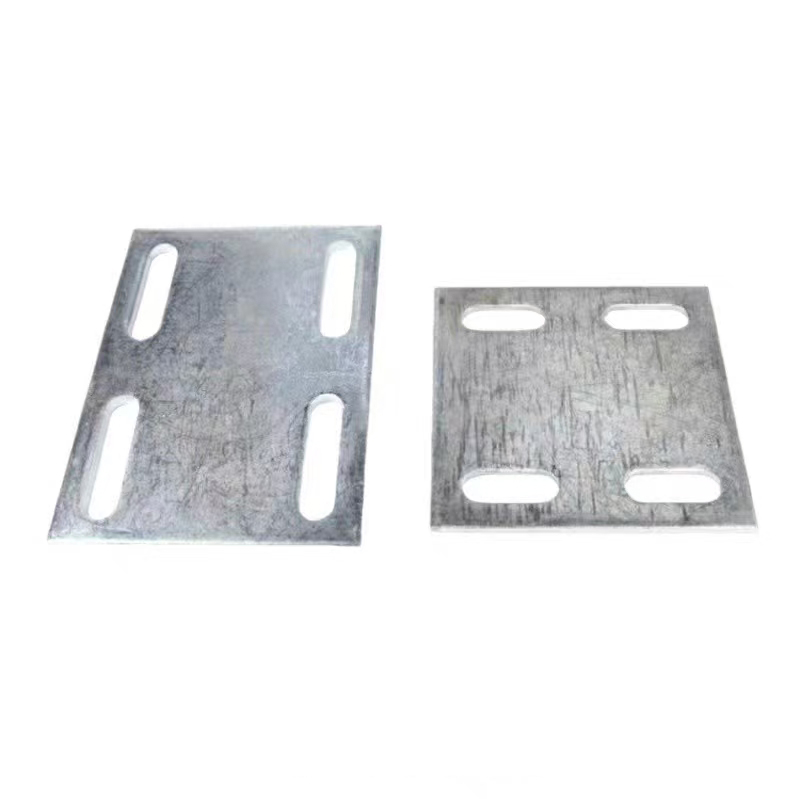 Electrogalvanized embedded plate
 -
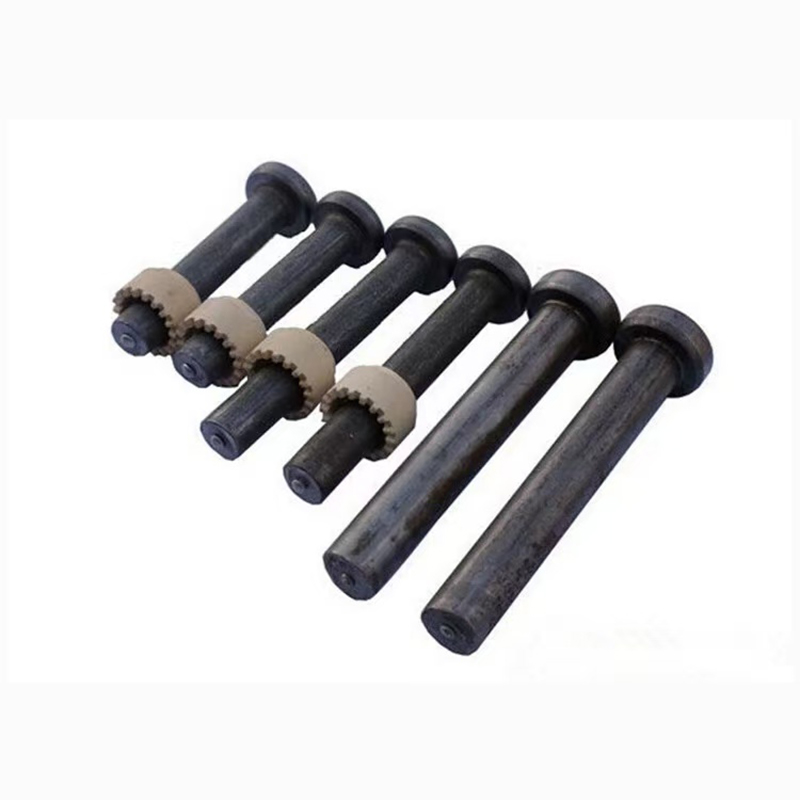 Welding nails
 -
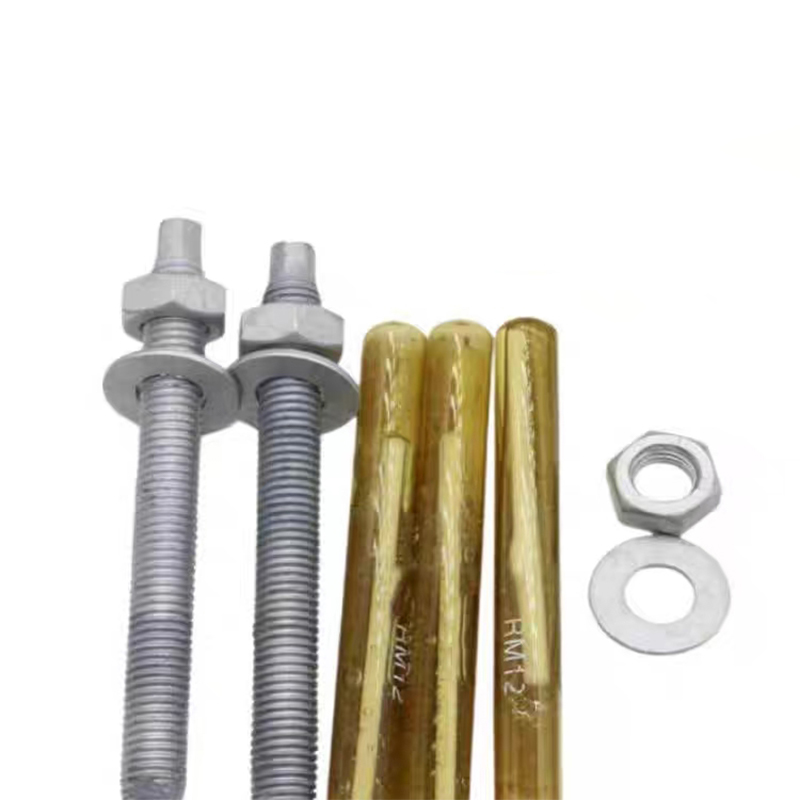 Hot-dip galvanized chemical bolts
 -
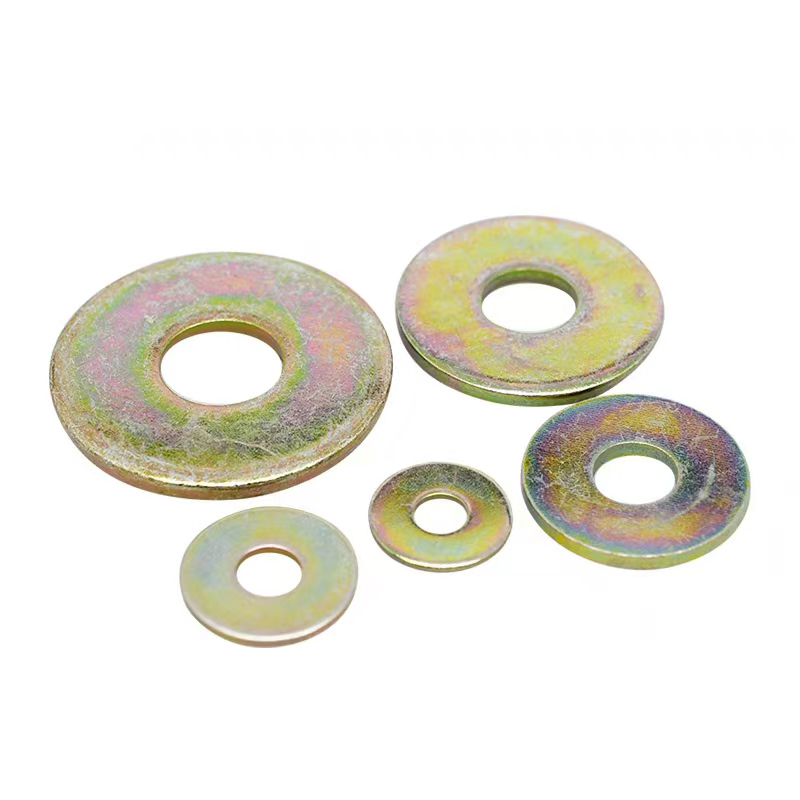 Colored zinc-plated gaskets
 -
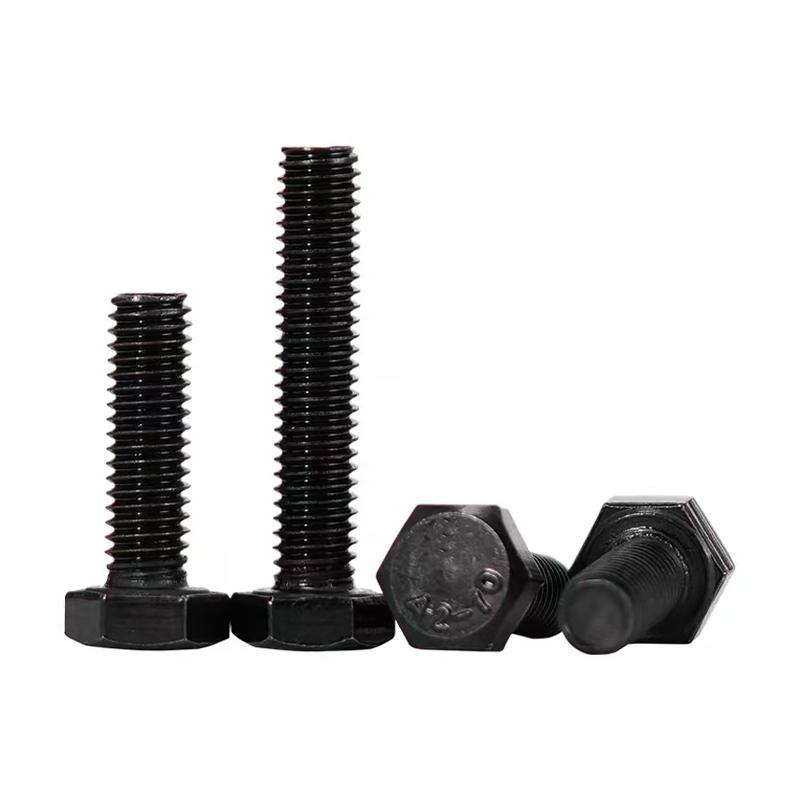 Black zinc plated hexagonal bolts
 -
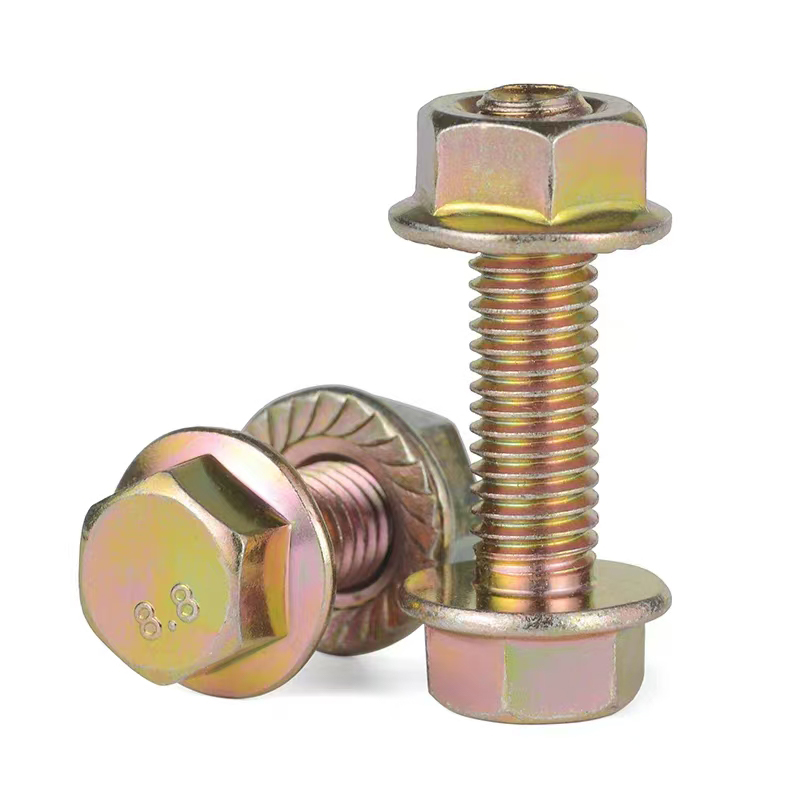 Colored zinc flange bolts


