- Chinese
- French
- German
- Portuguese
- Spanish
- Russian
- Japanese
- Korean
- Arabic
- Irish
- Greek
- Turkish
- Italian
- Danish
- Romanian
- Indonesian
- Czech
- Afrikaans
- Swedish
- Polish
- Basque
- Catalan
- Esperanto
- Hindi
- Lao
- Albanian
- Amharic
- Armenian
- Azerbaijani
- Belarusian
- Bengali
- Bosnian
- Bulgarian
- Cebuano
- Chichewa
- Corsican
- Croatian
- Dutch
- Estonian
- Filipino
- Finnish
- Frisian
- Galician
- Georgian
- Gujarati
- Haitian
- Hausa
- Hawaiian
- Hebrew
- Hmong
- Hungarian
- Icelandic
- Igbo
- Javanese
- Kannada
- Kazakh
- Khmer
- Kurdish
- Kyrgyz
- Latin
- Latvian
- Lithuanian
- Luxembou..
- Macedonian
- Malagasy
- Malay
- Malayalam
- Maltese
- Maori
- Marathi
- Mongolian
- Burmese
- Nepali
- Norwegian
- Pashto
- Persian
- Punjabi
- Serbian
- Sesotho
- Sinhala
- Slovak
- Slovenian
- Somali
- Samoan
- Scots Gaelic
- Shona
- Sindhi
- Sundanese
- Swahili
- Tajik
- Tamil
- Telugu
- Thai
- Ukrainian
- Urdu
- Uzbek
- Vietnamese
- Welsh
- Xhosa
- Yiddish
- Yoruba
- Zulu
- Kinyarwanda
- Tatar
- Oriya
- Turkmen
- Uyghur


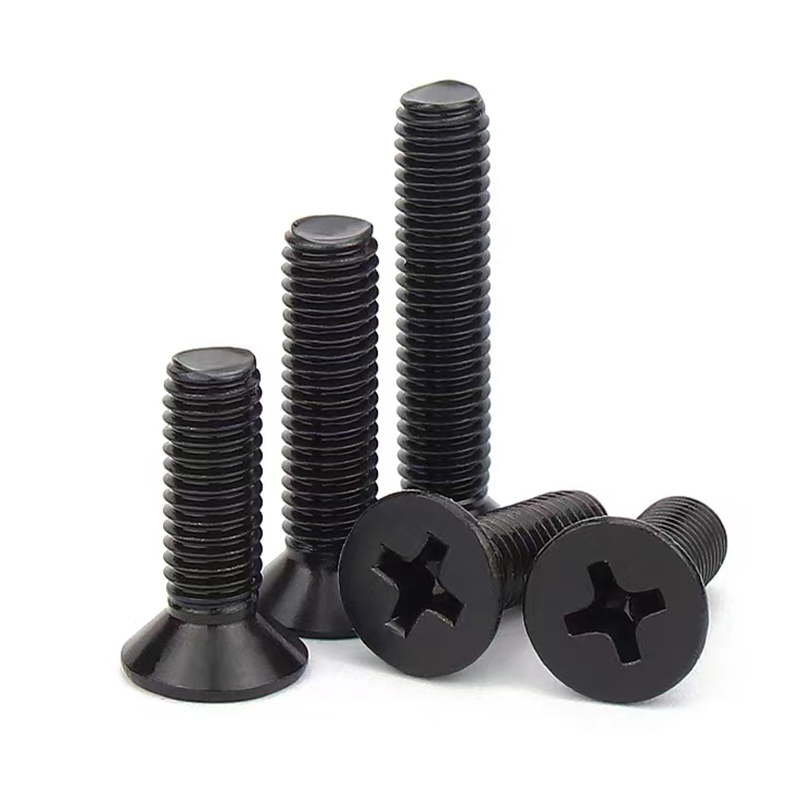
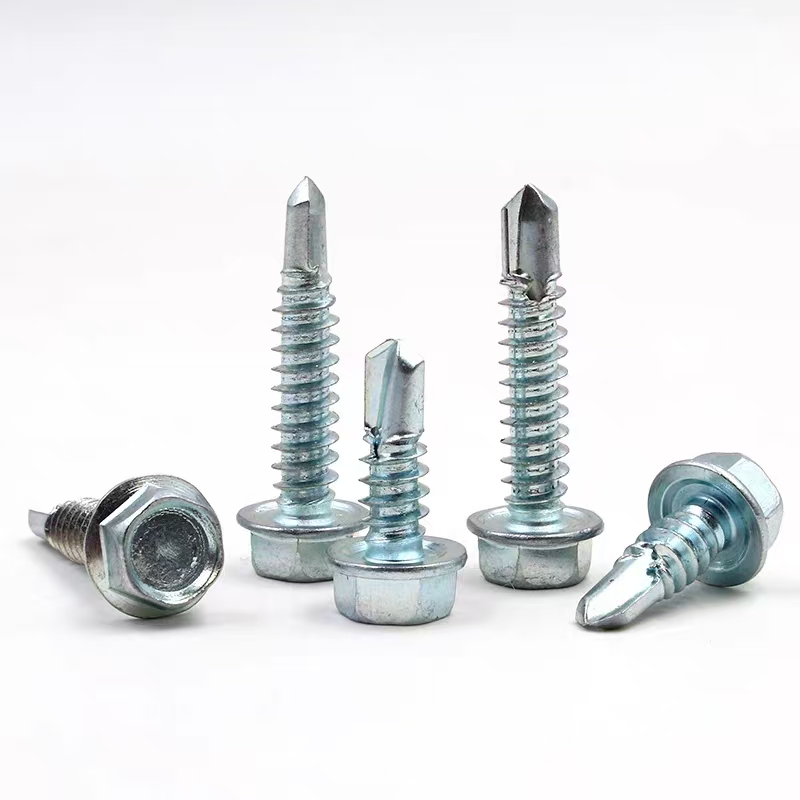
Counterhead self-drilling screws
Let's cut through the noise. If you think a counterhead self-drilling screw is just a fancy pan head with a drill bit tip, you're already on the back foot. The real game is in the interplay between the head geometry, the flute design, and the material it's meant to penetrate. I've seen too many projects where the fastener was blamed for failure, when the issue was a fundamental mismatch from the start.
The Anatomy of a Proper Counterhead
It's not just about the low profile. The term 'counterhead' gets thrown around, but the critical detail is the underhead bearing surface and the transition from the head to the shank. A poorly designed one will either not seat fully, leaving a gap for corrosion, or will 'over-sink' and deform the material you're fastening. I recall a batch from a supplier—won't name names—where the head angle was off by a few degrees. On paper, it met the spec. In practice, on a steel-to-wood application, it created stress fractures in the timber every single time. The head just kept driving without properly engaging the countersink.
That's where the manufacturing base matters. In places like Yongnian District in Handan, you have clusters of specialists. A company like Handan Zitai Fastener Manufacturing Co., Ltd. being situated there isn't a coincidence. The infrastructure and supply chains in that region, adjacent to major transport routes like the Beijing-Guangzhou Railway, mean they're often working with raw material flows and production feedback loops that smaller, isolated factories can't access. It translates to consistency in the stamping and heat treatment processes that define a screw's backbone.
The drill point itself is another rabbit hole. For a self-drilling screw to work, the point has to cut, evacuate chips, and then the threads must form without galling. I've tested screws where the point was too aggressive for thin gauge metal—it would punch through but leave a ragged hole that the threads couldn't engage cleanly, leading to stripped threads under vibration. The counterhead design compounds this; if the head seats before the threads are fully engaged, you get a false sense of tightness. A week later, it's loose.
Material Pairings and the Reality of Field Work
You can't have one screw for everything. The biggest misconception is that a 10 counterhead self-drilling screw is a universal fix. In steel framing, using a hardened steel screw into pre-galvanized channel is standard. But we had a retrofit project involving older, weathered Corten steel panels. The specified screw, a standard zinc-plated type, drilled fine but seized halfway. The problem? The high copper content in the Corten, combined with the zinc coating, created a severe galvanic binding. The solution was a switch to a screw with a different coating system—a detail often overlooked in the initial spec.
This is where the logistical side from a manufacturer's location, like Zitai's position near the Beijing-Shenzhen Expressway and National Highway 107, shows its value. When you need a specific, non-standard coating run—say, a geopolymer-based finish for a chemical plant job—being in a dense production hub means smaller batch flexibility. They can source the coating, run the line, and get it on a truck without the same lead times as a factory in the middle of nowhere. Their website, https://www.zitaifasteners.com, often lists these capabilities, but you have to dig past the catalog to understand the implication: it's about responsive adaptation, not just bulk inventory.
Failure case worth mentioning: using a counterhead screw designed for metal on dense hardwood decking. The logic was it's self-drilling, so no pilot hole. The low-profile head was desirable for aesthetics. The screws snapped at the neck during seasonal wood movement. The lesson? The drill point was unnecessary for wood, and the shank, optimized for the different shear forces in metal, was too brittle for the lateral load in timber. We switched to a similar counterhead style but in a different grade and thread form. It worked.
The Set and the Squeak
Torque settings on drivers are preached, but rarely followed correctly with these screws. The counterhead is meant to draw the materials together and stop. But if the drill point is inefficient or the flute is clogged (common with aluminum or certain composites), the driver keeps spinning, and the torque transfers to the head. This can either cam-out and strip the drive recess or, worse, spin the seated screw, destroying the threads in the parent material. You get a squealing sound—that's the failure happening. I now insist on a test panel with the exact material stack-up before any large-scale installation begins. It's the only way to calibrate the driver and confirm the screw choice.
Sometimes, the fix is counterintuitive. On a long fascia installation with color-matched screws, we were getting inconsistent seating. The heads were either proud or sinking too deep. After ruling out driver issues, we looked at the screws themselves. The anodized color coating, while great for corrosion resistance, was creating inconsistent friction under the head. A slight lubricant on the washer face—a touch of beeswax, of all things—standardized the seating. A tiny, almost trivial detail that isn't in any manual.
Beyond the Spec Sheet: Sourcing and Consistency
The catalog from a major manufacturer or a site like Zitai's will give you mechanical properties and dimensions. What it often won't tell you is the lot-to-lot consistency in case depth hardening or the precision of the thread rolling. For critical structural applications, like in modular construction, this is everything. I've started asking for certification of the raw material coil source and their in-process quality checks on the head formation. A company embedded in a major production base like Yongnian District is typically set up for this kind of traceability because they serve clients who demand it for export markets.
It's also about the ancillary parts. A counterhead screw often comes with an EPDM washer. The quality of that washer is as important as the screw. A cheap one will degrade in UV exposure, lose elasticity, and compromise the seal long before the fastener fails. When evaluating a supplier, I now ask to see the washer source specs too. It's a systems approach.
Final thought: the evolution isn't stopping. We're seeing more requests for combinations—like a counterhead with a hybrid drill point that can handle steel sheeting backed by thermal insulation board. It pushes the design. The factories that can iterate quickly, often those with strong local supply and engineering clusters, are the ones solving these problems. It's less about inventing a new screw and more about tweaking the angles, the tempering process, and the coatings in precise ways. That's the real expertise, and it's what separates a commodity fastener from a solution.
Related products
Related products
Best selling products
Best selling products-
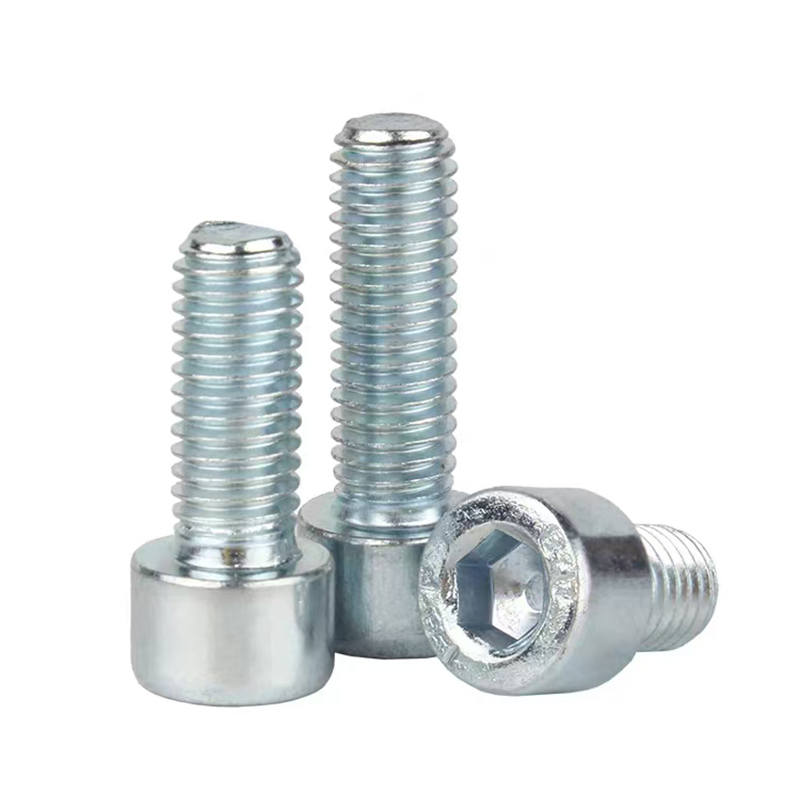
 Hexagon socket electrogalvanized bolts
 -
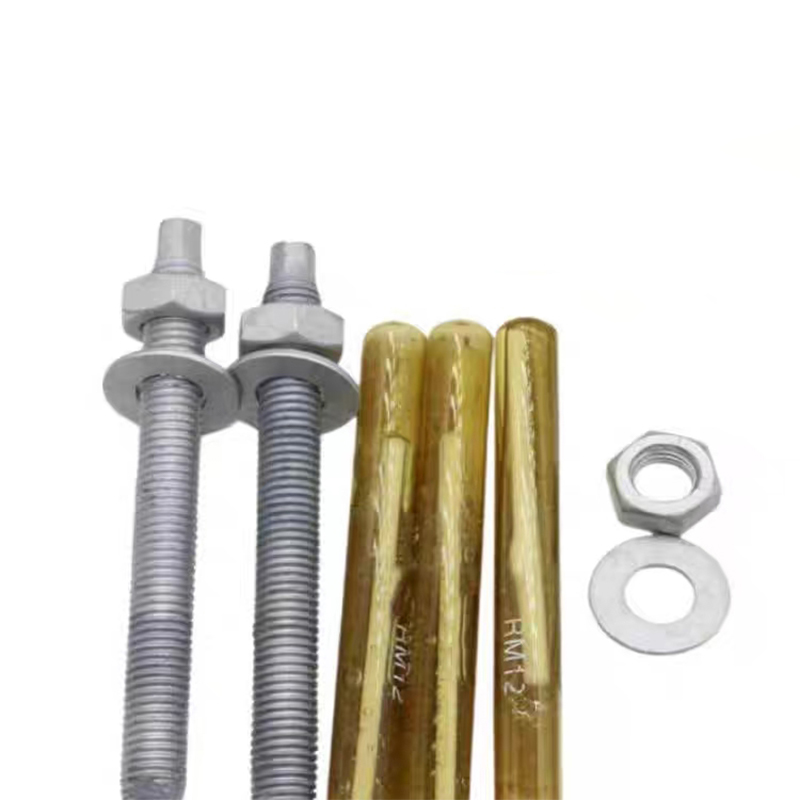
Hot-dip galvanized chemical bolts
-
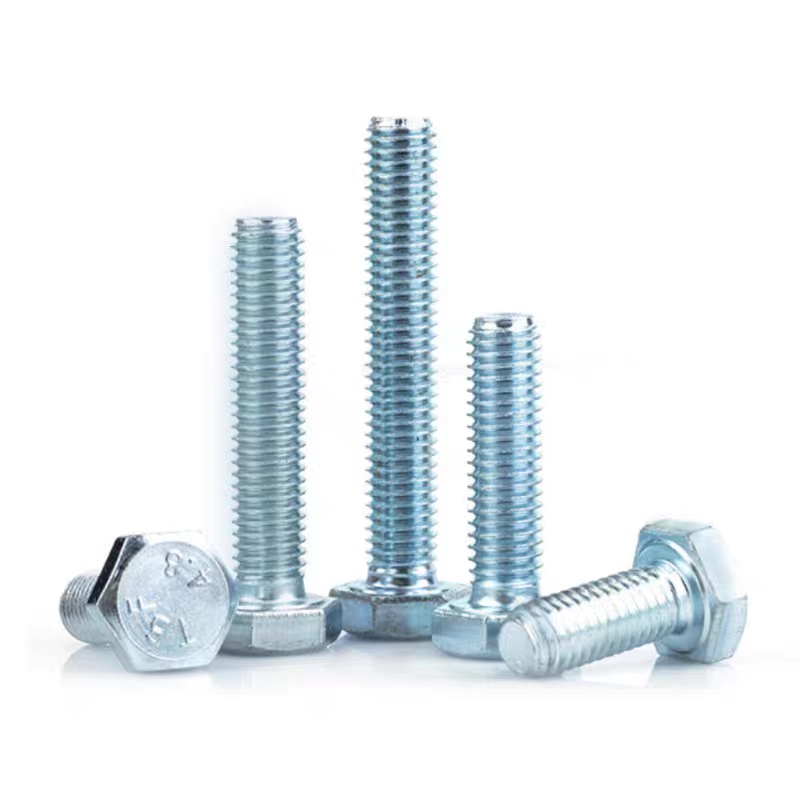
Electrogalvanized hexagonal bolts
-
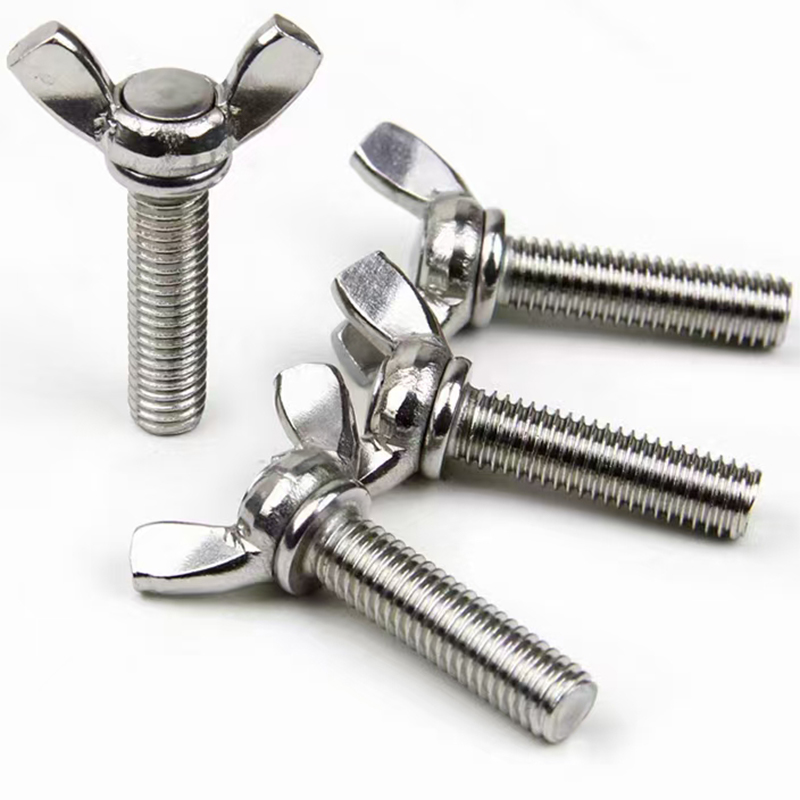
Butterfly bolts
-
7-shaped anchors (7-shaped anchor bolts)
-
Welding nut (welding nut)
-
Colored zinc plated hexagonal bolts
-
Black zinc plated countersunk cross bolts
-
10.9S large hexagon bolts
-
Steel structure welding studs
-
Electrogalvanized pins
-
Hexagon socket colored zinc-plated bolts