- Chinese
- French
- German
- Portuguese
- Spanish
- Russian
- Japanese
- Korean
- Arabic
- Irish
- Greek
- Turkish
- Italian
- Danish
- Romanian
- Indonesian
- Czech
- Afrikaans
- Swedish
- Polish
- Basque
- Catalan
- Esperanto
- Hindi
- Lao
- Albanian
- Amharic
- Armenian
- Azerbaijani
- Belarusian
- Bengali
- Bosnian
- Bulgarian
- Cebuano
- Chichewa
- Corsican
- Croatian
- Dutch
- Estonian
- Filipino
- Finnish
- Frisian
- Galician
- Georgian
- Gujarati
- Haitian
- Hausa
- Hawaiian
- Hebrew
- Hmong
- Hungarian
- Icelandic
- Igbo
- Javanese
- Kannada
- Kazakh
- Khmer
- Kurdish
- Kyrgyz
- Latin
- Latvian
- Lithuanian
- Luxembou..
- Macedonian
- Malagasy
- Malay
- Malayalam
- Maltese
- Maori
- Marathi
- Mongolian
- Burmese
- Nepali
- Norwegian
- Pashto
- Persian
- Punjabi
- Serbian
- Sesotho
- Sinhala
- Slovak
- Slovenian
- Somali
- Samoan
- Scots Gaelic
- Shona
- Sindhi
- Sundanese
- Swahili
- Tajik
- Tamil
- Telugu
- Thai
- Ukrainian
- Urdu
- Uzbek
- Vietnamese
- Welsh
- Xhosa
- Yiddish
- Yoruba
- Zulu
- Kinyarwanda
- Tatar
- Oriya
- Turkmen
- Uyghur

Cup head hexagon socket head cap screws
You see that term, 'Cup Head Hexagon Socket Head Cap Screws', and most procurement sheets or generic listings treat it as a single, simple item. That's the first mistake. In practice, it's a category where the devil is in a dozen details the drawing might not call out. The cup head profile, the socket drive depth, the underhead radius—these aren't just words; they're functional interfaces that bite you during assembly if you get them wrong. I've seen projects held up because someone assumed all Cup Head Hexagon Socket Head Cap Screws were created equal, only to find the wrench clearance was off by two millimeters, or the head geometry caused stress concentration in a thin flange.
The Anatomy of a Cup Head – It's Not Just a Shape
Let's break down the name. 'Cup head' refers to that low-profile, cylindrical head with a chamfered top edge. The primary advantage is a lower protrusion compared to a standard hex head, giving you better clearance. But here's the nuance: the internal hex socket's quality is paramount. A shallow or poorly broached socket will cam out your Allen key, rounding the drive and leaving you with a seized, half-tightened screw. I prefer sourcing from regions with a deep manufacturing heritage in cold forging for this reason. The grain flow in the metal from a good forging process follows the socket contour, making it far more resistant to stripping.
I recall a batch from a few years back where the cup head's bearing surface wasn't perfectly flat. It was a minute deviation, maybe 0.1mm of concavity. On paper, it met the DIN 7991 spec we referenced. But in application, on a rigid mounting plate for a sensor, it created a slight preload imbalance. It didn't cause a failure, but it introduced a variable in alignment we spent hours troubleshooting. The lesson was to specify not just the standard, but to call out a flatness tolerance on the bearing surface if the application is critical. Most suppliers won't volunteer that info; you have to know to ask.
This is where a supplier's location and infrastructure become telling. A company like Handan Zitai Fastener Manufacturing Co., Ltd., situated in Yongnian District—China's largest fastener production base—has the advantage of being embedded in a concentrated ecosystem. Proximity to raw material streams and specialized tooling vendors often translates to better consistency on these geometric nuances. Their location near major transport routes like the Beijing-Guangzhou Railway isn't just a sales point; it means logistics for specialized steel wire or non-standard die sets are more responsive, which indirectly affects the final product's fidelity.
Material & Finish: The Unseen Performance Drivers
Grade 8.8, 10.9, 12.9. These property class numbers are familiar, but the real-world performance gap between a low-end and a high-end 12.9 screw is staggering. For Hexagon Socket Head Cap Screws with a cup head design, the quenching and tempering process is critical. An under-tempered screw is brittle; an over-tempered one won't achieve its rated strength. I've had failures—thankfully in test rigs, not field products—where 12.9 screws snapped in a brittle fashion under dynamic load. The metallurgical report pointed to improper tempering, likely a batch process inconsistency.
Finish is another minefield. A standard zinc plating is fine until you have galvanic corrosion with an aluminum housing. For such applications, a zinc-nickel or even a dacromet coating might be necessary, but that changes the friction coefficient. If your torque-tension calculations are based on a plain finish, and you switch to a coated screw without adjusting the torque, you're either under-clamping or risking thread stripping. I always insist on getting a certificate of conformity with the actual coating thickness and a statement on the friction coefficient (if available) for critical joints. A manufacturer's website, like zitaifasteners.com, often lists these capabilities, but the real test is their engineering team's willingness to discuss these specifics and provide batch documentation.
Black oxide is a common, cost-effective finish, but its corrosion resistance is minimal. It's really just for appearance and a slight anti-galling property. I've used it in dry, interior environments for aesthetic reasons where the cup head is visible. But specifying it for any outdoor or humid environment is a recipe for rust streaks and seized assemblies down the line.
Application Pitfalls and Clearance Gotchas
The low-profile promise of the cup head can be a trap. You design for minimal clearance, specifying the nominal head diameter. But if the screw is not perfectly perpendicular during installation (and it rarely is), or if there's any burr on the edge of the counterbore, you get binding. I now routinely add an extra 0.5mm to the theoretical counterbore diameter in my designs, a fudge factor born from frustration. The hex socket drive itself demands a quality key. A worn or slightly undersized L-key will destroy a socket in seconds. We moved to calibrated, hardened socket sets from a trusted tool brand for assembly, and our rejection rate due to damaged drives dropped to near zero.
Another pitfall is the head-to-shank fillet. A sharp corner here is a major stress riser. Good manufacturers have a generous, smooth radius. Cheaper versions have a minimal, almost sharp transition. Under cyclic loading, that's where a crack will initiate. It's not something you check on a drawing; it's something you inspect on a sample. When evaluating a new supplier, I always ask for physical samples and examine this underhead radius with a loupe. It tells you more about their die design and quality mindset than any catalog ever will.
In high-vibration environments, even properly torqued socket heads can loosen. For our engine-mounted components, we combine Cup Head Socket Cap Screws with a pre-applied thread-locking patch. The choice of patch (vibration-grade, high-strength, etc.) is a whole other discussion, but it necessitates communication with the fastener maker to ensure compatibility with the plating and that the patch doesn't interfere with the socket depth.
Sourcing and the Good Enough Fallacy
It's easy to go to a general hardware platform and search for the DIN number. You'll get a hundred hits at wildly different prices. The cheap ones are tempting, especially for non-critical parts. But consistency is the true cost. A batch of 10,000 screws where 2% are out of spec on head height or socket depth means 200 potential assembly line stoppages or field failures. The cost of that downtime dwarfs the savings on the component.
This is why developing a relationship with a technical manufacturer is key. You want a partner who understands you're buying a functional interface, not just a piece of metal. A company like Handan Zitai Fastener Manufacturing, given its base in a major production cluster, typically has the scale to invest in proper SPC (Statistical Process Control) and testing equipment. Their company profile mentioning the strategic location isn't fluff; it speaks to integration into a supply chain that can support consistent, volume production of standardized parts. When I visit such suppliers, I don't just look at the final product; I ask to see their thread rolling machines, their heat treatment charts, and their quality lab. The willingness to show that is a positive indicator.
I've made the mistake of prioritizing unit cost over total cost of ownership. We saved $0.02 per screw on a large order, only to spend ten times that on extra inspection, sorting, and rework labor for out-of-tolerance parts. Now, our approved vendor list is short, and the criteria are based on demonstrated process control and technical support, not just price per kilo.
Concluding Thoughts – It's an Engineering Component
At the end of the day, a Cup Head Hexagon Socket Head Cap Screw is not a commodity. It's a precision-engineered component that performs a critical mechanical function: clamping. Its design—the cup head for clearance, the socket for a compact drive—solves specific spatial and aesthetic problems. But that solution is only as good as the execution.
Specifying it requires thinking beyond the standard code. Consider the material's true pedigree, the coating's interaction, the geometry's tolerances, and the assembly context. The best results come from treating the supplier as an extension of your engineering team. Provide them with the application context—loads, environment, mating materials—and a competent manufacturer can often recommend a better fit, perhaps a different property class or a subtle modification to the head geometry.
It comes down to respect for the detail. In a world of complex assemblies, these small, ubiquitous parts are the literal threads that hold everything together. Getting them right is a quiet, unglamorous foundation of good mechanical design. Getting them wrong is a loud, expensive problem.
Related products
Related products
Best selling products
Best selling products-
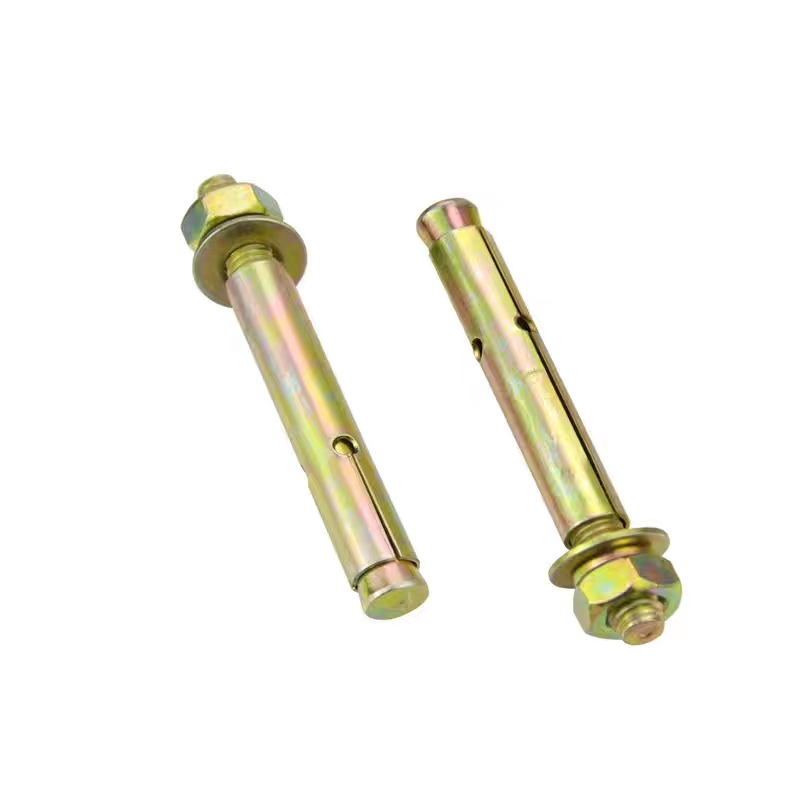
 Colored zinc-plated expansion bolts
 -
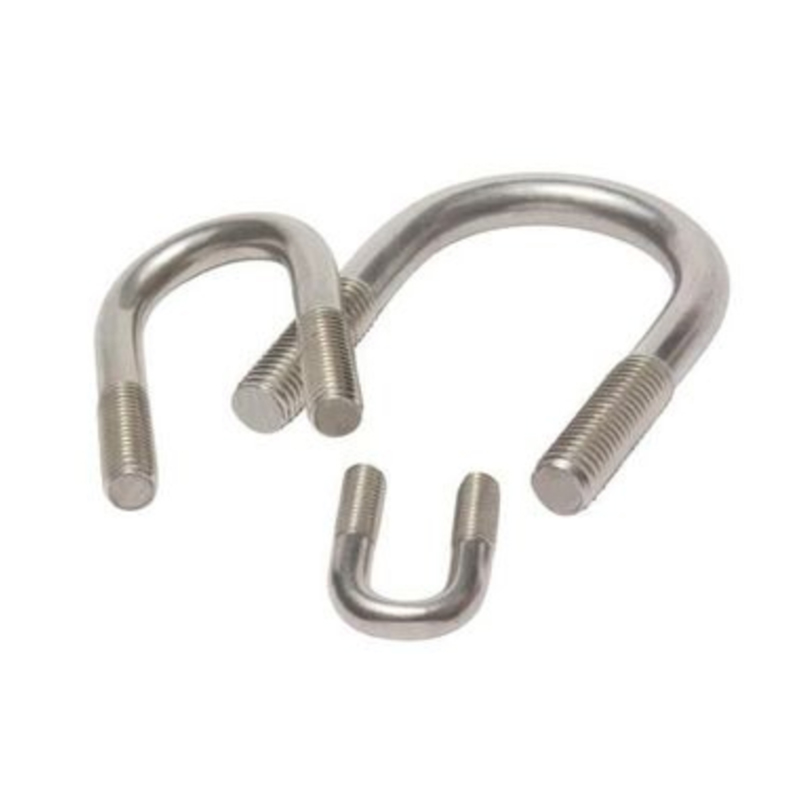
U-bolts
-
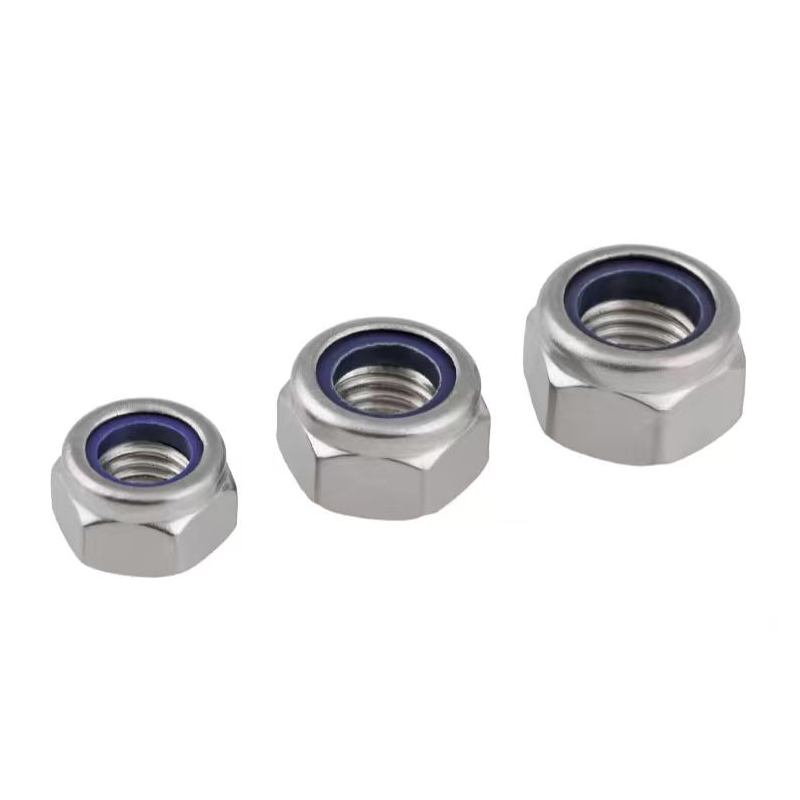
Anti-loosening nut (locking nut)
-
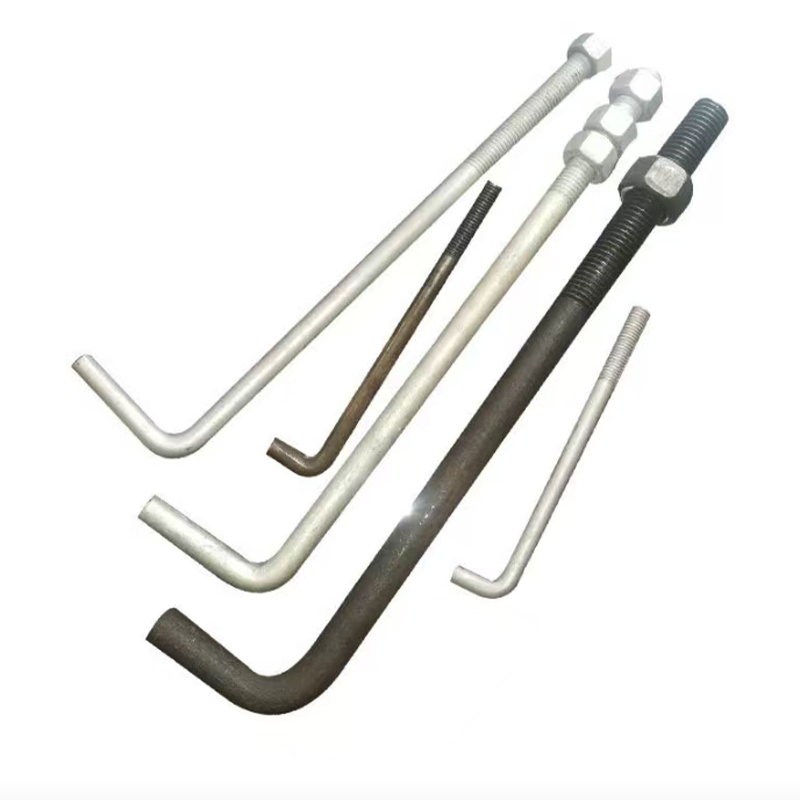
7-shaped anchors (7-shaped anchor bolts)
-
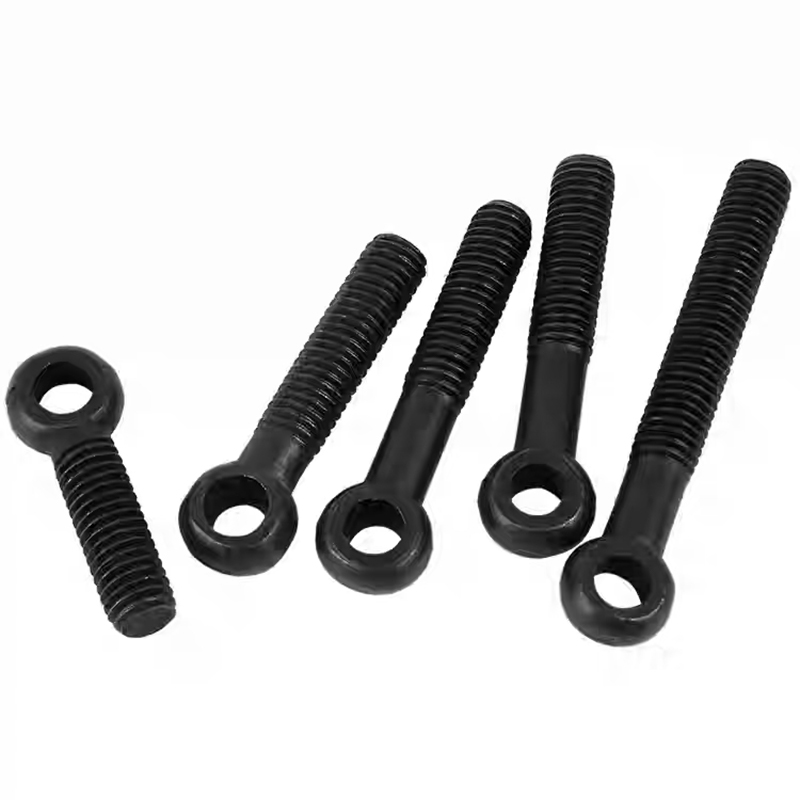
Black zinc plated hinge bolts
-
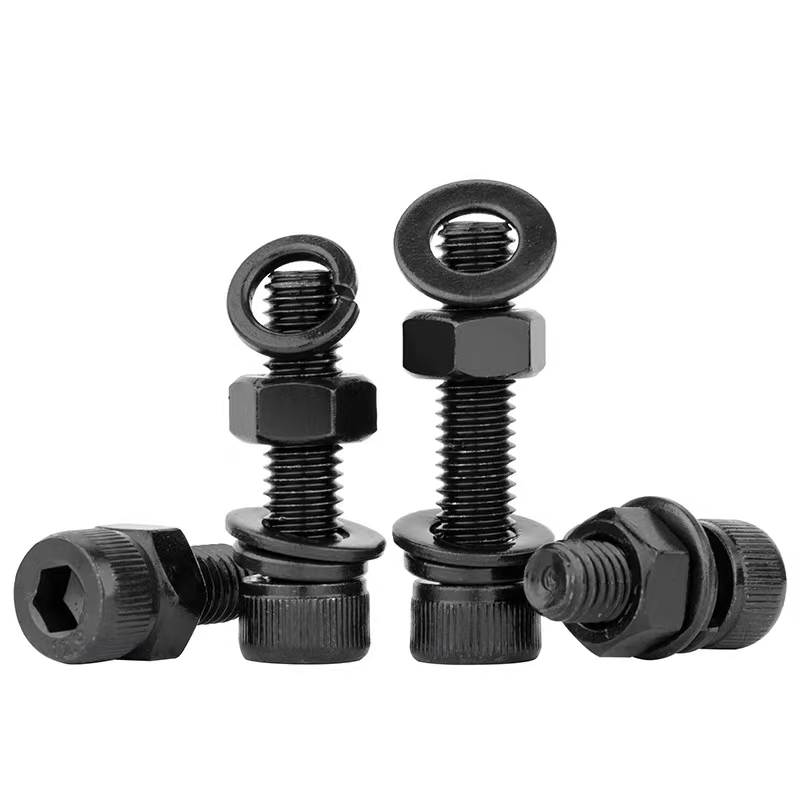
Hexagon socket black zinc-plated bolts
-
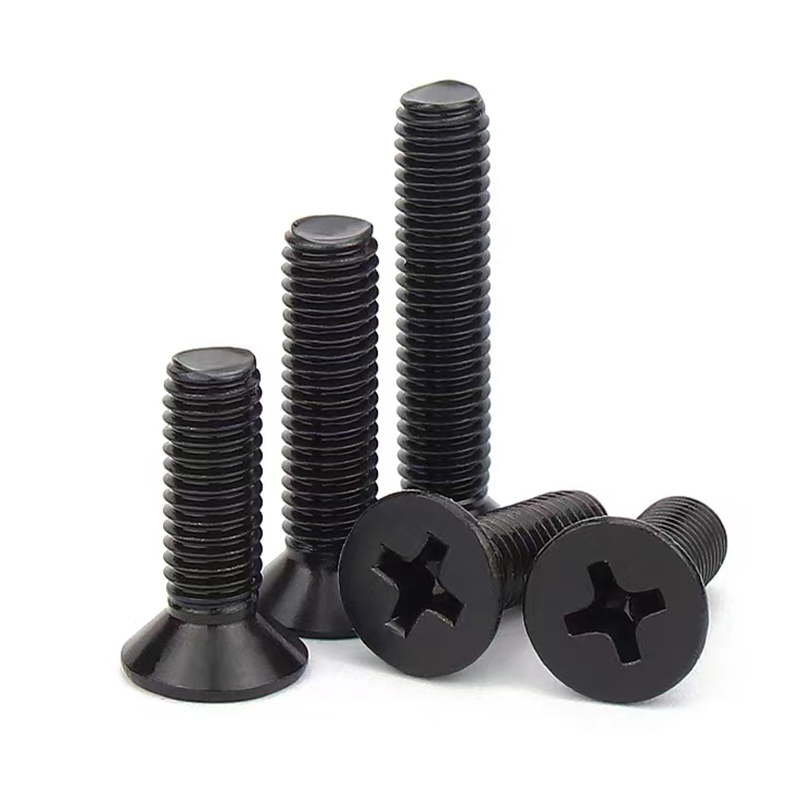
Black zinc plated countersunk cross bolts
-
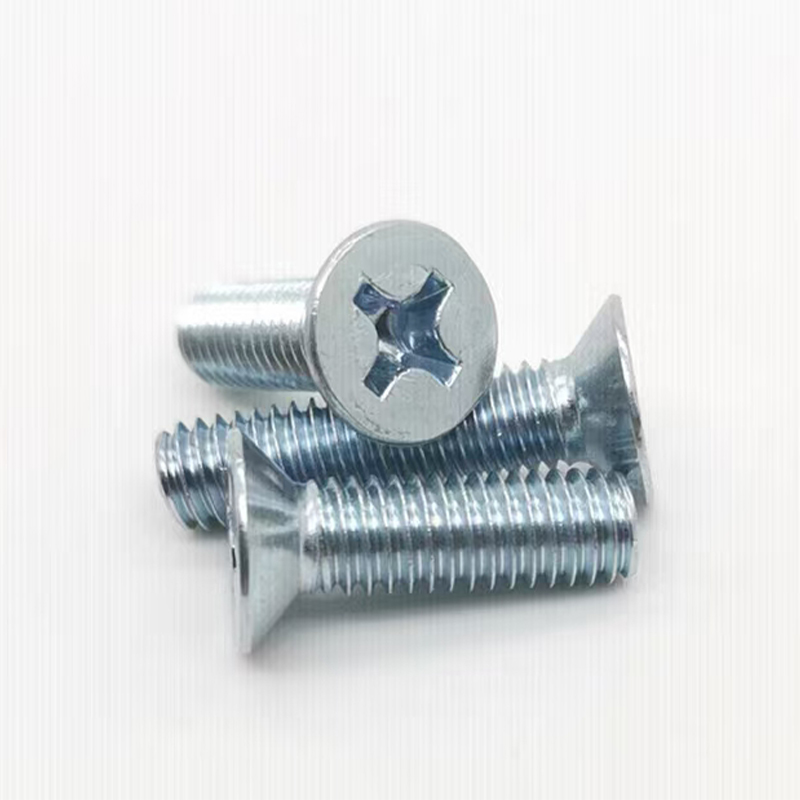
Electro-galvanized countersunk cross bolts
-
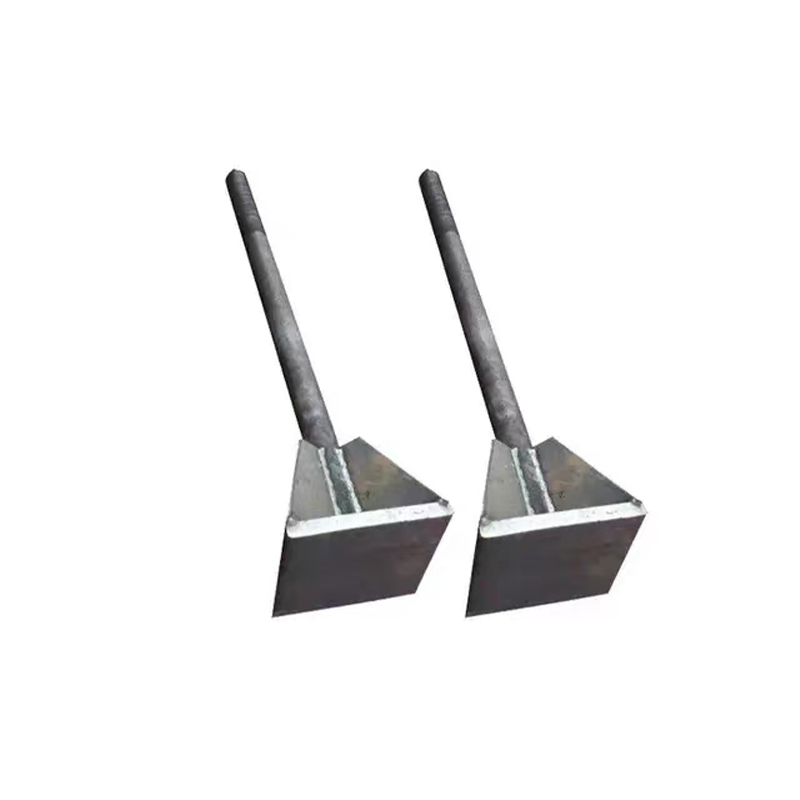
Welded plate anchor (welded plate anchor bolt)
-
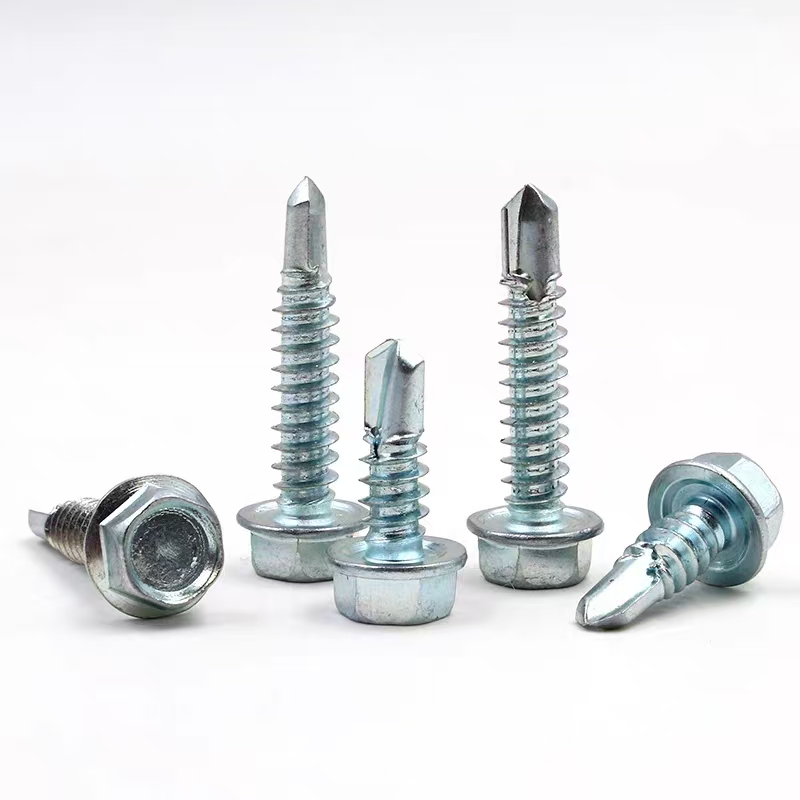
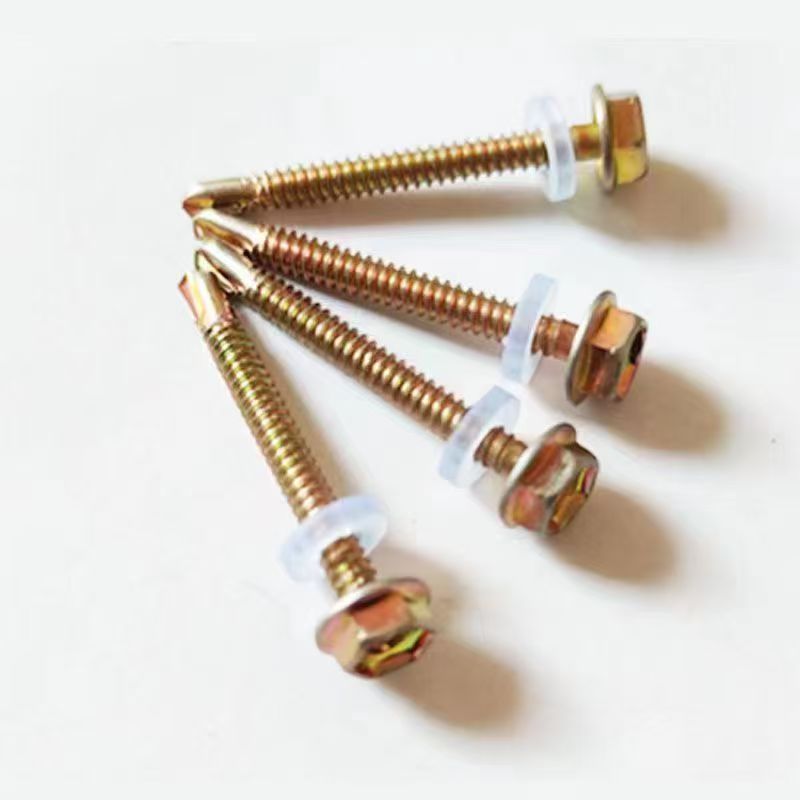
Electro-galvanized hexagonal drill thread
-
Hot-dip galvanized embedded plate
-
Electroplated galvanized flange nut (flange face nut)