- Chinese
- French
- German
- Portuguese
- Spanish
- Russian
- Japanese
- Korean
- Arabic
- Irish
- Greek
- Turkish
- Italian
- Danish
- Romanian
- Indonesian
- Czech
- Afrikaans
- Swedish
- Polish
- Basque
- Catalan
- Esperanto
- Hindi
- Lao
- Albanian
- Amharic
- Armenian
- Azerbaijani
- Belarusian
- Bengali
- Bosnian
- Bulgarian
- Cebuano
- Chichewa
- Corsican
- Croatian
- Dutch
- Estonian
- Filipino
- Finnish
- Frisian
- Galician
- Georgian
- Gujarati
- Haitian
- Hausa
- Hawaiian
- Hebrew
- Hmong
- Hungarian
- Icelandic
- Igbo
- Javanese
- Kannada
- Kazakh
- Khmer
- Kurdish
- Kyrgyz
- Latin
- Latvian
- Lithuanian
- Luxembou..
- Macedonian
- Malagasy
- Malay
- Malayalam
- Maltese
- Maori
- Marathi
- Mongolian
- Burmese
- Nepali
- Norwegian
- Pashto
- Persian
- Punjabi
- Serbian
- Sesotho
- Sinhala
- Slovak
- Slovenian
- Somali
- Samoan
- Scots Gaelic
- Shona
- Sindhi
- Sundanese
- Swahili
- Tajik
- Tamil
- Telugu
- Thai
- Ukrainian
- Urdu
- Uzbek
- Vietnamese
- Welsh
- Xhosa
- Yiddish
- Yoruba
- Zulu
- Kinyarwanda
- Tatar
- Oriya
- Turkmen
- Uyghur


Power Bolt
When you hear 'Power Bolt', it's easy to just think of a high-strength bolt. That's the common trap. In our line of work, it's not a generic term; it often refers to a specific category of fasteners designed for high preload and dynamic tension applications, like in heavy machinery or structural steel connections. The nuance is everything.
The Specs Behind the Strength
Not all high-tensile bolts are Power Bolts. The distinction usually lies in the manufacturing process and the material certification. We're talking about alloy steel, quenched and tempered, often meeting standards like ASTM A490 or ISO 898-1 Class 10.9 and above. The devil's in the details—the thread rolling after heat treatment to preserve strength, the controlled hardness profile to avoid brittleness.
I recall a project years back where the spec simply called for high-strength bolts. The contractor sourced a cheaper, imported batch labeled as 10.9. They failed during the torque-up phase. The fracture surface showed a classic case of hydrogen embrittlement—a telltale sign of poor plating control and likely subpar heat treatment. That was a costly lesson in why the pedigree of a Power Bolt matters. It's not just a test report; it's about consistent process control from the mill to the threading machine.
This is where geography and infrastructure quietly play a role. A manufacturer based in a concentrated industrial hub, like Yongnian in Hebei—known as China's fastener base—has tangible advantages. Proximity to raw material supply chains and a deep ecosystem of specialized heat-treatment and plating facilities means tighter control over these critical stages. It reduces the variables that can compromise a bolt's integrity.
Application Pitfalls and Field Realities
Even with the right bolt in hand, installation is where theories get tested. The classic mistake is underestimating the importance of surface condition and lubrication. A Power Bolt achieving its clamp force through torque-tension relationship is highly sensitive to the k-factor (the nut factor). I've seen engineers specify a dry, plain finish bolt but use the torque value for a lubricated one. The result? Either under-tension, leaving the joint loose, or worse, over-torquing and stretching the bolt beyond its yield point.
On a bridge retrofit job, we used a batch of large-diameter Power Bolts for splicing girders. The specs required a specific, certified anti-seize lubricant. Midway through, the crew ran out and used a generic moly paste from a local shop. The torque-tension correlation went out the window. We had to stop, back everything off, clean the threads meticulously, and re-apply the correct lubricant. Lost a full day, but the alternative was a joint of unknown preload. You can't inspect that once the structure is up.
Another subtle point is the fit of the nut. For these high-clamp force applications, a regular hex nut won't cut it. You need a matched, heavy hex nut, often with a different grade marking, to ensure the threads distribute the load properly and the nut doesn't deform before the bolt reaches proof load. It's a matched set, not a mix-and-match game.
Sourcing and the Supply Chain Question
Where you get these components is as critical as how you use them. The market is flooded with claims. Over the years, we've developed a shortlist of suppliers who understand the engineering behind the product, not just the commerce. One that comes to mind is Handan Zitai Fastener Manufacturing Co., Ltd.. Their location in Yongnian District isn't just an address; it's being at the heart of the supply network. When you need a non-standard length or a special coating validation, being embedded in that production base means faster turnaround and more direct oversight.
I visited their facility once, primarily to audit their process for a critical power generation project. What stood out wasn't just the machinery, but the in-process inspection points. They had SPC charts for dimensional checks on the hot-forging line and a rigorous batch-tracking system from raw material to pallet. For a Power Bolt, traceability isn't a luxury; it's a necessity. If a failure occurs, you need to know the melt lot of the steel, the heat-treat batch, everything. A company's ability to provide that, readily, speaks volumes.
Their website, https://www.zitaifasteners.com, is straightforward—catalog, specs, contact info. No fluff. In this industry, that's often a good sign. It suggests the focus is on the production floor and technical data sheets, not just marketing. The logistical advantage they note—being adjacent to major rail and highway routes—might seem like boilerplate, but for just-in-time delivery to a port or a major construction site, it makes a real difference in cost and reliability.
When Good Enough Isn't: Failure Analysis
We learn more from failures than successes. I was involved in a post-mortem for a conveyor system bolt failure. The bolts were specified as high-strength and sourced from a low-cost vendor. They sheared after about 300 hours of operation. Metallurgical analysis showed a significant variance in carbon content across the bolt cross-section and non-metallic inclusions—indicative of poor-quality steel and inconsistent forging.
A true Power Bolt from a reputable manufacturer would have used vacuum-degassed steel and a controlled forging process to ensure homogeneity. This incident wasn't about a design miscalculation; it was a material and manufacturing defect that slipped through because someone valued initial cost over total cost of ownership. The downtime and replacement cost dwarfed the savings on the fastener purchase.
This is why, for critical applications, we now insist on mill certificates and often third-party testing on random samples from the shipment batch. It adds time and cost upfront but is the only way to de-risk the project. A supplier's willingness to support this level of scrutiny, like providing material certs that align with the shipped batch numbers, is a key differentiator.
Looking Ahead: The Evolving Demands
The definition of power in fastening is evolving. It's not just about static strength anymore. In renewable energy, for instance, bolts for wind turbine flange connections face extreme cyclic loading and environmental stress corrosion cracking (SCC). The next generation of Power Bolts needs to address fatigue life and SCC resistance, which might involve new steel alloys, different plating like Dacromet instead of zinc, or even polymer coatings.
I'm seeing more RFQs now that specify not just a grade, but a required fatigue life (e.g., tested to 2 million cycles at a given stress amplitude) and a certified coating system. This pushes manufacturers to integrate more advanced testing, like ultrasonic fatigue testing, into their QA. It's a shift from commodity to engineered component.
Suppliers entrenched in the production base, like those in Yongnian, are positioned to adapt if they invest in the right R&D. It's about moving up the value chain. The basic Power Bolt will always have a market, but the premium, application-specific solutions are where the field is heading. The conversation is moving from what's the price per piece to what's the guaranteed performance over the service life. That's a much more interesting, and challenging, question to answer.
Related products
Related products
Best selling products
Best selling products-
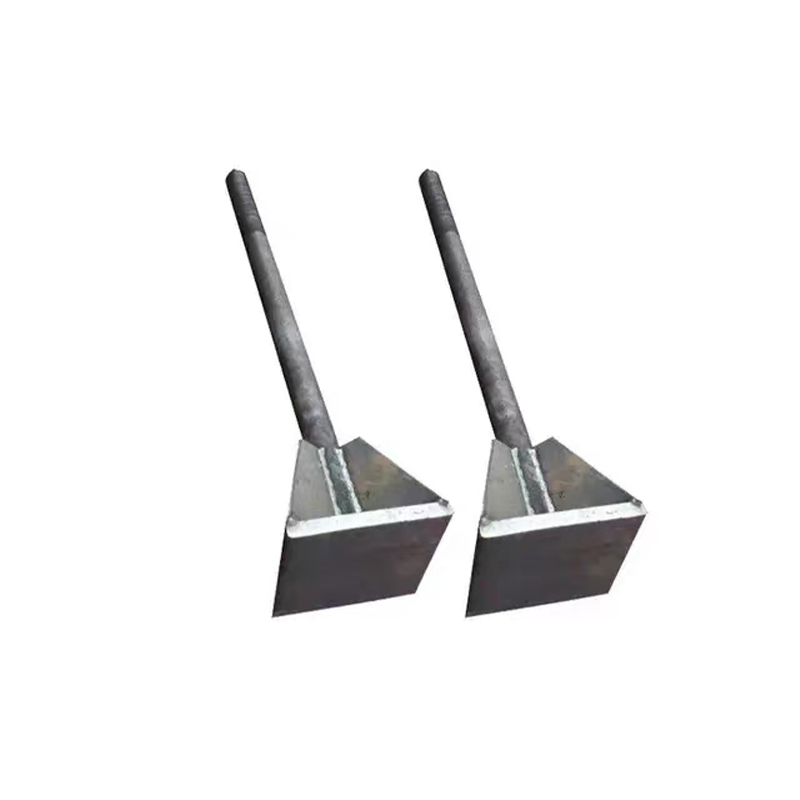
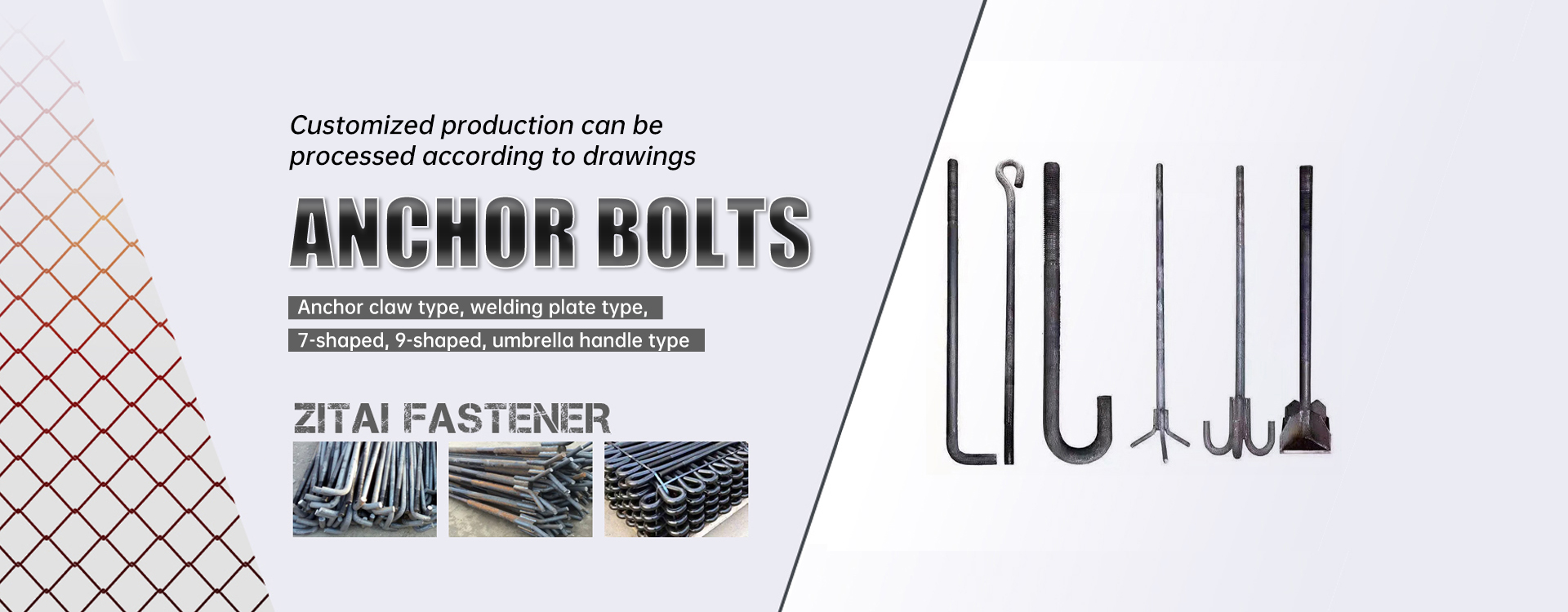
 Welded plate anchor (welded plate anchor bolt)
 -
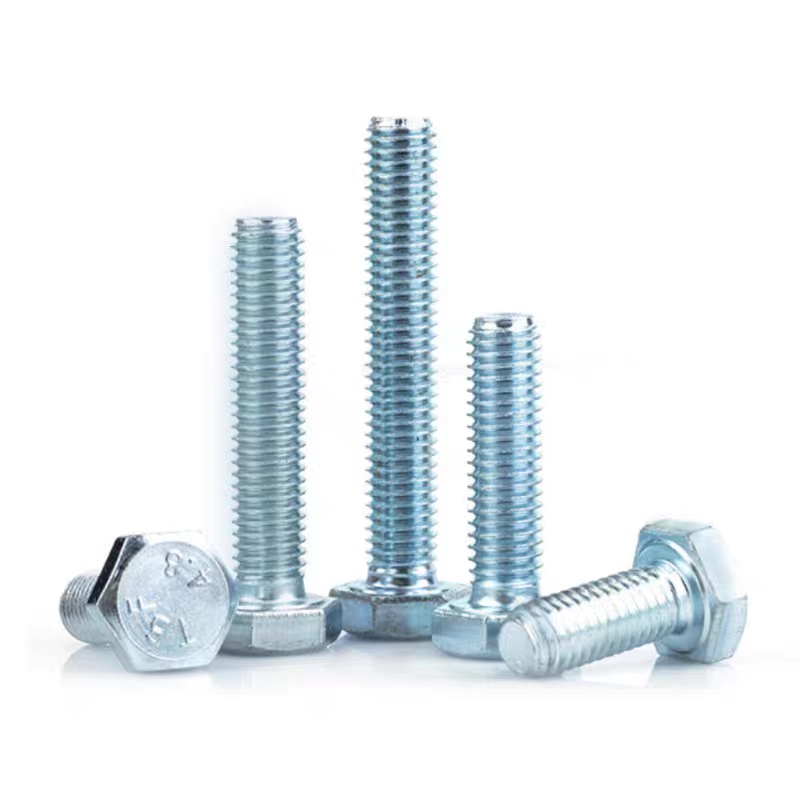
Electrogalvanized hexagonal bolts
-
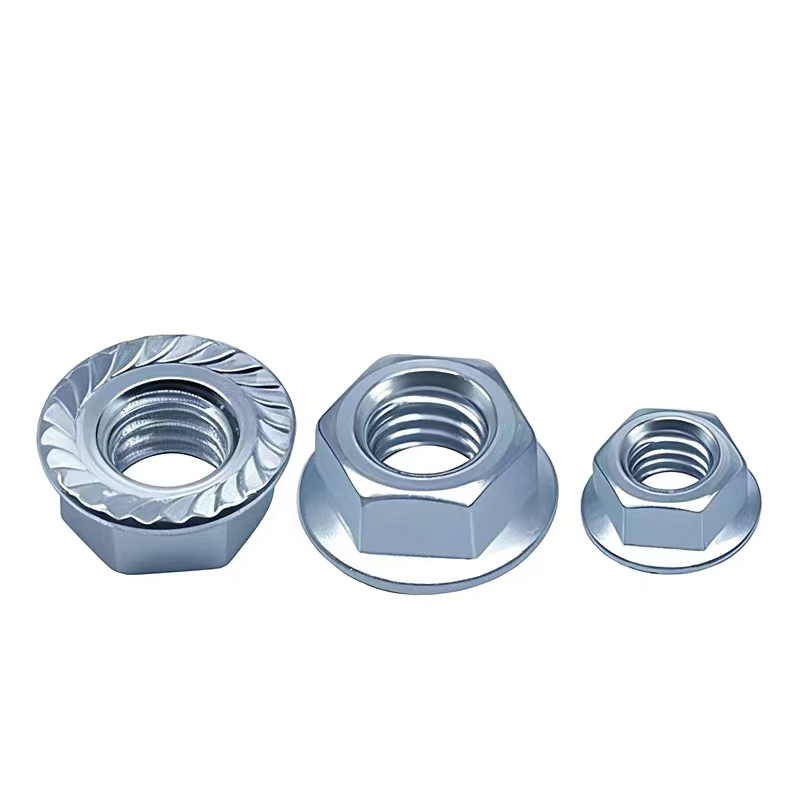
Electroplated galvanized flange nut (flange face nut)
-
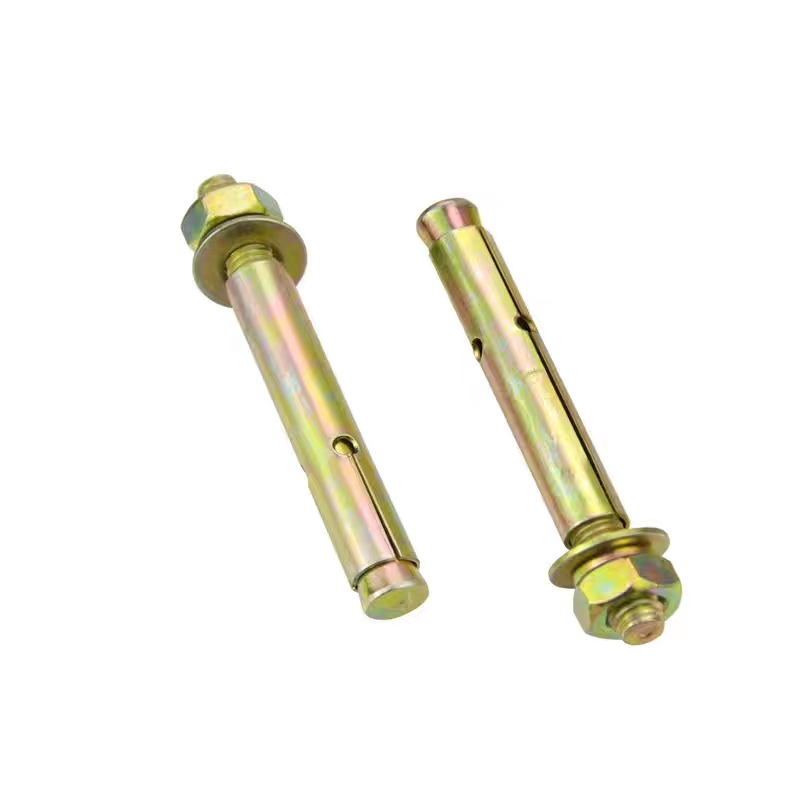
Colored zinc-plated expansion bolts
-
Colored galvanized hexagonal drill tail wire
-
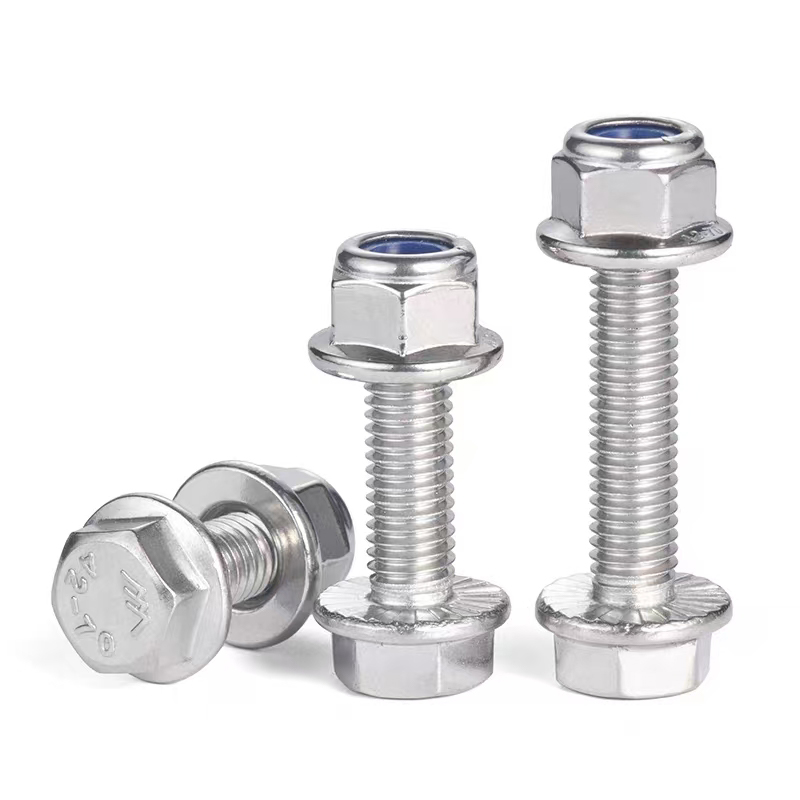
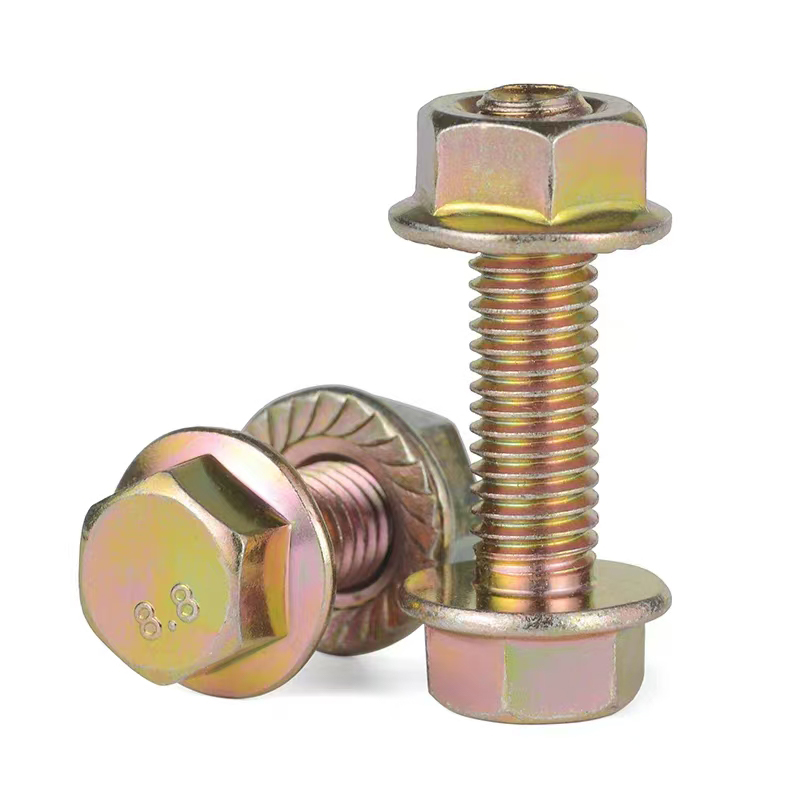
Electroplated zinc flange bolts
-
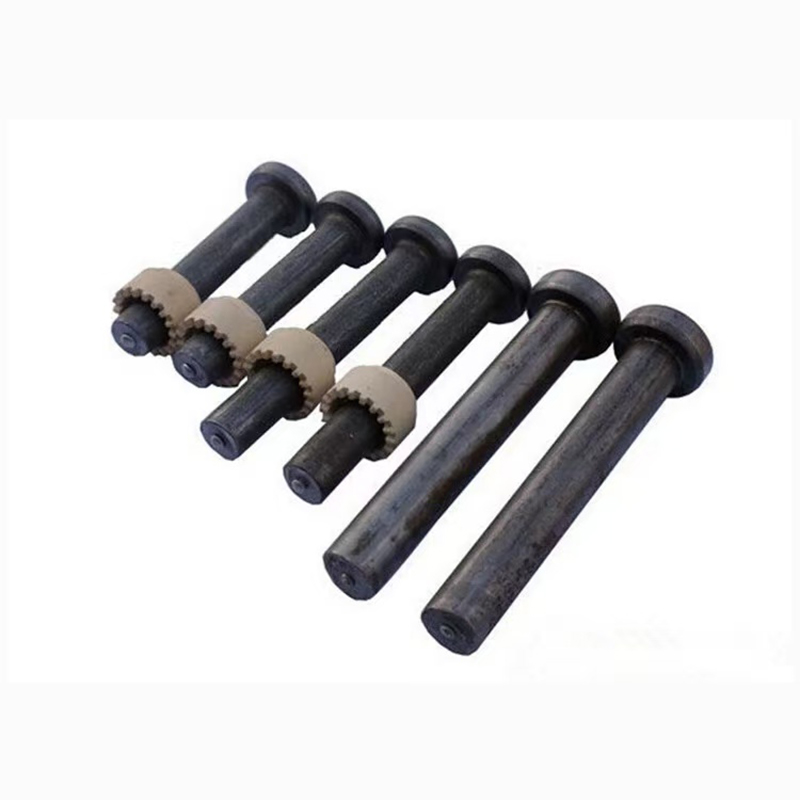
Welding nails
-
Umbrella handle anchor (J-type anchor bolt/umbrella handle embedded bolt)
-
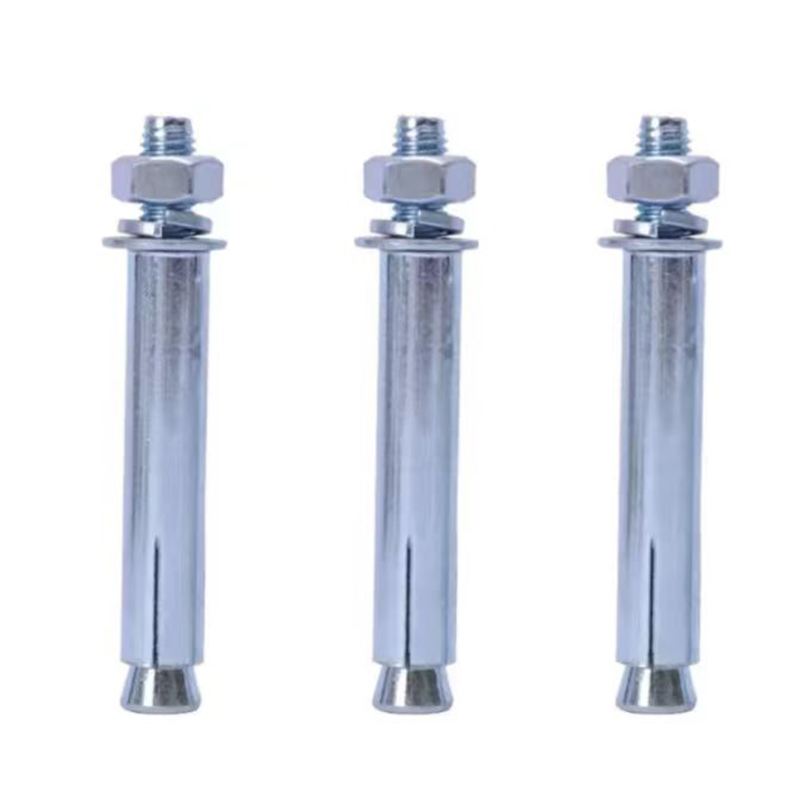
Electrogalvanized expansion bolts
-
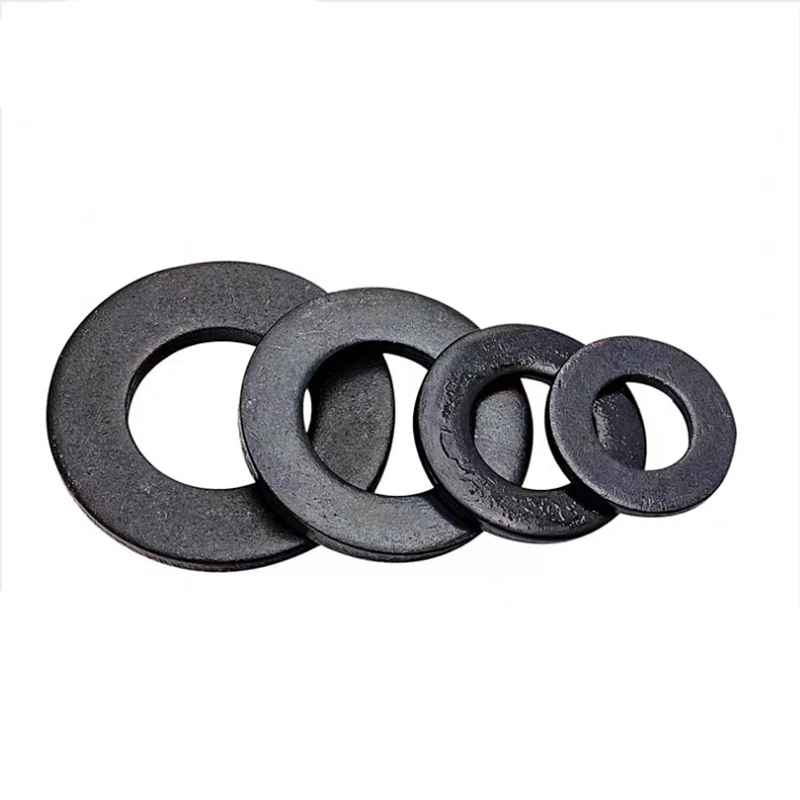
High-strength blackened gasket
-
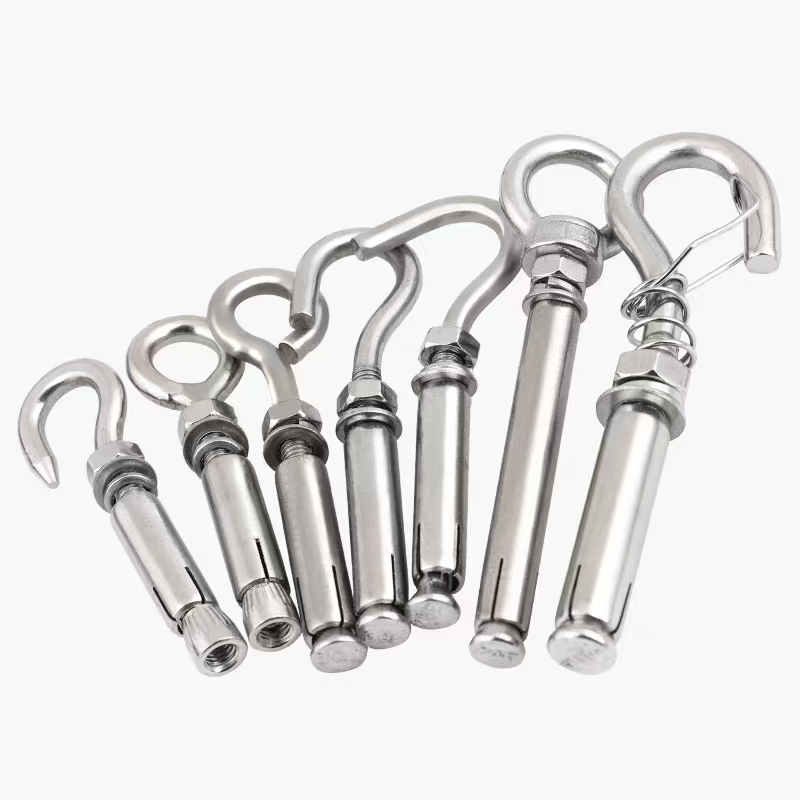
Electro-galvanized expansion hook
-
Basket bolts