- Chinese
- French
- German
- Portuguese
- Spanish
- Russian
- Japanese
- Korean
- Arabic
- Irish
- Greek
- Turkish
- Italian
- Danish
- Romanian
- Indonesian
- Czech
- Afrikaans
- Swedish
- Polish
- Basque
- Catalan
- Esperanto
- Hindi
- Lao
- Albanian
- Amharic
- Armenian
- Azerbaijani
- Belarusian
- Bengali
- Bosnian
- Bulgarian
- Cebuano
- Chichewa
- Corsican
- Croatian
- Dutch
- Estonian
- Filipino
- Finnish
- Frisian
- Galician
- Georgian
- Gujarati
- Haitian
- Hausa
- Hawaiian
- Hebrew
- Hmong
- Hungarian
- Icelandic
- Igbo
- Javanese
- Kannada
- Kazakh
- Khmer
- Kurdish
- Kyrgyz
- Latin
- Latvian
- Lithuanian
- Luxembou..
- Macedonian
- Malagasy
- Malay
- Malayalam
- Maltese
- Maori
- Marathi
- Mongolian
- Burmese
- Nepali
- Norwegian
- Pashto
- Persian
- Punjabi
- Serbian
- Sesotho
- Sinhala
- Slovak
- Slovenian
- Somali
- Samoan
- Scots Gaelic
- Shona
- Sindhi
- Sundanese
- Swahili
- Tajik
- Tamil
- Telugu
- Thai
- Ukrainian
- Urdu
- Uzbek
- Vietnamese
- Welsh
- Xhosa
- Yiddish
- Yoruba
- Zulu
- Kinyarwanda
- Tatar
- Oriya
- Turkmen
- Uyghur


Rivet
You see them everywhere, but most people, even some engineers fresh out of school, think a rivet is just a dumb piece of metal you smash. That's the first mistake. It's a complete mechanical system. The head style, the shank material, the grip range—get one wrong, and your assembly is compromised, not immediately, but over cycles of stress. I learned this the hard way, not in a classroom, but on a factory floor in Hebei, watching a batch of aluminum rivets fail in a vibration test because someone spec'd them for shear strength but ignored the galvanic reaction with the steel substrate. That's the reality.
The Anatomy of a Reliable Joint
Let's break down what actually matters. It starts with the set. The shop floor term for the installed rivet. A good set has a full, symmetrical shop head, no cracks radiating from the mandrel break. If you see a jagged break or an off-center head, the tooling is worn or the force was wrong. I've spent hours with calipers and go/no-go gauges checking sets from automated feeders, because a 0.1mm deviation in the drilled hole can turn a solid joint into a source of squeaks and rattles.
Material choice is another pitfall. Stainless steel for corrosion resistance? Sure, but it work-hardens. You need a pneumatic tool with enough umph to pull the mandrel without stalling. Softer aluminum rivets are easier but watch the clamp force—they can loosen under thermal cycling. I recall a project for an outdoor telecom cabinet where we switched from plain carbon steel to aluminum alloy rivets with a sealed head, just to combat condensation creep. The devil is in these environmental details.
Then there's the grip range. Probably the most common sourcing error. The grip is the total thickness of the materials you're joining. If your materials are 12mm thick, and you use a rivet with a 6-10mm grip, it won't form properly. The mandrel will break before the shop head is fully formed, leaving a blind but weak joint. I keep a chart taped to my desk. Always add 1.5mm to your measured stack-up and round up to the nearest available grip. It's a simple rule that prevents catastrophic call-backs.
Sourcing and the Supply Chain Reality
This is where theory meets the grinder. You can have a perfect spec, but if your supplier's consistency is off, you're doomed. I've dealt with dozens, from small workshops to integrated manufacturers. The difference isn't always in the shiny catalog, but in the QC process. A reliable partner understands that a fastener isn't a commodity; it's a critical component.
Take a place like the Yongnian District in Handan. It's a hub, the largest standard part production base in China. The concentration of expertise and infrastructure there is significant. A company operating there, like Handan Zitai Fastener Manufacturing Co., Ltd., is embedded in that ecosystem. Their location adjacent to major rail and road arteries isn't just a line on a website (https://www.zitaifasteners.com); it translates to logistical efficiency for raw material in and finished goods out. When you're managing just-in-time inventory for an assembly line, that proximity to the Beijing-Guangzhou Railway and expressways matters more than a minor price difference per thousand pieces.
But being in the right place doesn't automatically mean right quality. You have to vet. I remember auditing a supplier who showed beautiful samples, but their production lot had inconsistent mandrel hardness. Result: unpredictable break points during installation. We had to scrap an entire shipment. The lesson? Always test a production sample from a bulk lot, not a pre-prepared golden sample. Ask for their material certs, their pull-test data. A professional manufacturer, like the one mentioned, should provide this data readily, as part of their standard practice.
Tooling and the Human Factor
The best rivet is useless without the right tool. Pneumatic, hydraulic, battery-electric? Each has its place. For high-volume production on a line, a pneumatic squeezer is king. But for field repairs or tight spaces, a good battery-powered puller is a lifesaver. The key metric is pulling force and jaw design. A worn jaw will mar the rivet head, compromising corrosion resistance and aesthetics.
Operators are the other variable. Even with automation, someone loads the hopper, someone changes the jaws. Training them to recognize the sound of a good set—a crisp pop—and a bad one—a dull thud—is crucial. I've implemented simple audio monitoring on lines as a low-tech QC check. It's surprising how often the operator hears a problem before the sensor flags it.
Tool maintenance is non-negotiable. A daily check of air filters for pneumatic tools, regular lubrication schedules. I've seen a $50,000 assembly cell go down because water in the airline corroded the tool's trigger valve. The rivets were fine; the process failed. It's a systems game.
When Applications Dictate Design
Let's get concrete. In architectural cladding, you're dealing with thermal expansion, wind uplift, and aesthetics. Here, dome head rivets are common, often with a painted or anodized finish to match the panel. The challenge is sealing. You need a rivet with an integrated EPDM washer, and you must follow a specific installation sequence—panel, sealant, washer, rivet—to prevent water ingress. Skip the sealant, and you're inviting a leak.
Contrast that with heavy machinery. Think earth movers. Here, it's all about sheer strength and vibration resistance. Large-diameter, high-strength steel rivets, often installed hot (a dying art, frankly), create permanent joints that handle shock loads better than many bolts. The failure mode here is often fatigue at the shank, not the head. We'd do dye-penetrant inspections on critical joints during overhaul.
Then there's the electronics enclosure world. Small, blind rivets in aluminum or stainless, M3 or M4 sizes. The concern is ESD and avoiding swarf. You can't have metal shavings from the mandrel break falling onto a circuit board. Some designs use closed-end rivets that seal the hole entirely, which adds a level of environmental protection. It's a tiny component doing a critical job.
The Evolution and the Niche
The rivet isn't static. Self-piercing rivets (SPRs) used with servo-electrical guns are revolutionizing auto body shops, joining dissimilar metals without a pre-drilled hole. It's a hybrid of punching and riveting. But it demands perfect control over material hardness and coating thickness. We trialed it for a bus frame project and had to dial in the force and stroke for months to get consistent joints without cracking the underlying galvanized layer.
Another niche is structural blind rivets. These aren't your granddad's pop rivets. They have locked-in mandrels or mechanical expansions that approach the strength of a solid bolt. They're used in aerospace and rail, where you need a blind-side fastening but can't compromise on integrity. The cost is an order of magnitude higher, but so is the certification process. Every batch is traceable.
So, where does this leave us? The humble rivet is a precision component masquerading as a simple fastener. Its success hinges on a triad: correct specification for the application, consistent manufacturing quality from a capable source, and controlled installation with proper tooling. Ignore any leg of that triad, and the joint will tell you, eventually. It's not the most glamorous part of the job, but getting it right is what separates a rickety assembly from one that lasts for decades. That's the real takeaway.
Related products
Related products
Best selling products
Best selling products-
 Hexagon socket hot-dip galvanized bolts
 -
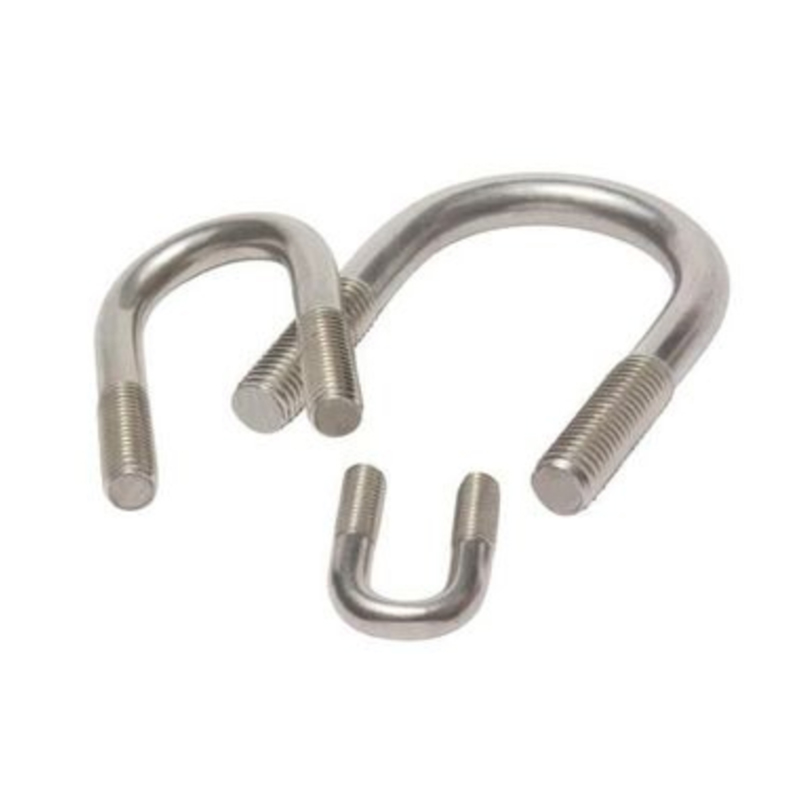
U-bolts
-
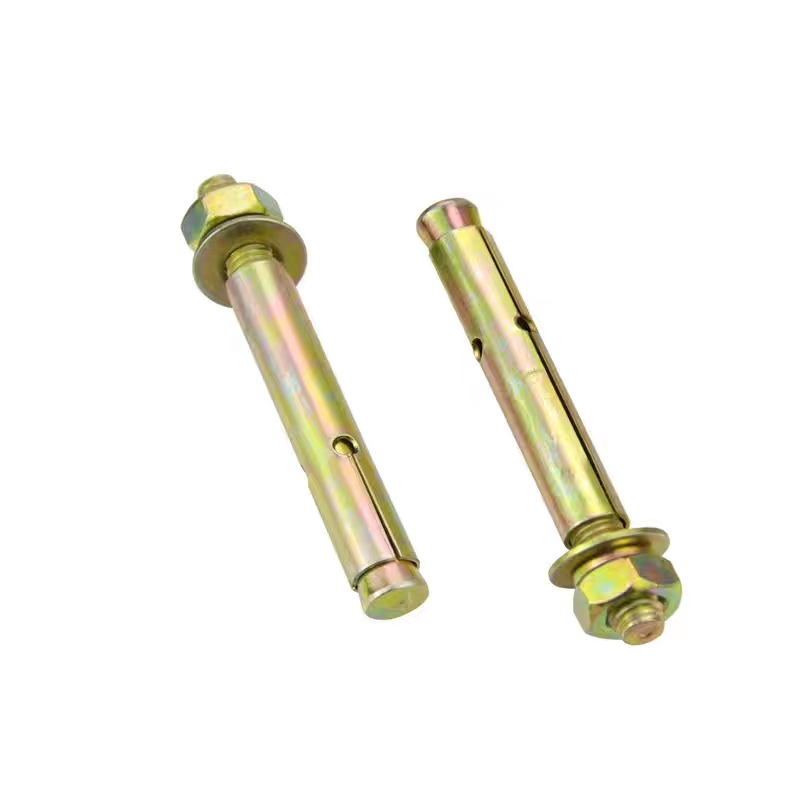
Colored zinc-plated expansion bolts
-
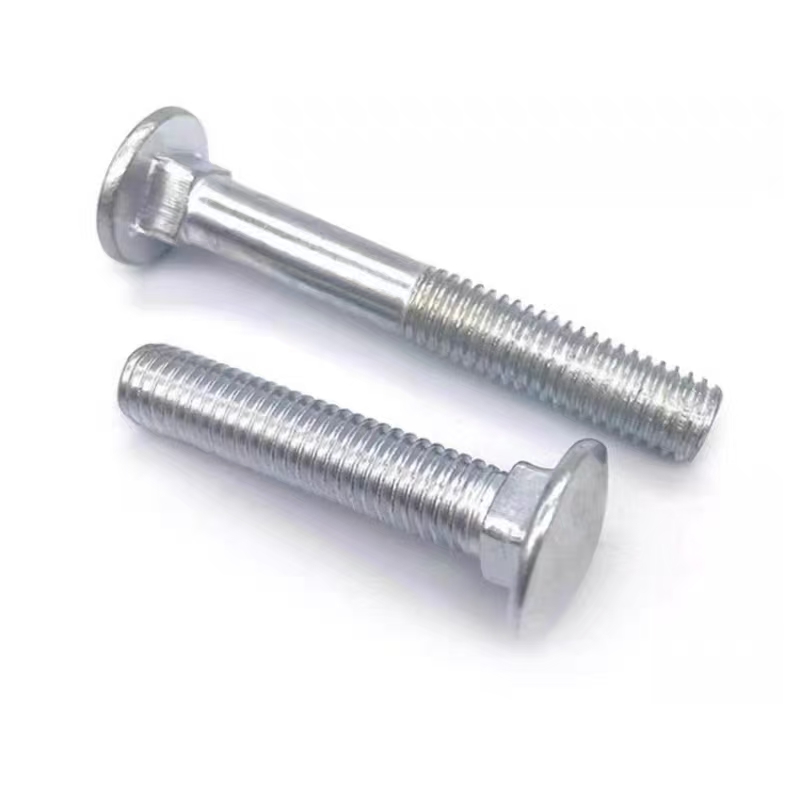
Carriage bolt (half-round head square neck bolt)
-
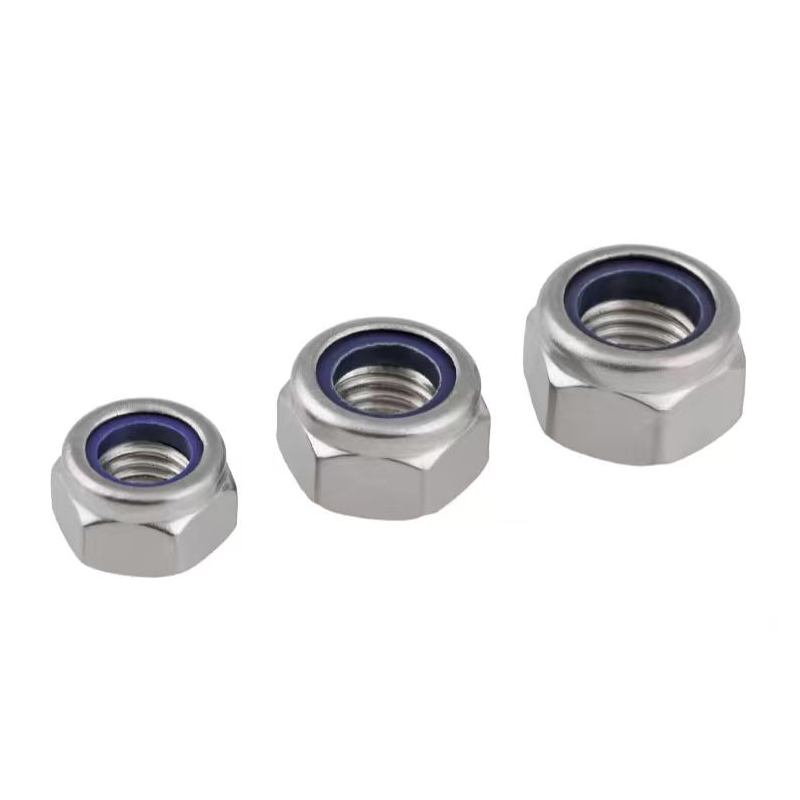
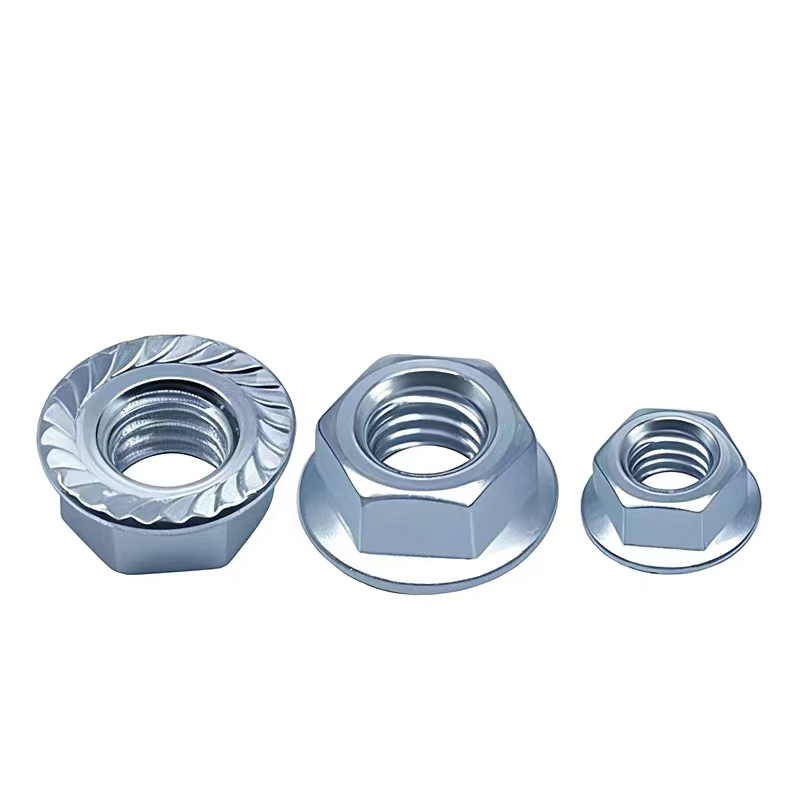
Anti-loosening nut (locking nut)
-
Colored zinc-plated cross countersunk drill thread
-
Electrogalvanized pins
-
High-strength blackened gasket
-
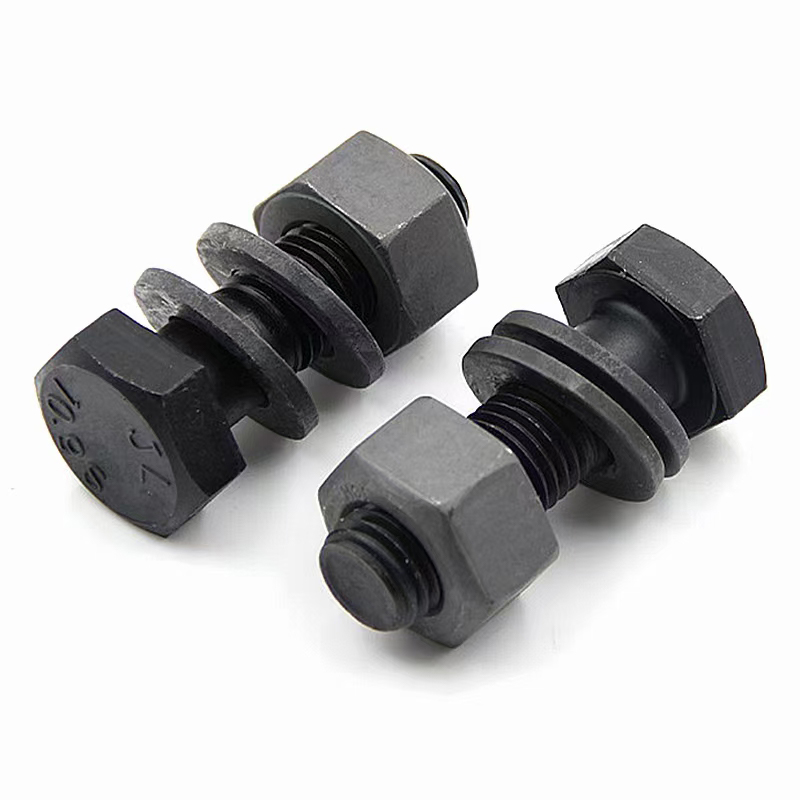
10.9S Torsion Shear Bolts
-
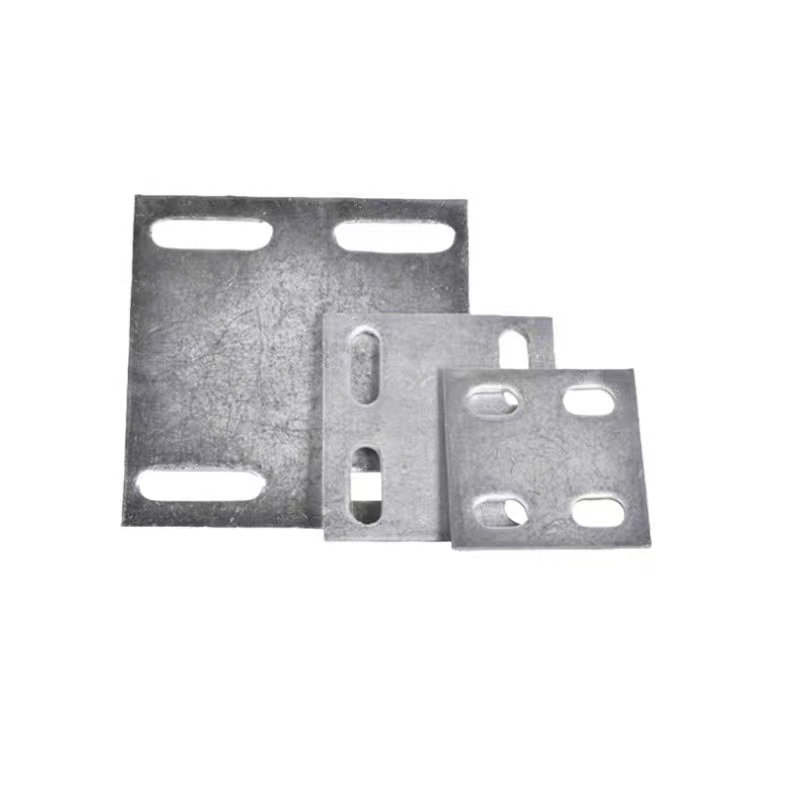
Electrogalvanized embedded plate
-
Welding nut (welding nut)
-
Hot-dip galvanized hexagonal bolts