- Chinese
- French
- German
- Portuguese
- Spanish
- Russian
- Japanese
- Korean
- Arabic
- Irish
- Greek
- Turkish
- Italian
- Danish
- Romanian
- Indonesian
- Czech
- Afrikaans
- Swedish
- Polish
- Basque
- Catalan
- Esperanto
- Hindi
- Lao
- Albanian
- Amharic
- Armenian
- Azerbaijani
- Belarusian
- Bengali
- Bosnian
- Bulgarian
- Cebuano
- Chichewa
- Corsican
- Croatian
- Dutch
- Estonian
- Filipino
- Finnish
- Frisian
- Galician
- Georgian
- Gujarati
- Haitian
- Hausa
- Hawaiian
- Hebrew
- Hmong
- Hungarian
- Icelandic
- Igbo
- Javanese
- Kannada
- Kazakh
- Khmer
- Kurdish
- Kyrgyz
- Latin
- Latvian
- Lithuanian
- Luxembou..
- Macedonian
- Malagasy
- Malay
- Malayalam
- Maltese
- Maori
- Marathi
- Mongolian
- Burmese
- Nepali
- Norwegian
- Pashto
- Persian
- Punjabi
- Serbian
- Sesotho
- Sinhala
- Slovak
- Slovenian
- Somali
- Samoan
- Scots Gaelic
- Shona
- Sindhi
- Sundanese
- Swahili
- Tajik
- Tamil
- Telugu
- Thai
- Ukrainian
- Urdu
- Uzbek
- Vietnamese
- Welsh
- Xhosa
- Yiddish
- Yoruba
- Zulu
- Kinyarwanda
- Tatar
- Oriya
- Turkmen
- Uyghur


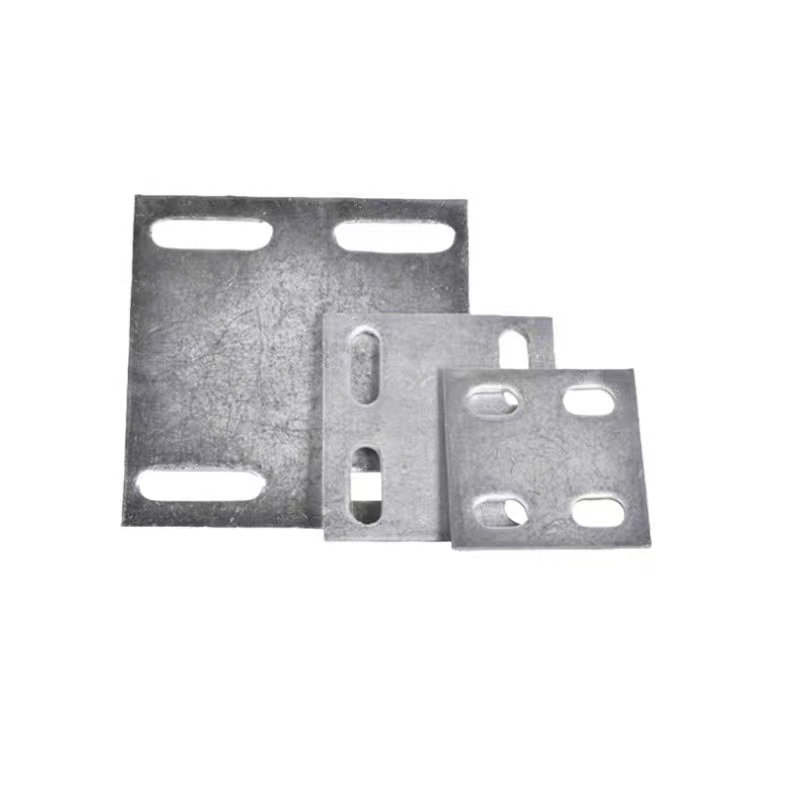
Square steel plate
You look at a square steel plate on a drawing, and it seems straightforward: length, width, thickness, material grade. But that's where the first misconception sits. In fabrication, the flatness and internal stress matter as much as the chemistry. I've seen too many projects where the plate was to spec on paper, but warped like a potato chip after the first welding pass, costing weeks in rework. It's never just a piece of metal; it's a behavioral entity.
The Reality of Material Sourcing and Mill Edge
Ordering plates, especially for structural nodes or machine bases, you quickly learn not to trust the catalog blindly. The mill edge condition is a classic pitfall. A supplier promises ASTM A36 square steel plate, and you get it with sheared edges that are work-hardened and sometimes micro-cracked. If your design calls for welding right to the edge, you're introducing a potential failure point. We learned this the hard way on a conveyor support frame job years back. The cracks weren't visible until dye penetrant testing after fabrication. The fix? Grinding back 3mm from all sheared edges, which threw off all the pre-cut dimensions. Now, we always specify milled edges or universal mill plate for critical load-bearing applications, even if it adds cost. It's a non-negotiable.
Then there's the sourcing geography. Hebei Province in China, particularly the Yongnian area, is a colossal hub for steel and fasteners. The concentration of mills and processors there creates a unique ecosystem. For bulk orders of standard-grade plates, the logistics chain from that region can be incredibly efficient. A company like Handan Zitai Fastener Manufacturing Co., Ltd., operating from that major production base, understands this material flow intrinsically. Their proximity to key transport routes like the Beijing-Guangzhou Railway and National Highway 107 isn't just a line in a company profile (https://www.zitaifasteners.com); it translates to tangible lead-time advantages for raw material intake, which matters when you're coordinating a just-in-time fabrication schedule.
Material certification is another layer. A reputable mill certificate (MTC) is your bible. But you have to read it. We once received plates where the MTC's heat number didn't match the stencil on the plate itself. A red flag. It turned out to be a mix-up at the distributor's yard, but it halted the job for two days. Now, the first thing we do when a truck arrives is cross-check the physical plate markings against the paperwork before it even gets unloaded. It sounds basic, but in a rush, these steps get skipped.
Fabrication Nuances: Cutting, Drilling, and the Heat Input Problem
Cutting a square steel plate seems simple: plasma, laser, or waterjet. But the thickness dictates everything. For anything over 20mm, laser can lose efficiency, and plasma leaves a significant heat-affected zone (HAZ) and a beveled edge. We default to waterjet for thick plates requiring precise, stress-free cuts, especially for CNC-machined parts later. The kerf tolerance is tighter, and there's zero thermal distortion. The downside is speed and cost. It's a constant trade-off analysis per part.
Drilling patterns are where theory meets the workshop floor. A drawing shows a neat grid of holes on a 50mm thick square steel plate. In reality, drilling deep, small-diameter holes becomes a challenge with walk-off and chip evacuation. We shifted to using CNC milling for critical hole patterns, using a spot drill first for precision. For bolt-down base plates, we often specify punched holes if the grade allows, which is faster, but you must account for the slight deformation around the hole. Sometimes, we'll even order plates with the holes pre-punched by the processor if the volume justifies it—again, tapping into that integrated supply chain in regions like Yongnian can make such value-added services more viable.
The biggest headache is managing distortion during welding. A plate, no matter how thick, wants to move. Clamping it to a massive welding table is step one. But the sequence is everything. We use a staggered, skip-weld technique for attaching stiffeners to a plate. One time, trying to save time, a crew welded one stiffener fully in one continuous run. The plate pulled up nearly 15mm at the corner. The correction involved flame straightening, which is an art in itself—applying controlled heat with a torch to induce counter-stress. It worked, but it added a full day of skilled labor. The lesson was etched in: control the heat input, control the sequence.
Surface and Finish: What Clean Really Means
Specifying shot blasted or pickled and oiled is common. But the end use dictates the standard. For a plate that will be embedded in concrete or primed and painted, a commercial blast (SA 2) is fine. For a surface that will have a bearing rail mounted to it, you might need a near-white metal blast (SA 2.5) to ensure paint adhesion and prevent contamination under the epoxy grout. We had a case where a machine bed plate corroded under the paint because the blast profile was too shallow and salt contamination wasn't fully removed before priming. The entire plate had to be re-blasted off-site, a logistical nightmare.
Sometimes, you don't want any finish at all. For plates destined for hot-dip galvanizing, you want the mill scale intact. The acid bath in the galvanizing process will remove it. If you blast it first, you're wasting money. It's these process interdependencies that separate a generic piece of steel from a correctly prepared component. It's about seeing the plate not as a final product, but as a state in a longer transformation chain.
Even the storage of raw plates matters. Storing them flat on a level, dry rack is ideal. Leaning them against a wall can induce a permanent set over time, especially with thinner plates. We once had to reject a batch of 10mm plates that had been stored improperly at the supplier's yard; they had a visible curvature before we even started. The supplier argued the flatness tolerance, but for our application—a large, flush-mounted panel—it was unacceptable. Now it's in the PO: Plates must be stored flat and delivered on a flatbed with adequate support.
The Fit with Fastener Ecosystems
This is where the connection to a company like Zitai becomes practical. A square steel plate is rarely an island. It's drilled, tapped, or has weld studs attached. It becomes part of a fastened system. The consistency of the plate's dimensions directly impacts fastener performance. If a plate's thickness varies beyond tolerance, a pre-determined bolt length might not engage enough threads. If the hole is misaligned or has a rough edge from thermal cutting, it can gall the bolt threads or create a poor bearing surface.
Working with integrated manufacturers who handle both the plate profiling and the fastener supply simplifies quality control. If there's an issue with hole alignment for a bolted connection, the responsibility isn't split between a steel processor and a separate fastener vendor. It's one point of contact. For a fabricator, that's valuable. The description of Handan Zitai Fastener Manufacturing being in the largest standard part production base suggests they're embedded in that full-scope environment, where the plate steel and the fasteners that go into it are part of the same conversation.
In practice, we often order pre-cut plates with drilled holes from such suppliers for standard assemblies. They'll use the same nesting software to optimize material yield from a master coil or plate, which we can't do efficiently for small batches. It reduces our scrap rate. The key is providing a clear, fabrication-ready drawing. A simple note like holes to be drilled after welding can completely change their production sequence and cost.
Concluding Thoughts: The Plate as a Foundation
So, a square steel plate is foundational, literally and figuratively. Its quality dictates the stability of everything built upon it. The choice isn't just about grade and price per ton; it's about edge condition, internal stress, processing history, and how it fits into the wider supply and fabrication chain. The most elegant design can be undone by a poor-quality plate.
The real expertise lies in anticipating how the plate will behave after it leaves the mill or warehouse—during cutting, heating, welding, and fastening. It's a mix of metallurgy, mechanics, and hard-won workshop experience. You develop a feel for it. You look at a plate, think about its journey from the melt to your shop floor, and you make judgments. You specify tighter tolerances where needed and let go where it doesn't matter. That balance is the craft.
Ultimately, success with something as seemingly simple as a square steel plate comes down to respect for the material's properties and the processes it will endure. Partnering with suppliers who understand that continuum—from the raw steel to the final assembled connection—is half the battle won. It turns a commodity item into a reliable component.
Related products
Related products
Best selling products
Best selling products-
 Hot-dip galvanized embedded plate
 -
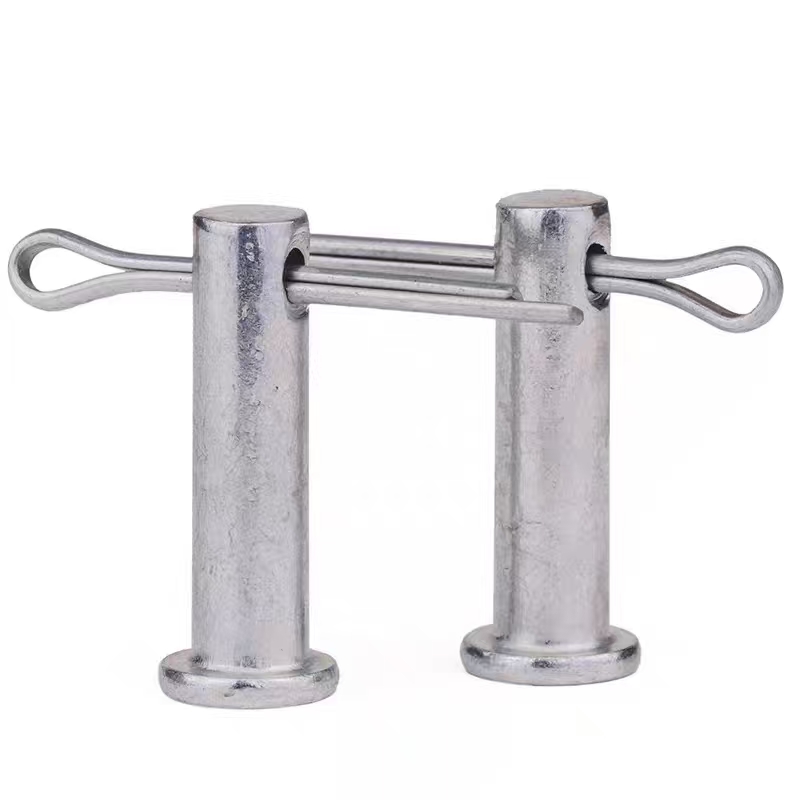
Electrogalvanized pins
-
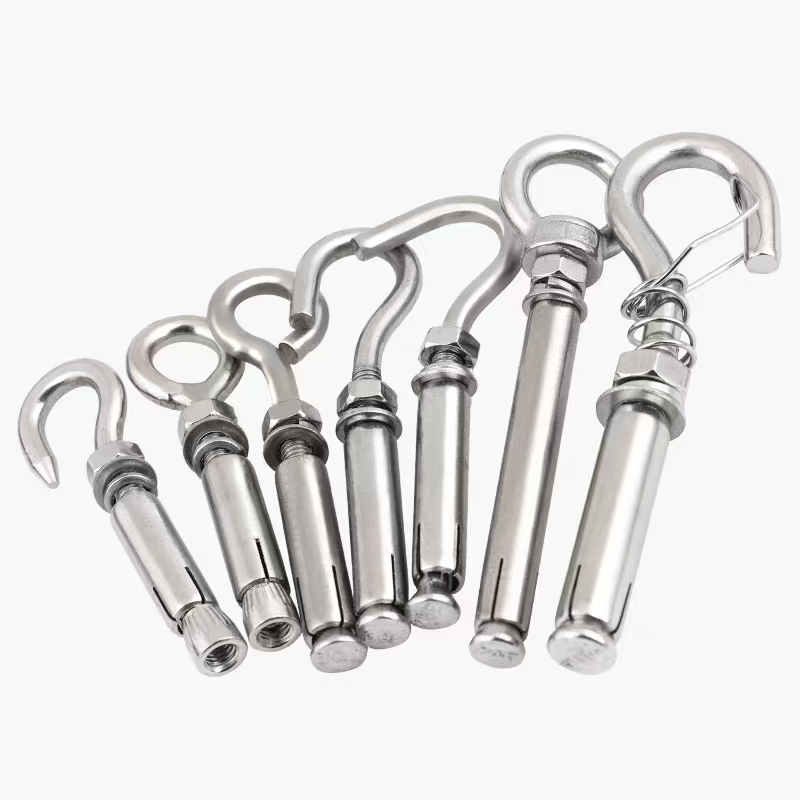
Electro-galvanized expansion hook
-
Hexagon socket black zinc-plated bolts
-
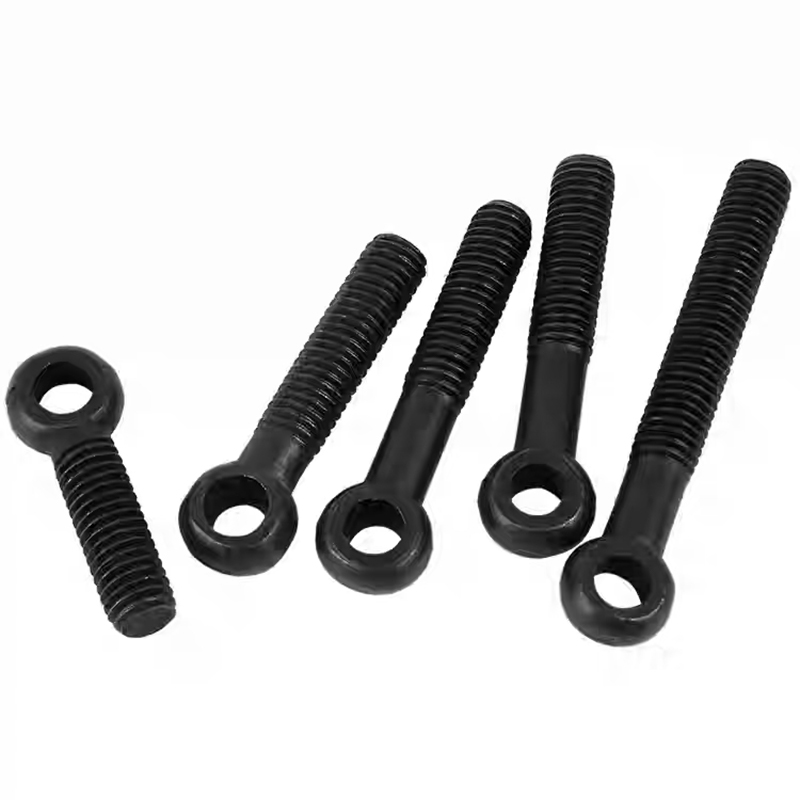
Black zinc plated hinge bolts
-
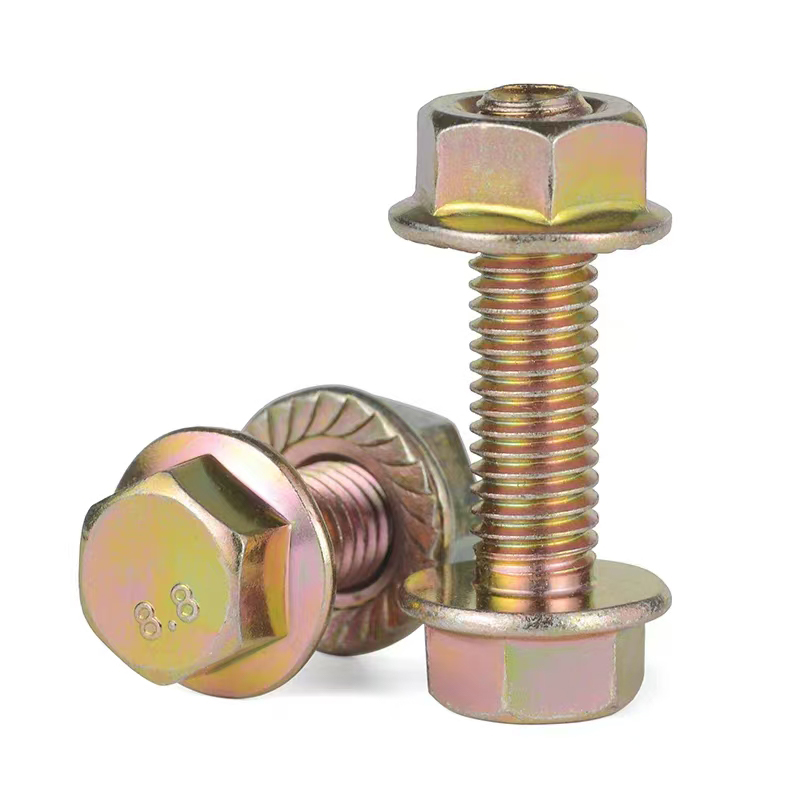
Colored zinc flange bolts
-
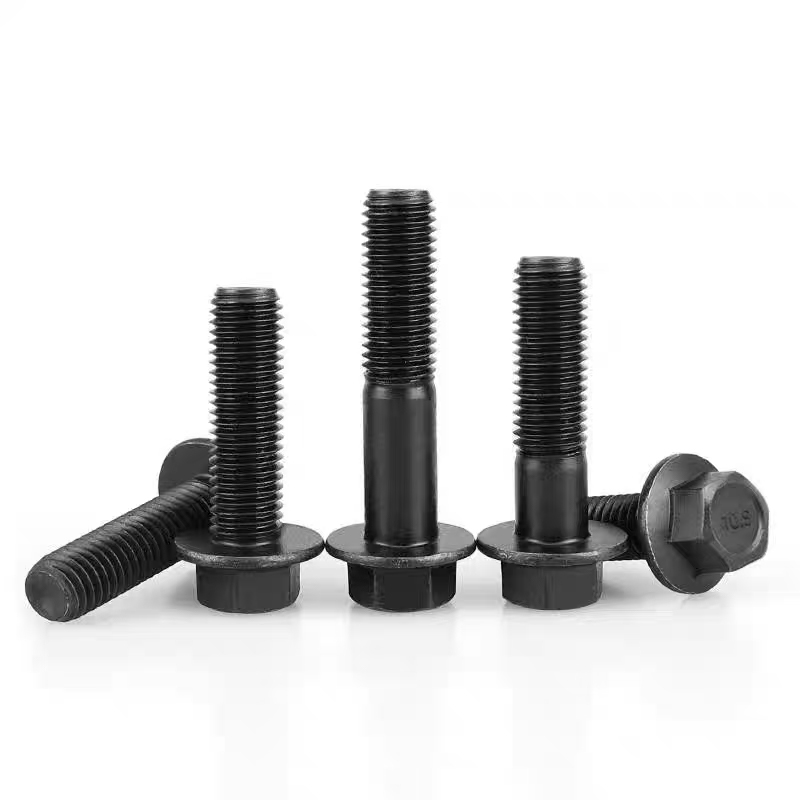
Black zinc flange bolts
-
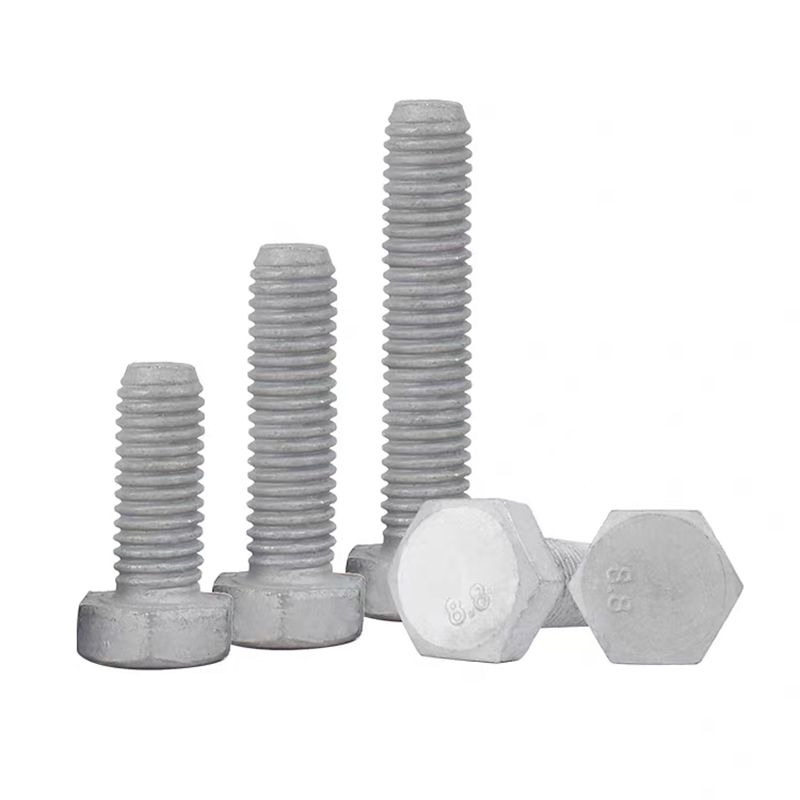
Hot-dip galvanized hexagonal bolts
-
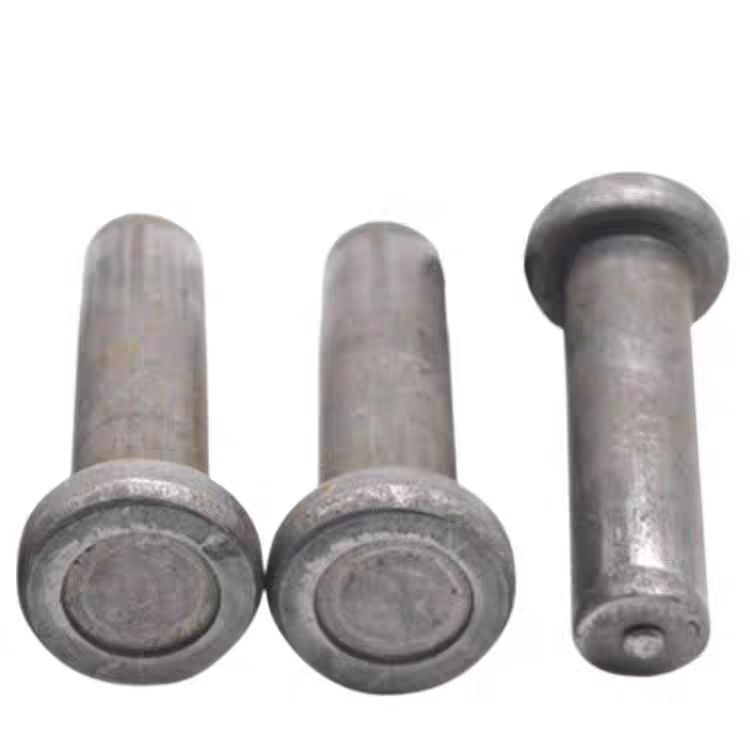
Steel structure welding studs
-
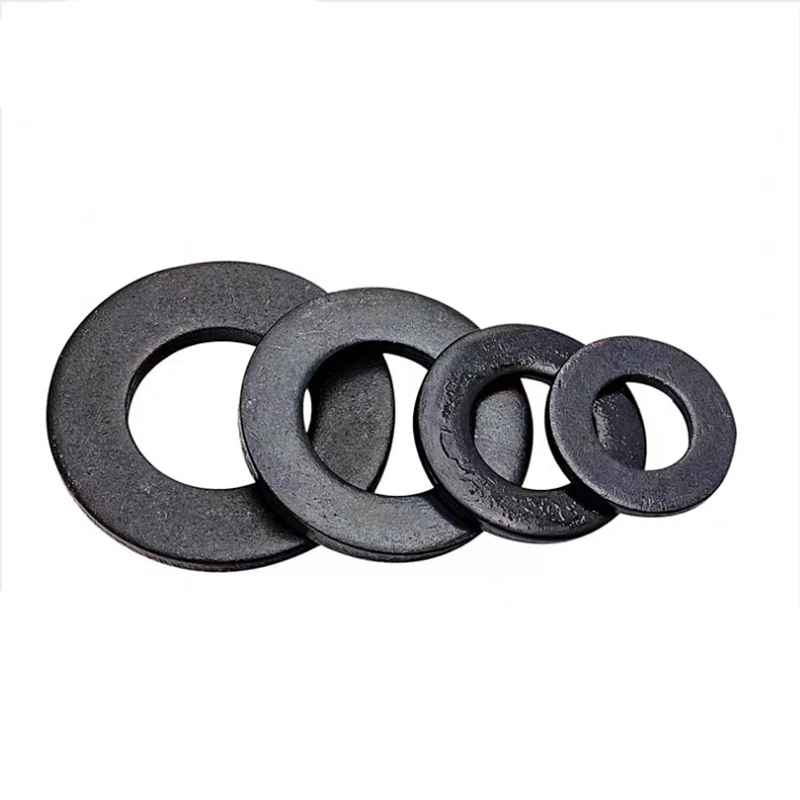
High-strength blackened gasket
-
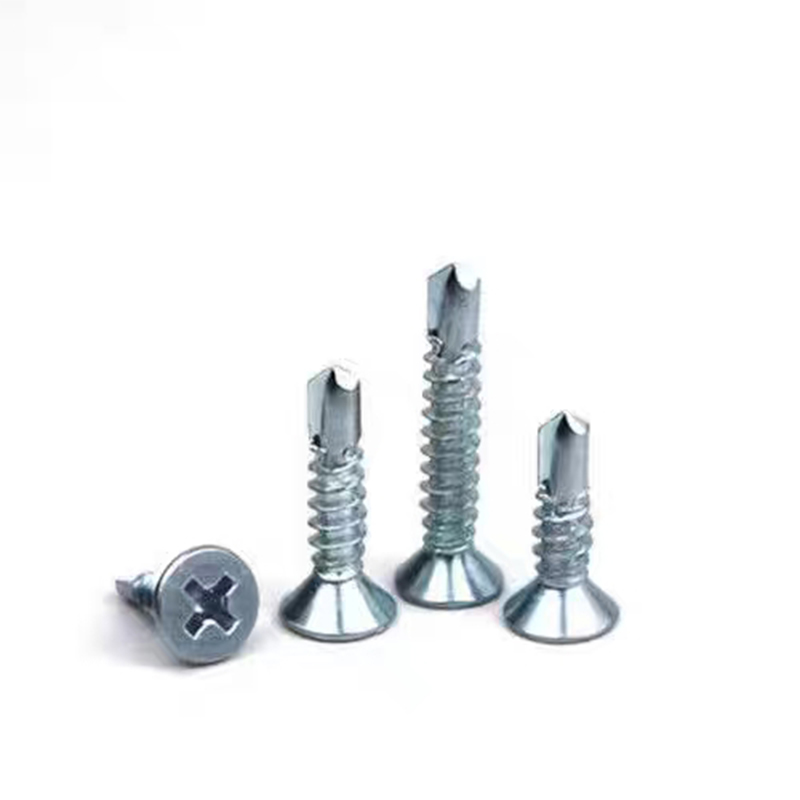
Electrogalvanized cross countersunk drill thread
-
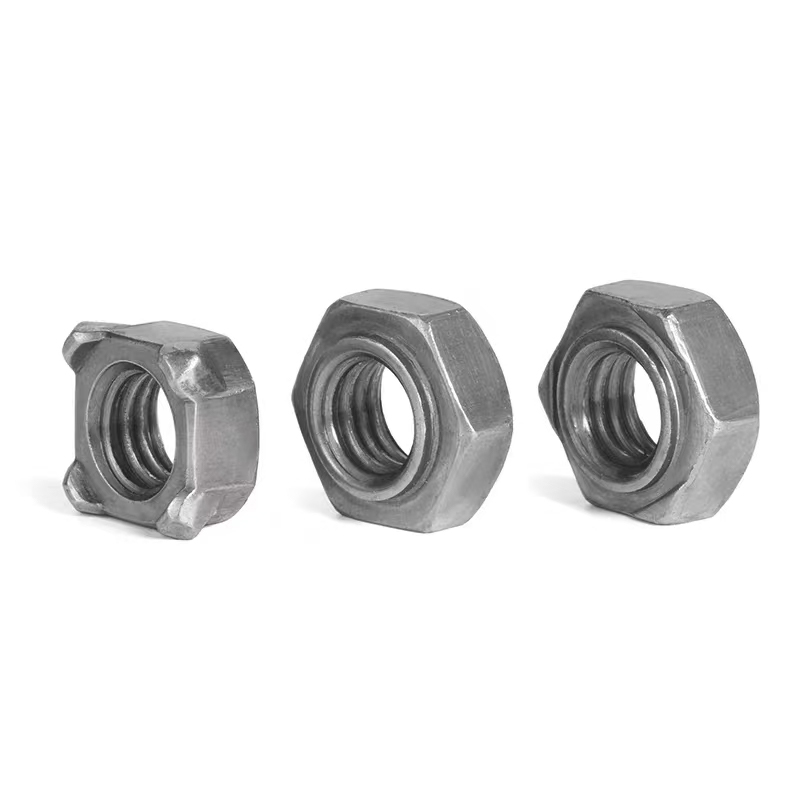
Welding nut (welding nut)