- Chinese
- French
- German
- Portuguese
- Spanish
- Russian
- Japanese
- Korean
- Arabic
- Irish
- Greek
- Turkish
- Italian
- Danish
- Romanian
- Indonesian
- Czech
- Afrikaans
- Swedish
- Polish
- Basque
- Catalan
- Esperanto
- Hindi
- Lao
- Albanian
- Amharic
- Armenian
- Azerbaijani
- Belarusian
- Bengali
- Bosnian
- Bulgarian
- Cebuano
- Chichewa
- Corsican
- Croatian
- Dutch
- Estonian
- Filipino
- Finnish
- Frisian
- Galician
- Georgian
- Gujarati
- Haitian
- Hausa
- Hawaiian
- Hebrew
- Hmong
- Hungarian
- Icelandic
- Igbo
- Javanese
- Kannada
- Kazakh
- Khmer
- Kurdish
- Kyrgyz
- Latin
- Latvian
- Lithuanian
- Luxembou..
- Macedonian
- Malagasy
- Malay
- Malayalam
- Maltese
- Maori
- Marathi
- Mongolian
- Burmese
- Nepali
- Norwegian
- Pashto
- Persian
- Punjabi
- Serbian
- Sesotho
- Sinhala
- Slovak
- Slovenian
- Somali
- Samoan
- Scots Gaelic
- Shona
- Sindhi
- Sundanese
- Swahili
- Tajik
- Tamil
- Telugu
- Thai
- Ukrainian
- Urdu
- Uzbek
- Vietnamese
- Welsh
- Xhosa
- Yiddish
- Yoruba
- Zulu
- Kinyarwanda
- Tatar
- Oriya
- Turkmen
- Uyghur

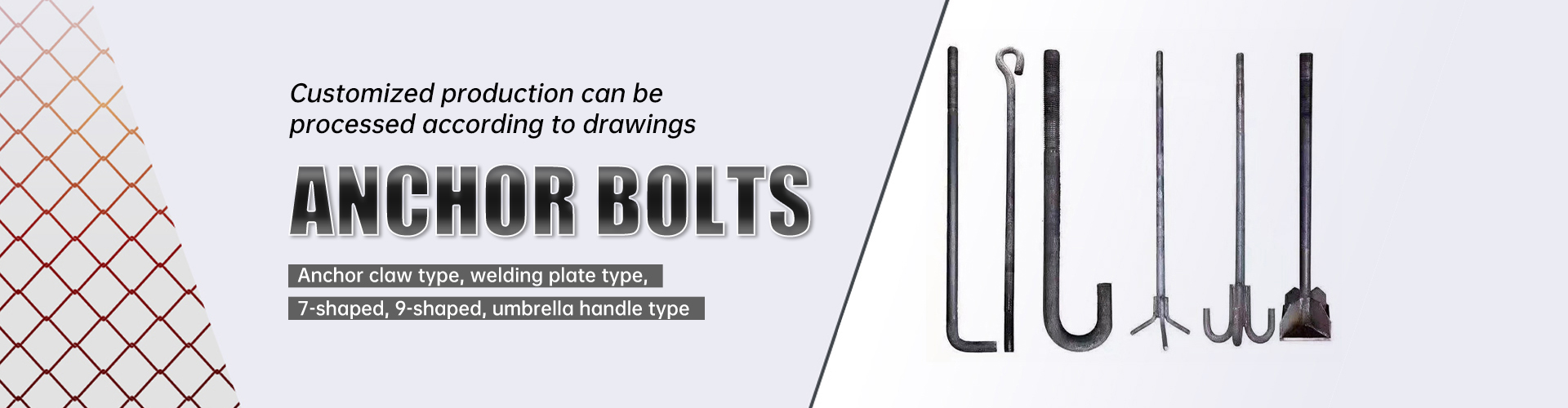
Threaded rods
You see them everywhere once you start looking – in construction, machinery, even DIY furniture. Threaded rods. Most people, even some in the trade, think of them as just long bolts. That's the first mistake. They're a fundamental component, but their application is anything but simple. The devil is in the details: the material grade, the thread type, the coating, and the sheer, unforgiving physics of tension and shear. I've seen projects where the wrong choice here became the single point of failure, not the fancy actuator or the expensive steel beam.
Material and Grade: It's Not Just Metal
Starting with the basics, the material is everything. A36 mild steel rod is fine for hanging a pipe or a non-critical tie-down. But the moment you introduce dynamic load, vibration, or a corrosive environment, you're in a different world. I default to threaded rods made from ASTM A193 B7 or B8 material for most industrial applications. B7 is alloy steel, quenched and tempered, offering high tensile strength – think pressure vessel tie rods or heavy structural anchoring. B8 is the stainless variant, usually 304 or 316, for chemical plants or food processing. The difference in cost is significant, but so is the consequence of failure.
I remember a retrofit job on a coastal processing unit. The spec called for galvanized carbon steel rods for cost savings. Within 18 months, chloride-induced stress corrosion cracking started showing up. We had to do a full shutdown replacement with 316 stainless. The initial savings cost tenfold in emergency labor and downtime. That's a lesson you don't forget. The coating, hot-dip galvanizing versus mechanical plating, also plays a huge role in longevity, not just appearance.
Then there's the grade marking, or lack thereof. A reputable supplier will have it clearly rolled onto the rod. For high-strength threaded rods, you're looking for three radial lines for B7. No marks? Treat it as low-grade and don't bet your project on it. This is where sourcing from a specialized manufacturer in a concentrated production hub makes sense. For instance, a company like Handan Zitai Fastener Manufacturing Co., Ltd., based in Yongnian – China's largest fastener base – typically has the infrastructure to control this from billet to finished product, which isn't a given with general traders.
Thread Engagement and the Voodoo of Load Distribution
Here's a practical headache: how much thread engagement is enough? The textbook answer is 1.5 times the diameter. Reality is messier. If you're connecting into a soft material like aluminum or casting, you need more. The load isn't carried evenly across all threads; the first few engaged threads take the brunt of it. I've calculated engagements only to have a field tech call me saying the tapped hole stripped. Often, the issue wasn't my math, but the tapped hole quality – undersized, off-axis, or full of chips.
A trick for high-vibration environments: use a jam nut. Tighten the first nut to spec, then tighten a second nut against it. It seems trivial, but it prevents loosening from cyclic loading better than many fancy locking mechanisms. Also, always use a washer. It seems obvious, but I've seen it skipped. The washer distributes the clamp load and prevents the nut from digging into the surface, which drastically reduces the effective clamping force.
Cut thread vs. rolled thread – another nuance. Rolled threads are stronger because the grain flow of the metal follows the thread form, not cut through it. For any critical application, insist on rolled threads. You can usually tell by the smoother, burnished finish and the slightly larger minor diameter at the rod ends.
On-Site Realities and Sourcing Pragmatism
In the field, you rarely have the perfect rod in length and thread. You cut and thread on-site. A good quality die is worth its weight in gold. A cheap one will produce a sloppy thread that compromises strength. We keep a set of high-speed steel dies and a powered threader for jobs requiring more than a couple of rods. For stainless steel, go slow, use plenty of cutting oil, or you'll work-harden the material and seize the die.
Sourcing is its own challenge. You need consistency in mechanical properties and dimensional accuracy. It's not a commodity buy. I've worked with suppliers where the rod diameter was under tolerance, reducing the stress area, or the tensile strength was at the very bottom of the grade range. This is why having a direct line to a manufacturing source, rather than just a distributor, adds a layer of reliability. A manufacturer situated in a major production cluster like Yongnian District, with its logistical advantages being adjacent to major rail and road networks, often implies better supply chain control. Checking a site like https://www.zitaifasteners.com gives you a sense of their product range and specialization, which is a starting point for evaluating their capability for specific threaded rods needs, from standard carbon steel to alloy grades.
Lead time is another factor. For a standard zinc-plated rod, maybe a week. For a long-length, high-strength, hot-dip galvanized rod with specific threading, you might be looking at a production run. Always factor this in. I've delayed projects waiting for the correct rods to arrive, because substituting wasn't an option.
The Simple Act of Installation
Torque. Everyone talks about it, few apply it correctly. The torque required to achieve a given clamp load varies wildly with lubrication. A lubricated thread (with anti-seize or oil) can reduce the required torque by 30-40% compared to a dry thread. If you're following a torque spec from a manual, check if it assumes dry or lubricated. Applying dry torque to a lubricated thread can easily overstress and stretch the rod, leading to failure.
Alignment is critical. If the rod is in bending, its capacity plummets. Use spherical washers or leveling nuts if the surfaces aren't parallel. I once investigated a structural failure where a 1-inch diameter rod snapped. The break showed classic fatigue marks. The cause? The beam it was anchoring had deflected slightly under load, putting the rod into a bending cycle it was never designed for. The fix was a simple spherical seat washer, costing pennies compared to the repair.
Don't forget about corrosion protection for the installed assembly. The rod might be stainless, but what about the nuts and washers? Dissimilar metals cause galvanic corrosion. In a damp environment, using a carbon steel nut on a stainless rod can eat the nut away surprisingly fast. Match the materials or use insulating pads.
When Things Go Wrong: The Failure Analysis
Failed threaded rods tell a story. A brittle, crystalline fracture surface usually indicates overload or hydrogen embrittlement (common with electroplated high-strength steel). A fracture with smooth, concentric rings leading to a final shear lip is classic fatigue failure – the load was cycling. A stretched, necked rod before failure points to ductile overload. Reading these signs helps you fix the root cause, not just replace the part.
One of our more instructive failures was on a vibrating screen. The rods kept loosening and then fatiguing. Lock washers, threadlocker – nothing worked long-term. The solution wasn't a better rod; it was to change the design to use a studded connection with a prevailing-torque nut, transferring the fatigue point to a more easily replaceable component. Sometimes, the right answer is to redesign the connection, not to keep up-sizing the rod.
It boils down to this: treat threaded rods as engineered components, not generic hardware. Specify the material, grade, coating, and thread type with as much care as you would a pump or a valve. Understand the load case – static, dynamic, corrosive. And source them from someone who understands the difference, someone embedded in the manufacturing process, not just a catalog. That attention to detail is what separates a robust installation from a future maintenance headache.
Related products
Related products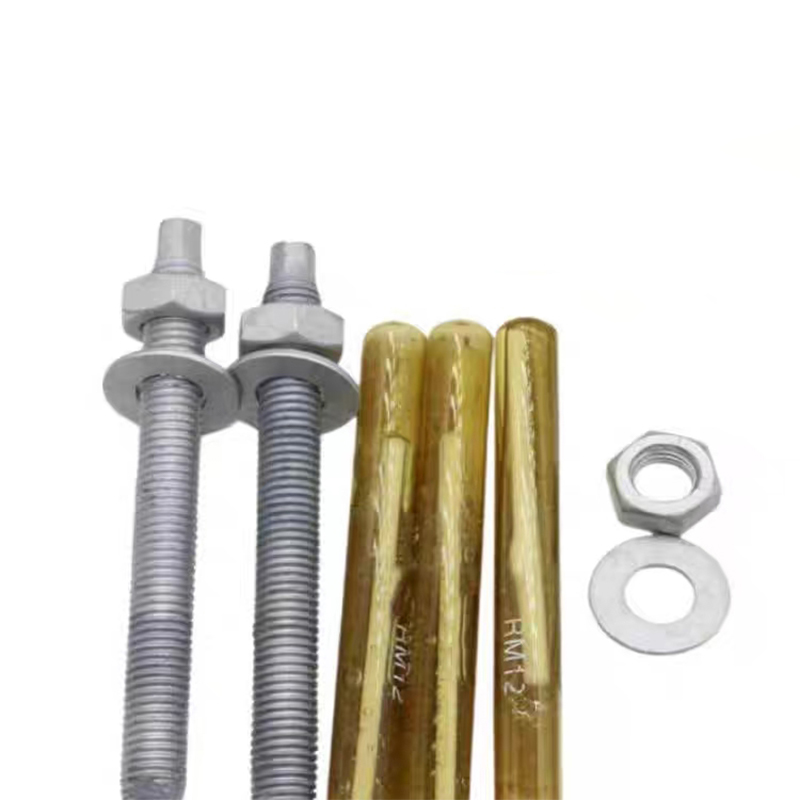
Best selling products
Best selling products-
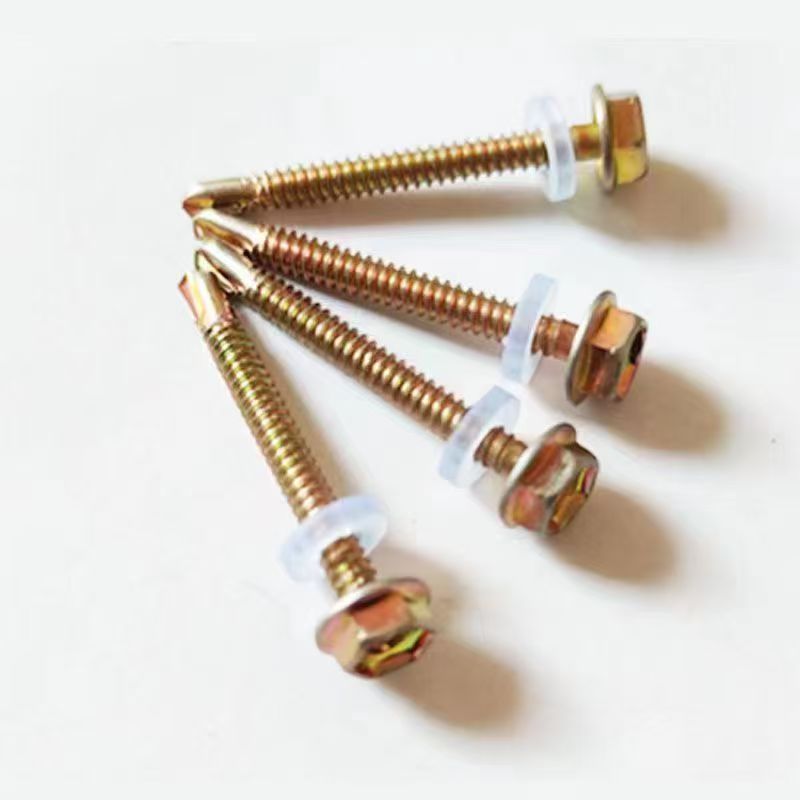
 Colored galvanized hexagonal drill tail wire
 -
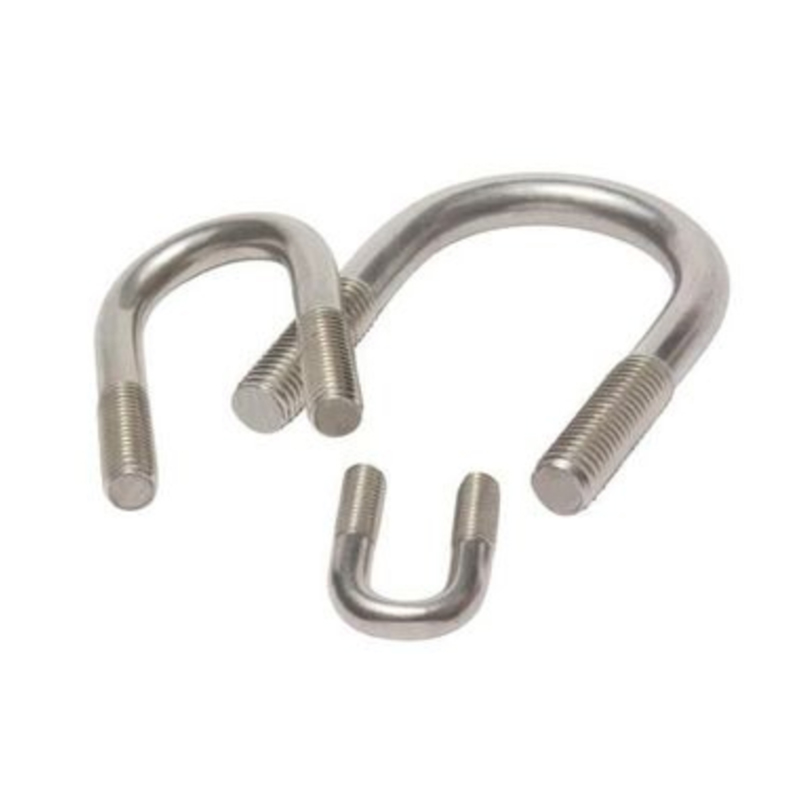
U-bolts
-
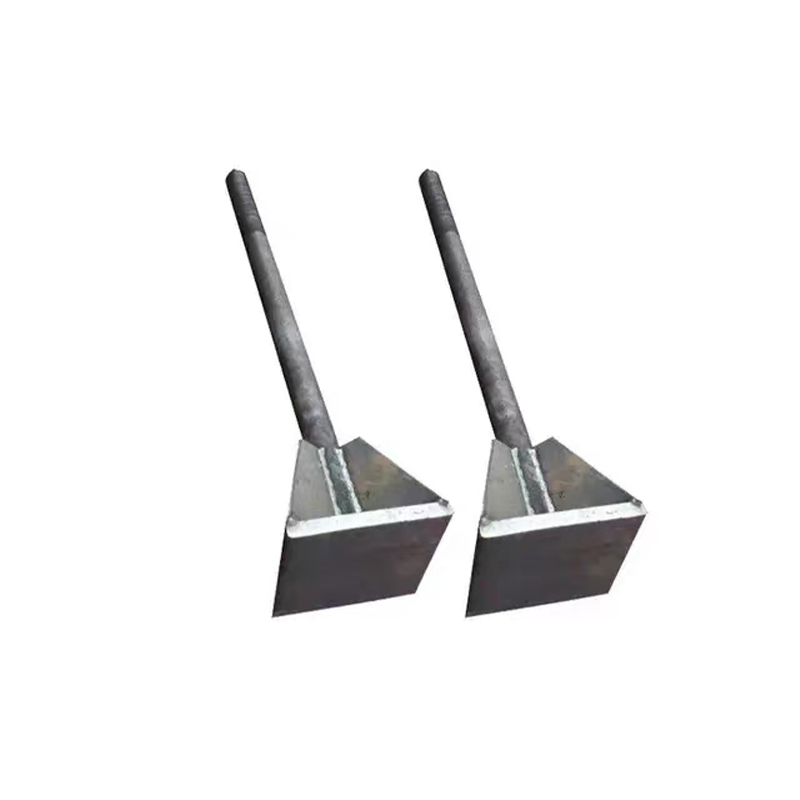
Welded plate anchor (welded plate anchor bolt)
-
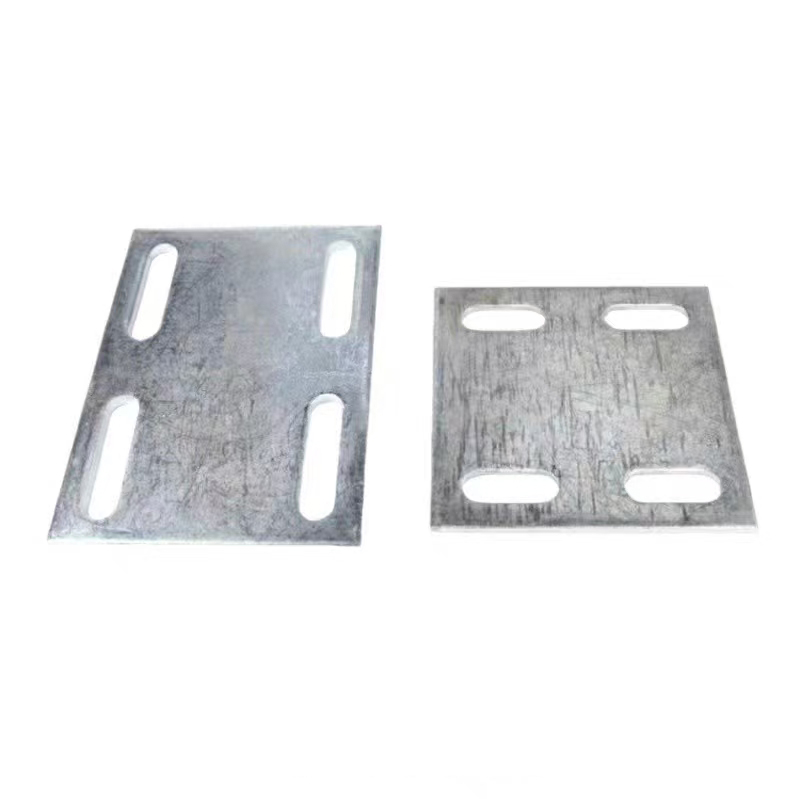
Electrogalvanized embedded plate
-
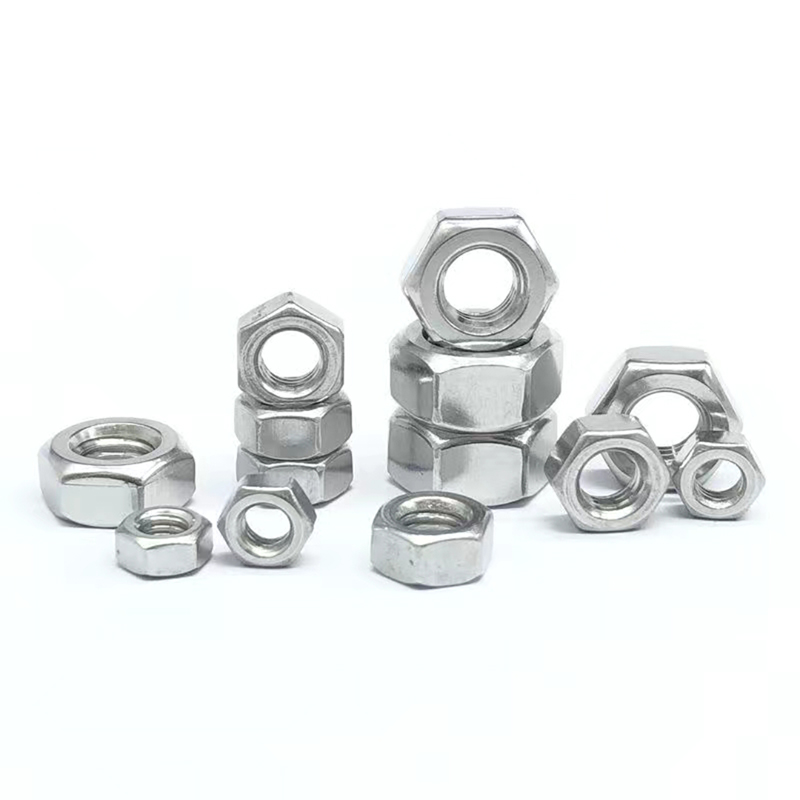
Electrogalvanized nuts
-
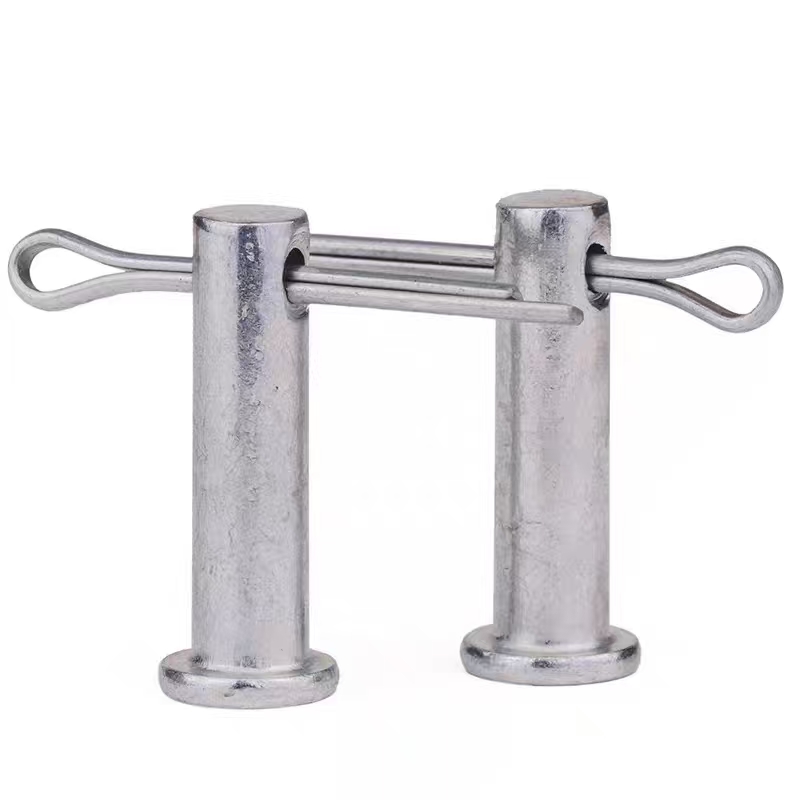
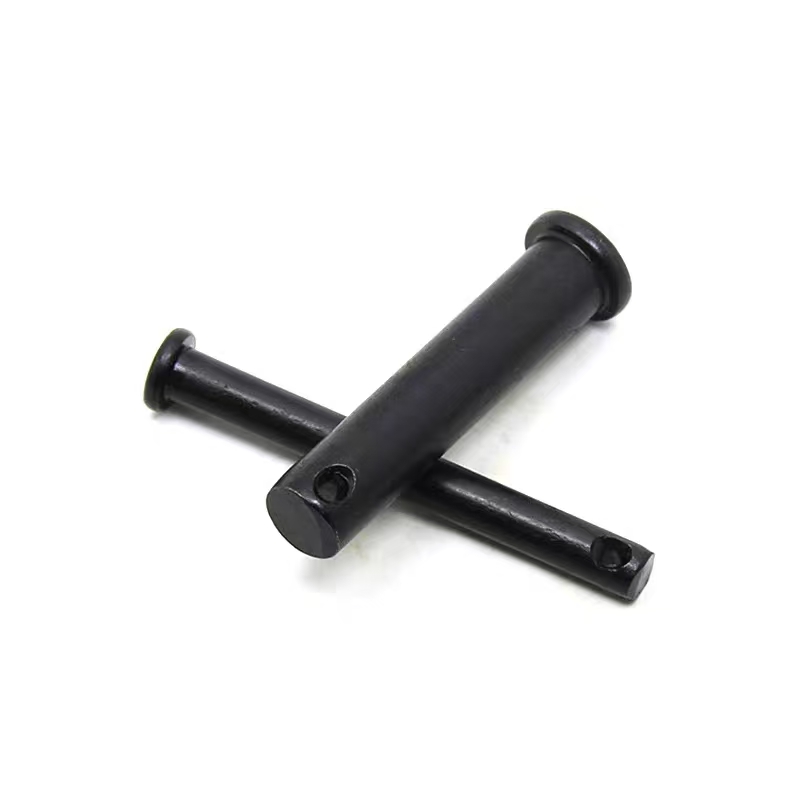
Electrogalvanized pins
-
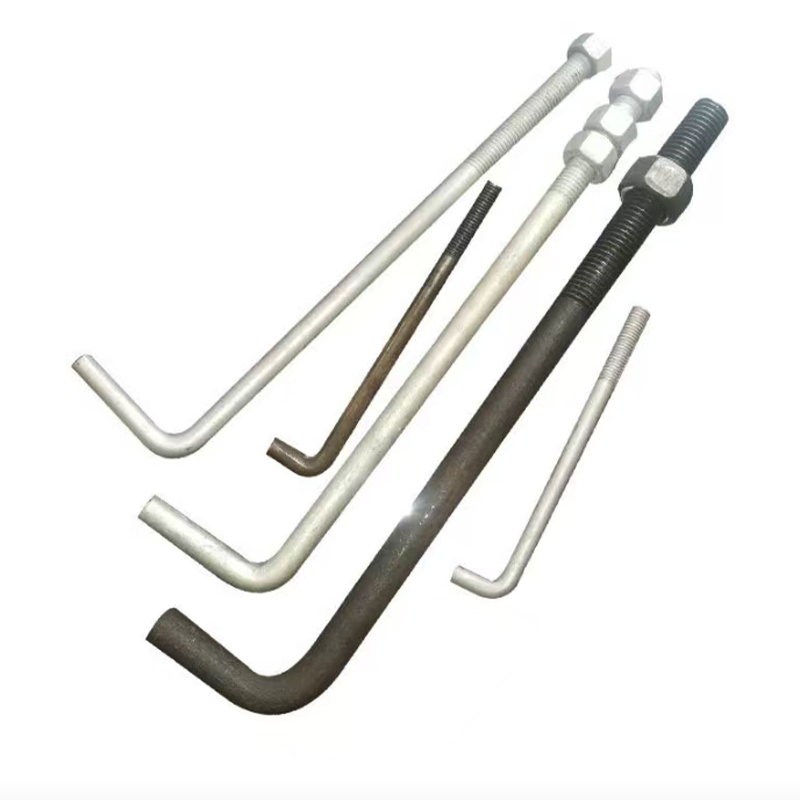
7-shaped anchors (7-shaped anchor bolts)
-
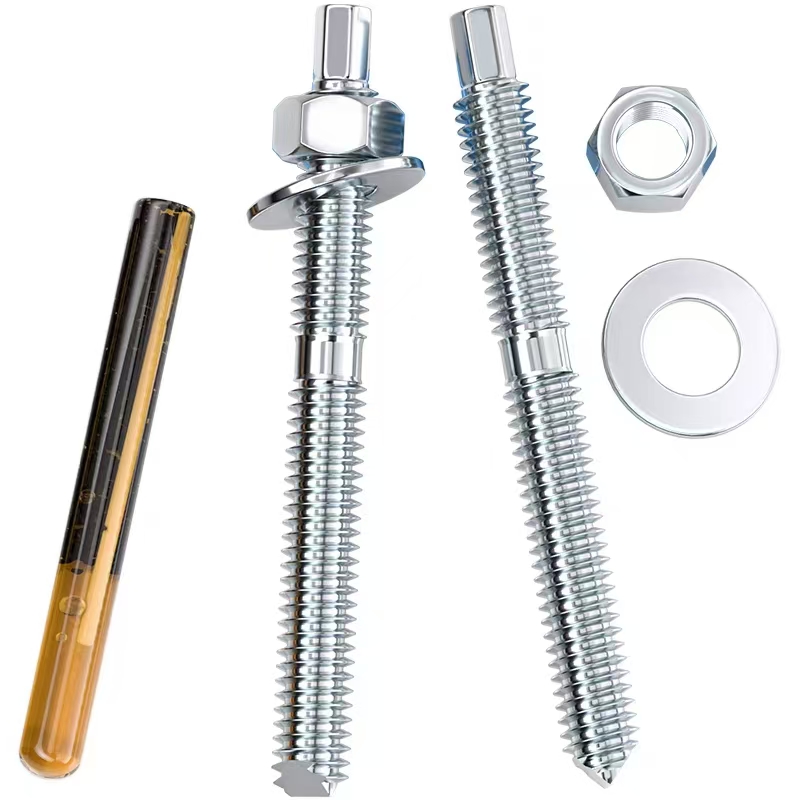
Electrogalvanized chemical bolts
-
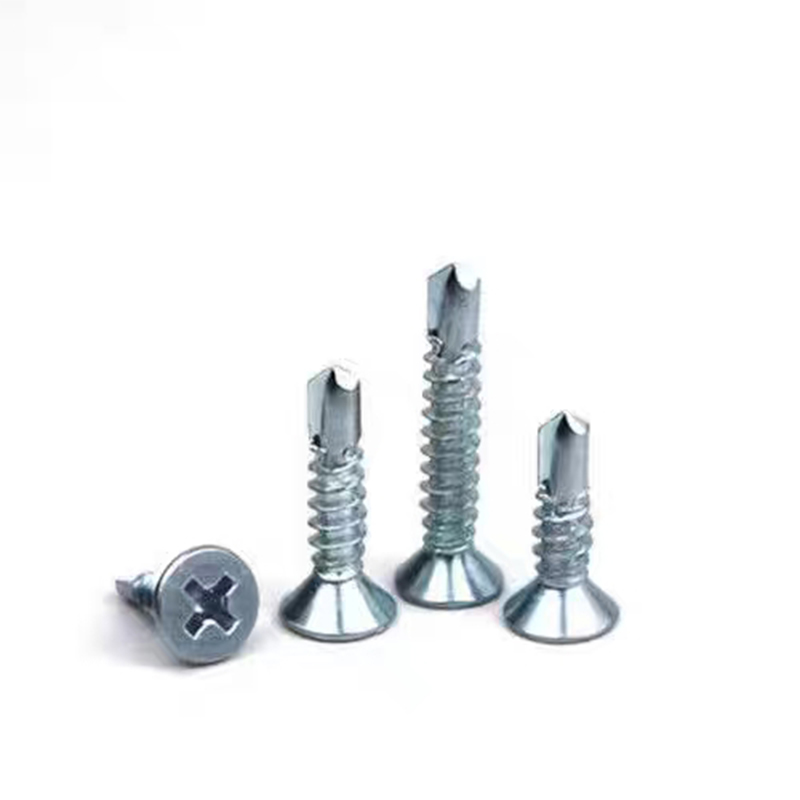
Electrogalvanized cross countersunk drill thread
-
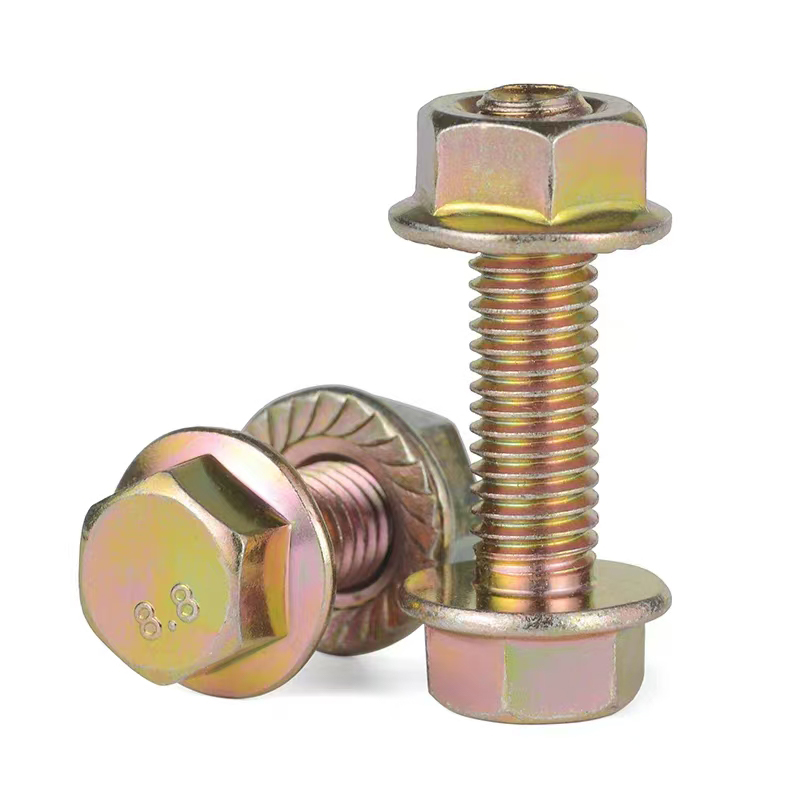
Colored zinc flange bolts
-
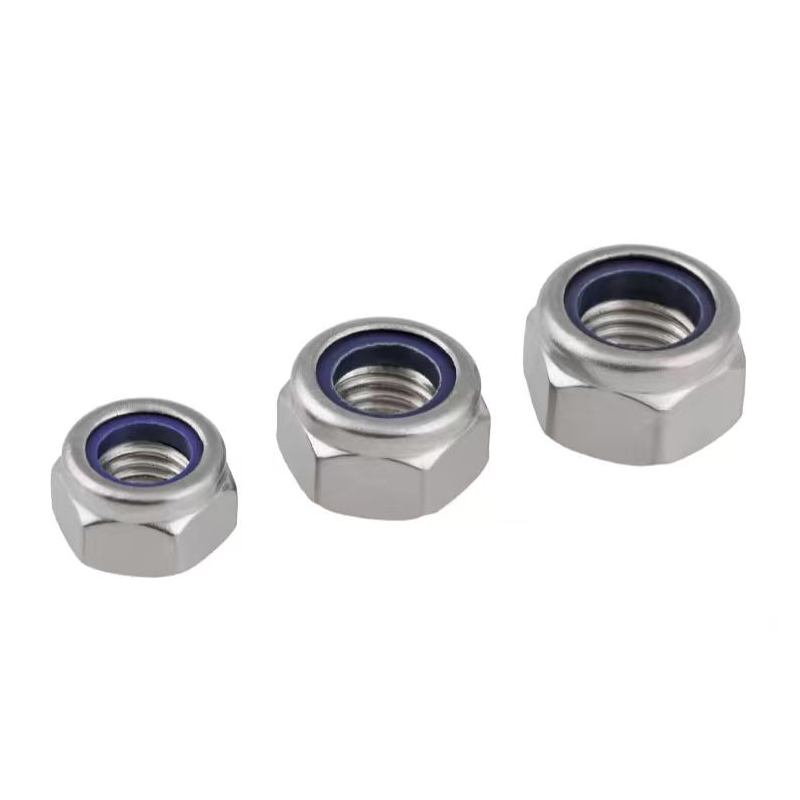
Anti-loosening nut (locking nut)
-
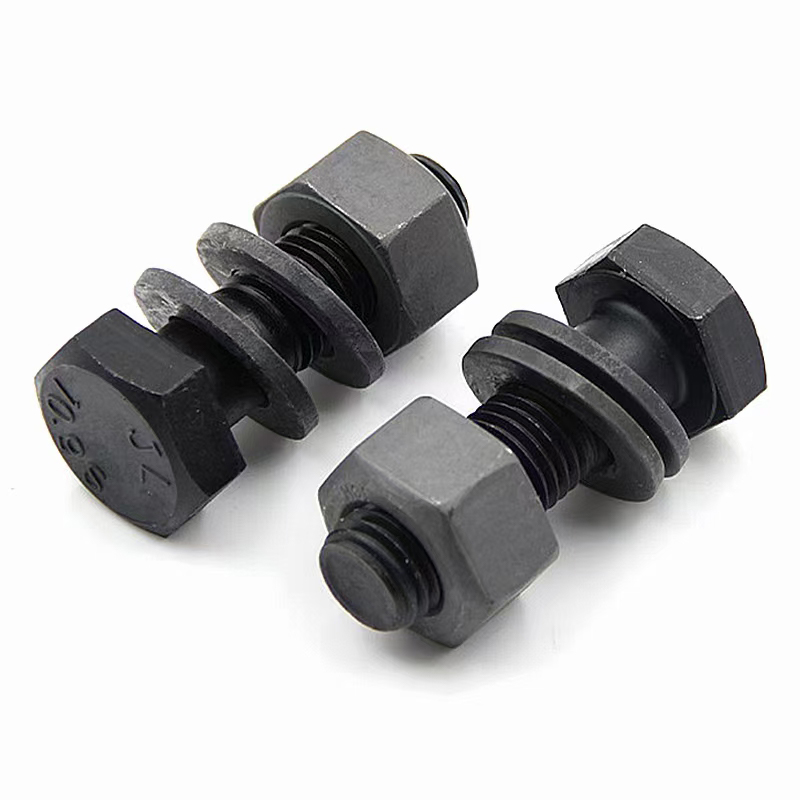
10.9S large hexagon bolts