- Chinese
- French
- German
- Portuguese
- Spanish
- Russian
- Japanese
- Korean
- Arabic
- Irish
- Greek
- Turkish
- Italian
- Danish
- Romanian
- Indonesian
- Czech
- Afrikaans
- Swedish
- Polish
- Basque
- Catalan
- Esperanto
- Hindi
- Lao
- Albanian
- Amharic
- Armenian
- Azerbaijani
- Belarusian
- Bengali
- Bosnian
- Bulgarian
- Cebuano
- Chichewa
- Corsican
- Croatian
- Dutch
- Estonian
- Filipino
- Finnish
- Frisian
- Galician
- Georgian
- Gujarati
- Haitian
- Hausa
- Hawaiian
- Hebrew
- Hmong
- Hungarian
- Icelandic
- Igbo
- Javanese
- Kannada
- Kazakh
- Khmer
- Kurdish
- Kyrgyz
- Latin
- Latvian
- Lithuanian
- Luxembou..
- Macedonian
- Malagasy
- Malay
- Malayalam
- Maltese
- Maori
- Marathi
- Mongolian
- Burmese
- Nepali
- Norwegian
- Pashto
- Persian
- Punjabi
- Serbian
- Sesotho
- Sinhala
- Slovak
- Slovenian
- Somali
- Samoan
- Scots Gaelic
- Shona
- Sindhi
- Sundanese
- Swahili
- Tajik
- Tamil
- Telugu
- Thai
- Ukrainian
- Urdu
- Uzbek
- Vietnamese
- Welsh
- Xhosa
- Yiddish
- Yoruba
- Zulu
- Kinyarwanda
- Tatar
- Oriya
- Turkmen
- Uyghur


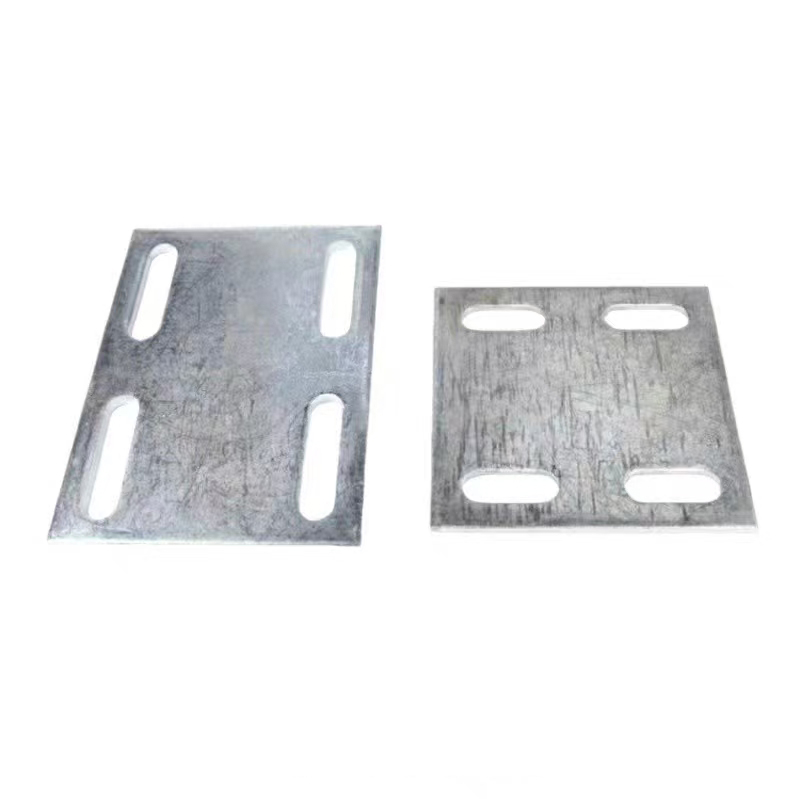
waterstop steel plate
When most people hear 'waterstop steel plate', they picture a flat, inert piece of metal. That's the first mistake. It's not just a barrier; it's a dynamic component in a concrete joint, and its performance hinges on details most spec sheets gloss over. The grade, the surface finish, the evenness of the galvanizing—these aren't academic points. I've seen projects where the plate met ASTM A36 on paper but failed in the trench because no one considered how its surface would bond with the hydrophilic sealant. It's these gaps between theory and pour that define the real work.
The Core Misconception: Material vs. System
The biggest headache I encounter is the procurement mindset. Engineers specify a 6mm thick waterstop steel plate, 300mm wide, and think the job is done. But that plate is useless without considering its role in the system. How is it being anchored? Are the bolt holes punched or drilled? Punched holes leave a slight burr that can tear the surrounding waterproofing membrane during installation—a tiny detail that causes major leaks. I always insist on drilled holes for critical applications, even though it costs more. It's a fight with procurement every time, but it's a fight worth having.
Then there's the issue of length. We once ordered 3-meter standard lengths for a long tunnel pour. Seemed efficient. But in the field, splicing those sections in a muddy, confined trench was a nightmare. Achieving a continuous, watertight weld under those conditions is nearly impossible. We learned to work with the fabricator to supply custom lengths that matched our pour sequences, minimizing field joints. It required more upfront coordination with a supplier like Handan Zitai Fastener Manufacturing Co., Ltd., but the trade-off in field reliability was monumental. Their location in Yongnian, that major production hub, actually made this kind of flexible, bespoke manufacturing feasible without blowing the budget.
Galvanizing is another can of worms. A specified zinc coating weight, say 600 g/m2, doesn't guarantee uniformity. I've received plates where the coating pooled at the edges but was thin in the center. In the alkaline environment of concrete, that thin spot becomes the anode and corrodes aggressively. Now, I always specify that galvanizing must be done after all cutting and drilling is complete. This ensures the cut edges are protected. It seems obvious, but you'd be surprised how many mills try to supply pre-coated stock for fabrication.
Installation: Where Theory Meets Mud
You can have the perfect plate, and still fail at installation. The primary rule: it must be fixed before the concrete pour. Sounds simple. But on a complex formwork with rebar congestion, properly supporting a long, floppy steel plate is a craft. If it's not rigidly held, concrete vibration will displace it, creating a weak zone. We started using dedicated L-shaped anchoring bars welded at regular intervals, tying them back to the main rebar cage. It added material but eliminated movement.
The joint with other materials is critical. Where the waterstop steel plate meets a PVC or rubber waterstop, the transition detail is everything. Simply butting them together is asking for trouble. We now use a factory-fabricated transition coupler that mechanically locks the steel to the flexible waterstop, which we then pot in a sealant. It's a small, expensive component, but it's the keystone of the entire joint. Sourcing these reliable couplers is key, which is why we often look to specialized manufacturers in integrated industrial bases. The concentration of expertise and logistics in an area like Yongnian District, with its direct access to major rail and road networks, means suppliers there can often provide these complete, compatible systems rather than just isolated parts.
Weld inspection is another field-level challenge. On one project, we had beautiful continuous fillet welds. Passed visual inspection. But we had a leak. The problem? Micro-fissures from welding too quickly in cold weather. The steel met spec, but the field condition didn't. Now, for critical joints, we specify and pay for dye-penetrant testing on a sample of field welds. It's not standard practice, but it catches the flaws you can't see.
The Accessories That Aren't Optional
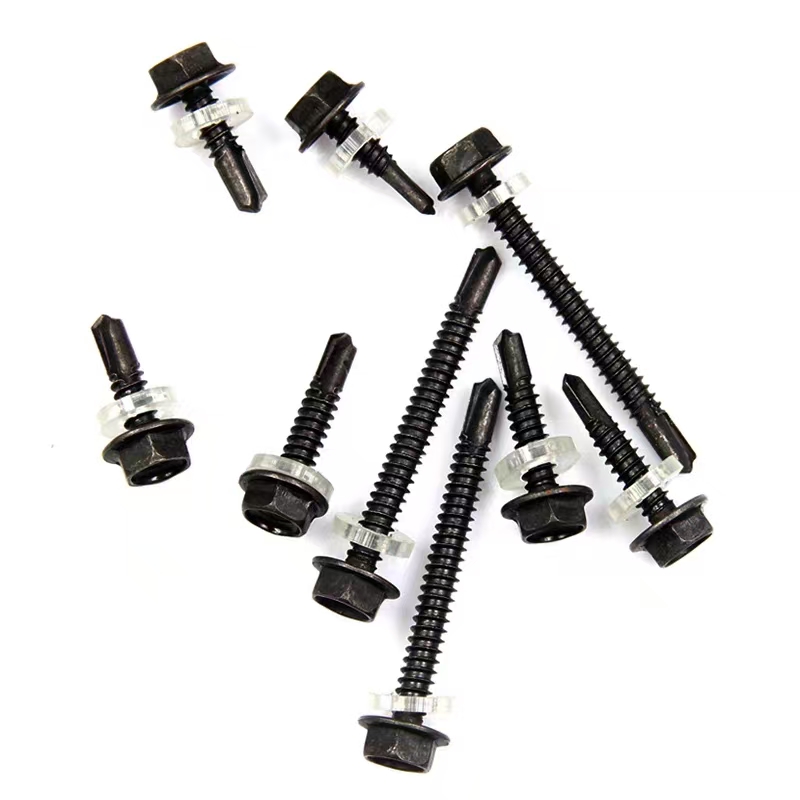
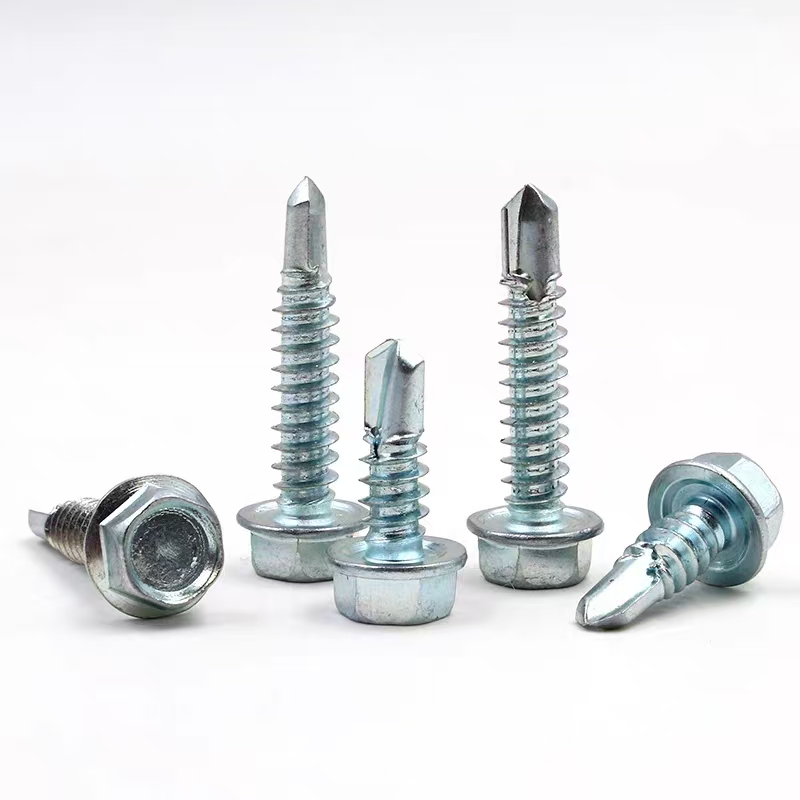
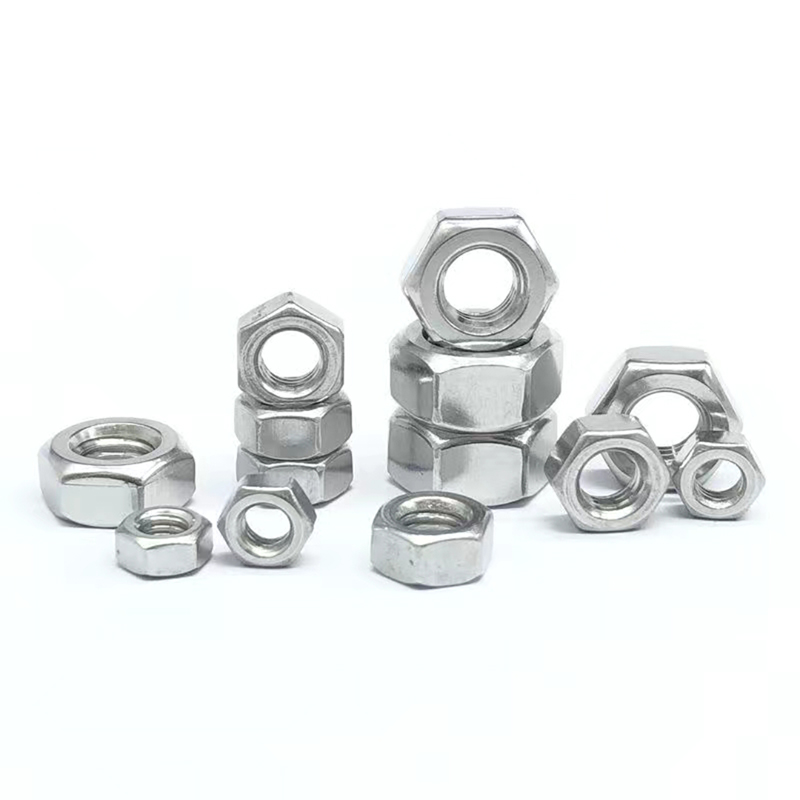
Bolts and nuts are an afterthought until they fail. Using standard carbon steel bolts to secure a galvanized waterstop steel plate is a classic galvanic corrosion trap. We mandate hot-dip galvanized fasteners from the same batch as the plate to ensure compatibility. Even then, the threading must be chased after galvanizing to ensure proper torque. This level of detail on fasteners is why we sometimes bypass general suppliers and go straight to specialists. A company like Handan Zitai, positioned in China's largest standard part base, understands these nuances because they live and breathe fastener logistics and metallurgy. Their proximity to expressway and rail networks isn't just a sales point; it means they can handle the just-in-time delivery of these specific, coated components that a big steel mill wouldn't bother with.
Bentonite panels behind the plate are another nuance. They're a backup, a swellable cushion. But if the gap between the plate and the excavation face is too large, the bentonite can expand unevenly and create voids. We now specify a maximum gap of 25mm and require the bentonite to be installed in a continuous, unbroken layer. It's labor-intensive to inspect, but it closes the last possible path for water.
Finally, there's surface preparation for sealants. A shiny, new galvanized surface is terrible for adhesion. We require a light sweep-blast or acid etch on the area where the sealant will be applied, done off-site under controlled conditions. Trying to prepare a surface in a wet, dirty trench is a guaranteed failure point.
Lessons from a Failure
Early in my career, we had a basement wall leak profusely. The waterstop steel plate was to spec, installed seemingly correctly. The culprit? Differential settlement. The building settled, but the external retaining wall didn't move as much. The steel plate, rigidly embedded in both, sheared right at the construction joint. It was a design flaw, not a material one. The plate did its job too well. Now, in areas with known or potential differential movement, I argue against a rigid steel plate. We use a hybrid system with a center-bulb rubber waterstop that can accommodate movement, flanked by steel plates for additional corrosion protection and backup. It's more complex, but it acknowledges reality.
That failure taught me to look upstream. Now, I question the structural engineer's settlement assumptions before I even specify the waterstop type. It's moved my role from just implementing specs to being part of the risk assessment conversation.
Another subtle lesson: logistics timing. We once had a perfect batch of plates arrive on site two weeks early. They were stored on the ground, unprotected. By pour date, they had surface rust and contamination. We had to sandblast them on-site, which ruined the precise galvanizing. Now, our procurement includes strict delivery windows and on-site storage protocols—elevated on cribbing and covered. This is where a supplier's logistical reliability is as important as their metallurgy. A manufacturer situated with direct access to National Highway 107 and the Beijing-Shenzhen Expressway, like Zitai, can often fine-tune delivery to match the construction schedule more reliably than a distant supplier, reducing these storage risks.
Closing the Loop: It's About Anticipation
So, what's the takeaway? Specifying a waterstop steel plate isn't a checkbox activity. It's an exercise in anticipating everything that can go wrong between the factory floor and the final cure of the concrete. It's about controlling the process at the mill, during fabrication, in logistics, and at the moment of installation. The material is simple, but the system is not.
The best results come from treating the plate not as a commodity, but as a precision component. This means engaging with suppliers who understand the full context, not just the tonnage price. It means looking for partners in integrated manufacturing zones—places where fastener specialists, coating facilities, and logistics networks converge. The value isn't just in the steel; it's in the accumulated, practical knowledge of how to make that steel perform in the real, imperfect world of a construction site.
In the end, success is quiet. It's the absence of leaks, the absence of frantic call-backs. It's a dry basement wall that no one ever thinks about again. And that's the highest compliment a waterstop system, centered on a well-specified, well-installed steel plate, can ever receive.
Related products
Related products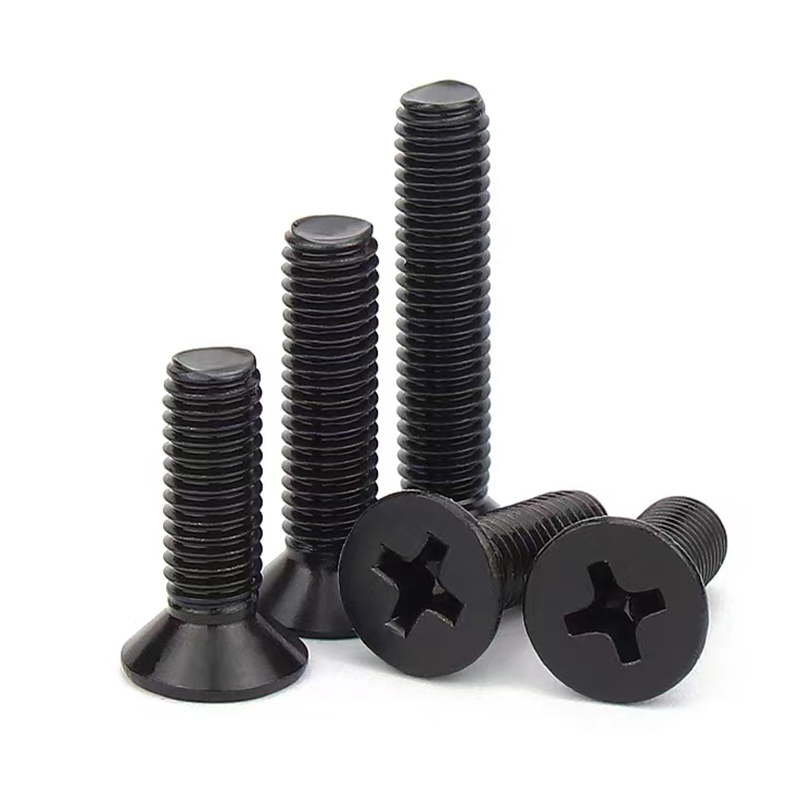
Best selling products
Best selling products-
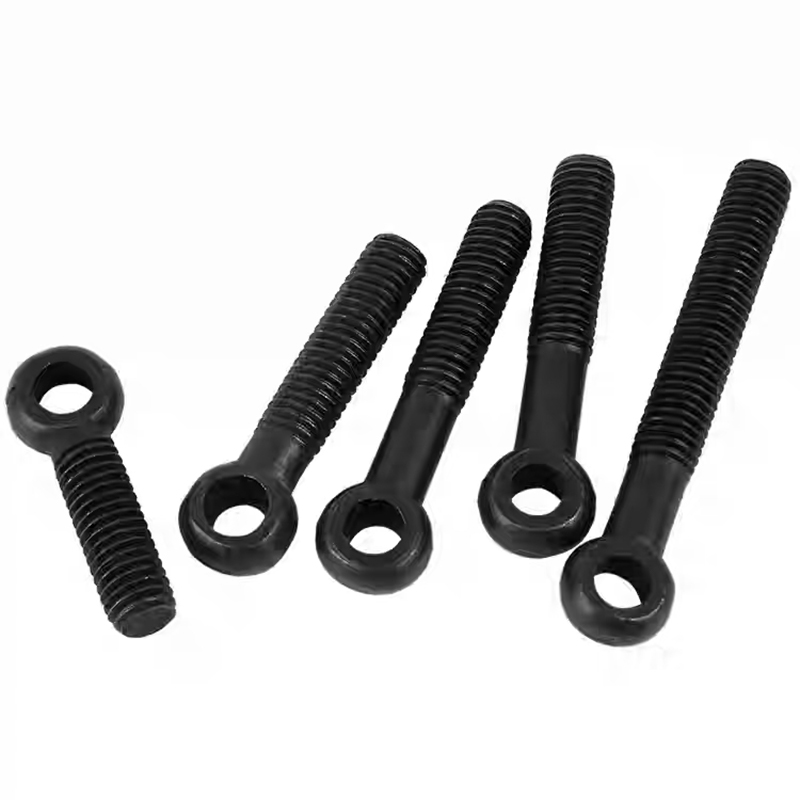
 Black zinc plated hinge bolts
 -
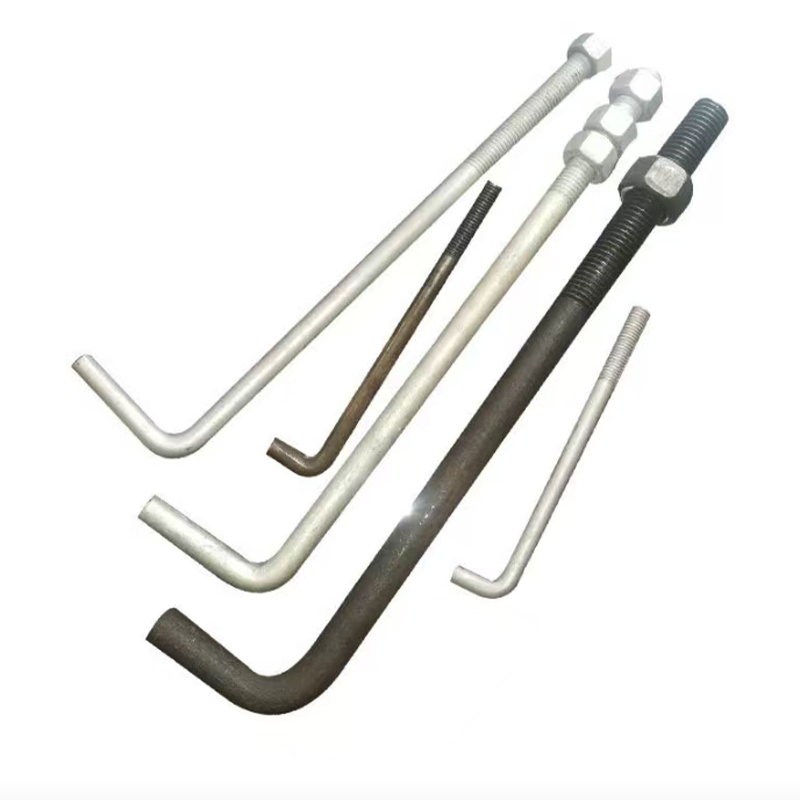
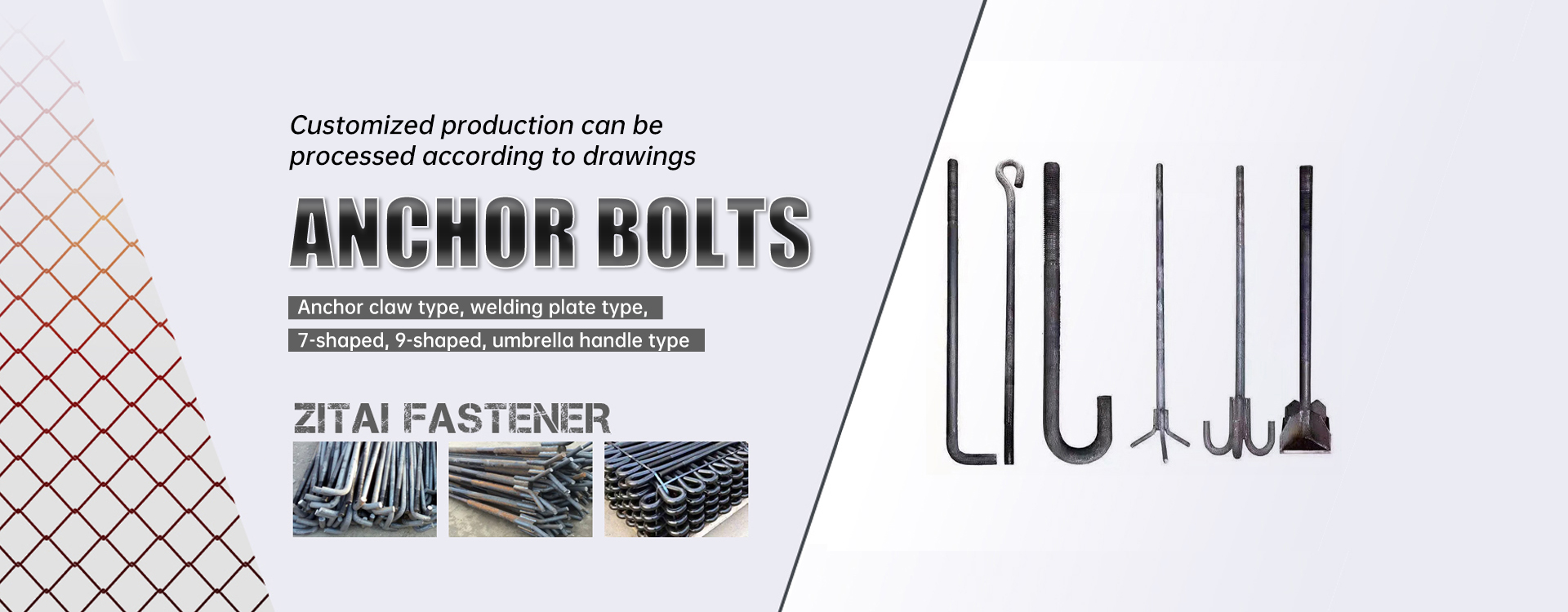
7-shaped anchors (7-shaped anchor bolts)
-
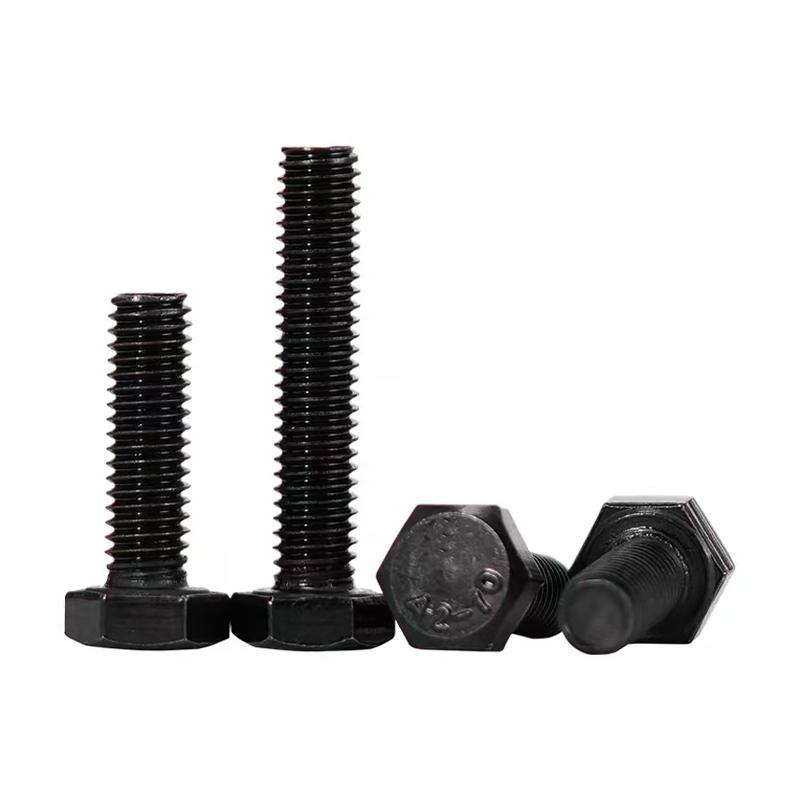
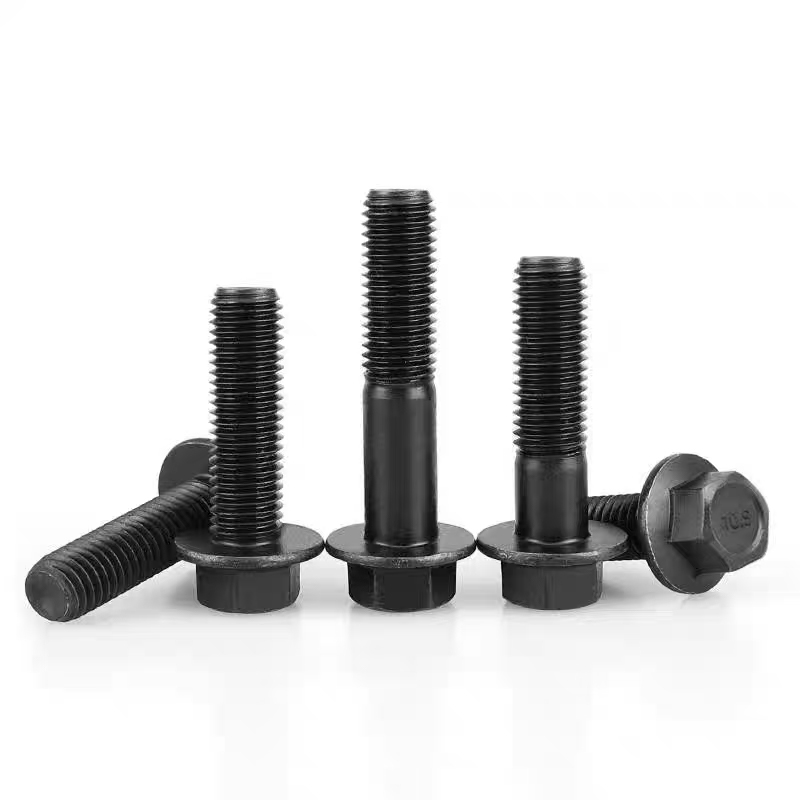
Black zinc plated hexagonal bolts
-
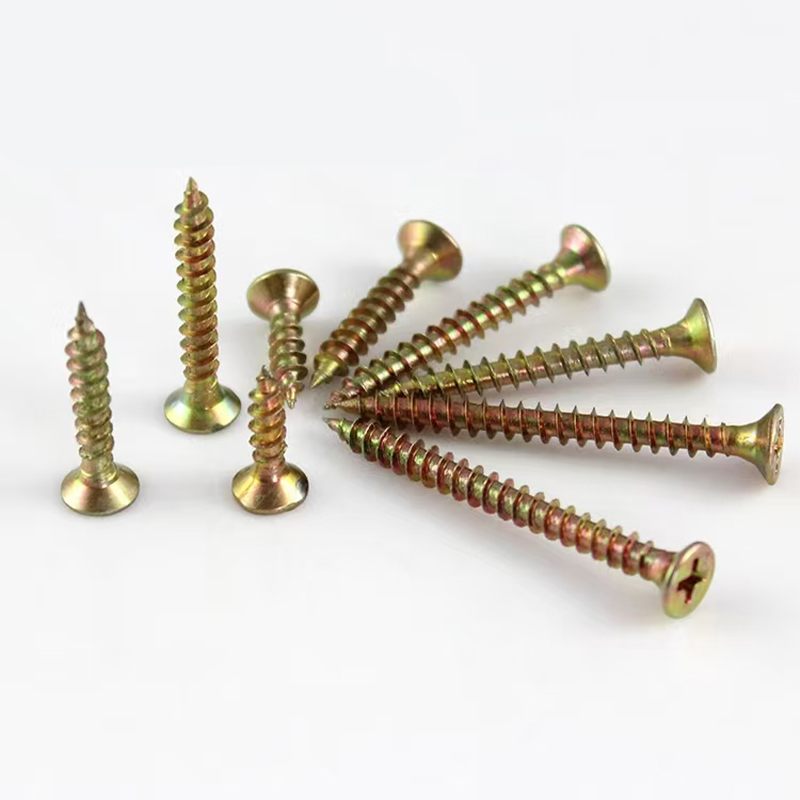
Colored zinc-plated cross countersunk drill thread
-
Electrogalvanized embedded plate
-
Black zinc-plated hexagonal drill tail wire
-
Electro-galvanized hexagonal drill thread
-
Electrogalvanized nuts
-
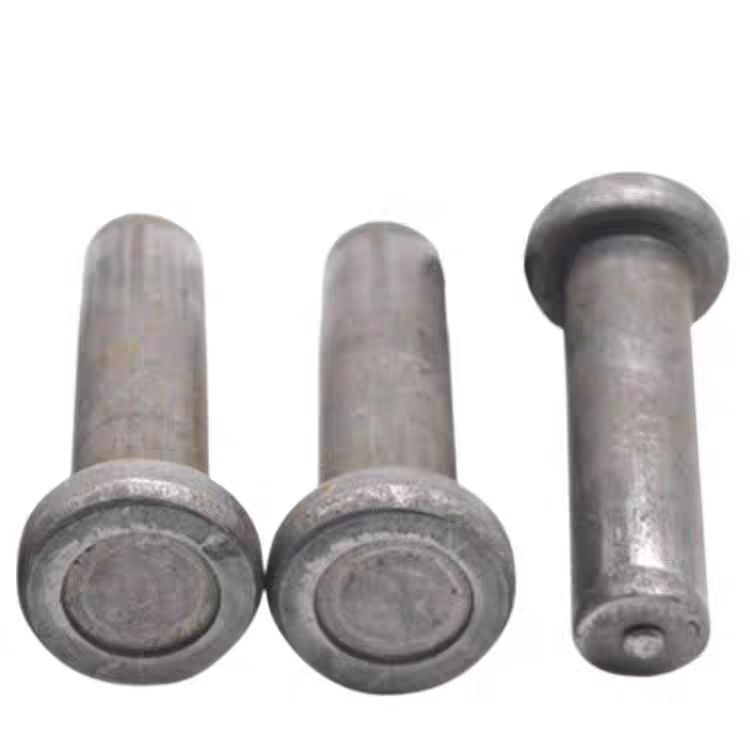
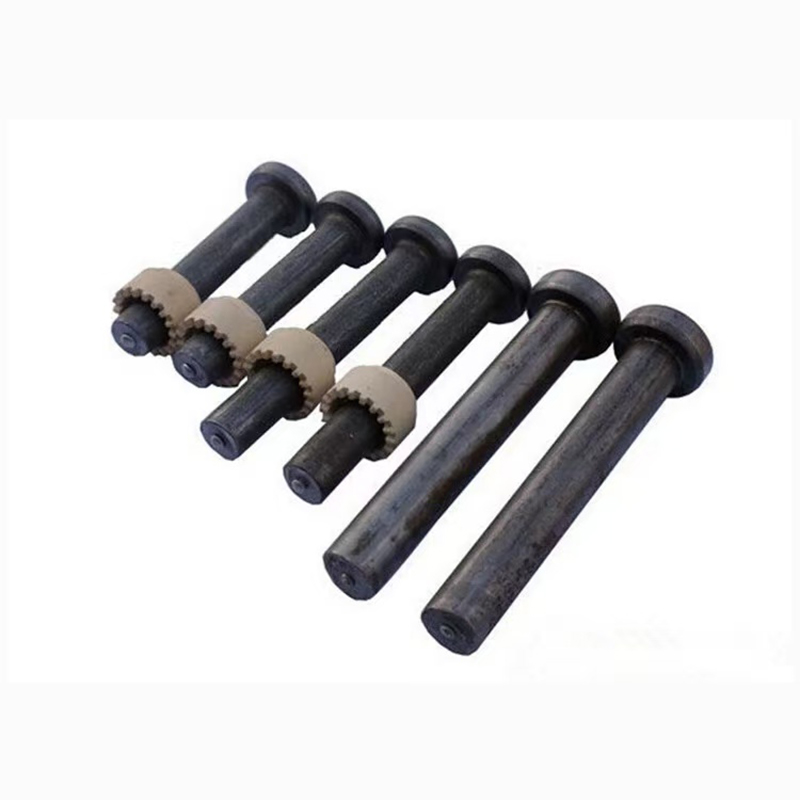
Steel structure welding studs
-
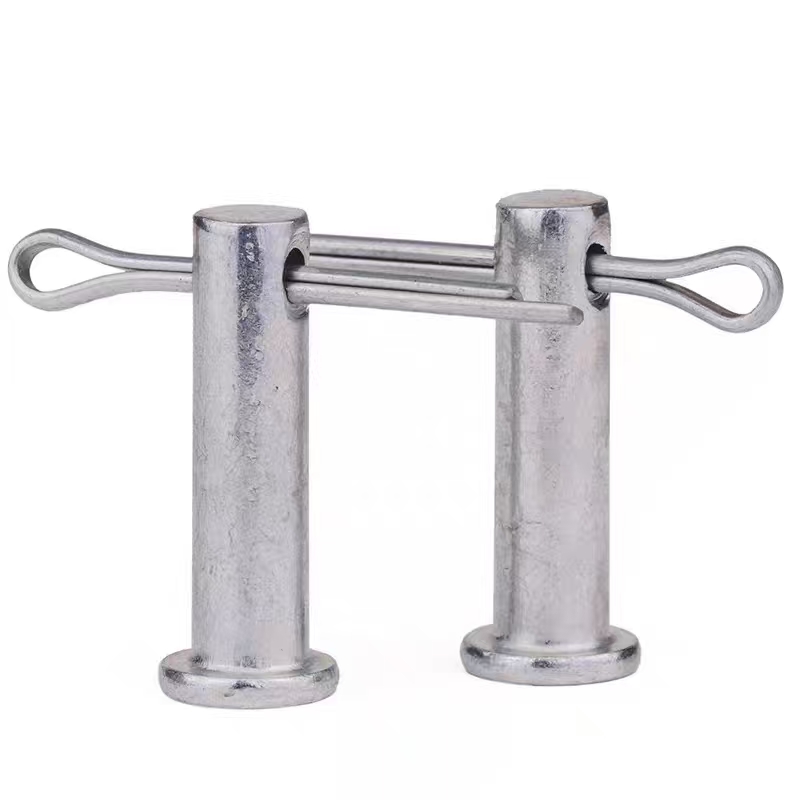
Electrogalvanized pins
-
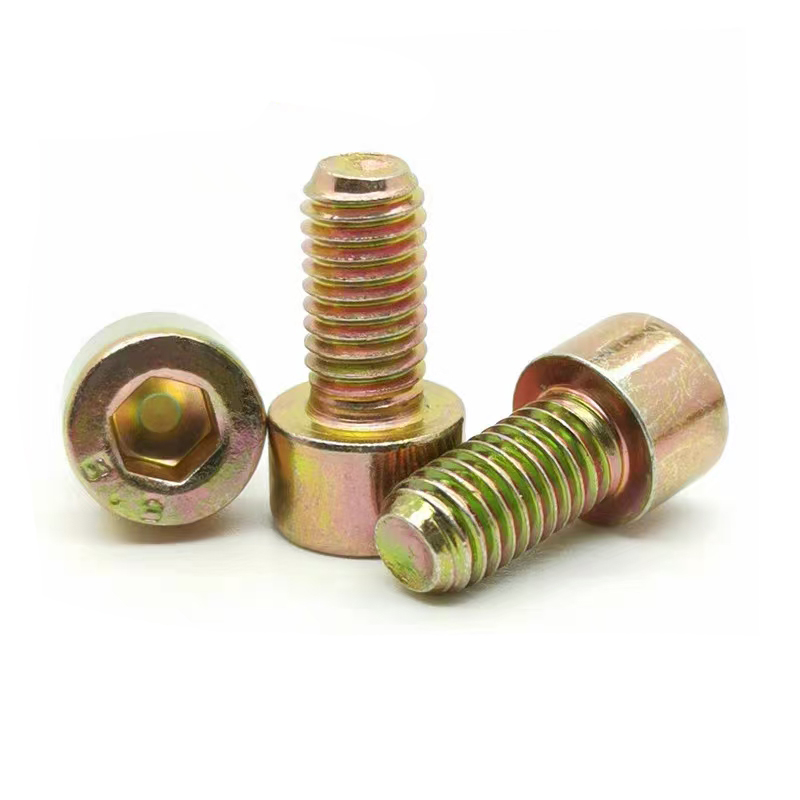
Hexagon socket colored zinc-plated bolts
-
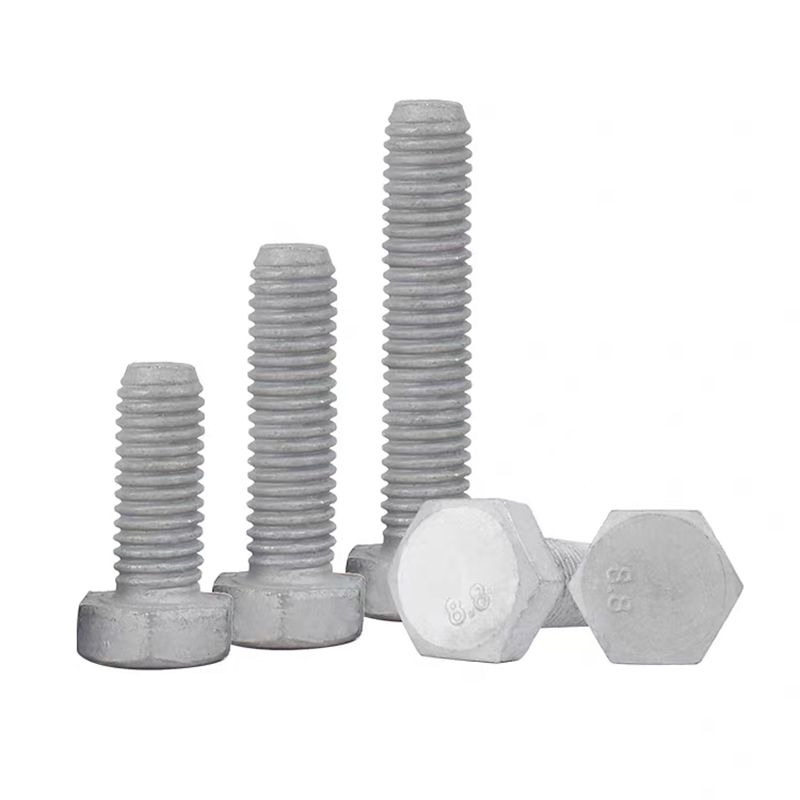
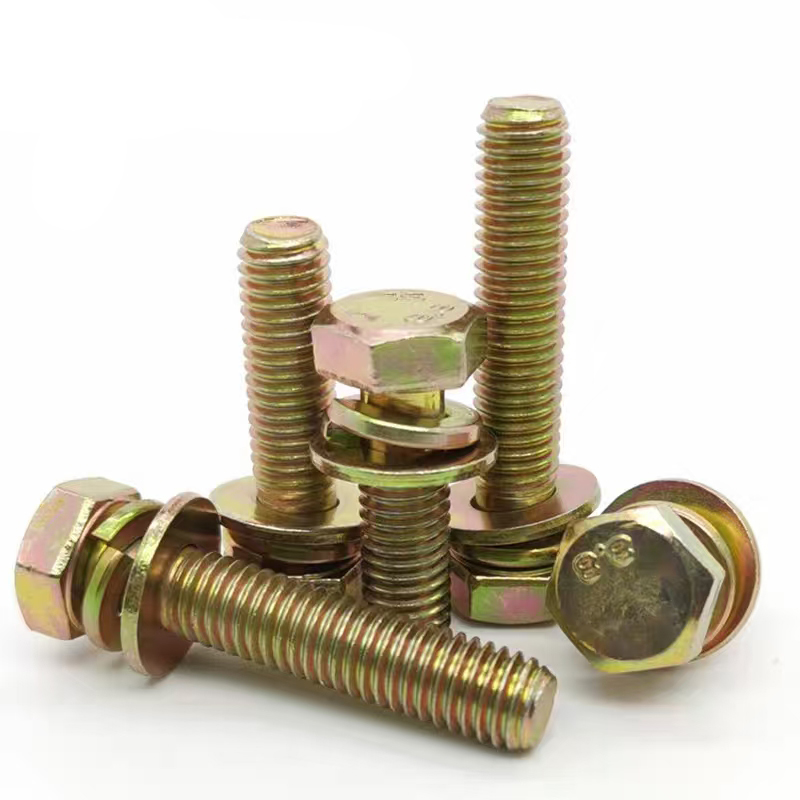
Hot-dip galvanized hexagonal bolts